Our verdict
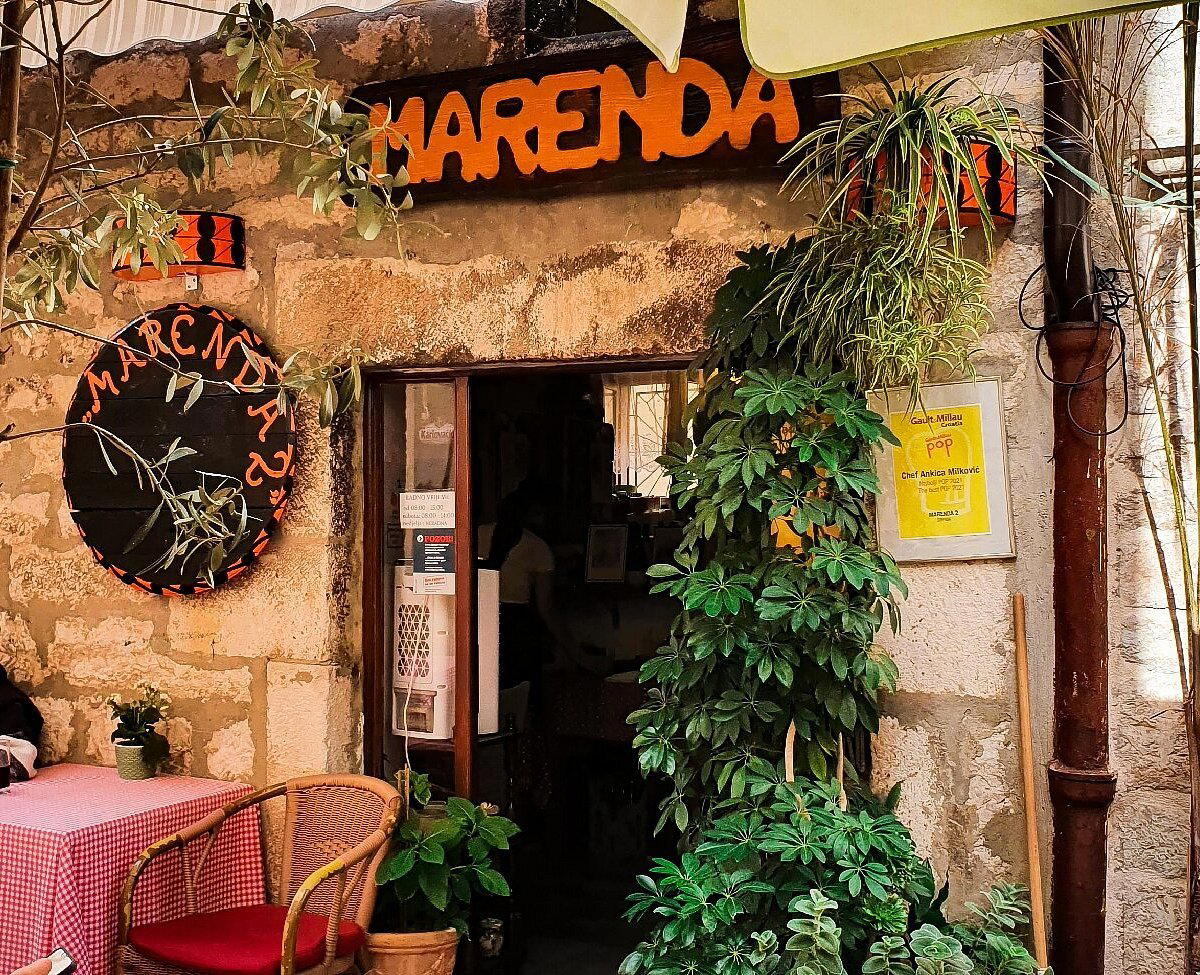
Marenda 2 sits in the old town of Šibenik, Croatia, drawing on the Dalmatian konoba tradition while operating in a city increasingly recognised for serious dining. With addresses like Pelegrini and Bronzin raising the ceiling for Croatian coastal cooking, Marenda 2 occupies a distinct position in the local scene, worth understanding before you book.

Pearl is the En Primeur Club membership app, where members save venues, book tables and use the concierge.
The menu
What to order
- Adriatic black cuttlefish risotto
- Squid salad with onion and potatoes
- House-cured prosciutto
- Grilled calamari
Šibenik's Dining Rhythm and Where Marenda 2 Sits
The Dalmatian coast has long organised its eating life around a particular ritual: the midday meal as the centrepiece of the day, eaten slowly, with wine poured early and conversation running longer than the food. In Šibenik, that rhythm feels more intact than in Split or Dubrovnik, where tourism has shifted the tempo toward all-day service and abbreviated menus designed for turnover. Here, the better tables still expect you to arrive with time to spare. Marenda 2, located on Ul. Bonina iz Milana 5 in the historic core, sits inside that tradition. The address alone, a narrow street in one of the most intact medieval town centres on the Adriatic, signals what kind of experience frames the meal before the first dish arrives.
Šibenik has quietly developed one of the more interesting restaurant clusters on the Croatian coast. Pelegrini, the city's most decorated address for Mediterranean and modern cuisine, has established that this is a city capable of supporting serious, technically ambitious cooking. Bronzin and Il-palazzo Galbiani have added further range, giving visitors a genuine spread of registers to work across during a stay. Marenda 2 and the nearby Konoba Marenda occupy a different tier within that cluster: closer to the konoba tradition, where the emphasis falls on local produce, unfussy preparation, and a pace that refuses to be hurried.
The Konoba Tradition and What It Demands of the Diner
Understanding what a konoba asks of its guests is necessary context before reading any review or booking any table. The format descends from a domestic feeding tradition rather than a restaurant one. Dishes arrive as the kitchen is ready, not in the tightly choreographed sequence of a fine-dining progression. Wine tends toward the local and unadorned. The room, whether stone-walled or simply modest, is not designed to perform. What the format offers in exchange for that lack of theatre is directness: the food is what it is, the produce sourced close by, the cooking without the mediation of elaborate technique.
On the Dalmatian coast, that tradition is expressed through dishes rooted in seasonal availability from both the sea and the hinterland. Dalmatian cuisine draws simultaneously from the Adriatic and from the Zagora, the inland karst region, producing a table where grilled fish and peka-cooked lamb can sit alongside each other without contradiction. The pacing of a meal in this format has its own logic: the aperitivo moment extends, the mains arrive unhurried, the end of the meal is not signalled by a dessert trolley but by the natural exhaustion of the table's appetite. This is the register within which Marenda 2 operates, and it rewards visitors who arrive prepared to eat on its terms rather than their own schedule.
For context on how this tradition plays out at the higher end of the Croatian dining spectrum, Agli Amici Rovinj in Rovinj and Boskinac in Novalja show how regional ingredients get handled when the kitchen tilts toward ambition. LD Restaurant in Korčula and Nebo by Deni Srdoč in Rijeka represent the modern Croatian approach at its most articulate. Marenda 2 and its peer addresses in Šibenik occupy the opposite end of that spectrum, where the tradition is preserved rather than reinterpreted, and that is not a lesser position, simply a different one.
Within Šibenik specifically, the dining scene divides broadly between the technically ambitious (Pelegrini sitting at the apex of that group) and the tradition-rooted (the konoba-adjacent addresses of which Marenda 2 is one). Konoba Ronilac represents another address in the latter camp. The choice between these registers is genuinely a question of what kind of meal you want rather than which is objectively superior. A visitor spending several days in Šibenik would do well to move across both: the more structured, modern addresses for one evening, the konoba-register meals for the slower, longer lunch that this city's rhythm actively encourages.
The comparison sharpens when placed against the wider Croatian coastal canon. Restaurant 360 in Dubrovnik and Krug in Split operate at a scale and formality that places them in an entirely different competitive set. Even further afield, Alfred Keller in Mali Lošinj demonstrates how island-sourced cooking can take on considerable refinement. None of those references are the right comparison for Marenda 2. The right comparison is the category itself: the honest, produce-led, Dalmatian lunch table that the region has practised for generations.
Planning the Visit
Šibenik rewards visitors who treat the old town on foot. The address at Ul. Bonina iz Milana 5 is within the historic core, reachable from the Cathedral of St. James, a UNESCO-listed structure, in a few minutes on foot. The city is accessible by bus from Split, roughly an hour south, and from Zadar to the north. For those building a wider Croatian itinerary, Dubravkin Put in Zagreb, Korak in Jastrebarsko, and BioMania Bistro Bol in Bol round out a diverse national picture. Our full Šibenik restaurants guide covers the city's dining scene across all registers and price points.
The summer season, June through August, is when Šibenik operates at full capacity, with the International Children's Festival and a heavy tourist calendar compressing available tables across the old town. Visiting in May or September allows the city's natural pace to reassert itself and puts you at tables that are less pressured. For a meal that runs on Dalmatian time, that is when the format is at its most itself.
Frequently asked questions
Where do I go for Marenda 2?
Marenda 2 is located at Ul. Bonina iz Milana 5, 22000, Šibenik, Croatia, Sibenik.
How does Marenda 2 differ from other konobe in Šibenik's old town?
Marenda 2 takes its name from the marenda itself, the traditional Dalmatian mid-morning to midday meal that predates the modern lunch hour and remains a working-class institution in Šibenik. That naming choice signals a specific positioning: this is a venue oriented around the local eating calendar, not the tourist schedule. Within Šibenik's historic core, that focus on the marenda hour separates it from konobe that operate primarily on tourist dinner traffic.
What should I eat at Marenda 2?
Marenda 2 operates within the konoba tradition of Šibenik, which means the kitchen centres on Dalmatian staples: slow-cooked meats, locally sourced fish, and seasonal vegetables prepared without elaboration. The format is built around the midday meal, so arrive hungry and expect portions sized accordingly. Specific dishes are best confirmed on arrival, as konoba menus follow market availability.
What's the best way to book Marenda 2?
No phone number or website is currently documented for Marenda 2, so the most reliable approach is to visit in person at Ul. Bonina iz Milana 5 in Šibenik's historic core. Konobe in Dalmatia often seat guests on a walk-in basis, particularly at midday when the marenda meal is at its peak. Arriving before the main lunch rush is the practical hedge against a wait.
What's the standout thing about Marenda 2?
The address inside Šibenik's UNESCO-listed old town places Marenda 2 within the daily rhythm of a city that still treats the midday meal as its social anchor. Where peers like Pelegrini pursue technical ambition, Marenda 2 sits in the konoba register: format over spectacle, tradition over innovation. That clarity of purpose is what distinguishes it from the more tourist-facing restaurants along the waterfront.
Can Marenda 2 adjust for dietary needs?
Konoba kitchens in Dalmatia are structured around a fixed canon of dishes and the day's market supply, which limits flexibility compared to à la carte restaurants. Dietary requirements are worth raising directly with staff at Ul. Bonina iz Milana 5, ideally in person or on arrival. Vegetable-forward dishes and fresh fish are typically available within the format, but the kitchen's capacity to accommodate specific restrictions is not documented.
Is a meal at Marenda 2 worth the investment?
The value question in this format is less about cost-per-dish and more about whether you want a working local lunch or a destination dining event. If the former, Marenda 2's position in the old town at Ul. Bonina iz Milana 5 makes it a coherent choice.
Cuisine-First Comparison
Comparable venues nearby, for context on price, style, and recognition.
| Venue | Cuisine | Price | Notes |
|---|---|---|---|
| Marenda 2This venue (the venue you are viewing) | Traditional Dalmatian Home Cooking | $20–30 | Not listed |
| Konoba Marenda | Traditional Dalmatian | $10–20 | historical center |
| Bronzin | Traditional Croatian Mediterranean Grill | $20–30 | Old Town |
| Nostalgija | Traditional Dalmatian Seafood | Not listed | Old Town |
| Pjat | Dalmatian Mediterranean Grill | Not listed | Šibenik riva |
| Il-palazzo Galbiani | Modern Croatian Seafood & Mediterranean | $30–50 | Sibenik Old Town |
Continue exploring
More in Sibenik
Restaurants in Sibenik
All restaurants in Sibenik →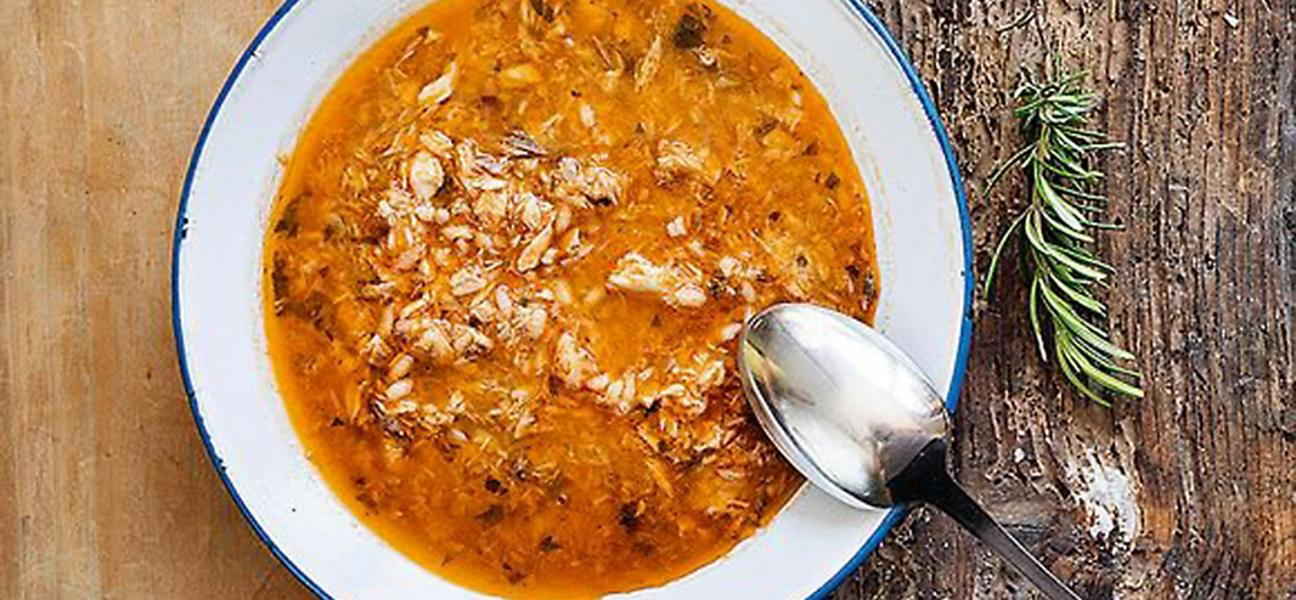
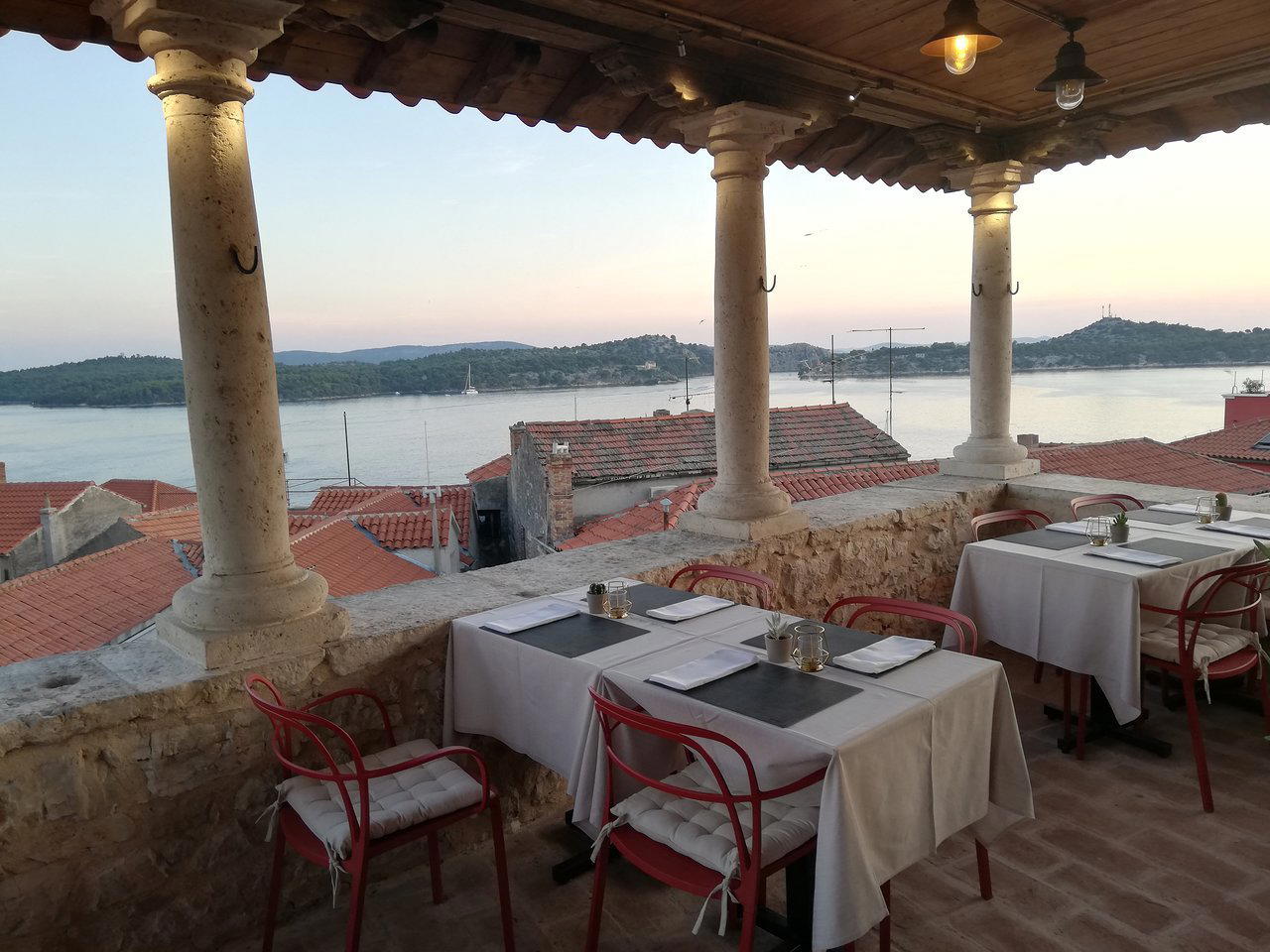
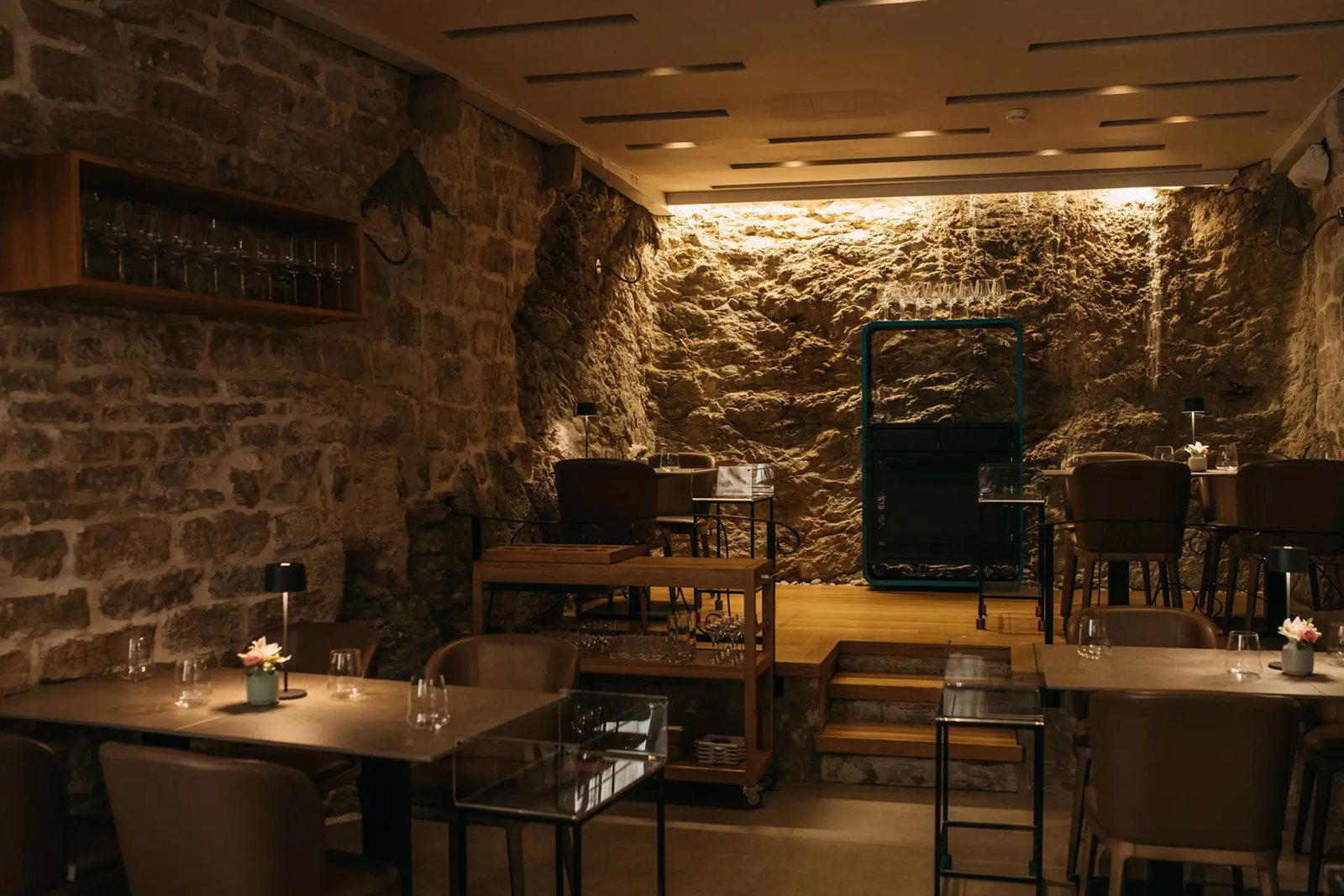
Bars in Sibenik
All bars in Sibenik →

Details
- Cozy
- Rustic
- Intimate
- Classic
- Casual Hangout
- Date Night
- Solo
- Historic Building
- Standalone
- Terrace
- Local Sourcing
- Farm To Table
- Street Scene
- Set Menu
- Family Style
- House Wine
- Local Wine
- Pescatarian Friendly
Current opening hours
- Monday
- 8 AM–3 PM
- Tuesday
- 8 AM–3 PM
- Wednesday
- 8 AM–3 PM
- Thursday
- 8 AM–3 PM
- Friday
- 8 AM–3 PM
- Saturday
- 8 AM–3 PM
- Sunday
- Closed
Hours can change for holidays and private events. Hours as of .
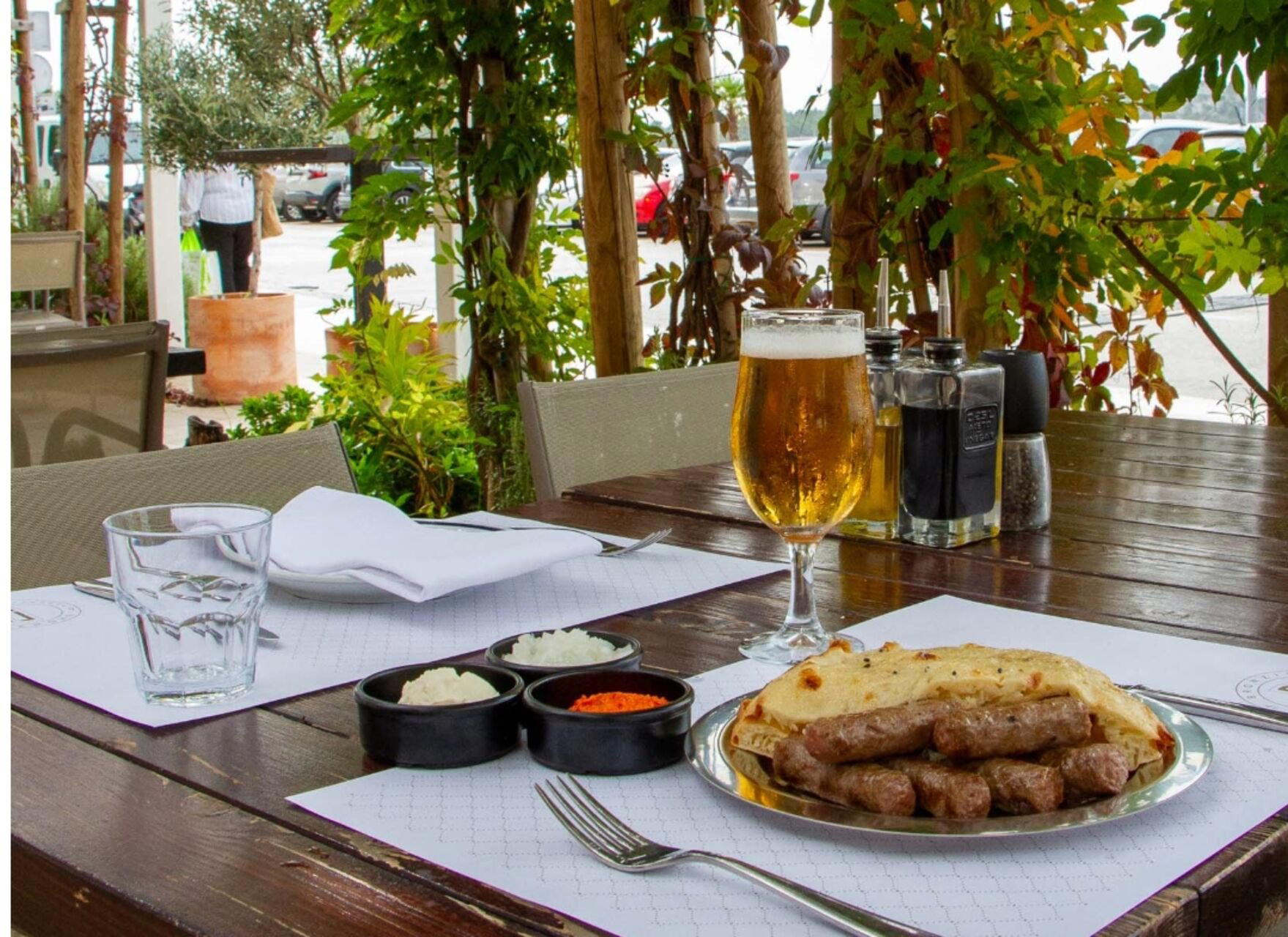
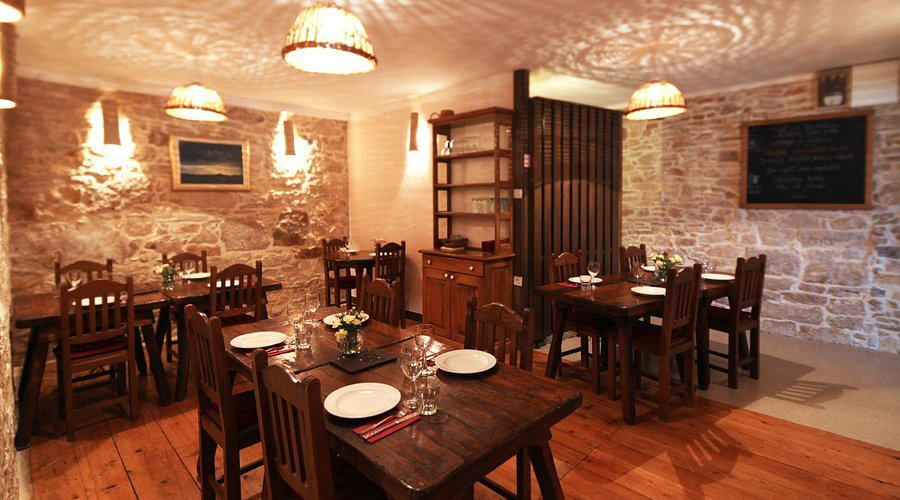
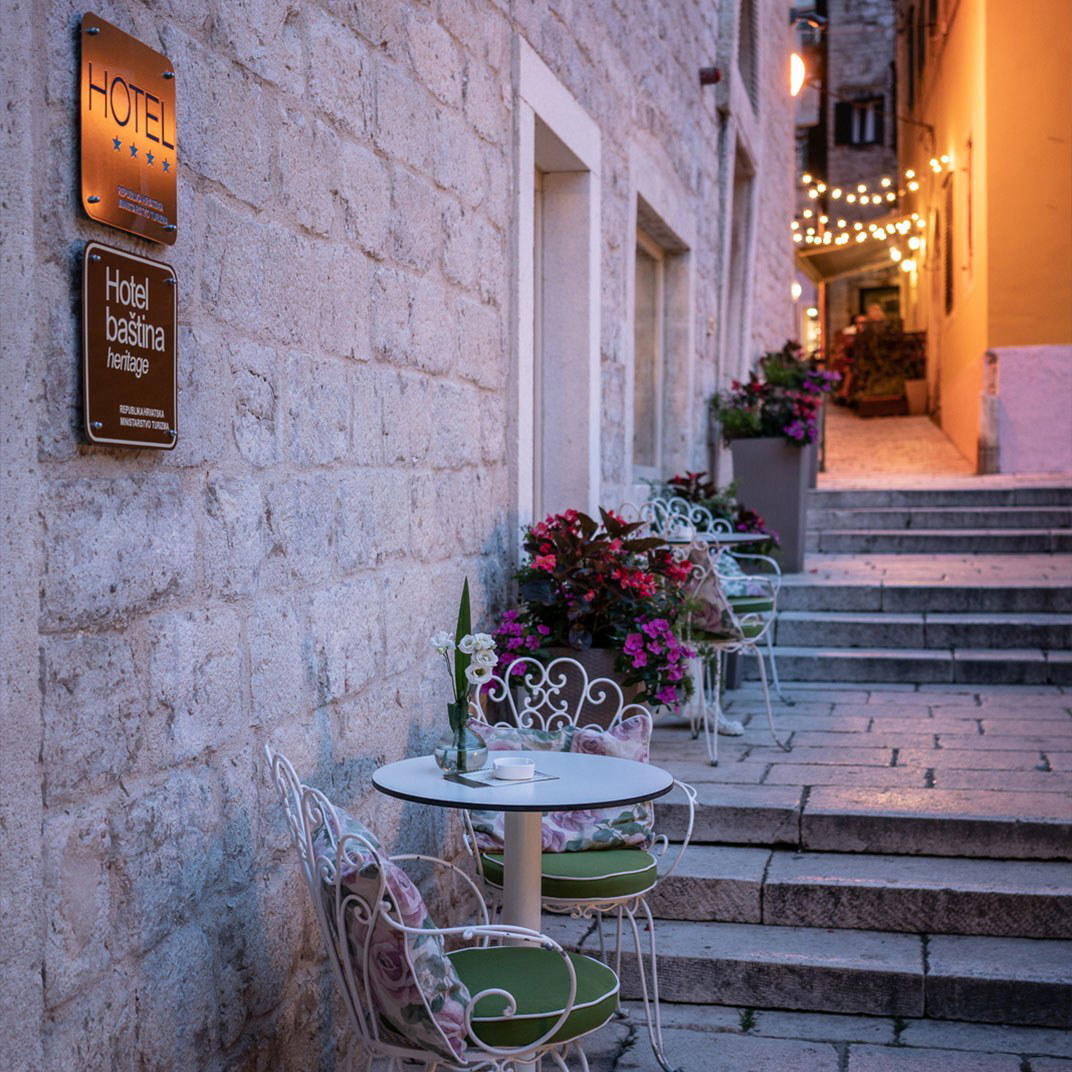
Simple, cosy stone interior with slow-paced atmosphere; narrow outdoor sidewalk seating along a quiet alley away from tourist crowds; warm, intimate lighting with a nostalgic, timeless quality.