Seats at Robinsons
Seats at Robinsons occupies a spot on Tettenhall's High Street, one of Wolverhampton's most characterful village-style strips. The restaurant sits within a dining scene that has quietly gained confidence across the West Midlands, where neighbourhood venues increasingly hold their own against city-centre flagships. Visiting requires contacting the venue directly for current booking information.
Pearl is the En Primeur Club membership app — saves, bookings, and concierge access live there. Same editors, same standards.
- Address
- 18 High St, Tettenhall, Wolverhampton WV6 8QT, United Kingdom
- Phone
- +441902751692
- Website
- order.toasttab.com
- Directions
- Get directions
 Saves & bookings on Pearl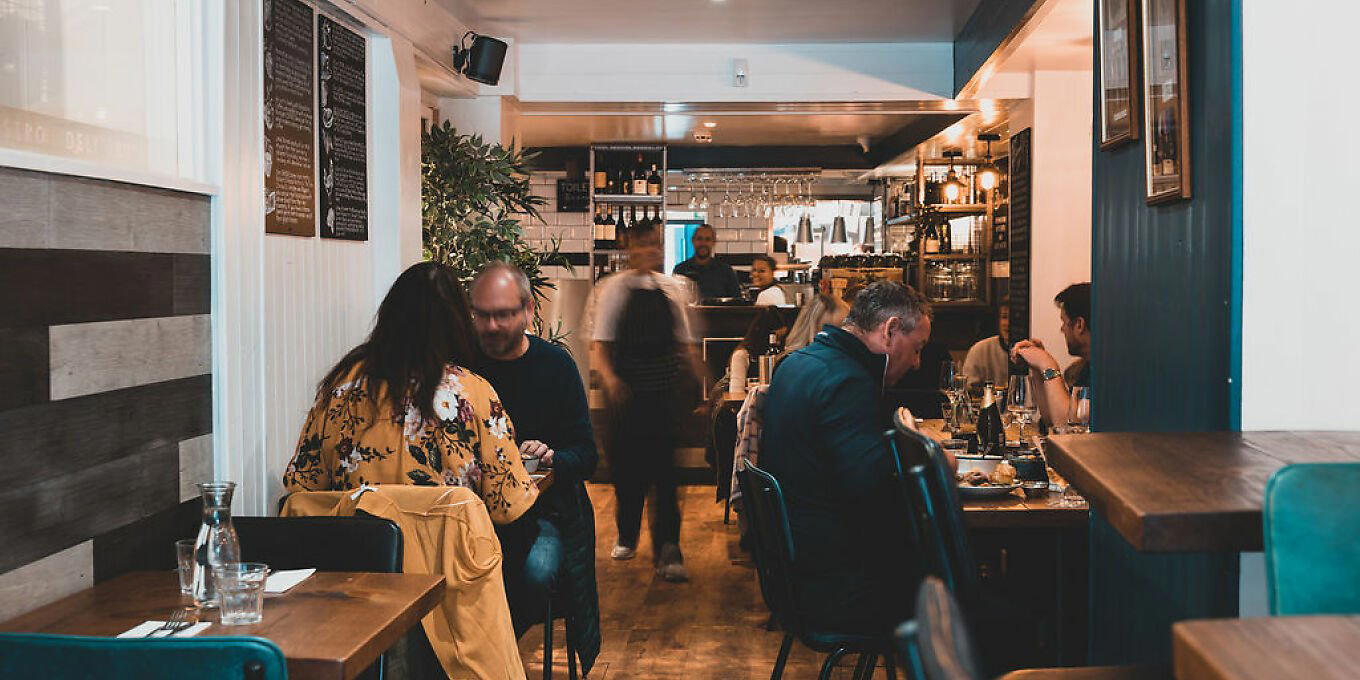
Tettenhall's Dining Character and Where Seats at Robinsons Fits
Tettenhall is the kind of address that surprises visitors expecting Wolverhampton's city-centre register. The High Street at WV6 runs through a conservation area with Georgian and Victorian frontages, a neighbourhood that functions less as a suburban extension and more as a self-contained village that happens to sit within a major city's boundary. Restaurants on this strip compete on regulars and reputation rather than footfall and tourism, which tends to produce a different kind of dining culture: less performative, more consistent, dependent on earned trust rather than novelty cycles.
Seats at Robinsons, at 18 High Street, Tettenhall, occupies precisely that context. A restaurant embedded in a neighbourhood strip rather than a destination precinct operates under different pressures and to a different audience than, say, a city-centre opening engineered for weekend visitors. That distinction matters when assessing what the venue is and what kind of visit it rewards.
The West Midlands Dining Scene: Provincial Ambition, Regional Identity
The broader West Midlands restaurant scene has shifted considerably over the past decade. Birmingham anchors the region's fine-dining credentials, with venues like Opheem in Birmingham carrying Michelin recognition and positioning the city within the national conversation on ambitious cooking. But the more interesting development has been the spread of that ambition into surrounding towns and suburbs, where smaller, owner-operated venues have built loyal audiences without the infrastructure costs that come with a city-centre address.
That provincial confidence connects to a wider pattern visible across England. The concentration of serious restaurants in London has always been contested by strong regional scenes, and the Midlands is part of that argument. When you look at the range of recognised British restaurants, from Moor Hall in Aughton to L'Enclume in Cartmel, or from Restaurant Sat Bains in Nottingham to Midsummer House in Cambridge, the case for dining outside the capital is increasingly well-evidenced. Wolverhampton and its suburbs are part of that argument, even if they sit in a quieter register than some of their regional peers.
Neighbourhood Restaurants and the Case for the Village Strip
There is a particular kind of restaurant that British food culture produces well and that international fine-dining circuits tend to overlook: the serious neighbourhood restaurant on a residential high street, operating for a local audience with genuine cooking ambition. These venues rarely attract the critical apparatus that follows city-centre openings, but they often outlast their more fashionable counterparts because they are built on repeat custom rather than opening-week hype.
The High Street model in Tettenhall places Seats at Robinsons in that category. Proximity to Wolverhampton's residential north, combined with a village-scale environment, positions the restaurant differently from venues like Rosello Restaurant in the city proper. Each serves a different function in the local dining map, and understanding that distinction helps frame expectations before you arrive.
Comparable dynamics appear in other English restaurant cultures. The village gastropub model, as demonstrated by venues like Hand and Flowers in Marlow or the rural retreat format of Gidleigh Park in Chagford, shows how location outside a major city can be an asset rather than a limitation when the cooking is strong enough to draw its own audience. The same logic operates at smaller scales, on village high streets and market town squares across the country.
British Culinary Tradition and the Regional Table
British restaurant cooking has undergone a genuine reassessment of its own identity over the past two decades. The long shadow of French classical technique, still visible at temples like Waterside Inn in Bray or Le Manoir aux Quat'Saisons in Oxford, has been joined by a more confident assertion of British produce and regional identity. Chefs now routinely foreground county-level sourcing, seasonal calendars derived from British agriculture, and flavour profiles that owe more to the landscape they cook in than to any continental template.
That shift benefits regional venues disproportionately. A restaurant in Wolverhampton's Tettenhall has access to the produce of the West Midlands, Shropshire, and the Welsh Marches: landscapes that support strong meat, game, dairy, and market garden traditions. The cultural roots of British cooking in the Midlands are tied to that agricultural hinterland, and the leading restaurants in the region have learned to use proximity to source as an argument for quality rather than a consolation for distance from London.
Internationally, the evolution of British restaurant culture has attracted serious attention. Venues like CORE by Clare Smyth in London have placed British produce at the centre of fine-dining ambition. That same conversation, at different price points and scales, runs through every serious British restaurant, whether three-Michelin-starred or a carefully run neighbourhood room in Tettenhall.
For comparison with how that argument plays at the highest international level, it is worth noting how kitchens from Le Bernardin in New York City to Atomix in New York City have built reputations on rigorous sourcing and cultural specificity, principles that apply regardless of geography or price tier. Similarly, Ynyshir Hall in Machynlleth, The Glenturret Lalique in Crieff, and Restaurant Andrew Fairlie in Auchterarder each demonstrate how deeply rooted regional identity can produce serious cooking far from any metropolitan centre, and hide and fox in Saltwood shows how the same principle operates at village scale in Kent.
Planning Your Visit
The restaurant is located at 18 High Street, Tettenhall, Wolverhampton WV6 8QT. Tettenhall is accessible from Wolverhampton city centre in under fifteen minutes by car, and the High Street itself has parking available in the surrounding residential streets. The restaurant's regular opening hours are Mon: Closed; Tue: 8 AM-2:30 PM; Wed: 8 AM-2:30 PM; Thu: 8 AM-2:30 PM, 5-8 PM; Fri: 8 AM-2:30 PM, 5:30-8:30 PM; Sat: 8 AM-2:30 PM, 5:30-8:30 PM; Sun: 10 AM-5 PM, and reservations are essential. For neighbourhood restaurants of this type, evenings and weekends tend to fill faster than midweek lunch, a pattern consistent across the Tettenhall dining strip.
Budget Reality Check
Comparable venues nearby, for context on price, style, and recognition.
| Venue | Cuisine | Price | Notes |
|---|---|---|---|
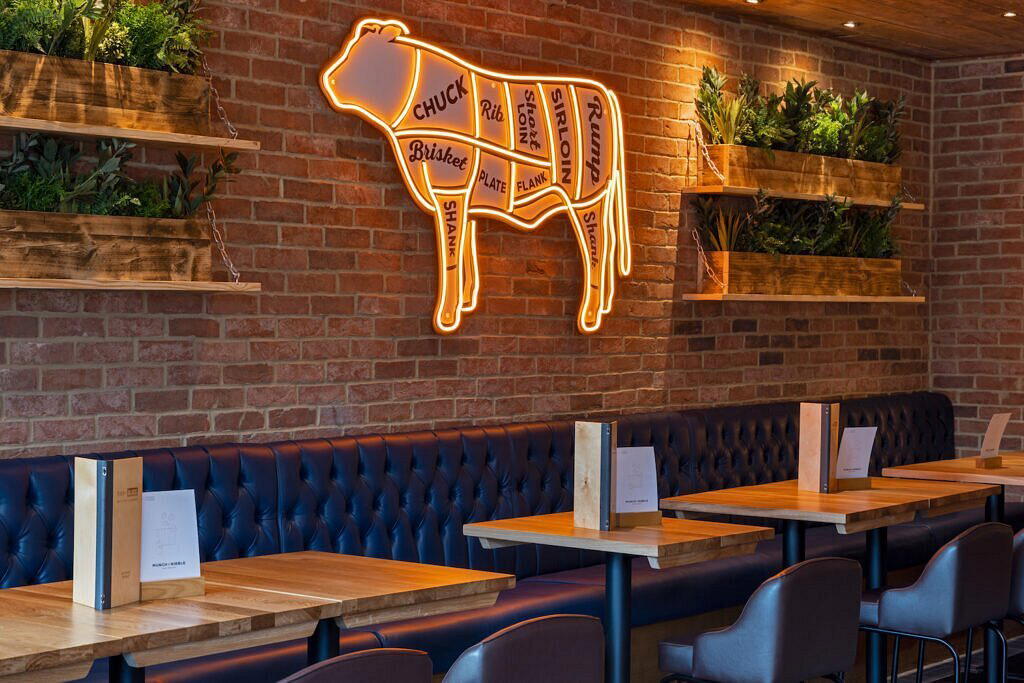
| Seats at RobinsonsThis venue — the venue you are viewing | Tettenhall, British Steakhouse & Roasts | $$ | Not listed |
| Rosello Restaurant | Albrighton, Authentic Italian | $$ | Not listed |
| Mister's Cafe & Bistro | Westgate Street, British Cafe Bistro | $$ | Not listed |
| Seeds | Not listed | $$ | High Street, British-Welsh Cottage Dining |
| Cafe Tabac | Bold Street, British Bohemian Cafe | $$ | Not listed |
| The Yellow Bittern | Not listed | $$$ | King's Cross, Irish-influenced British set-menu lunch |
Continue exploring
More in Wolverhampton
Restaurants in Wolverhampton
Browse all →
Bars in Wolverhampton
Browse all →
At a Glance
- Cozy
- Intimate
- Family
- Celebration
- Brunch
- Standalone
- Local Sourcing
Current opening hours
- Monday
- Closed
- Tuesday
- 8 AM–2:30 PM
- Wednesday
- 8 AM–2:30 PM
- Thursday
- 8 AM–2:30 PM, 5–8 PM
- Friday
- 8 AM–2:30 PM, 5:30–8:30 PM
- Saturday
- 8 AM–2:30 PM, 5:30–8:30 PM
- Sunday
- 10 AM–5 PM
Hours can change for holidays and private events. Last verified .
Intimate and friendly village bistro with a comfortable, relaxed atmosphere and attentive service.