Lucky7

Pinnacle Guide 1 Pin
Lucky7 on Frederick Street brings East Asian pantry ingredients into conversation with Western cocktail traditions, producing a programme shaped by seasonal thinking and cross-cultural technique. The bar sits within Birmingham's growing independent drinks scene, offering a format that rewards curiosity over familiarity. It is the kind of place that assumes its guests have already tired of predictable gin lists.

Pearl is the En Primeur Club membership app — saves, bookings, and concierge access live there. Same editors, same standards.
- Address
- 53 Frederick St, Birmingham B1 3HS, United Kingdom
- Hours
- Mon–Wed ClosedThu–Sat 5–11 PMSun Closed
- Website
- lucky7bhx.com
- Directions
- Get directions
- Booking
- Book on the venue's website
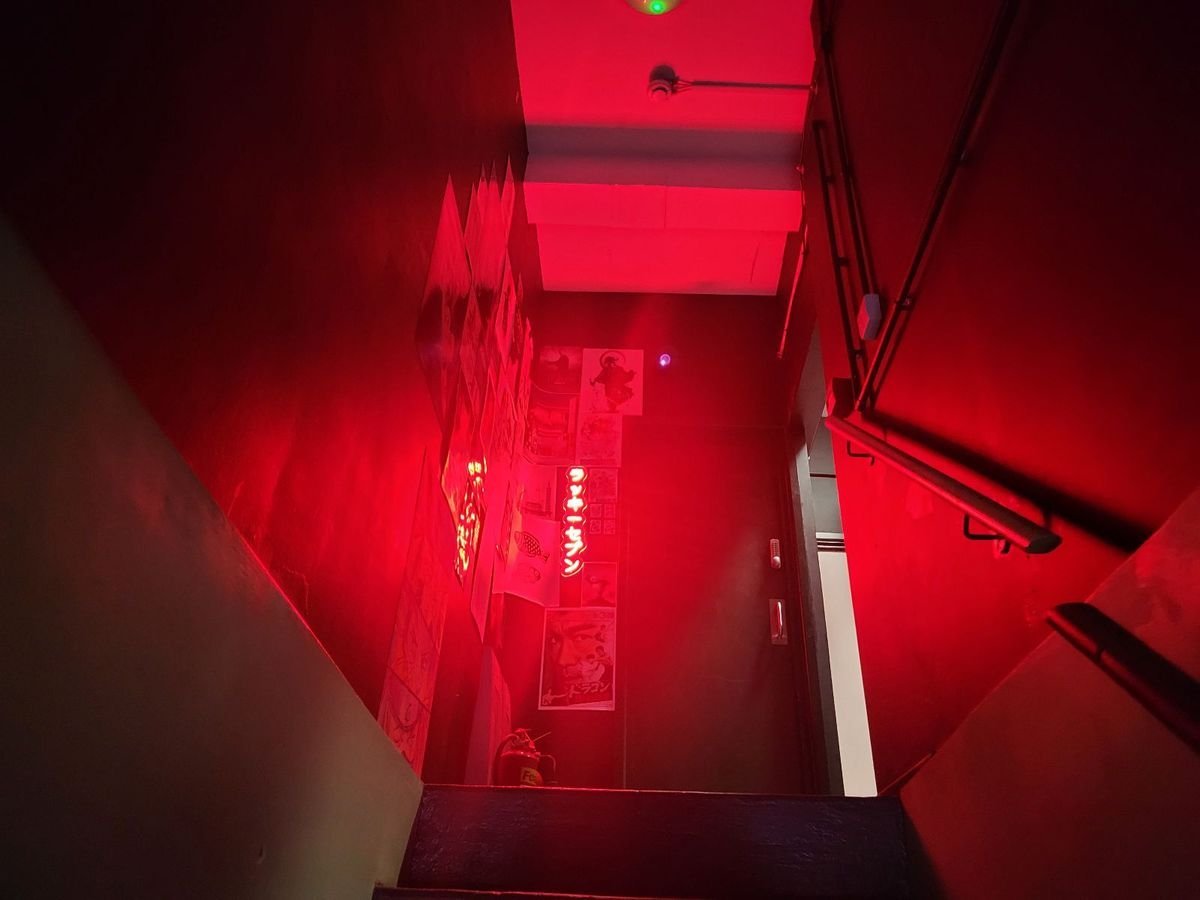
Where Frederick Street Comes Alive After Dark
Birmingham's Jewellery Quarter has spent the better part of a decade shifting from workshop district to after-hours destination. The streets around Frederick Street sit at the quieter, more residential edge of that transformation, which is precisely what makes the bar culture here feel less performed than in Digbeth or the Colmore Row corridor. When a neighbourhood bar earns its regulars in this part of the city, it does so without the scaffolding of a high-footfall location or a major venue group behind it. Lucky7, at 53 Frederick Street, operates in that context: a bar where the draw is the programme itself rather than the postcode.
The concept positions East Asian pantry ingredients alongside Western cocktail technique, treating the combination as a genuine working method rather than a theme. Across the UK, a small cohort of bars has been doing serious work in this space, drawing on Japanese whisky culture, Korean fermentation logic, Korean and Southeast Asian citrus profiles, and Chinese herbal ingredients to expand what a cocktail list can taste like. In Birmingham specifically, that approach is less crowded than in London, where venues like 69 Colebrooke Row in London have defined the technical cocktail conversation for over a decade. Lucky7 enters a city where the bar scene is still sorting its identity, and it does so with a relatively specific point of view.
The East Asian Pantry as a Cocktail Ingredient Set
The use of East Asian ingredients in Western cocktail formats has accelerated across the UK and Ireland since around 2019, when venues from Bramble in Edinburgh to Merchant Hotel in Belfast began integrating more globally sourced ferments and botanicals into their programmes. The underlying logic is sound: miso, koji, yuzu, gochujang, plum wine, soy-derived umami agents, and dried citrus peels from East Asia all behave interestingly in spirit-forward drinks. They add depth, salinity, funk, and acidity in ways that European bitters and syrups simply do not replicate.
What separates bars that handle this well from those that treat it as decoration is whether the ingredients are doing structural work in the drink or sitting on leading as garnish logic. The seasonal element in Lucky7's framing suggests the programme responds to what is available and in condition, which is a stronger methodology than a fixed list that gestures toward Asian ingredients once or twice. Seasonal menu thinking in a bar context typically means rotating elements two to four times a year and adjusting to fresh citrus, stone fruit, and preserved ingredient cycles. At the more serious end of this approach internationally, venues like Bar Leather Apron in Honolulu have demonstrated how Pacific and Asian ingredient sourcing can be the backbone of an entire bar identity rather than an accent.
A Local Bar in a City Finding Its Footing
Birmingham's cocktail scene does not have the same critical infrastructure as Manchester or Edinburgh. Schofield's in Manchester and Horseshoe Bar Glasgow in Glasgow both operate with established reputations that attract visitors alongside regulars. In Birmingham, bars are still building that external profile, and the venues that do tend to be in higher-visibility districts. The Jewellery Quarter addresses like Lucky7's on Frederick Street are not where first-time visitors gravitate, which means the customer base skews heavily toward locals and word-of-mouth drinkers who already know the neighbourhood.
That is, in many ways, a stronger foundation than footfall dependence. A bar that builds its trade among regulars who return for the programme rather than for the novelty tends to develop a more coherent identity over time. It also creates a different physical atmosphere: less transactional, more likely to feature conversations between bar staff and guests who know each other's orders. Bayonet occupies a different part of the city's bar geography but belongs to the same generation of venues building something deliberate. Lucky7 sits in this cohort as the entry point for East Asian-inflected cocktail thinking in a city that has not yet seen that approach taken seriously at a dedicated level.
What to Order and When to Go
Bars built around East Asian ingredients and seasonal rotation tend to reward repeat visits more than single occasions. A programme that changes with the seasons means the drink that defines your first visit may not exist on your second, which is either a frustration or a reason to come back, depending on how you approach it. For first-time visitors, the most useful entry point is usually whatever the bar highlights as its current seasonal signature, since that is where the ingredient sourcing and technique are likely to be most integrated.
Frederick Street in the Jewellery Quarter is walkable from Birmingham city centre, and the area has enough adjacent venues to make it a viable anchor for an evening rather than a standalone stop. The bar's address at number 53 places it in the quieter stretch of the street. For broader context on where Lucky7 fits within Birmingham's drinking and dining options, the our full Birmingham restaurants guide covers the city's current scene by neighbourhood and type.
For visitors coming from elsewhere in the UK, Birmingham New Street and Moor Street stations put the Jewellery Quarter within a fifteen-minute walk or short taxi ride, which makes Lucky7 accessible as part of a wider Birmingham evening without requiring a base in the immediate neighbourhood. Among cities building a second-tier bar scene with genuine ambition, Birmingham is underrated relative to Leeds, where Mojo Leeds in Leeds benefits from a more established visitor profile. Lucky7's positioning on the quieter side of the Jewellery Quarter means it is building its reputation the slower way, which tends to produce something more durable.
Recognition, Side-by-Side
Comparable venues nearby, for context on price, style, and recognition.
| Venue | Cuisine | Price | Awards | Notes |
|---|---|---|---|---|
| Lucky7This venue — the venue you are viewing | cocktail_bar | $50–100 | Pinnacle Guide 1 Pin | Not listed |
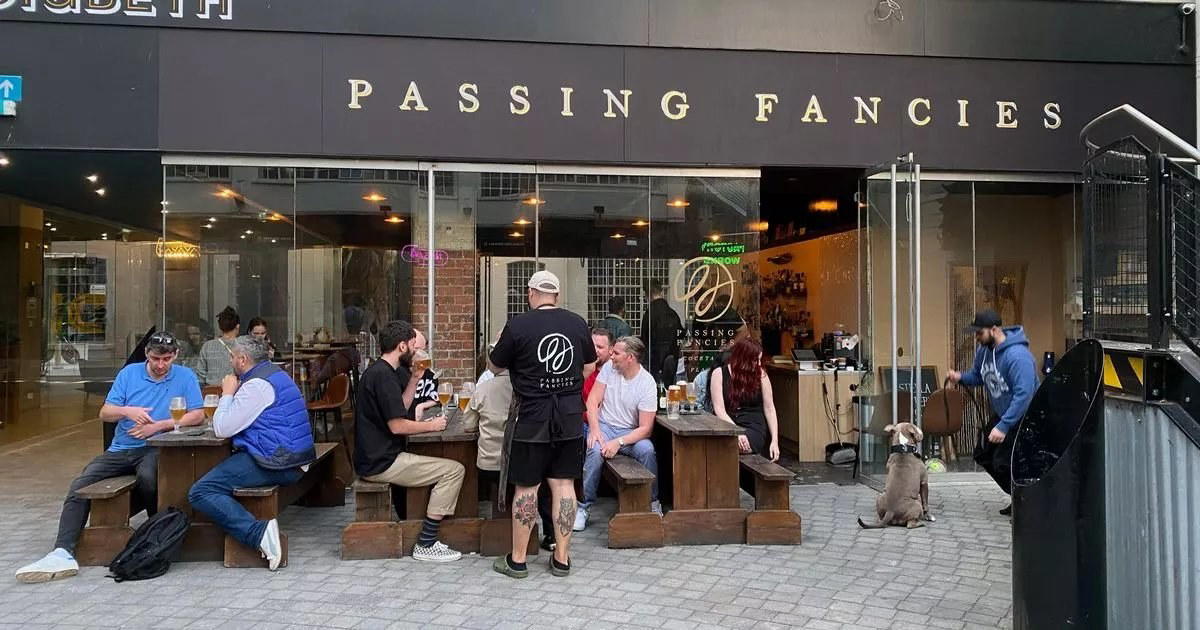
| Passing Fancies | Bar | Not listed | Top 500 Bars Best Bars #476 · Top 50 Cocktail Bars UK #16 | Birmingham |
| Couch | cocktail_bar | Not listed | Not listed | Stirchley |
Recognition history
Dated appearances from independent guides and award organizations, with the underlying list record or original source where available.
Pinnacle Guide 1 Pin
Pinnacle Guide
Continue exploring
More in Birmingham
Bars in Birmingham
Browse all →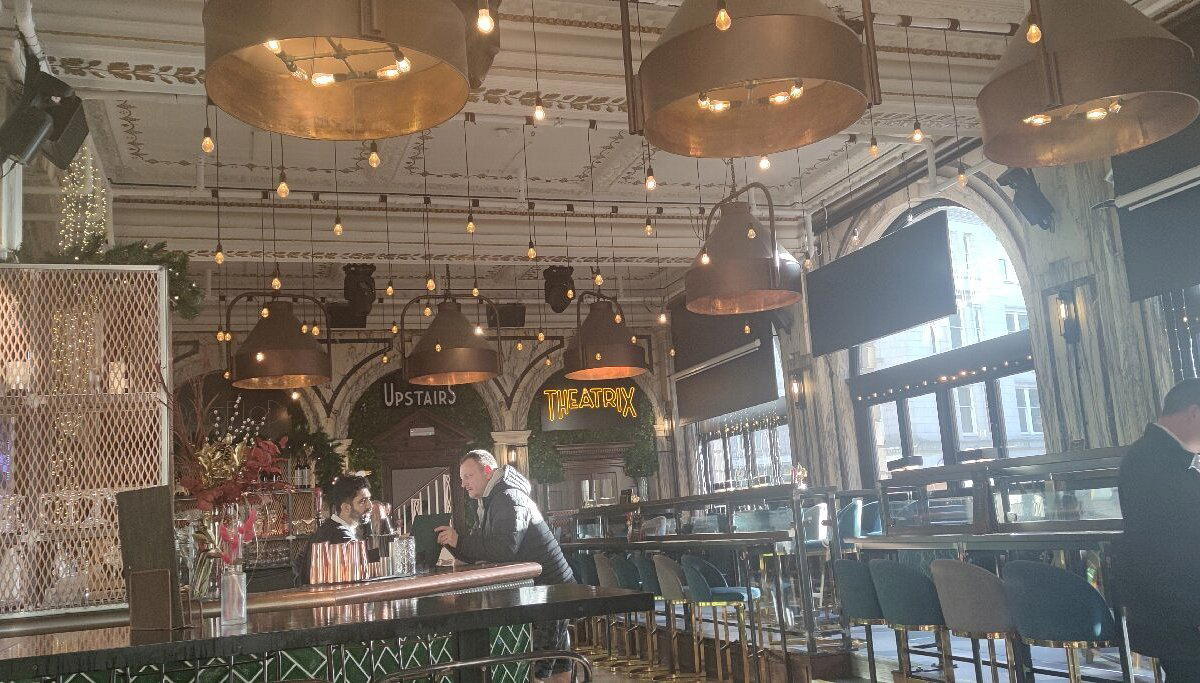
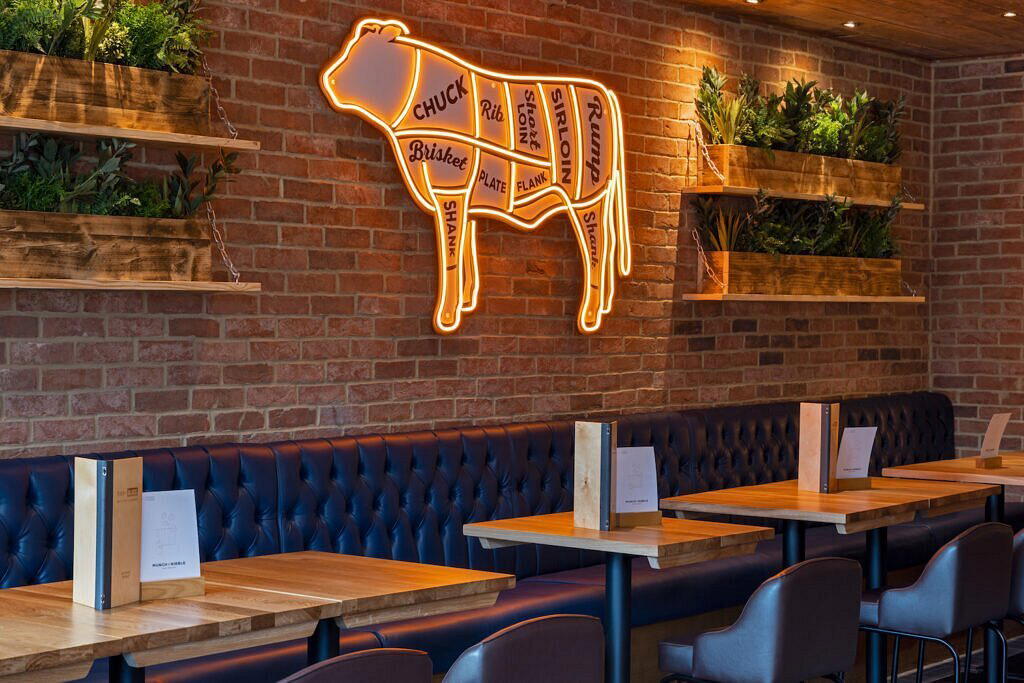
Restaurants in Birmingham
Browse all →
Details
- Intimate
- Sophisticated
- Trendy
- Elegant
- Date Night
- Celebration
- Special Occasion
- Group Outing
- Standalone
- Design Destination
- Seated Bar
- Lounge Seating
- Craft Cocktails
- Zero Proof
- Gin
Current opening hours
- Monday
- Closed
- Tuesday
- Closed
- Wednesday
- Closed
- Thursday
- 5–11 PM
- Friday
- 5–11 PM
- Saturday
- 5–11 PM
- Sunday
- Closed
Hours can change for holidays and private events. Last verified .
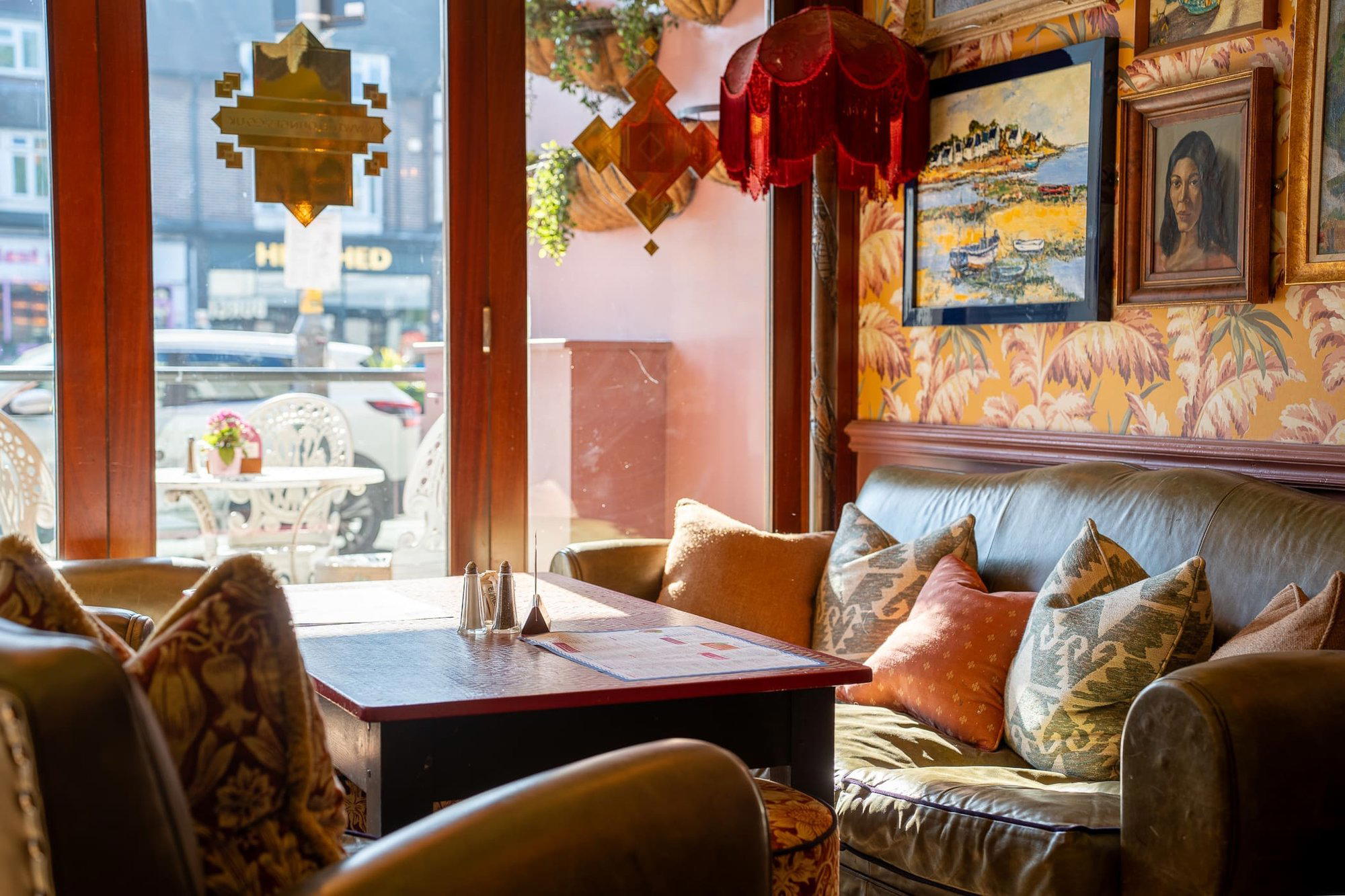
Dark, intimate space with red ambient lighting and tasteful decor that evokes a Tokyo izakaya; frenetic yet relaxed atmosphere with a portal-like entrance up discrete stairs.