Hotel du Vin Birmingham

Michelin Selected for 2025, Hotel du Vin Birmingham occupies a converted Victorian building on Church Street in the city's historic Colmore Row quarter. The property's wine-led identity and bistro format set it apart from the corporate hotel tier that dominates Birmingham's centre. Bookings should be made well in advance, particularly for weekends and during the city's conference and exhibition season.
Pearl is the En Primeur Club membership app — saves, bookings, and concierge access live there. Same editors, same standards.
- Address
- 25 Church St, Birmingham B3 2NR, United Kingdom
- Phone
- +44 121 794 3005
- Website
- hotelduvin.com
- Directions
- Get directions
 Saves & bookings on Pearl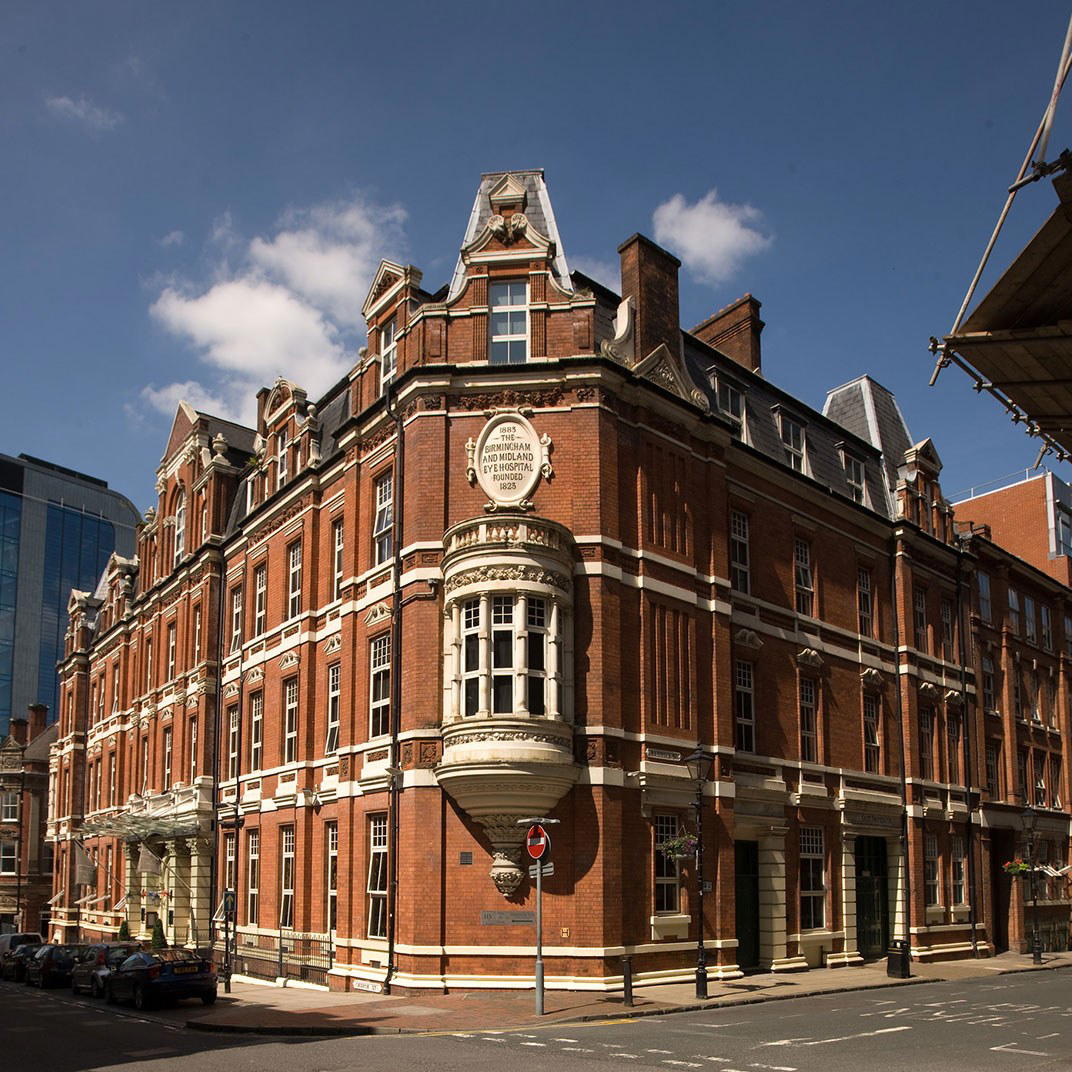
Where Birmingham's Hotel Wine Culture Has Its Firmest Footing
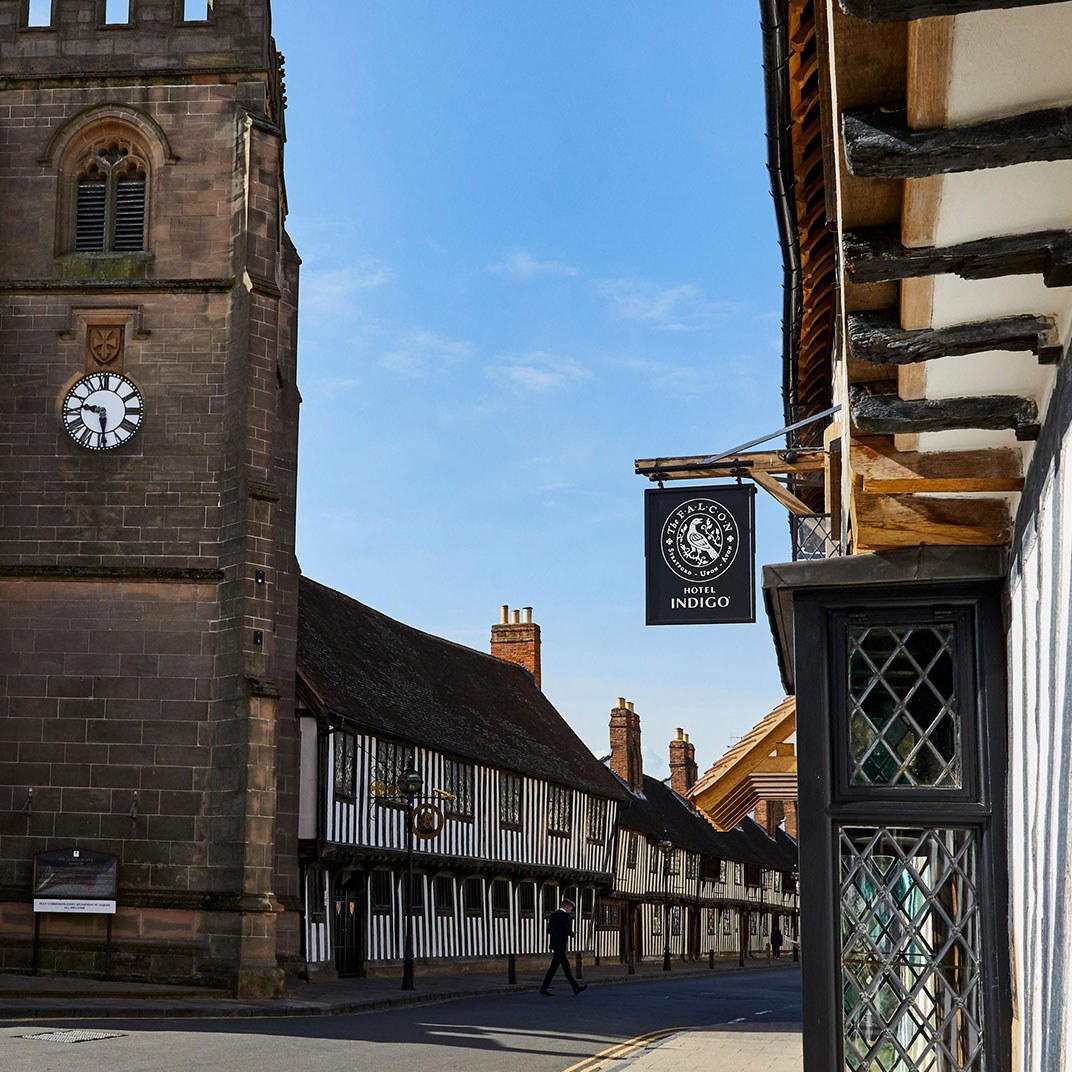
Church Street sits just off Colmore Row in Birmingham's city centre, where the city's older built fabric holds on between glass towers and cleared lots. It's the kind of street where a converted Victorian building reads differently than it would in a residential neighbourhood: the weight of the masonry, the rhythm of the original fenestration, and the relative quiet of a side street all create a counterpoint to the convention-hotel scale that defines the broader city centre. Hotel du Vin Birmingham works with that context. The property's position in a former eye hospital building gives it a legibility that newer constructions on the same street cannot replicate, and the interiors carry the marks of that historic shell: exposed brickwork, high ceilings, and generous room proportions.
Hotel du Vin Birmingham is a 4-star hotel in Birmingham, set in a former eye hospital at 25 Church St and offering 66 rooms. That positioning is less common in the mid-luxury tier than it once was, but it remains coherent: the wine list is the editorial spine of the food-and-beverage offer, and the bistro format is designed to support extended drinking rather than hurried dining. Among Birmingham's hotel restaurant options, that's a distinctive lane. The Hyatt Regency Birmingham and Malmaison Birmingham operate at broadly comparable price points but with different culinary identities; the Hyatt leans toward the international business-hotel format while Malmaison runs its own brand-consistent brasserie programme. Hotel du Vin's wine focus places it in a separate competitive conversation.
The Bistro and Wine Programme
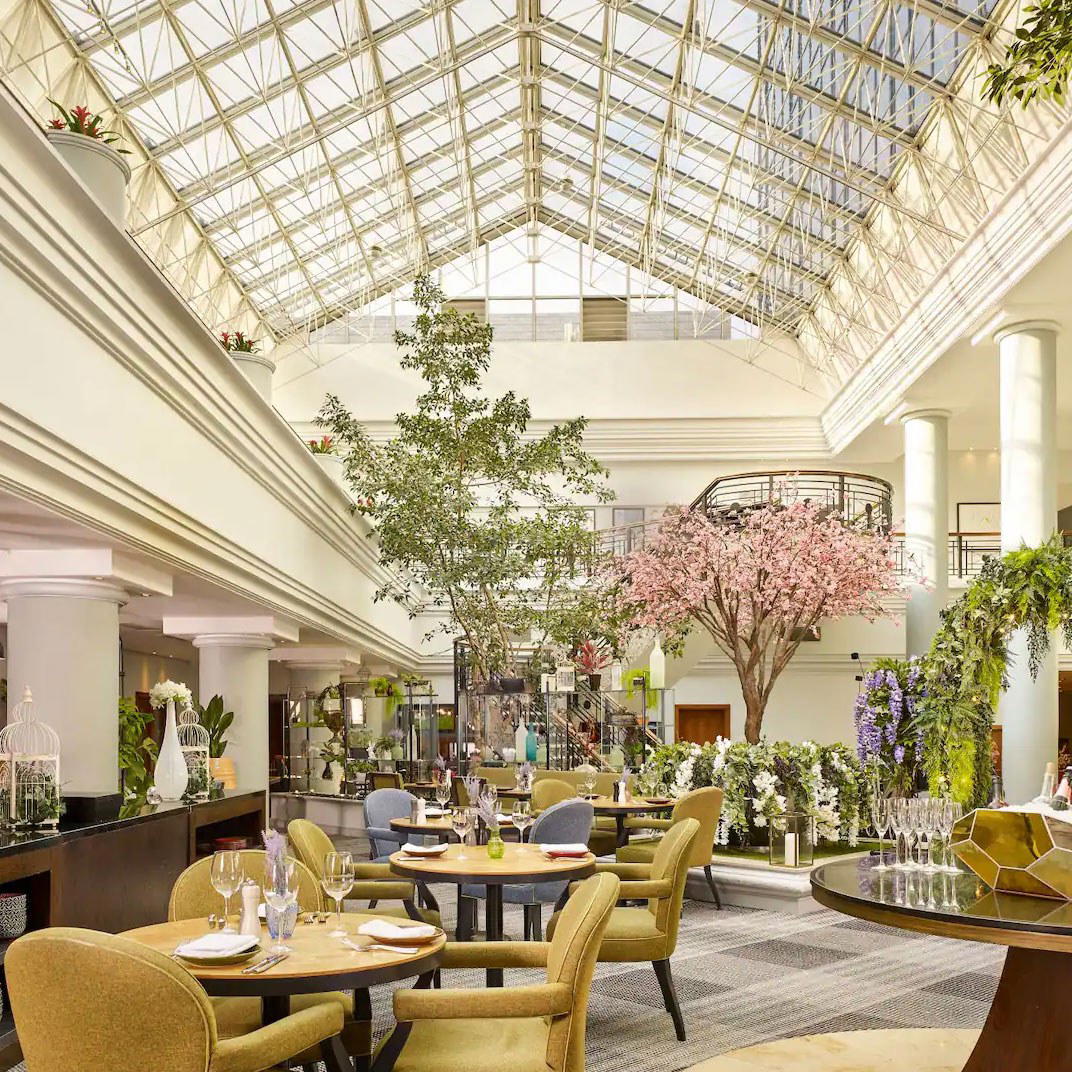
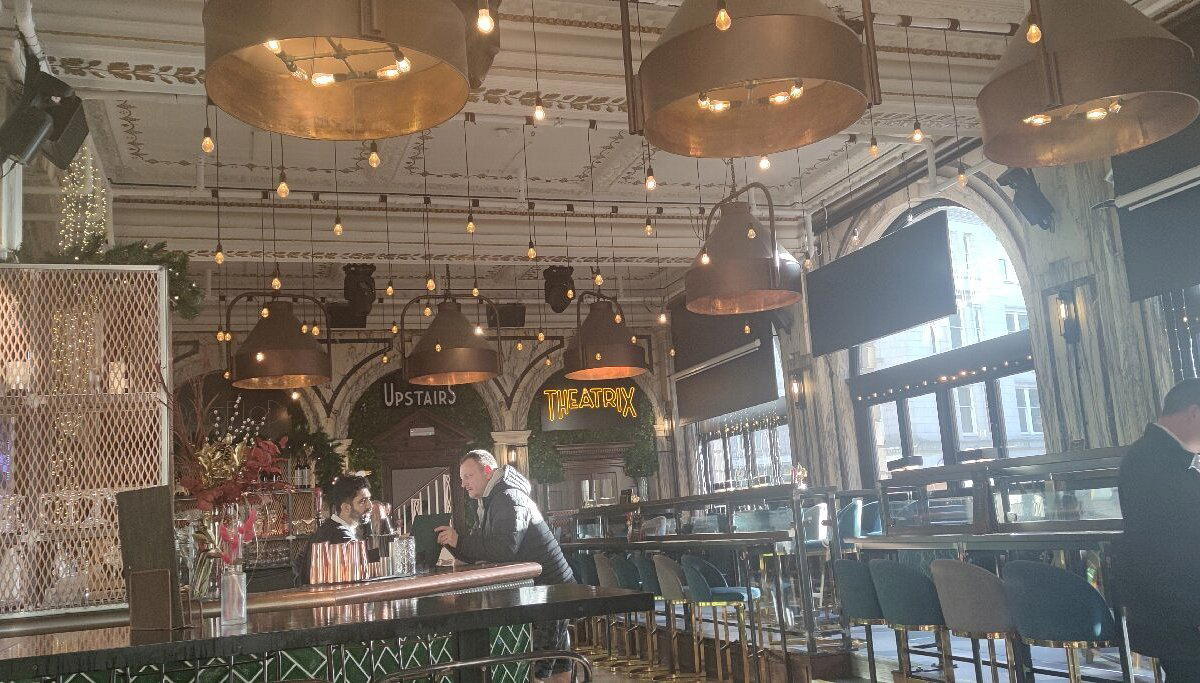
The Hotel du Vin bistro model sits in the European brasserie tradition: a menu built around broadly French technique, a preference for classic preparation over modish experimentation, and a room that supports both solo dining at the bar and longer table sessions. What distinguishes the Birmingham property's food-and-beverage offer within the city's hotel tier is the wine cellar framework. The group's approach has always been to source seriously across France's major appellations and to treat the wine list as a destination in itself rather than as an adjunct to the food menu.
In a city where the independent restaurant scene has grown substantially over the past decade, driven by a younger generation of operators opening in Digbeth, Balsall Heath, and the Jewellery Quarter, the hotel bistro occupies a different role. It functions as a reliable, wine-focused anchor for guests who want depth in the cellar rather than novelty on the plate, and for local diners who use the room for business lunches and early-evening dining without requiring a special-occasion commitment. That's a smaller but dependable niche. For anyone wanting to explore beyond the hotel, our full Birmingham restaurants guide covers the broader scene in detail.
The hotel is Michelin Selected for 2025. The designation applies to the hotel as a whole rather than to a specific restaurant, and it signals a standard of accommodation and hospitality rather than a culinary distinction in the starred sense. The Selected status places Hotel du Vin in a quality bracket that the city's corporate hotel supply generally does not reach. Comparable Michelin Selected recognition in the UK applies to properties with quite different profiles, from Lime Wood in Lyndhurst to Gleneagles in Auchterarder, which illustrates how broad the category is, but the designation at minimum confirms that basic hospitality standards are independently verified.
Rooms and the Building's Inherited Logic
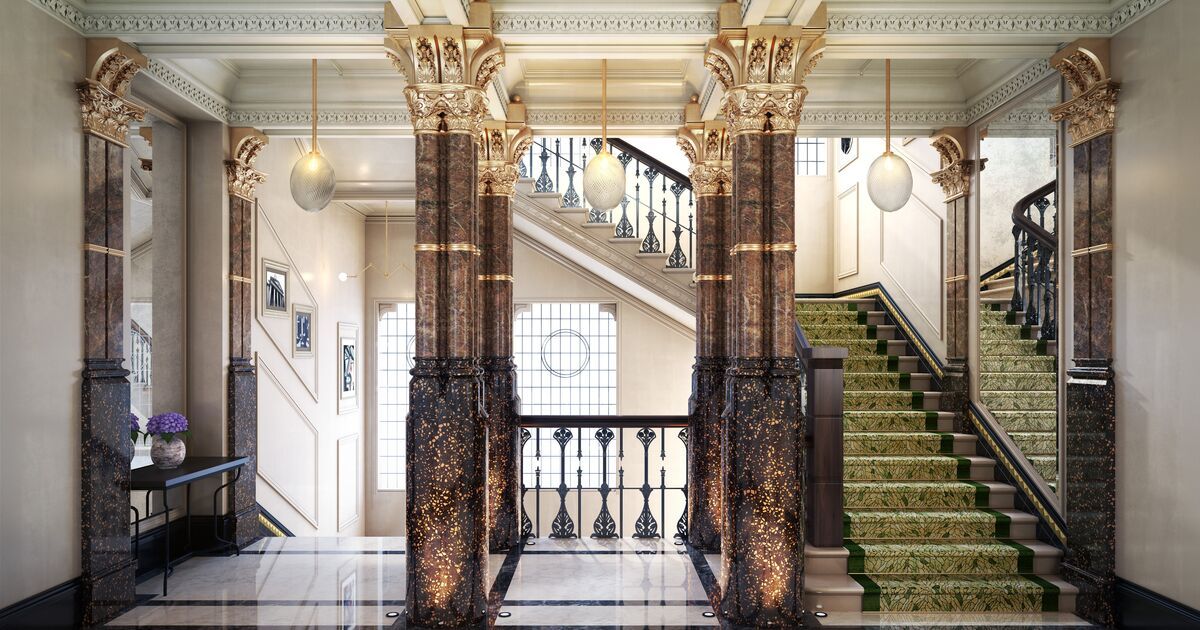
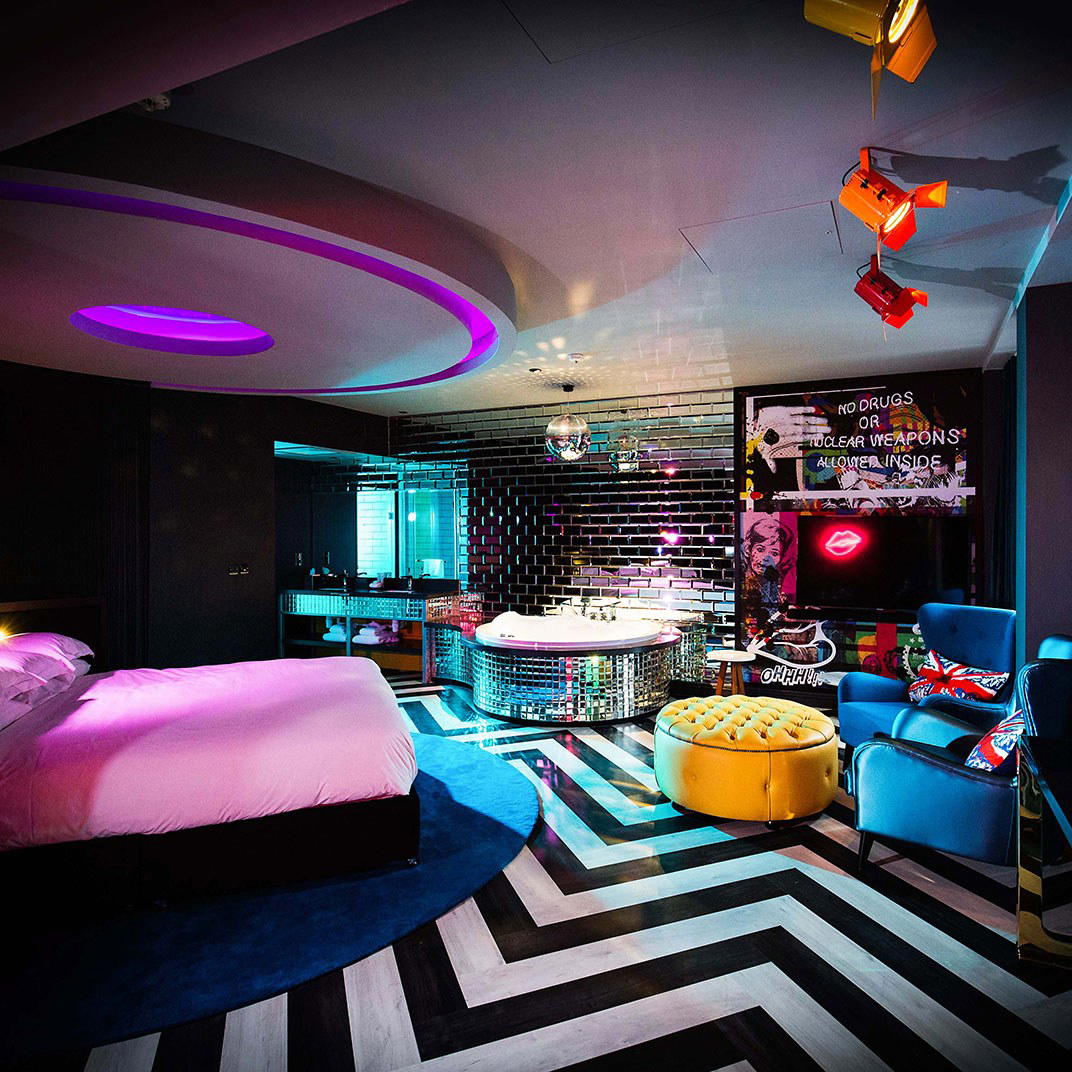
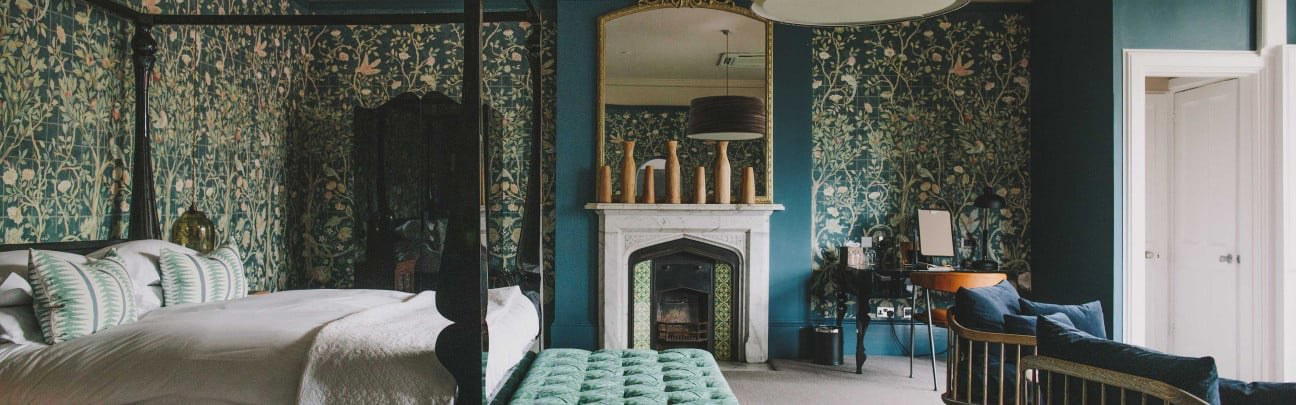
The conversion of the former eye hospital into a hotel is the kind of architectural backstory that shapes how a room feels before any styling decision is made. The building's original ward layout and theatre spaces create room footprints that are irregular by hotel standards, which means that accommodation varies more in character than in a purpose-built tower. Some rooms carry original features; others occupy what were service or administrative spaces. The group's design language across its portfolio tends toward the tactile: leather, dark wood, oversized baths, and a general preference for materials over minimalism.
Within Birmingham's hotel market, the independent-character positioning is occupied by a small group of properties. The Elyton Hotel and The Painted Lady each represent different takes on personality-led accommodation, and the Daxton Hotel sits in a newer design-conscious bracket. Hotel du Vin's heritage conversion places it in yet another sub-category: the adapted historic building where the original structure does as much work as the interior styling. Among the group's own network, the Hotel du Vin at One Devonshire Gardens in Glasgow occupies a Victorian townhouse context with similar logic, though the Glasgow property's residential West End setting gives it a different relationship to the city around it. For those interested in country estate alternatives on a longer Midlands trip, FAWSLEY HALL offers a contrasting format in rural Northamptonshire.
Planning Your Stay
Hotel du Vin Birmingham sits on Church Street, within walking distance of New Street Station and Grand Central, making it accessible without requiring onward transport from either of Birmingham's main rail connections. The property draws both leisure and corporate guests, which creates a booking pattern tied closely to the city's conference and exhibition calendar. Birmingham's NEC and the city-centre ICC both generate consistent mid-week demand, particularly between September and November and again in the spring, and weekend availability during those periods compresses quickly.
For anyone comparing it against other chain-operated mid-luxury hotels in the centre, the building's character is the clearest differentiator. The Malmaison Birmingham and Hotel du Vin share a similar market position and general price orientation, but the wine-first identity and the Church Street building give Hotel du Vin the more specific offer. Anyone booking primarily for the bistro and cellar should plan further ahead than the room-only availability might suggest: the restaurant fills independently of hotel occupancy during the week.
For UK hotel travellers who want comparisons against properties in other cities, the format here has analogues in how some independent-minded mid-scale properties operate: a focus on a specific food-and-beverage identity and a preference for adapted historic buildings. Properties like The Rutland in Edinburgh or Aviator Hotel in Farnborough each operate different versions of that specialist-identity-within-a-category model.
A Pricing-First Comparison
Comparable venues nearby, for context on price, style, and recognition.
| Venue | Cuisine | Price | Awards | Notes |
|---|---|---|---|---|
| Hotel du Vin BirminghamThis venue — the venue you are viewing | Not listed | $$$$ | 4-Star | Not listed |
| FAWSLEY HALL | Not listed | $$$$ | 4-Star | Fawsley, Historic country house estate with Tudor, Georgian, and Victorian wings |
| Malmaison Birmingham | Not listed | $$$$ | 4-Star | City Centre, contemporary boutique with lived-in spaces |
| Hyatt Regency Birmingham | Not listed | $$$ | 4-Star | city center, Contemporary classic atrium-style hotel |
| Strattons Hotel | Not listed | $$$$ | 4-Star | Swaffham, Family-owned eco-conscious boutique hotel in a listed Palladian/Victorian building with Italianate garden courtyard. |
| Wood Hall | Wetherby, luxury country house retreat | $$$$ | 4-Star | Not listed |
Recognition history
Dated appearances from independent guides and award organizations, with the underlying list record or original source where available.
Michelin Selected
Michelin
At a Glance
- Elegant
- Sophisticated
- Cozy
- Intimate
- Classic
- Romantic Getaway
- Business Trip
- Weekend Escape
- Historic Building
- Wi Fi
- Room Service
- Concierge
- Restaurant
- Bar
- Wi Fi
- Room Service
- Concierge
- Restaurant
- Bar
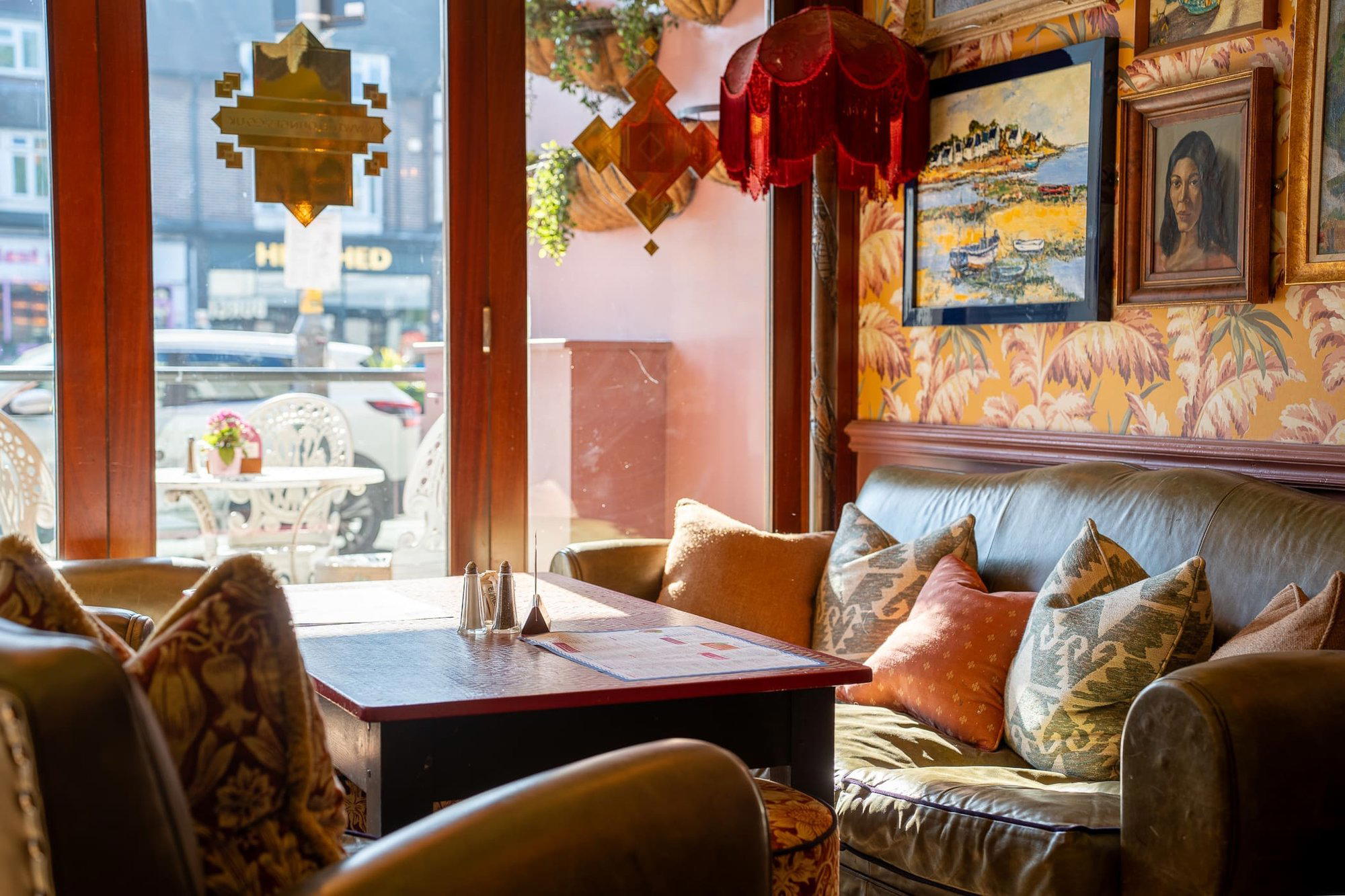
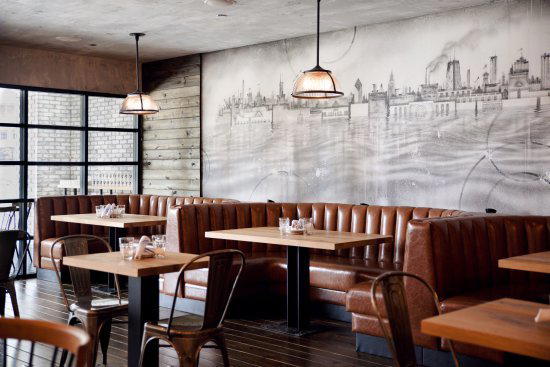
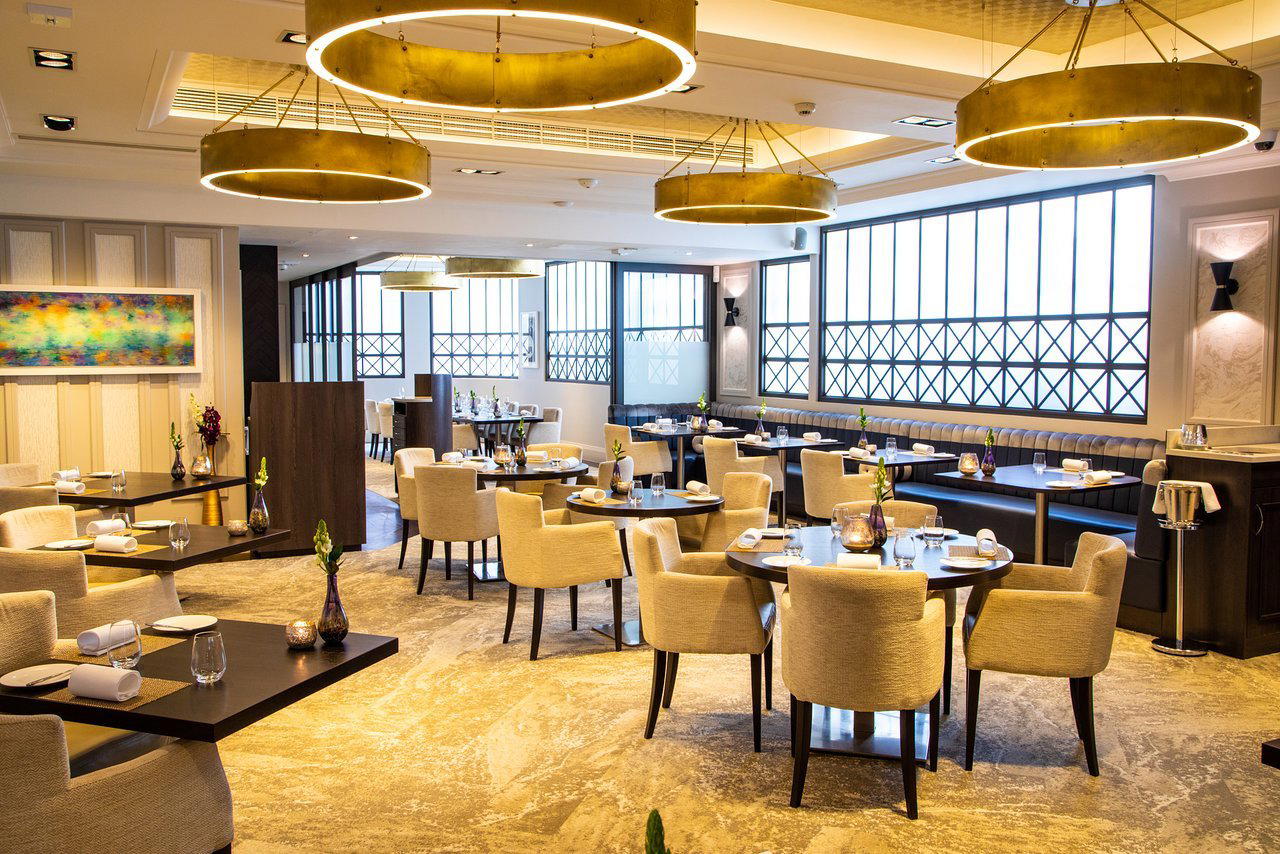
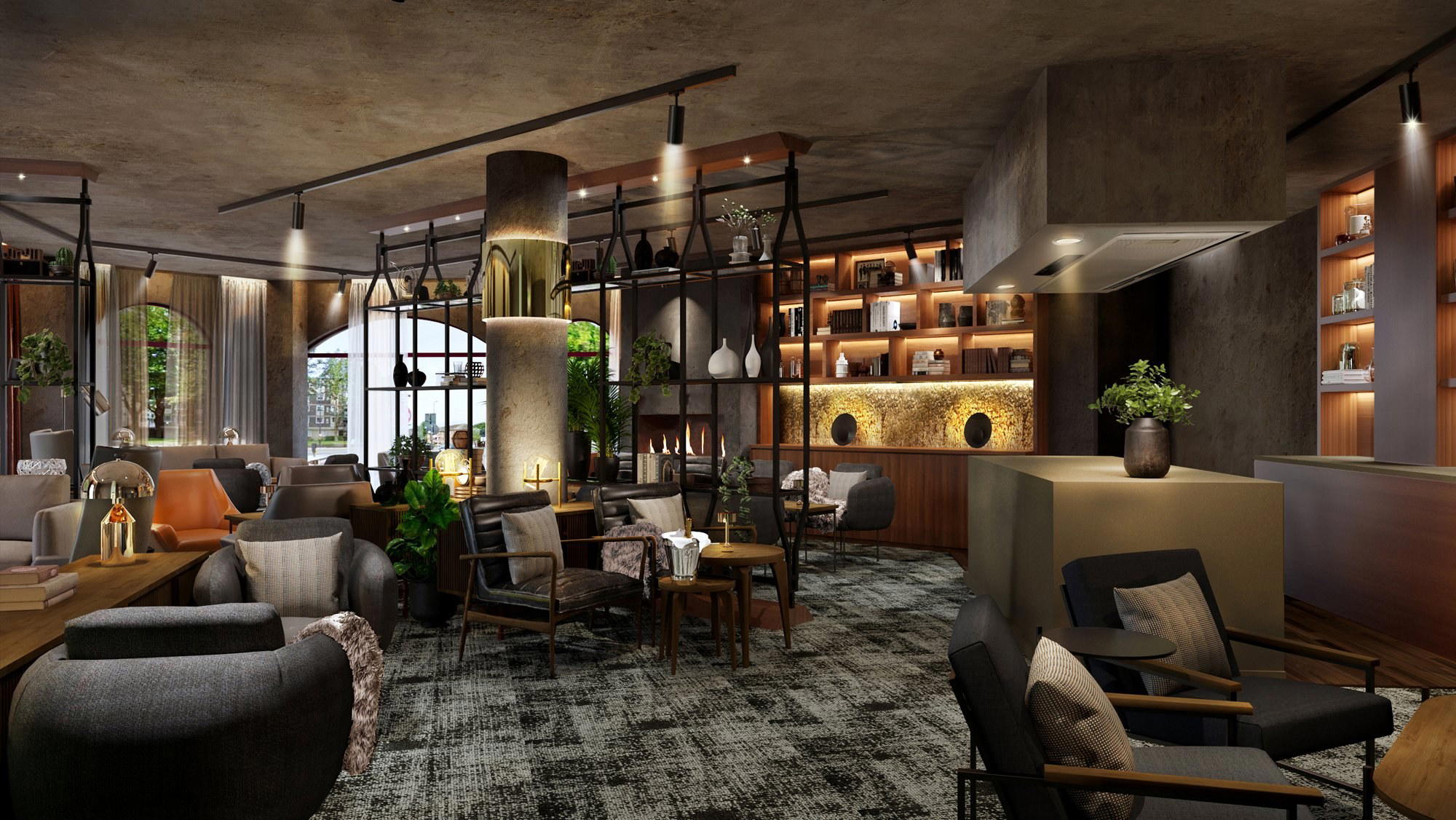
Gentleman's club style with brown leathers, dark colors, intimate candlelit bistro dining, and a relaxed atmospheric setting.