Rosello Restaurant
Rosello Restaurant sits on the High Street in Albrighton, a village on Wolverhampton's rural fringe where the pace of the surrounding farmland tends to shape what ends up on the plate. The address places it firmly outside the city's main dining circuit, which for certain diners is precisely the point. Wolverhampton's restaurant scene has been quietly broadening, and Albrighton's position within that shift is worth understanding before you book.
Pearl is the En Primeur Club membership app — saves, bookings, and concierge access live there. Same editors, same standards.
- Address
- 16 High St, Albrighton, Wolverhampton WV7 3JT, United Kingdom
- Phone
- +441902200276
- Website
- rosellorestaurant.co.uk
- Directions
- Get directions
 Saves & bookings on Pearl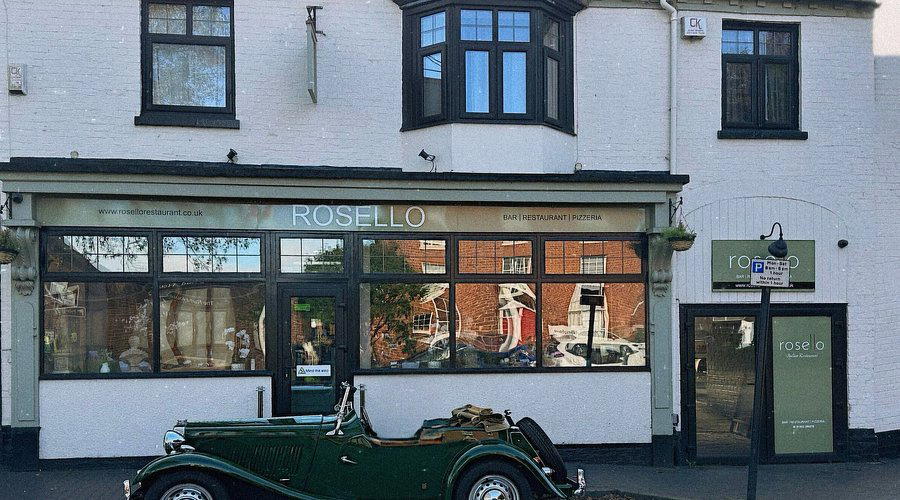
Village Address, Agricultural Context
Albrighton sits at the edge of the Shropshire plain, a few miles west of Wolverhampton's urban core along the A41 corridor. It is a village with working farms on its margins and a high street that has resisted the kind of chain-led homogenisation that flattened many comparable settlements in the West Midlands over the past two decades. Restaurants that choose addresses like this one tend to do so deliberately: the supply chains are shorter, the producers are reachable, and the identity of a dish can be anchored to land that a diner can actually see from the car park. That context matters when thinking about what Rosello Restaurant represents within the Wolverhampton dining scene.
Across British fine dining, the relationship between rural address and sourcing integrity has become a genuine editorial category. Properties like L'Enclume in Cartmel and Moor Hall in Aughton have built their reputations partly on proximity to specific landscapes: Lake District valleys, Lancashire wetlands, the particular mineral character of water and soil in their respective postcodes. The ambition is not simply freshness in a generic sense but traceability, the ability to name a farm, a field, a season. Village-positioned restaurants across England have been picking up that thread, and the West Midlands is no exception.
What the Address Signals About the Sourcing Model
Albrighton's position within the broader Shropshire farming belt gives any restaurant operating here a natural advantage in the ingredient chain. Shropshire is one of England's more productive agricultural counties, with a long tradition of beef and lamb production, market gardening in the river valleys, and a growing number of small-scale growers supplying directly to independent kitchens rather than through wholesale intermediaries. The shift away from centralised supply has made addresses like this one strategically coherent rather than merely picturesque.
In the broader West Midlands restaurant tier, this sourcing geography differentiates Albrighton-based kitchens from their city-centre counterparts. Wolverhampton's urban dining scene, anchored by venues like Seats at Robinsons, operates with different supply logistics. Birmingham, just twelve miles to the south-east, has developed its own high-ambition sourcing culture, Opheem being a clear example of a kitchen that has built a distinct ingredient philosophy within a city context. But proximity to rural producers remains easier to maintain from a village postcode than from a city centre, and that structural advantage tends to show in the plate.
The Feel of Dining in Albrighton
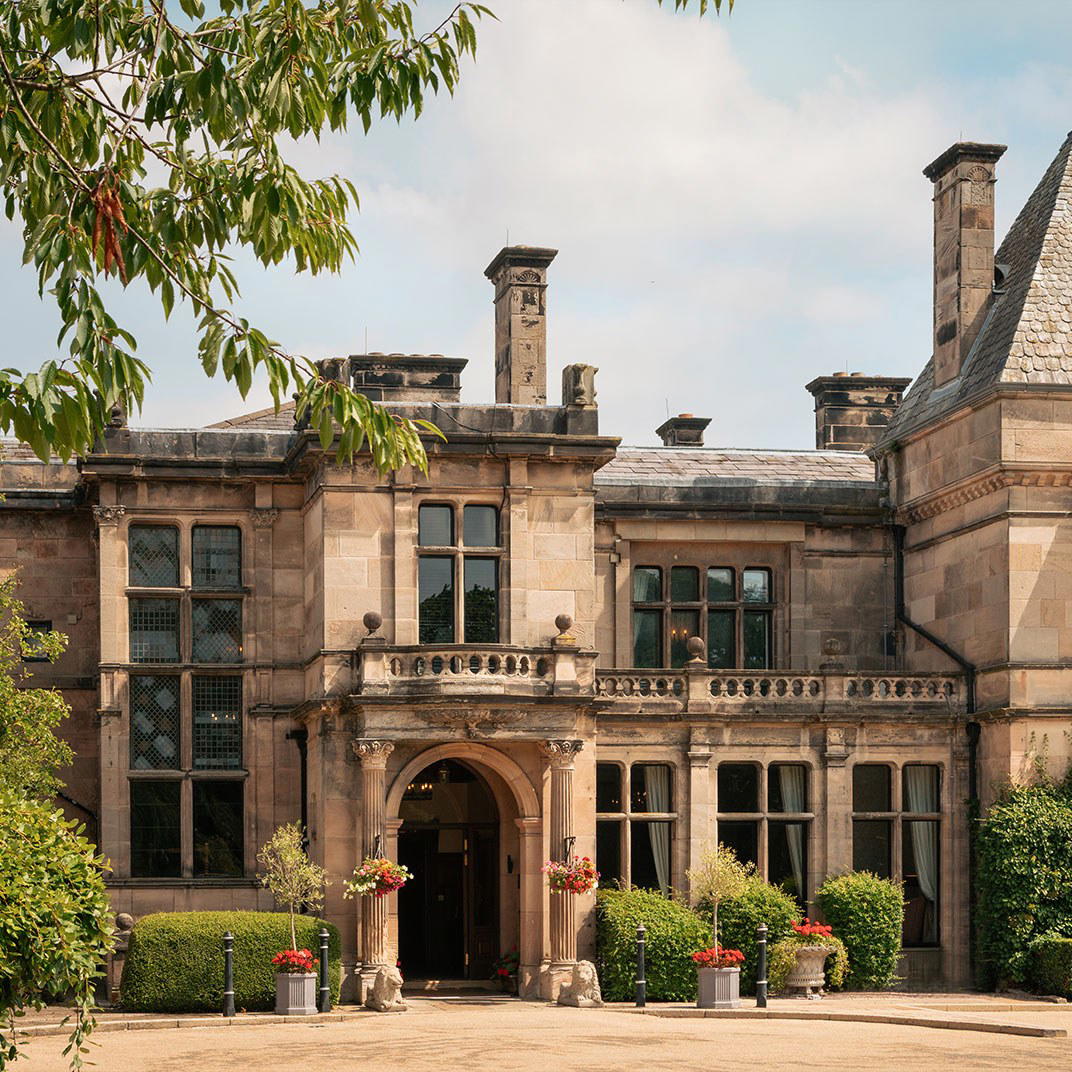
Dining in an English village high street carries a specific set of atmospheric expectations: lower ambient noise than a city restaurant, more daylight, a pace that tends toward the unhurried. The approach to 16 High Street in Albrighton would place a diner in a setting where the built environment is domestic in scale, two- and three-storey brick buildings, no large retail anchors, a rhythm that belongs to the village rather than the gastronomy. That atmosphere either works for a given diner or it does not, and it is worth being clear-eyed about that before making the journey from Wolverhampton or further afield.
The contrast with destination dining in more theatrical rural settings is instructive. Le Manoir aux Quat'Saisons in Oxford and Gidleigh Park in Chagford frame their rural positions within grounds and architecture designed to signal occasion. A village high street restaurant operates on different terms: the occasion is constructed almost entirely within the room and the plate, without the support of a landscaped arrival sequence. That is a harder creative brief, and when kitchens pull it off, it tends to produce dining that is more direct and less ceremonial than its country-house counterparts.
Regional Positioning and comparable set
Wolverhampton sits within a cluster of English cities, Birmingham, Coventry, Stoke, where the restaurant scene has historically punched below its weight relative to population and economic scale. That is changing. The wider West Midlands has seen a sustained increase in serious independent restaurants over the past decade, and the villages on Wolverhampton's periphery have absorbed some of that energy, offering lower operating costs and a different customer profile than the city centre.
In national terms, the ambition ceiling for English regional dining has risen substantially. Kitchens like Restaurant Sat Bains in Nottingham, Midsummer House in Cambridge, and Hand and Flowers in Marlow have demonstrated that serious recognition is not confined to London or the far north of England. The bar across English regional dining has been set by kitchens that combined a clear ingredient philosophy with a coherent sense of place. For restaurants in the Wolverhampton catchment, that is both an inspiration and a benchmark.
London's leading end, represented here by kitchens like CORE by Clare Smyth, continues to operate at a different price point and recognition tier. But the gap between metropolitan and regional dining has narrowed, and the diners making the case for that narrowing are often those willing to travel to addresses that the national press has not yet filed dispatches from. Hide and Fox in Saltwood and Ynyshir Hall in Machynlleth are examples of restaurants that built significant reputations before, not after, widespread critical attention arrived.
Planning a Visit
Albrighton is accessible by road from Wolverhampton in under fifteen minutes via the A41, and the village is served by a rail station on the Wolverhampton to Shrewsbury line, which gives access from Birmingham New Street with a change at Wolverhampton. For diners travelling from further afield, from London, for instance, or from Scotland via Auchterarder or Crieff, Wolverhampton is on the West Coast Main Line and is reachable from London Euston in around an hour and forty minutes. Rosello Restaurant is recommended for reservations, wears a smart casual dress code, and is priced at about $25 per person.
Comparison Snapshot
Comparable venues nearby, for context on price, style, and recognition.
| Venue | Cuisine | Price | Notes |
|---|---|---|---|
| Rosello RestaurantThis venue — the venue you are viewing | Authentic Italian | $$ | Not listed |
| Seats at Robinsons | British Steakhouse & Roasts | $$ | Tettenhall |
| Ciao Ciao | Authentic Italian Pizza & Pasta | $$ | North Shore |
| A Tavola Gastronomia Siciliana | Traditional Sicilian | $$ | New Mills |
| Carmelina's | Italian | $$ | Markham |
| Casa Nostra | Traditional Italian Trattoria | $$ | Westhoughton |
Continue exploring
More in Wolverhampton
Restaurants in Wolverhampton
Browse all →
Bars in Wolverhampton
Browse all →
At a Glance
- Cozy
- Elegant
- Date Night
- Family
- Celebration
- Group Dining
- Private Dining
- Extensive Wine List
- Local Sourcing
Current opening hours
- Monday
- Closed
- Tuesday
- 12–2:30 PM, 5–10:30 PM
- Wednesday
- 12–2:30 PM, 5–10:30 PM
- Thursday
- 12–2:30 PM, 5–10:30 PM
- Friday
- 12–2:30 PM, 5–10:30 PM
- Saturday
- 12–2:30 PM, 5–10:30 PM
- Sunday
- 12–9 PM
Hours can change for holidays and private events. Last verified .
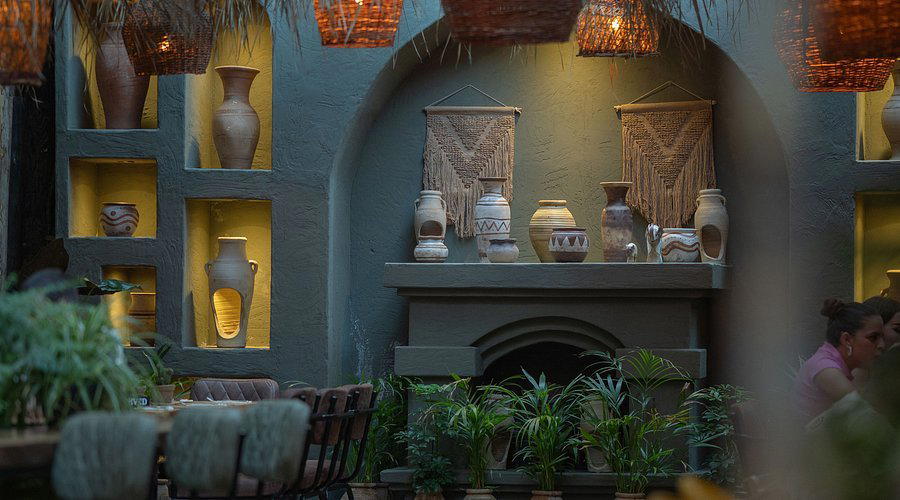
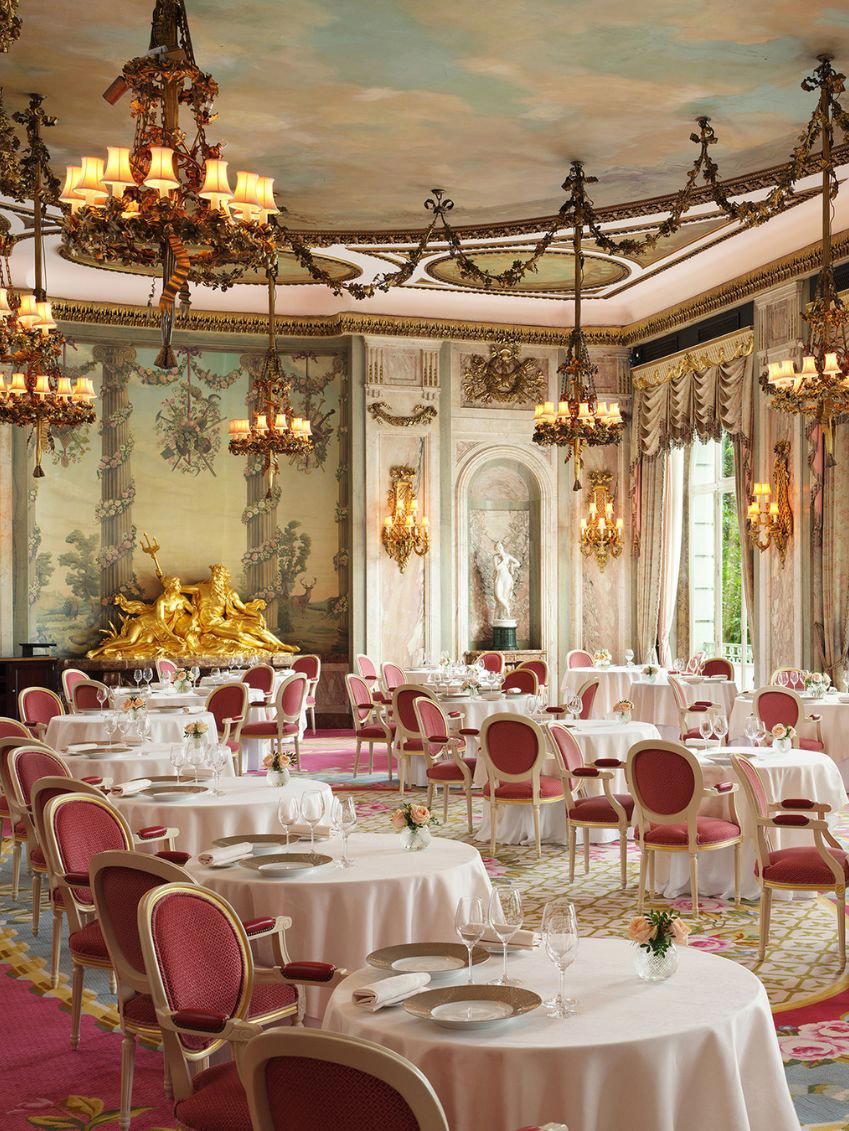
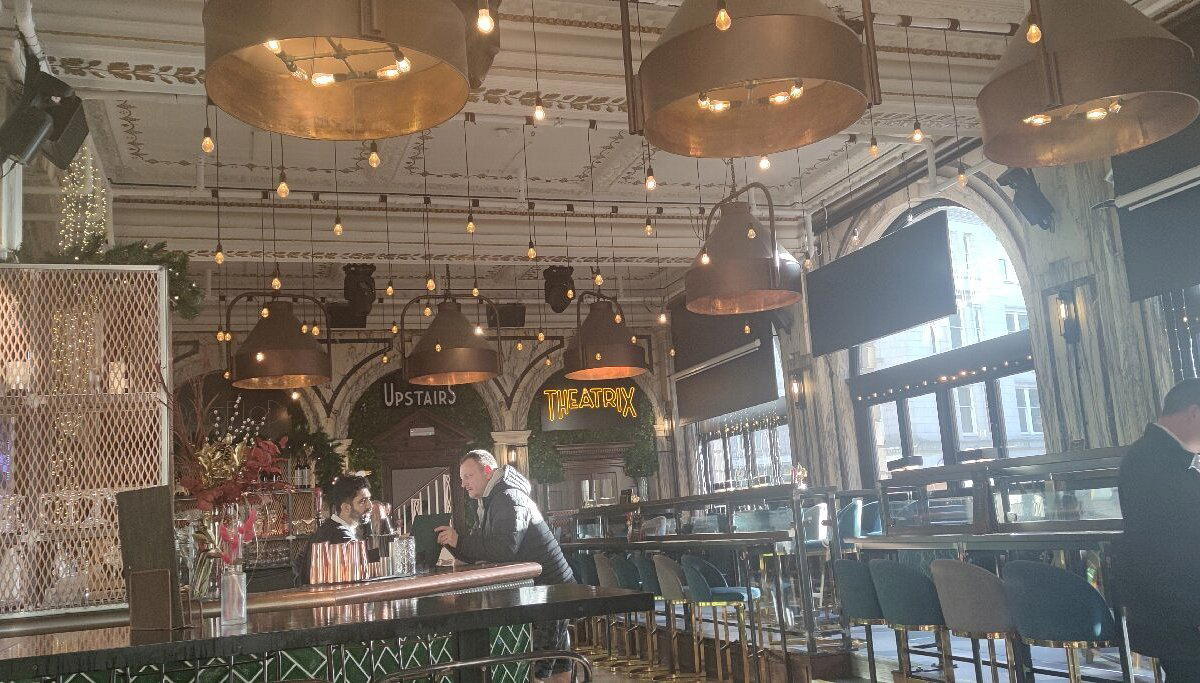
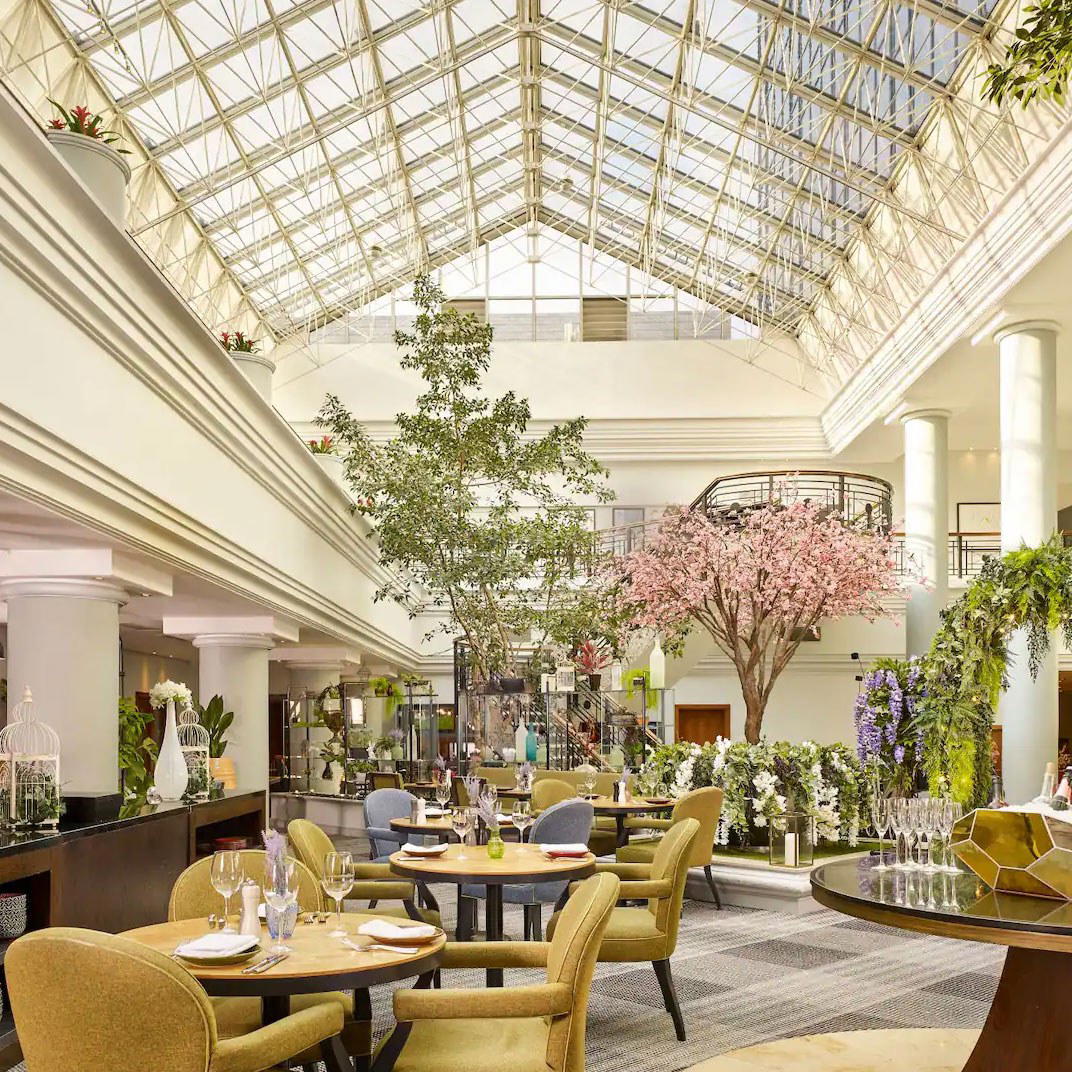
Beautiful, elegant, and relaxing with a nice busy vibe, great atmosphere, and ambient buzz as noted in guest reviews.