Albatross Death Cult



Michelin Plate · Harden's Top 100 UK Restaurants #12 · The Good Food Guide GFG Very Good
Our verdict
Albatross Death Cult occupies a 14-seat counter inside a converted Jewellery Quarter canalside factory, serving a Japanese-inflected seafood tasting menu that earned a Michelin Plate in both 2024 and 2025. From Alex Claridge, the chef behind nearby Wilderness, the format pairs pared-back, ingredient-led courses with sake, wine, and marine-themed cocktails in a setting that makes strangers talk to each other.

Pearl is the En Primeur Club membership app, where members save venues, book tables and use the concierge.
The menu
What to order
- Mackerel tartlet with jalapeño
- Line-caught sea bass with smoke and seaweed
- Scarlet prawn in chilli oil broth
- Hamachi in brown butter dashi broth
- Sushi rice cream
A Counter in a Former Factory: How Birmingham's Seafood Scene Arrived at This Moment
The counter-format tasting restaurant has become one of the defining structures of serious dining in the 2020s. Fourteen seats arranged around a gleaming steel surface, no division between kitchen and dining room, every movement visible, every dish announced rather than listed. It is a format that strips out the theatrical distance of conventional fine dining and replaces it with something closer to a chef's table made permanent. In Birmingham, this approach has found a particularly committed expression in the Jewellery Quarter, where a converted canalside factory in Newhall Square now houses Albatross Death Cult, the second restaurant from Alex Claridge, whose Bayonet and the widely discussed Wilderness have shaped what modern Birmingham cooking looks like.
Opened in June 2024, Albatross Death Cult earned a Michelin Plate in its first year and retained it in 2025, a signal that the format and the food are consistent enough to be taken seriously, not merely novel. The name comes from Coleridge's The Rime of the Ancient Mariner, a literary gesture that sets the tone: this is a restaurant that takes its reference points seriously while refusing to be solemn about them.
Finding It Is Part of the Experience
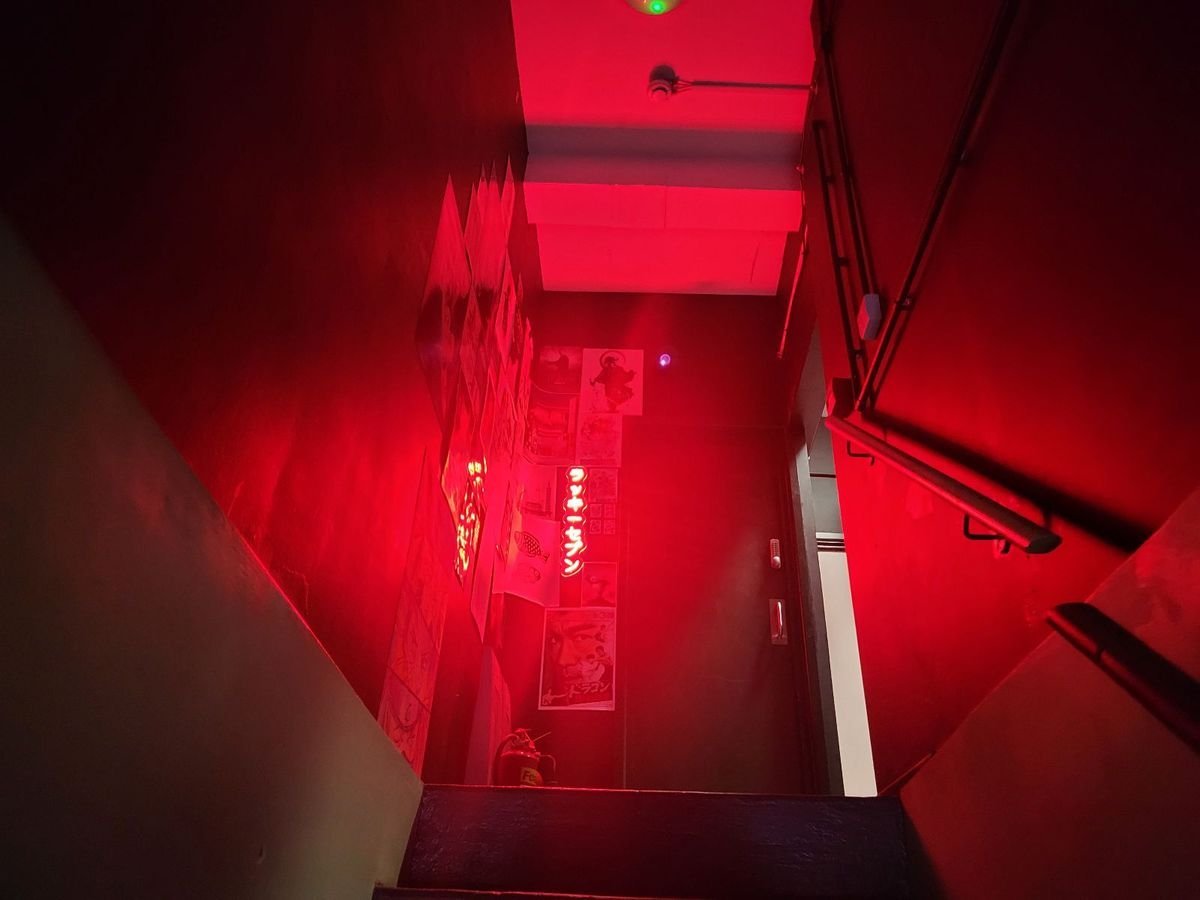
Birmingham's Jewellery Quarter already operates as the city's most concentrated zone of serious independent hospitality. The neighbourhood's mix of converted industrial buildings and tight Victorian streets has given it a character distinct from the Colmore Row business belt or Brindleyplace's broader commercial footprint. Albatross Death Cult sits in Newhall Square, a canalside courtyard that offers almost no street-level signage. Arriving here is not accidental. A visit requires advance booking, and finding the entrance involves the kind of low-key navigation that filters out the unprepared. That friction is not incidental; it calibrates the room from the moment you walk in.
Inside, the space carries the logic of its conversion honestly. Hard surfaces dominate: stone floor, bare walls, the long steel counter itself. Natural light from the factory's original windows and the presence of the canal outside give the room a quality that shifts through the evening. The 14 counter stools are deliberately uncompromising, part of a design language that keeps attention on the kitchen and the food rather than on comfort as an end in itself. For a comparable atmosphere at the coastal end of European seafood dining, Gambero Rosso in Marina di Gioiosa Ionica or Alici on the Amalfi Coast offer a different cultural context for the same principle: that seafood eaten close to its preparation, with minimal theatrical distance, registers differently.
The Seasonal Logic of a Seafood Counter
A tasting menu built almost entirely around seafood is governed by availability in ways that meat-led or vegetable-led menus are not. British coastal waters produce meaningfully different fish across the calendar, and the cold months that drive peak search interest in Albatross Death Cult, notably November through March, align with some of the most interesting moments for the kitchen. Wild sea bass, for instance, is at its firmest in colder water. Line-caught specimens from UK coastal fleets arrive with a texture and fat content that changes from summer to winter. Cornish cod, which appears in documented descriptions of the menu, is a winter staple in British seafood cooking for the same reason. Crab seasons vary by species and location, but brown crab from UK waters is consistently available through the colder months, making the brown crab custard preparations that have been described by reviewers a seasonally coherent choice at exactly the time of year when most people will be booking.
The Japanese inflection of the menu, which the kitchen is reportedly quick to clarify does not make this a Japanese restaurant, means that techniques of curing, raw preparation, and broth-building are applied to British and European seafood with results that feel considered rather than borrowed. Hamachi, the yellowtail that appears in Japanese robata and omakase contexts, is used here alongside wild UK-caught species, a combination that reflects how the leading seafood-led kitchens in Britain have absorbed Japanese technique without deferring to it. The Oyster Club by Adam Stokes operates in a different register within Birmingham's seafood space, but the broader pattern, that serious British seafood cooking now draws confidently from Japanese method, is visible across the city and beyond it.
Twelve Courses Without a Menu
No printed menu is offered until the end of the meal. This is a deliberate structural choice that shifts the dynamic of the experience: diners listen rather than scan, and the interaction between kitchen team and counter becomes the primary channel for understanding what is being eaten. The approach demands a certain quality of service, and the descriptions of Albatross Death Cult from its first year of operation consistently note that the team, chefs and sommelier included, manages this responsibility with ease rather than performance. Enthusiasm is described as genuine rather than scripted.
The drinks pairing leans on sake alongside wine, with marine-themed cocktails available as part of the broader programme. For a 14-seat counter focused on seafood with Japanese technique, this is the appropriate structure: sake's umami register and lower acidity make it a more precise match for cured and raw fish courses than many European wines. The sommelier's guidance, given the absence of a printed wine list during service, is not optional decoration but a functional part of how the meal is understood. Reviewers have described the pairing as revelatory, which in context means it expanded their understanding of what the food was doing rather than simply accompanying it.
Where Albatross Death Cult Sits in Birmingham's Fine Dining Picture
Birmingham's Michelin-recognised tier now includes several distinct registers. Adam's and Simpsons represent the city's longer-established modern British fine dining track, operating in more conventional table-service formats at the same £££ price point. Opheem holds its Michelin Star while working in an entirely different culinary register. Albatross Death Cult sits outside all of these peer groups, closer in format to the counter restaurants that have emerged from London's more experimental kitchens or, further afield, the kind of counter-focused tasting experiences at The Fat Duck in Bray, The Ledbury in London, or L'Enclume in Cartmel, though its 14-seat format and price tier position it as a more accessible entry point than those destination restaurants. Moor Hall in Aughton and Hand and Flowers in Marlow represent the regional fine dining model that Albatross Death Cult is implicitly in dialogue with, even if its format is materially different.
Within Birmingham specifically, Albatross Death Cult is the city's clearest current example of the counter restaurant as complete format rather than gimmick. The Michelin Plate across two consecutive years for a restaurant that opened partway through 2024 confirms the consistency. For those planning around the colder months, when British coastal fish is at its most interesting and the canalside Jewellery Quarter setting carries particular weight, booking three to four weeks ahead is a reasonable expectation for a 14-seat room at this recognition level.
Planning Your Visit
Albatross Death Cult is at Newhall Square, Birmingham B3 1RU, in the Jewellery Quarter. The price range sits at ££££, consistent with the city's other Michelin-recognised tasting menus. Given the counter format and 14-seat capacity, booking well in advance is the practical baseline, particularly across November, December, February, and March when demand is highest. Arriving without a reservation is not a viable strategy. The venue has minimal street signage, so confirming the exact entrance point when booking is sensible. For a broader picture of what Birmingham's independent hospitality scene offers around the Jewellery Quarter and beyond, the full Birmingham restaurants guide, bars guide, hotels guide, wineries guide, and experiences guide cover the full context of a stay built around the restaurant.
Frequently asked questions
at Albatross Death Cult?
The menu is a set tasting format with no à la carte option, so the question of what to order is answered by when you go and what the kitchen is working with that season. That said, the documented standouts from early reviews centre on preparations that show the Japanese-technique approach at its clearest: cured and raw fish courses, broth-based dishes where the liquid carries as much information as the protein, and the interplay between UK coastal species and Japanese condiments like yuzu, dashi, and sesame. The drinks pairing, which combines sake and wine with marine-themed cocktails, is strongly supported by reviewer accounts and makes sense given the absence of a printed list during service. If you are coming in the winter months, the cold-water British species that anchor the menu, sea bass, cod, crab, and similar, are at their most consistent, making November through March the period when the kitchen's sourcing and the seasonal logic of the menu align most directly. Accepting the pairing rather than ordering independently from the sommelier is the approach that reviewers consistently describe as the more rewarding one.
Style and Standing
| Venue | Cuisine | Price | Awards | Notes |
|---|---|---|---|---|
| Albatross Death CultThis venue (the venue you are viewing) | Modern Japanese Omakase Seafood | $100–150 | Michelin Plate · Harden's Top 100 UK Restaurants #12 | Not listed |
| Adam's | Modern British Fine Dining | $100–150 | 1 Michelin Star · AA Rosettes 3 Rosettes | Modern Cuisine |
| Simpsons | Modern British Fine Dining | Not listed | 1 Michelin Star · AA Rosettes 3 Rosettes | British, Modern Cuisine |
| Opheem | Modern Indian Fine Dining | $200–300 | 2 Michelin Stars · La Liste Top Restaurants | Indian |
| Riverine Rabbit | Modern South African-British Fusion | $30–50 | Michelin Bib Gourmand · SquareMeal UK Top 100 Restaurants #82 | Modern Cuisine |
| Tropea | Modern Italian Small Plates | $50–100 | Michelin Bib Gourmand | Italian |
Recognition history
Dated appearances from independent guides and award organizations, with the underlying list record or original source where available.
Michelin Plate
Michelin
Harden's Top 100 UK Restaurants #12
Harden's
The Good Food Guide GFG Very Good
The Good Food Guide
Full recognition history (5 entries)
Michelin Plate
Michelin
Michelin Plate
Michelin
Continue exploring
More in Birmingham
Restaurants in Birmingham
All restaurants in Birmingham →
Albatross Death Cult
The wine
- Wine program
- Deep wine list
- Sommelier-led
- Sake program
Details
- Intimate
- Modern
- Industrial
- Minimalist
- Sophisticated
- Special Occasion
- Celebration
- Date Night
- Group Dining
- Chefs Counter
- Open Kitchen
- Historic Building
- Design Destination
- Sake Program
- Sommelier Led
- Sustainable Seafood
- Local Sourcing
- Tasting Menu
- Omakase
- Counter Dining
- Sake
- Wine
- Craft Cocktails
- Pescatarian Friendly
Current opening hours
- Monday
- Closed
- Tuesday
- Closed
- Wednesday
- 6:30–10:30 PM
- Thursday
- 6:30–10:30 PM
- Friday
- 1–4:30 PM, 6:30–10:30 PM
- Saturday
- 1–4:30 PM, 6:30–10:30 PM
- Sunday
- Closed
Hours can change for holidays and private events. Hours as of .
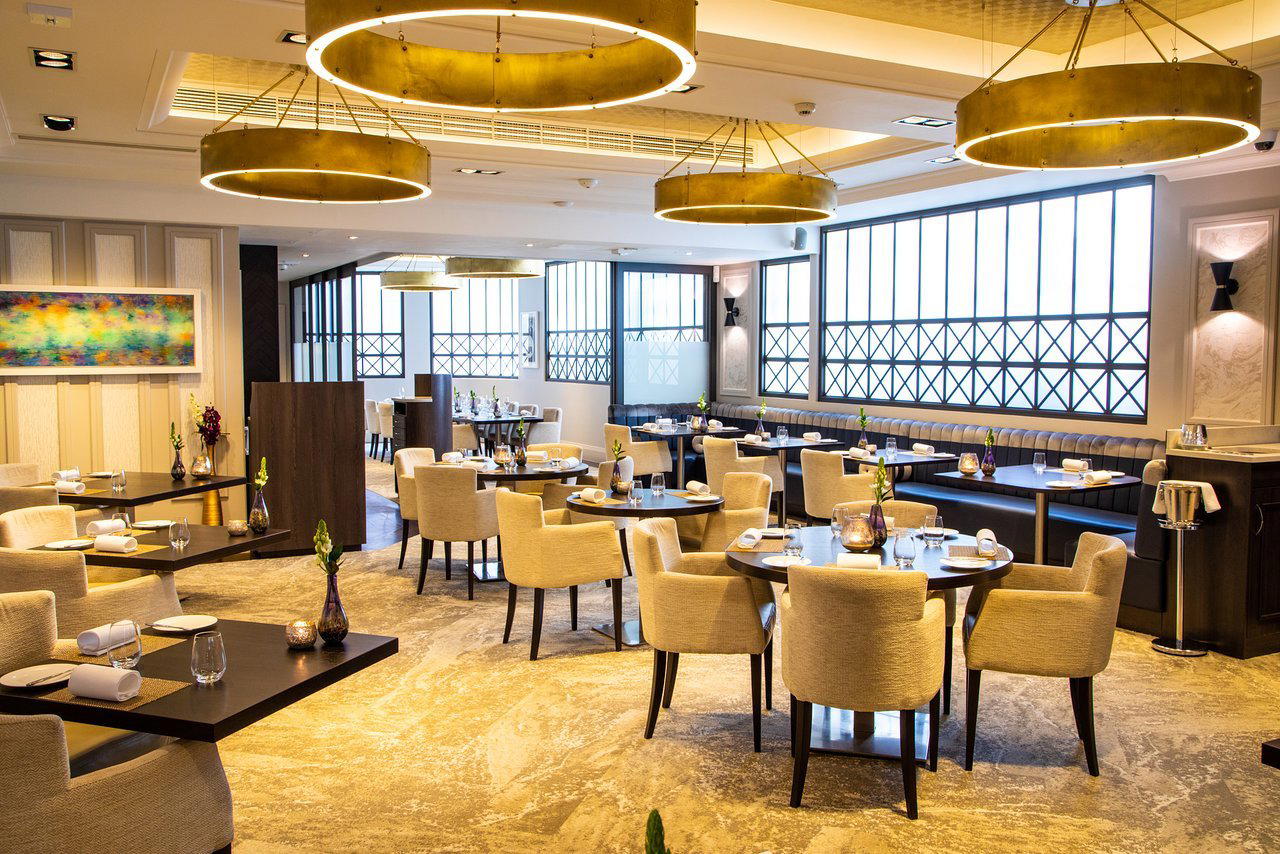
Minimalist industrial setting with stripped-back brickwork, stainless steel, and cement finishes; relaxed and laid-back atmosphere despite fine dining caliber; warm lighting from open kitchen creates an intimate, communal vibe reminiscent of a friend's kitchen party.