The Wilderness




1 Michelin Star · Star Wine List · AA Rosettes 3 Rosettes
Our verdict
On Warstone Lane in Birmingham's Jewellery Quarter, The Wilderness runs a six- or nine-course tasting menu under Chef Alex Claridge that reads as a sustained argument for originality over convention. The all-black interior, pumping soundtrack, and a menu titled 'All Pleasure is Fleeting' signal a restaurant that earns Michelin Plate recognition while operating on its own terms. Wine pairings and creative non-alcoholic flights complete the picture.

Pearl is the En Primeur Club membership app, where members save venues, book tables and use the concierge.
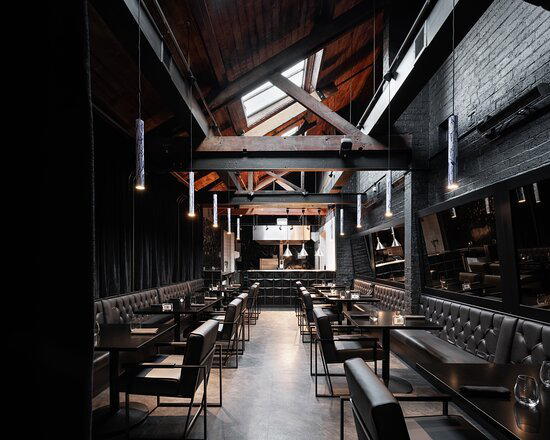
The menu
What to order
- Big Mac beef tartare
- Scallops with smoked butter and leeks
- Muntjac venison with cocoa and cep powder
- Barbecued halibut with nettle sauce
- A5 Wagyu ribeye with kampot pepper broth
Where the Jewellery Quarter Meets the Unconventional End of British Fine Dining
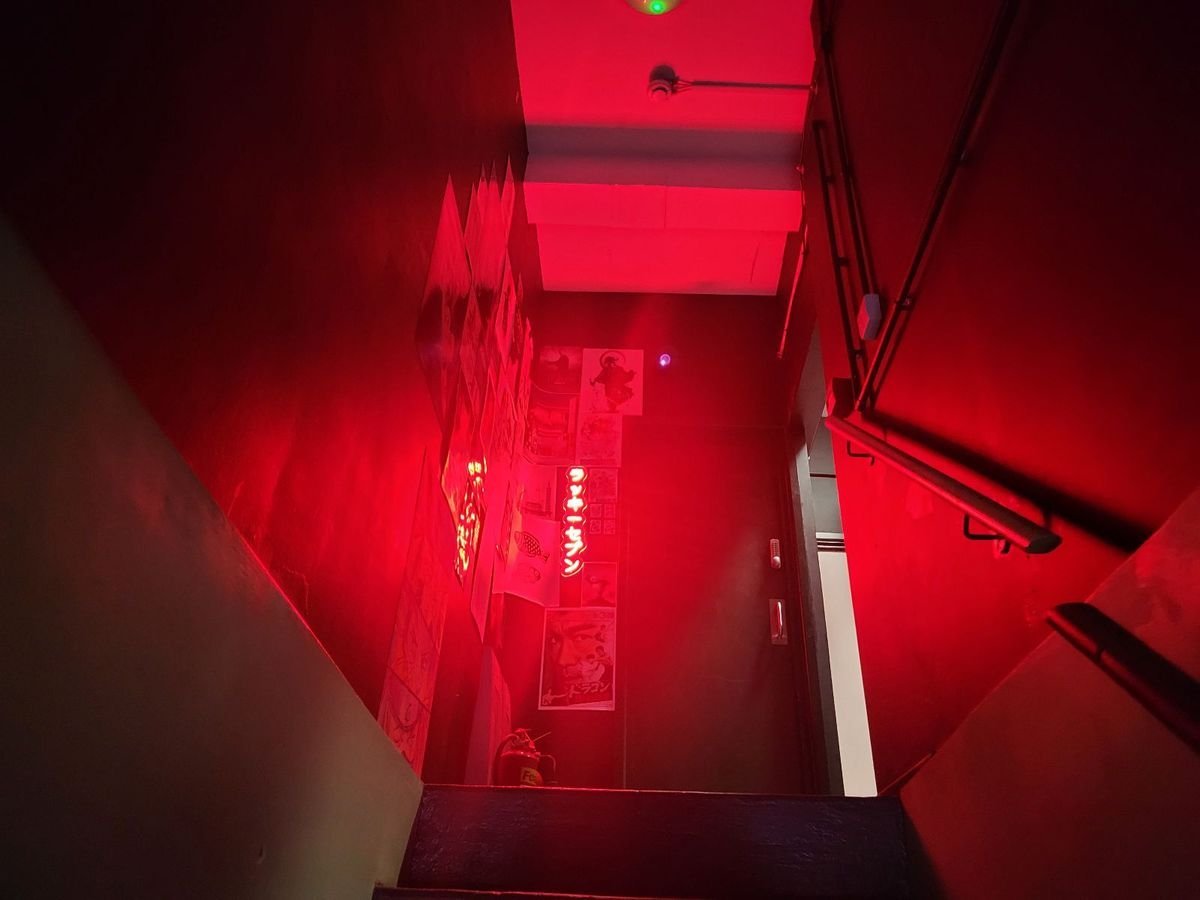
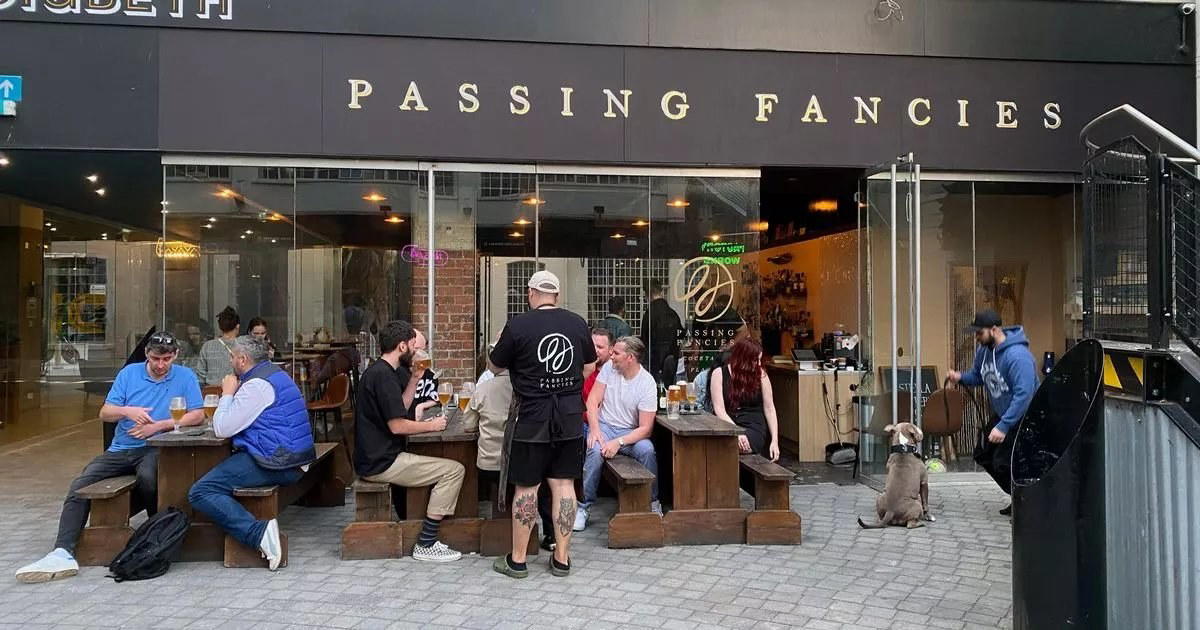
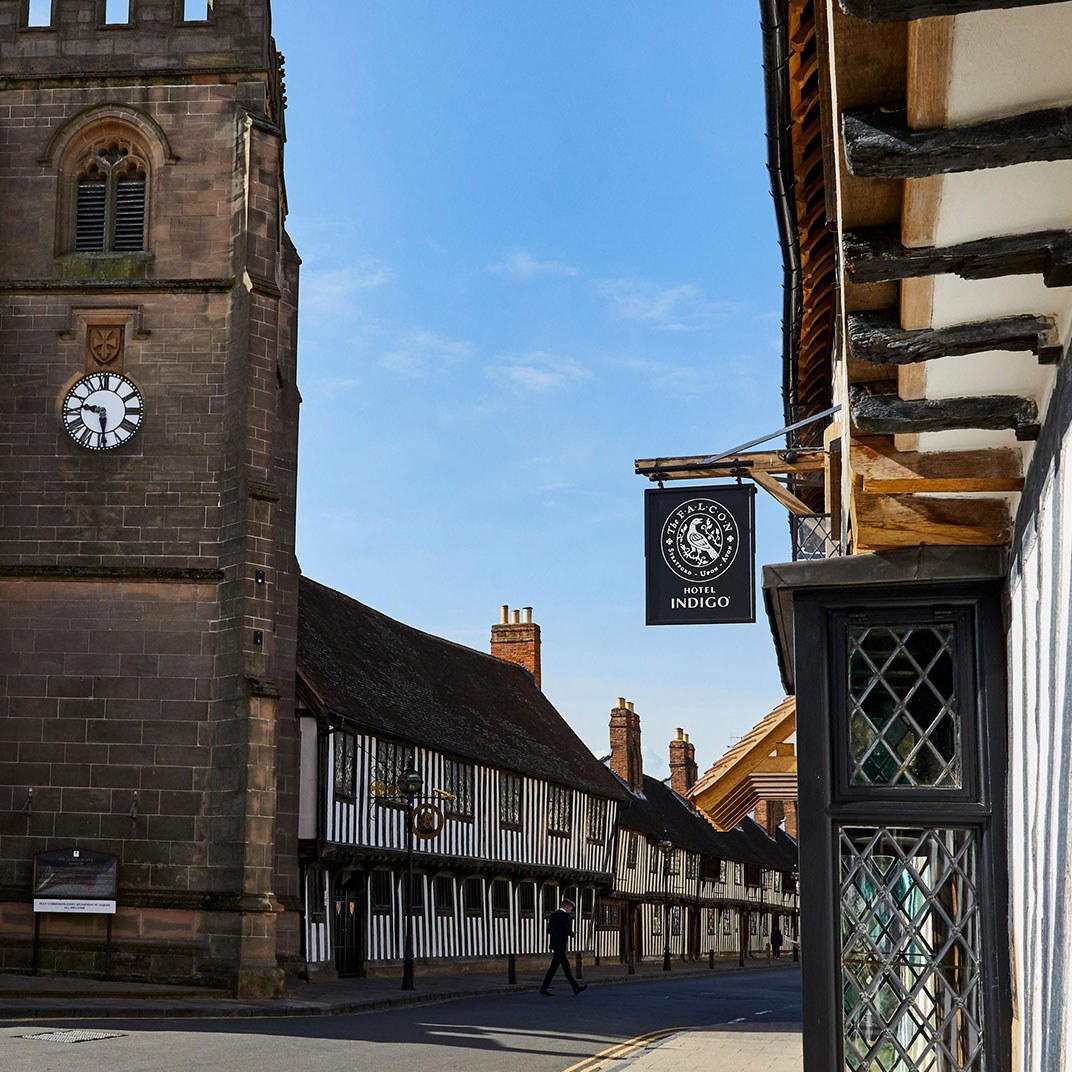
The sign is black, hung high above the neighbouring 24 Carat Bistro on Warstone Lane, and easy to miss. That positioning, slightly obscured, above the expected eyeline, tells you something about where The Wilderness sits within Birmingham's tasting-menu circuit. It is not competing for footfall on Brindleyplace or angling for the same clientele as the hotel dining rooms. It occupies a specific niche: a dark, soundtrack-driven room in B18 that has earned a Michelin Plate in both 2024 and 2025 while maintaining an atmosphere closer to an underground music venue than a formal restaurant.
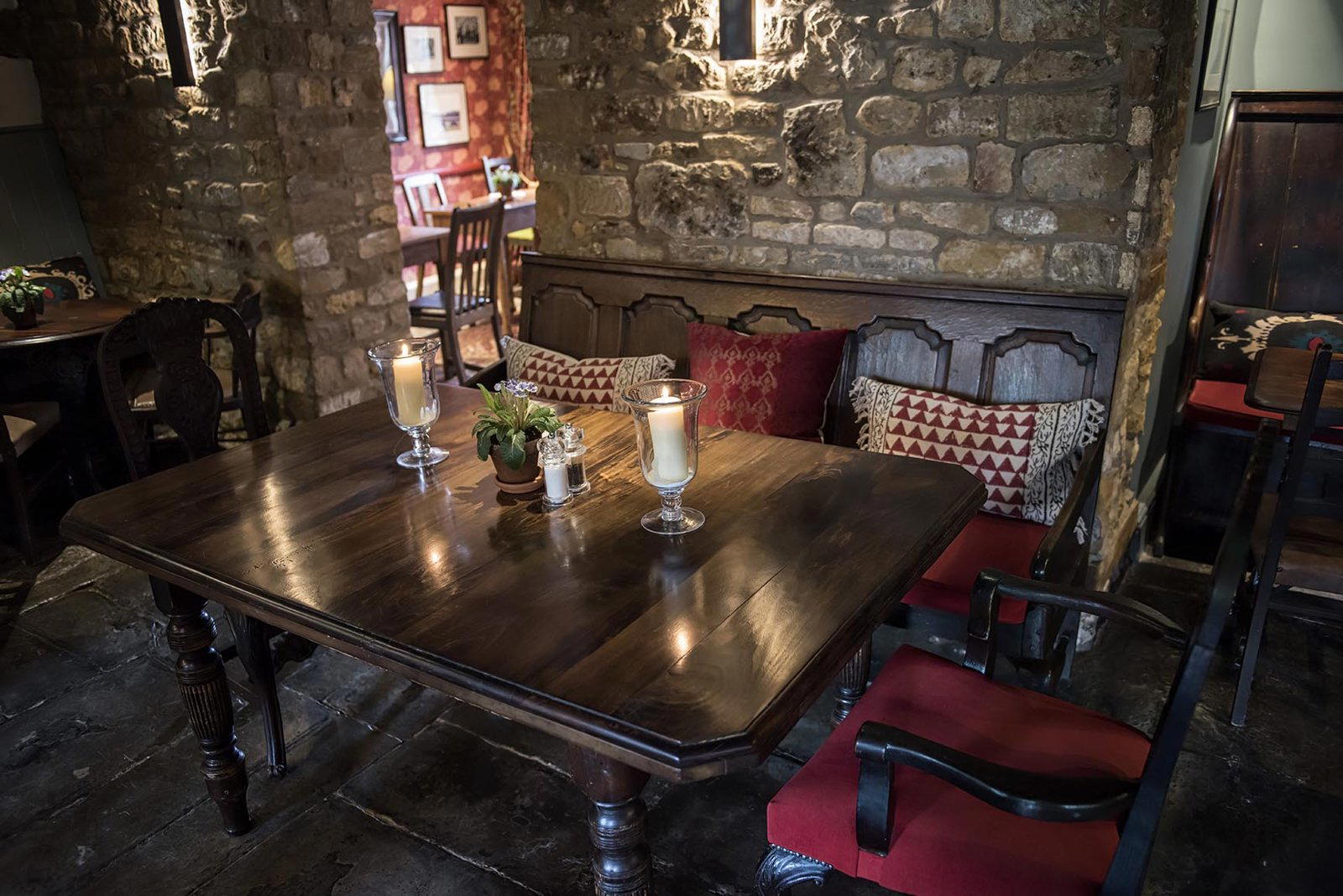
The all-black interior, mirrors, and scrawled aphorisms on the walls set a tone that is deliberately polarising. This is not an accident. Birmingham's premium dining scene has largely moved towards warm-toned approachability, rooms designed to signal comfort and occasion simultaneously. The Wilderness pushes against that current, positioning atmosphere as content rather than backdrop. For readers consulting our full Birmingham restaurants guide, that distinction matters when choosing between the city's ££££-tier tasting menus.
Local Ingredients, Techniques That Travel
Editorial conversation about modern British cooking has long circled the same tension: how much does geographic identity constrain ambition, and when does the application of international technique to domestic produce become its own kind of cuisine? The Wilderness, under Chef Alex Claridge, sits firmly in the latter camp. The kitchen draws on ingredients with clear regional and seasonal anchors, muntjac venison, morels, girolles, turbot, chestnuts, and processes them through a set of techniques that have little to do with any single culinary tradition.
Chawanmushi, the Japanese steamed egg custard, appears here built around a mushroom ragù of morels, girolles, chestnuts, and cordyceps, announced to diners as 'posh mushroom custard' in a rare moment of levity that also does useful explanatory work. The custard format provides the structural restraint; the ingredient selection is entirely of this island. Puffed potato scraps add texture to a dish that would otherwise sit entirely in the soft register. Across the menu, this pattern recurs: a technique borrowed from distance, applied to something closer to home, with the result calibrated for balance rather than novelty for its own sake.
The turbot course makes the approach explicit. Dry-aged on the bone to concentrate flavour, a maturing technique more commonly associated with red meat in British kitchens, the fish is then barbecued and finished with burnt butter. A sauce built from smoked eel, dashi, cultured butter, and roasted bone oil represents a chain of decisions that moves between Japanese dashi tradition, European butter cookery, and the smoking techniques common to British and Scandinavian preserved-fish culture. The dish coheres because the logic is flavour-first. Techniques from Frantzén in Stockholm or L'Enclume in Cartmel demonstrate how northern European kitchens have developed this intersection of locality and technique into a recognised mode. The Wilderness operates within that broader shift, though on its own terms and with its own flavour logic.
Venison, seared muntjac loin coated in cocoa and cep powder, pulls in a similar direction. The cep powder is deeply local in its autumn-woodland reference; the cocoa coating sits in a tradition of chocolate-with-game that has roots across multiple European cooking cultures. A Georgian Saperavi in the wine pairing, with its savoury-spicy weight, matches the dish in a way that a standard Burgundian Pinot would not. That pairing choice reflects an understanding that the food's reference points are plural, and the drinks list should follow suit.
The Menu Format and What It Signals
Tasting menus titled with philosophical statements have become something of a cliché in the upper tiers of British dining. At venues like The Fat Duck in Bray or Moor Hall in Aughton, narrative architecture around the menu is almost expected. 'All Pleasure is Fleeting', a reference to spontaneity and dishes that change continuously, functions here less as branding and more as a practical disclaimer: the menu is live, and what you read about may not be what you eat. That creates a gap between expectation and reality that the front-of-house team is evidently trained to manage, working with feedback and adapting in real time.
The six-course and nine-course formats give diners a choice of depth rather than just volume. For comparison, Adam's and Simpsons also operate at the ££££ tier with multi-course formats, but both rooms carry a more conventional fine-dining register. Opheem brings its own flavour logic to the ££££ bracket through Indian technique applied to premium produce. The Wilderness occupies a different corner of the same price tier: less concerned with reassurance, more interested in the proposition itself.
The drinks pairings extend the menu's logic. A conventional wine flight would anchor the experience to familiar European frames of reference. The pairing here includes a Georgian Saperavi and a Banyuls with the dessert course, a frozen Tahitian vanilla-infused mascarpone under an intensely treacly PX sherry reduction, suggesting a list curated around flavour match rather than prestige geography. The non-alcoholic pairing option receives similar attention, which matters as that format moves from accommodation to genuine offer across the premium dining sector.
How The Wilderness Compares in the Birmingham Tasting-Menu Circuit
Birmingham's fine-dining tier is more varied than its national profile sometimes suggests. The city that produced Bayonet for seafood-focused cooking and Riverine Rabbit at the more accessible ££ price point demonstrates a range of format and register. The Wilderness sits at the unconventional end of the ££££ tier, prioritising atmosphere and culinary originality over the codes of formal service.
Its Michelin Plate recognition for 2024 and 2025 places it on the same recognition ladder as peers across the UK, including The Ledbury in London, Gidleigh Park in Chagford, and Hand and Flowers in Marlow, though the operating philosophy at Warstone Lane is quite different from those more established rooms. FZN by Björn Frantzén in Dubai represents how this style of globally-referenced modern cooking travels internationally; The Wilderness makes the same argument from a Jewellery Quarter side street.
Planning Your Visit
The Wilderness is at 27 Warstone Lane, Birmingham B18 6JQ, in the Jewellery Quarter, a short walk from Jewellery Quarter station on the West Midlands Metro. The restaurant is at ££££ price point, and the black sign above the 24 Carat Bistro entrance is the landmark to locate. Given the ever-changing menu format and the front-of-house team's documented adaptability, communicating dietary requirements or preferences at booking is worth doing. For everything else happening in the city across dining, drinking, and accommodation, see our full Birmingham hotels guide, our full Birmingham bars guide, our full Birmingham wineries guide, and our full Birmingham experiences guide.
Frequently asked questions
What does dinner at The Wilderness typically cost?
Pricing at The Wilderness is listed as ££££.
Where do I go for The Wilderness?
The Wilderness is located at 27 Warstone Ln, Birmingham B18 6JQ, United Kingdom, Birmingham.
Does The Wilderness have a Michelin star or similar recognition?
The Wilderness has received recognition including: Wilderness Restaurant is a restaurant in Birmingham, UK. It was published on Star Wine List on April 14, 2024 and is a White Star.; With its dark and moody colour scheme, informal vibe and rocking soundtrack, this excellently run restaurant….
What do people recommend at The Wilderness?
Dishes that consistently draw attention include the mushroom ragù built on chawanmushi with morels, girolles, chestnuts, and cordyceps, and the dry-aged turbot finished with burnt butter and a smoked eel aerated sauce. The venison course, seared muntjac loin coated in cocoa and cep powder, pairs particularly well with the Georgian Saperavi in the wine flight. Both the wine pairing and the creative non-alcoholic pairing are worth considering alongside whichever of the six- or nine-course formats you choose.
What kind of cuisine does The Wilderness serve?
Category Peers
A compact comparison to help you place this venue among nearby peers.
| Venue | Cuisine | Price | Awards | Notes |
|---|---|---|---|---|
| The WildernessThis venue (the venue you are viewing) | Modern British Fine Dining Tasting Menu | $150–200 | 1 Michelin Star · Star Wine List | Not listed |
| Adam's | Modern British Fine Dining | $100–150 | 1 Michelin Star · AA Rosettes 3 Rosettes | Modern Cuisine |
| Simpsons | Modern British Fine Dining | Not listed | 1 Michelin Star · AA Rosettes 3 Rosettes | British, Modern Cuisine |
| Opheem | Modern Indian Fine Dining | $200–300 | 2 Michelin Stars · La Liste Top Restaurants | Indian |
| Riverine Rabbit | Modern South African-British Fusion | $30–50 | Michelin Bib Gourmand · SquareMeal UK Top 100 Restaurants #82 | Modern Cuisine |
| Tropea | Modern Italian Small Plates | $50–100 | Michelin Bib Gourmand | Italian |
Recognition history
Dated appearances from independent guides and award organizations, with the underlying list record or original source where available.
Michelin 1 Star
Michelin
Star Wine List
Star Wine List
AA Rosettes 3 Rosettes
AA Rosettes
SquareMeal UK Top 100 Restaurants #51
SquareMeal
The Good Food Guide GFG Very Good
The Good Food Guide
Full recognition history (7 entries)
Michelin Plate
Michelin
Michelin Plate
Michelin