
Brasserie Flo occupies a restored fin-de-siècle brasserie on Cour des Petites Écuries in Paris's 10th arrondissement, a setting that frames traditional Alsatian-influenced brasserie cooking within an architectural interior few rooms in the city can match. The menu follows the classical French brasserie structure — choucroute, shellfish plateaux, grilled meats — without the tourist-facing dilution that has softened competitors closer to the grands boulevards.
Pearl is the En Primeur Club membership app — saves, bookings, and concierge access live there. Same editors, same standards.
- Address
- 7 Cour des Petites Écuries, 75010 Paris, France
- Phone
- +33140002801
- Website
- floderer-paris.com
- Directions
- Get directions
 Saves & bookings on Pearl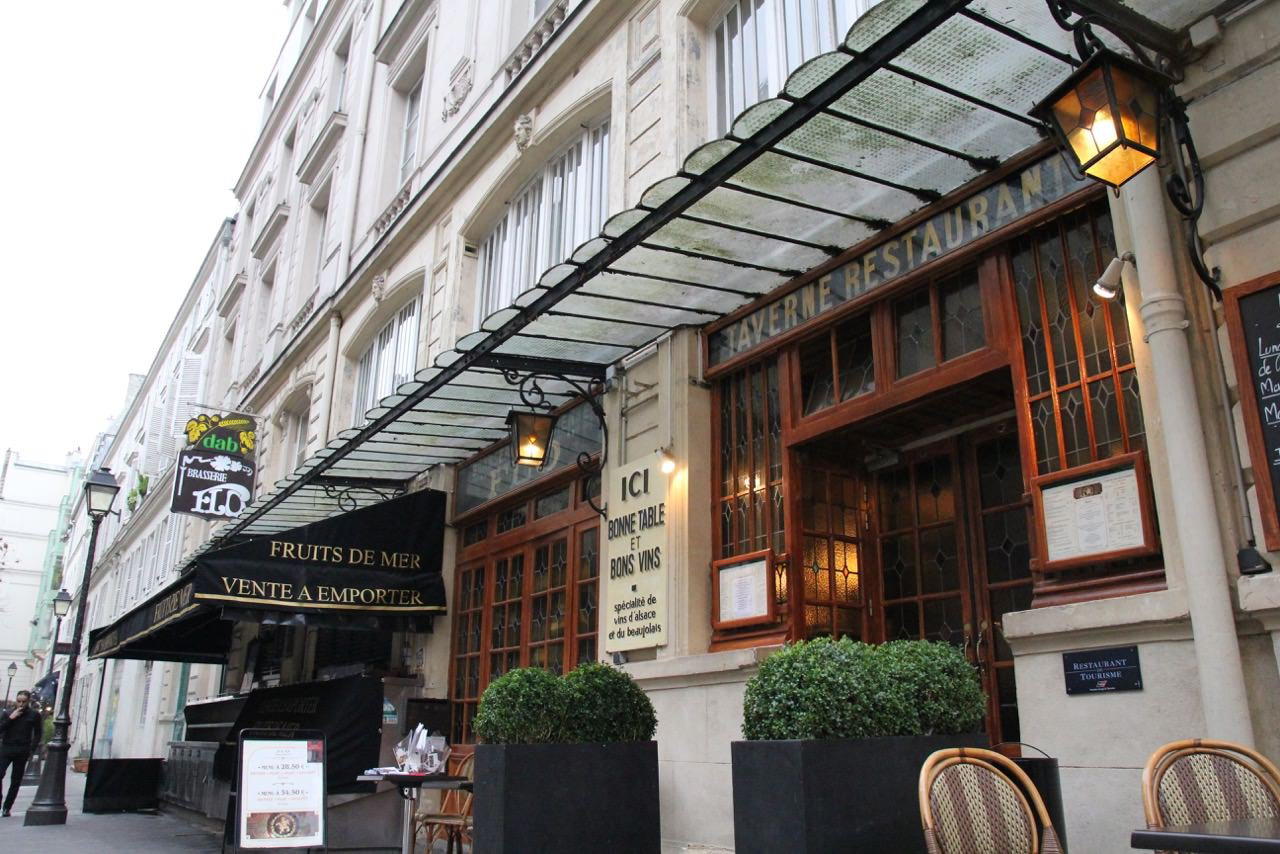
A Room That Argues for the Brasserie Form
Paris's grand brasserie tradition is under quiet pressure. The format, imported from Alsace in the late nineteenth century as brewers and restaurateurs followed the Franco-Prussian War's displaced population westward, once defined a particular kind of democratic luxury: high ceilings, mirrored panels, white-aproned service, and menus structured around shellfish, charcuterie, and wine. Today, that tradition survives in two registers. The first is the tourist-polished brasserie near Saint-Germain or the Champs-Élysées, where the aesthetic is preserved but the cooking has conceded to volume. The second is the room that still functions as its neighbourhood intended. Brasserie Flo, on the Cour des Petites Écuries in the 10th arrondissement, belongs to the latter category.
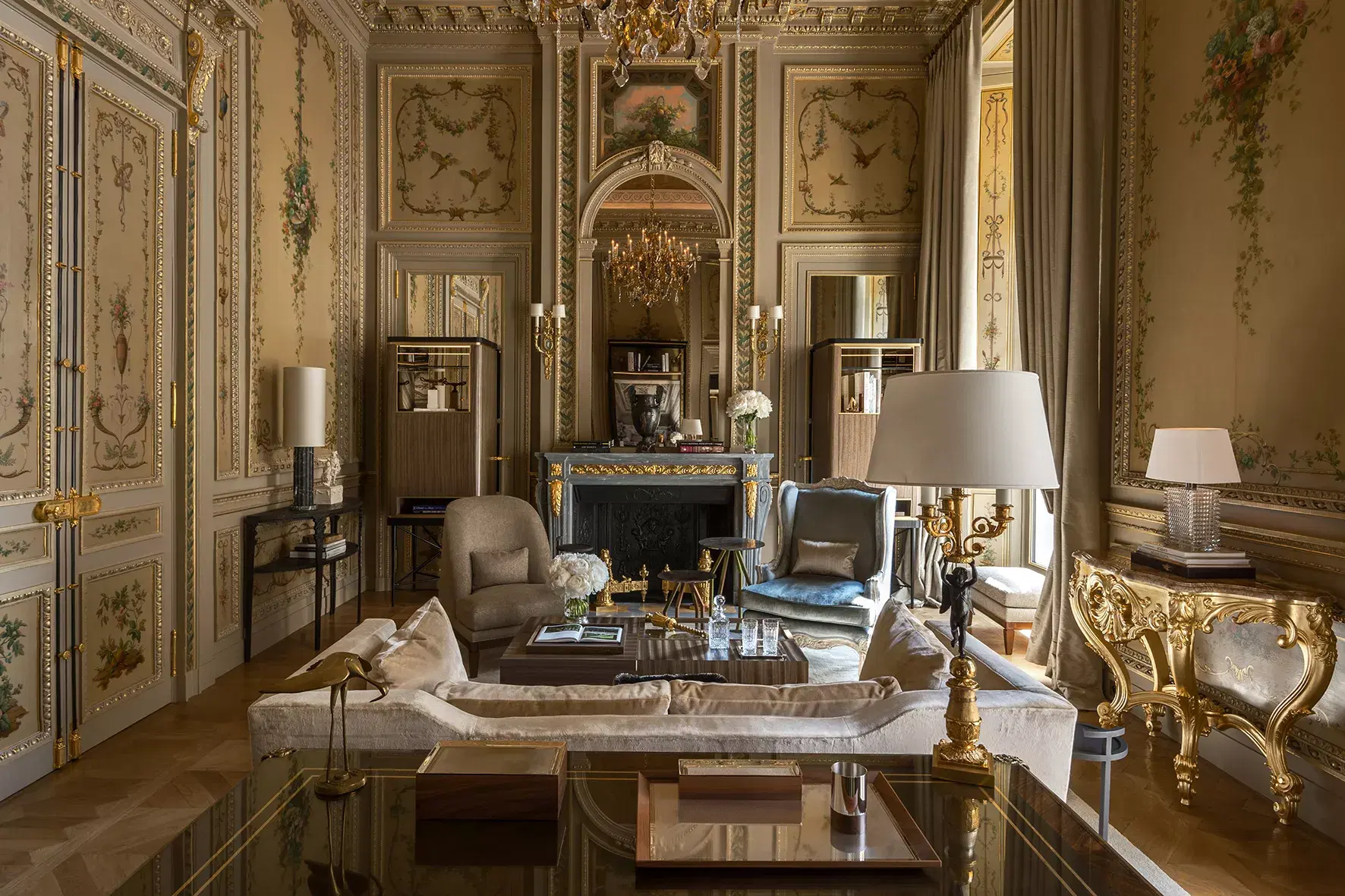
The address matters. The Cour des Petites Écuries is a covered passage off the Rue des Petites Écuries, removed enough from the main tourist circuits of central Paris that its clientele arrives with intent. The 10th has developed steadily as a dining neighbourhood over the past decade, with Canal Saint-Martin drawing a younger crowd and the streets around the Gare du Nord and Gare de l'Est accommodating a wide range of cuisines. Brasserie Flo sits slightly apart from both currents, in a space that has been operating as a brasserie since the early twentieth century and which retains the physical markers of that era: carved woodwork, stained glass, and the kind of banquette seating that places diners in the room rather than against a wall.
How the Menu Is Structured — and What That Tells You
The architecture of a classical French brasserie menu reveals the format's Alsatian roots more clearly than any interior detail. Brasserie Flo's menu follows the traditional structure: raw bar and shellfish to open, choucroute garnie as the institutional centrepiece, and a supporting cast of grilled fish, duck, and steak. This is not the abbreviated menu of a modern bistro operating on a short supply chain, nor the ten-course logic of the city's destination restaurants. It is the long, laterally organised menu of a room designed to serve a full evening across many tables simultaneously.
Shellfish plateau deserves particular attention as a structural signal. In the classical brasserie format, the plateau de fruits de mer functions as a litmus test: it requires a cold chain, skilled preparation, and daily sourcing at a price point that must remain accessible without undermining quality. Brasseries that maintain a serious plateau — oysters from named beds, langoustines, whelks, crab, are operating closer to the original format than those that have reduced their raw bar to a decorative afterthought. The presence of this section on a menu, and the sourcing rigour behind it, often separates the rooms worth visiting from those coasting on atmosphere.
Choucroute garnie is the menu's ideological centre of gravity. The dish, braised sauerkraut served with a selection of cured and smoked pork, often including sausage, knuckle, and bacon, arrived in Paris with the Alsatian brasserie tradition and remained as the format's defining preparation. In rooms that take it seriously, the choucroute is made in-house with fermented cabbage aged over days rather than hours. It is the preparation that most separates a brasserie that understands its own tradition from one that is simply using the genre as decoration. For visitors less familiar with the dish, it is worth ordering as a reference point regardless of personal preference: it tells you what the kitchen values.
For those comparing Brasserie Flo's classical register against Paris's broader high-end French dining tier, the contrast is instructive. The brasserie operates in a different logic entirely: the measure of success is not invention but execution of known preparations at a pace and scale that rewards the format's particular demands.
The 10th Arrondissement as Dining Context
The immediate neighbourhood adds relevant context for anyone planning an evening here. The 10th sits at a transition point in the city's dining geography: it is not the 1st or 8th, where grand dining rooms cluster around historic addresses, nor the 11th or 9th, which have become the densest concentrations of natural wine bars and chef-driven small plates restaurants. The 10th's character is defined by layering, immigrant food culture along the Rue du Faubourg Saint-Denis, the design-led restaurant openings around the canal, and the older institutional establishments that predate both trends. Brasserie Flo belongs to that third layer.
For those building a broader French dining itinerary, the regional context is worth mapping. France's most celebrated dining rooms outside Paris include Mirazur in Menton, Troisgros in Ouches, Paul Bocuse in Collonges-au-Mont-d'Or, Bras in Laguiole, Auberge de l'Ill in Illhaeusern, Les Prés d'Eugénie in Eugénie-les-Bains, Flocons de Sel in Megève, La Table du Castellet, Georges Blanc in Vonnas, and Auberge du Vieux Puits in Fontjoncouse. These represent the invention end of the French dining tradition. The Parisian brasserie, by contrast, represents its institutional memory. Both are worth understanding on their own terms. For international comparisons, the French fine dining influence extends as far as Le Bernardin in New York City, while formats built around communal dining and seasonal intention, such as Lazy Bear in San Francisco, show how far that tradition has travelled and transformed. See our full Paris restaurants guide for a broader view across price tiers and styles.
Planning Your Visit
Reservations: Brasserie Flo accepts reservations and benefits from advance booking, particularly for weekend evenings when the room fills quickly. Walk-ins are often possible at lunch or early in the dinner service. Getting there: The Cour des Petites Écuries entrance is accessed from Rue des Petites Écuries; the closest Métro stations are Château d'Eau (line 4) and Bonne Nouvelle (lines 8 and 9). Dress: No formal dress code; the room rewards a degree of care that matches the interior without requiring it. Timing: The late evening sitting, from around 9:30pm, is when the brasserie format operates closest to its original rhythm: the room is full, service is practised, and the long menu becomes a social document rather than a decision tree.
Peers in This Market
| Venue | Cuisine | Price |
|---|---|---|
| Brasserie FloThis venue — the venue you are viewing | This venue | Not listed |
| Alléno Paris au Pavillon Ledoyen | Creative | €€€€ |
| Kei | Contemporary French, Modern Cuisine | €€€€ |
| L'Ambroisie | French, Classic Cuisine | €€€€ |
| Le Cinq - Four Seasons Hôtel George V | French, Modern Cuisine | €€€€ |
| Pierre Gagnaire | French, Creative | €€€€ |
Recognition history
Dated appearances from independent guides and award organizations, with the underlying list record or original source where available.
Opinionated About Dining Casual in Europe Recommended
Opinionated About Dining
Continue exploring
More in Paris
Restaurants in Paris
Browse all →
Bars in Paris
Browse all →
Hotels in Paris
Browse all →





At a Glance
- Classic
- Elegant
- Cozy
- Well Known
- Brunch
- Business Dinner
- Group Dining
- Casual Hangout
- After Work
- Terrace
- Historic Building
- Design Destination
- Standalone
- Extensive Wine List
- Street Scene
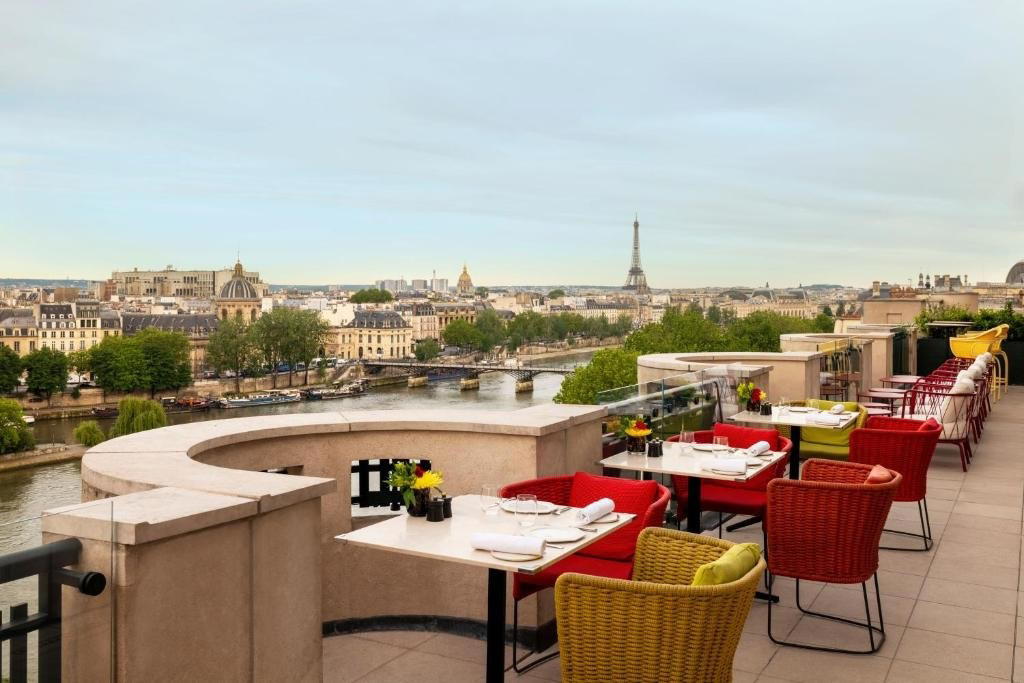
Classic Belle Époque-style Parisian brasserie atmosphere with an old-fashioned, authentic feel; descriptions emphasize stained glass, frescos, and a calm summer terrace.