Tabelog 100 #96
Our verdict
Ginza’s value equation is usually written in sushi counters, tonkatsu queues and polished Japanese dining rooms; KHAN KEBAB BIRYANI changes the arithmetic with Indian, Indian curry and Pakistani cooking in the Hakuhinkan building. Its Tabelog 100 selections across curry and Asian/ethnic categories place it in a serious local conversation, while the pricing keeps it far below Ginza’s formal dinner tier.

Pearl is the En Primeur Club membership app, where members save venues, book tables and use the concierge.
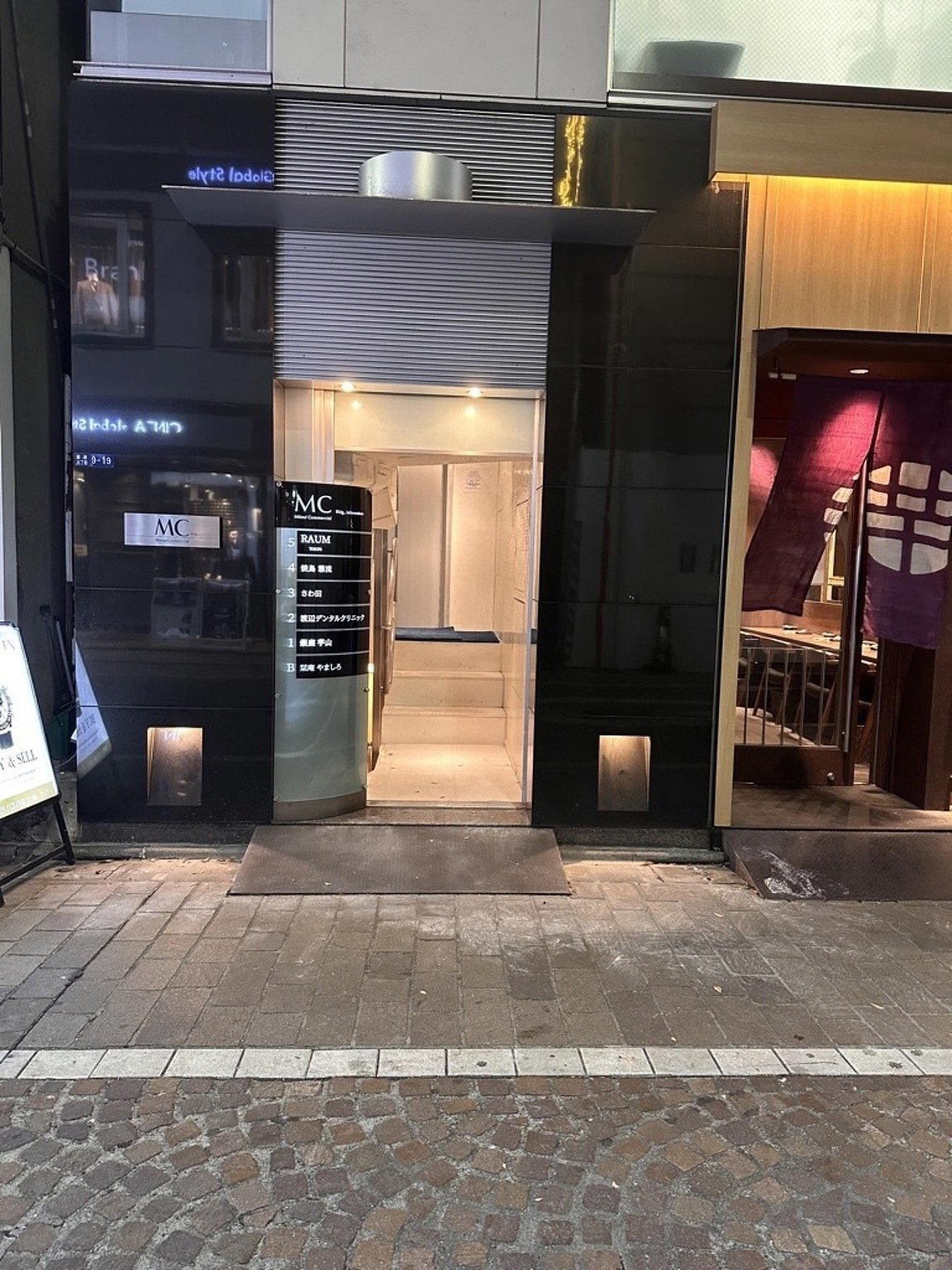
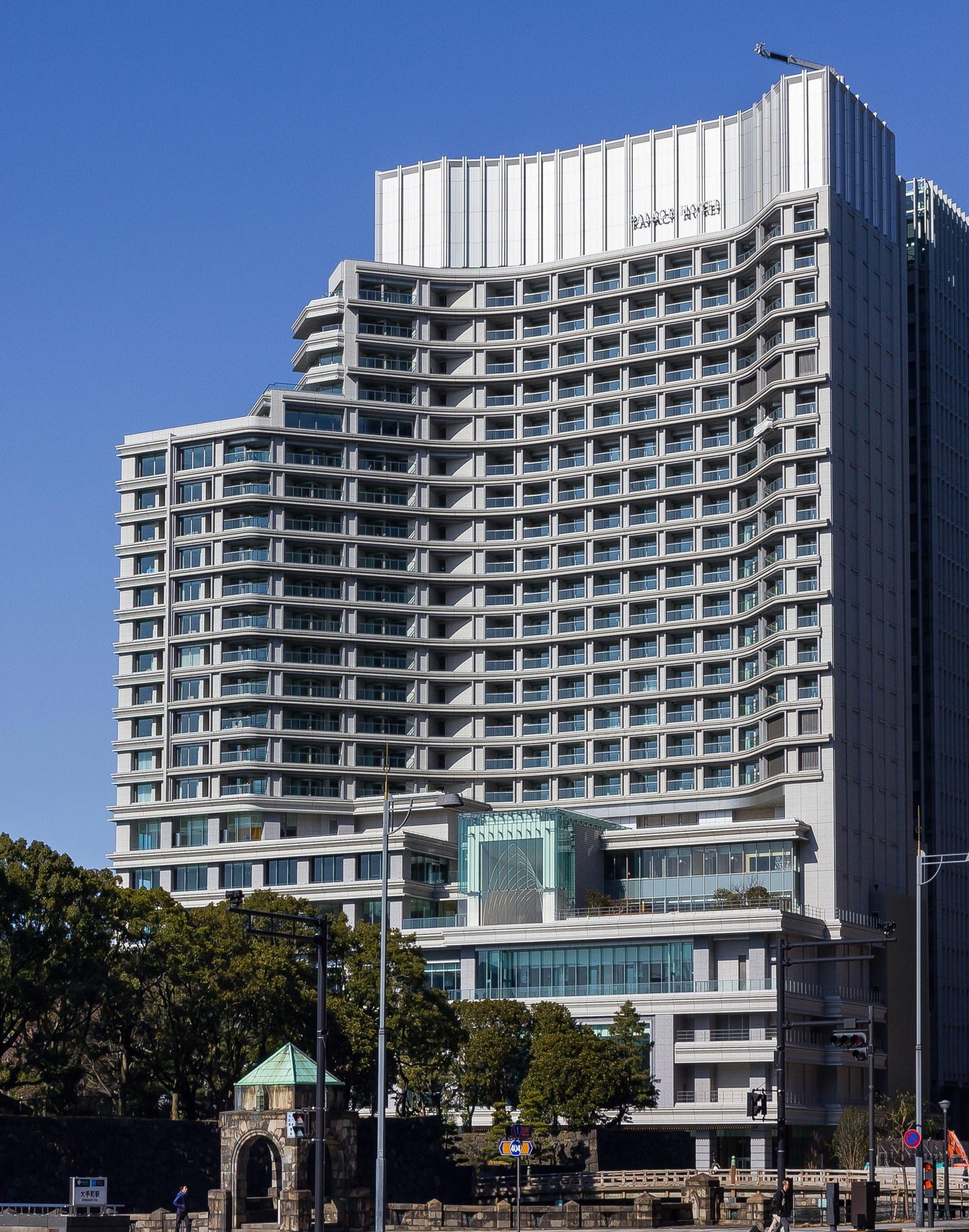
The approach is pure Tokyo: vertical signage, polished retail frontage, elevators above the street-level theatre of city traffic. In that context, KHAN KEBAB BIRYANI feels less like a luxury statement than a correction to the city’s spending habits. Tokyo can make casual meals feel indexed to address and ceremony; here, the documented Indian, Indian curry and Pakistani categories point to a more accessible kind of restaurant entry rather than hushed counter service.
That matters because Tokyo’s South Asian dining often splits between everyday curry shops and specialist restaurants that attract obsessives for curry, spice handling and regional breadth. In Tokyo, the comparison can be sharper. Dining across the city ranges from the formal Japanese register of Oryori Katsushi to the sushi institution Kyubey, while Paris Yugao represents a more polished dining register. Against that field, KHAN KEBAB BIRYANI occupies a different value tier: not a luxury-room proposition, but unusually accessible for its category recognition.
Tokyo value measured against curry, biryani and the city's formal dining tier
The useful read is what the price buys in context. Tabelog lists average pricing at JPY 3,000 to JPY 3,999 for dinner and lunch up to JPY 999. Those figures put it closer to casual Tokyo meals such as Tonkatsu Aoki Ginza 8 chome ten than to the city’s higher-ceremony sushi and kappo circuits, while the restaurant’s listed categories keep the emphasis on curry and South Asian dining rather than ceremony.
Tokyo diners have become more literate about curry and spice over the past decade, and Tabelog’s category lists reflect that shift. KHAN KEBAB BIRYANI is listed with 2024 recognition from Tabelog Hyakumeiten, alongside a Tabelog score of 3.65. That recognition is the trust signal, placing the restaurant inside Tokyo’s enthusiast-led evaluation of curry and Asian dining, not just the broad tourist category of “Indian restaurant in Tokyo.”
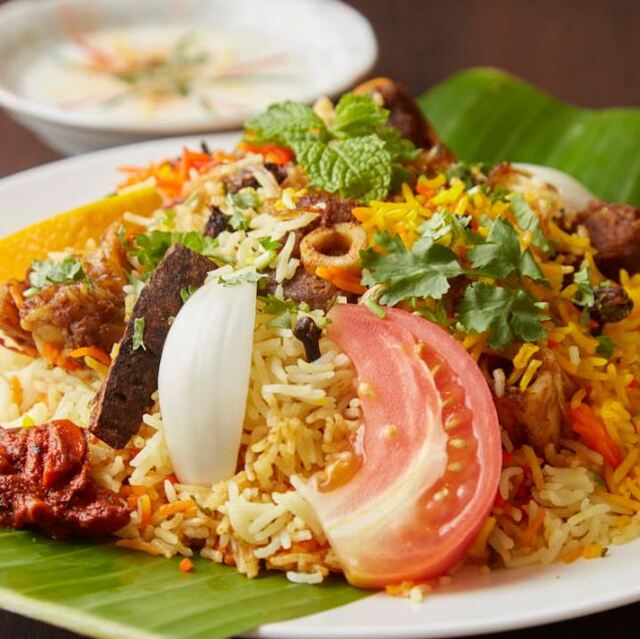
The category language is revealing. “Indian, Indian curry, Pakistani” points to a restaurant understood through more than a narrow shorthand, even when the public listing does not reduce the menu to named signatures. Biryani in Tokyo has moved from side-order curiosity to destination dish category, with diners comparing rice structure and spice integration across the city. In that scene, a Tokyo listing with Tabelog Hyakumeiten recognition signals specificity rather than décor alone.
A room built for groups, not ceremony, in a city that often prices ceremony first
The appeal is easiest to understand through positioning rather than spectacle. Instead of asking to be read like one of Tokyo’s most formal dining rooms, KHAN KEBAB BIRYANI sits in a more practical value band. That changes the occasion. This is not presented through the available facts as a chef-led sequence or a luxury tasting-menu address; it is a recognized Tokyo restaurant in Indian, Indian curry and Pakistani categories.
That broader format should not be mistaken for anonymity. In Tokyo, many high-performing specialist restaurants sit outside the rituals international visitors associate with premium dining: no starched counter, no chef biography doing the emotional labour, no tasting-menu theatre. The evidence here is in category, price position and Tabelog Hyakumeiten recognition. A Tokyo restaurant in these categories occupies a useful middle ground, serious enough for curry-focused diners and accessible enough to work beyond a narrow prestige itinerary.
The value signals reinforce the point. The appeal is not built on luxury choreography but on price, category clarity and documented local recognition. None of that requires calling it fine dining, which is precisely the point. The value proposition is recognition and Tokyo access without importing the cost structure of the city’s most formal rooms.
How to place it in a Tokyo itinerary
For travellers mapping meals across Tokyo, this is a useful counterweight to sushi, yakitori and high-polish Japanese dining. A Tokyo day can tilt expensive, especially with shopping, cocktail bars or hotel dining. A curry and biryani meal here keeps the itinerary grounded while preserving a serious food angle. For broader planning, compare it with the city’s restaurant range in Our full Tokyo restaurants guide, then balance the evening with Our full Tokyo bars guide or lodging context from Our full Tokyo hotels guide.
Within Tokyo’s casual-to-midrange field, it pairs well with other focused addresses rather than duplicating them. Curry devotees can contrast it with other Tokyo dining rooms, while diners building a more Japanese sequence might look toward the city’s sushi, kappo, yakitori or tonkatsu options. The point is contrast: Tokyo rewards diners who move between specialist formats instead of chasing one prestige model.
Its usefulness extends beyond restaurant-only planning. Tokyo fits itineraries with cultural programming, retail and late drinks, so cross-checking Our full Tokyo experiences guide and Our full Tokyo wineries guide gives a fuller sense of the city’s hospitality spread. For travellers continuing across Japan, the same value-minded lens can stretch to other unnamed specialist restaurants and casual dining rooms without losing sight of the core lesson: recognition and usefulness do not always require a luxury format.
International readers may find the comparison clearer through other major dining cities, where casual specialist formats can carry serious editorial weight without behaving like luxury rooms. KHAN KEBAB BIRYANI’s strength is similar: it gives Tokyo a curry-focused option with documented local recognition at a price tier that leaves room for the rest of the night.
Frequently asked questions
What does dinner at KHAN KEBAB BIRYANI typically cost?
Pricing at KHAN KEBAB BIRYANI is listed as Dinner: JPY 3,000 - JPY 3,999; Lunch: - JPY 999.
What days is KHAN KEBAB BIRYANI closed?
Specific closing-day information is not provided in the available venue facts for KHAN KEBAB BIRYANI.
What's KHAN KEBAB BIRYANI's location?
Tokyo.
What is KHAN KEBAB BIRYANI known for?
KHAN KEBAB BIRYANI is known for Indian, Indian curry and Pakistani categories in Tokyo, with 2024 Tabelog Hyakumeiten recognition and a Tabelog score of 3.65.
City Peers
Comparable venues in the metro at similar price points.
| Venue | Cuisine | Price | Awards | Notes |
|---|---|---|---|---|
| KHAN KEBAB BIRYANIThis venue (the venue you are viewing) | Halal Indian & Pakistani Curries, Kebabs and Biryani | $20–30 | Tabelog 100 #96 | Not listed |
| Paris Yugao | Neo-French Japonism & Teppanyaki in Ginza | $150–200 | Tabelog 100 #18 | JPY 20,000 - JPY 29,999 JPY 8,000 - JPY 9,999 |
| Sushi Sugawara | Edomae Omakase Sushi | $200–300 | Not listed | Italian |
| Tonkatsu Aoki Ginza 8 chome ten | Japanese Tonkatsu | $20–30 | Tabelog 100 #13 | JPY 2,000 - JPY 2,999 JPY 2,000 - JPY 2,999 |
| Oryori Katsushi | Seasonal Kaiseki Kappo | $200–300 | Michelin Plate | Japanese |
| Kyubey | Traditional Japanese Omakase Sushi | $150–200 | La Liste Top Restaurants | Sushi |
Recognition history
Dated appearances from independent guides and award organizations, with the underlying list record or original source where available.
Tabelog 100 #96 · No. 96
Tabelog · Tabelog 100 - Asian cuisine / Ethnic cuisine - TOKYO - 2024