
Tabelog 100 #16
Our verdict
In Ginza, where high-spend sushi counters and polished dining rooms dominate the mental map, DELHI Ginza ten gives Tokyo’s curry culture a sharper neighbourhood address. The restaurant is listed in Tabelog 100 for Asian and ethnic cuisine in Tokyo 2024, with Indian, Indian curry, and izakaya categories placing it in a more casual, cross-current lane than Ginza’s usual luxury script.

Pearl is the En Primeur Club membership app, where members save venues, book tables and use the concierge.
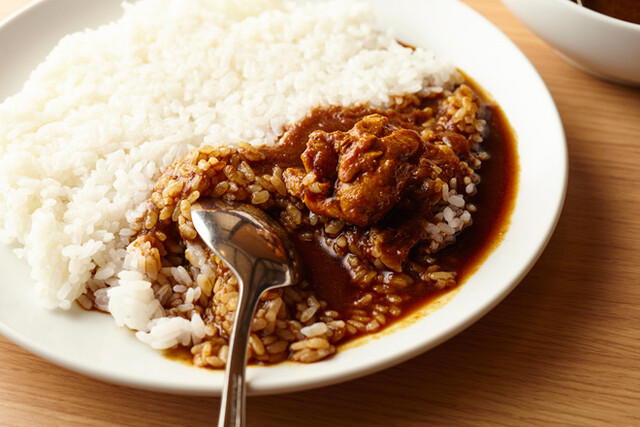
The menu
What to order
- Delhi curry
- Kashmir curry
- Butter chicken
- Tandoori chicken
- Monthly curry specials
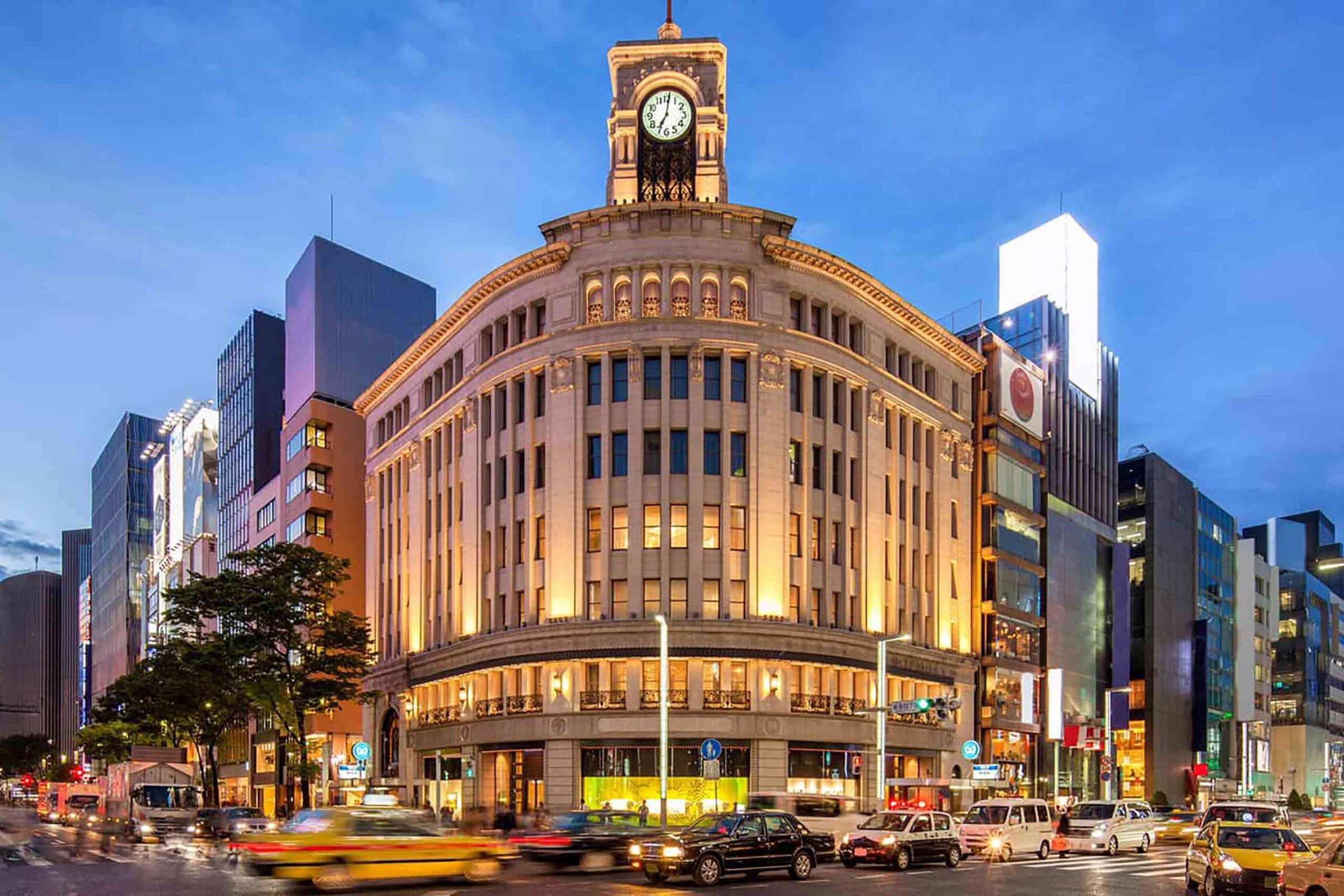
Tokyo often announces dinner through glass, lighting, and money: watch boutiques at street level, discreet lifts, polished corridors, and dining rooms calibrated for expense accounts. Against that backdrop, curry changes the tempo. DELHI Ginza ten sits within a city where expectations often run to sushi, refined Japanese dining, Chinese dining, or cocktail precision, yet its appeal is less ceremonial: Indian curry folded into a Japanese urban dining rhythm, with izakaya adjacency rather than temple-like formality.
That matters because Tokyo can flatten choice into luxury signalling. A curry room here must differ from both the department-store basement lunch counter and the reservation-led tasting menu. The comparison is not only with Indian restaurants, but with Tokyo meals that merit recommendation without consuming an evening. This restaurant belongs to the city’s practical canon: places people use when Tokyo needs flavour, speed, and reliability rather than ceremony.
Tokyo curry with a city dining-room grammar
Tokyo’s curry culture is not one tradition. It moves between yoshoku-style curry rice, South Asian restaurants, specialist spice counters, hotel dining rooms, and hybrid menus shaped by decades of local habit. DELHI Ginza ten falls into the Indian and Indian curry category, but its listing also includes izakaya, usefully showing how Tokyo classifies restaurants that do not sit neatly inside imported genre lines. Curry, casual meals, and a tavern-adjacent classification coexist without the meal behaving like a formal regional survey.
The Tabelog Hyakumeiten recognition in 2024 gives the restaurant a public credential in a dense, competitive category. That recognition is more persuasive than a passing mention, especially in a city where curry specialists can build fierce local followings without international fanfare.
Tokyo’s expensive tier sits nearby in spirit, but this is not priced or formatted like the city’s grander rooms. Among comparisons, Ginza Kazen occupies a different spend bracket, while Ginza Sushi Ko Honten belongs to the sushi lane many visitors associate with Tokyo first. DELHI Ginza ten cuts across that expectation, giving the city an Asian-cuisine counterpoint for a shopping day, workday meal, or low-ceremony dinner without leaving Tokyo’s dining flow.
For a broader read on the city’s range, Our full Tokyo restaurants guide places this kind of curry address alongside formats from casual specialist rooms to destination dining. Other Tokyo references show how tightly the city’s casual and specialist restaurants can define a local mood, even when they are not chasing the same kind of luxury signal.
Why the Tokyo setting changes the reading
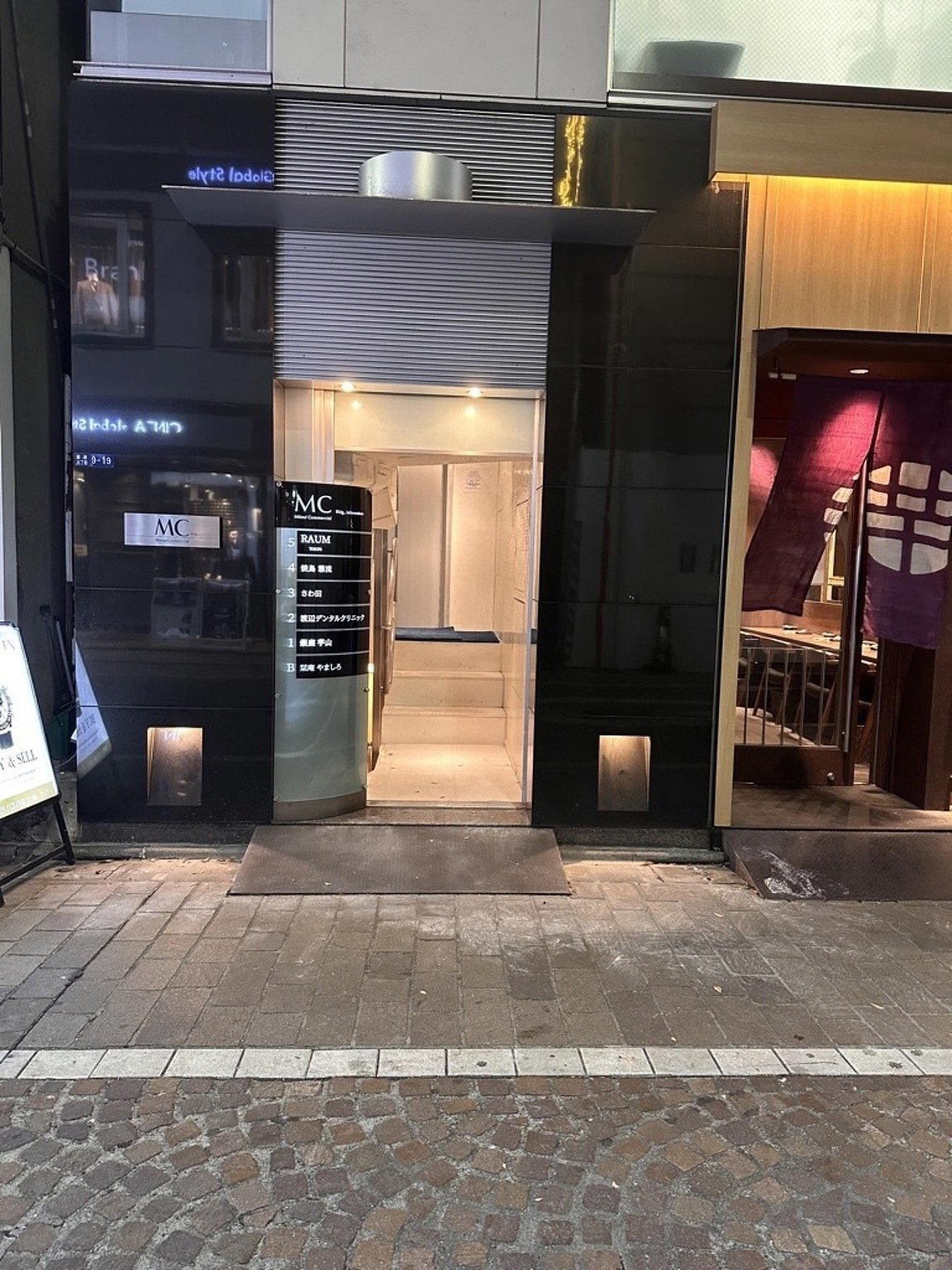
Tokyo is not neutral scenery. A restaurant here is judged against a city trained in polish, consistency, and transport convenience. This curry address suits an urban dining culture where meals often begin with a lift ride, a compact entrance, or a door that gives little away. Its public classification as Indian, Indian curry, and izakaya places it closer to everyday Tokyo utility than destination-only dining.
The format suggests a restaurant built for repeat use as much as singular curry devotion, unlike the city’s tiny counter specialists. That practical flexibility creates another Tokyo-appropriate use case: office meals, family gatherings, or friends wanting curry without treating dinner as a formal performance. That usefulness helps explain why a curry address can stand out in a city where rent and expectation punish weak concepts.
There is also a Japanese reading of Indian curry that overseas visitors can miss. Tokyo diners do not treat curry only as imported cuisine; they treat it as a category with local memory, ranking culture, and micro-preferences. A Tabelog score of 3.67 is not a throwaway number. On that platform, especially in crowded Tokyo categories, mid-to-high threes can signal sustained diner confidence rather than viral novelty. The 2024 award recognition strengthens that signal.
Tokyo’s wider ecosystem gives contrast. Other dining rooms point toward seafood, charcoal cooking, visual concept spaces, and specialist counters across the city. For visitors extending the trip beyond restaurants, the city’s hospitality and nightlife context sits in Our full Tokyo hotels guide, Our full Tokyo bars guide, Our full Tokyo wineries guide, and Our full Tokyo experiences guide.
A useful counterweight to Tokyo formality
The editorial case for DELHI Ginza ten is not that it replaces Tokyo’s expensive counters. It solves a different problem: where to eat in a high-pressure city when the meal should have identity but not stiffness. Indian curry, alongside the izakaya classification, makes sense here. Tokyo diners often want options that stretch from lunch into dinner without forcing a rigid script.
That versatility is the point. Tokyo’s stronger curry rooms reward repeat use rather than once-in-a-lifetime planning, and this restaurant fits. The awards record places it inside a vetted Tokyo category; the city context makes it useful for a day already built around urban movement; the format keeps it from feeling like a luxury performance. For travellers building a Tokyo itinerary, it works as a corrective to over-scheduling: a credible Tokyo meal that reads locally, not as compromise.
For broader Japan and diaspora context, compare how casual formats shift by city: curry counters, tavern-like dining rooms, cafe formats, and compact specialist restaurants all change with local habits. Across the Pacific, Japanese dining cues travel and change again outside Japan, but DELHI Ginza ten belongs to the Tokyo version of that story: practical, specific, and more valuable for being easy to use.
Similar Picks
Side-by-side context: comparable cuisine and price.
| Venue | Cuisine | Price | Awards | Notes |
|---|---|---|---|---|
| DELHI Ginza tenThis venue (the venue you are viewing) | Indian & Pakistani curry house | $10–20 | Tabelog 100 #16 | Not listed |
| Ginza Kazen | New-style Cantonese fine dining | $200–300 | Tabelog 100 #84 | JPY 30,000 - JPY 39,999 JPY 10,000 - JPY 14,999 |
| 魚治 はら田 | Edomae Sushi Omakase | $50–100 | Not listed | Not listed |
| Renge Equriosity Shinbashi | Modern Shanghai Chinese Fine Dining | $200–300 | Tabelog 100 #29 | Not listed |
| Ginza Sushi Ko Honten | Traditional Edomae Sushi | $300–500 | Not listed | Sushi |
| LITTLE SMITH | Cocktail Bar | Not listed | Tabelog 100 #73 | JPY 6,000 - JPY 7,999 |
Recognition history
Dated appearances from independent guides and award organizations, with the underlying list record or original source where available.
Tabelog 100 #16 · No. 16
Tabelog · Tabelog 100 - Asian cuisine / Ethnic cuisine - TOKYO - 2024
Continue exploring
More in Tokyo
Restaurants in Tokyo
All restaurants in Tokyo →


Bars in Tokyo
All bars in Tokyo →
Details
- Cozy
- Classic
- Lively
- Solo
- Casual Hangout
- After Work
- Group Dining
- Family
- Standalone
- A La Carte
- Set Menu
- Vegetarian Friendly
Current opening hours
- Monday
- 11:30 AM–10 PM
- Tuesday
- 11:30 AM–10 PM
- Wednesday
- 11:30 AM–10 PM
- Thursday
- 11:30 AM–10 PM
- Friday
- 11:30 AM–10 PM
- Saturday
- 11:50 AM–10 PM
- Sunday
- 11:50 AM–10 PM
Hours can change for holidays and private events. Hours as of .
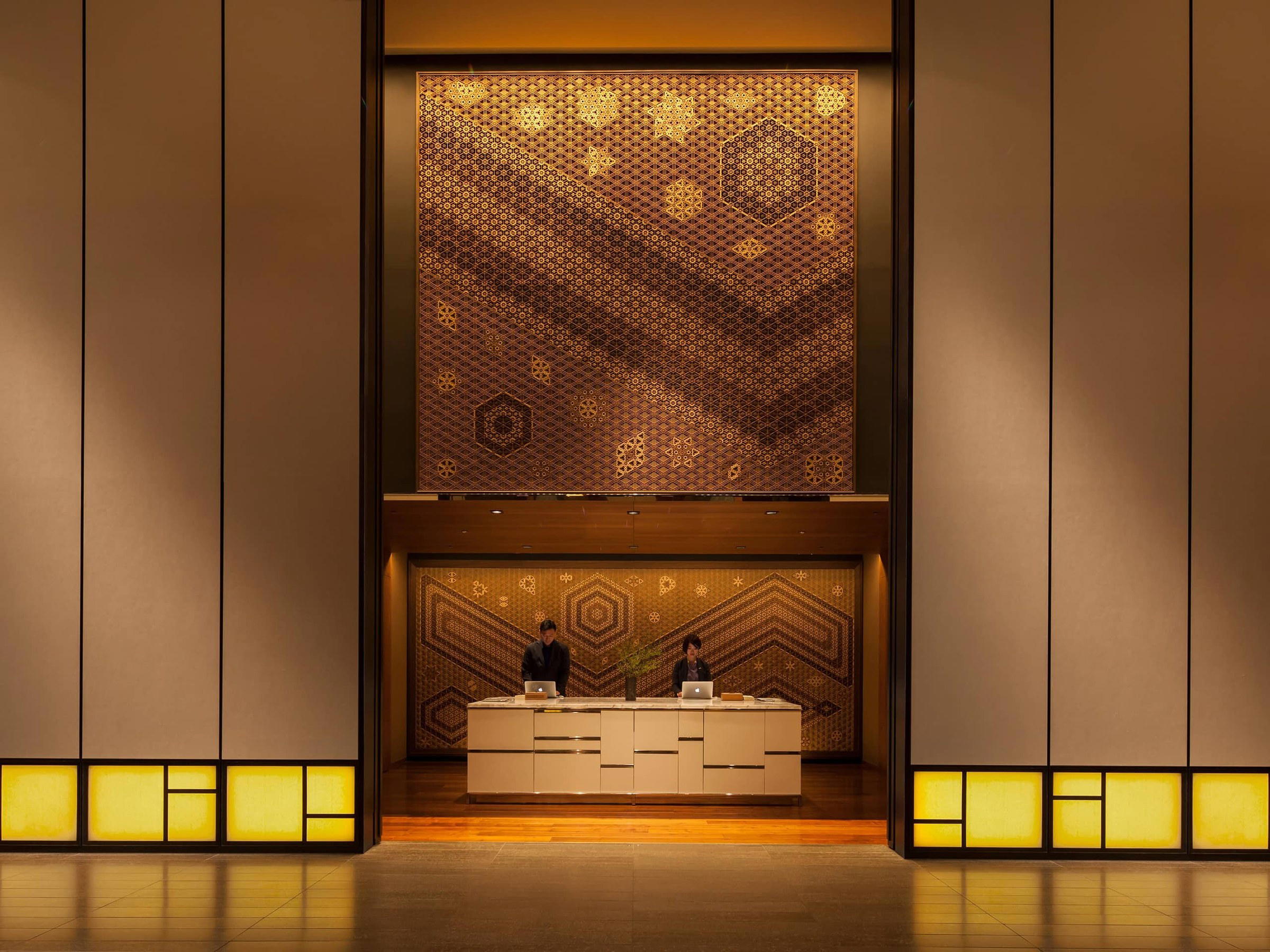
Classic, low‑key Ginza curry house on a building’s 3rd floor, with simple décor and relaxed lighting, drawing a steady mix of solo diners, couples, and small groups for unpretentious, comfort‑style Indian meals.