Schneider Deli
Our verdict
Schneider Deli is a Chicago Jewish deli serving sandwiches, soups, and salads in a tradition that has largely disappeared from American cities over the past generation. In a dining scene dominated by tasting menus and fast-casual chains, it occupies a specific and increasingly rare register: the neighbourhood deli as anchor institution, where the food is the point and the room is secondary.

Pearl is the En Primeur Club membership app — saves, bookings, and concierge access live there. Same editors, same standards.
- Address
- Chicago, United States
The menu
What to order
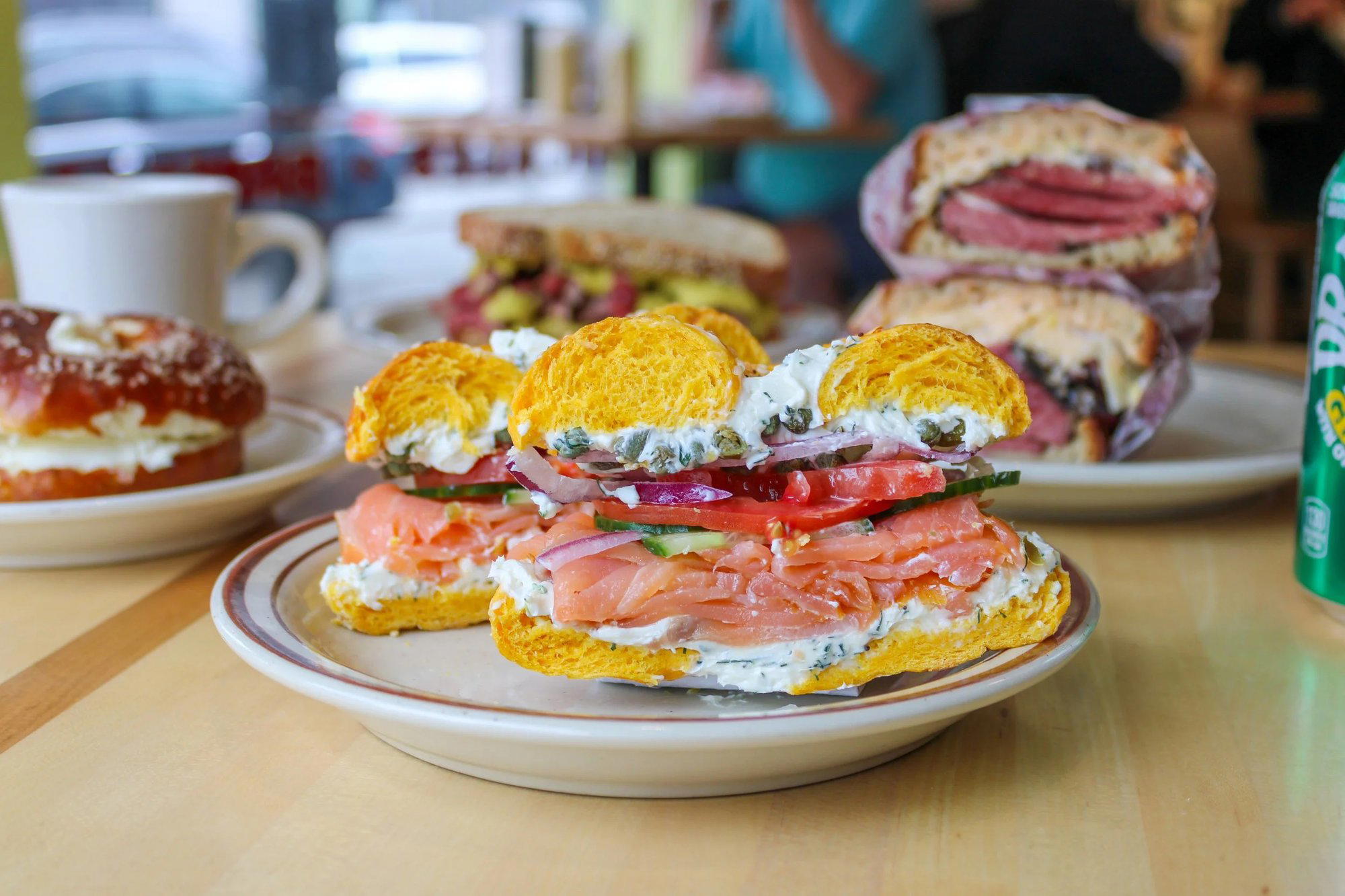
- Corned beef sandwich
- Pastrami sandwich
- Matzo ball soup
Where Chicago Still Does the Deli
The Jewish deli is one of the most contested formats in American food culture. Across New York, Los Angeles, and Chicago, the category has been shrinking for decades, squeezed between rising real estate costs, changing demographics, and a dining public that finds it easier to romanticise the deli than to support one. What remains in most cities is a handful of survivors and a growing number of revival projects, each trying to decide how faithfully to reproduce the original or how much to update it. Schneider Deli sits inside that broader story, operating in a city where the deli tradition was once dense enough to anchor entire neighbourhoods and has since contracted to a much smaller footprint.
Chicago's North Side, where much of the city's historical Jewish population settled across successive generations, still carries traces of that culinary geography. Delicatessens were not incidental to those neighbourhoods; they were infrastructure, the kind of place where community life organised itself around a counter and a bowl of soup. The format that Schneider Deli works within carries that weight, whether or not its immediate surroundings still look the same as they did when the deli was the default stop rather than the deliberate choice.
The Menu as Argument
Jewish deli menus are among the most codified in American food: the architecture of a pastrami sandwich, the logic of a matzo ball soup, the ratio of fat to lean in a proper corned beef. These are not dishes that reward reinvention so much as execution. The premium in this format goes to sourcing, curing, and slicing, not to novelty. A deli that gets those fundamentals right is making a stronger statement than one that gestures toward them while importing other influences.
Schneider Deli's menu runs across sandwiches, soups, and salads, which is the essential deli triumvirate. Sandwiches carry the most diagnostic weight in this format: the bread-to-filling ratio, the temperature of the meat, the choice of mustard all communicate whether the kitchen understands what it is doing. Soups in a deli context function as a separate register entirely, slower and more restorative, and the quality of chicken stock is often the most reliable indicator of kitchen seriousness. Salads in the deli tradition tend toward the composed and the substantial rather than the dressed greens of a bistro, and that distinction matters for understanding what kind of meal you are eating.
Chicago's dining scene in 2024 and 2025 is heavily weighted toward high-investment tasting menu formats. Alinea, Smyth, Oriole, and Next Restaurant define one end of the city's ambition. Kasama has shown that a Filipino bakery-restaurant hybrid can operate at the same Michelin level. These are all serious places, and they draw serious attention. The deli sits at the opposite pole, not as a lesser option but as a different ambition entirely: food that has already been argued over, settled, and refined across generations, served in a format that does not ask anything theatrical of the diner.
The Neighbourhood Logic
A deli's relationship to its immediate geography is not decorative. The leading examples of the format in American cities have always functioned as neighbourhood anchors first and destination restaurants second, if at all. The customer who comes in twice a week for the same order is as important to the operation as the out-of-town visitor who arrives with a list. That mix sustains the business model and also keeps the menu honest, because a regular clientele notices drift in quality faster than any critic.
Chicago's dining geography rewards specificity. The city's neighbourhoods have enough distinct character that the question of where a restaurant sits carries real meaning. A deli in the thick of a residential area plays a different role than one positioned on a commercial corridor optimised for lunch traffic. Both are valid, but they produce different rhythms, different customer relationships, and ultimately different kinds of food cultures. The deli format, more than almost any other, benefits from that embedded neighbourhood position, because it is fundamentally about return visits rather than destination pilgrimages.
For visitors approaching Chicago's dining scene from the tasting-menu end, the deli offers a useful recalibration. After a meal at one of the city's Michelin-decorated tables, a lunch counter that has been serving the same essential menu for years communicates something different about what food is for. The comparison is not invidious; it is clarifying. Both formats are serious in their own register. The city is large enough and the dining culture deep enough to hold both without either diminishing the other. Our full Chicago restaurants guide maps the full spectrum.
How Schneider Deli Fits the Broader American Deli Moment
The deli revival conversation in American food media has been running for at least a decade, appearing in publications that cover everything from New York's remaining Second Avenue institutions to newer operations in cities like Los Angeles and Portland. What the conversation consistently surfaces is that the deli format is harder to sustain than it looks: the labour intensity of house-cured meats, the volume required to keep food fresh and moving, and the price resistance from customers who remember when a sandwich cost considerably less all create structural pressure.
Chicago's version of that pressure is not unique. Cities like New York still have a denser deli infrastructure, while the West Coast scene runs from serious Ashkenazi-focused operations to looser interpretations. Nationally, places like Le Bernardin in New York, Lazy Bear in San Francisco, The French Laundry in Napa, Providence in Los Angeles, Blue Hill at Stone Barns, Addison in San Diego, The Inn at Little Washington, Bacchanalia in Atlanta, Atomix in New York, Emeril's in New Orleans, Single Thread Farm in Healdsburg, and 8½ Otto e Mezzo Bombana in Hong Kong represent the fine dining axis against which the deli's democratic counter culture defines itself. Neither needs the other to justify its existence, but the contrast is instructive about what American dining values and what it sometimes overlooks.
Schneider Deli operates in a format that demands consistency over spectacle. That is a harder standard to maintain quietly than it looks from the outside, and it is one reason that the survivors in any American city's deli category tend to be taken for granted until they are gone.
Planning Your Visit
As with most delis operating in this format, walk-in is likely the primary access model, and peak lunch hours typically see the highest demand. The deli format generally skews toward cash-friendly pricing and quick counter service, though this should be confirmed on-site. For the broader Chicago dining context across price tiers and neighbourhoods, the EP Club Chicago guide provides current coverage.
Frequently asked questions
What is Schneider Deli known for?
What's the must-try dish at Schneider Deli?
How hard is it to get a table at Schneider Deli?
Is Schneider Deli good value for money?
Does Schneider Deli serve food that suits dietary restrictions common in the Jewish deli tradition?
Standing Among Peers
Comparable venues nearby, for context on price, style, and recognition.
| Venue | Cuisine | Price | Awards | Notes |
|---|---|---|---|---|
| Schneider DeliThis venue — the venue you are viewing | Jewish Deli | $10–20 | Not listed | Not listed |
| Lickity Split Frozen Custard & Sweets | Frozen Custard & Sweets | $10–20 | Not listed | Edgewater |
| Lucky's Sandwich Co. | Overstuffed Deli Sandwiches | Not listed | Not listed | Lake View |
| White Palace Grill | Classic American Diner | $10–20 | Diners, Drive-Ins and Dives Featured Restaurant | West Side |
| Pop Up Bagels | Artisan Bagels & Schmears | $10–20 | Not listed | Lincoln Park |
| Al's #1 Italian Beef | Chicago Italian Beef | $10–20 | Not listed | River North |

Details
- Classic
- Cozy
- Casual Hangout
- Family
- Brunch
- Open Kitchen
- A La Carte
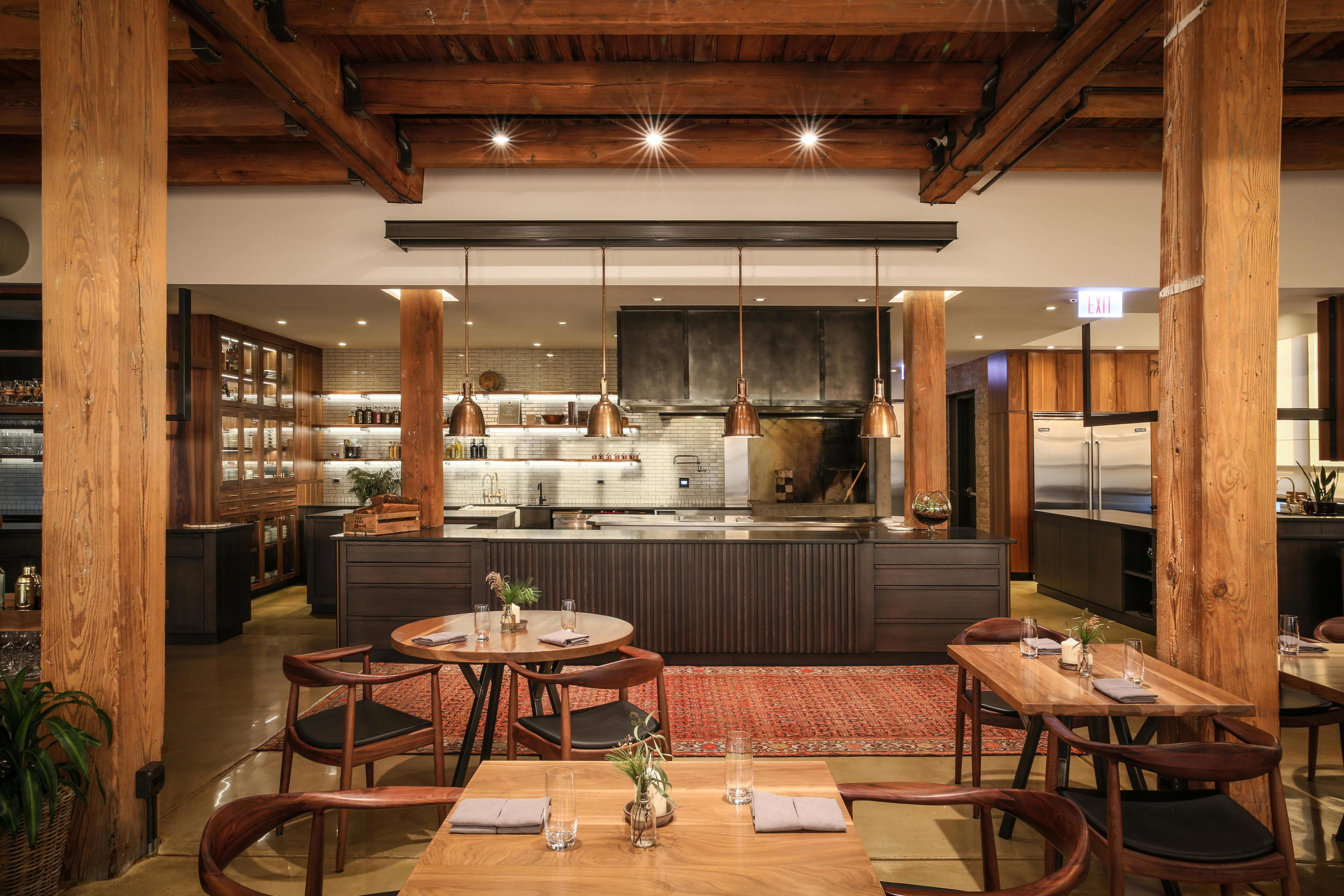
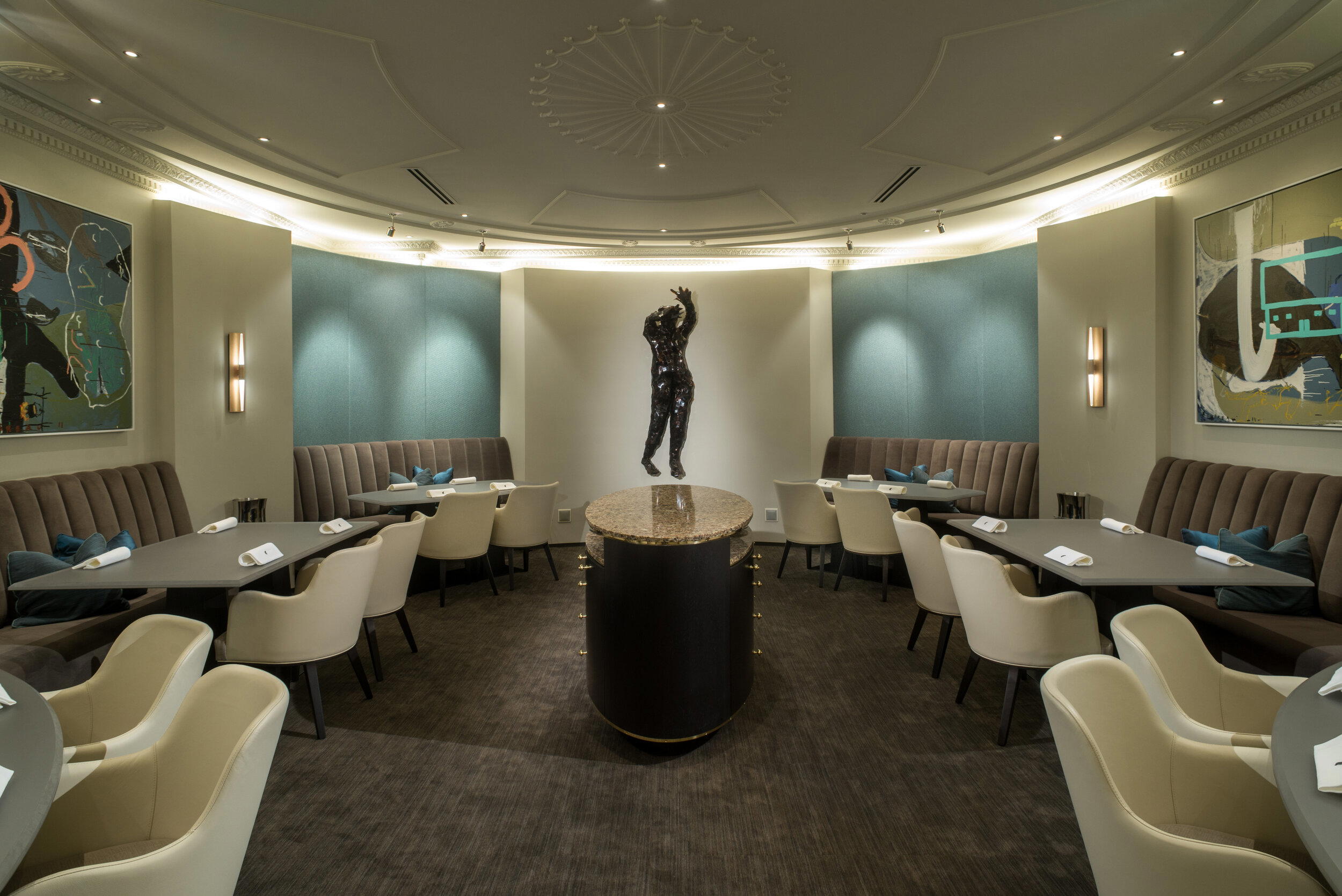
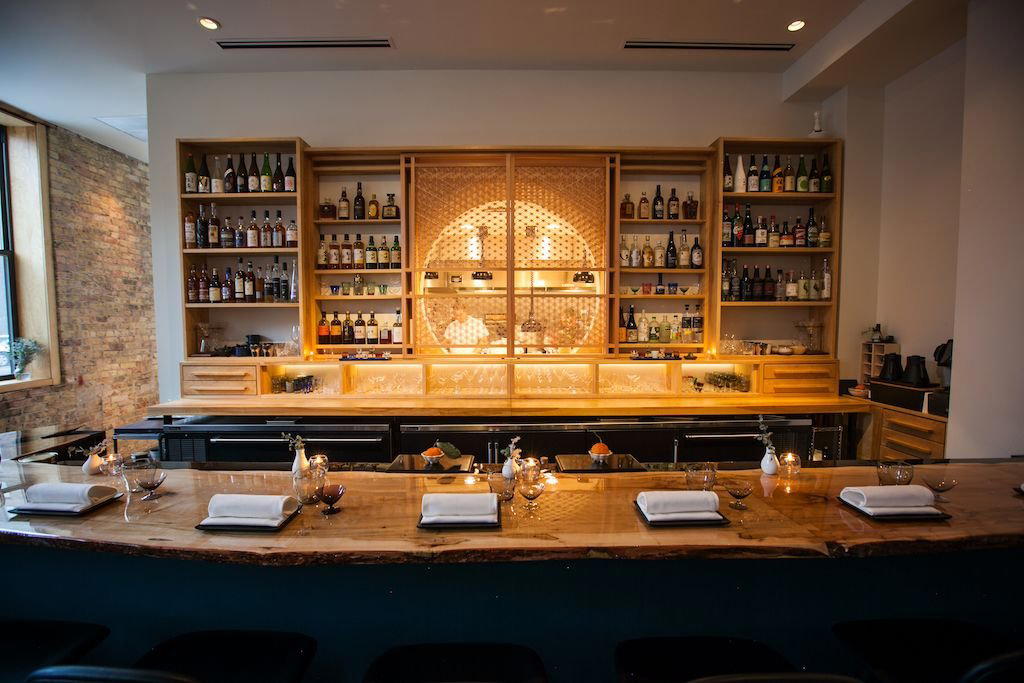
Casual counter-service spot with a nostalgic, bustling deli atmosphere.