Schöne Aussicht
Schöne Aussicht sits above the village of Viktorsberg in the Bregenzerwald foothills, a part of Vorarlberg where Austrian alpine dining has quietly developed one of the country's most ingredient-focused regional traditions. The address at Klosterweg 7 places it within walking distance of the village centre, and its position in the broader western Austria dining scene connects it to a peer group that prizes local sourcing and seasonal discipline over urban fine-dining convention.
Pearl is the En Primeur Club membership app — saves, bookings, and concierge access live there. Same editors, same standards.
- Address
- Klosterweg 7, 6836 Viktorsberg, Austria
- Phone
- +43552364715
- Website
- gh-schoeneaussicht.at
- Directions
- Get directions
 Saves & bookings on Pearl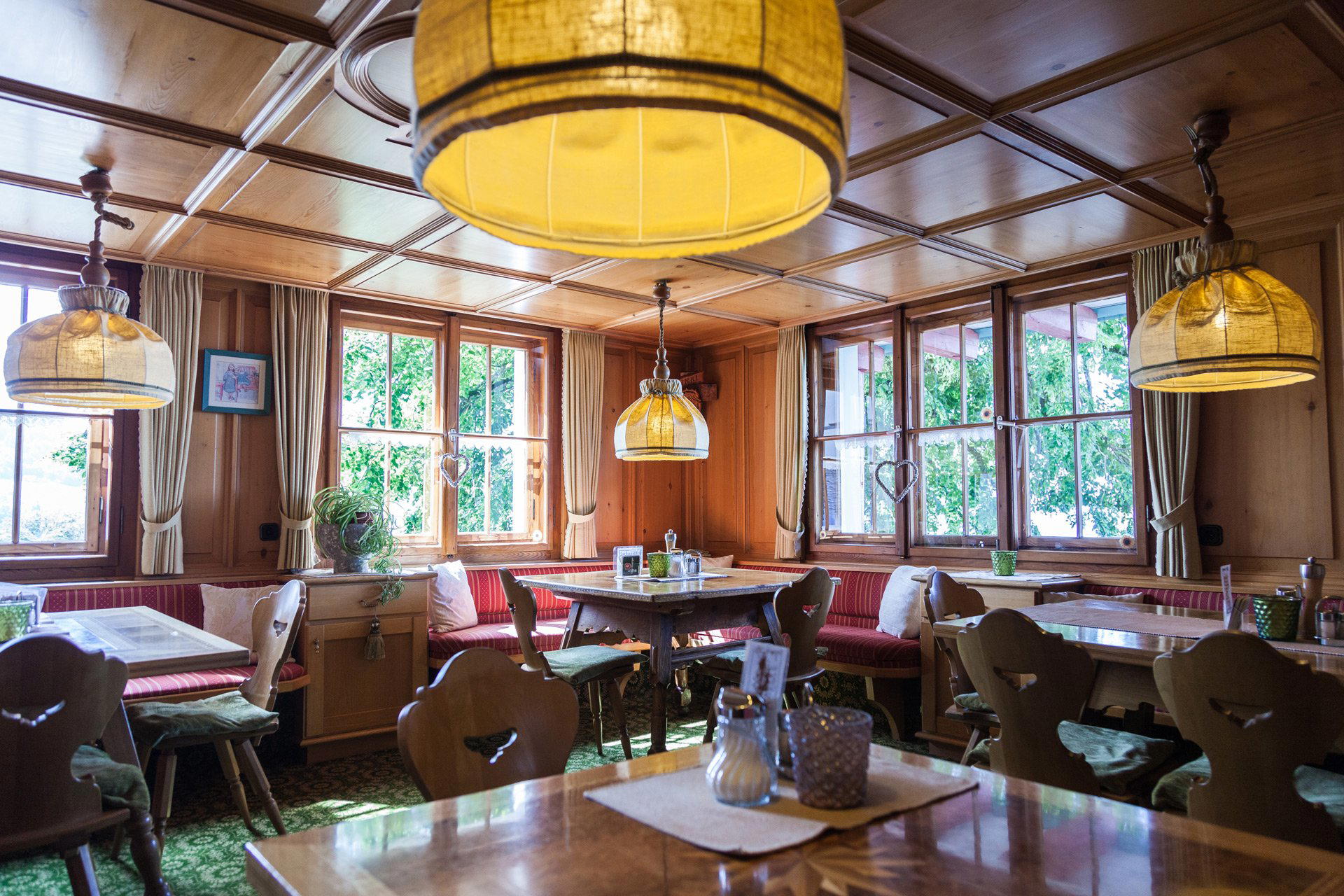
Above the Valley Floor: What Vorarlberg's Dining Tradition Looks Like at Altitude
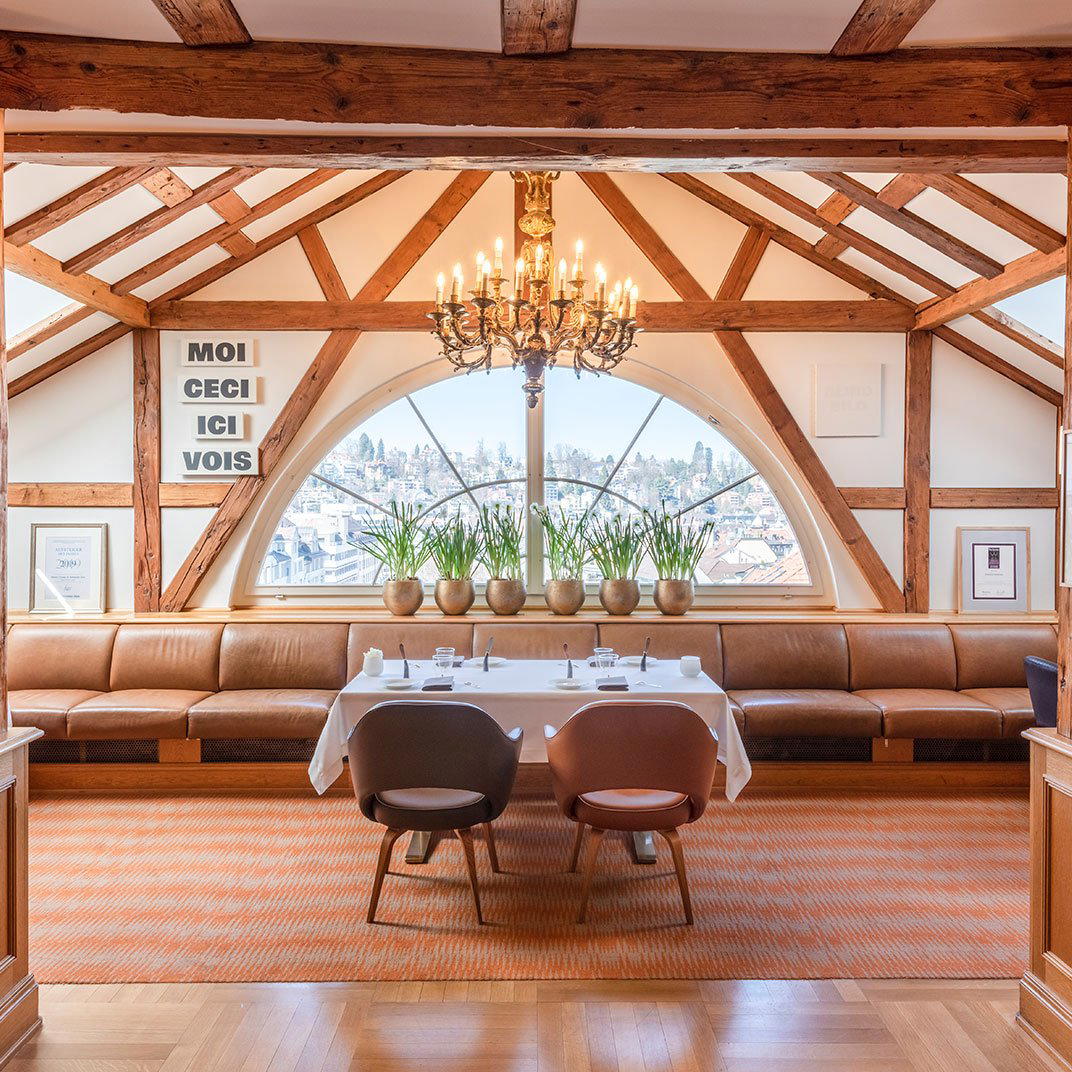
Arrive at Viktorsberg from the Rhine Valley below and the shift in atmosphere is immediate. The village sits at roughly 700 metres above Rankweil, tucked into the lower reaches of the Bregenzerwald, a region that has spent the past two decades building one of Austria's more coherent arguments for place-specific cooking. The air is cooler. The agricultural rhythm is visible. And the dining establishments that have taken root here tend to reflect that proximity to source material in ways that restaurants in Bregenz or Feldkirch rarely can. Schöne Aussicht, which translates directly as "beautiful view", takes its name from precisely what the position offers: an unobstructed sightline over the Rhine plain toward Switzerland and the Liechtenstein Alps.
That view is not incidental. In the alpine and pre-alpine dining traditions of western Austria, the relationship between landscape and plate is taken seriously in a way that distinguishes this region from the more urban-facing fine dining of Vienna or Salzburg. Where Steirereck im Stadtpark in Vienna operates from a position of metropolitan creative ambition, the Vorarlberg model more often anchors itself in agricultural specificity: dairy from named farms, herbs gathered from named hillsides, proteins from the surrounding valleys.
The Ingredient Logic of the Bregenzerwald
Understanding what Schöne Aussicht likely offers requires understanding the food culture it exists within. The Bregenzerwald is one of Austria's most coherent dairy regions, with a cheese-making tradition, centred on mountain pasture Alpkäse and the seasonal transhumance calendar, that has attracted serious culinary attention across German-speaking Europe. Cheese alone gives kitchens in this zone a sourcing argument that kitchens in lower-altitude Austria simply cannot replicate: the milk from cattle grazing at altitude carries measurable differences in fat content and flavour profile depending on the month.
That seasonal precision has shaped how the better establishments in this part of Vorarlberg approach menu construction. Rather than building a fixed repertoire and sourcing to match it, the more credible addresses here reverse the logic: they find out what is available from farms and foragers within a short radius and build from there. It is an approach that connects the regional tradition to broader movements visible at places like Döllerer in Golling an der Salzach or Kräuterreich by Vitus Winkler in Sankt Veit im Pongau, both of which have built significant reputations on hyper-local ingredient sourcing in alpine contexts.
Vorarlberg also benefits from its proximity to the Bodensee fishery, which introduces freshwater species, Felchen (whitefish), pike-perch, perch, into menus that might otherwise lean heavily on meat and dairy. That aquatic dimension gives kitchens here a compositional range that equivalent mountain addresses in Tirol often lack. Gourmetrestaurant Tannenhof in Sankt Anton am Arlberg and Griggeler Stuba in Lech operate in terrain where freshwater fish is a periodic feature rather than a structural one; the Rhine Valley corridor that Viktorsberg overlooks changes that calculus.
Where Schöne Aussicht Sits in the Regional comparable set
Austria's western alpine dining scene has stratified over the past decade into roughly three tiers: destination restaurants with Michelin recognition that draw visitors from Zurich, Munich, and Vienna; solid regional addresses that serve a mixed local and weekend-visitor clientele; and neighbourhood establishments that anchor village life without pretension to broader recognition. Its address in Viktorsberg, a village of fewer than 500 residents, without the resort infrastructure of Lech or Ischgl, places it in a context where the second and third tiers are most naturally at home.
That is not a diminishment. Particularly instructive eating in Austria happens at addresses that operate without the expectation of destination dining. Landhaus Bacher in Mautern an der Donau built its reputation over decades precisely by being serious in a location that rewarded seriousness without requiring metropolitan scale. Obauer in Werfen operates from a small market town and holds two Michelin stars. The pattern in Austria is well established: provincial address does not preclude culinary ambition.
For broader context on what creative ambition looks like at the upper end of Austria's regional dining spectrum, Ikarus in Salzburg provides a useful reference point, as does Ois in Neufelden for the kind of ingredient-forward cooking that has emerged in less-trafficked corners of the country. Taubenkobel in Schützen am Gebirge demonstrates what a fully committed regional sourcing program looks like when carried through over years. These are the coordinates against which kitchens in places like Viktorsberg are increasingly measured, not just by critics, but by the guests who travel specifically for this kind of cooking.
Planning a Visit
Viktorsberg is reached most practically from Rankweil, approximately five kilometres below in the Rhine Valley, the village is not served by direct public transport, making a car the reliable option. The address at Klosterweg 7 is within the village centre, though parking in the immediate area requires attention to local signage. Direct contact with the venue before arrival is advisable, particularly for weekend visits when local demand from Feldkirch and Bregenz tends to be stronger. Those combining the visit with broader Vorarlberg dining exploration should note that Schwarzer Adler in Hall in Tirol, Stüva in Ischgl, and Restaurant 141 by Joachim Jaud in Mieming are all within a two-hour radius and represent the full range of the western Austrian dining conversation. For those arriving from further afield, Artis in Graz and Atelier Fischer in Sankt Gilgen give a sense of how seriously the question of ingredient provenance is now being taken at the upper end of the Austrian dining conversation.
Comparable Venues
Comparable venues nearby, for context on price, style, and recognition.
| Venue | Cuisine | Price | Notes |
|---|---|---|---|
| Schöne AussichtThis venue — the venue you are viewing | Traditional Austrian Regional | $$ | Not listed |
| Brandnerhof | Austrian & German Classics | $$ | Brandnertal |
| Burgrestaurant Gebhardsberg | Traditional Austrian Castle Cuisine | $$ | Gebhardsberg |
| Tuftl Alm | Traditional Austrian Alm | $$ | Lermoos |
| Kemater Alm | Tyrolean Alpine | $$ | Grinzens |
| Restaurant Rofenhof | Tyrolean/Austrian with Italian | $$ | Sölden |
Continue exploring
More in Viktorsberg
Restaurants in Viktorsberg
Browse all →
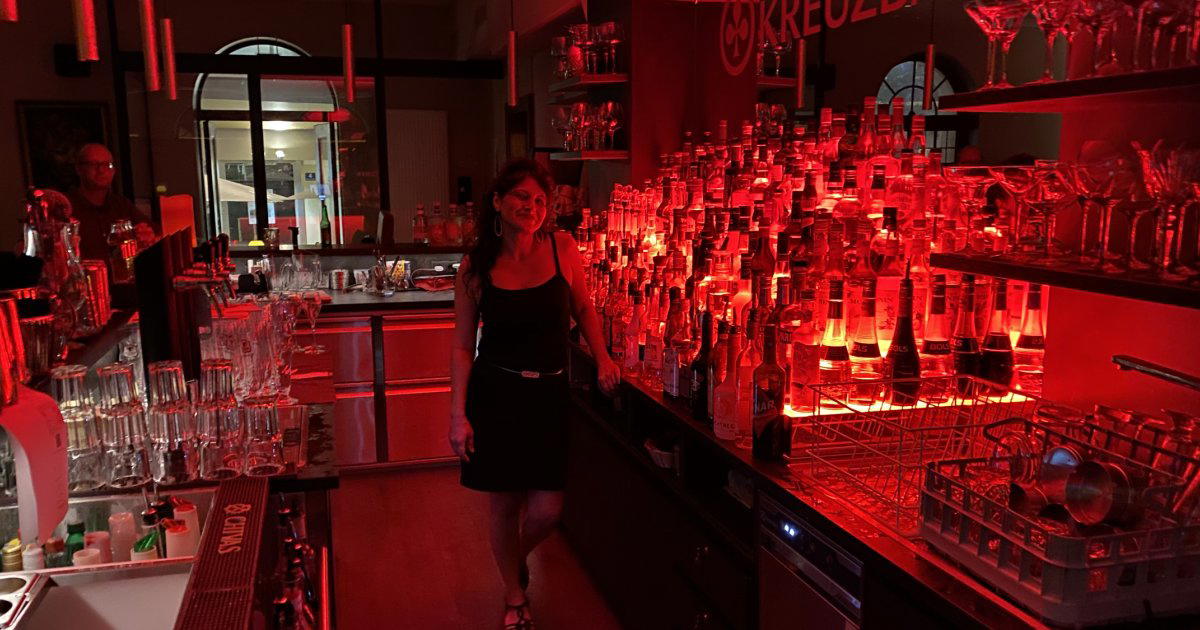
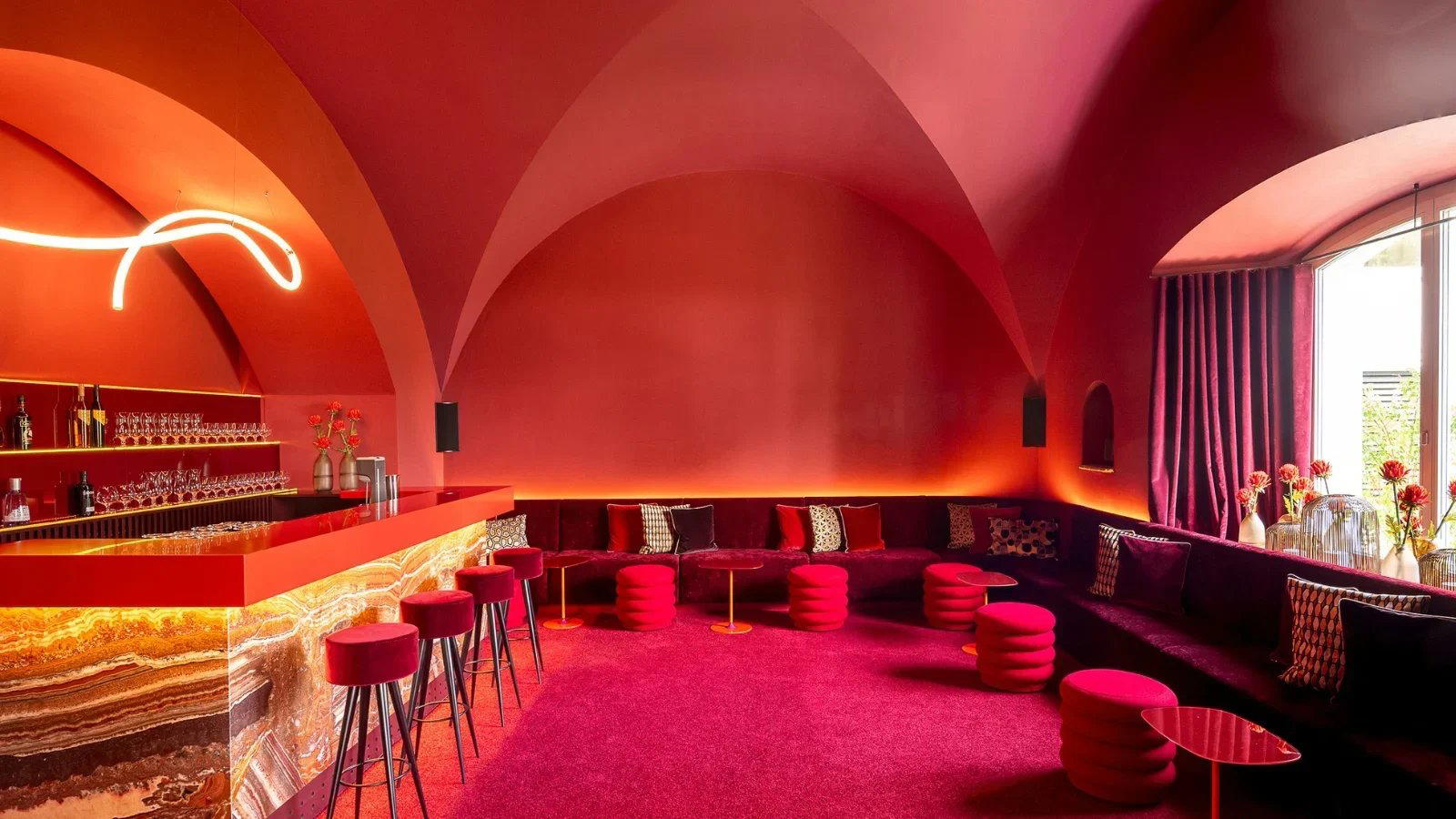
Bars in Viktorsberg
Browse all →

Hotels in Viktorsberg
Browse all →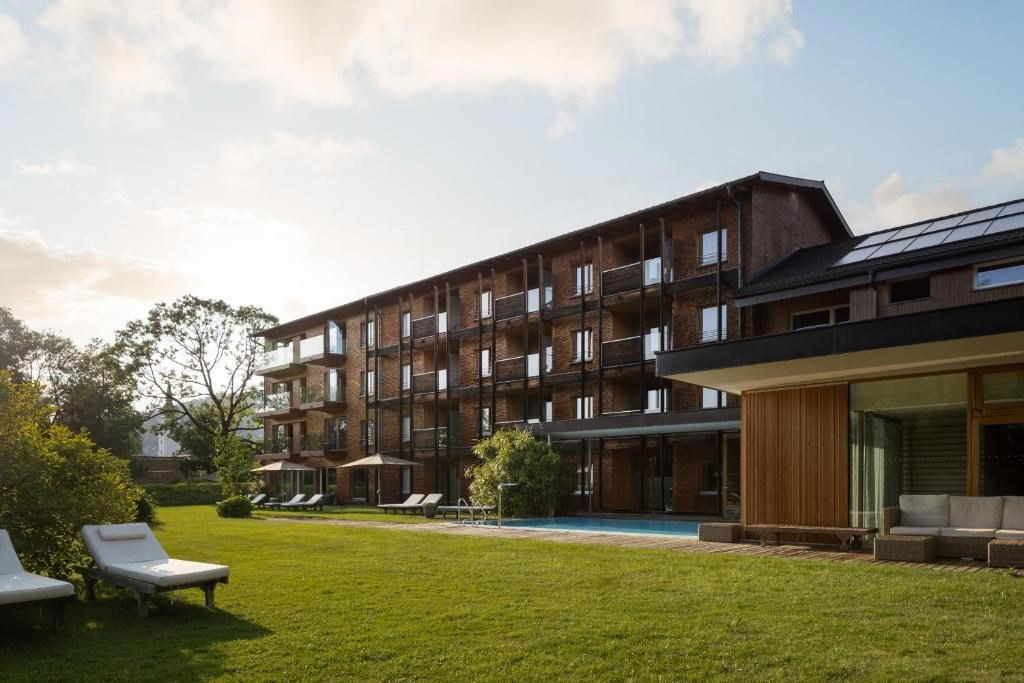

At a Glance
- Cozy
- Scenic
- Rustic
- Family
- Casual Hangout
- Terrace
- Panoramic View
- Local Sourcing
- Farm To Table
- Mountain
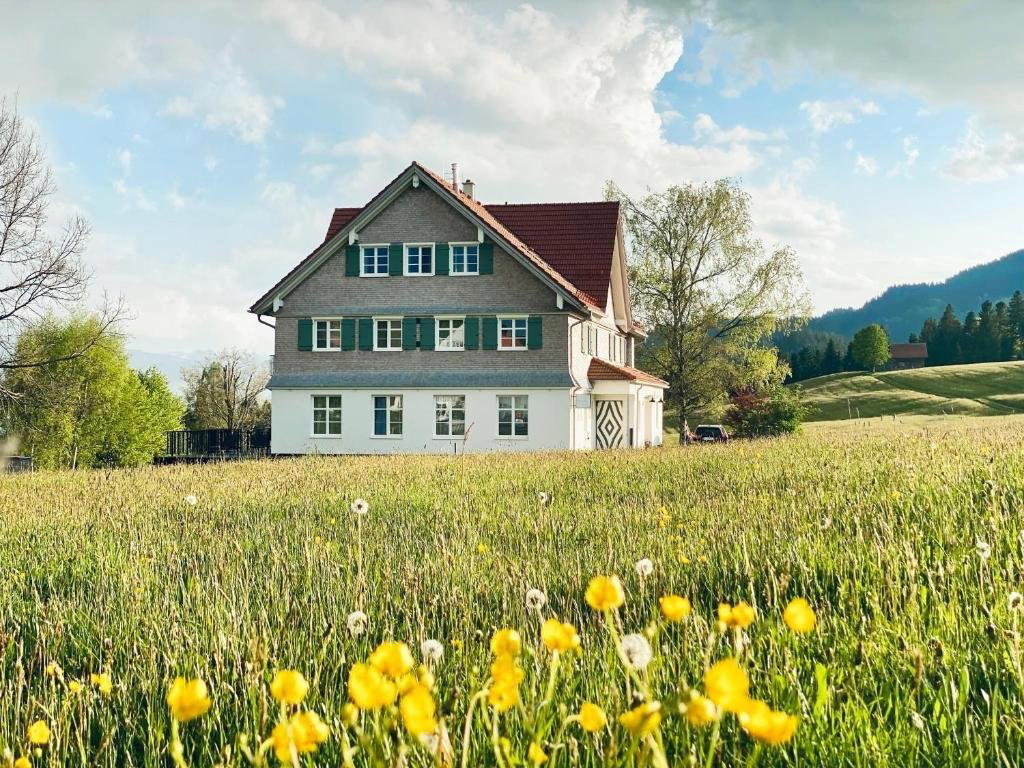
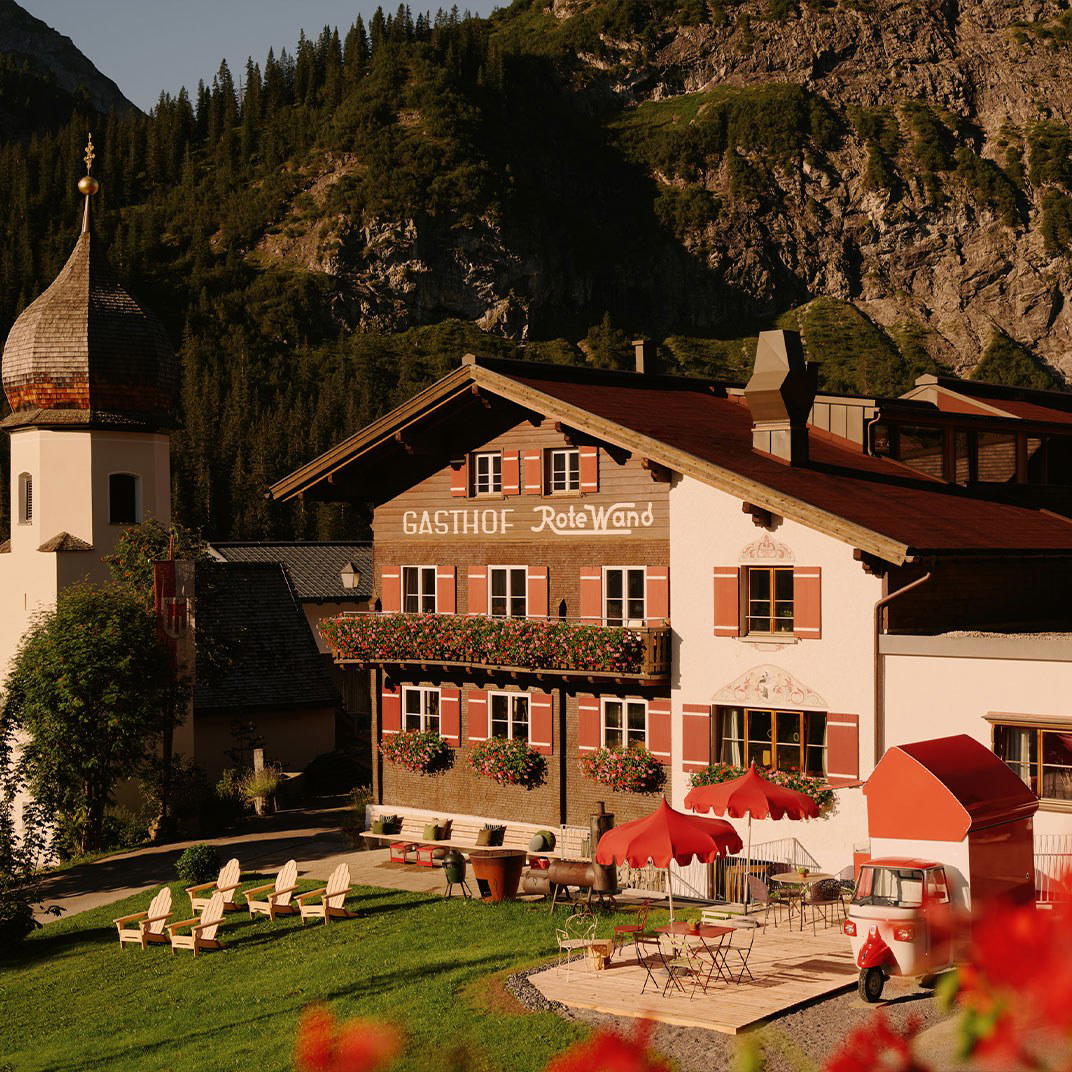
Cozy parlours with beautiful mountain and valley views, creating a relaxing and picturesque atmosphere.