Brandnerhof serves Austrian and German classics with local sourcing, an extensive wine list, terrace seating, and a quiet, leisurely pace facing mountain views.
Pearl is the En Primeur Club membership app — saves, bookings, and concierge access live there. Same editors, same standards.
- Address
- Studa 57, 6708 Brand bei Bludenz, Austria
- Phone
- +43435559260
- Website
- brandnerhof.eu
- Directions
- Get directions
 Saves & bookings on Pearl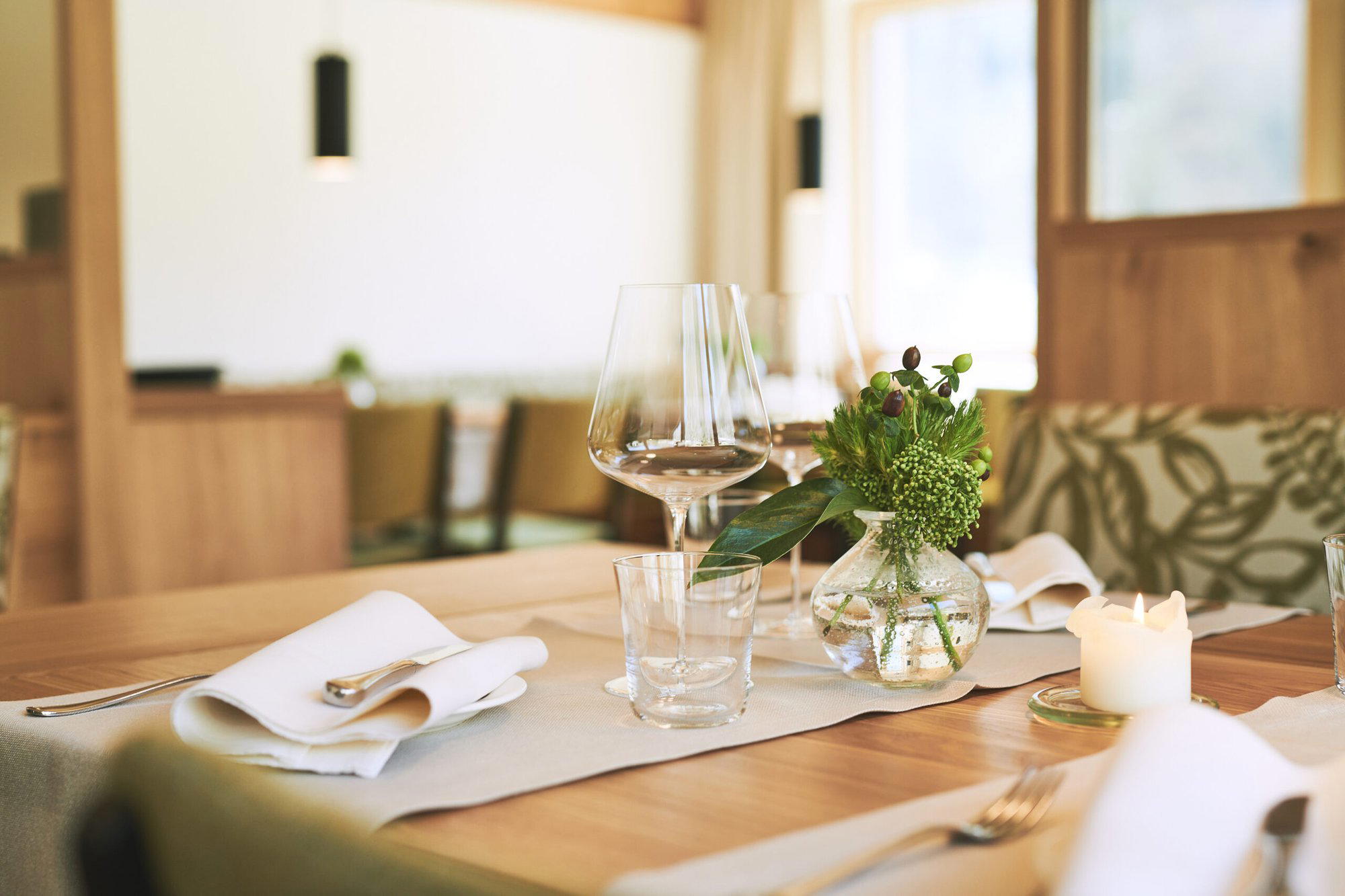
Where the Bregenzerwald Meets the Table
The road into Brand winds through the Brandnertal valley with the Vorarlberg Alps pressing close on either side, the kind of approach that recalibrates expectations before you have even arrived. Alpine Austria has long maintained a culinary tradition that operates on different principles from the urban restaurant circuit: proximity to farms, forests, and rivers is not a marketing story here but a structural fact. Venues at this altitude and in this valley geography source differently because they have to, and because the culture insists on it. Brandnerhof is a restaurant at Studa 57 in Brand bei Bludenz, Austria, serving Austrian & German Classics at a price tier of about $40 per person. Brandnerhof, at Studa 57 in Brand bei Bludenz, sits inside that tradition.
The Alpine Sourcing Logic
In Vorarlberg, the question of where food comes from is not a contemporary trend layered onto an existing menu. It is the original condition. The province borders Switzerland, Liechtenstein, and Germany, and its agricultural character, particularly its dairy culture and mountain herb production, has shaped what appears on plates in this region for generations. The Brandnertal sits at roughly 1,000 metres, a altitude at which growing seasons are compressed and ingredient quality is determined by slow maturation in cool air rather than volume. That compression concentrates flavour in ways that lower-elevation produce rarely replicates.
Across the broader Austrian alpine dining scene, from Gourmetrestaurant Tannenhof in Sankt Anton am Arlberg to Griggeler Stuba in Lech, the defining tension is between formal international ambition and the pull of regional specificity. Particularly compelling addresses resolve this by making local sourcing the technical foundation rather than the decorative frame. Brandnerhof operates in a valley where that resolution is built into the geography itself.
The Setting as Editorial Argument
Walking toward a traditional Vorarlberg farmhouse dining room, the architecture is already making a claim about the food inside. Thick stone construction, wooden interiors, and the kind of proportions designed for warmth retention in deep winter are not aesthetic choices so much as climatic responses. The physical environment of venues like Brandnerhof communicates directly about the cuisine's relationship to season and place. Dining rooms designed for long winter evenings in the mountains tend to produce menus oriented around preservation, slow cooking, and the concentrated flavours of stored or cured ingredients.
This stands in contrast to the urban end of Austrian fine dining. Steirereck im Stadtpark in Vienna operates within a sophisticated creative idiom that draws on the full range of Austria's regional larder but is geographically removed from any single source. In mountain settings, the relationship is more direct: the valley defines the ingredient palette, and the kitchen's task is to express rather than curate across distance.
Vorarlberg in the Austrian Dining Hierarchy
Austria's most discussed dining addresses tend to cluster around Vienna, the Salzburg corridor, and the Wachau. Vorarlberg receives less international editorial attention, partly because access from major hubs requires more deliberate travel, and partly because the region's culinary identity is quieter than the Michelin-decorated set that includes Döllerer in Golling an der Salzach or Landhaus Bacher in Mautern an der Donau. That relative quietness is not a measure of quality but of a different operating philosophy: Vorarlberg's dining culture prioritises rootedness over visibility.
The Brandnertal specifically draws visitors primarily through skiing and hiking, which means the restaurants that have sustained themselves here have done so by serving both a seasonal transient population and a local community that expects consistent regional quality. That dual mandate produces a different kind of kitchen culture from destination-only fine dining rooms such as Obauer in Werfen or Stüva in Ischgl, where the room fills on reputation alone.
What the Region Produces
Vorarlberg's culinary distinctiveness rests on several specific products. The Bregenzerwald's cheese culture, built around the seasonal movement of cattle between valley floors in winter and high alpine pastures in summer, produces milk with a fat and flavour profile that differs markedly from lower-altitude dairy. Mountain herbs, including those used in regional liqueur and kitchen production, grow at densities that flatland cultivation cannot replicate. Freshwater fish from the Rhine valley and its tributaries complete a local larder that has historically sustained the region without external dependency.
For a dining room in Brand, this means the sourcing radius can be genuinely short. When a kitchen sits within a productive alpine valley, working locally is not a constraint requiring creativity to overcome but a starting point with concrete culinary advantages. The parallel in Austrian dining would be Kräuterreich by Vitus Winkler in Sankt Veit im Pongau, where herb production is both the sourcing strategy and the organisational logic of the kitchen.
Practical Information for Visitors
Brand is accessible from Bludenz, itself served by the Arlberg rail line connecting Innsbruck and Feldkirch, making the valley reachable without a car if you are arriving from either direction. The drive from Bludenz into the Brandnertal takes approximately 20 minutes. For visitors combining the area with broader Vorarlberg exploration, the Cafe in Brand and Gufer 55, which works within a regional European idiom, round out the immediate local options.
The valley's primary seasons are December through March for skiing and June through September for hiking, and dining rooms calibrate their intensity accordingly. Reservations for mountain dining in peak ski weeks and summer weekends require advance planning. For those cross-referencing what the broader Austrian alpine circuit offers, addresses including Schwarzer Adler in Hall in Tirol and Restaurant 141 by Joachim Jaud in Mieming represent the Tyrolean parallel to Vorarlberg's quieter dining culture.
Those arriving with international fine dining as the reference frame, from rooms such as Le Bernardin in New York City or Lazy Bear in San Francisco, will find Brand's dining ecosystem operating on a different register: smaller, more seasonal, and oriented around the valley's own agricultural rhythms rather than the language of global fine dining. That difference is the point. Equally, those who have experienced the creative Austrian tier, including Ois in Neufelden or Ikarus in Salzburg, and want to understand what sits beneath and around that tier in regional terms will find the Brandnertal a useful corrective to the awards-led map of Austrian dining. And Taubenkobel in Schützen am Gebirge represents yet another pole of Austrian dining ambition, the Burgenland natural wine and modern Austrian axis, that sets the Brandnertal's mountain-rooted approach in sharper relief.
A Quick Peer Check
Comparable venues nearby, for context on price, style, and recognition.
| Venue | Cuisine | Price | Awards | Notes |
|---|---|---|---|---|
| BrandnerhofThis venue — the venue you are viewing | Austrian & German Classics | $$ | Not listed | Not listed |
| Gufer 55 | Regional Austrian with Vorarlberg Specialties | $$$ | Bib Gourmand | Brandnertal |
| Cafe | European Pub Cafe | $$ | Not listed | Brand |
| Schiffle | Traditional Austrian Gasthaus | $$ | Not listed | Mühlebach |
| Vilser Alm | Traditional Austrian Alpine | $$ | Not listed | Vils |
| Wirtshaus*Restaurant Engel | Traditional Austrian | $$ | Not listed | Klösterle |
Continue exploring
More in Brand
Restaurants in Brand
Browse all →
Bars in Brand
Browse all →
Hotels in Brand
Browse all →

At a Glance
- Cozy
- Rustic
- Intimate
- Date Night
- Family
- Special Occasion
- Terrace
- Extensive Wine List
- Local Sourcing
- Mountain
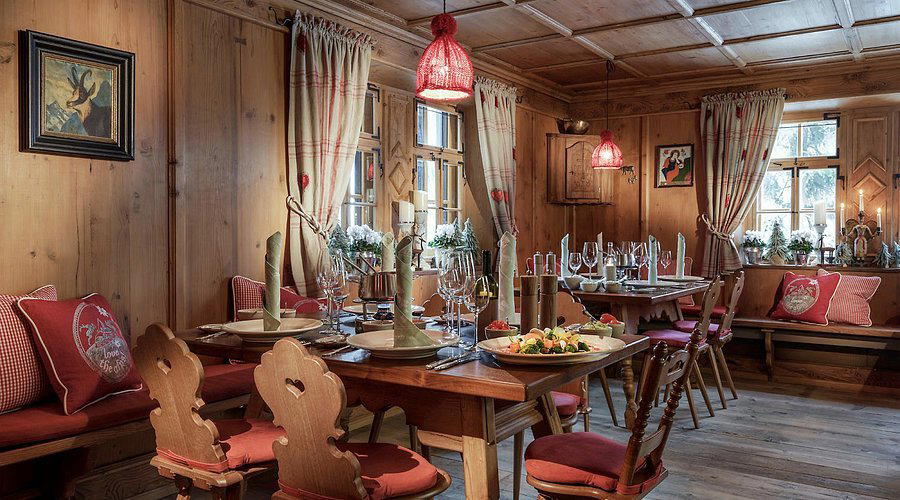
Cozy and homely with alpine modern touches, warm lighting, and a relaxed fine-dining atmosphere.