Schönbuch
Schönbuch sits in Pliezhausen, a small town in Baden-Württemberg within reach of Stuttgart and the Swabian Alb, a region whose agricultural character shapes the dining conversation around it. Germany's southwest has long supported a density of serious kitchens, and Schönbuch occupies a notable address within that broader network. Visitors to the area will find Lichtensteinstraße 45 worth including in any considered itinerary through the region.
Pearl is the En Primeur Club membership app — saves, bookings, and concierge access live there. Same editors, same standards.
- Address
- Lichtensteinstraße 45, 72124 Pliezhausen, Germany
- Phone
- +4949712756070
- Website
- hotel-schoenbuch.de
- Directions
- Get directions
 Saves & bookings on Pearl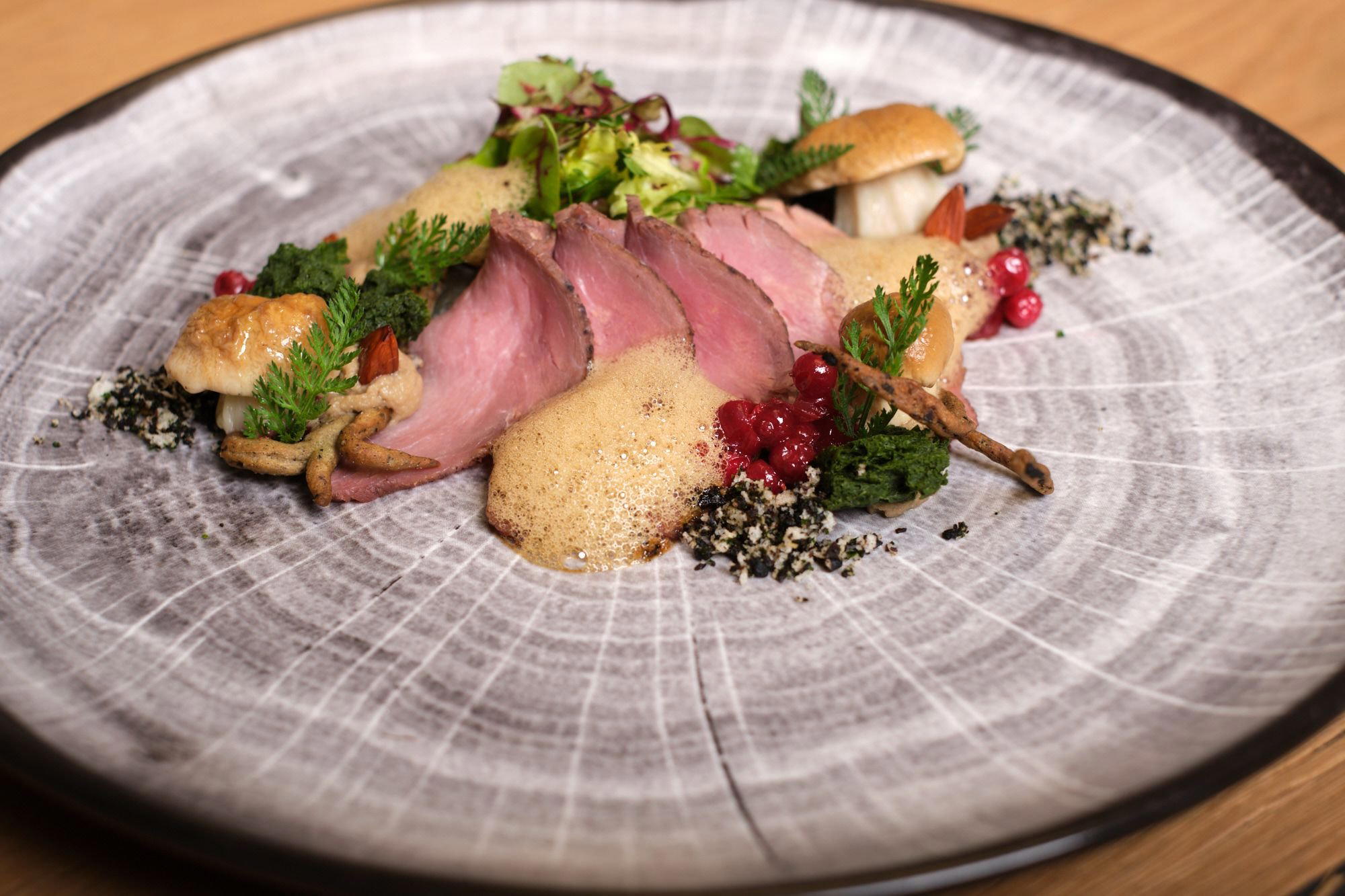
Pliezhausen and the Southwest German Table
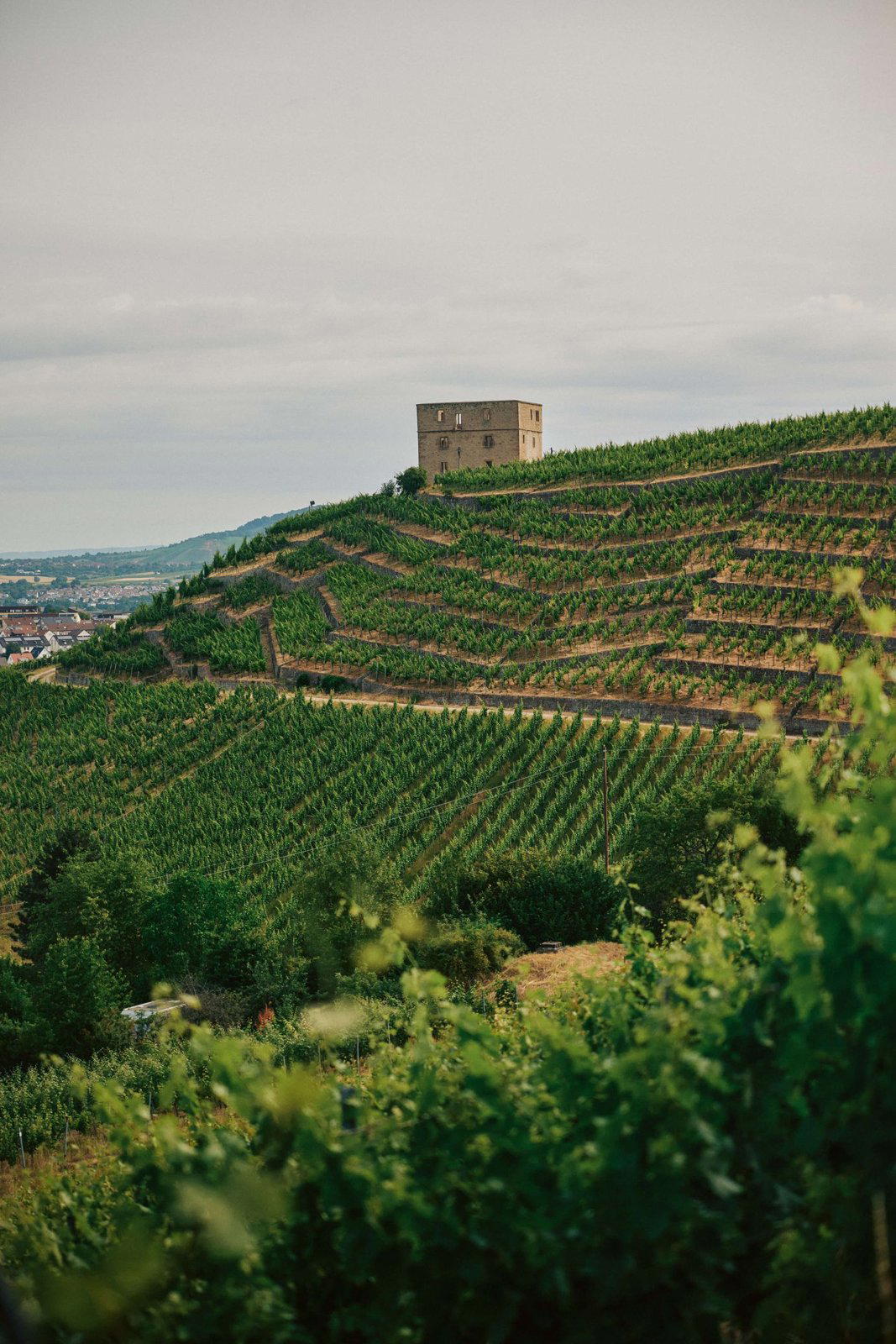
Baden-Württemberg's dining geography is more concentrated than its rural character might suggest. The state that produced the Black Forest kitchens, places like Schwarzwaldstube in Baiersbronn, also supports a quieter network of serious restaurants in smaller towns and market communities. Pliezhausen, sitting southeast of Stuttgart near the edge of the Swabian Alb, belongs to that quieter network. It is agricultural country in the leading sense: close enough to Stuttgart's supply chains and producer relationships to draw quality ingredients, far enough from the city to maintain a pace and character that is entirely its own.
That geography matters when thinking about ingredient sourcing in Germany's southwest. The Swabian Alb is one of the country's more distinctive food-producing zones, defined by upland meadows, cool-climate vegetables, Lammfleisch with a regional reputation, and a tradition of smallholder farming that survived the consolidation pressures that reshaped other parts of the country. Restaurants in this orbit have historically had access to producers whose scale and methods would be envied by kitchens in larger German cities. The argument for driving out to a smaller town is often as much about what arrives at the kitchen door as what appears on the plate.
For a sense of what the broader southwest Germany dining scene looks like at its most ambitious, the comparable set includes ES:SENZ in Grassau and AUGUST in Augsburg, kitchens that have built reputations around regional produce used with precision rather than nostalgia. Schönbuch at Lichtensteinstraße 45 operates in that same regional tradition, where the address tells you something about the sourcing philosophy before the menu does.
The Approach and the Setting
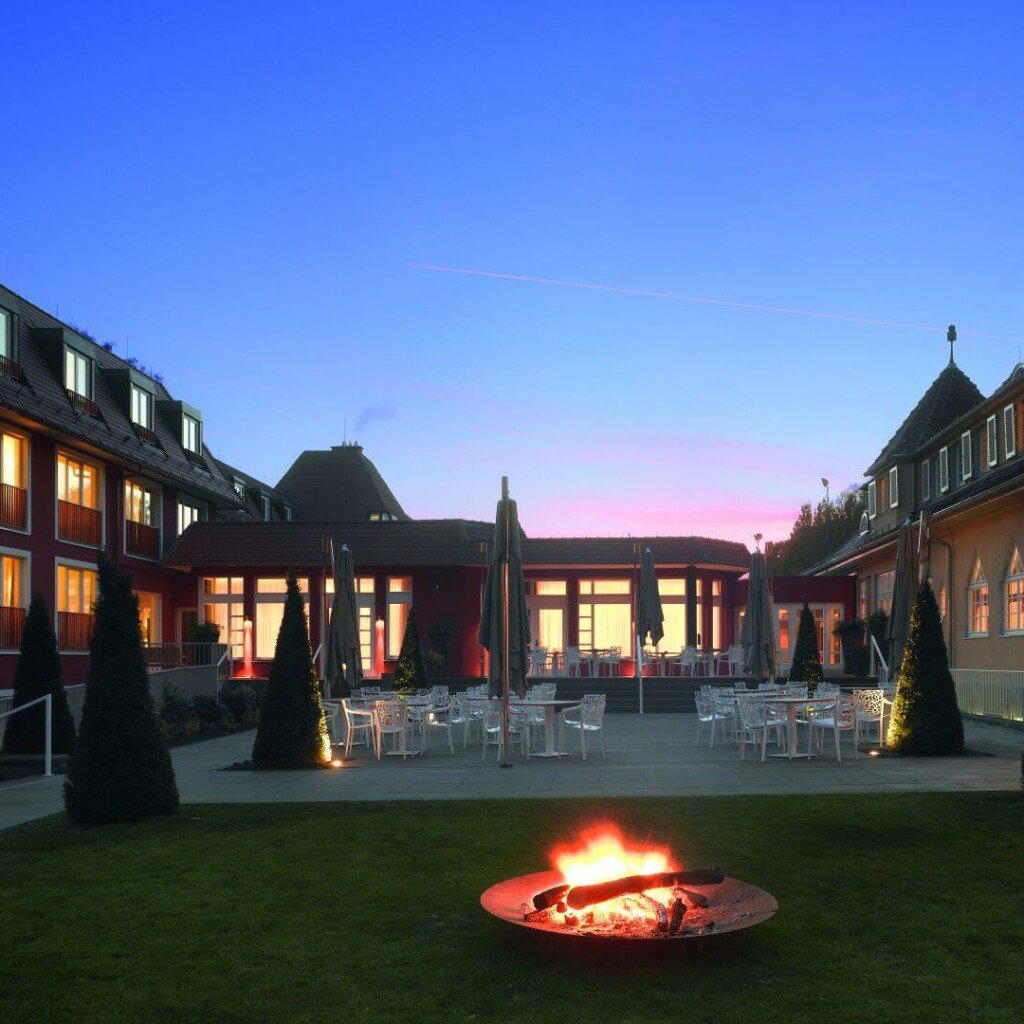
Arriving in Pliezhausen from Stuttgart, roughly 20 kilometres southeast via the B27, the transition from urban sprawl to smaller-town calm happens quickly. The restaurant sits on Lichtensteinstraße, a address that anchors it within the town's quieter residential and agricultural edges rather than any kind of commercial centre. Southwest German restaurant culture has long been comfortable with this format: the destination dining room set apart from the city, reached by a deliberate drive rather than a casual walk from a hotel. The journey is part of the contract.
This is a pattern visible across the region's most considered kitchens. Waldhotel Sonnora in Dreis and Schanz in Piesport both operate on the premise that guests will travel with intention, and that setting away from urban density allows a different relationship between kitchen and landscape. Schönbuch fits that same logic of deliberate destination rather than incidental discovery.
Sourcing and the Regional Pantry
The editorial angle on any serious kitchen in southwest Germany eventually returns to the question of where the food comes from. The Swabian Alb's agricultural identity is specific: the region is known for its Alblinsen, heritage lentils that nearly disappeared and were revived through coordinated farmer and chef partnerships, as well as lamb from upland pastures, spelt, and a range of orchard fruits that reflect an older horticultural tradition. A kitchen at Pliezhausen has geographic proximity to these producers that Stuttgart restaurants, despite their greater resources, often cannot replicate in terms of harvest speed and relationship depth.
Germany's contemporary fine dining conversation has increasingly centred on this kind of sourcing specificity. JAN in Munich has built significant recognition around its producer network. Vendôme in Bergisch Gladbach operates with similar discipline around ingredient provenance at the summit of the German market. Even at the international level, kitchens like Le Bernardin in New York City demonstrate how sourcing transparency functions as both a culinary and communicative commitment. The regional southwest German approach differs in that the producer relationships are often older, more embedded, and tied to landscapes that have been farmed continuously for centuries rather than rediscovered through contemporary farm-to-table movements.
For the reader planning a visit, the implication is direct: what arrives on the plate at a kitchen like Schönbuch is shaped by what grows within a relatively short radius, and the menu's seasonal character reflects agricultural reality rather than stylistic choice. The Swabian calendar, asparagus in late spring, game in autumn, root vegetables and preserved goods through winter, provides the underlying structure that any serious kitchen in the area works around.
Placing Schönbuch in the Regional Conversation
Southwest Germany supports a density of recognised kitchens that is disproportionate to its population. Beyond the Black Forest names, the Württemberg corridor running through Stuttgart's orbit has produced a cluster of restaurants that operate at serious price points and attract guests from across Germany and neighbouring countries. AURA by Alexander Herrmann and Tobias Bätz in Wirsberg and ATAMA by Martin Stopp in Sankt Ingbert represent the kind of chef-driven ambition that has spread beyond the major cities into smaller communities across the region.
Pliezhausen's position makes it a natural stopping point for those moving between Stuttgart and the Alb, or combining a visit with the wider tourist circuit that takes in Tübingen and Lichtenstein Castle to the south. Bagatelle in Trier offers a parallel example of how a smaller German city can sustain a kitchen worth travelling for; the dynamic in Pliezhausen operates at a comparable scale. For those building a broader Germany itinerary, Restaurant Haerlin in Hamburg, Aqua in Wolfsburg, and CODA Dessert Dining in Berlin represent the range of what is achievable across the country's diverse dining geography. Schönbuch belongs to the quieter, more rooted end of that spectrum.
Planning a Visit
Reaching Pliezhausen from Stuttgart takes approximately 25 to 30 minutes by car via the B27, making it a realistic evening destination for visitors staying in the city. Public transport connections exist but are less direct, and the nature of destination dining in this part of Baden-Württemberg assumes a car is available. Booking ahead is advisable for any serious kitchen in a town of this size, where tables are finite and the local and regional audience is consistent. For those drawing comparisons further afield, the format and geography of Schönbuch share more with southwest Germany's countryside tradition than with the urban tasting-menu format common at places like Atomix in New York City or Victor's Fine Dining by Christian Bau in Perl, though the ambition of the surrounding regional scene provides useful context for what a destination kitchen in rural southwest Germany can achieve. The ammolite - The Lighthouse Restaurant in Rust offers another point of reference for how Baden-Württemberg's dining geography extends well beyond the obvious urban anchors.
Side-by-Side Snapshot
Comparable venues nearby, for context on price, style, and recognition.
| Venue | Cuisine | Price | Notes |
|---|---|---|---|
| SchönbuchThis venue — the venue you are viewing | Modern Mediterranean Fine Dining | $$$ | Not listed |
| La Bottega | Authentic Italian Trattoria | $$$ | >null |
| La Scala | Classic Italian Trattoria | $$$ | Gablenberg |
| Mauritius | Mediterranean Beach Food with Caribbean Influences | $$ | Gablenberg |
| Die Leiter | Mediterranean-European Bistro | $$$ | Roemerberg |
| Weinhaus Dehner by Allegretta | Mediterranean Wine House Cuisine | $$$ | Ochsenfurt Altstadt |
Continue exploring
More in Pliezhausen
Restaurants in Pliezhausen
Browse all →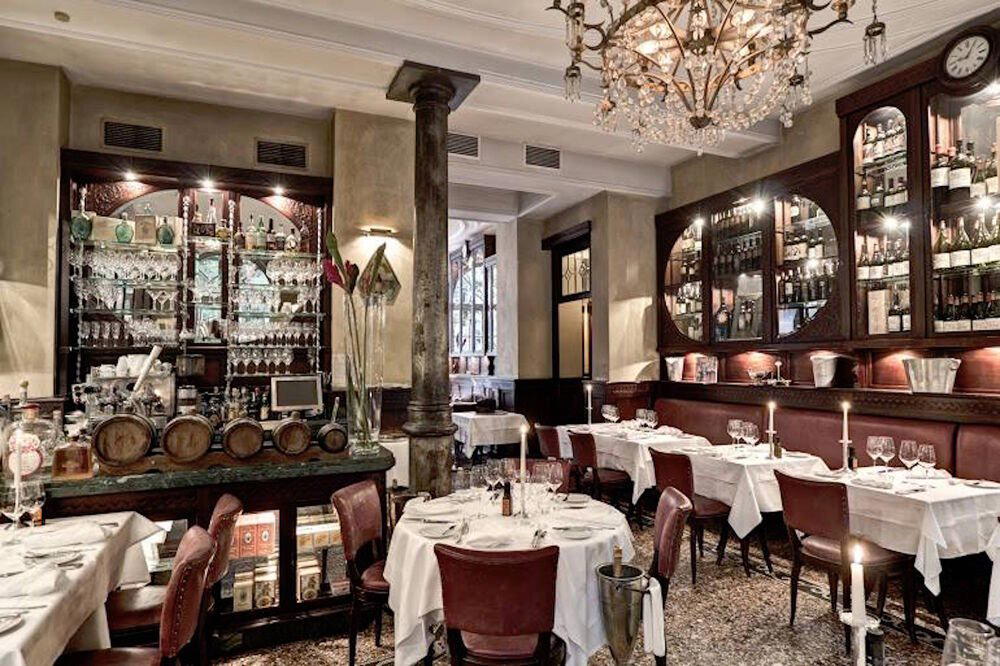
Bars in Pliezhausen
Browse all →
Hotels in Pliezhausen
Browse all →
At a Glance
- Elegant
- Cozy
- Scenic
- Group Dining
- Special Occasion
- Business Dinner
- Hotel Restaurant
- Panoramic View
- Garden
Current opening hours
- Monday
- 6:30–10 AM, 11:30 AM–2 PM, 6–10 PM
- Tuesday
- 6:30–10 AM, 11:30 AM–2 PM, 6–10 PM
- Wednesday
- 6:30–10 AM, 11:30 AM–2 PM, 6–10 PM
- Thursday
- 6:30–10 AM, 11:30 AM–2 PM, 6–10 PM
- Friday
- 6:30–10 AM, 11:30 AM–2 PM, 6–10 PM
- Saturday
- 7–10 AM, 6–10 PM
- Sunday
- 7–10 AM, 11:30 AM–2 PM
Hours can change for holidays and private events. Last verified .
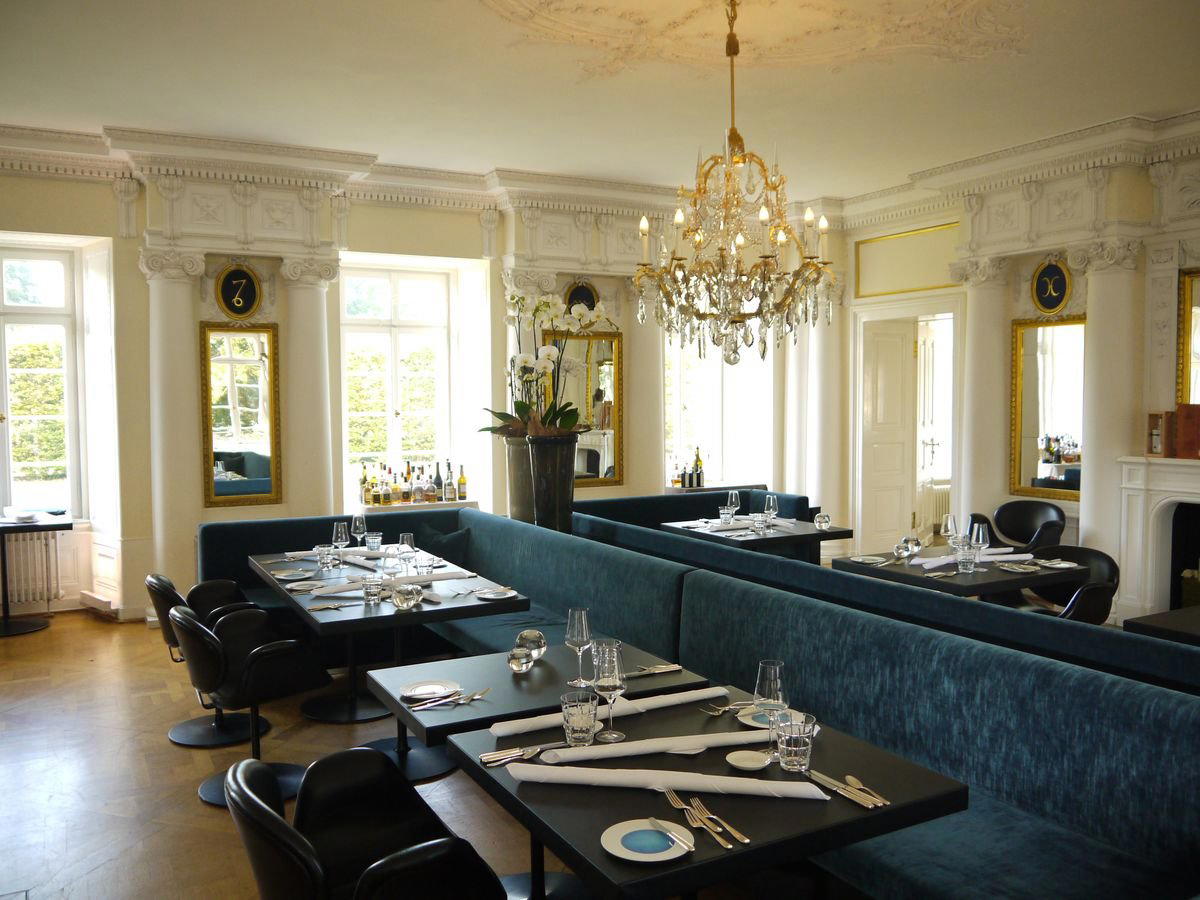
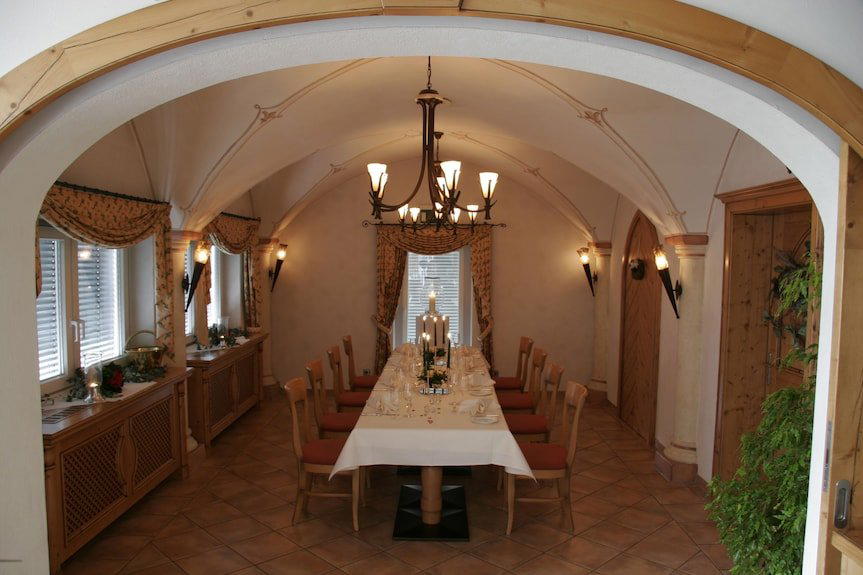
Comfortable atmosphere with beautifully arranged plates and a gourmet touch.