Weinhaus Dehner by Allegretta

Weinhaus Dehner by Allegretta sits on Hauptstraße in Ochsenfurt, a compact Franconian town in the Main wine corridor south of Würzburg. The Allegretta name signals an Italian-influenced register within a region better known for Silvaner and Schäuferla. For travellers moving between Würzburg's Michelin circuit and the quieter towns of the Main loop, it represents a deliberate detour rather than a default stop.
Pearl is the En Primeur Club membership app — saves, bookings, and concierge access live there. Same editors, same standards.
- Address
- Hauptstraße 17, 97199 Ochsenfurt, Germany
- Phone
- +4993319807570
- Website
- weinhaus-dehner.de
- Directions
- Get directions
 Saves & bookings on Pearl
Ochsenfurt and the Question of Where Franconian Food Comes From
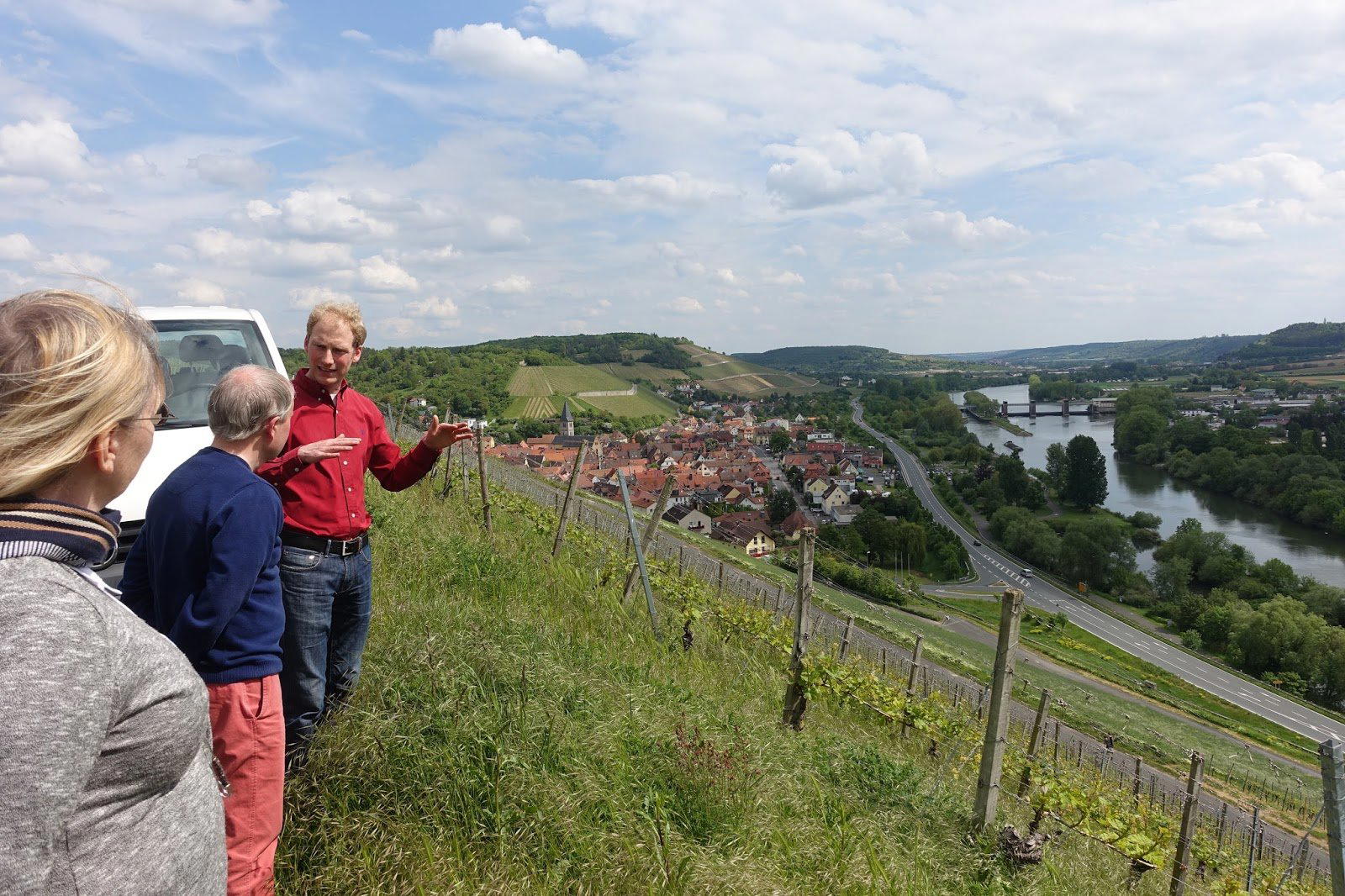
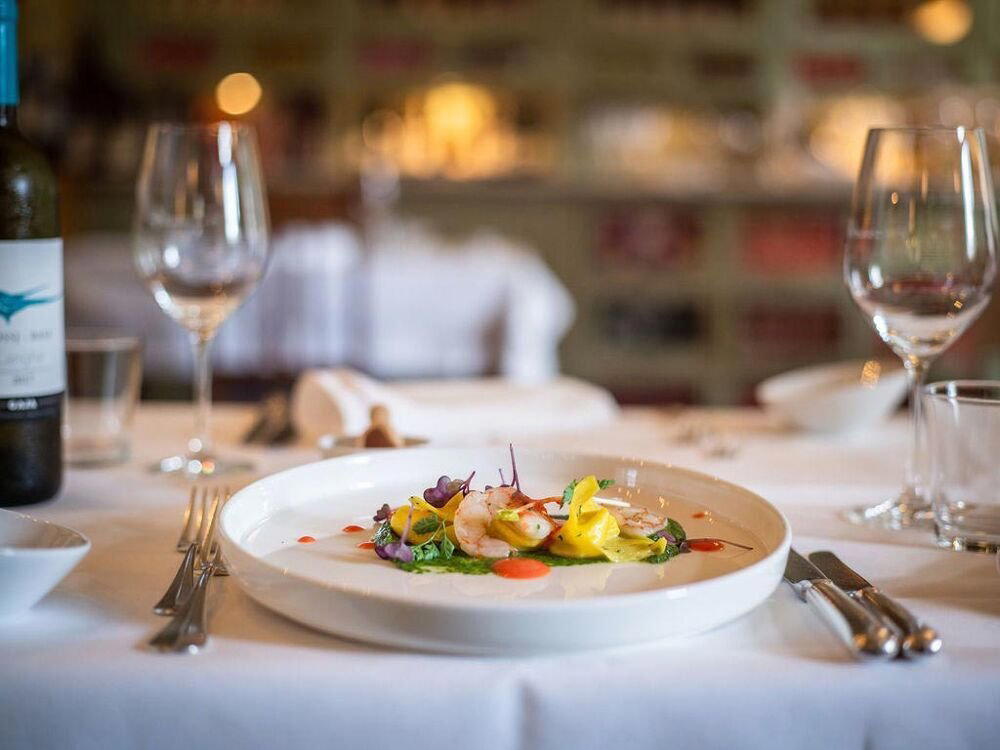
The Main valley between Würzburg and Kitzingen is wine country first and a dining destination second. Ochsenfurt, a medieval walled town roughly fifteen kilometres south of Würzburg, sits at the edge of the Mainfranken wine region, where Silvaner and Müller-Thurgau vines cover the slopes above the river. In this context, a Weinhaus is not simply a restaurant with a wine list, it is a format with specific local meaning: a place where the wine drives the room, and the food earns its position by supporting what is poured. Weinhaus Dehner by Allegretta, at Hauptstraße 17, is a restaurant in Ochsenfurt serving Mediterranean Wine House Cuisine.
That combination is less unusual in this corridor than it might appear. Southern Franconia has absorbed Italian culinary influence steadily since the postwar decades, and the region's ingredient geography, river fish, forest game, local allotment produce, and the proximity of Bavarian dairy supply chains, translates reasonably well into northern Italian frameworks. The question any venue in this format has to answer is where its sourcing actually sits: within the immediate agricultural radius, or drawing from further supply chains that happen to be dressed in regional language.
The Address and What It Signals
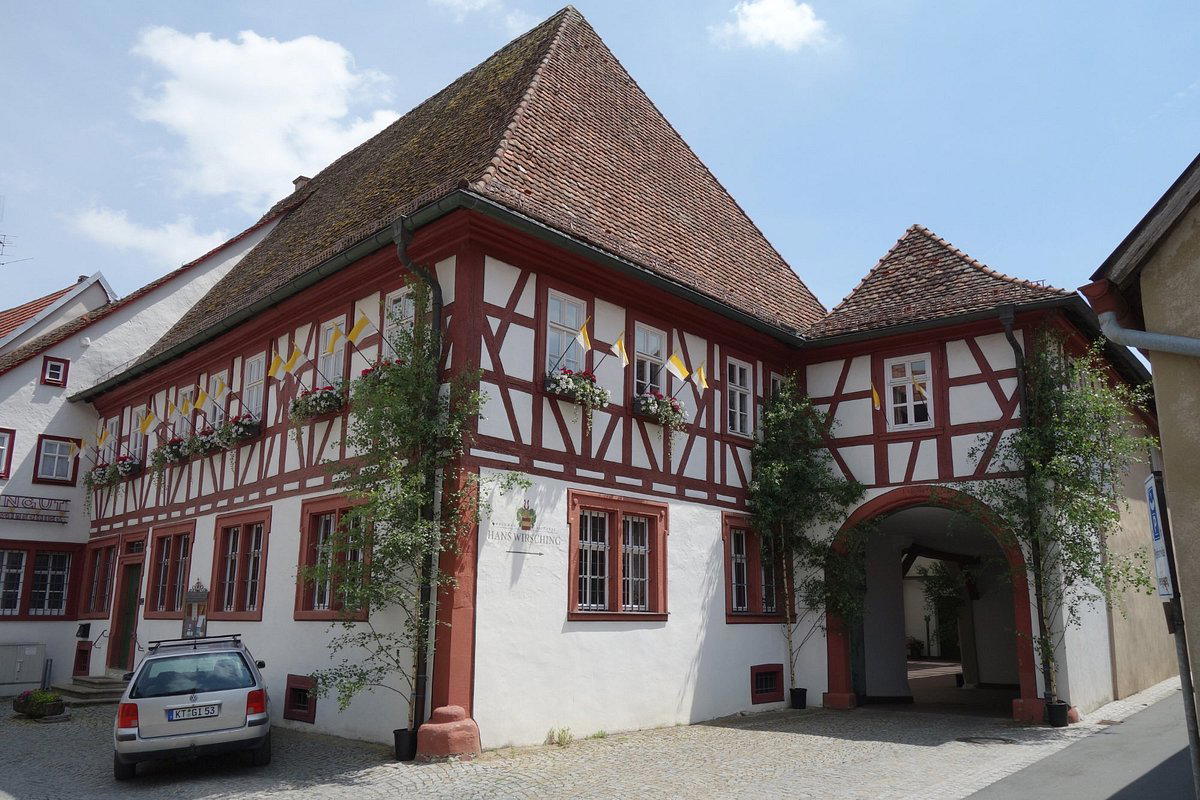
Hauptstraße 17 places the venue on Ochsenfurt's main commercial artery, a street that runs through the old town inside the medieval ring wall. The physical approach matters here: the town's fourteenth-century gate tower and preserved half-timbered streetscape create an architectural frame that conditions expectations before any menu is read. In towns of this scale and age across Franconia and Baden-Württemberg, the dining rooms that have survived longest tend to be those that resolved the tension between the building's character and the food's ambitions without forcing either.
For travellers moving through the region, Ochsenfurt sits on the rail line connecting Würzburg to Ansbach, making it reachable without a car, a practical advantage in a wine region where the temptation to order another glass of Würzburger Stein is real. The town is also within reasonable distance of the broader Franconian wine route, which draws visitors to estate tastings and cooperative cellars that stock a price range stretching from under ten euros to prestige Spätburgunder at multiples of that.
Ingredient Sourcing in a River-Valley Format
The Mainfranken zone produces more than wine. The Main river historically supported carp and pike-perch fisheries. Hop gardens in the broader Bavarian corridor, allotment vegetables in the town belts, and the game traditions of the Steigerwald forest to the east all feed into what regional kitchens have available within a short supply radius.
An Italian-inflected Weinhaus operating in this environment faces a choice that defines its actual identity: does the Italian register mean imported ingredients assembled in Italian technique, or does it mean Italian culinary logic applied to what the Franconian countryside produces? The latter produces food that reads as genuinely placed, carp prepared with the acid structure of an Italian braise, or local pork treated with the simplicity of a Venetian secondi rather than the baroque reduction work of classical French-influenced German fine dining. The former produces a menu that could have been composed anywhere with a good importer relationship. Which direction Weinhaus Dehner by Allegretta takes is the meaningful question for any diner choosing between it and the Würzburg options twenty minutes north.
Würzburg itself hosts a small but active fine dining tier, and the broader Franconian circuit connects to properties operating at significantly higher price points and award levels, venues like AURA by Alexander Herrmann and Tobias Bätz in Wirsberg or AUGUST in Augsburg, both working within the creative German fine dining register. The gap between those formats and a Weinhaus in Ochsenfurt is not simply one of price: it is a difference in the dining contract itself. A Weinhaus asks you to let the wine lead and the food follow; the prestige tasting menu format reverses that hierarchy.
Where This Fits in the German Dining Map
Germany's awarded fine dining tier is concentrated in a handful of cities and resort regions. The three-star level, represented by venues like Aqua in Wolfsburg, Schwarzwaldstube in Baiersbronn, and Vendôme in Bergisch Gladbach, operates at remove from the everyday regional Weinhaus format in both ambition and price. Closer comparisons might be drawn with destination dining in secondary towns: Schanz in Piesport on the Mosel demonstrates what a wine-region town restaurant can achieve when the sourcing and format are tightly aligned. Bagatelle in Trier shows a different approach, French-inflected but geographically rooted.
The Italian-named positioning of Allegretta within a Franconian Weinhaus is the closest point of distinction available without verified menu data. It suggests a deliberate identity choice rather than a generic regional offering, which in a town of Ochsenfurt's size carries some editorial weight. Whether that choice is backed by sourcing discipline or functions primarily as brand differentiation is something that on-the-ground visits resolve more reliably than any published account.
The Weinhaus format in Ochsenfurt sits in a different category entirely: local, wine-led, and scaled to the town rather than to a national dining audience.
Planning a Visit
Ochsenfurt is served by regional rail from Würzburg Hauptbahnhof, with journey times under twenty minutes. The town is compact enough to walk from the station to Hauptstraße without needing onward transport. Reservations are recommended. Visitors combining the stop with winery visits along the Mainfranken route should account for the venue's opening hours.
Comparable Spots, Quickly
Comparable venues nearby, for context on price, style, and recognition.
| Venue | Cuisine | Price | Notes |
|---|---|---|---|
| Weinhaus Dehner by AllegrettaThis venue — the venue you are viewing | Mediterranean Wine House Cuisine | $$$ | Not listed |
| Basilikum Restaurant | Mediterranean Bistro | $$$ | Altstadt |
| Schönbuch | Modern Mediterranean Fine Dining | $$$ | Pliezhausen |
| Cresco | Mediterranean-Levantine Fusion | $$$ | Roemerberg |
| Lazuli | Mediterranean Small Plates & Craft Cocktails | $$$ | Roemerberg |
| VINERIA Nürnberg | Mediterranean Wine Bar | $$$ | :null |
Recognition history
Dated appearances from independent guides and award organizations, with the underlying list record or original source where available.
Michelin Plate
Michelin · 2026 Michelin Plate
Continue exploring
More in Ochsenfurt
Restaurants in Ochsenfurt
Browse all →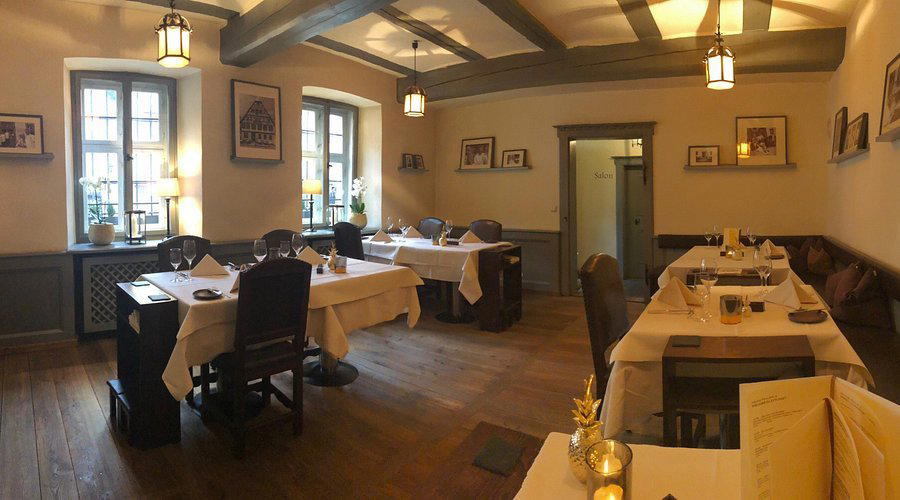
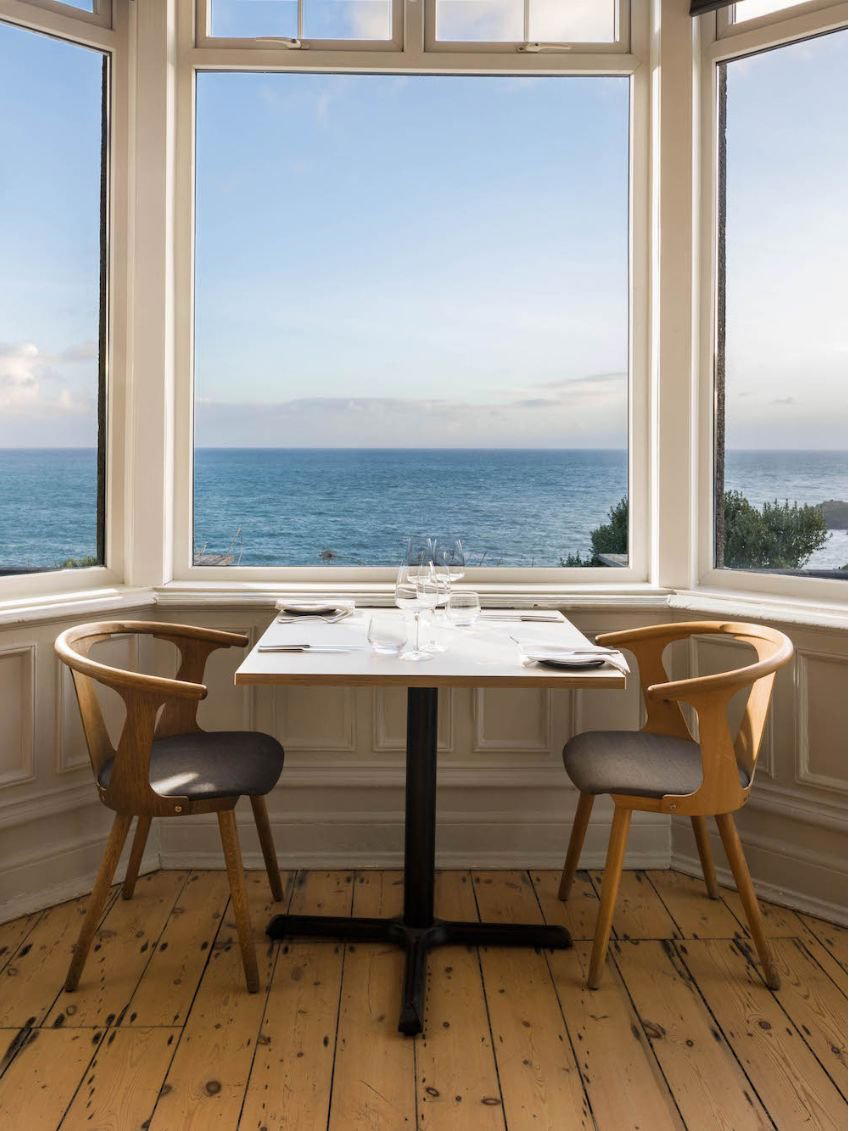
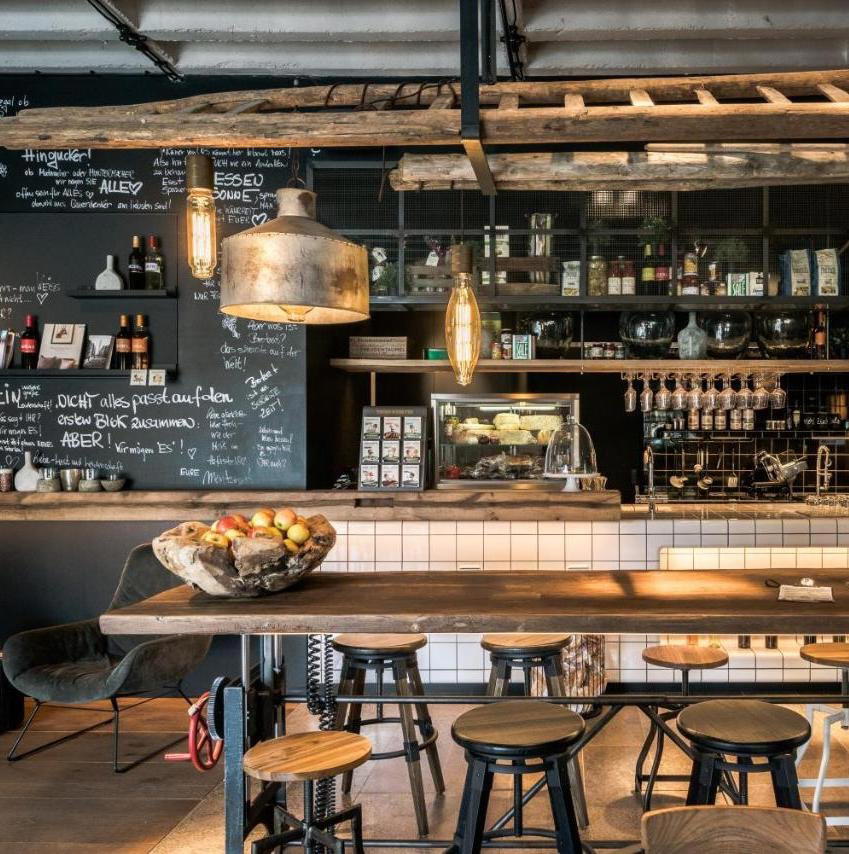
Hotels in Ochsenfurt
Browse all →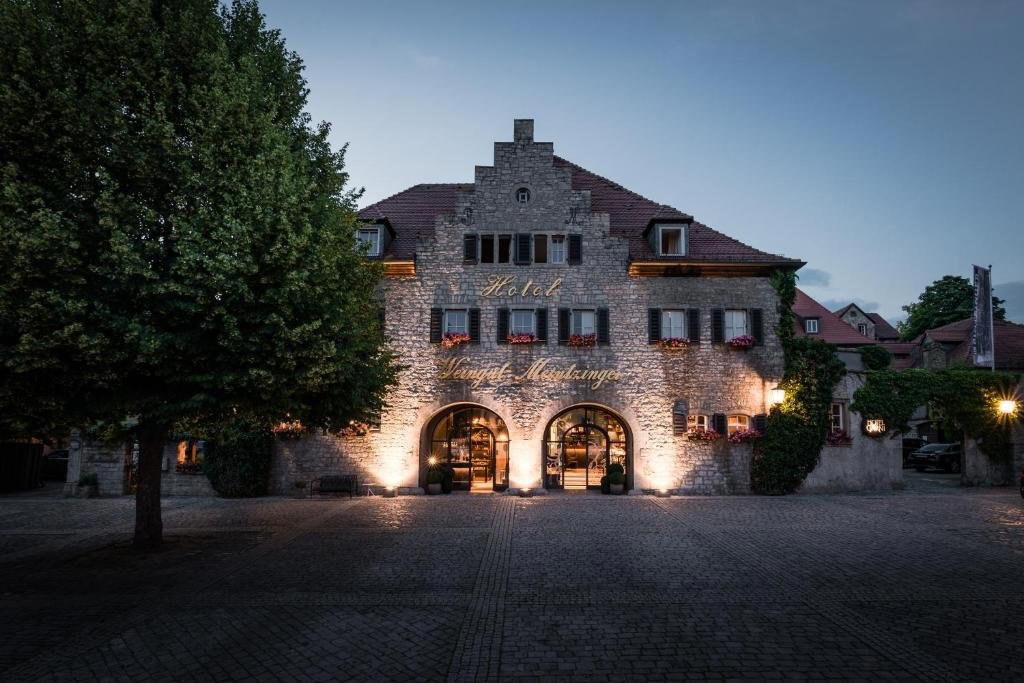
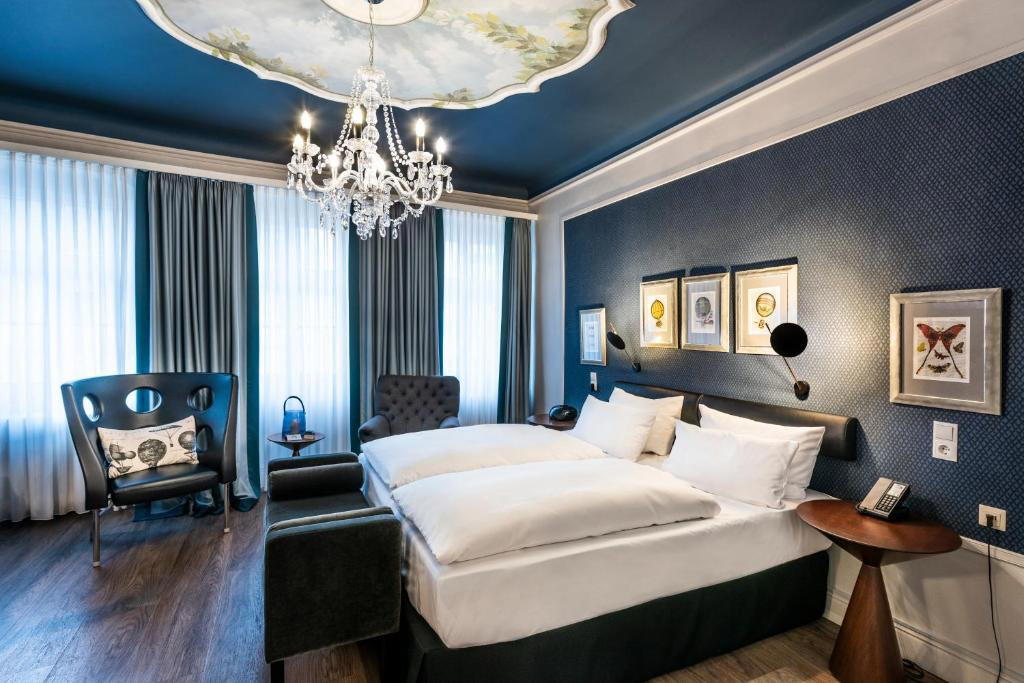
At a Glance
- Cozy
- Elegant
- Retro
- Intimate
- Date Night
- Special Occasion
- Wine Cellar
- Extensive Wine List
- Local Sourcing
Current opening hours
- Monday
- Closed
- Tuesday
- Closed
- Wednesday
- Closed
- Thursday
- 12–10 PM
- Friday
- 12–10 PM
- Saturday
- 12–10 PM
- Sunday
- 12–8 PM
Hours can change for holidays and private events. Last verified .
Cultivated but casual atmosphere with warm hosting and attentive service.