Scents

Star Wine List
Our verdict
A basement bistro in Suyeong-gu, Scents builds its menu around fermentation and playful Asian pairings, guided by a chef and sommelier working in close collaboration. It sits in a different register from Busan's louder dining destinations, lower-key in format, higher in intention. For visitors with time to plan ahead, it rewards the effort of finding it.

Pearl is the En Primeur Club membership app, where members save venues, book tables and use the concierge.
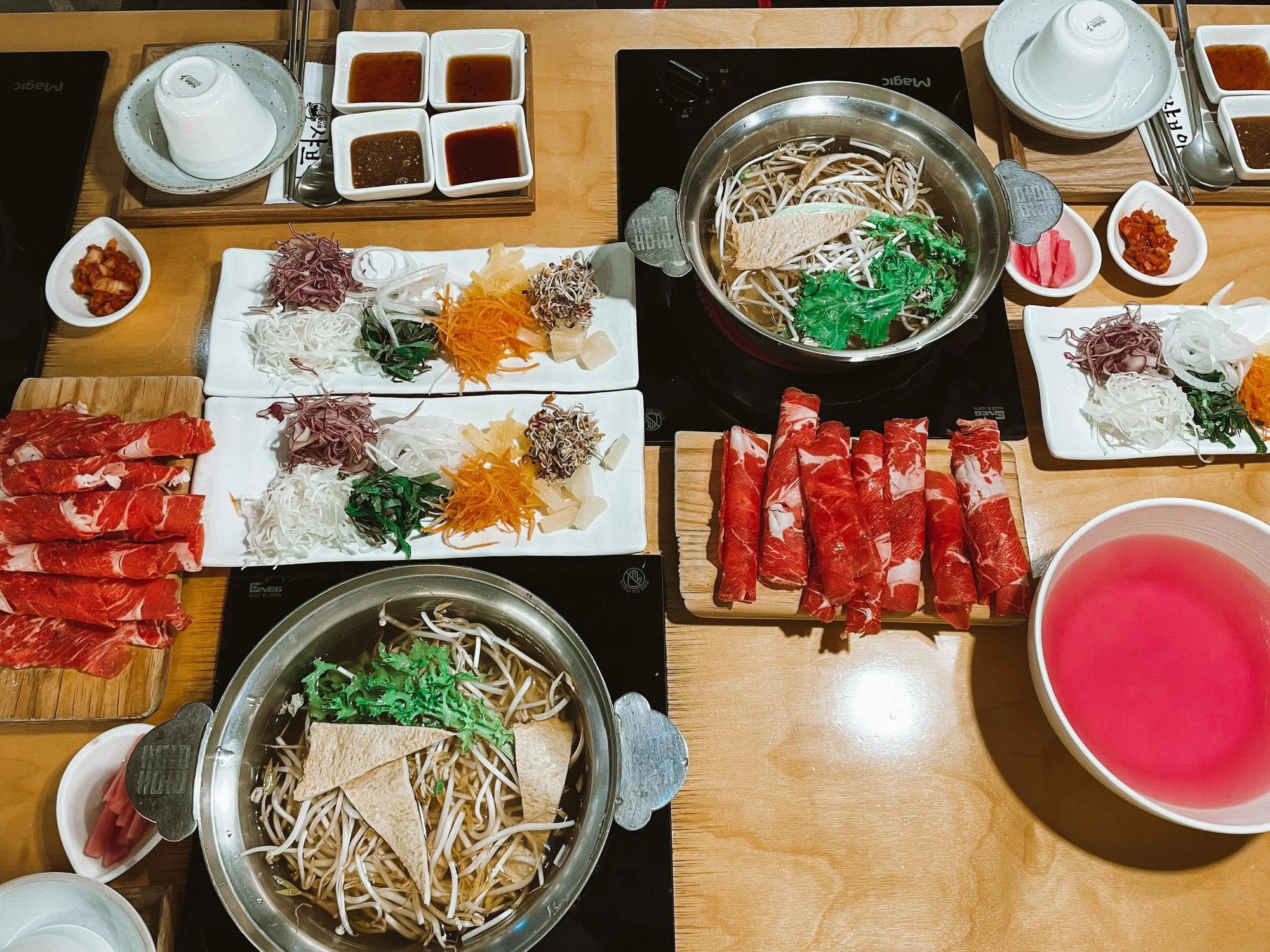
Below Street Level in Suyeong-gu
Basement dining rooms occupy a particular position in Korean restaurant culture. Strip away the natural light and street-facing visibility, and what remains has to work harder on atmosphere, focus, and word of mouth. In Busan's Suyeong-gu district, that dynamic plays out at Scents, a casual bistro one floor below Suyeong-ro 427beon-gil that has built a quiet reputation around fermentation-led Asian cooking and a chef-sommelier pairing that treats wine and food as a single argument rather than two separate programs.
Suyeong-gu sits east of Haeundae and south of the river that gives the district its name. It is not Busan's most trafficked dining corridor, that recognition belongs to Haeundae or the stretch around Seomyeon, but it has accumulated a cluster of restaurants that attract guests who have done their research. Scents is part of that pattern: a place that does not advertise itself through location or spectacle, and where the guest finding it has usually already decided what kind of evening they are after.
The Fermentation Angle in Contemporary Korean Cooking
Korean cuisine has always been grounded in fermentation. Doenjang, ganjang, gochujang, kimchi in its many regional variations, these are not accent flavours but structural ones, built into the base of the cooking. What distinguishes a certain tier of contemporary Korean bistros is how that foundation is reframed: pulled away from purely traditional contexts and set against references from elsewhere in Asia, or paired with wine programs that treat fermented components as flavour bridges rather than obstacles to matching.
Scents operates in that space. The menu anchors itself in fermentation while reaching toward playful combinations, a posture that places it in a growing cohort of Korean restaurants working somewhere between the traditional and the globally conversational. At the higher end of that register in Seoul, places like Mingles or 권숙수 (Kwon Sook Soo) in Gangnam-gu have demonstrated how fermentation-rooted Korean cooking can sustain serious critical attention. Scents positions itself differently, the bistro format signals accessibility over ceremony, but the intellectual ambition appears similar.
The chef-sommelier partnership at the core of Scents is worth noting not as biographical detail but as structural choice. Restaurants that integrate wine direction into the menu-building process from the start tend to produce more coherent pairings than those where the wine list arrives as an afterthought. In a cooking tradition as fermentation-forward as this one, a sommelier who understands how acidity and umami interact across different fermented components is not a luxury addition, it is a meaningful design decision.
Where Scents Sits Among Busan's Dining Range
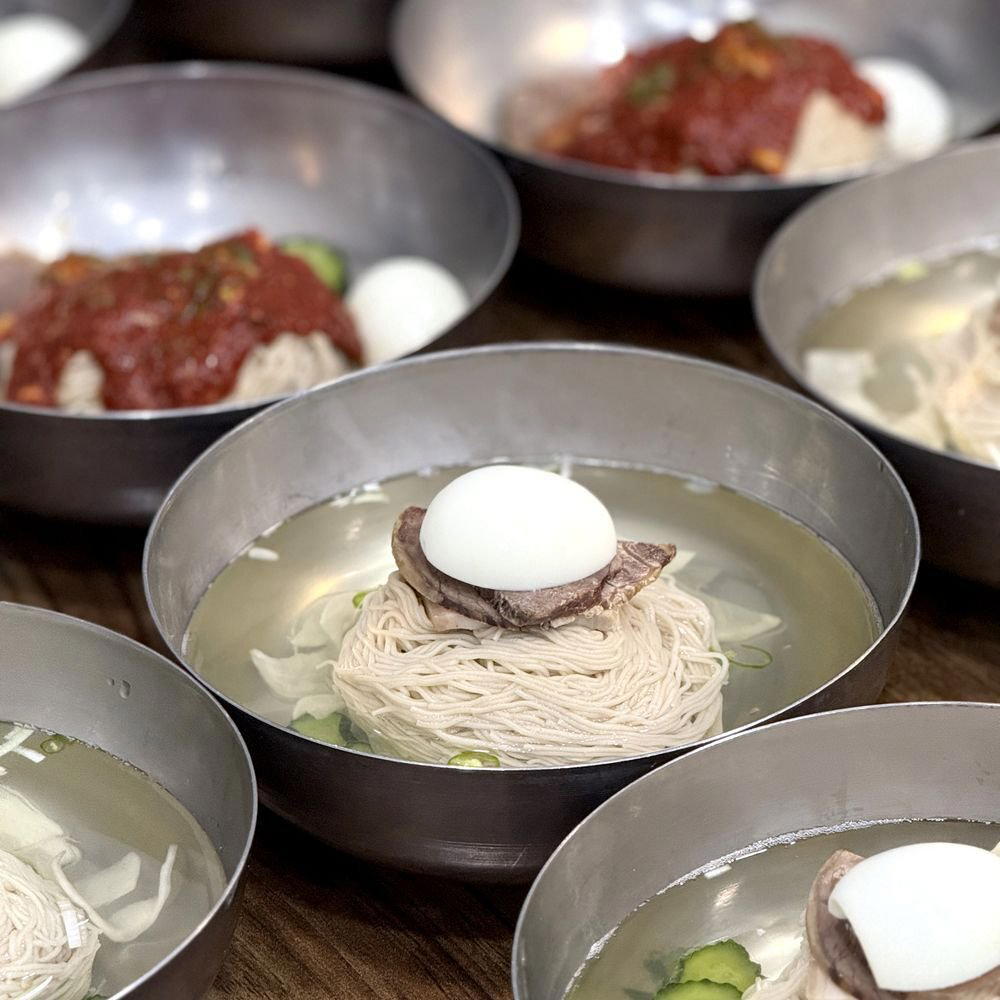
Busan's restaurant scene spans a wider range than its reputation as a port and beach city sometimes suggests. At the affordable end, specialists like 100.1. Pyeongnaeng and 1969 Buwondong Kalguksu anchor themselves in specific Korean traditions, naengmyeon and kalguksu respectively, executed at high fidelity. At the upper end, Born and Bred holds a premium steakhouse position (₩₩₩₩), while Mori offers Japanese-focused dining at ₩₩₩. Palate, at ₩₩, sits closest to Scents in casual-contemporary positioning.
Scents, described as a casual bistro, reads as the kind of mid-tier option that can absorb a wide range of dining occasions, a serious meal that does not demand a special-occasion justification, but one where the kitchen is clearly operating with a point of view. That positioning has become increasingly competitive in Korean cities as the bistro format has grown, but Busan still has fewer entries in this register than Seoul, which gives places like Scents more room to establish a clear identity.
Planning Your Visit: What to Know Before You Go
The editorial angle on Scents is largely a booking story. Guests who end up at Scents have typically arrived through a specific chain of recommendations, a local contact, a food-focused travel platform, or a Seoul dining community that tracks what is happening in the regions.
Suyeong-gu is accessible by Busan Metro Line 2 (Suyeong Station), which places it within reasonable transit range of Haeundae and the city centre, but confirming in advance matters when the venue is the specific destination rather than part of a casual neighbourhood walk.
For visitors building a multi-day Busan itinerary, the broader picture is worth mapping out: our full Busan restaurants guide covers the city's range across price points and cuisines, while our Busan hotels guide handles accommodation. If the evening calls for drinks before or after, our Busan bars guide maps the city's cocktail and wine bar options. For those extending into the wider Korean restaurant conversation, Pool House in Incheon and Double T Dining in Gangneung represent the kind of regionally specific dining that rewards planning. For reference points at a higher level of international recognition, Le Bernardin in New York City and Emeril's in New Orleans illustrate how chef-driven, technique-forward restaurants establish durable reputations, while closer to home, Baegyangsa Temple in Jangseong-gun and The Flying Hog in Seogwipo show the geographic breadth of South Korea's regional dining. Busan wineries and Busan experiences round out the picture for those wanting to go beyond restaurants during their stay.
Frequently asked questions
Where is Scents in Busan?
Scents is located at South Korea, Busan, Suyeong-gu, Suyeong-ro 427beon-gil, 11 지하 1층, Busan.
What's Scents known for in terms of accolades?
Scents has received recognition including: Scents is a casual bistro tucked beneath the streets of Suyeong-gu, offering a refreshing take on Asian cuisine – anchored in fermentation, lifted by playful pairings, and led by a chef and somm....
What's the must-try dish at Scents?
Scents runs a fermentation-anchored menu that shifts with season and available ingredients, so no single dish is fixed across visits. The kitchen's identity is in technique rather than a signature plate, fermented bases inform sauces, condiments, and pairings throughout the menu rather than appearing as a single standout item. Arriving open to the current menu is the right approach here.
Can I walk in to Scents?
Scents occupies a basement space on Suyeong-ro 427beon-gil in Suyeong-gu, a location that draws guests by recommendation rather than foot traffic. No phone or website is publicly listed, which makes spontaneous walk-ins a genuine risk. If you're planning a visit, source a reservation through local contacts or dining networks before arriving.
What makes Scents worth seeking out?
The case for Scents rests on a specific combination: a fermentation-driven menu handled by a chef and sommelier working as a single integrated unit, in a city whose dining range extends well beyond its port-and-beach reputation. That pairing format, applied to Korean fermentation traditions like doenjang, ganjang, and regional kimchi, is not common at the bistro scale anywhere in Busan.
Can Scents accommodate dietary restrictions?
Fermentation-forward Korean cooking depends heavily on soy-based and wheat-based ferments, doenjang, ganjang, gochujang, which are core to the kitchen's approach rather than peripheral ingredients. Guests with soy, gluten, or allergy concerns should communicate directly before booking.
Cost and Credentials
Comparable venues nearby, for context on price, style, and recognition.
| Venue | Cuisine | Price | Awards | Notes |
|---|---|---|---|---|
| ScentsThis venue (the venue you are viewing) | Fermentation-Focused Asian Bistro | Not listed | Star Wine List | Not listed |
| Piotto | Contemporary Italian | Not listed | Not listed | Jung 2(i)-dong, Contemporary Italian |
| Yulling | Contemporary French with Local Busan Ingredients | $150–200 | Star Wine List · Wine Spectator Best of Award of Excellence | Jung 1(il)-dong, Contemporary French with Local Busan Ingredients |
| 굿모ëí콩 ì í¬ | Traditional Korean Haejangguk Specialist | $30–50 | Not listed | Jeonpo 2(i)-dong, Traditional Korean Haejangguk Specialist |
| Lettang | Yeonji-dong, French Bistro | Not listed | Not listed | Not listed |
| í ë¼íì¿ ê° | Not listed | $50–100 | Not listed | Jung 1(il)-dong, Traditional Korean Steakhouse |
Recognition history
Dated appearances from independent guides and award organizations, with the underlying list record or original source where available.
Star Wine List
Star Wine List
Continue exploring
More in Busan
Restaurants in Busan
All restaurants in Busan →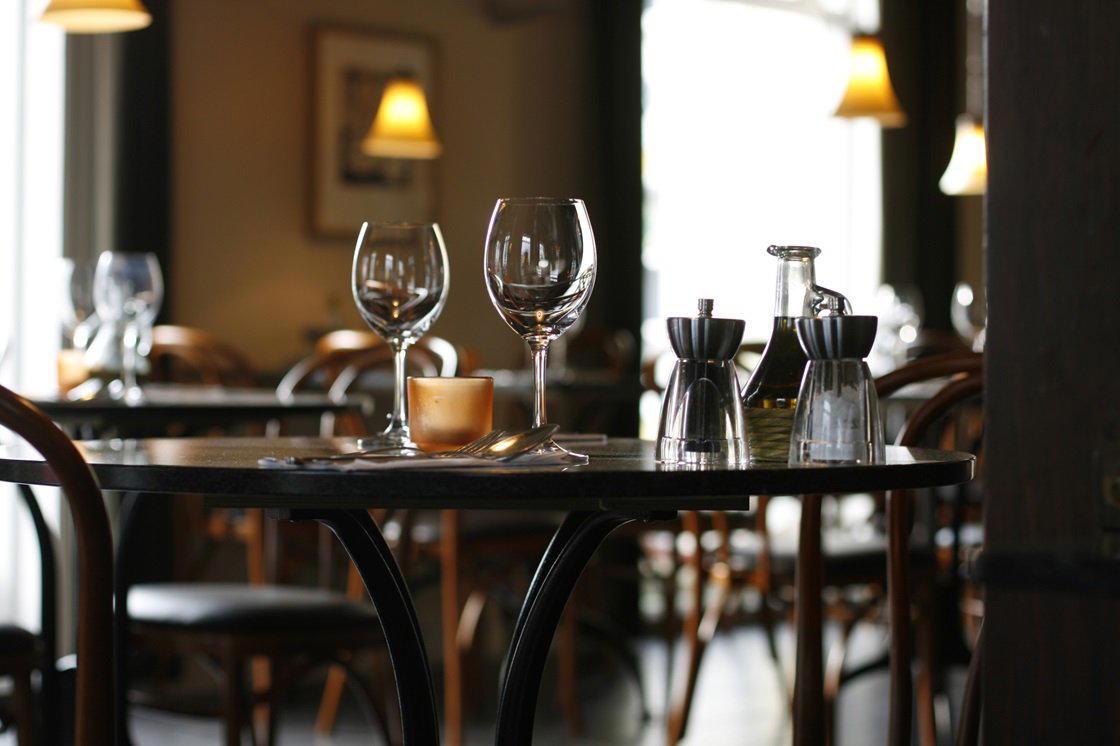
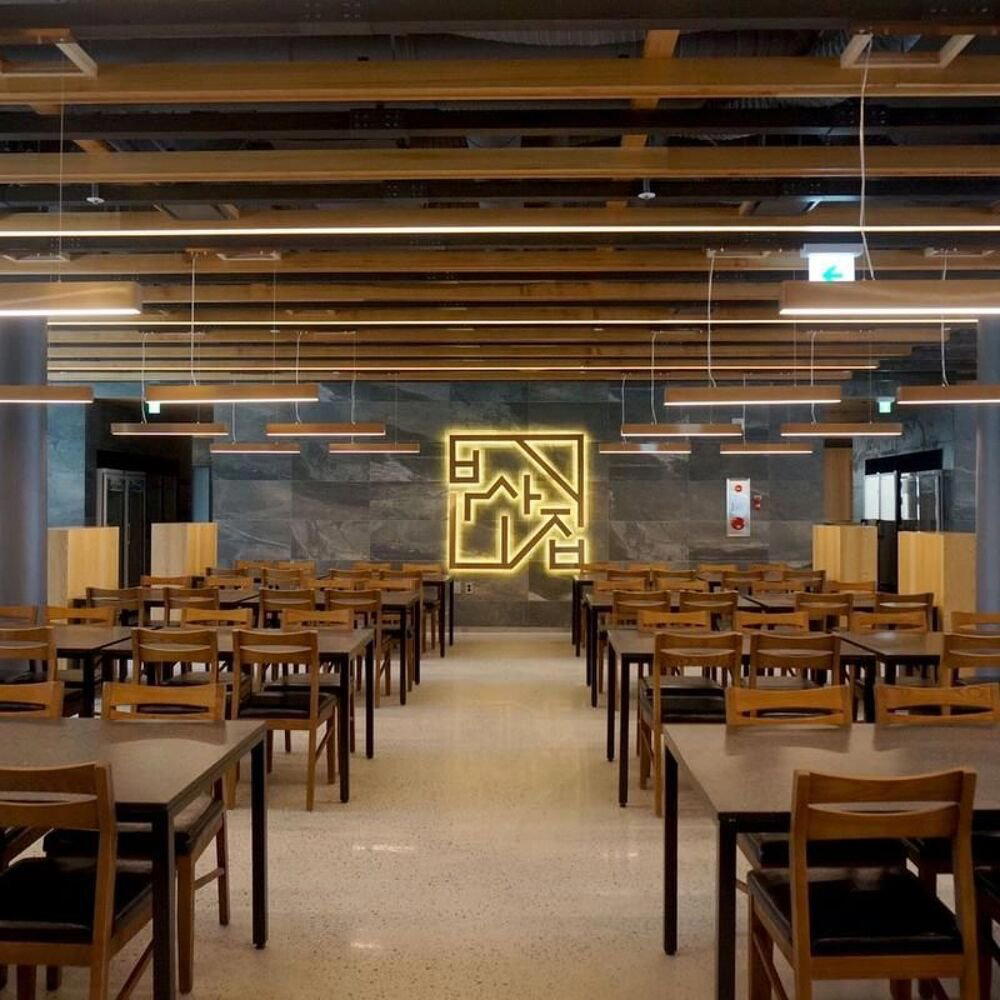
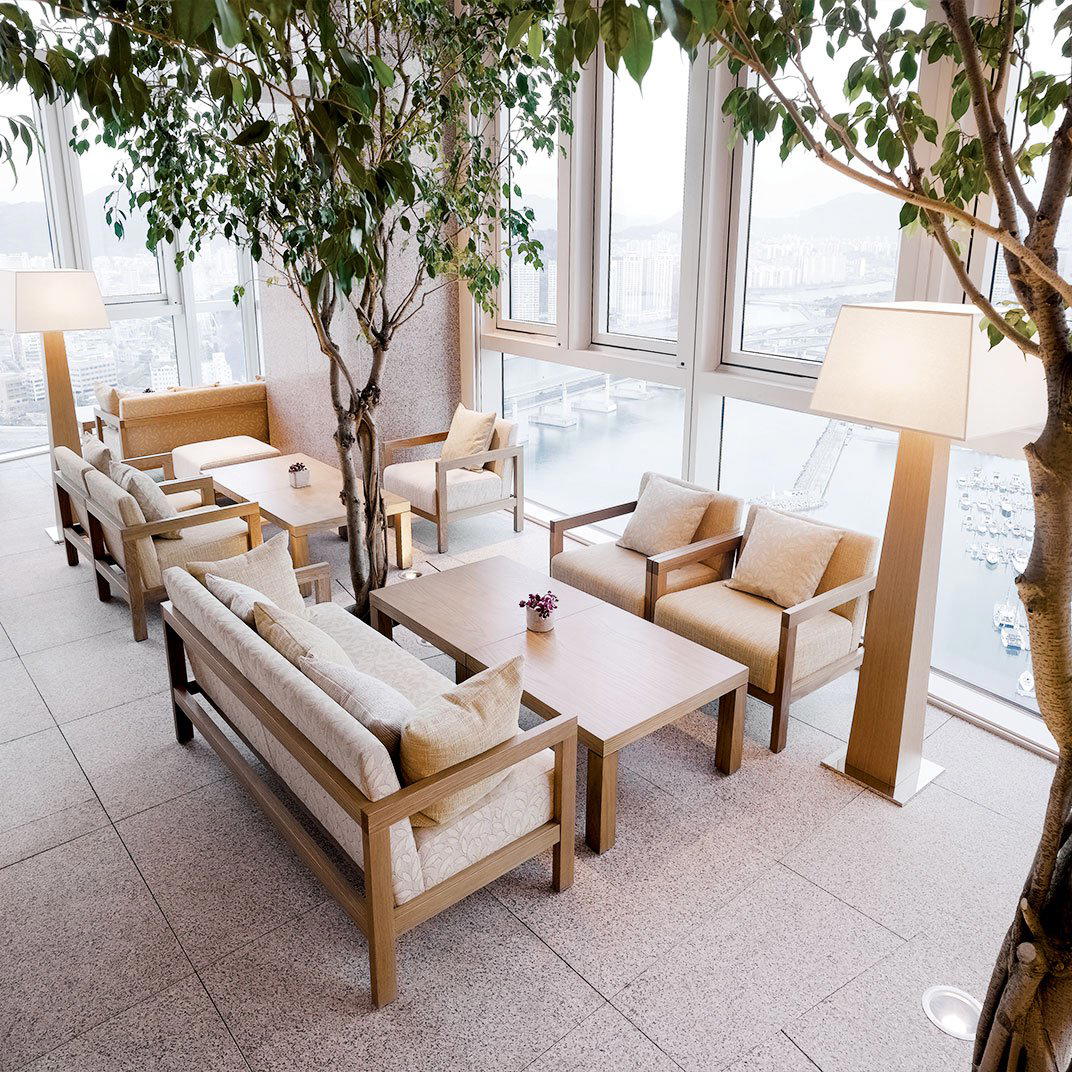
Bars in Busan
All bars in Busan →




Details
- Modern
- Elegant
- Intimate
- Date Night
- Casual Hangout
- A La Carte
Current opening hours
- Monday
- Closed
- Tuesday
- Closed
- Wednesday
- 5 PM–12 AM
- Thursday
- 5 PM–12 AM
- Friday
- 5 PM–12 AM
- Saturday
- 5 PM–12 AM
- Sunday
- 5 PM–12 AM
Hours can change for holidays and private events. Hours as of .