
Michelin Plate · We're Smart World 4 Radishes
Our verdict
At Place St Boniface in Ixelles, Savage operates within a growing Brussels tradition of vegetable-first cooking built on traceable organic supply chains. The menu is structured around 100% plant-based creations, with fish or meat available as paid supplements. A closed-loop composting programme called Recyclo connects kitchen waste directly back to regional vegetable growers, making the sourcing cycle unusually legible for a mid-price restaurant.

Pearl is the En Primeur Club membership app, where members save venues, book tables and use the concierge.
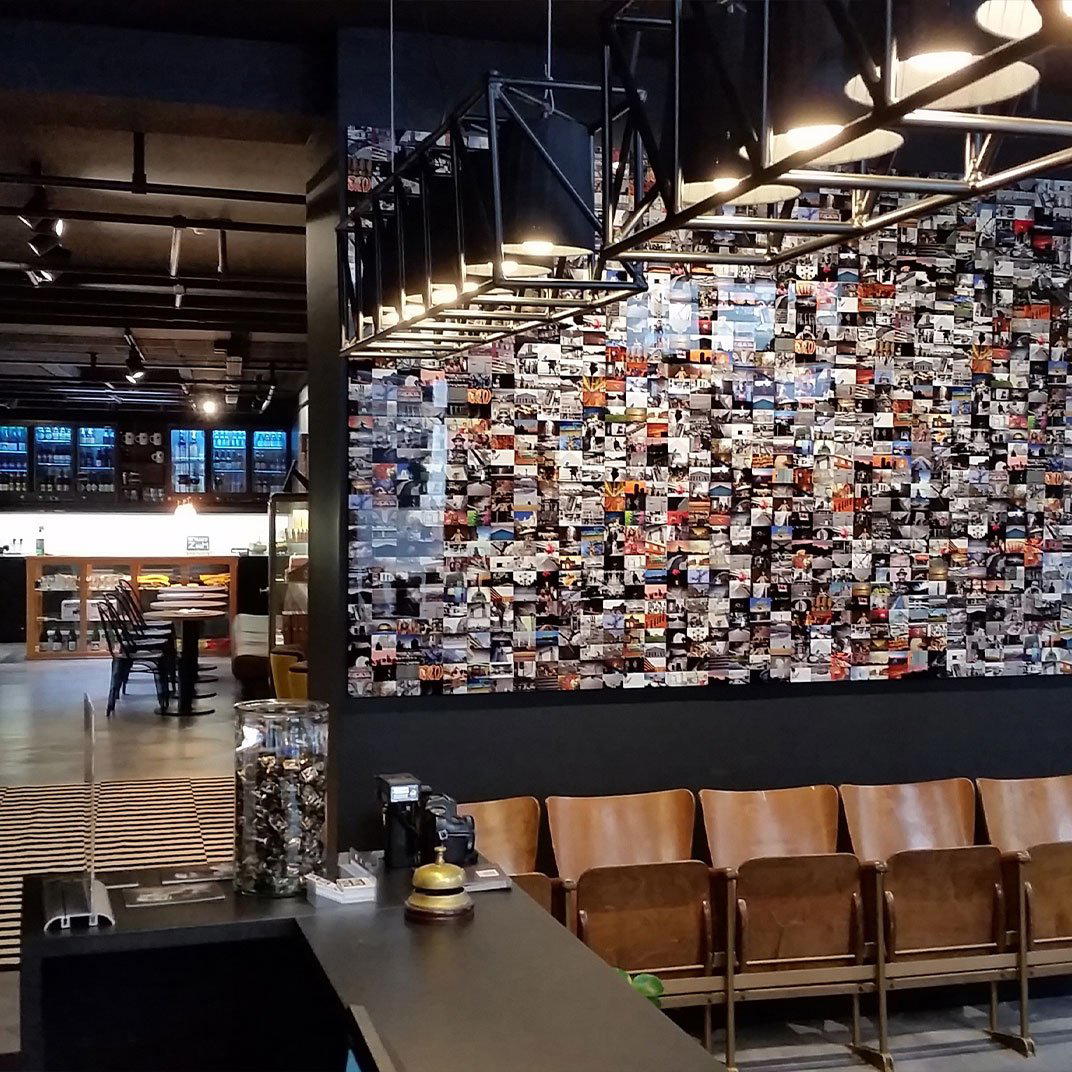
Where the Vegetables Come From: Savage and the Organic Supply Chain in Ixelles
Place St Boniface sits at the quieter end of Ixelles, a neighbourhood in Brussels that has accumulated a disproportionate number of serious, independently run restaurants relative to its footprint. The square itself has a slightly lived-in quality, local residents, a neighbourhood church, café tables that spill out in warmer months, and Savage at Rue de la Paix 22 fits that register without effort. This is not a destination designed around spectacle. The proposition is a different kind of rigour: a kitchen that has structured its entire operation around organic sourcing and, unusually, has made its waste stream as intentional as its supply chain.
The Vegetable-First Model and What It Actually Means
Brussels has developed a credible tier of vegetable-forward restaurants in recent years. Humus x Hortense sits at the upper end of that set, operating a creative, fully plant-based menu at the €€€€ price point. Amen and Chou approach the farm-to-table format from a more omnivorous angle at the €€€ tier. Savage occupies a different position: mid-price (€€), structured around a 100% vegetable menu as the default, with fish or meat available as supplement additions for guests who want them. That architecture, vegetables as the complete offering, animal protein as optional extra, inverts the traditional supplementary logic of most menus in this category, where a vegetarian option is the addition rather than the foundation.
The kitchen operates under chef Joel Rammelsberg, who is a named supporter of the Soilmates movement, a network that connects restaurants to regenerative and organic agriculture. That alignment is not incidental to the menu; it shapes which producers Savage works with and, more concretely, what appears on the plate from week to week. Organic certification at the ingredient level is a consistent requirement rather than an occasional marketing claim. For a restaurant at the €€ price tier, sustaining that sourcing standard across the full menu represents a genuine operational commitment, since organic supply chains typically carry higher input costs and shorter shelf stability than conventional sourcing.
Recyclo: The Closed-Loop Composting Programme
The part of Savage's operation that distinguishes it most clearly from comparable restaurants in Brussels is the composting programme it calls Recyclo. All organic kitchen waste is collected by bicycle and transported to composting facilities, where it is processed and returned to regional vegetable growers as soil amendment. The loop, restaurant kitchen waste feeds regional soil, regional soil produces the vegetables that return to the kitchen, is described as an explicit design choice rather than a peripheral sustainability add-on.
Closed-loop composting programmes exist at a handful of restaurants in northern Europe, but most operate at a larger institutional scale or with direct farm partnerships. The bicycle-collection logistics at Savage suggest a more granular, neighbourhood-scale version of the same principle. The practical effect is that the restaurant's sourcing story does not stop at the farm gate; it extends into what happens to the food after the plate is cleared. That continuity is relatively rare at this price point, and it gives the organic positioning more structural coherence than a menu that simply lists certified suppliers.
For context on how this approach compares in the broader Belgian organic restaurant category, Barge in Brussels and Archibald De Prince in Luxembourg occupy adjacent territory in the organic dining tier across the region.
Recognition and Where Savage Sits in the European Rankings
Savage holds a Michelin Plate (2025), the guide's marker for restaurants serving food of good quality that have not reached the starred tier. In the context of Brussels, where the Michelin presence is well-established and the competition at the mid-market organic level is growing, a Plate designation at the €€ price point is a meaningful data signal: this is a kitchen that the guide considers worth noting, operating at a price accessible well below the starred tier. The more precise ranking comes from the Opinionated About Dining (OAD) annual survey of European restaurants, where Savage appeared at position 344 in the 2025 rankings. OAD draws its rankings from a specialist reviewer base, meaning placement in that list carries more weight with informed diners than with a general audience, and position 344 across all of Europe places Savage in company that extends well beyond its neighbourhood.
For comparison, Belgium's top-ranked restaurants in the starred tier, including Hof van Cleve, Boury, Zilte, Willem Hiele, and Bartholomeus, operate at significantly higher price points and with formats built around multi-course tasting menus. Savage's OAD ranking at the €€ level suggests a value-to-quality ratio that distinguishes it from most of its price-tier peers across the continent.
The Ixelles Context
Ixelles is one of the more consistently interesting eating neighbourhoods in Brussels, with a density of independently operated restaurants that covers a wide range of formats and price points. Kamo operates in the Japanese €€€ tier nearby, while Car Bon anchors the lower end of the price range with Chinese cooking at the € level. Savage's position at €€ in the organic-vegetable category fills a gap in that range that is not occupied by any direct peer in Ixelles at present. The Bozar Restaurant represents a different strand of Brussels' serious dining culture, oriented around the city's cultural institutions rather than neighbourhood character.
For a fuller picture of what Ixelles offers across dining, drinking, and accommodation, EP Club maintains guides to restaurants, hotels, bars, wineries, and experiences in the neighbourhood.
Planning a Visit
Savage is located at Rue de la Paix 22, Place St Boniface, 1050 Brussels. The mid-price format (€€) means the financial commitment is low relative to the recognition the kitchen has received; this is a restaurant where a full meal, including the option to add fish or meat supplements if wanted, remains accessible without the booking pressure or advance planning that the starred tier in Belgium typically demands. Current hours and booking details are best confirmed directly with the restaurant.
Frequently asked questions
Who is the chef at Savage?
The chef associated with Savage is Andrea Selvaggini.
What should I expect cuisine-wise at Savage?
What do people recommend at Savage?
The structure at Savage is a 100% vegetable menu by default, with fish or meat available as a supplement to individual dishes rather than as fixed courses. Reviewers responding to the OAD ranking (Top 344 in Europe, 2025) consistently highlight the vegetable-first format as the point of difference, not a specific single dish. The Michelin Plate recognition (2025) signals consistent kitchen quality across the menu rather than one signature item. The practical recommendation is to work through the vegetable menu as written and add supplements selectively, which is how the kitchen frames the experience itself.
How much does it cost to eat at Savage?
Pricing at Savage is listed as €€.
Where do I go for Savage?
Savage is located at Place St Boniface, Rue de la Paix 22, 1050 Bruxelles, Belgium, Ixelles.
The Essentials
| Venue | Cuisine | Price | Awards | Notes |
|---|---|---|---|---|
| SavageThis venue (the venue you are viewing) | Modern Plant-Based European | $50–100 | Michelin Plate · We're Smart World 4 Radishes | Not listed |
| Kamo | Modern Japanese Fine Dining | $100–150 | 1 Michelin Star | Japanese |
| Humus x Hortense | Plant-Based Gastro-Botanical Fine Dining | $200–300 | 1 Michelin Star · We're Smart World Top 100 #10 | Creative |
| Amen | Modern European | $50–100 | Michelin Plate | Farm to table |
| Car Bon | Authentic Sichuan Chinese | $20–30 | Michelin Bib Gourmand | Chinese |
| L'épicerie Nomad | Global Fusion Small Plates | $20–30 | Michelin Plate | Mediterranean Cuisine |
Recognition history
Dated appearances from independent guides and award organizations, with the underlying list record or original source where available.
Michelin Plate
Michelin
Opinionated About Dining Top Restaurants in Europe Ranked #344
Opinionated About Dining
We're Smart World 4 Radishes
We're Smart World
Full recognition history (4 entries)
Michelin Plate
Michelin