
Michelin Plate
Our verdict
Chef Merijn van Berlo holds a Michelin Plate (2024) for cooking that channels floral and spiced intensity through vegetables, with an extensive list of organic and natural wines alongside. The price tier sits at €€€, in line with the neighbourhood's serious dining cohort.

Pearl is the En Primeur Club membership app, where members save venues, book tables and use the concierge.
The menu
What to order
- Moules_frites
- Carbonnade
- Tomate_crevettes
The Seasonal Architecture of the Meal
Belgian farm-to-table cooking has developed a clear set of orthodoxies: source locally, rotate the card by season, build around vegetables rather than protein, and match the list to small producers making natural and organic wine. Chou observes all of them with enough discipline that the Michelin Guide awarded it a Plate in 2024, recognition that the cooking is technically grounded, not merely well-intentioned.
The menu operates on four seasonal pillars. Cabbage anchors the winter card. Spring moves to peas. Summer opens toward tomatoes in their fuller range of variety and preparation. Autumn brings kale back to the centre. That calendar is the skeleton around which chef Merijn van Berlo builds; what distinguishes the cooking is the intensity he extracts from ingredients that other kitchens treat as supporting cast. Spelt risotto infused with chlorophyll, served in a smoked eel broth with a horseradish emulsion and pike-perch gravlax, is the kind of dish that illustrates the approach: a vegetable-forward composition that draws on technique from richer culinary traditions without abandoning its own logic.
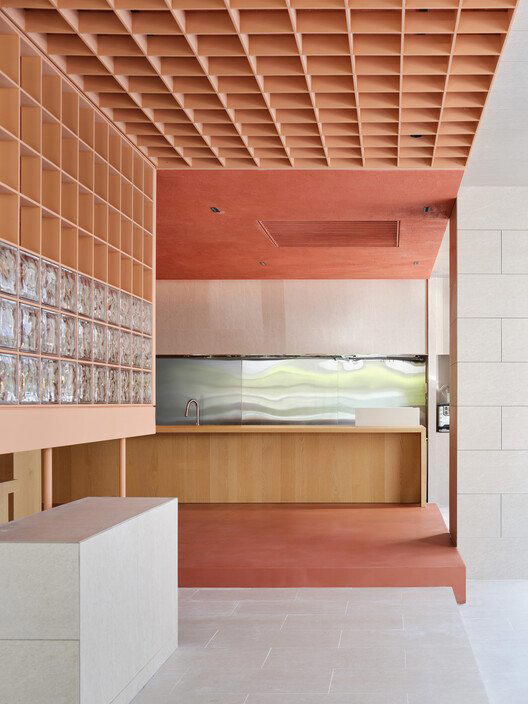
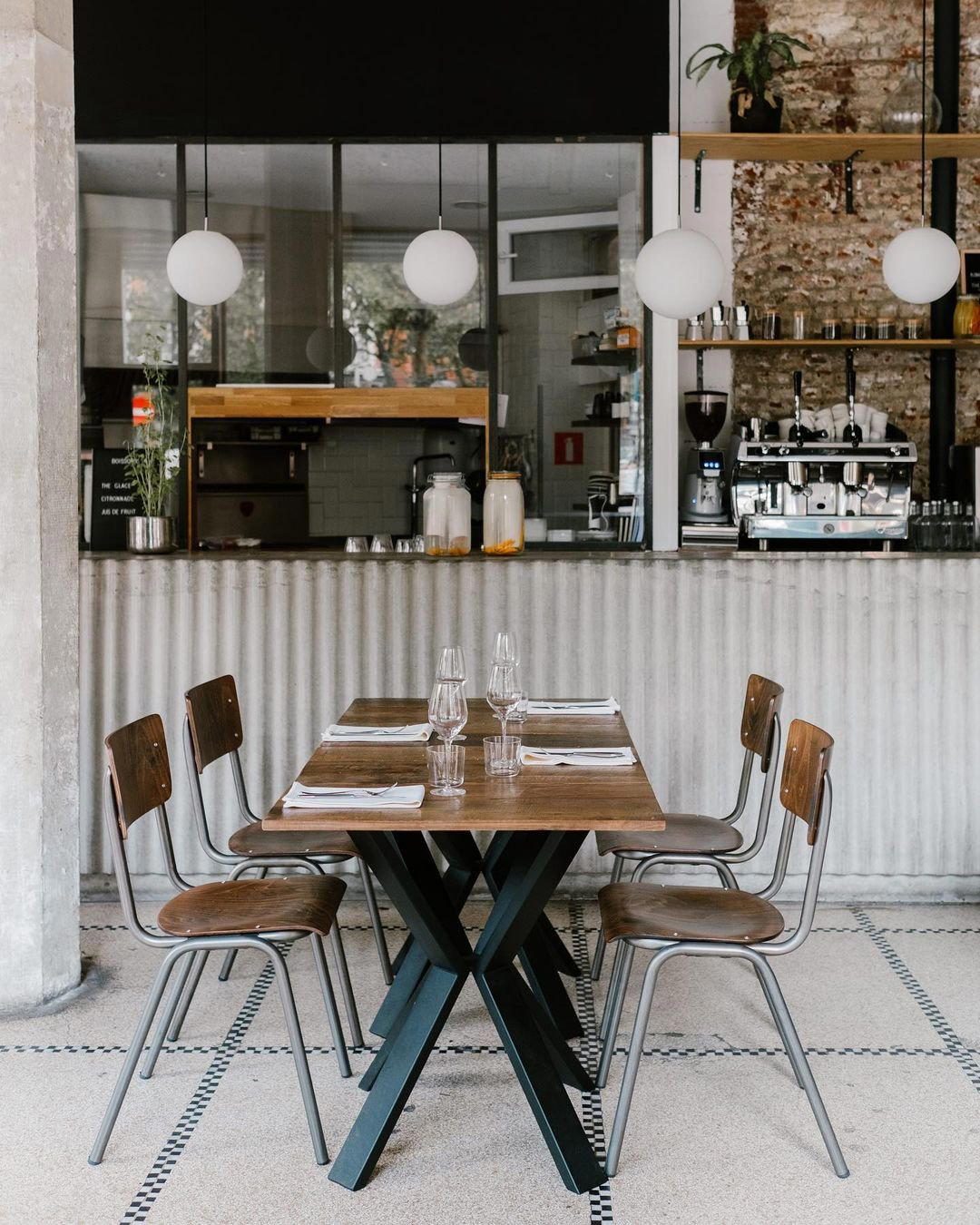
The flavour profile the Michelin write-up describes is specific, floral notes alongside spice and a deliberate kick, which places Chou in a different register from the quieter, more umami-led vegetable cooking that has become fashionable in European fine dining. These dishes are meant to animate the seasonal moment rather than soften it. The neighbourhood's €€€ tier includes That positioning matters for how to read the booking and the value calculation. The Michelin Plate signals that the inspectors are watching; it is the guide's marker for solid cooking that does not yet carry the full recommendation weight of a star. For the diner, it identifies a kitchen where the technique is sound and the sourcing is serious, without the associated difficulty of securing a table at a starred address. Farm-to-table restaurants built around seasonal produce tend to establish a particular pacing: the meal moves through the calendar in miniature, opening with lighter, often more acidic preparations and building toward denser autumn and winter combinations. At Chou, the industrial setting reinforces a lack of ceremony that is itself a statement. There are no tableside presentations designed to distract from the food; the focus is on what the kitchen has decided to do with the season's leading available material. The wine list functions as an extension of that philosophy. An extensive selection of organic and natural wines means the pairing options are drawn from the same production ethos as the kitchen's sourcing. Natural wine in this context is not a trend gesture but a coherent match: wines made with minimal intervention alongside produce handled with equivalent restraint. The list depth is worth examining before committing to a single glass; the range is one of the more considered aspects of the experience at this price tier. Hof van Cleve in Kruishoutem, Boury in Roeselare, Zilte in Antwerp, Willem Hiele in Oudenburg, and Bartholomeus in Heist, a set that reflects how seriously Belgian fine dining takes produce provenance and seasonal discipline. Within Brussels, Bozar Restaurant represents the city's more formal institutional dining end. Au Gré du Vent in Seneffe and BOK Restaurant in Münster offer points of comparison for how the category handles seasonal produce in adjacent geographies. Chou sits within this lineage: a kitchen treating the seasonal calendar as the primary editorial voice, with the chef's technique in service of that premise rather than competing with it. Given the 4.3 rating and the Michelin Plate recognition, demand is likely to outpace walk-in availability on weekend evenings; checking availability in advance is the practical course. For those exploring the wider neighbourhood across multiple visits, The Dining Ritual at Chou
Frequently asked questions
What price level is Chou?
Pricing at Chou is listed as €€€.
Can I walk in to Chou?
At a Michelin Plate address in Ixelles's €€€ tier, walk-ins carry real risk, particularly Thursday through Saturday when the neighbourhood draws consistent demand. A reservation is the practical call.
What's Chou best at?
Chou's clearest strength is internal coherence: the seasonal produce sourcing, the organic and natural wine list, and a flavour profile built on floral and spiced intensity all point in the same direction. The Michelin Plate recognition in 2024 signals technical competence without the formality of a starred room. For a €€€ meal in Ixelles, that combination of philosophy and execution is what separates it from restaurants that simply describe themselves as seasonal.
Category Peers
| Venue | Cuisine | Price | Awards | Notes |
|---|---|---|---|---|
| ChouThis venue (the venue you are viewing) | Traditional Belgian Bistro | $30–50 | Michelin Plate | Not listed |
| Kamo | Modern Japanese Fine Dining | $100–150 | 1 Michelin Star | Japanese |
| Humus x Hortense | Plant-Based Gastro-Botanical Fine Dining | $200–300 | 1 Michelin Star · We're Smart World Top 100 #10 | Creative |
| Amen | Modern European | $50–100 | Michelin Plate | Farm to table |
| Car Bon | Authentic Sichuan Chinese | $20–30 | Michelin Bib Gourmand | Chinese |
| L'épicerie Nomad | Global Fusion Small Plates | $20–30 | Michelin Plate | Mediterranean Cuisine |
Recognition history
Dated appearances from independent guides and award organizations, with the underlying list record or original source where available.
Michelin Plate
Michelin
Full recognition history (3 entries)
Michelin Plate
Michelin
Michelin Plate
Michelin
Continue exploring
More in Ixelles
Restaurants in Ixelles
All restaurants in Ixelles →
Bars in Ixelles
Browse all →
Hotels in Ixelles
All hotels in Ixelles →
Wineries in Ixelles
Browse all →
Details
- Cozy
- Classic
- Date Night
- Family
- Group Dining
- Casual Hangout
- Terrace
- Extensive Wine List
- A La Carte
- Set Menu
Current opening hours
- Monday
- 12–2 PM, 6:30–10 PM
- Tuesday
- 12–2 PM, 6:30–10 PM
- Wednesday
- 12–2 PM, 6:30–10 PM
- Thursday
- 12–2 PM, 6:30–10 PM
- Friday
- 12–2 PM, 6:30–10 PM
- Saturday
- 6:30–10 PM
- Sunday
- Closed
Hours can change for holidays and private events. Hours as of .
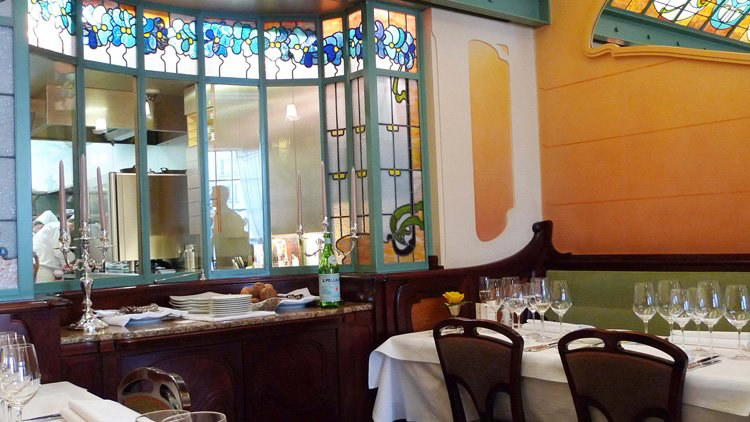
Cozy and warm with authentic Belgian decor, friendly family atmosphere, and decorations featuring local icons like Manneken Pis and Atomium pieces.