A compact sushi counter on a quiet lane off Zhongshan North Road, 笹鮨 Sasa Sushi sits within Taipei's growing tier of neighbourhood-scale Japanese restaurants that prioritise craft over ceremony. The address alone, tucked inside one of Zhongshan's residential alleyways, signals an operation built for regulars rather than walk-ins. For those who know where to look, it rewards the search.
 Discover on Pearl
Pearl is the En Primeur Club membership app — saves, bookings, and concierge access live there. Same editors, same standards.
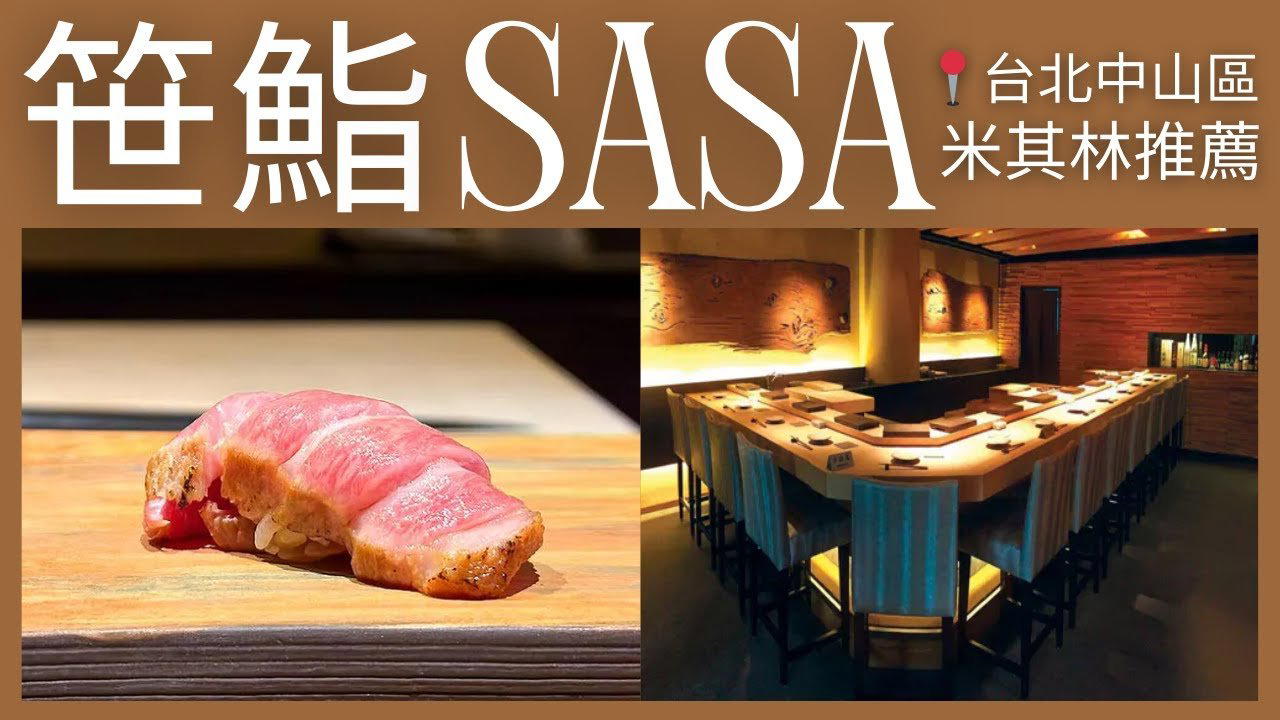
The Alley, the Counter, the Quiet
Taipei's Zhongshan district has developed a particular grammar of dining: narrow lanes branching off the main boulevard, low signage, doors that require a degree of prior knowledge to locate. The neighbourhood's restaurant culture runs on this logic, proximity to Zhongshan North Road's commerce without the foot traffic, rents that allow smaller operators to concentrate spending on what happens inside rather than on facades. 笹鮨 Sasa Sushi at 中山北路二段42巷6號 follows that pattern precisely. The laneway address frames the experience before you've crossed the threshold.
In Japan, the word sasa refers to dwarf bamboo, a plant associated in classical culture with purity, resilience, and the clean geometry of nature. Whether the name carries that weight deliberately or simply as aesthetic shorthand, it sets a tone. Sushi at this level of intimacy in Taipei tends to be defined less by theatrical flourish and more by the accumulation of small, careful decisions: water temperature, rice seasoning, the interval between nigiri pieces. The physical environment of a counter this scale enforces that attentiveness by design.
Zhongshan's Position in Taipei's Japanese Dining Tier
Taipei's Japanese restaurant scene occupies a range considerably wider than most international visitors expect. At one end sit large-format conveyor operations and mid-market izakayas; at the other, a small cohort of omakase counters drawing comparisons to their Tokyo counterparts in both format and pricing philosophy. Between those poles, a middle tier of neighbourhood-scale Japanese specialists has consolidated over the past decade, particularly in Zhongshan and Da'an. These are restaurants where the chef-to-diner ratio is high, the format is fixed or semi-fixed, and the clientele skews toward repeat visitors rather than occasion diners.
This tier sits below the headline omakase rooms that feature in Taipei's Michelin coverage, venues like Taïrroir, which crosses Taiwanese and French registers, or the Cantonese formality of Le Palais, but operates with comparable seriousness of intent. The difference is one of register and price point, not of craft ambition. For context, Taipei's higher-end tasting experiences, including logy and Molino de Urdániz, occupy the $$$$ tier; neighbourhood sushi counters in Zhongshan generally pitch to a local professional clientele.
That positioning matters for how you read 笹鮨 Sasa Sushi. It is not competing with the destination counters, it is serving a different function in the dining week, the way that a reliable neighbourhood trattoria in Milan sits alongside but apart from the city's Michelin circuit.
What the Counter Format Communicates
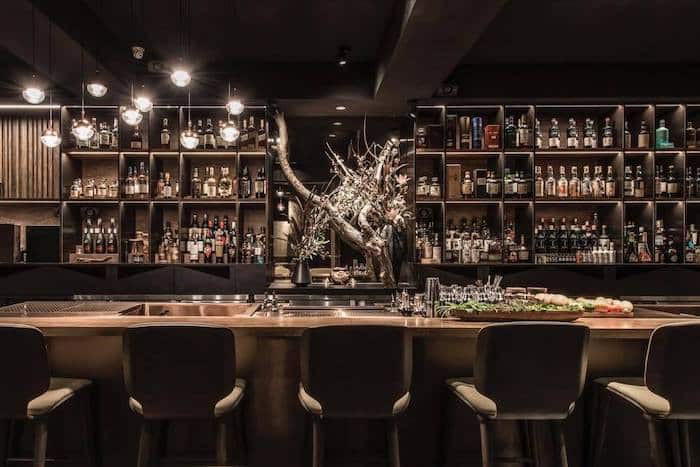
Sushi at the counter level communicates differently from table service. The physical proximity to preparation, the sounds of a knife through fish, the smell of seasoned rice held at serving temperature, the visual rhythm of hands shaping nigiri, creates a sensory frame that large dining rooms simply cannot replicate. In Tokyo, this format has been the dominant mode for serious sushi for decades; Taipei's adoption of it has accelerated as the city's dining culture has matured and as the supply of trained Japanese-style sushi chefs has deepened.
The experience at a counter this scale is also temporal in a way that table dining is not. Pieces arrive in sequence; the pace is set by the chef rather than chosen by the diner. This is a fundamentally different relationship to a meal, and it changes what you notice. At a large table, attention disperses across conversation and the visual field of the room. At a compact counter, attention narrows: the colour of the fish, the way the rice holds together, the temperature contrast between warm rice and chilled seafood. For diners accustomed to this format, or curious to experience it in Taipei rather than travelling to Japan, the counter model at venues like this one offers that compression of focus in a more accessible city context than Tokyo's most selective rooms.
For a broader view of how Taipei's Japanese and fine dining scene fits into Taiwan's wider restaurant geography, JL Studio in Taichung and GEN in Kaohsiung offer useful comparative reference points across the island, while A Xia in Tainan represents the southern city's distinct approach to premium dining.
The Zhongshan Lane Experience
Arriving on foot from Zhongshan MRT station, the walk to 42巷 takes you past the area's characteristic mix of boutique fashion, independent cafés, and older residential blocks. The lane itself narrows quickly; the ambient sound drops. This acoustic shift is not incidental to the meal that follows. Cities eat loudly, and Taipei's main dining corridors are no exception. A venue tucked into a residential alley self-selects for a quieter register, both physically and in terms of the kind of attention it asks of the diner.
This is how much of Zhongshan's specialist dining works: the address functions as a filter. Those who find the place have already demonstrated a degree of intent. The room, whatever its size, is populated by people who came specifically, not people who wandered in from the street. That changes the atmosphere in ways that are hard to quantify but easy to feel. L'Atelier de Joël Robuchon Taipei operates on the opposite logic, high visibility, a recognisable global brand, and the contrast usefully defines what the neighbourhood counter format is and isn't.
Cuisine Lens
Comparable venues nearby, for context on price, style, and recognition.
| Venue | Cuisine | Price | Awards | Notes |
|---|---|---|---|---|
| 笹鮨 Sasa SushiThis venue — the venue you are viewing | Traditional Japanese Omakase | $$$$ | , | |
| Masa | Seasonal Japanese Kappo | $$$$ | , | Songshan District |
| 三井 Cuisine M | Refined Japanese Kaiseki | $$$$ | , | Xinyi District |
| Adachi | Traditional Japanese Omakase | $$$$ | , | Jingxin |
| 鮨 香 | Authentic Hong Kong Chinese | $$$$ | , | Juye |
| 鮨 天本 | Japanese Cafe | , | Zhengsheng |
At a Glance
- Elegant
- Sophisticated
- Intimate
- Modern
- Date Night
- Special Occasion
- Chefs Counter
- Sake Program
- Sustainable Seafood
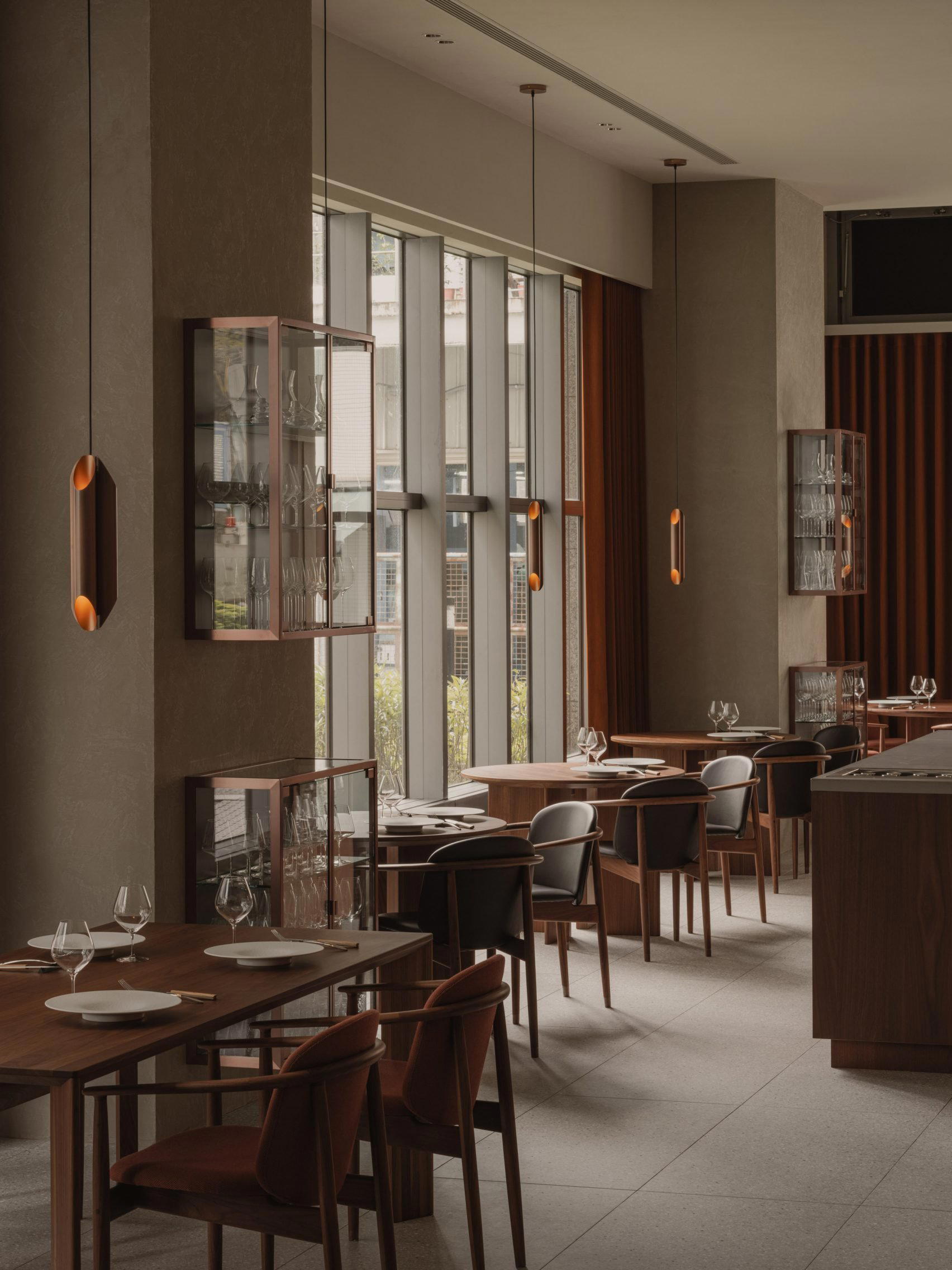
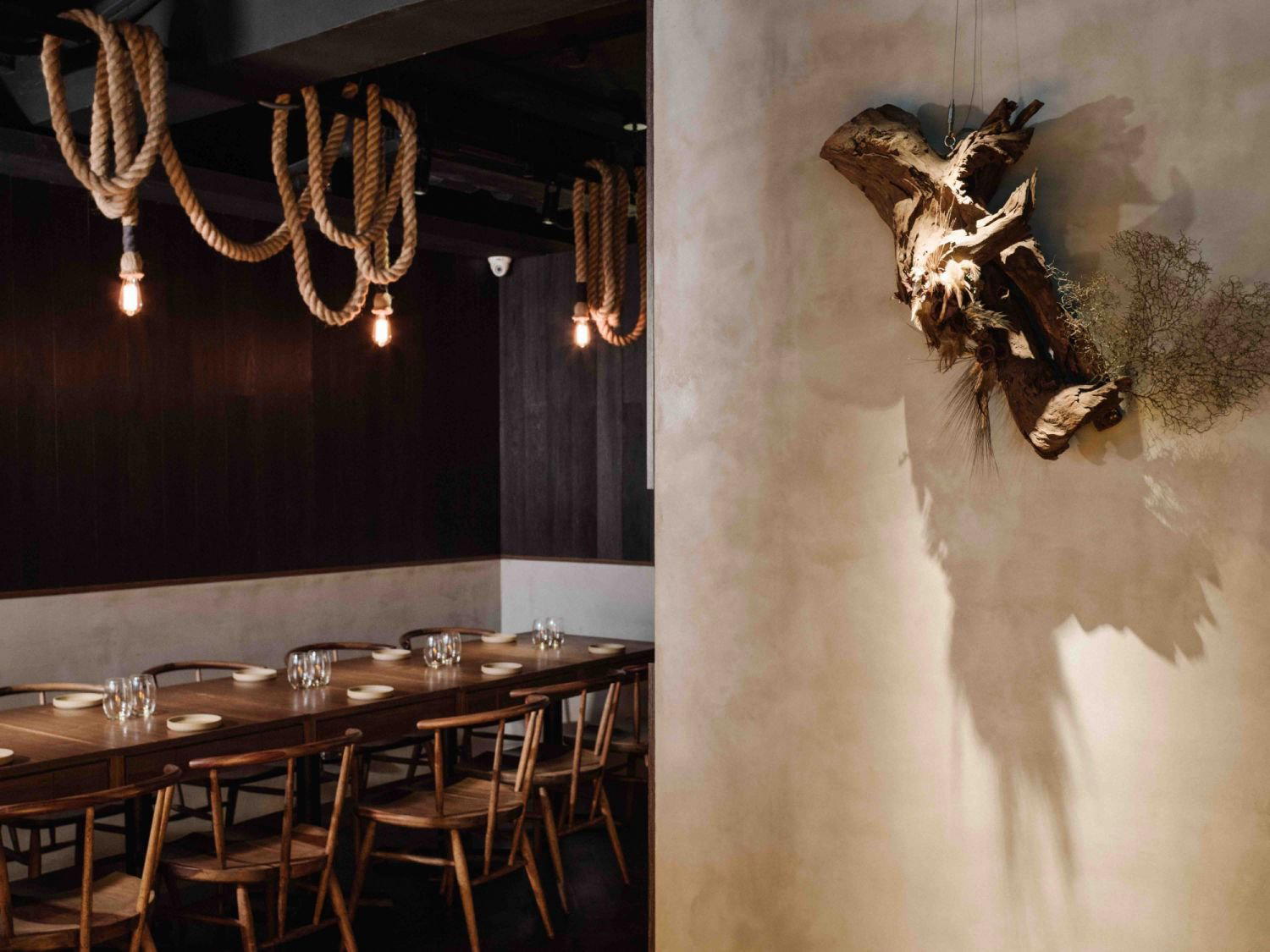
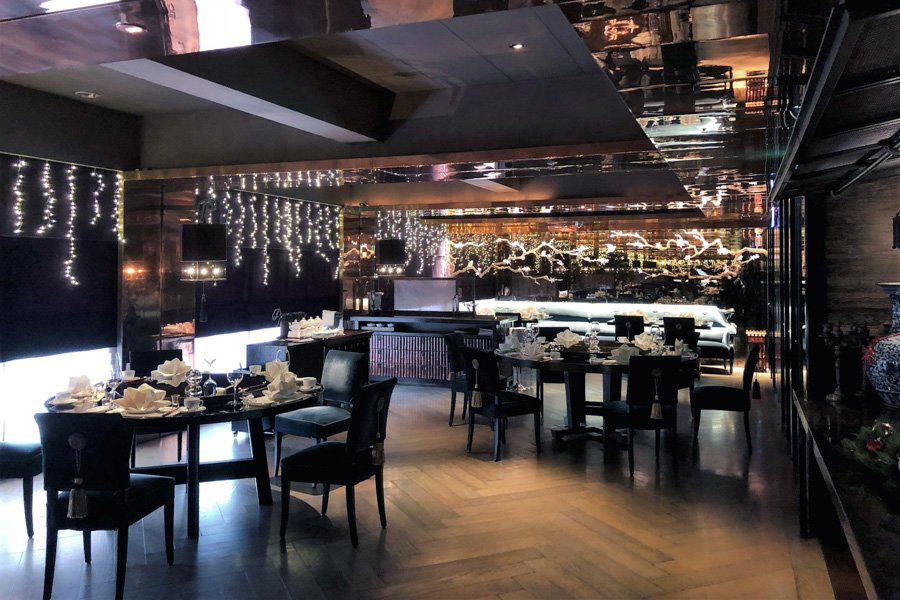
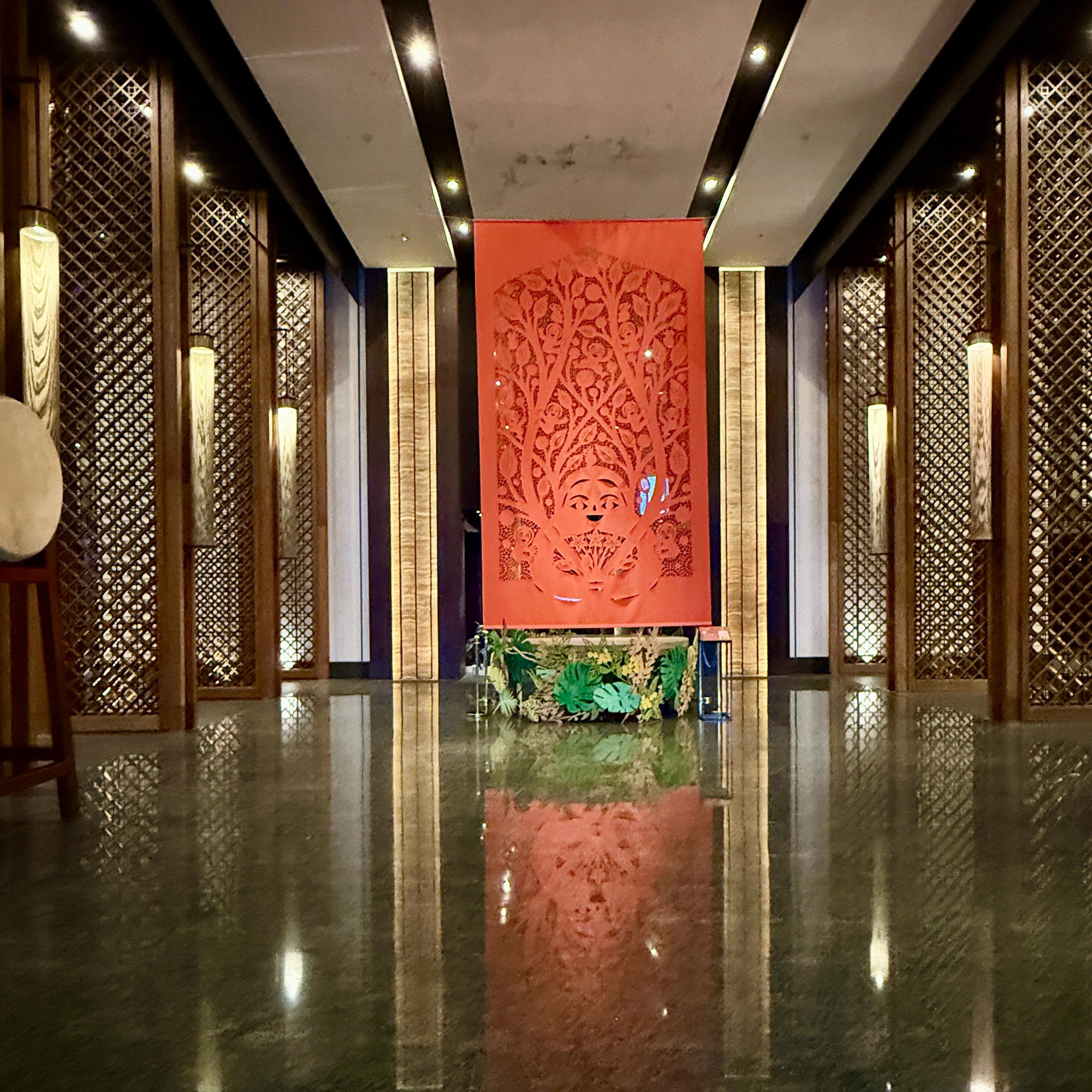
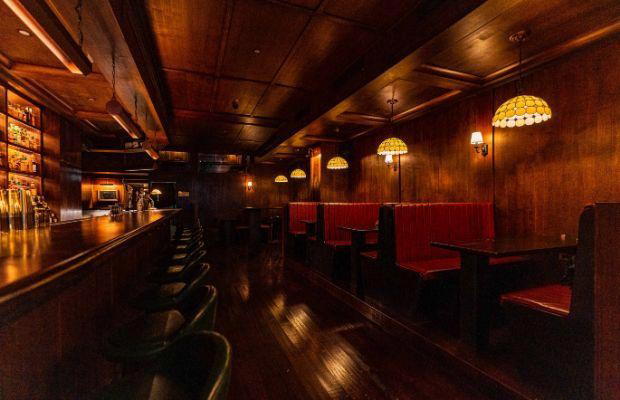
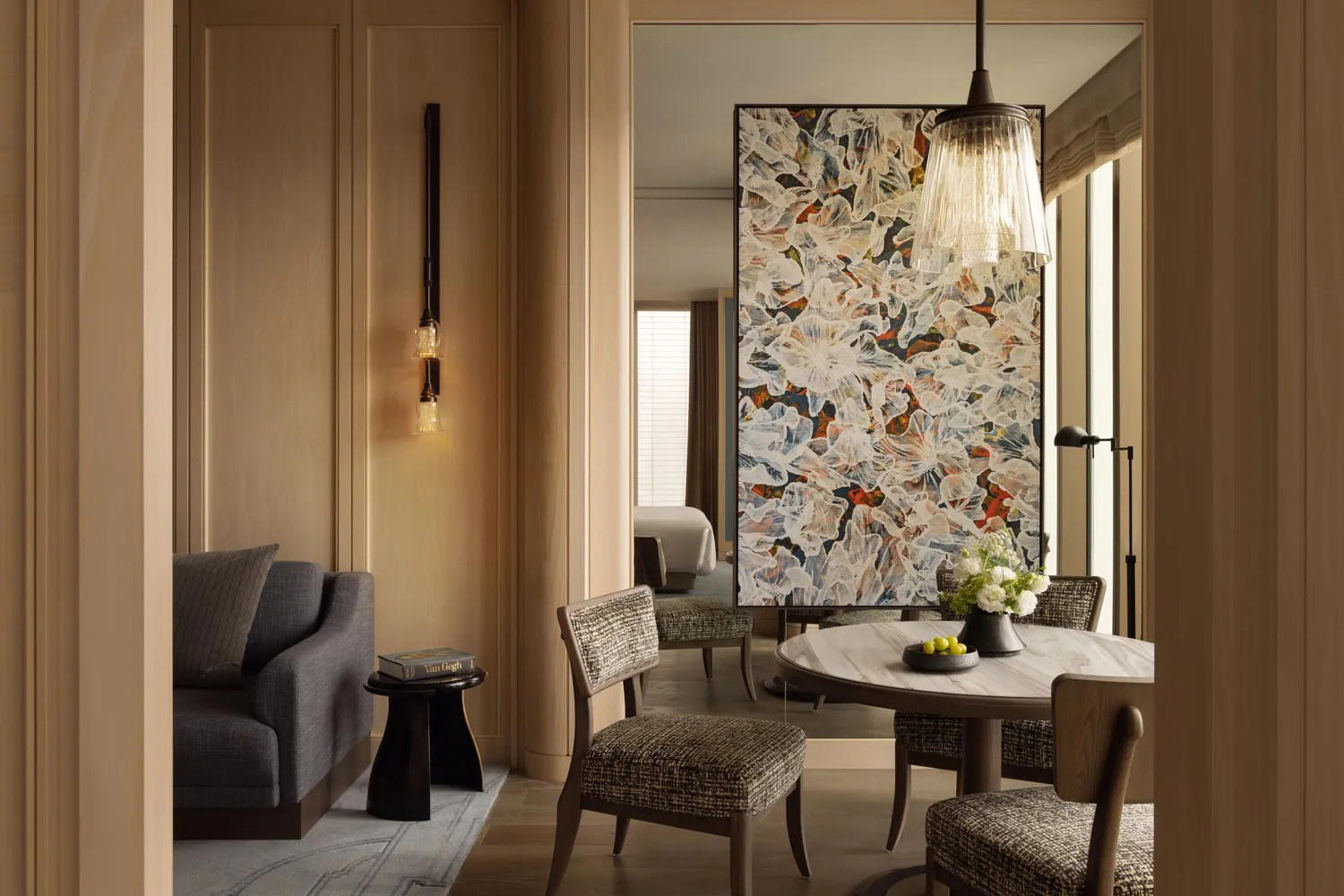
Elegant and sophisticated with attention to every detail in the renovated space, offering an intimate omakase experience.