Saseki

Saseki puts Toyama’s sake culture into the lean tachinomi format: standing-room drinking, low spend, and a clear focus on nihonshu rather than cocktail theatre. Its selection for Tabelog 100 Tachinomi 2025 gives it a credentialed place in Japan’s stand-up bar conversation, while the Higashiiwase setting ties the experience to a port district where seafood, rice, and sake are not abstract talking points.
Pearl is the En Primeur Club membership app — saves, bookings, and concierge access live there. Same editors, same standards.
- Address
- 93 Higashiiwasemachi, Toyama, Japan
- Phone
- +81 80-2962-6683
- Website
- instagram.com
 Saves & bookings on Pearl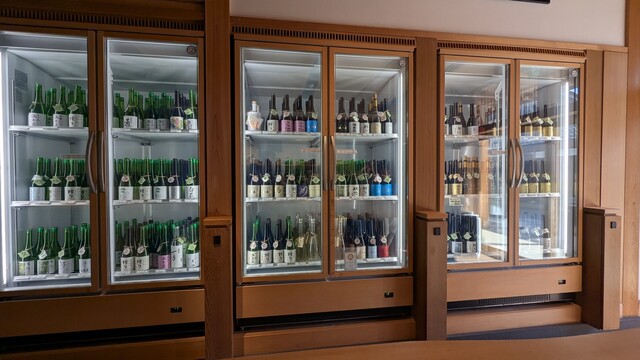
Higashiiwase has the kind of scale that makes a stand-up bar feel native rather than designed. The streets sit close to Toyama Bay’s old port economy, where drinking culture is shaped less by long tasting menus than by short counters, early starts, and the direct logic of local rice and fish. In that context, Saseki reads as part of a Toyama tradition that treats sake as a daily ingredient of the city, not a luxury accessory.
Tachinomi in Japan is often misunderstood by visitors as a budget category. Price is part of the point, but the stronger idea is compression: limited space, quick decisions, few soft edges. A good stand-up bar has to reveal its priorities fast. Here, the signal is nihonshu, with the venue identified around sake and particular attention to sake rather than a broad drinks program. That makes the format sharper. The room does not need the ceremony of kaiseki or the controlled pacing of a chef’s counter to make its argument.
Why Toyama's sake-and-port culture suits tachinomi
Toyama is a rice prefecture with a serious coastal pantry, and that combination matters. Sake culture in Japan is never just about breweries; it is also about what sits beside the glass. In Toyama, the surrounding food identity leans toward bay seafood, mountain water, and rice country, which gives a stand-up sake bar a clearer local grammar than it might have in a larger city built around trend cycles. The sourcing story is therefore broader than a named supplier list. It is the geography itself: cold-water fish, polished rice, clean brewing water, and a drinking culture comfortable with brevity.
Saseki’s selection for Tabelog 100 Tachinomi 2025 places it in a national category that usually privileges precision over scale. Tachinomi does not compete with the same promises as a high-spend counter such as GEJO, Cave Yunoki, or Kuchi Iwa, and it is not trying to occupy the kaiseki lane associated with Oryori Fujii. The useful comparison is structural. Toyama’s formal restaurants ask for time, budget, and a planned evening; a sake-led standing bar asks whether the city’s ingredients can speak in a smaller frame. That smaller frame can be more revealing for drinkers who want to understand how local alcohol culture works outside the dining-room ritual.
The strongest editorial reason to care about this format is that it resists overproduction. Japanese drinking has a long habit of separating expertise from display: a specialized sake bar can carry more regional intelligence than a longer menu, while a standing counter removes the cushion of occasion. The result is less theatrical than a destination restaurant, but often more diagnostic. If the selection is coherent, the bar teaches quickly; if it is not, there is nowhere for it to hide.
A low-spend counter with national tachinomi recognition
The Tabelog 100 Tachinomi 2025 recognition is the main trust signal here, and it matters because the category is narrow. It does not say Saseki is chasing luxury; it says the bar has been noticed within a field where low cost, standing service, and drink focus are part of the assessment. That distinction is useful for travellers who build Japan itineraries only around Michelin-style dining. The country’s drinking culture is often better read through formats like this, where the craft sits in selection, storage, pacing, and the social code of the counter.
There is also a Toyama-specific advantage. Large Japanese cities can make tachinomi feel like a commuter convenience, a place between office and train. Higashiiwase changes the reading. The neighbourhood’s port history gives the bar a slower backdrop, and the absence of a sprawling restaurant apparatus keeps attention on the local drinking habit rather than on décor or chef biography. In a city where ingredient identity is tied to bay, rice fields, and alpine water, a sake-focused stand-up bar can make a persuasive case without naming a signature dish.
Readers planning around Toyama should treat this as a category stop, not a replacement for a full dinner. The more useful itinerary is layered: a formal regional meal on one night, a sake-led standing bar on another, and enough time in the port district to understand why the drinking culture here has a different tempo from Tokyo or Osaka. For broader planning, see Our full Toyama-ken restaurants guide, Our full Toyama-ken bars guide, Our full Toyama-ken hotels guide, Our full Toyama-ken wineries guide, and Our full Toyama-ken experiences guide.
How to place it within a Japan eating itinerary
Saseki makes the strongest sense for travellers who already understand that Japan’s food culture is not arranged only by grandeur. A low-cost standing bar can be as revealing as a more expensive room when the question is sourcing and local habit. The appeal sits in category literacy: knowing when a short sake stop tells more about a city than another long reservation.
It also pairs well with the way serious Japan travel now cuts across regions and formats. A route might move from Toyama’s sake culture to 1/3 HAMBURGER FACTORY in Kanazawa, then toward highly specific city addresses such as [ki:] in Kyoto, .cafe in Osaka, . 鮪と炭火焼き うお炭 秋葉原店 in Tokyo, or 1000 in Yokohama. The point is not to rank them against one another. It is to read Japan through formats: standing bar, café, grill, specialist counter, regional restaurant.
That same logic extends beyond Toyama. -Grilled beef Sukiyaki- KAMAKURA TANUKIAN 鎌倉 たぬき庵 in Kamakura, (Shoku) Vietnam in Kawasaki, [Curry Senmon Ten] Maruyama Kyoju. in Sapporo, #肉といえば松田 奈良本店 in Kashihara, 1000mヒュッテ 1000m Hut in Kutchan.know in Kumamoto, Jōdo Saké Bar in Los Angeles, and Onigiri Time in Pasadena all make more sense when viewed through format and sourcing rather than through generic praise. Saseki’s value is that it keeps the frame narrow: Toyama, sake, standing service, and the discipline of doing little in a category where little has to be enough.
In Context: Similar Options
Comparable venues by cuisine and price in the same metro.
| Venue | Cuisine | Price | Notes |
|---|---|---|---|
| SasekiThis venue — the venue you are viewing | Japanese sake standing bar | $ | Not listed |
| Umemura | Japanese Soul Food | $ | Koto |
| Marusho Gyoza | Traditional Japanese Gyoza Specialist | $ | Daito City |
| Montagne (モンタニュ) | Japanese Casual Ski Lodge | $ | 妙高高原 |
| Drive-in Ippei (ドライブイン一平) | Japanese Curry & Tonkatsu Diner | $ | 小城市 |
| ラーメン にっこう 本店 | Chicken Pottage Ramen | $ | 宇尾町 |
Recognition history
Dated appearances from independent guides and award organizations, with the underlying list record or original source where available.
Tabelog 100 #88 · No. 88
Tabelog · Tabelog 100 - Tachinomi - 2025
Continue exploring
More in Toyama-ken
Restaurants in Toyama-ken
Browse all →
At a Glance
- Cozy
- Rustic
- After Work
- Casual Hangout
- Solo
- Standalone
- Sake Program
- Local Sourcing
- Street Scene
Current opening hours
- Monday
- 10 AM–6 PM
- Tuesday
- Closed
- Wednesday
- 10 AM–6 PM
- Thursday
- 10 AM–6 PM
- Friday
- 10 AM–6 PM
- Saturday
- 10 AM–6 PM
- Sunday
- 10 AM–6 PM
Hours can change for holidays and private events. Last verified .
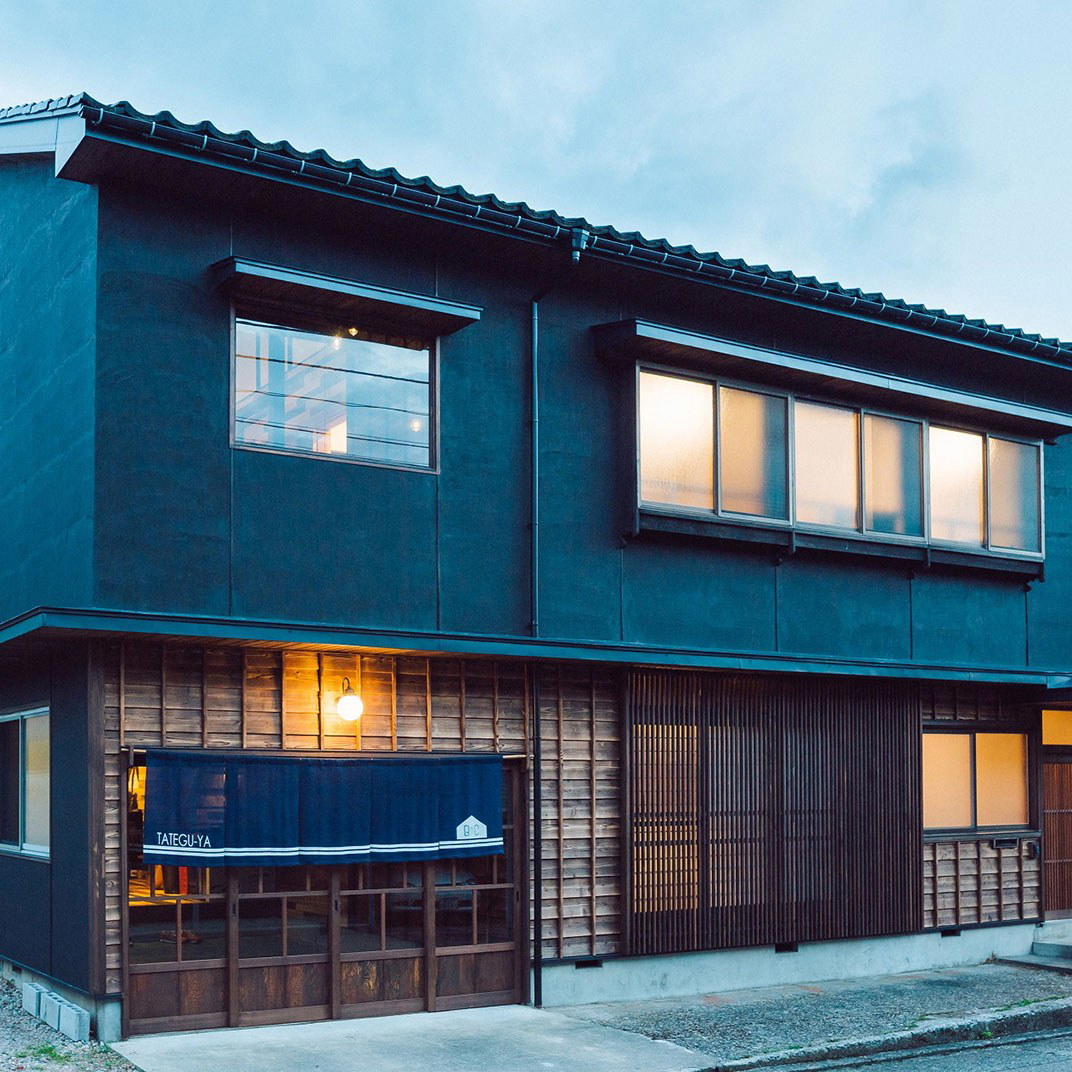
A compact, non-smoking standing bar with a relaxed, casual feel set in Iwase’s retro townscape, focused on sake tasting rather than full meals.