
Tabelog 100 #35
Our verdict
Sarnath is a small Funabashi Indian curry address with a Tabelog 100 Asian cuisine / Ethnic cuisine EAST 2024 selection and a compact, table-led rhythm. The appeal is not spectacle but ritual: a modest room, a curry-focused format, and the kind of local reputation that turns a short lunch window into a serious dining decision.

Pearl is the En Primeur Club membership app, where members save venues, book tables and use the concierge.
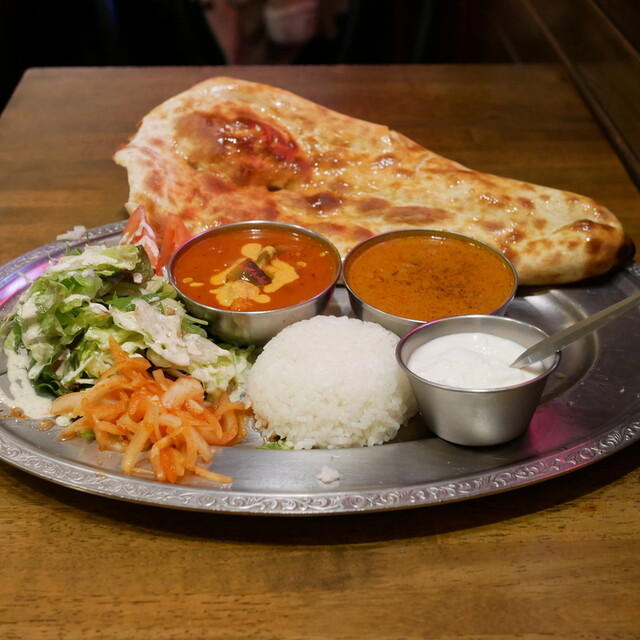
The menu
What to order
- North Indian curry
- Butter cream curry set
- Curry set
Approaching Sarnath in Funabashi, the signal is practical, not theatrical: a focused curry specialist, a clear meal rhythm, and the quiet discipline of a place understood through consistency rather than spectacle. Funabashi dining is often read through seafood, izakaya drinking, commuter-station ramen, and neighborhood set meals, but its Indian and curry cooking has its own local grammar. Sarnath belongs to it: curry-led, value-conscious, and governed by pacing more than polish.
Indian curry in Japan is not one category. It ranges from quick station curries and lunch-set counters to specialist restaurants where regulars know the cadence before sitting down. The serious addresses often compress the experience: modest presentation, sharper turnover, and a meal that rewards quick decisions. Sarnath’s 2024 Tabelog Hyakumeiten recognition places it in that specialist tier, away from generic curry-house convenience and closer to the restaurant culture Japanese diners reward when consistency is the point.
A focused curry ritual, not a broad ethnic-dining survey
The ritual is the useful lens. A focused curry restaurant changes the meal. Guests do not drift through a long evening; they enter a direct sequence in which order and pace matter. In Japan, curry specialists often operate with a clarity that might feel abrupt in a larger restaurant: choose, eat while the kitchen moves, and make room for the next diner. That is part of the pleasure when the cooking has enough reputation to support the constraint.
Funabashi gives that format a different charge from central Tokyo. In Ginza or Nihonbashi, compact specialist formats can become luxury theater. In residential Chiba, they read as local seriousness. The comparison set reinforces it. Ayutthaya puts Thai cooking into Funabashi’s casual ethnic-dining lane, while BHOYE CHHEN and Gandhi sit closer to the affordable South Asian orbit. Sarnath’s distinction is not higher spend; it is curry focus, accessible pricing, and recognition by a Japanese restaurant platform especially influential for neighborhood specialists.
The category also changes expectations. “Indian curry” in Japan often means a localized encounter with spice, rice, bread, set construction, and lunch efficiency, not a full survey of regional Indian cooking. The better question is not whether the restaurant performs breadth, but whether the format delivers conviction within a narrow frame. For diners used to tasting-menu choreography, this is a corrective: precision can arrive without linen, sommelier theater, or an extended bill.
What the recognition says about Funabashi's specialist tier
Tabelog recognition matters in this segment. For small ethnic and curry restaurants in Japan, it separates local enthusiasm from wider regional notice. Sarnath’s 2024 Tabelog Hyakumeiten listing, along with a 3.74 score, is the useful signal: the restaurant is presented not as a novelty but as a serious performer in a field where diners compare fiercely on value, consistency, and flavor definition.
Funabashi rewards this kind of place. The city sits in the commuter belt but has enough density to support specialist rooms that would disappear in thinner suburbs. Nearby categories tell the story: Akasaka Ajiichi represents the low-cost local Japanese meal, while other Funabashi dining rooms point to the area’s casual drinking, seafood, and neighborhood craft-food habits. Sarnath fits: not grand, not anonymous, and not dependent on a chef myth.
The broader Japanese curry map is the useful editorial comparison. Sapporo has its soup-curry lineage, Tokyo has high-rotation spice counters and reservation-driven specialists, and suburban Chiba has restaurants sustained by repeat local demand. Regional curry culture can diverge sharply from the Tokyo-area model, but Sarnath’s lane is more compact editorially: Indian and Indian curry, served in a Funabashi restaurant context, with recognition placing it above the ordinary lunch stop.
How to read the meal before choosing the table
The right diner is not chasing a long, conversational dinner. The better fit understands Japanese small-restaurant etiquette: arrive prepared, respect the venue’s scale, and treat the meal as a focused sitting. That discipline applies across Funabashi’s stronger independent rooms, from ethnic specialists to compact Japanese counters. Visitors building a broader itinerary should start with Our full Funabashi restaurants guide, then decide whether the day calls for curry, seafood, Thai cooking, or another casual stop rather than forcing every meal into one category.
For travelers, the surrounding city pages set expectations beyond lunch. Our full Funabashi hotels guide is the practical starting point for staying locally, while Our full Funabashi bars guide, Our full Funabashi wineries guide, and Our full Funabashi experiences guide frame the city as more than a pass-through between Tokyo and Chiba. The restaurant is strongest as part of that local fabric, not as a detour needing central-city drama to justify itself.
Readers comparing formats further afield can use other EP Club entries as broad reference points rather than substitutes: Japanese set-piece dining, urban casual seafood and charcoal cooking, café pacing, regional contrast, and other Japanese interpretations of Asian neighborhood dining all create different expectations. International examples show how Japanese food formats can shift when exported. Sarnath persuades in the opposite direction: a local Funabashi address, a narrow category, and a ritual asking for attention rather than ceremony.
Frequently asked questions
Is Sarnath okay with children?
Sarnath is a focused Funabashi restaurant, so it is best suited to children who can handle a direct, quiet meal.
What's the vibe at Sarnath?
It reads as a practical restaurant rather than a long-dinner room. The feel is curry-focused and built around a straightforward meal rhythm.
Is Sarnath more mid-range or high-end?
Pricing at Sarnath is listed as dinner JPY 1,000 - JPY 1,999 and lunch JPY 1,000 - JPY 1,999.
What's the address for Sarnath?
Funabashi.
Is Sarnath reservation-only?
Reservation details are not part of the provided venue facts. Treat Sarnath as a Funabashi specialist and check directly before planning around a specific sitting.
What do critics highlight about Sarnath?
Tabelog Hyakumeiten recognition in 2024, plus a 3.74 score, is the clearest critical signal. The listed categories are Indian and Indian curry.
What It’s Closest To
Comparable venues by cuisine and price in the same metro.
| Venue | Cuisine | Price | Awards | Notes |
|---|---|---|---|---|
| SarnathThis venue (the venue you are viewing) | North Indian curry house | $10–20 | Tabelog 100 #35 | Not listed |
| Shogetsu En | Traditional Yakiniku (Japanese BBQ) | $20–30 | Tabelog 100 #13 | Keisei Nishifuna |
| La Bonta | Italian Trattoria | Not listed | Tabelog 100 #22 | Funabashi |
| Robin's Indian Kitchen | Indian Curry House | $1–10 | Tabelog 100 #22 | Shimousa-Nakayama |
| Funakko | Sardine-focused Japanese Izakaya | $20–30 | Tabelog 100 #40 | Higashifunabashi |
| Gandhi | Indian Curry House | Not listed | Tabelog 100 #56 | Funabashi |
Recognition history
Dated appearances from independent guides and award organizations, with the underlying list record or original source where available.
Tabelog 100 #35 · No. 35
Tabelog · Tabelog 100 - Asian cuisine / Ethnic cuisine - EAST - 2024
Continue exploring
More in Funabashi
Restaurants in Funabashi
All restaurants in Funabashi →








Details
- Cozy
- Intimate
- Solo
- Casual Hangout
- Group Dining
- Standalone
- Set Menu
- A La Carte
- Beer
- Wine
- Vegetarian Friendly
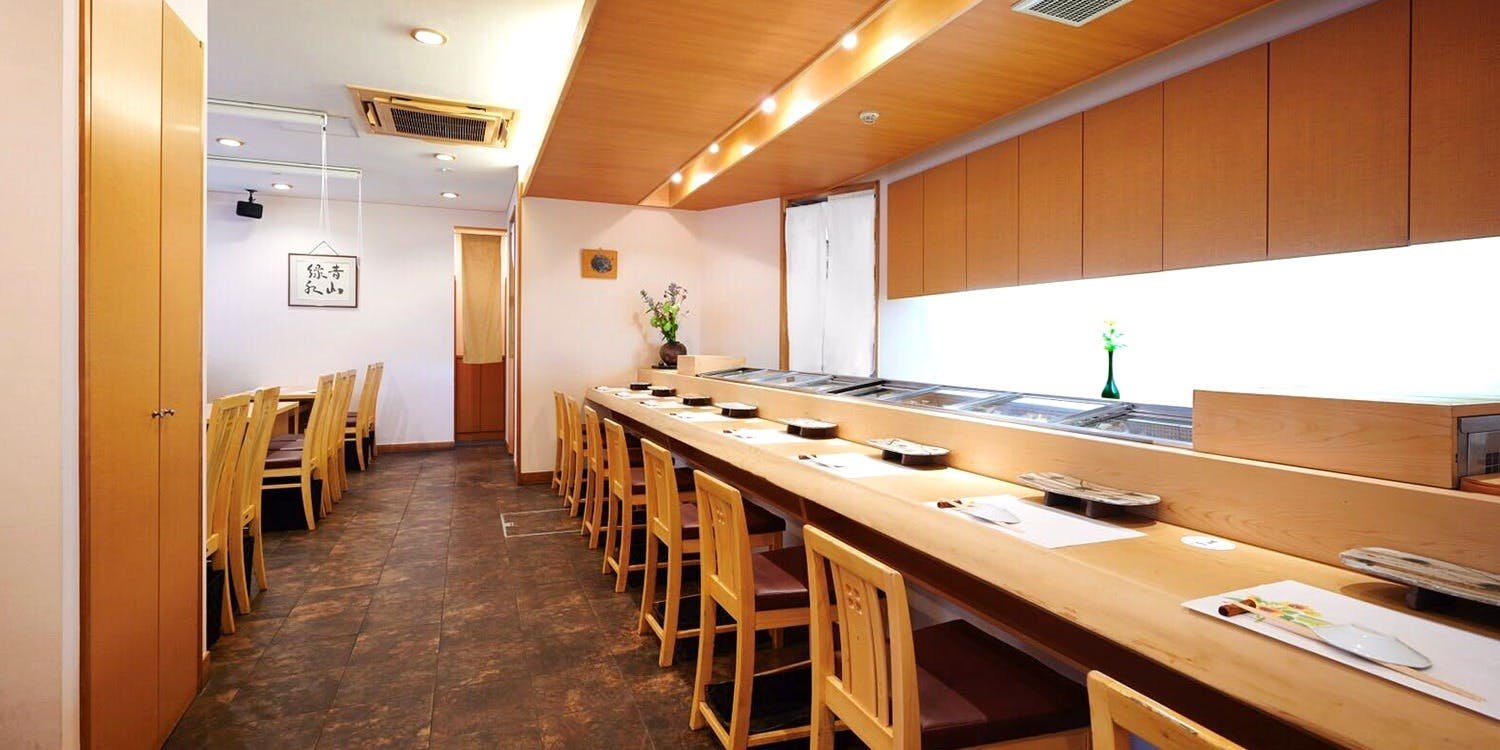
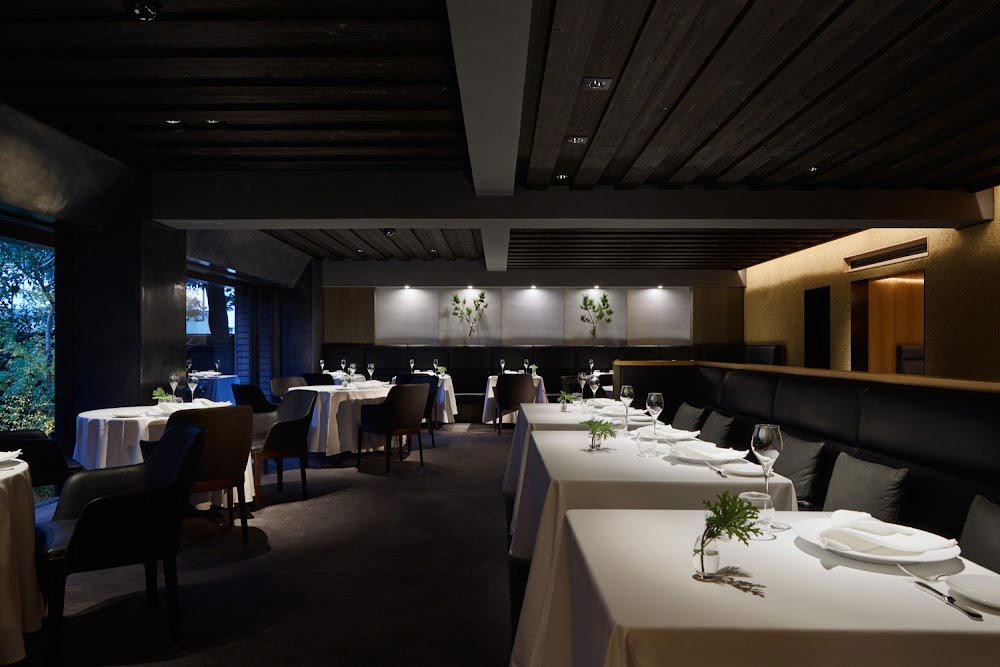
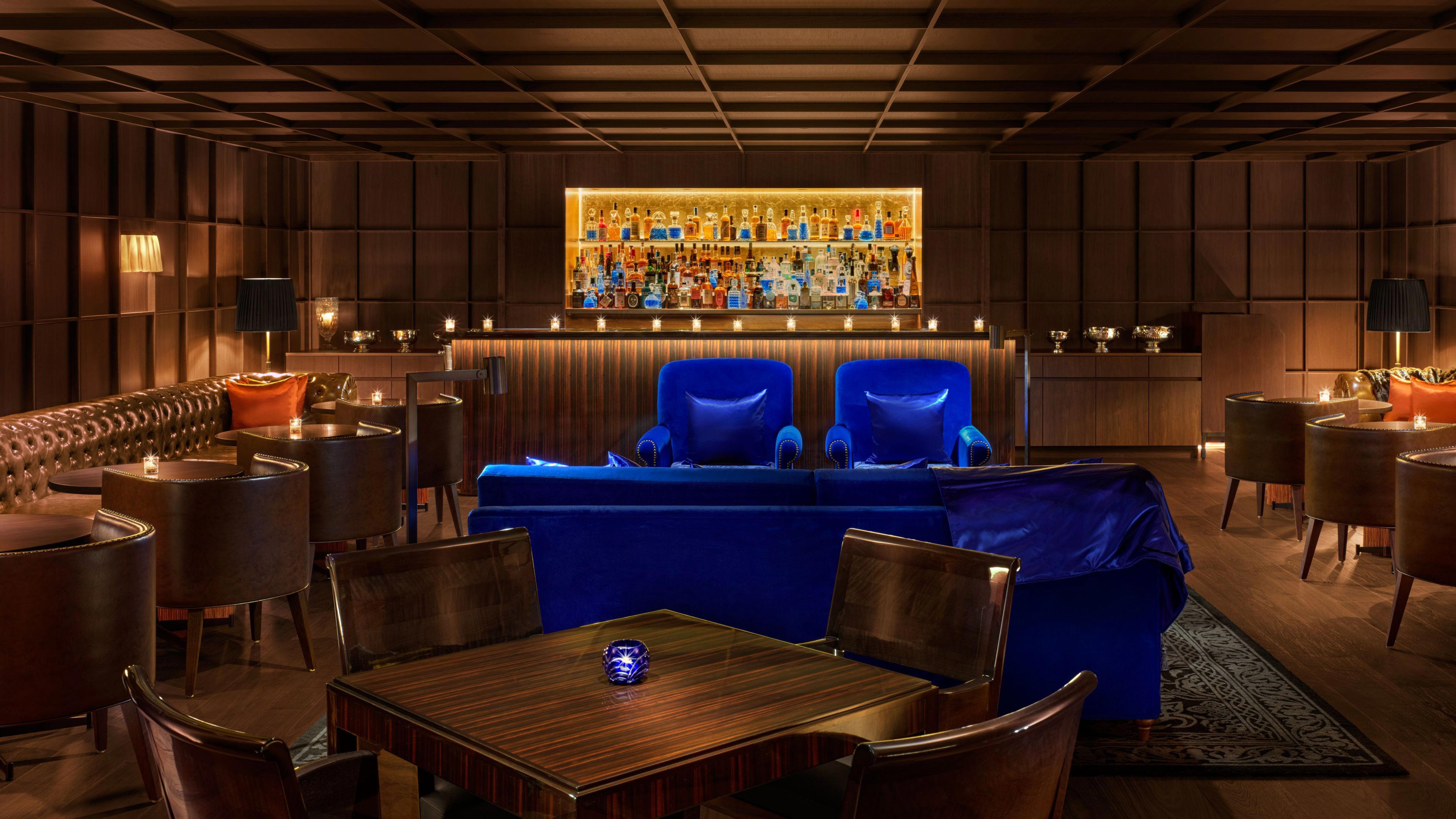
A small, house‑style restaurant with only 12 non‑smoking seats, simple and relaxed interiors, and a calm, unhurried atmosphere that feels like a cozy neighborhood hideaway rather than a formal dining room.