
Tabelog 100 #40
Our verdict
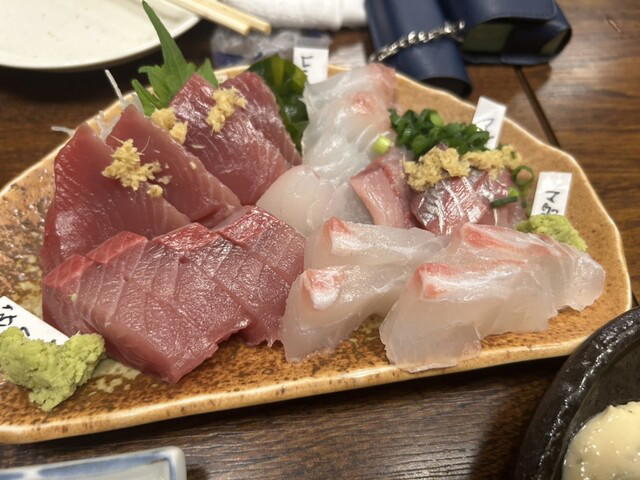
Funakko is a Higashi-Funabashi izakaya built around fish, sake, and the older Chiba habit of treating a neighborhood tavern as a serious dining address. Its Tabelog 100 Izakaya EAST selections in 2022, 2024, and 2025 place it in a sharper competitive bracket than the usual station-side drinking room, with sardines forming the clearest point of difference.

Pearl is the En Primeur Club membership app, where members save venues, book tables and use the concierge.
The menu
What to order
- Iwashi sashimi
- Iwashi sushi
- Iwashi no bakudan (sardine & mixed seafood natto dish)
- Sardine-based hot pots (ishiru tsumire nabe, Edo-mae nabe)
- Assorted sashimi platters
The approach to a serious local izakaya in Japan rarely announces itself with grand architecture. The cues are smaller: a Funabashi rhythm, the evening movement of diners, the promise of a tavern meal rather than a formal dining room. In Funabashi, that setting matters. Funabashi is not Tokyo pretending to be quieter; it is a Chiba city with its own appetite, tied to workday drinking, family tables, and the practical logic of local dining.
Funakko belongs to the branch of izakaya culture where focus does the heavy lifting. The listed identity brings together izakaya, regional cuisine, and a Japanese sake bar, giving the room a clearer point of view than a generic drinking stop. That emphasis fits Funabashi better than it would a polished urban tasting-menu room. The appeal is direct and grounded; it rewards consistency, handling, and repetition more than theatrical framing. A venue recognized in this category is making a clear editorial argument: the izakaya can be casual in format while serious about what it serves.
Sake-bar focus makes the case for Chiba izakaya cooking
Japan’s izakaya tradition is often misread from abroad as a catch-all category: snacks, drinks, and noise. The stronger rooms are more specific. Some lean into grilled food, some into regional cooking, some into Japanese sake, and some into a broader tavern repertoire. Here, the signal is the combination of izakaya cooking, regional cuisine, and sake-bar identity. That narrows the experience in a useful way. The meal is not about surveying every popular izakaya genre; it is about seeing how a focused local tavern can carry an evening when the kitchen and drinks program commit to a coherent style.
The Tabelog Hyakumeiten recognition in 2025 gives that commitment public weight. Tabelog’s Hyakumeiten lists matter in Japan because they pull attention away from luxury-only dining and toward categories that locals use heavily. Izakaya recognition is especially revealing: the field is crowded, prices vary widely, and service format alone does not explain a venue’s standing. In that context, Funakko’s 2025 listing, with a Tabelog score of 3.64 and dinner budget of JPY 4,000 - JPY 4,999, reads as evidence of standing within a competitive category.
Funabashi’s dining map also helps explain the appeal. The city has everyday international restaurants, bakeries, and casual counters, from Gandhi and Ayutthaya to other local dining rooms, cafes, and bakeries. Against that range, an izakaya and Japanese sake bar occupies a different role. It is not a quick lunch solution or a pastry stop; it is an evening room where the table can stretch, the drinking program has purpose, and the food has a focused enough identity to be memorable without needing luxury signals.
The room keeps the form democratic
The izakaya format is part of the argument. It suits solo diners, friends, colleagues, and groups who want an evening built around ordering, drinking, and conversation rather than a rigid tasting-menu sequence. That flexibility is central to the better neighborhood tavern: it can take a serious eater without becoming precious, and it can take a group without reducing the food to background fuel. The point is a shared local dining experience, not a sealed corporate dinner or a destination-only performance.
The drinking side follows the food rather than competing with it. Funakko is categorized as a Japanese sake bar as well as an izakaya, which makes the beverage identity part of the venue rather than an afterthought. Sake gives the table a broad set of textures without forcing the meal into Western pairing logic. This is where regional cooking and beverage culture meet. A focused izakaya earns its authority not only by preparing food well, but by making the drinking choices feel structurally connected to the meal.
Compared with other Funabashi casual rooms such as Sarnath, Motsuyaki Doppo Honmachi ten, Gandhi, or Ayutthaya, this sits in a more deliberate evening category. The distinction is not luxury. It is specialization. The city has plenty of meals built for speed or convenience; this one asks for a slower read of a local tavern format and the sake-bar identity that suits it.
How to place it in a Funabashi itinerary
For travelers using Funabashi as more than a transit point, this is the kind of venue that clarifies the city’s dining character. Tokyo absorbs much of the international attention, but cities around it often preserve the practical strength of Japanese eating: access, moderate spending, specialized kitchens, and rooms that serve locals before visitors. That is a different pleasure from destination fine dining, and often a more revealing one.
The listed dinner budget of JPY 4,000 - JPY 4,999 places Funakko in a useful middle ground: more intentional than a quick bite, but still within the everyday izakaya economy. The strongest fit is an evening meal for diners interested in Japanese tavern pacing, regional cooking, and sake rather than a formal fine-dining script. Read it as a Funabashi stop with a clear category identity, supported by its 2025 Hyakumeiten recognition.
Use the broader city guides to build around it: Our full Funabashi restaurants guide for nearby dining, Our full Funabashi hotels guide for where to stay, Our full Funabashi bars guide for drinks, Our full Funabashi wineries guide for wine-focused planning, and Our full Funabashi experiences guide for cultural context. For a wider Japan dining sweep, compare the format with other destination-specific pages across Japan and beyond, while keeping Funakko in mind as a Funabashi izakaya, regional-cuisine, and Japanese sake bar reference point.
Frequently asked questions
Would Funakko be comfortable with kids?
Funakko is an izakaya and Japanese sake bar in Funabashi, so it is best considered for diners comfortable with a tavern-style evening meal.
What's the vibe at Funakko?
This is a relaxed izakaya with a regional-cuisine identity and a Japanese sake bar focus. It earned a place in Tabelog Hyakumeiten in 2025, which fits a room positioned for a purposeful Funabashi evening.
What should I budget for a meal at Funakko?
Pricing at Funakko is listed as JPY 4,000 - JPY 4,999 for dinner.
When is Funakko open?
Current opening hours are not provided here; check directly with Funakko before visiting.
A Quick Peer Check
Comparable venues by cuisine and price in the same metro.
| Venue | Cuisine | Price | Awards | Notes |
|---|---|---|---|---|
| FunakkoThis venue (the venue you are viewing) | Sardine-focused Japanese Izakaya | $20–30 | Tabelog 100 #40 | Not listed |
| Sarnath | North Indian curry house | $10–20 | Tabelog 100 #35 | Miyamoto, Funabashi |
| Tomonomoto | Ramen shop | $10–20 | Tabelog 100 #46 | Higashi Kaijin |
| Akasaka Ajiichi | Classic niboshi ramen shop | $1–10 | Tabelog 100 #60 | / Funabashi |
| Shogetsu En | Traditional Yakiniku (Japanese BBQ) | $20–30 | Tabelog 100 #13 | Keisei Nishifuna |
| Teppanyaki Kuku | Teppanyaki & Wagyu Steakhouse | $50–100 | Tabelog 100 #75 | Nishi-Funabashi |
Recognition history
Dated appearances from independent guides and award organizations, with the underlying list record or original source where available.
Tabelog 100 #40 · No. 40
Tabelog · Tabelog 100 - Izakaya - EAST - 2025
Continue exploring
More in Funabashi
Restaurants in Funabashi
All restaurants in Funabashi →




Details
- Cozy
- Lively
- Classic
- After Work
- Casual Hangout
- Group Dining
- Solo
- Date Night
- Standalone
- Sake Program
- Beer Program
- Sustainable Seafood
- Local Sourcing
- A La Carte
- Small Plates
- Sake
- Beer
- Pescatarian Friendly
Current opening hours
- Monday
- Closed
- Tuesday
- 5–11 PM
- Wednesday
- 5–11 PM
- Thursday
- 5–11 PM
- Friday
- 5–11 PM
- Saturday
- 5–11 PM
- Sunday
- 5–11 PM
Hours can change for holidays and private events. Hours as of .
A relaxed neighborhood izakaya with a lived-in, port-town feel: close to the station, cozy and bustling at dinner, with walls and decor evoking a traditional seaside fish joint rather than a polished modern bar.