
Tabelog 100 #56
Our verdict
Gandhi places Indian curry inside Funabashi’s practical station-dining culture rather than the destination tasting-menu circuit. Its Tabelog 100 selections for Asian and ethnic cuisine in East Japan, plus a vegetable-conscious menu with vegetarian options, make it a useful address for travellers reading Chiba beyond sushi, ramen, and izakaya shorthand.

Pearl is the En Primeur Club membership app, where members save venues, book tables and use the concierge.
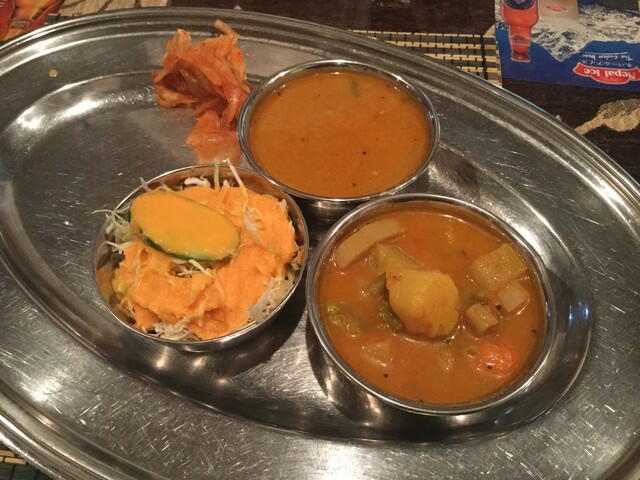
Around Funabashi, food moves fast, shaped by people who need a proper meal without making dinner an event. Curry fits: quick, generous, personal, and low on ceremony. Gandhi belongs to that practical city grammar, where the room matters less than the plate’s proposition: Indian curry with enough local confidence to earn recognition in Tabelog’s Hyakumeiten listings.
Funabashi is often read as a commuter city, but its dining map is more varied. The area holds everyday counters, casual restaurants, bakeries, and small drinking rooms. For the wider food scene, Our full Funabashi restaurants guide gives the frame; for stay, drinking, wine, and activity context, see Our full Funabashi hotels guide, Our full Funabashi bars guide, Our full Funabashi wineries guide, and Our full Funabashi experiences guide.
Indian curry in a city built for practical eating
Indian restaurants in Japanese suburbs and satellite cities often split between lunch-set specialists built for speed and curry houses that try to make the meal feel more complete. Gandhi sits comfortably inside that everyday field while keeping the price logic accessible. The listed category is straightforward, Indian and Indian curry, and that clarity matters in a market where curry can become a simple rice-or-naan calculation. Here, the appeal is less about spectacle than about a familiar format handled with enough consistency to stand out locally.
The restaurant’s recognition adds weight. Gandhi was selected in Tabelog’s Hyakumeiten-related listings in 2024. This is not a Michelin-style hierarchy and should not be read as one. It is, however, a strong public signal in Japan’s user-review ecosystem, especially for casual restaurants outside central Tokyo’s prestige circuit. A Tabelog score of 3.55 places it where local consistency, category strength, and regular diner approval do more work than design theatre.
Within Funabashi’s casual tier, the comparison is instructive. Ayutthaya gives the city another everyday reference point, while BHOYE CHHEN sits in a comparable casual field. Akasaka Ajiichi points to another side of the city’s dining ecosystem, and other Funabashi food stops show the area’s strength beyond formal restaurants. Gandhi’s case rests on Indian curry occupying the same daily-use territory while carrying enough identity to be more than a generic convenience meal.
Award recognition without the luxury posture
The interesting story is not simply that a Funabashi curry restaurant made a list; it is that Japan’s casual dining culture lets a small, low-priced room be judged seriously when the cooking has category authority. The budget band keeps Gandhi in weekday rather than special-occasion territory: dinner is listed at JPY 1,000 - JPY 1,999, with lunch up to JPY 999. That matters because curry’s Japanese life has always moved between comfort food, railway convenience, specialist spice culture, and immigrant cooking. A restaurant can be modest and still carry editorial weight if it clarifies one of those threads.
Gandhi’s format suits practical meals rather than ceremony. The draw is Indian curry at a price point that works for a quick lunch, a casual dinner, or a stop built around Funabashi rather than a destination-only plan. Those details make it a useful restaurant: for friends, solo diners, and city meals, not a hushed room where the table must behave around the cuisine. The centre of gravity remains curry and Indian cooking rather than a bar-led evening.
Travellers should keep the planning simple. The confirmed public listing places Gandhi in Funabashi, with phone contact listed as +81-47-424-5036. Rather than treating it as a high-design destination, read it as a dependable casual address whose reputation comes through category fit, price accessibility, and a documented Tabelog score. Its location in Funabashi makes it easy to fold into a Chiba-area day without building the entire itinerary around one meal.
Beyond Funabashi, Japan’s curry and Asian-dining conversation is broad enough to include many specialist rooms, casual counters, and everyday neighborhood formats. These are not necessarily peers in price or city; they show how wide the category becomes once Japanese diners and travellers treat casual Asian food with the seriousness once reserved for more formal counters. Gandhi belongs to that larger pattern while remaining firmly a Funabashi Indian curry restaurant.
How to place Gandhi on a Funabashi itinerary
This is not the restaurant for ceremony. Choose it when Funabashi is part of the day and the meal needs to be specific rather than generic. The editorial appeal lies in the overlap: low price, Tabelog Hyakumeiten recognition in 2024, Indian curry, and a profile that works for everyday dining. In a city where dining can default to speed, Gandhi gives the practical meal a clearer point of view.
Travellers building a wider Japan food itinerary can use it as a Chiba counterpoint to more destination-coded stops elsewhere: formal meals, seafood counters, cafe stops, or other casual rooms in larger cities. Gandhi’s value is quieter: it shows how a Funabashi curry shop can earn attention through category precision, accessible pricing, and reliability rather than spectacle.
Frequently asked questions
Is Gandhi a family-friendly restaurant?
Gandhi is best read as a casual Indian curry restaurant in Funabashi rather than a formal dining room. For specific access, seating, or child-related details, confirm directly with the restaurant before visiting.
Is Gandhi formal or casual?
Casual. Gandhi’s listed budget is dinner at JPY 1,000 - JPY 1,999 and lunch up to JPY 999, which keeps it firmly in everyday dining territory. It is closer to a reliable neighbourhood curry stop than a dress-up reservation.
Is Gandhi expensive?
Pricing at Gandhi is listed as JPY 1,000 - JPY 1,999 - JPY 999.
What are the operating hours at Gandhi?
Specific operating hours are not provided here. Check the latest listing or contact Gandhi directly before visiting.
Where exactly is Gandhi?
Funabashi.
What's Gandhi best at?
Gandhi is strongest as a modestly priced Indian curry restaurant in Funabashi, with Tabelog Hyakumeiten recognition in 2024 and a listed score of 3.55. The recognition matters here because it places an everyday Funabashi restaurant in a curated public-review context, not a luxury one.
At-a-Glance Comparison
Comparable venues by cuisine and price in the same metro.
| Venue | Cuisine | Price | Awards | Notes |
|---|---|---|---|---|
| GandhiThis venue (the venue you are viewing) | Indian Curry House | Not listed | Tabelog 100 #56 | Not listed |
| Sarnath | North Indian curry house | $10–20 | Tabelog 100 #35 | Miyamoto, Funabashi |
| Ayutthaya | Thai Restaurant | Not listed | Tabelog 100 #57 | Keisei Funabashi |
| La Bonta | Italian Trattoria | Not listed | Tabelog 100 #22 | Funabashi |
| Funakko | Sardine-focused Japanese Izakaya | $20–30 | Tabelog 100 #40 | Higashifunabashi |
| Akasaka Ajiichi | Classic niboshi ramen shop | $1–10 | Tabelog 100 #60 | / Funabashi |
Recognition history
Dated appearances from independent guides and award organizations, with the underlying list record or original source where available.
Tabelog 100 #56 · No. 56
Tabelog · Tabelog 100 - Asian cuisine / Ethnic cuisine - EAST - 2024
Continue exploring
More in Funabashi
Restaurants in Funabashi
All restaurants in Funabashi →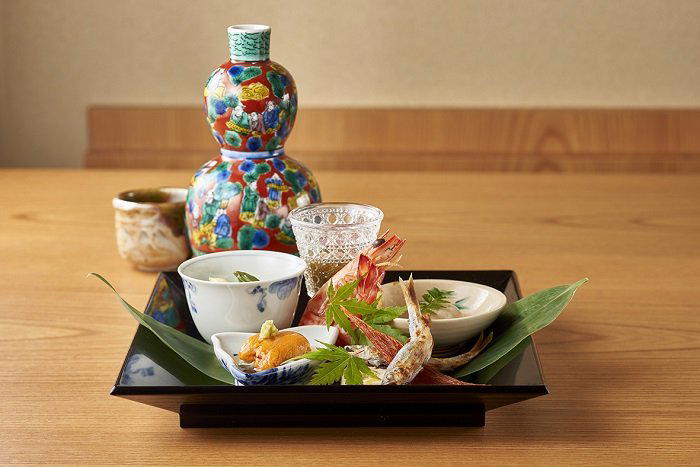






Details
- Cozy
- Classic
- Casual Hangout
- Family
- Solo
- Group Dining
- Standalone
- Beer Program
- Street Scene
- A La Carte
- Set Menu
- Beer
- Vegetarian Friendly
Current opening hours
- Monday
- Closed
- Tuesday
- 11 AM–2:30 PM, 5–9:30 PM
- Wednesday
- 11 AM–2:30 PM, 5–9:30 PM
- Thursday
- 11 AM–2:30 PM, 5–9:30 PM
- Friday
- 11 AM–2:30 PM, 5–9:30 PM
- Saturday
- 11 AM–2:30 PM, 5–9:30 PM
- Sunday
- 11 AM–2:30 PM, 5–9 PM
Hours can change for holidays and private events. Hours as of .
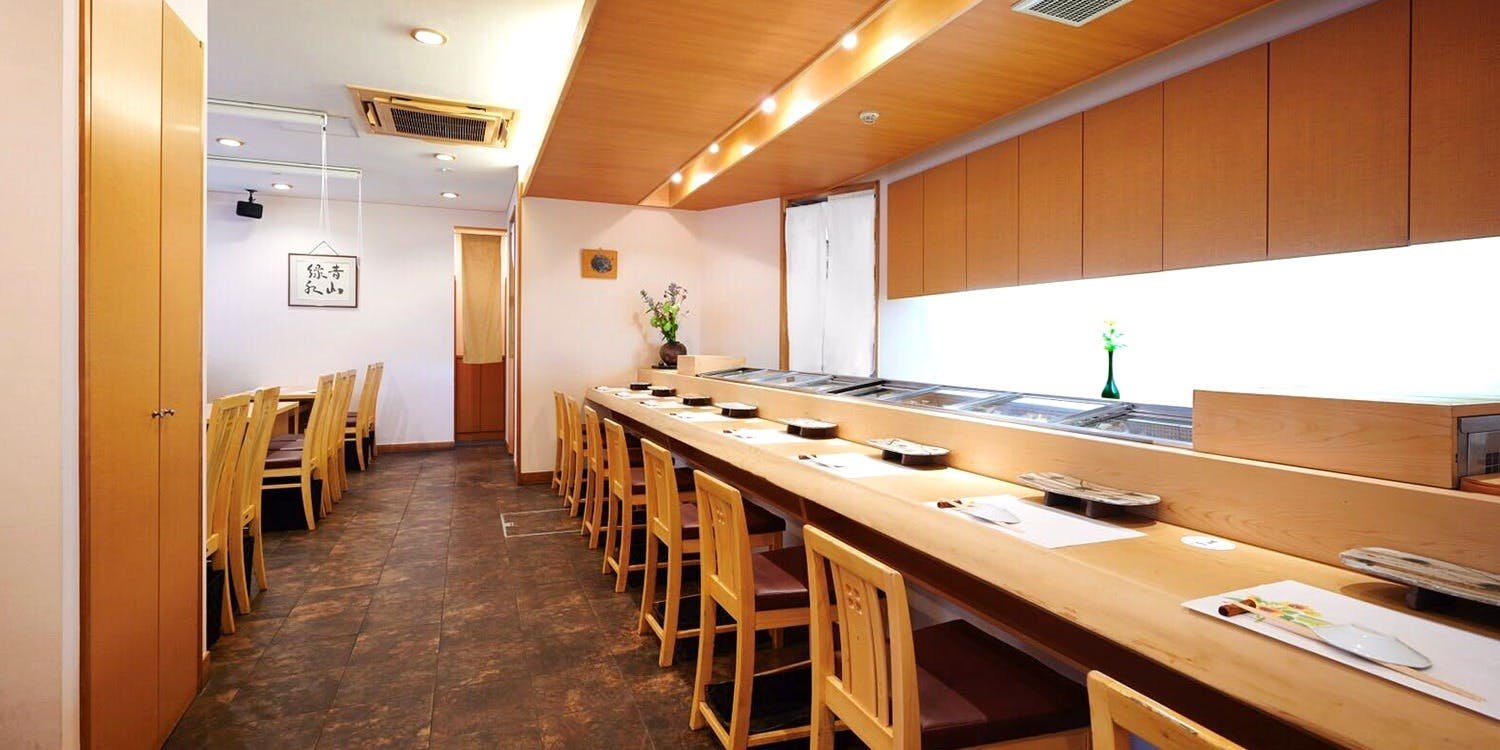
Casual, neighborhood-focused, and unpretentious, with a modest interior that feels more like a local curry stop than a destination dining room.