Santo Canto occupies a direct address in Jardim America, one of Dourados's established residential districts, placing it within a city that sits at the agricultural and commercial crossroads of Mato Grosso do Sul. The restaurant draws from a regional dining tradition that prizes unhurried meals and communal pacing. For travellers moving through Brazil's interior south, it represents a local reference point worth understanding before you arrive.
Pearl is the En Primeur Club membership app — saves, bookings, and concierge access live there. Same editors, same standards.
- Address
- R. Ponta Porã, 705 - Jardim America, Dourados - MS, 79824-130, Brazil
- Phone
- +5567998964878
- Website
- contate.me
- Directions
- Get directions
 Saves & bookings on Pearl
Dining in Brazil's Interior: The Rhythm of a Meal in Dourados
The dining ritual in Brazil's interior cities operates on a register quite different from São Paulo or Rio. Where D.O.M. in São Paulo or Lasai in Rio de Janeiro command attention through tasting-menu ceremony and metropolitan prestige, restaurants in cities like Dourados tend to anchor the meal in familiarity and time. Tables fill slowly. Courses are not rushed. The expectation is that you stay, that you talk, and that leaving early is mildly impolite. Santo Canto is a restaurant in Dourados, Brazil, serving Gourmet Hamburgers & Snacks at a walk-in-friendly, casual address in Jardim America.
Dourados itself is a city of roughly 230,000 people in the southern stretch of Mato Grosso do Sul, closer to the Paraguayan border than to Campo Grande, the state capital. It is an agricultural hub, shaped by soy and cattle production, and the local table reflects that. Meat is central, preparation tends toward the direct and generous, and the social architecture of a meal matters as much as what is on the plate. When a restaurant in this city earns consistent local patronage, it is usually because it respects that rhythm rather than disrupting it.
The Setting Along Rua Ponta Porã
Jardim America is a settled neighbourhood rather than a tourist district, and arriving at an address on Rua Ponta Porã means entering the kind of street that serves residents first. There is no spectacle in the approach. What you encounter is a place that has made itself useful to the people who live nearby, which in interior Brazil is a more durable credential than any accolade from outside. The address and neighbourhood place it within a familiar category of Brazilian neighbourhood restaurants: rooms designed for practicality and comfort over visual drama, where the ambient noise is conversation rather than curated sound.
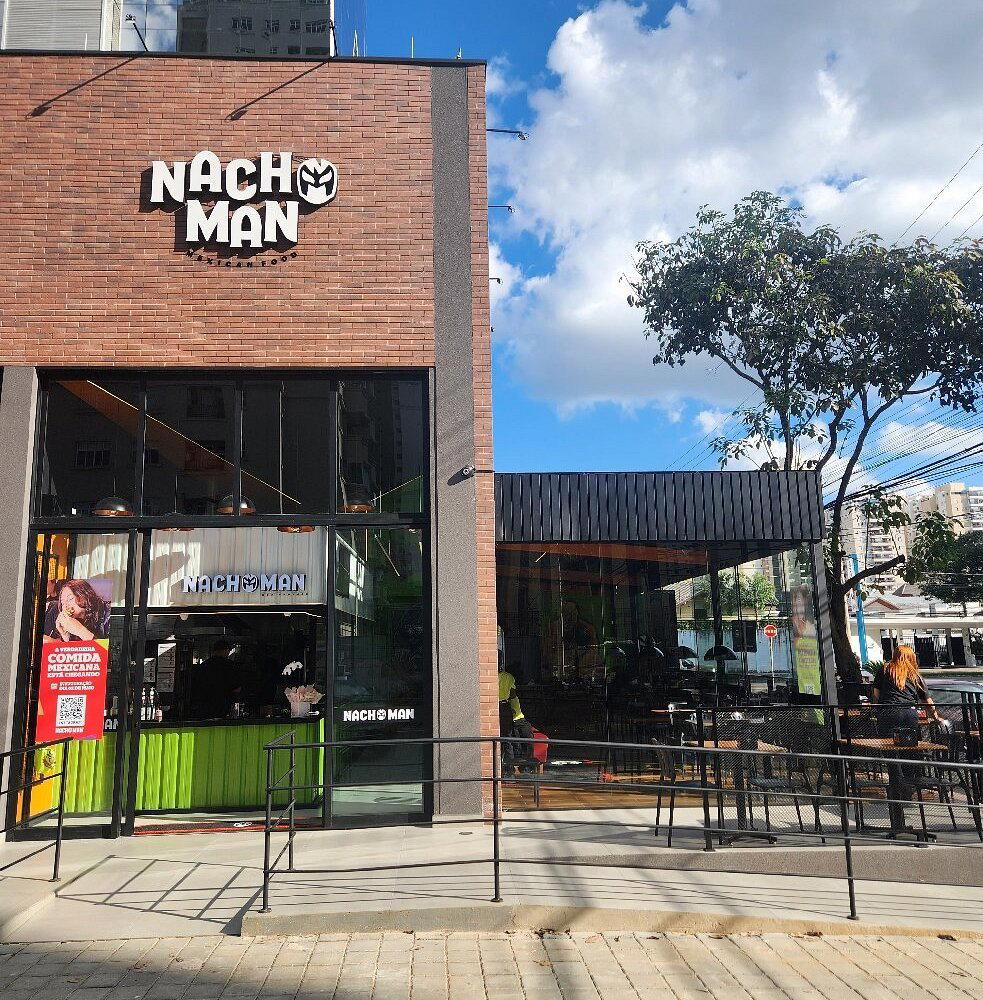
In comparison, some of Dourados's other dining options pursue different formats. Nacho Man Dourados occupies a more casual, street-facing register, while Utida Sushi positions itself within the city's smaller Japanese-Brazilian dining tradition, a heritage that runs deep across Mato Grosso do Sul. Casa da Flor Restaurante represents another point in the local spectrum. Together, these places sketch a city where dining options are more varied than the city's size might initially suggest.
The Custom of the Meal Here
Across Brazil's interior south, the midday meal carries a cultural weight that dinner rarely matches. Lunch is the main event, the hour when businesses slow, tables fill, and the rhythm of service extends well past what a northern European or North American diner might expect. A two-hour lunch is not an anomaly here; it is the baseline. The pacing of courses, the presence of rice, beans, and some form of grilled protein as structural constants, and the habit of ordering more rather than less, all define what sitting down to eat in a city like Dourados actually means in practice.
This broader pattern, shared across restaurants from Cantina Pozzobon in Santa Maria to Bistro Fitz Carraldo in Manaus, reflects a national hospitality logic in which the table is not a transaction but an occasion. The neighbourhood context and city character suggest a broadly traditional Brazilian format.
For reference, restaurants operating in similar interior-city positions across Brazil, from Casa da Dika Restô e Eventos in Bragança to Casa da Picanha Penedo in Itatiaia, tend to anchor their offer in grilled meats, regional sides, and service formats calibrated for groups rather than couples dining alone. That communal architecture is part of how the ritual functions: the table is set for sharing, in both the physical and social sense.
How Santo Canto Sits in a Wider Brazilian Context
Brazil's dining culture outside the major metropolitan centres rarely appears in international food coverage, which defaults to São Paulo tasting menus and Rio's seafront churrascarias. But the interior cities, Dourados among them, sustain a parallel dining tradition that operates by different standards of success. A full room at lunch, regulars who return weekly, a kitchen that maintains consistency across years, these are the measures that matter. Compared to, say, Le Bernardin in New York City or Atomix in New York City, which operate in a global prestige economy defined by critical recognition and international media, a restaurant on Rua Ponta Porã in Dourados is playing an entirely different game, and judging it by the same criteria would miss the point.
Other Brazilian restaurants in smaller or mid-sized cities, including Madê in Santos, Famosa Pizza in Ribeirão Preto, Fornazzo Pizzaria in Passo Fundo, Kampeki Sushi in Canoas, and Aero Burguer e Grill in Santa Cruz do Sul, each occupy their local market on comparable terms: depth of community trust, consistency over time, and a format that makes sense for their city's social calendar. Arte e Café Imperial - Matriz in Angra dos Reis offers a further coastal counterpoint to this interior pattern.
Planning Your Visit
Santo Canto is walk-in friendly, open Tuesday through Sunday, and closed on Monday; the dining room keeps a casual rhythm shaped by the neighbourhood. Arriving during the early part of service is a strong way to find a table comfortably. If you are traveling through Mato Grosso do Sul, a lunch stop here offers a direct look at local dining habits.
Cuisine-First Comparison
Comparable venues nearby, for context on price, style, and recognition.
| Venue | Cuisine | Price | Notes |
|---|---|---|---|
| Santo CantoThis venue — the venue you are viewing | Gourmet Hamburgers & Snacks | $$ | Not listed |
| Casa da Flor Restaurante | Brazilian Pizza & Grill | $$ | Avenida Guaicurus Km 8 |
| Utida Sushi | Premium Japanese Sushi Bar | $$$ | Centro |
| Nacho Man Dourados | Mexican Fast-Casual | $$ | Jardim Caramuru |
| Lobby Café | Brazilian Café | $$ | Not listed |
| Burgerz | Handmade American Burgers | $$ | Centro |
Continue exploring
More in Dourados
Restaurants in Dourados
Browse all →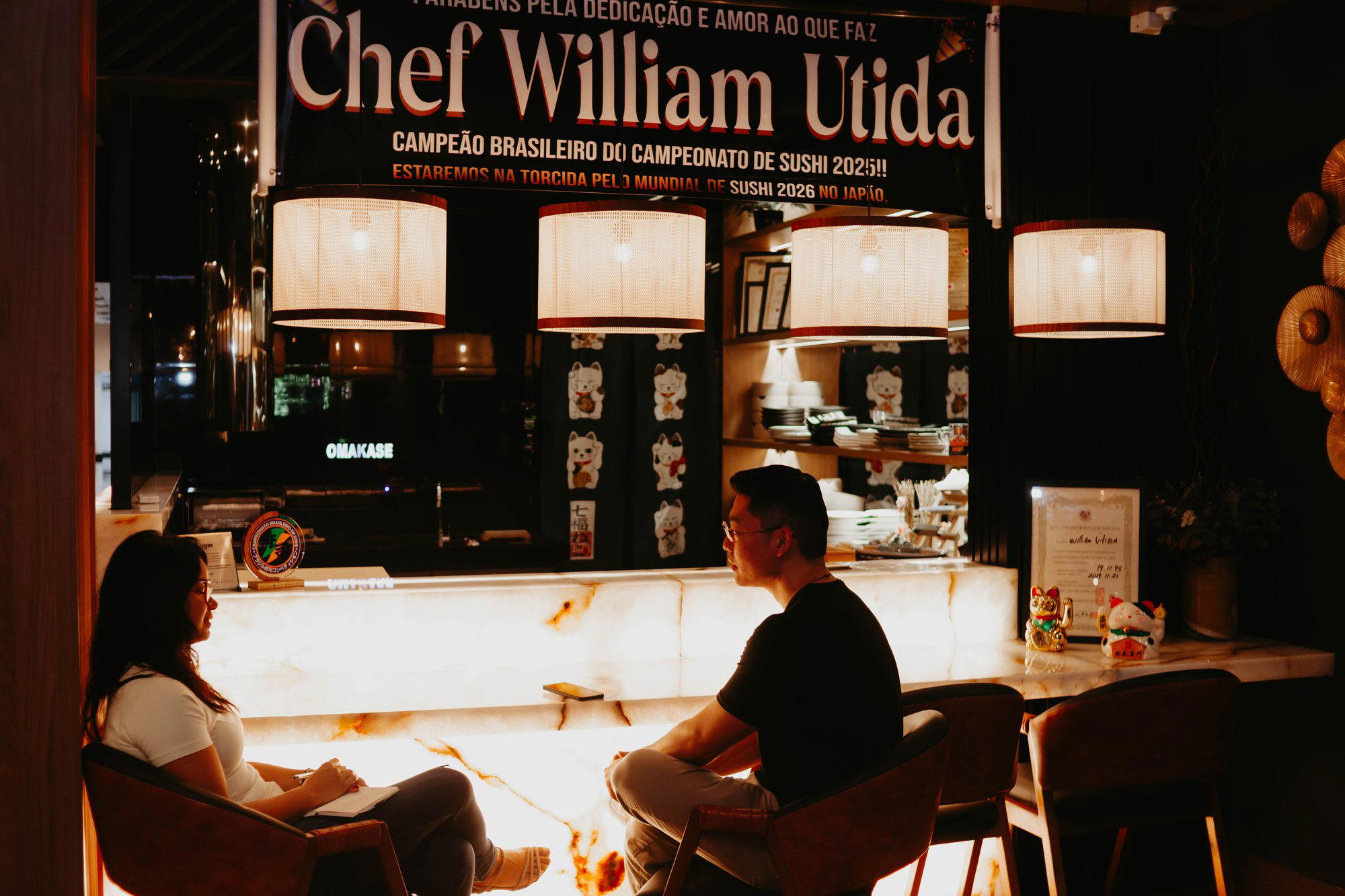
At a Glance
- Lively
- Cozy
- Casual Hangout
- Group Dining
- After Work
- Standalone
Current opening hours
- Monday
- Closed
- Tuesday
- 5:30–11 PM
- Wednesday
- 5:30–11 PM
- Thursday
- 5:30–11 PM
- Friday
- 5:30–11:30 PM
- Saturday
- 12–2:30 AM, 5:30–11:30 PM
- Sunday
- 12–2:30 AM, 5:30–11 PM
Hours can change for holidays and private events. Last verified .
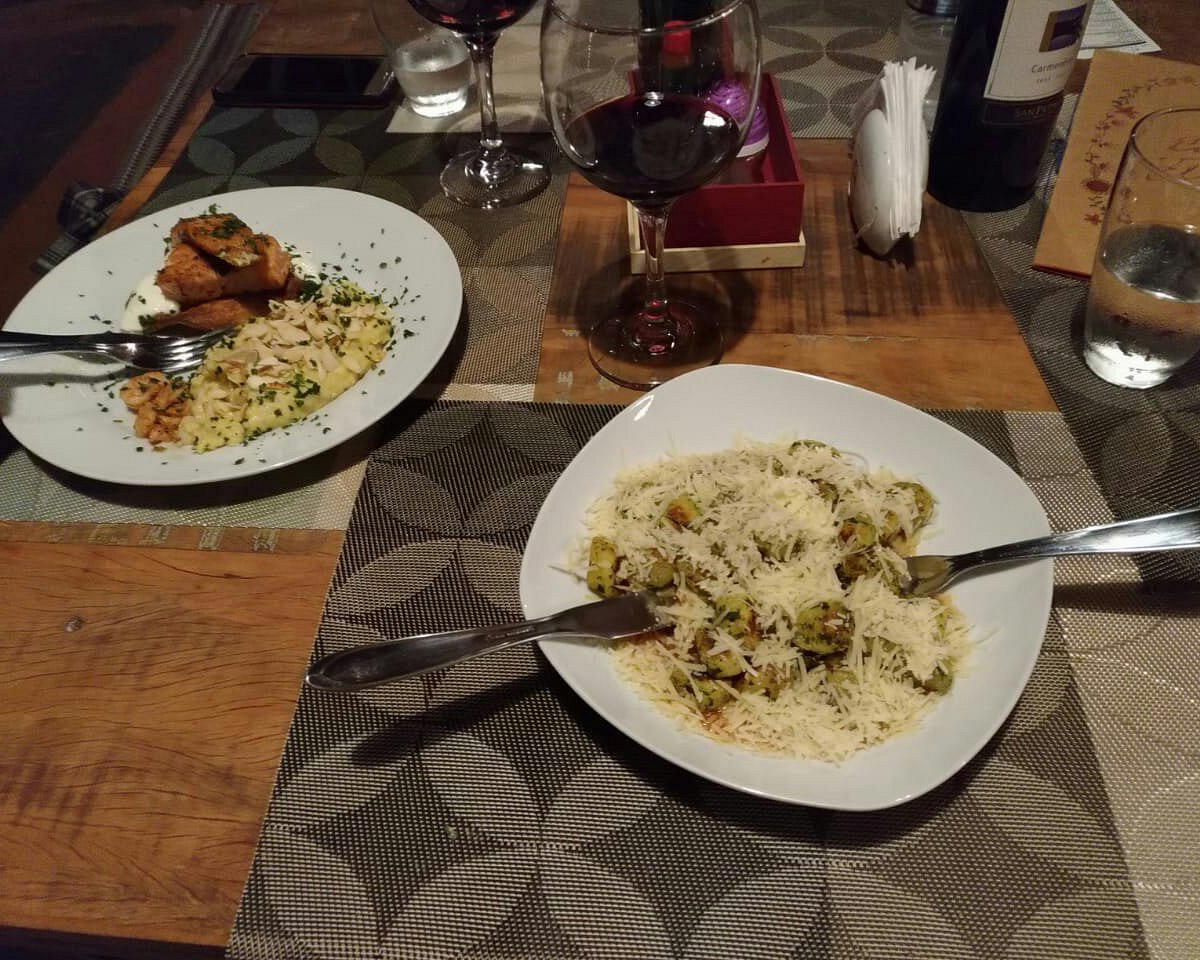
Comfortable and inviting casual dining space with pleasant lighting and friendly service atmosphere.