Our verdict
Utida Sushi occupies a Centro address on Rua Maj. Capilé in Dourados, Mato Grosso do Sul, placing Japanese culinary tradition inside one of Brazil's most agriculture-driven frontier cities. The restaurant represents a dining category that has quietly spread across Brazil's interior, where nikkei (Japanese-Brazilian) communities built some of the country's most committed sushi culture far from the coastal spotlight.

Pearl is the En Primeur Club membership app, where members save venues, book tables and use the concierge.
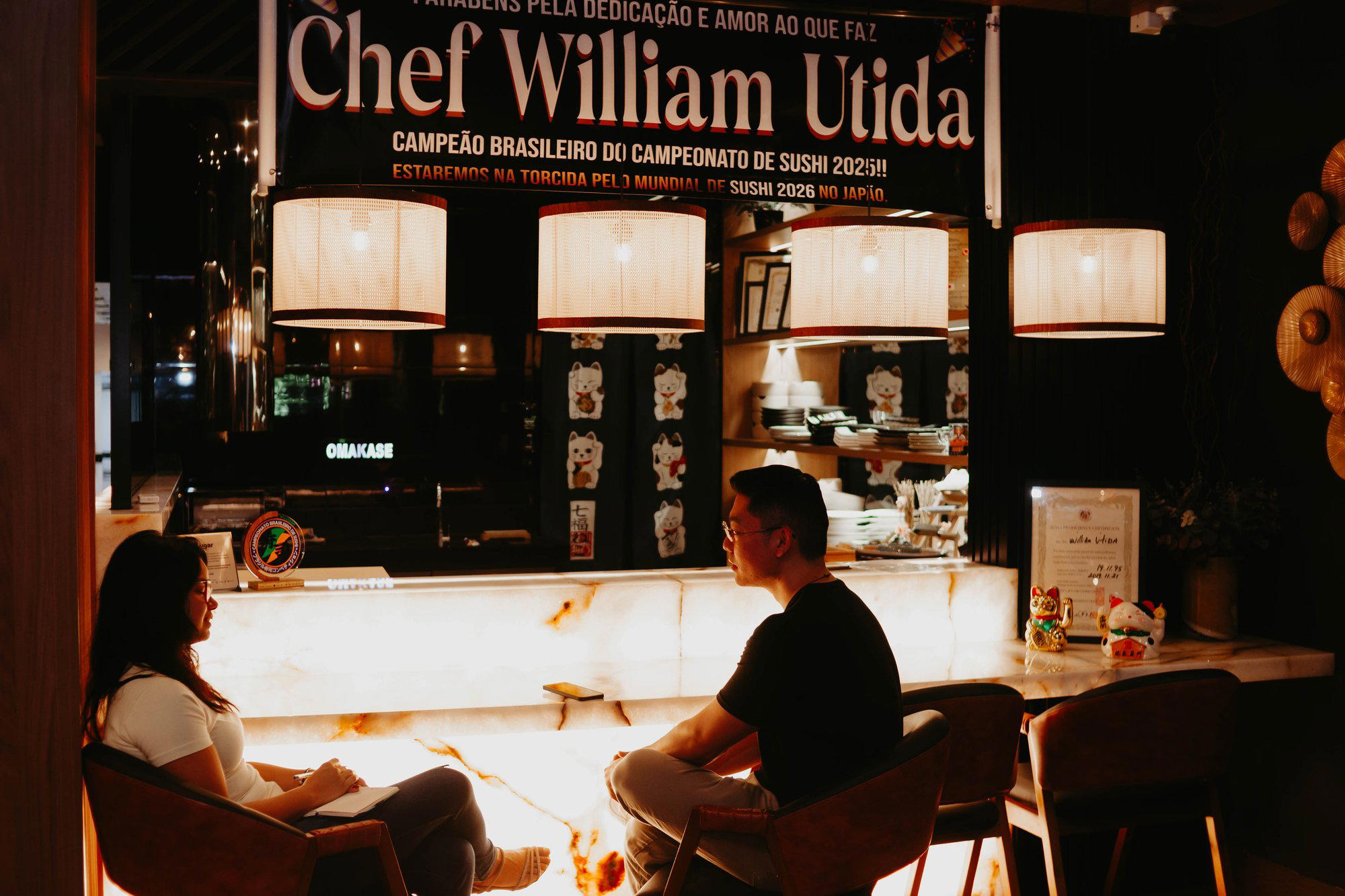
Japanese Culinary Tradition in Brazil's Agricultural Interior
Brazil holds the largest Japanese diaspora outside Japan, and its influence on the country's food culture runs far deeper than the well-documented São Paulo restaurant circuit. While names like D.O.M. in São Paulo and Lasai in Rio de Janeiro draw international attention, the more enduring expression of nikkei food culture often plays out in smaller cities across Paraná, Mato Grosso, and Mato Grosso do Sul, states where Japanese agricultural settlers arrived in the early twentieth century and, over generations, shaped local food habits permanently. Dourados sits squarely in that tradition.
Mato Grosso do Sul is soy and cattle country, one of Brazil's most productive agricultural states, and Dourados is its second-largest city. The regional economy runs on commodity exports, not tourism, which gives the city's dining scene a different character from coastal or university-driven restaurant markets. Restaurants here serve a working, rooted population, and the Japanese food culture that took hold across this part of Brazil was never imported as a lifestyle trend, it arrived with families, persisted through generations, and became genuinely local. That context matters when assessing where a venue like Utida Sushi fits inside the broader national picture.
Where Utida Sushi Sits in Dourados's Dining Scene
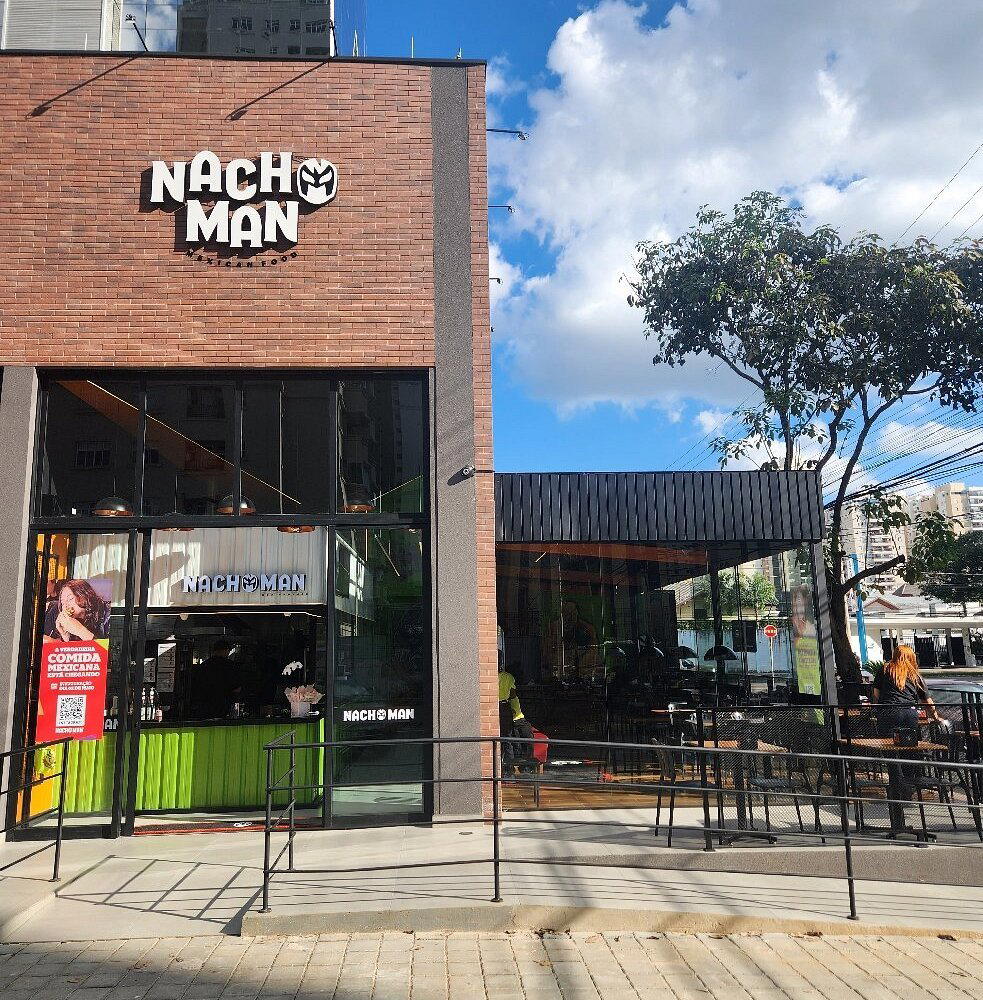
Dourados supports a range of dining styles across its Centro district. Casa da Flor Restaurante covers the Brazilian home-cooking register, while Nacho Man Dourados and Santo Canto address more casual, social formats. Japanese food occupies a distinct position in this mix: it carries both everyday and occasion-dining weight for locals, because nikkei culture has been present in the region long enough to be neither exotic nor novelty. Utida Sushi's address on Rua Maj. Capilé places it in the commercial heart of the city, consistent with how established local restaurants position themselves in Mato Grosso do Sul's interior cities, accessible by car, central, and oriented toward a regular local clientele rather than passing visitors.
Across Brazil's interior sushi scene, the format tends to differ from what you'd find in a Paulistano omakase counter. Portion-driven, often rodízio-style service and generous rolls reflecting Brazilian palate adaptations, cream cheese, tropical fruits, tempura-heavy combinations, have become standard in cities like Dourados, Cascavel, and Campo Grande. This isn't a dilution of the form; it's a genuine regional evolution that developed in parallel with the stricter Japanese traditions maintained in São Paulo's Liberdade district. For comparison, purpose-built Japanese-Brazilian sushi houses in similar interior markets tend to read differently from coastal counterparts, they prize volume, familiarity, and community comfort over minimalist precision. Kampeki Sushi in Canoas represents a similar dynamic in the South, where Japanese-Brazilian communities shaped a distinct local interpretation of the cuisine.
The Nikkei Food Tradition That Produced This Category
Understanding a sushi restaurant in Dourados requires some knowledge of how Japanese food culture migrated inland. The first wave of Japanese immigration to Brazil began in 1908, concentrated initially in São Paulo state's coffee farms. As agricultural frontiers expanded westward through the mid-twentieth century, Japanese-Brazilian families moved with them, establishing communities across what is now Mato Grosso do Sul. These communities brought food practices that, over decades, hybridized with local Brazilian ingredients and habits, producing the nikkei culinary tradition, a form distinct enough to be recognized as its own category within Brazilian gastronomy, not merely transplanted Japanese food.
The result is that sushi culture in Brazilian interior cities carries cultural weight that precedes the global sushi boom of the 1990s and 2000s. It was already local by then. This historical grounding separates a venue like Utida Sushi from the sushi bars that opened across Brazil's smaller cities during the 2010s franchise wave, venues that arrived as part of a national commercial trend rather than as extensions of a community tradition. Brazil's dining boom produced dozens of sushi formats across the country, from premium omakase in São Paulo's Jardins neighborhood to delivery-focused operations in mid-sized cities, but the community-rooted model that developed in agricultural states like Mato Grosso do Sul has its own distinct character.
For additional context on how Japanese food culture has dispersed across Brazil's geography, the comparison is worth drawing to venues in other regions: Bistro Fitz Carraldo in Manaus illustrates how distinct regional food identities develop in Brazil's interior cities, while Madê in Santos shows the coastal counterpart. The contrast between these geographic nodes and Dourados's landlocked, agriculture-driven context makes the interior sushi tradition all the more striking.
Arriving and Planning a Visit
Utida Sushi operates from R. Maj. Capilé, 2598, in Dourados's Centro district, at the postal code 79805-011. Dourados is reached most practically by car or bus from Campo Grande, the state capital, approximately 230 kilometres to the north, with regular coach connections between the two cities. The Centro location is walkable from the main commercial areas of the city. For a broader picture of where Utida Sushi fits among the city's restaurant options, the full Dourados restaurants guide maps the dining scene across categories and neighbourhoods.
Those planning a longer route through Brazil's interior restaurant circuit might cross-reference options in adjacent regions: Cantina Pozzobon in Santa Maria and Fornazzo Pizzaria in Passo Fundo illustrate the Italian-Brazilian food heritage that anchors the south, while Casa da Dika Restô e Eventos in Bragança and Arte e Café Imperial in Angra dos Reis show how regional food identities vary dramatically across Brazil's states. Aero Burguer e Grill in Santa Cruz do Sul, Famosa Pizza in Ribeirão Preto, and Casa da Picanha Penedo in Itatiaia extend that regional picture further. For readers oriented toward the highest-precision end of the Japanese dining spectrum, Le Bernardin in New York City and Atomix in New York City offer a useful point of reference for what the global fine-dining ceiling looks like in this broader culinary family, a contrast that sharpens appreciation for how differently the same culinary tradition can express itself across geographies and communities.
Frequently asked questions
Where exactly is Utida Sushi?
Utida Sushi is located at R. Maj. Capilé, 2598 - Centro, Dourados - MS, 79805-011, Brazil, Dourados.
What is the signature dish at Utida Sushi?
No specific menu details are published for Utida Sushi at R. Maj. Capilé, 2598 in Dourados. Brazilian sushi restaurants shaped by the Nikkei tradition typically anchor their menus around nigiri and temaki, often adapted with local Brazilian ingredients, a pattern common across Mato Grosso do Sul's Japanese-Brazilian dining scene. Visiting directly will give the clearest picture of what the kitchen leads with.
Do I need a reservation for Utida Sushi?
No booking contact or reservation policy is currently listed for Utida Sushi in Dourados. Given the restaurant's location in Centro at R. Maj. Capilé, 2598, arriving during off-peak hours, mid-afternoon or early evening on weekdays, is a practical approach until confirmed contact details become available.
Is Utida Sushi in Dourados a good option for Japanese food in Mato Grosso do Sul's interior?
Dourados has one of the more substantial Japanese-Brazilian communities in Mato Grosso do Sul, a legacy of early-twentieth-century agricultural migration that established sushi and Japanese home cooking well before either became mainstream in Brazil's interior cities. Utida Sushi, operating from Centro, sits within that longer local tradition rather than as an isolated novelty. For travellers passing through the region, it represents a category of Japanese-Brazilian cuisine that differs noticeably from the metropolitan São Paulo version.
Price and Recognition
Comparable venues nearby, for context on price, style, and recognition.
| Venue | Cuisine | Price | Notes |
|---|---|---|---|
| Utida SushiThis venue (the venue you are viewing) | Premium Japanese Sushi Bar | Not listed | Not listed |
| Nacho Man Dourados | Mexican Fast-Casual | $1–10 | Jardim Caramuru, Mexican Fast-Casual |
| Santo Canto | Gourmet Hamburgers & Snacks | $10–20 | Jardim America, Gourmet Hamburgers & Snacks |
| Casa da Flor Restaurante | Brazilian Pizza & Grill | $20–30 | Avenida Guaicurus Km 8, Brazilian Pizza & Grill |
| Charco | Not listed | Not listed | Jardim Paulista, Modern Brazilian with South American and Asian influences |
| Lobby Café | Brazilian Café | $10–20 | Not listed |
Continue exploring
More in Dourados
Details
- Elegant
- Sophisticated
- Date Night
- Special Occasion
- Sake Program
- A La Carte
- Omakase
- Vegetarian Friendly
Current opening hours
- Monday
- Closed
- Tuesday
- 6–10 PM
- Wednesday
- 6–10 PM
- Thursday
- 6–10 PM
- Friday
- 6–10 PM
- Saturday
- 6–10 PM
- Sunday
- 6–10 PM
Hours can change for holidays and private events. Hours as of .
Elegant and welcoming atmosphere focused on culinary excellence and memorable Japanese dining experiences.