
A Michelin Plate-recognised Japanese restaurant on Amalienstraße in Munich's Maxvorstadt district, sansaro offers sushi, sashimi, an omakase option, and a five-course 'Journey to Japan' set menu with drink pairings. The minimalist interior and verdant inner courtyard terrace are matched by a serious sake and Japanese whisky list, making it one of the more considered Japanese dining addresses in the city.
Pearl is the En Primeur Club membership app — saves, bookings, and concierge access live there. Same editors, same standards.
- Address
- Amalienstraße 89, 80799 München, Germany
- Phone
- +49 89 28808442
- Website
- sushiya.de
- Directions
- Get directions
 Saves & bookings on Pearl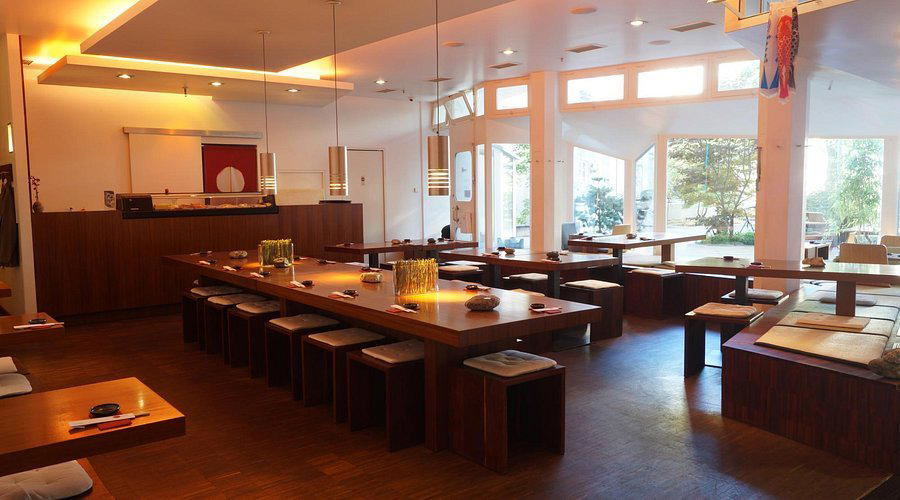
Japanese Dining in Munich: Where the Ritual Matters
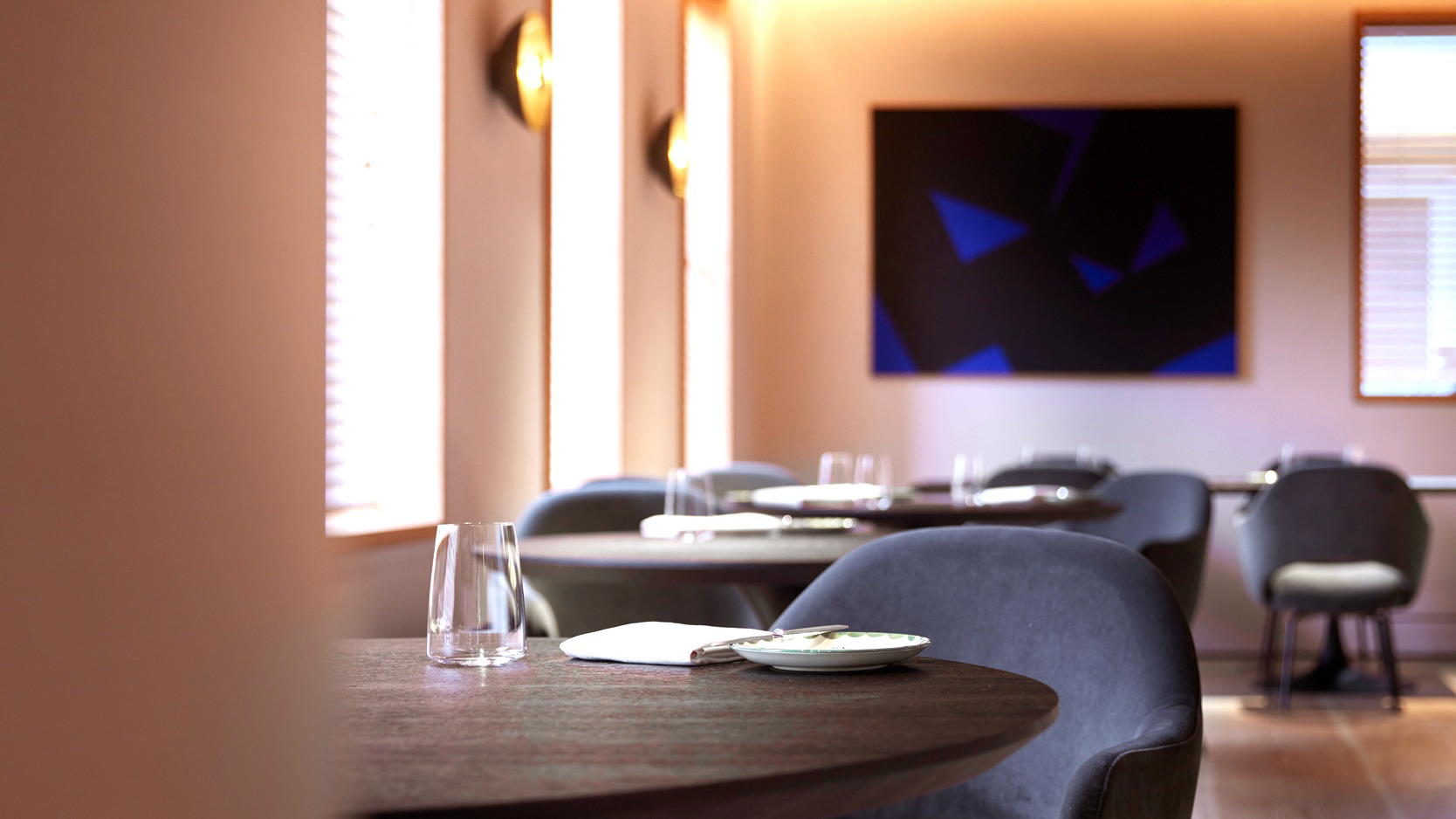
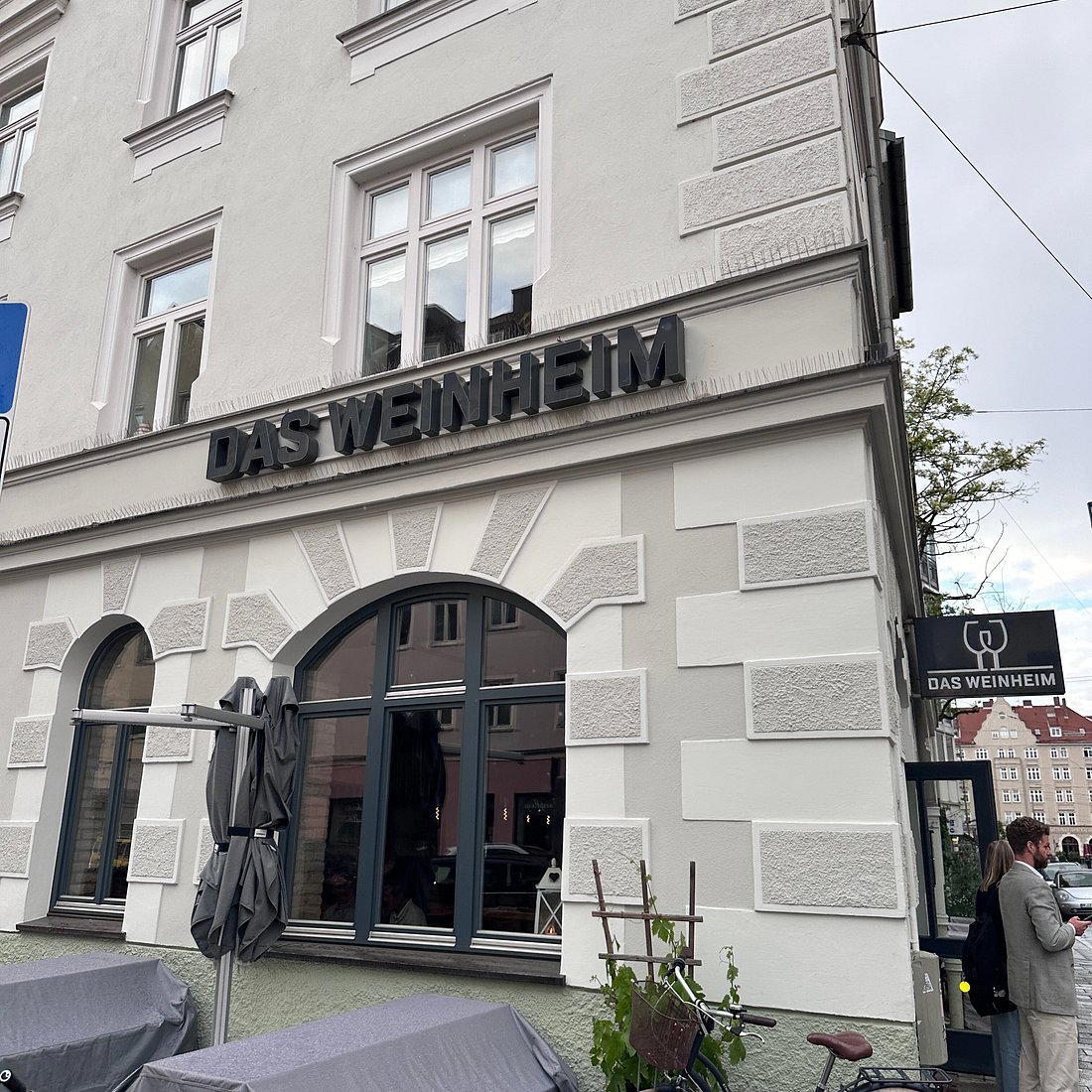
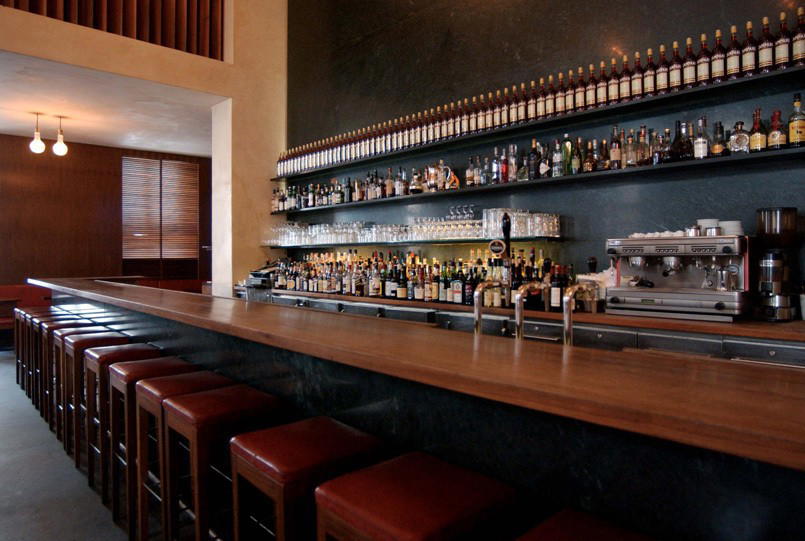
Sansaro is a Japanese restaurant in Munich serving modern Japanese sushi and omakase, with a Michelin Plate in 2024 and an average spend of about €50 per person. On Amalienstraße, in the bookish, gallery-dense stretch of Maxvorstadt that runs north toward the university, sansaro occupies a physical space that signals its intentions clearly: a minimalist interior stripped of ornament, and a verdant inner courtyard terrace that functions as one of the more quietly composed outdoor dining rooms in this part of the city. Before a dish arrives, the environment is already doing editorial work.
That physical restraint is not incidental. Across the spectrum of serious Japanese dining, from Tokyo's tightly formatted omakase counters (see Myojaku and Azabu Kadowaki for reference points at the high end) to the neighbourhood-level kaiseki restaurants that prioritise seasonal rhythm over spectacle, the physical environment functions as a frame for attention. A room with too much noise, too much colour, or too much furniture competes with the food. Sansaro's interior removes that competition.
The Structure of the Meal
Japanese dining, at its most considered, is built around pacing and sequence rather than abundance. The menu at sansaro reflects that orientation. Sushi and sashimi are available both à la carte and in omakase format, the latter placing the sequence and selection in the kitchen's hands, a format that rewards trust and punishes impatience. Alongside this, the restaurant offers a five-course set menu with drink pairings, named 'Journey to Japan', which imposes a deliberate arc on the meal: each course arrives as part of a choreographed progression, not as a series of independent choices.
That structure matters more than it might initially appear. At Munich's upper tier of fine dining, where venues like Tantris and Alois - Dallmayr Fine Dining operate at the €€€€ price point with tasting menus as the dominant format, sansaro sits at a €€ price range, making its set menu format an accessible entry point to structured, intention-driven dining. The 'Journey to Japan' pairing format also points to a drinks program that takes its role in the meal seriously, with sake and Japanese whisky given space on the list rather than treated as afterthoughts to a wine-centric cellar.
Menu Navigation and the Role of Explanation
One structural detail in the sansaro menu deserves particular attention: the short explanations accompanying dishes. In a category where menus often assume familiarity with Japanese culinary terminology, this is a practical and pedagogically honest approach. It acknowledges that most Munich diners are not arriving with deep knowledge of, say, the distinctions between nigiri preparation styles or the aging protocols that differentiate one fish cut from another. The annotations do not condescend; they orient.
This is a different approach from venues like Tohru in der Schreiberei, which operates at the intersection of German and Japanese culinary traditions at the €€€€ tier and assumes a guest who has already committed to full-format tasting. Sansaro's à la carte option, supported by menu explanations, allows a first-time visitor to build familiarity with the format before graduating to omakase on a return visit. That is a considered arc for building a restaurant's regular audience.
Sake, Japanese Whisky, and the Drinks Program
Serious sake lists remain relatively rare in German cities. The conventions of European restaurant culture still default to wine as the primary accompaniment to food, even at restaurants where wine is not a natural pairing. At sansaro, the drinks list extends to a selection of sake and Japanese whiskies of note, which aligns the beverage program with the food's country of origin rather than defaulting to the easier, more commercially familiar European wine route.
Sake pairing with a structured set menu is a fundamentally different experience from wine pairing: the flavour bridges are different, the service temperatures vary more dramatically, and the stylistic range within sake (from delicate junmai daiginjo to richer, more textured styles) demands a level of curation that a serious program must apply. The presence of Japanese whisky on the list adds a further dimension for post-meal drinking or for guests who prefer spirits as a meal accompaniment. For context on how Munich's bar scene approaches Japanese spirits more broadly,
Sansaro in Munich's Wider Dining Context
Munich's fine dining map is dominated by French-influenced and German-influenced kitchens. The city holds multiple restaurants at the €€€€ tier with Michelin recognition, JAN for creative contemporary, Tantris for modern French, Alois - Dallmayr Fine Dining for creative cuisine, but the Japanese dining tier has fewer entries at serious quality levels. JAPATAPA TOSHIBAR represents the Japanese-Spanish crossover end of that spectrum; sansaro sits in the more traditional Japanese format category.
For Germany's broader Michelin-starred restaurant context, the country's leading tables include Schwarzwaldstube in Baiersbronn, Aqua in Wolfsburg, Vendôme in Bergisch Gladbach, ES:SENZ in Grassau, Restaurant Haerlin in Hamburg, and CODA Dessert Dining in Berlin, a reference set that illustrates the ambition level across German fine dining more broadly. Sansaro received a Michelin Plate in 2024.
5 from 816 ratings is a meaningful signal at this volume:
Planning a Visit
Sansaro is located at Amalienstraße 89, in Maxvorstadt, a walkable distance from the main university buildings and the Pinakothek museum cluster. The €€ price range makes it accessible without advance financial commitment at the level required by Munich's starred tasting-menu restaurants. For guests visiting Munich across multiple meals, the structure of sansaro's menu, à la carte for a first visit, omakase or the set menu with pairings for a return, provides a logical two-visit arc. Reservations are recommended.
Cuisine Context
Comparable venues nearby, for context on price, style, and recognition.
| Venue | Cuisine | Price | Awards | Notes |
|---|---|---|---|---|
| sansaroThis venue — the venue you are viewing | Modern Japanese Sushi and Omakase | $$$ | Michelin Plate | Not listed |
| JAPATAPA TOSHIBAR | High-end Japanese Sushi and Kaiseki | $$$$ | Michelin Plate | Schwabing |
| Zento | Modern Japanese Kitchen & Sushi Bar | $$$ | Not listed | Lehel |
| Matsuhisa Munich | Japanese-Peruvian Fusion | $$$$ | Michelin Plate | Altstadt |
| Trichards | French Wine Bar | $$$ | Michelin Plate | Lehel |
| Hippocampus | Polished Italian | $$$ | Michelin Plate | Haidhausen |
Recognition history
Dated appearances from independent guides and award organizations, with the underlying list record or original source where available.
Michelin Plate
Michelin · 2026 Michelin Plate
Michelin Plate
Michelin
Michelin Plate
Michelin
At a Glance
- Minimalist
- Modern
- Elegant
- Intimate
- Cozy
- Date Night
- Special Occasion
- Open Kitchen
- Terrace
- Courtyard
- Sake Program
- Garden
Current opening hours
- Monday
- 6–10 PM
- Tuesday
- 6–11 PM
- Wednesday
- 6–11 PM
- Thursday
- 6–11 PM
- Friday
- 5:30–11 PM
- Saturday
- 5:30–11 PM
- Sunday
- Closed
Hours can change for holidays and private events. Last verified .
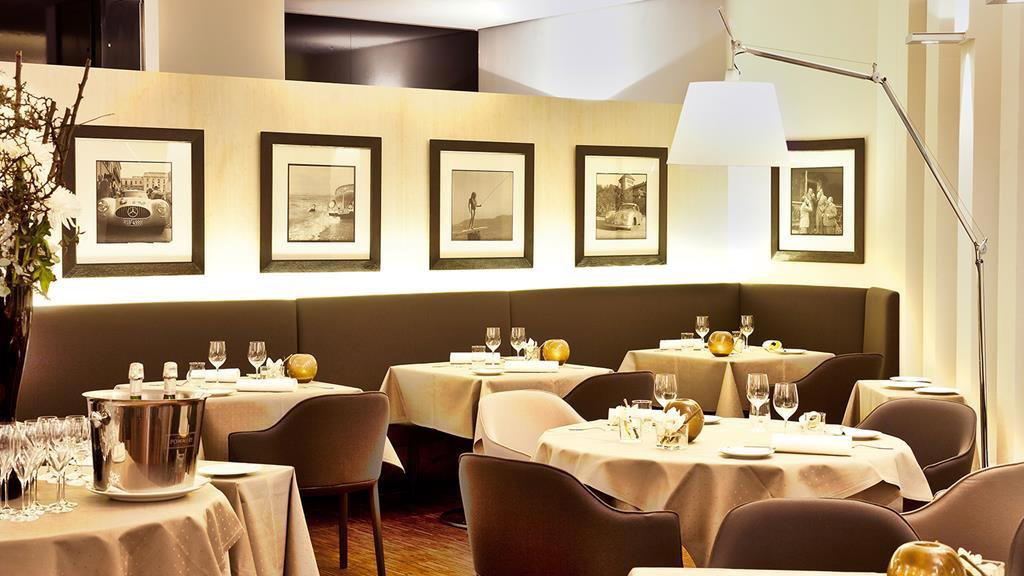
Minimalist Japanese-style interior with clean lines, pale wood, warm lighting, and serene courtyard terrace.