Michelin Plate
Our verdict
Matsuhisa Munich brings the Japanese-Peruvian fusion format pioneered by the global Nobu/Matsuhisa network to the heart of Munich's Altstadt, earning consecutive Michelin Plates in 2024 and 2025. The €€€€ price tier places it alongside Tantris and Atelier in Munich's upper dining bracket. For the city's premium Japanese contemporary scene, it remains a reference point.

Pearl is the En Primeur Club membership app, where members save venues, book tables and use the concierge.
The menu
What to order
- Black cod
- Peruvian rib eye anticucho
- Crispy rice
- Salmon skin rolls
Where Nikkei Technique Meets Central European Dining Culture
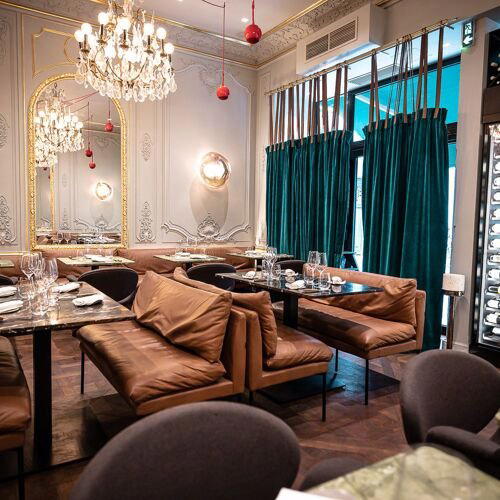
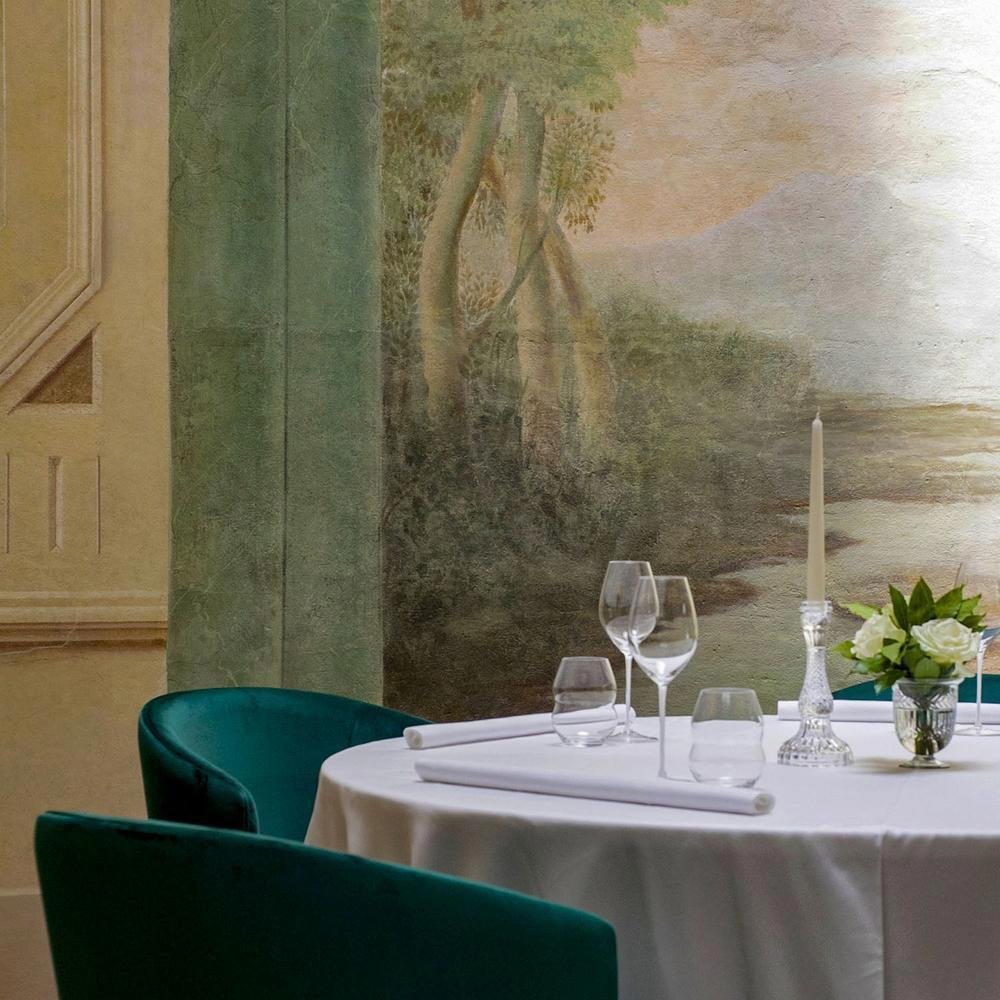
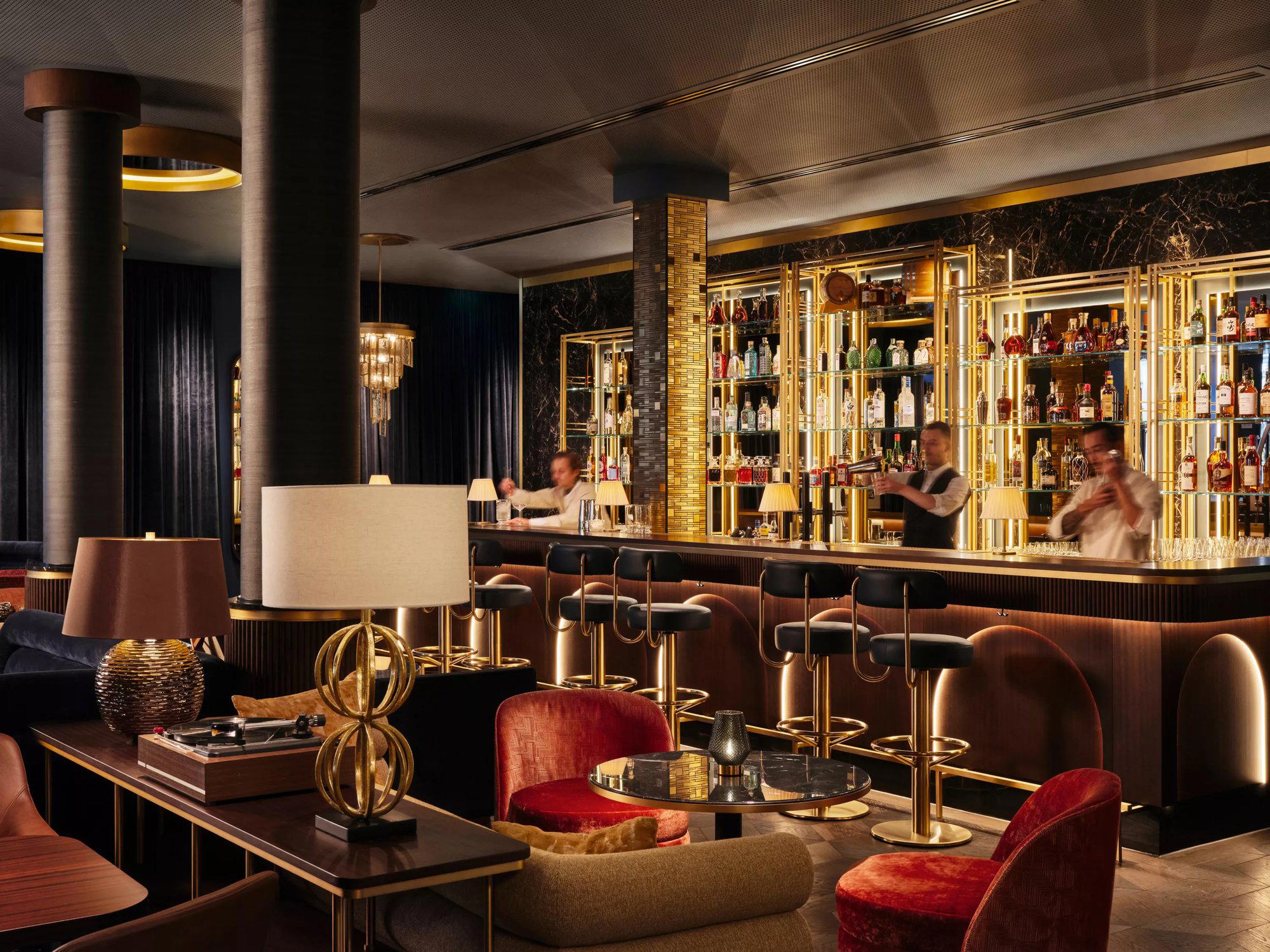
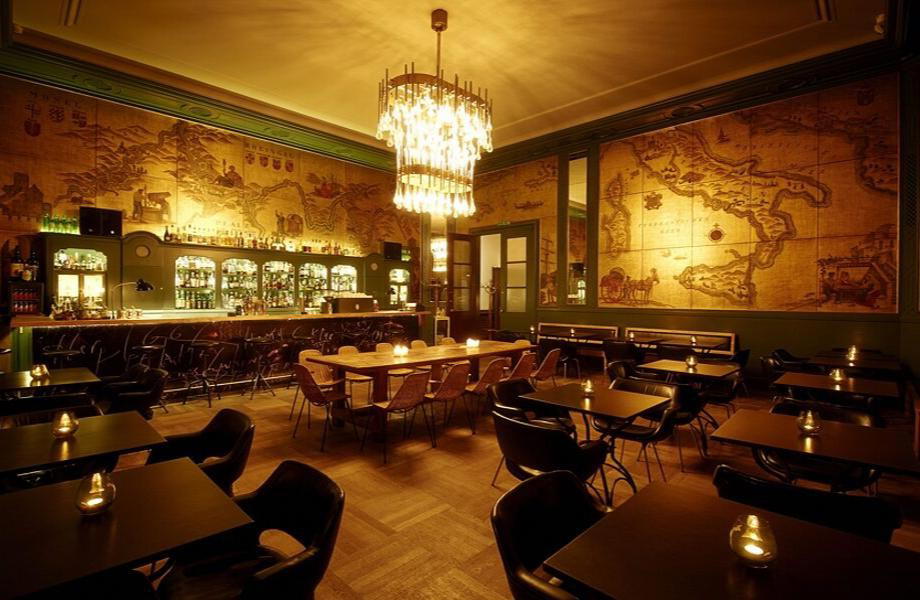
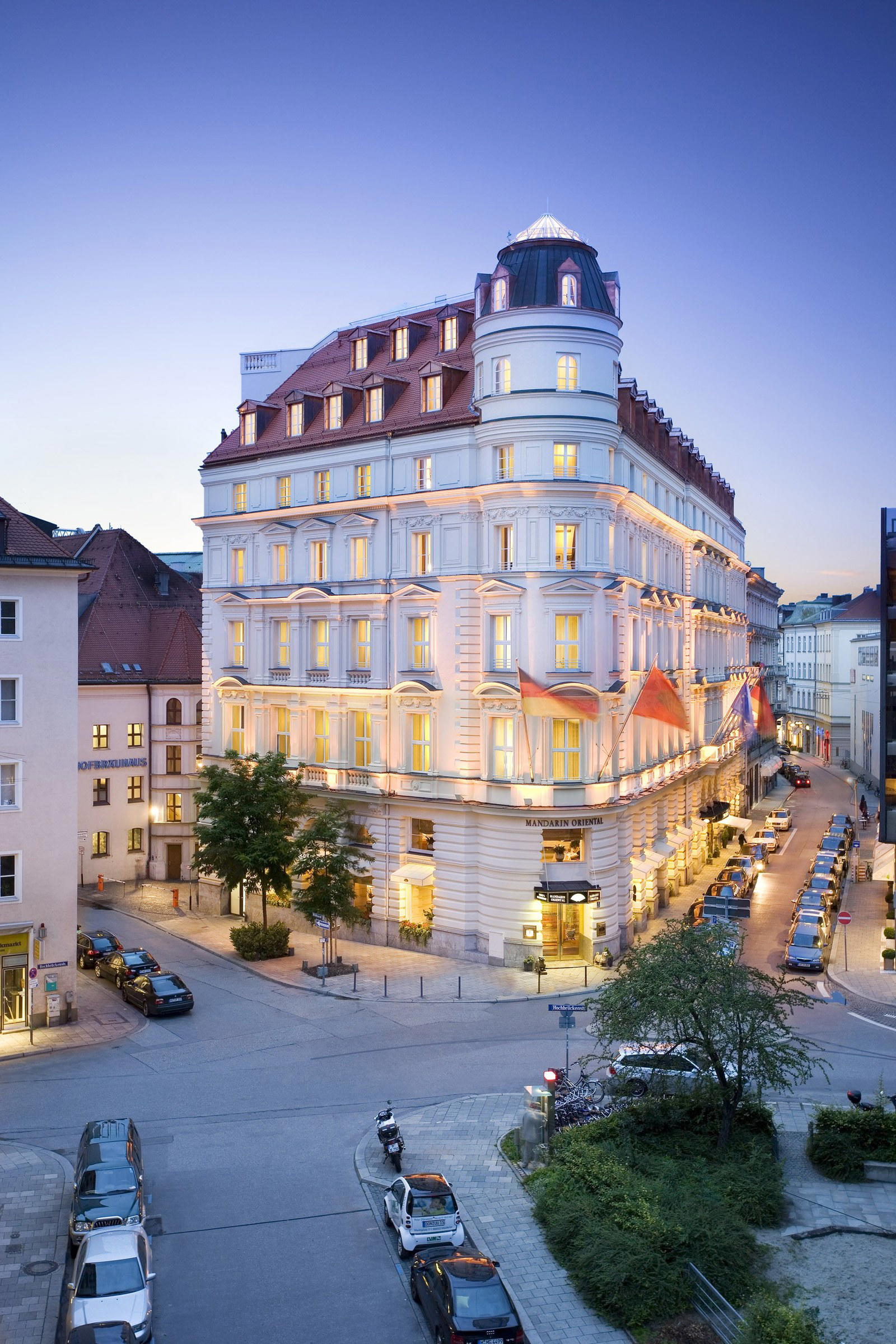
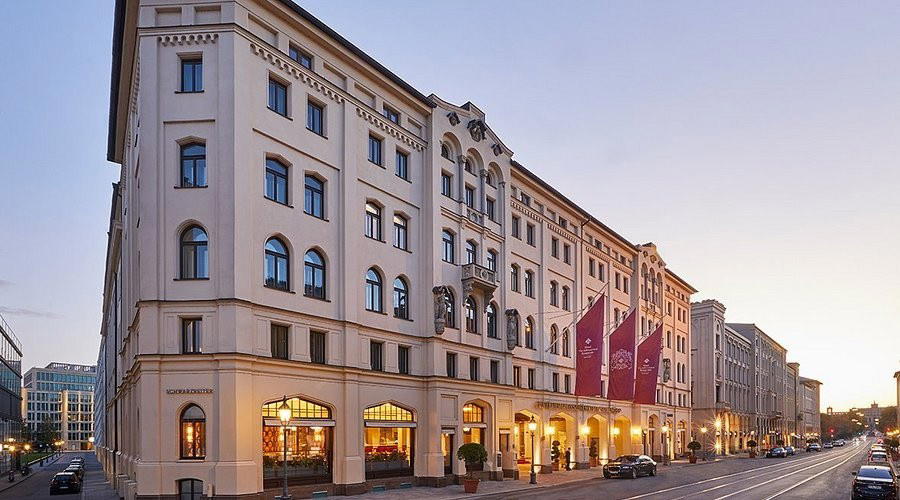
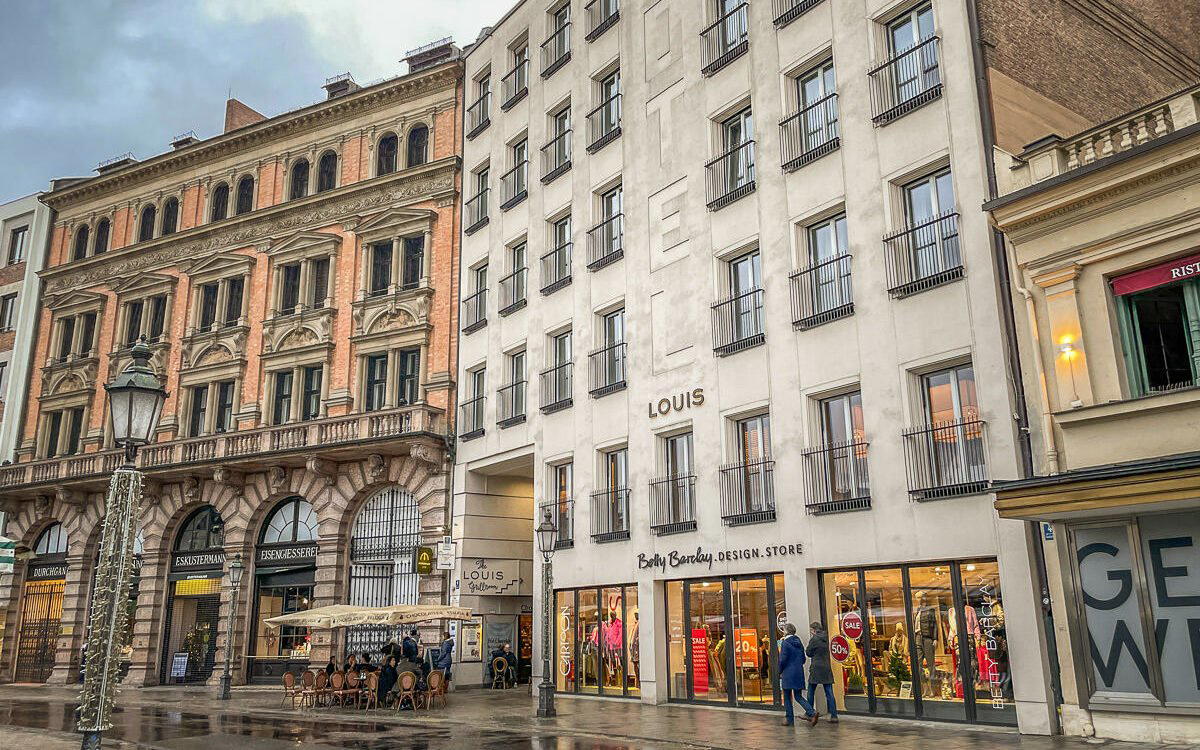
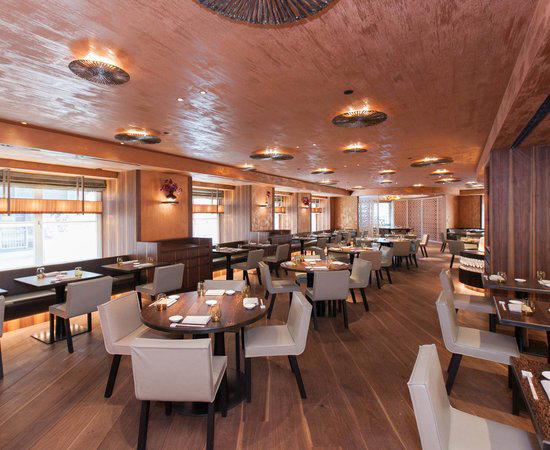
Munich's fine dining quarter radiates outward from the Altstadt, where centuries-old city fabric has gradually absorbed a restaurant scene that now competes at a European level. Neuturmstraße 1 sits close to the Marienhof, in a part of the old city where premium hotel dining and destination restaurants share the same narrow streets. Walking in from the square, the transition from Bavarian limestone and cobblestone to the interior register of a globally fluent Japanese restaurant is deliberate, and that contrast is part of the point. Matsuhisa Munich is one of the city's clearest examples of a dining format imported wholesale from another culinary geography, then installed at the top of the local market.
The Matsuhisa Format and What It Means for Munich
The Matsuhisa name belongs to a network associated with the Japanese-Peruvian Nikkei tradition, a cuisine built on the encounter between Japanese technique and South American ingredients that emerged from the Japanese immigrant communities in Peru in the late nineteenth and early twentieth centuries. The global restaurants bearing this name have consistently translated that tradition into high-end formats: omakase-adjacent menus, precise raw fish preparation, ceviches inflected with soy and yuzu, and warm dishes that import Japanese precision into Latin American ingredient logic.
Within Munich's €€€€ restaurant tier, that position is specific. The city's other high-end tables, Tantris, Atelier, and Alois - Dallmayr Fine Dining, work primarily from French and contemporary European frameworks. Tohru in der Schreiberei is the more obvious local parallel, merging Modern German and Japanese approaches, though its competitive set and format are different. Matsuhisa Munich occupies a corner of the market where international brand recognition and a codified cuisine style do the work that local terroir-driven narratives do elsewhere.
Michelin Recognition and What It Signals
The consecutive Michelin Plates in 2024 and 2025 confirm a baseline of kitchen execution that the Guide considers above the threshold of general recommendation. A Plate is not a star, and it would be inaccurate to position the restaurant in the same tier as Munich's starred houses. What the consecutive recognition does indicate is consistency, the kitchen is producing at a level the Guide finds worth flagging in both years, which in a category as competitive as Japanese contemporary dining in a German city is a meaningful signal. Across Germany, the Japanese contemporary category has grown in ambition: restaurants like CODA Dessert Dining in Berlin and multi-star houses such as Aqua in Wolfsburg and Schwarzwaldstube in Baiersbronn illustrate how seriously the German fine dining circuit takes technical ambition regardless of culinary origin. The Michelin Plate at Matsuhisa Munich places it in that broader conversation without overstating its position within it.
That breadth of audience is a feature of the Matsuhisa format globally, the menu is designed to be legible to first-time visitors to Nikkei cuisine without sacrificing the technical markers that repeat diners look for.
The Nikkei Technique Framework: Why It Matters Here
Editorial angle worth dwelling on at Matsuhisa Munich is what the Nikkei format actually requires of a kitchen operating in central Europe. Nikkei cooking is not a fusion novelty, it is a disciplined technique set with its own lineage. The cold side of the menu involves fish preparation that demands Japanese-standard knife work and sourcing; the warm side requires a reading of miso, yuzu, and ponzu that has to sit in balance against the acidity and heat structures borrowed from Peruvian cooking.
That logistical fact is part of what the Michelin Plate is implicitly endorsing: the kitchen is managing those supply chain demands to a standard the Guide considers worth recognising. For diners coming from cities where Nikkei or Japanese-Peruvian formats are more saturated, Tokyo, London, New York, Lima, the Matsuhisa format may read as a known quantity. For Munich specifically, it fills a gap in the upper tier of the market that no local-origin restaurant quite covers in the same way.
For broader comparison within the Japanese contemporary category across Europe, The Japanese Restaurant in Andermatt and Eika in Taipei illustrate different approaches to how Japanese technique travels and adapts in non-Japanese dining environments. Closer to home, JAN and Vendôme in Bergisch Gladbach show how the upper end of the German dining circuit approaches creative ambition from different angles entirely. Restaurant Haerlin in Hamburg and ES:SENZ in Grassau complete the picture of a German fine dining scene where the format range is now genuinely wide.
Planning a Visit: What to Know Before You Go
The restaurant sits at Neuturmstraße 1 in Munich's Altstadt, 80331 München, which puts it within easy reach of the Marienplatz S- and U-Bahn hub. The €€€€ price tier aligns with the city's other top-tier tables; diners should expect pricing consistent with a premium hotel dining room in a major European city. Checking availability two to three weeks in advance is a reasonable baseline. For broader planning context, the full Munich restaurants guide, Munich hotels guide, Munich bars guide, Munich wineries guide, and Munich experiences guide cover the surrounding territory.
Frequently asked questions
What price level is Matsuhisa Munich?
Pricing at Matsuhisa Munich is listed as €€€€.
Where do I go for Matsuhisa Munich?
Matsuhisa Munich is located at Neuturmstraße 1, 80331 München, Germany, Munich.
What distinctions does Matsuhisa Munich have?
Matsuhisa Munich has received recognition including: Michelin Plate (2025); Michelin Plate (2024).
What's the best thing to order at Matsuhisa Munich?
Matsuhisa Munich operates within the Nikkei framework, meaning the kitchen's strengths lie in Japanese-Peruvian crossover preparations: ceviches treated with Japanese precision, fish dishes built around clean acid-and-umami balance. The consecutive Michelin Plates in 2024 and 2025 point to consistent execution across the menu rather than one standout dish, so ordering across the raw and cooked fish courses gives the fullest read of the kitchen.
What should I expect cuisine-wise at Matsuhisa Munich?
How hard is it to get a table at Matsuhisa Munich?
Matsuhisa Munich sits at Neuturmstraße 1 in the Altstadt, one of the city's higher-density fine dining corridors, and carries Michelin Plate recognition for two consecutive years. Demand at that level in Munich typically means advance booking of two to four weeks is advisable, with weekend slots filling faster. Checking availability directly via the restaurant is the only reliable route given no real-time booking data is published.
What's Matsuhisa Munich best at?
The Nikkei format is where Matsuhisa Munich operates with the most authority: a cuisine that asks a kitchen to source Pacific fish and Latin American produce within a central European supply chain, then execute Japanese technique with that material. The Michelin Plate in both 2024 and 2025 confirms the kitchen clears the threshold of technical execution the Guide requires. Within Munich's fine dining bracket, price range €€€€, it occupies a specific niche as the city's primary address for this cuisine category.
Reputation Context
| Venue | Cuisine | Price | Awards | Notes |
|---|---|---|---|---|
| Matsuhisa MunichThis venue (the venue you are viewing) | Japanese-Peruvian Fusion | $100–150 | Michelin Plate | Not listed |
| Tantris | Modern French Fine Dining | $300–500 | 2 Michelin Stars · World's 50 Best #73 | Modern French, French Contemporary |
| Tohru in der Schreiberei | Modern Japanese-European Fusion Fine Dining | $300–500 | Michelin Plate · La Liste Top Restaurants | Modern German - Japanese, Modern Cuisine |
| Alois - Dallmayr Fine Dining | Modern Bavarian Fine Dining with French and Nordic Influences | $300–500 | 2 Michelin Stars · La Liste Top Restaurants | Creative |
| Atelier | Charcoal-Grilled French Tasting Menu with Oita Wagyu | $100–150 | Tabelog 100 #51 | Creative French |
| Acquarello | Modern Italian Fine Dining | $100–150 | 1 Michelin Star | Italian - Mediterranean, Italian |
Recognition history
Dated appearances from independent guides and award organizations, with the underlying list record or original source where available.
Michelin Plate
Michelin · 2026 Michelin Plate
Full recognition history (3 entries)
Michelin Plate
Michelin
Michelin Plate
Michelin