Delica
Delica occupies a counter spot inside the Ferry Building Marketplace, San Francisco's most concentrated address for quality provisions. The format is Japanese-style deli: prepared foods, bento boxes, and small plates assembled with precision. For a quick, considered meal in one of the city's most atmospheric transit-adjacent spaces, this is a reliable address.
Pearl is the En Primeur Club membership app — saves, bookings, and concierge access live there. Same editors, same standards.
- Address
- BLDG SHOP, 45 Ferry Plaza SHOP 45, San Francisco, CA 94111
- Phone
- +14158340344
- Website
- delicasf.com
- Directions
- Get directions
 Saves & bookings on Pearl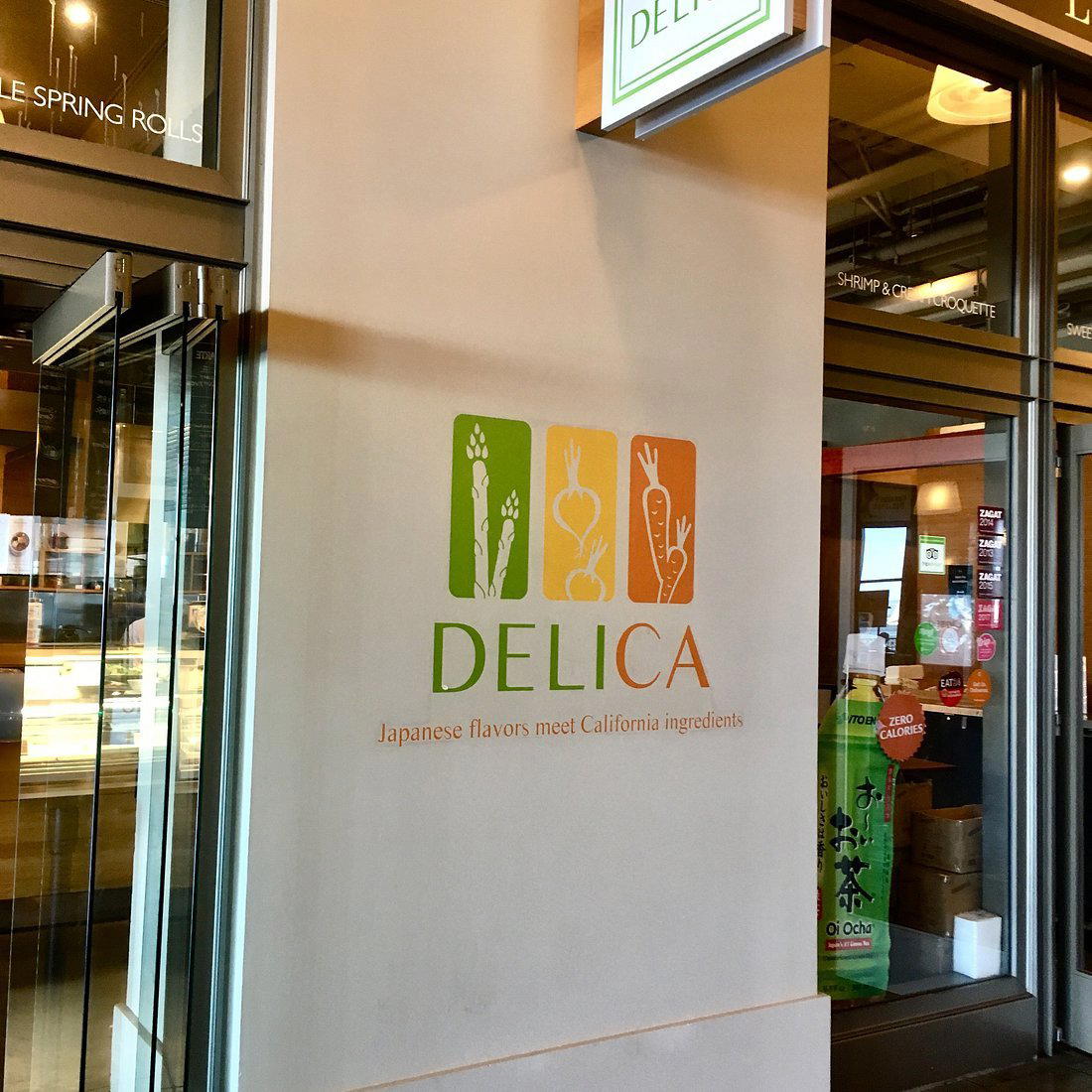
Ferry Building Counter Culture
Delica is a Japanese deli restaurant in San Francisco, with a casual price tier and counter-service format at the Ferry Building. The Ferry Building on San Francisco's Embarcadero is not a food hall in the conventional sense. It operates on a different logic than the city's newer market formats: vendors here are specialists first, with the building's reputation functioning as a collective trust signal rather than a brand. The light that moves through its arched windows over the bay changes the room across the day, and the ambient noise shifts from the focused quiet of early morning regulars to the midday press of office workers and tourists making deliberate choices about where to spend ten minutes. Delica fits this rhythm with a kind of structural precision. It is a Japanese-style deli counter, and in that category it reads as one of the more carefully assembled options in the building.
The Ferry Building's position at the foot of Market Street places it at the intersection of commuter infrastructure and food culture in a way few comparable venues manage in American cities. For context on how that broader San Francisco food scene operates across formats and price points, the full San Francisco restaurants guide maps the city's dining character from counter to tasting menu.
What a Japanese Deli Counter Means in This Context
Japanese deli format, or depachika-adjacent model, organises prepared food around precision and restraint rather than abundance. It is a tradition built on small bento compartments, careful seasoning calibrated for room temperature consumption, and a visual discipline that treats presentation as part of the product. In Japan, this format operates at department store basement level as a premium proposition. In San Francisco, it translates into something closer to the city's broader prepared-food culture: accessible in format, specific in execution.
Across the Ferry Building's mix of vendors, Delica occupies a position that sits closer to the considered-lunch register than to the artisan-snack tier. The comparison set is not Lazy Bear or Atelier Crenn. It is not adjacent to the omakase or composed-tasting experiences that define San Francisco's fine-dining tier, places like Benu or the seasonal precision of Saison. Delica's comparable set is the well-executed lunch counter: places where the quality of sourcing and technique show up in a format that costs a fraction of the formal dining equivalent.
The Sensory Register of the Space
Approaching Delica from within the Ferry Building, the visual language is immediately legible: refrigerated cases, trays of composed salads and small preparations, the colour discipline of Japanese bento boxes visible behind glass. The format communicates competence before the transaction begins. There is no menu theatrics, no ambient playlist calibrated to suggest relaxation. The sounds are the building's own: foot traffic on stone floors, the low conversation of people reading labels, the occasional ferry announcement carrying in from outside.
Temperature contrast is part of the experience at a counter like this. Cold preparations sit alongside items that have been held warm, and the sequencing of what you pick determines how the meal reads. In Japanese deli tradition, this is intentional: dishes are designed to cohere at a range of temperatures, which is why the format works in transit-adjacent settings where the meal may be eaten immediately or carried elsewhere. The Ferry Building terrace over the bay offers one of the more considered eating environments in the city for warm days, which makes Delica's grab-and-carry proposition genuinely functional rather than merely convenient.
For a point of comparison on how high-commitment farm-to-table sourcing operates in contrast to a counter format, Single Thread in Healdsburg represents the formal end of Northern California's ingredient-forward approach. At the other end of the country's precision-cooking spectrum, Le Bernardin in New York City demonstrates what classical French technique looks like in a white-tablecloth register. Both are useful reference points for understanding what Delica is not: it operates in a register where the craft is quieter, the format more compressed, but the discipline of sourcing and assembly still present.
Where Delica Sits in the Broader American Market Context
Across American cities, the prepared-food counter occupies an interesting middle tier. It is neither fast food nor restaurant, and quality within the category varies considerably. The Japanese-deli model, when executed with attention to sourcing, tends to produce a more consistent result than comparable Western deli formats because the tradition itself encodes specific discipline around visual presentation, portion calibration, and seasoning restraint. In San Francisco, a city with deep Japanese-American culinary history extending across the Bay Area, that tradition has more purchase than in most comparable American metros.
The Ferry Building location gives Delica access to a procurement network that is structurally advantageous: the Embarcadero Farmers Market operates on the building's exterior plaza on Tuesdays, Thursdays, and Saturdays, and the building's vendor culture has historically rewarded suppliers who source with specificity. That context matters for how a prepared-food counter operates at this address, even when the counter itself isn't running the sourcing relationship directly.
Elsewhere in the American dining conversation, formal restaurants at the level of Quince in San Francisco, Providence in Los Angeles, Addison in San Diego, or Smyth in Chicago anchor the tasting-menu end of their respective city's dining market. Blue Hill at Stone Barns in Tarrytown operates at the intersection of sourcing philosophy and formal dining in a way that has influenced how American chefs think about ingredient provenance. The French Laundry in Napa remains the canonical reference for California fine dining. Emeril's in New Orleans, Frasca Food and Wine in Boulder, and The Inn at Little Washington each represent different regional expressions of American dining ambition. Atomix in New York City and Atelier Moessmer Norbert Niederkofler in Brunico demonstrate how precision cooking with deep culinary tradition operates at the tasting-menu level internationally. Delica occupies a different register within the same food-literate audience.
Planning Your Visit
Delica is located at Address: BLDG SHOP, 45 Ferry Plaza, Shop 45, San Francisco, CA 94111, within the Ferry Building Marketplace on the Embarcadero. Reservations: Not applicable; this is a counter-service format. Timing: The Ferry Building is busiest at midday on weekdays and Saturday mornings during the farmers market; arriving before noon on market days reduces wait time at popular counters. Access: The Ferry Building is walkable from the Embarcadero BART and Muni station, and the F-Market streetcar stops directly outside. Budget: Counter-service pricing; expect to spend in the range typical for a composed lunch from a quality prepared-foods counter rather than a sit-down restaurant.
Quick Comparison
Comparable venues nearby, for context on price, style, and recognition.
| Venue | Cuisine | Price | Notes |
|---|---|---|---|
| DelicaThis venue — the venue you are viewing | Japanese Deli Sozai | $$ | Not listed |
| Shabu House | Japanese Shabu Shabu Hot Pot | $$ | Outer Richmond |
| Men Oh Tokushima Ramen | Authentic Tokushima Ramen | $$ | :none |
| Live Sushi Bar | Fresh Japanese Sushi with Live Seafood | $$ | Potrero Hill |
| iza | Authentic Japanese Ramen | $$ | Lower Haight |
| Mikaku Restaurant | Authentic Japanese Sushi and Sashimi | $$ | Union Square |
Continue exploring
More in San Francisco
Restaurants in San Francisco
Browse all →
Bars in San Francisco
Browse all →
Hotels in San Francisco
Browse all →

At a Glance
- Modern
- Trendy
- Casual Hangout
- Open Kitchen
- Sake Program
- Local Sourcing
- Organic
- Waterfront
Current opening hours
- Monday
- 9:30 AM–5 PM
- Tuesday
- 9:30 AM–5 PM
- Wednesday
- 9:30 AM–5 PM
- Thursday
- 9:30 AM–5 PM
- Friday
- 9:30 AM–5 PM
- Saturday
- 9:30 AM–5 PM
- Sunday
- Closed
Hours can change for holidays and private events. Last verified .
Sleek modern space with blonde wood, stainless steel accents, open kitchen, and bay views from indoor seating and patio.