
Munakata Ya gives Koriyama a serious yakitori address in a city better known to many travelers as a rail hub for Fukushima. Its Tabelog 100 Yakitori EAST selections from 2023 through 2025 place it in a selective eastern Japan conversation, while the compact counter-and-room format keeps the focus on charcoal, chicken, and the drinking culture around sake, shochu, and wine.
Pearl is the En Primeur Club membership app — saves, bookings, and concierge access live there. Same editors, same standards.
- Address
- Japan, 〒963-8002 Fukushima, Koriyama, Ekimae, 1 Chome−9−9-5 NATURE倶楽部
- Phone
- +81 24-924-1167
- Website
- tabelog.com
- Directions
- Get directions
 Saves & bookings on Pearl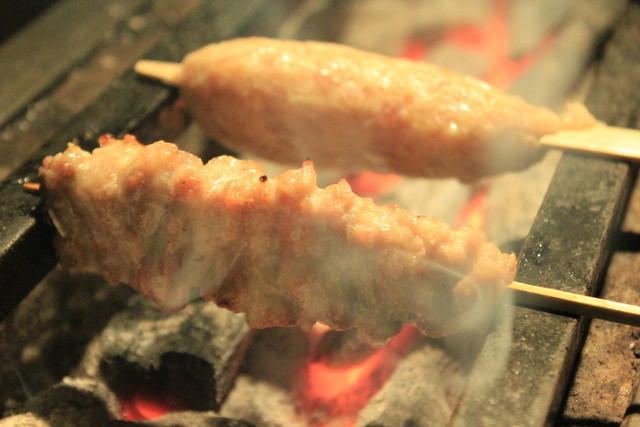
Koriyama’s station district changes character quickly after dark: commuter traffic thins, side streets take over, and small dining rooms begin to matter more than large signs. Yakitori belongs in that hour. The format rewards proximity, timing, and repeatable technique rather than spectacle, and Munakata Ya sits squarely in that tradition: a compact chicken-and-charcoal restaurant where counter seating carries much of the energy and the surrounding Ekimae blocks supply the after-work rhythm.
For travelers using Koriyama as a base for Fukushima rather than a destination in itself, this is the sort of address that explains the city better than a broad survey would. Koriyama dining is not built around a single grand dining corridor. It is a practical, station-facing grid of ramen shops, soba rooms, bakeries, izakaya, and specialist counters, where meals often need to work for locals on a weeknight as much as for visitors passing through. That makes the context around nearby addresses useful: Harukiya Kooriyama bunten speaks to the city’s ramen habits, Soba Kiri Anazawa to its quieter noodle tradition, Jin Tei to everyday Japanese dining, and Ootomo Pan Ten to the daytime bakery layer that disappears from view once the lanterns come on.
Chicken, binchotan, and the value of a specialist counter
Yakitori is often misread as casual drinking food because the grammar looks simple: chicken, skewers, fire. The better version is more exacting. Different cuts demand different heat management; salt and tare work as seasoning systems rather than decoration; and the grill has to turn repetition into consistency. Munakata Ya’s category signals are narrow in the right way: yakitori, chicken dishes, and mizutaki, with domestic binchotan noted as part of the cooking identity. That sourcing and fuel detail matters because the cuisine is built around small variations in fat, skin, cartilage, smoke, and timing.
The restaurant’s selection for Tabelog 100 Yakitori EAST in 2023, 2024, and 2025 gives the address a credential that carries weight inside Japan’s user-review dining culture. It does not make the room formal in a Western fine-dining sense; it places it among eastern Japan yakitori specialists that have earned sustained diner attention. In a regional city, that distinction is more interesting than a generic luxury label. The point is not a long tasting menu staged for travelers, but a focused chicken restaurant operating with enough precision to sit inside a broader yakitori conversation.
The drinks list also points to how the meal is meant to behave. Sake, shochu, and wine are all part of the offer, with particular attention noted across those categories. That breadth is increasingly common at serious yakitori counters, where the old beer-and-highball model has widened without losing the essential informality of skewers over charcoal. Wine with grilled chicken is no longer a Tokyo-only affectation; regional specialists have adopted it when the cooking has enough control to handle acidity, tannin, and smoke.
Where it sits in Koriyama's dining hierarchy
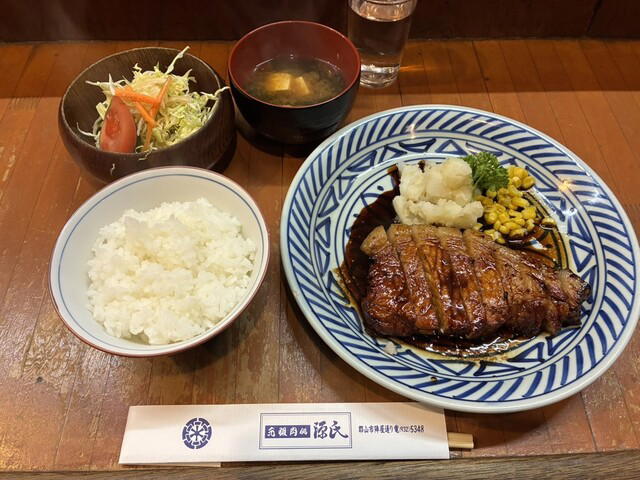
Koriyama’s higher-spend dining can move in different directions. Sushi Kappou Gyomon, for instance, occupies a far steeper bracket in the local market, while Genji sits at a much lighter everyday spend. Munakata Ya occupies the middle ground where a dinner can feel considered without becoming ceremonial. That position is important: many Japanese regional cities are at their strongest in precisely this band, where craft is visible but the room has not been stripped of local use.
The venue’s scale reinforces that reading. A 24-seat room with 15 counter seats makes the grill a central part of the experience, while one private room gives small groups a different mode without turning the place into a banquet hall. The counter is the sharper editorial choice for anyone trying to understand the cooking, because yakitori is a cuisine of sequence and heat rather than plate composition. Private-room availability, by contrast, makes sense for friends or dates who want the chicken-house format with less counter intensity.
There is also a useful contrast with other Koriyama categories. A bar such as The bar belongs to the city’s late-evening drinking circuit; soba specialists run on a quieter grain-and-broth logic; bakeries such as Ootomo Pan Ten serve a completely different urban rhythm. Yakitori bridges these worlds. It is dinner, drinking session, and ingredient study at once, which is why a strong chicken counter can reveal more about a city’s appetite than a more expensive, less locally embedded meal.
How to read the room before planning the night
This is an adult-leaning dining format rather than a family restaurant. Heated-tobacco smoking is designated across the seating policy, and under-20 guests are asked not to enter. That single detail shapes the atmosphere as much as the charcoal does: the room belongs to evening dining, drinking, and conversation, not children’s menus or early family turnover.
Reservations are available, and the restaurant identifies mid-afternoon as the better window for phone inquiries. Seating duration is limited, which is typical of small Japanese counters where the economics depend on rhythm and where diners are expected to respect the flow of the room. Payment flexibility is broader than at many small specialists, with major credit cards, electronic money, and PayPay accepted. Parking is not available, so the station-area setting matters in practical terms as well as atmosphere.
Readers comparing Japanese specialist formats beyond Fukushima can also look at -Grilled beef Sukiyaki- KAMAKURA TANUKIAN 鎌倉 たぬき庵 in Kamakura. 鮪と炭火焼き うお炭 秋葉原店 in Tokyo.cafe in Osaka.know in Kumamoto, (Shoku) Vietnam in Kawasaki, [Curry Senmon Ten] Maruyama Kyoju. in Sapporo, Jōdo Saké Bar in Los Angeles, and Onigiri Time in Pasadena as useful contrasts in format, price, and city context.
Comparable Spots, Quickly
Comparable venues by cuisine and price in the same metro.
| Venue | Cuisine | Price | Notes |
|---|---|---|---|
| Munakata Ya | Yakitori & Chicken Dishes | $$$ | Ekimae |
| Harukiya Kooriyama bunten | Classic Tokyo-style ramen (chuka soba) | $$ | Kuwano |
| Soba Saizen Ryusenbo | Traditional Japanese soba | $$ | .null |
| Genji | Classic Yoshoku (Japanese‑style Western) | $ | Koriyama Ekimae |
| Ootomo Pan Ten | Japanese neighborhood bakery and sandwich shop | $ | Koriyama |
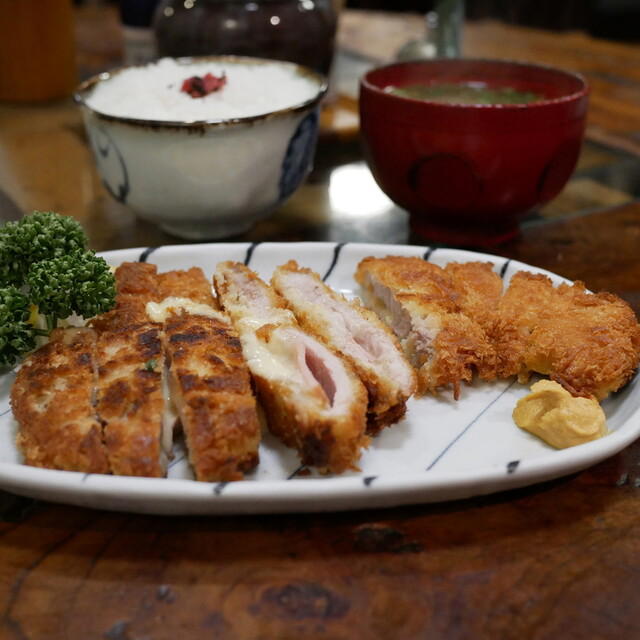
| Jin Tei | Tonkatsu and Japanese yoshoku cafeteria | $$ | Tsurumidan, Koriyama |
Recognition history
Dated appearances from independent guides and award organizations, with the underlying list record or original source where available.
Tabelog 100 #89 · No. 89
Tabelog · Tabelog 100 - Yakitori - EAST - 2025
At a Glance
- Modern
- Cozy
- Trendy
- Intimate
- Date Night
- After Work
- Casual Hangout
- Group Dining
- Late Night
- Solo
- Chefs Counter
- Private Dining
- Standalone
- Design Destination
- Sake Program
- Extensive Wine List
- Local Sourcing
Current opening hours
- Monday
- 5:30 PM–12 AM
- Tuesday
- 5:30 PM–12 AM
- Wednesday
- 5:30 PM–12 AM
- Thursday
- 5:30 PM–12 AM
- Friday
- 5:30 PM–12 AM
- Saturday
- 5:30 PM–12 AM
- Sunday
- 5:30–11:30 PM
Hours can change for holidays and private events. Last verified .
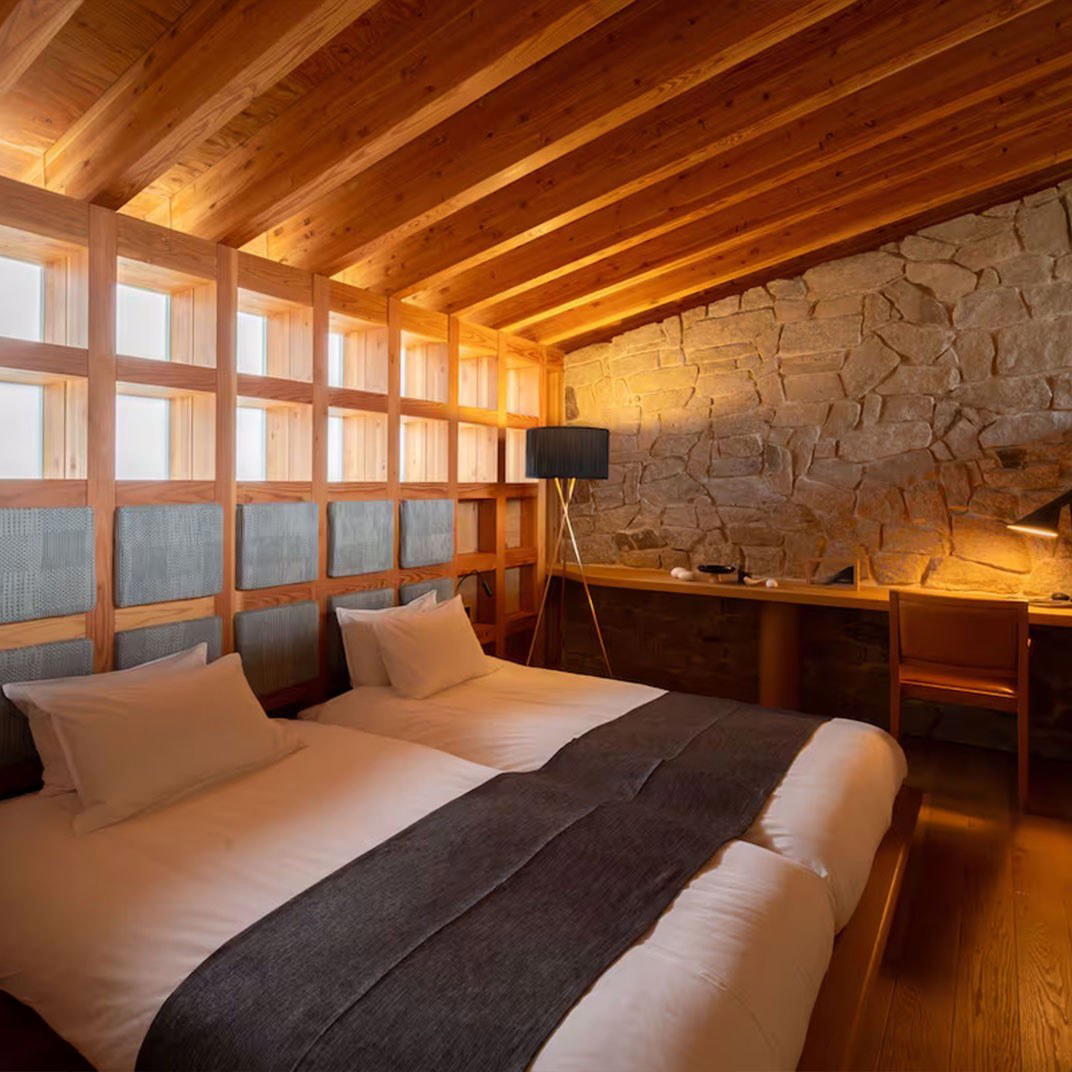
A small, stylish hideout near Koriyama Station with a relaxed, adult-focused atmosphere, counter-focused seating, warm contemporary design, and a calm, unhurried feel suited to dates and quiet drinks with friends.