
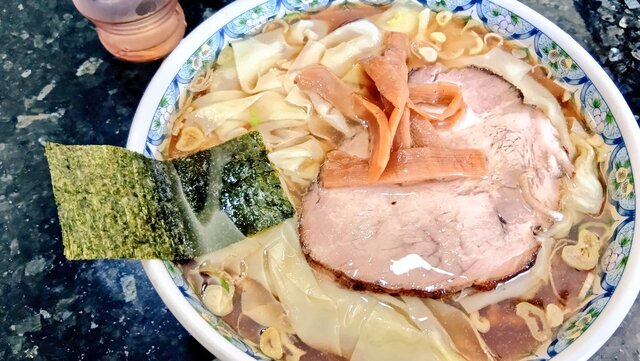
Soba Saizen Ryusenbo gives Koriyama a serious soba address in the Tabelog 100 Soba EAST 2025 selection, with buckwheat noodles and regional cooking framed in a house-restaurant setting. The appeal is not Tokyo-style spectacle but Fukushima specificity: a quiet room, sake and wine on hand, and a format that rewards diners who care where grain, water, and local food traditions meet.
Pearl is the En Primeur Club membership app — saves, bookings, and concierge access live there. Same editors, same standards.
- Address
- Japan, 〒963-8005 Fukushima, Koriyama, Shimizudai, 2 Chome−6−5 隆仙坊
- Phone
- +81 24-932-0194
- Website
- www7b.biglobe.ne.jp
 Saves & bookings on Pearl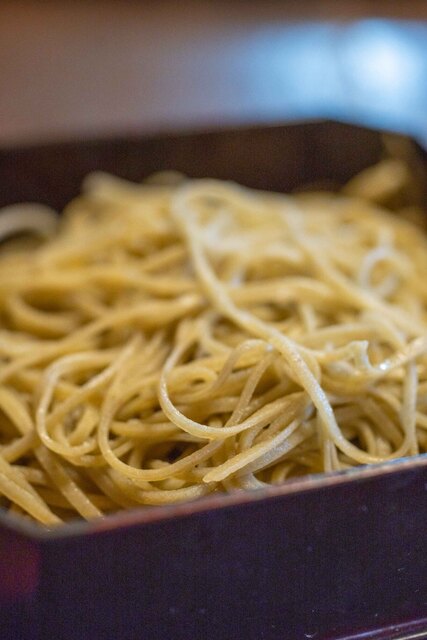
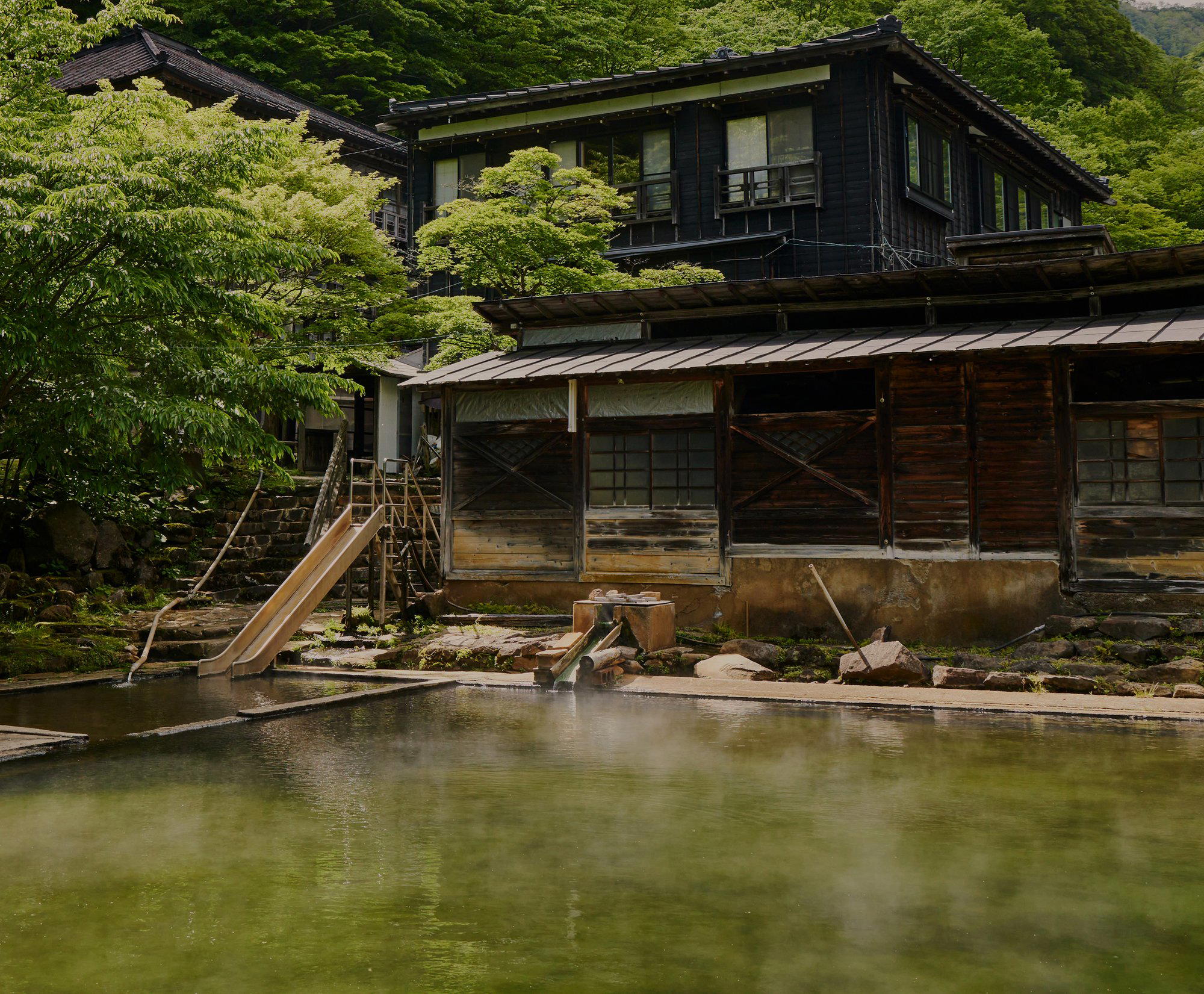
The approach is residential rather than theatrical: a house restaurant in Shimizudai, with tatami and sunken seating setting a slower tempo than station-area lunch counters. That matters for soba. Buckwheat noodles punish distraction; the craft sits in proportion, water, milling, kneading, cutting, and the brief window between cooking and serving. In Koriyama, where rail traffic and regional commerce can make dining feel functional, Soba Saizen Ryusenbo belongs to a quieter tradition: a meal built around grain and restraint, not abundance for its own sake.
Fukushima’s inland food culture has long leaned on cold winters, mountain produce, preserved flavors, and noodles suited to both daily eating and specialist devotion. Soba can be inexpensive and fast, but the better rooms treat it as a seasonal agricultural product first and a noodle second. The Tabelog 100 Soba EAST 2025 selection places this address in a competitive field beyond Koriyama, where recognition depends on consistency in a category crowded with small, technique-led shops.
Buckwheat, regional cooking, and a room built for slower eating
The useful way to read this restaurant is through sourcing logic, not menu sprawl. Soba is less forgiving than ramen: wheat noodles can absorb richness, fat, and seasoning; buckwheat asks for balance and exposes small errors. Regional cuisine alongside soba signals a broader Fukushima table, not a single-dish stop. Sake and wine are both offered, suggesting a meal paced beyond a quick bowl.
The house-restaurant format reinforces that reading. Tatami and sunken seating belong to Japanese dining where posture, conversation, and sequence matter. This is not the same proposition as Harukiya Kooriyama bunten, where Koriyama’s ramen culture pulls the experience toward speed, broth depth, and local regularity. Nor does it compete with Jin Tei or Munakata Ya on the same terms. Soba’s appeal is narrower and more exacting: the diner attends to texture, aroma, dipping sauce, and the noodles’ serving temperature.
Koriyama benefits from that range. A day can run from bakery staples at Ootomo Pan Ten to casual Japanese cooking at Genji, then shift into a room where the main argument is grain quality and handwork. For a city often used as a transport base for Fukushima rather than a dining destination itself, that range is the point. The reward is not one famous dish but local formats that make sense together.
How this soba address fits Koriyama's dining map
Soba Saizen Ryusenbo’s Tabelog 100 Soba EAST 2025 listing is the key trust signal because it places the restaurant in a category-specific selection, not a general popularity contest. Its Tabelog score of 3.69 adds another data point, but the more useful detail is category: soba and regional cuisine. That separates it from high-spend occasion dining in Koriyama, including sushi-kappo formats, and from everyday budget meals. It sits in the middle: serious enough for a planned meal, grounded enough to remain recognizably local.
That middle position is valuable for travelers. Fukushima dining is often strongest when it does not imitate Tokyo luxury. The better choices show how regional ingredients and local habits survive inside modest formats: noodles, grilled foods, bakeries, sake, and small restaurants with repeat local use. For a wider read on the city’s food circuit, Our full Koriyama restaurants guide is the natural companion; travelers building a fuller itinerary can also scan Our full Koriyama hotels guide, Our full Koriyama bars guide, Our full Koriyama wineries guide, and Our full Koriyama experiences guide.
The comparison becomes clearer against other Japanese specialist formats. Beef sukiyaki at -Grilled beef Sukiyaki- KAMAKURA TANUKIAN 鎌倉 たぬき庵 in Kamakura is about controlled richness and the ritual of meat. Seafood-and-charcoal dining at. 鮪と炭火焼き うお炭 秋葉原店 in Tokyo leans into market immediacy and heat. Café culture at.cafe in Osaka or contemporary dining at.know in Kumamoto answers different urban appetites. Soba is quieter, but not lesser; its difficulty lies in how little cover the kitchen has.
That distinction explains why ingredient sourcing is central. Buckwheat’s character changes with origin, milling, humidity, and storage. A soba specialist does not need a long ingredient manifesto to be judged through that lens; the cuisine demands it. The craft belongs closer to regional grain culture than to the luxury tasting-menu economy. In that sense, Soba Saizen Ryusenbo usefully corrects travelers who measure Japanese dining only by omakase prices, counter scarcity, or imported prestige signals.
Who should choose it
This is a strong choice for diners who want Koriyama to taste like Fukushima rather than a branch-office version of Tokyo. It suits a slower meal with friends, especially travelers who understand that soba’s pleasure can be subtle and technical. It is less suited to groups needing a child-friendly setting, since children are not accepted for lunch or dinner. Private-room dining is not part of the setup, while private use is available for groups up to 20, placing it closer to an intimate local gathering than a formal banquet room.
The practical reading is simple: treat it as a planned soba meal, not a spontaneous fallback. Payment is cash-oriented, with credit cards, electronic money, and QR code payments not accepted. Parking is available, and the restaurant is listed near Koriyama Station, keeping it workable for travelers moving through the city by rail. Non-smoking status also fits visitors who prefer traditional rooms without old izakaya haze.
For readers mapping a broader Japanese itinerary, contrast is useful. Vietnamese cooking at (Shoku) Vietnam in Kawasaki, curry specialization at [Curry Senmon Ten] Maruyama Kyoju. in Sapporo, sake-bar culture at Jōdo Saké Bar in Los Angeles, and rice-ball craft at Onigiri Time in Pasadena all show how narrow formats can carry serious cultural weight. Koriyama’s soba tradition belongs in that conversation: modest in presentation, demanding in execution, and rewarding when approached on its own terms.
Fast Comparison
Comparable venues by cuisine and price in the same metro.
| Venue | Cuisine | Price | Awards | Notes |
|---|---|---|---|---|
| Soba Saizen RyusenboThis venue — the venue you are viewing | Traditional Japanese soba | $$ | , | |
| Munakata Ya | Yakitori & Chicken Dishes | $$$ | , | Ekimae |
| Jin Tei | Tonkatsu and Japanese yoshoku cafeteria | $$ | , | Tsurumidan, Koriyama |
| Sushi Kappou Gyomon | Traditional Sushi Kappou | $$$$ | , | Ekimae |
| Genji | Classic Yoshoku (Japanese‑style Western) | $ | , | Koriyama Ekimae |
| Soba Kiri Anazawa | Traditional Japanese soba noodle shop | $$ | , | /郡山市 |
At a Glance
- Classic
- Cozy
- Quiet
- Hidden Gem
- Solo
- Casual Hangout
- Family
- Standalone
- Local Sourcing
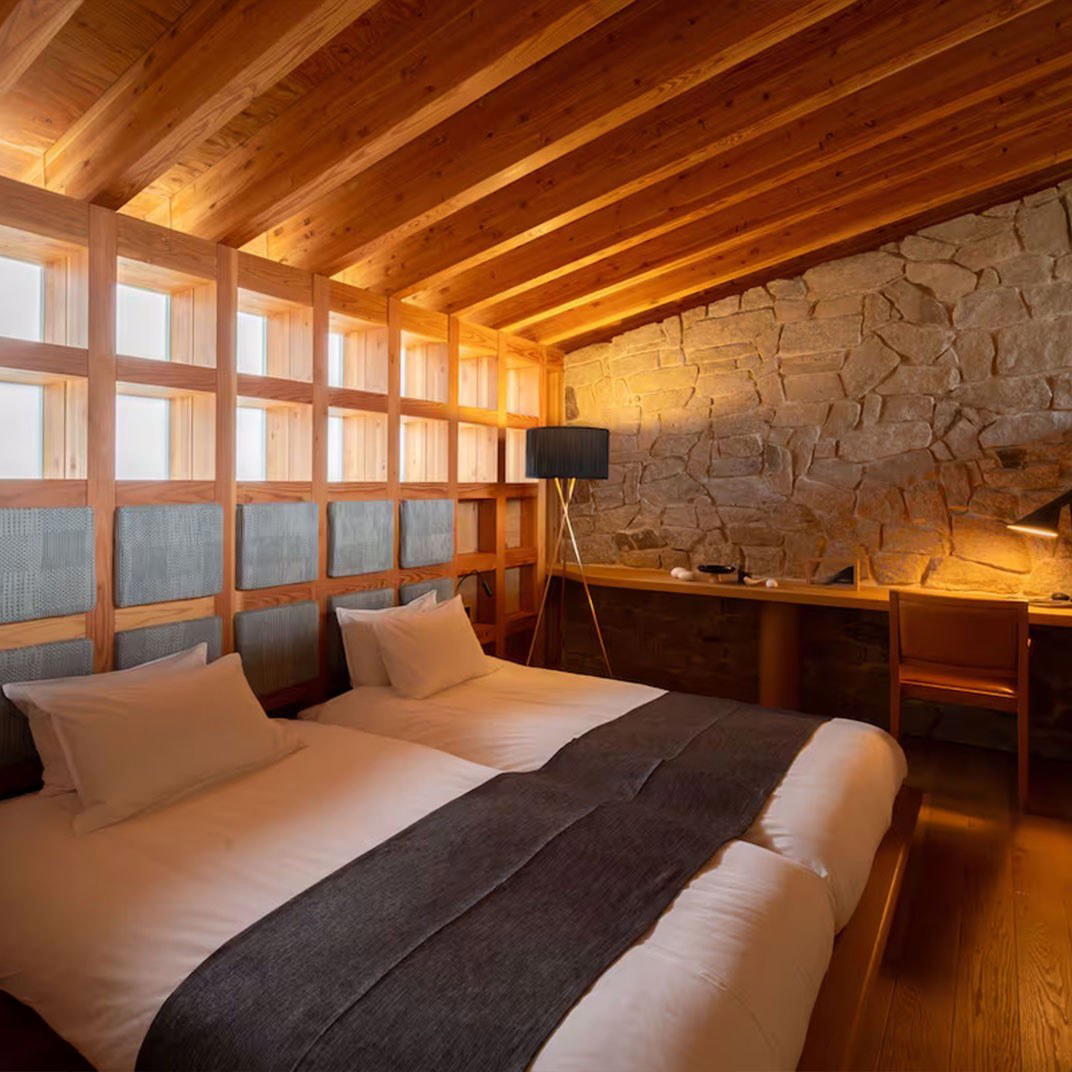
Reviews describe a traditional Japanese house–style interior with a calm, nostalgic atmosphere, simple decor, and a relaxed pace suited to quietly enjoying soba and seasonal dishes.