"Accessible only by foot, or boat The tiny Abbey of San Fruttuoso is nestled in a cove between Camogli and Portofino, and accessible solely by foot or boat. If you want to hike it, find the trail at the far end of Camogli, and be ready for a steep, but gorgeous, two hour hike up and over the mountain. If you would prefer a quick 15 minute boat ride, catch the boat for a few euro in the harbor of Camogli and ride to San Fruttuoso in style. The abbey itself is beautiful, but it is also nice to simply sit and have a cocktail at the beachside restaurant (look closely - their kitchen is upstairs, so they send the food down in a small wicker basket when it's ready!)."
Pearl is the En Primeur Club membership app — saves, bookings, and concierge access live there. Same editors, same standards.
- Address
- 16032 Camogli, Metropolitan City of Genoa, Italy
 Saves & bookings on Pearl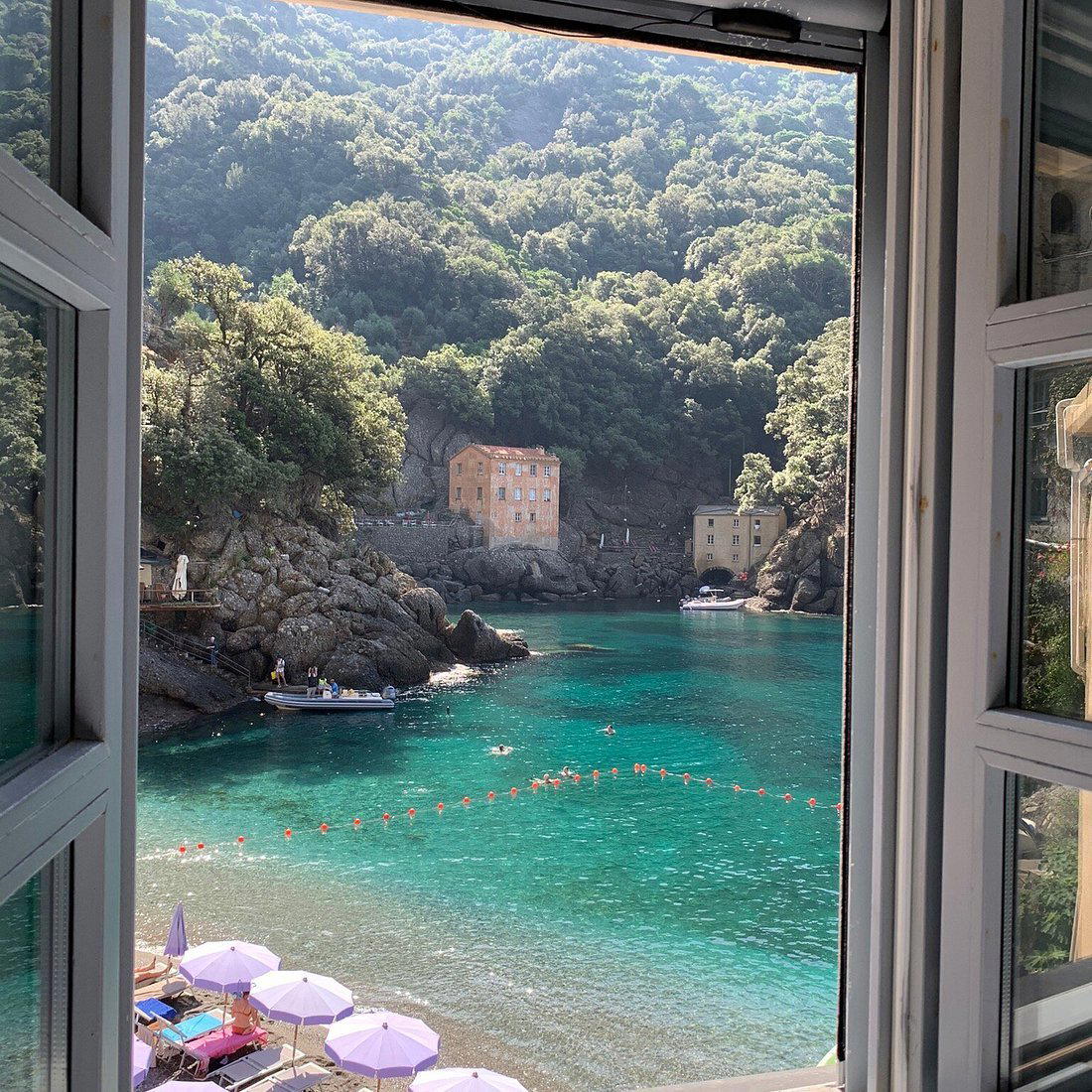
Where the Ligurian Sea Sets the Menu
San Fruttuoso is a casual traditional Ligurian seafood restaurant in Camogli, Italy, with meals typically priced around $35 per person. The abbey cove that shares its name with the settlement can only be reached by boat from Camogli or Portofino, or on foot via a coastal trail through the Portofino Natural Regional Park. That physical fact shapes everything about what ends up on a plate here. The sea is directly in front of you, and the terraced hills above carry the olives, herbs, and citrus that have defined Ligurian cooking since before the region had a name for itself.
The approach by ferry from Camogli, which runs seasonally and takes roughly twenty minutes, gives you time to understand what kind of place you are heading toward. The cove reveals itself gradually: the Doria family abbey on one side, the Torre dei Doria on the other, a pebble beach in between, and a handful of small restaurants operating under the specific material constraints that come with location. This is the editorial point worth making: in Italian coastal dining, proximity to source is often claimed and rarely literal. At San Fruttuoso, it is structural.
The Ligurian Ingredient Tradition and Why It Still Matters
Liguria's coastal cuisine has always operated on a logic of restraint shaped by scarcity. The strip of coast is narrow, the hinterland steep, and the fishing tradition deeply local. Anchovies from Monterosso, sea urchin from the gulf, octopus pulled from rocky seabeds, trofie pasta dressed with basil pesto made from the small-leaf Genovese variety: these are not romantic embellishments. They are the actual building blocks of what gets served along this coastline.
What San Fruttuoso represents within that tradition is the furthest logical point of that sourcing principle. Kitchens here cannot import heavily or store speculatively. The result is menus that shift with what the boats bring in and what the season allows from the terraced garden plots above the cove. Compared to the formally ambitious Ligurian-adjacent restaurants operating in Genoa's urban core or in resort contexts further along the Riviera, the cooking at San Fruttuoso operates at a more elemental register. That is not a limitation; it is the distinguishing condition.
Italy's top-tier coastal restaurants, places like Uliassi in Senigallia or Quattro Passi in Marina del Cantone, have built formal creative frameworks around coastal ingredients. San Fruttuoso sits in a different register entirely: the tradition before the technique, the fishing village before the tasting menu. That distinction is worth understanding before you arrive.
Context Within Italian Coastal Dining
The Italian dining spectrum runs wide. At one end sit multi-course operations with chef pedigrees and international recognition, places like Osteria Francescana in Modena, Le Calandre in Rubano, or Piazza Duomo in Alba. At the other end sit places defined entirely by geography and material circumstance. San Fruttuoso belongs to the second category, and that is precisely the point.
Dining in a car-free cove accessible only by sea or trail occupies a niche that formal restaurant criticism is not always equipped to evaluate. The relevant comparison is not with Reale in Castel di Sangro or Dal Pescatore in Runate. It is with a specific kind of Italian trattoria experience that has become harder to find as coastal areas have gentrified: simple grilled fish caught the same morning, pasta with local pesto, perhaps a bean and seafood soup that reflects what was available rather than what was planned. The sourcing credibility here comes not from a relationship with a named supplier but from the absence of any practical alternative.
For those who want to survey the full range of Italy's serious dining, Enoteca Pinchiorri in Florence, Enrico Bartolini in Milan, La Pergola in Rome, Da Vittorio in Brusaporto, Villa Crespi in Orta San Giulio, and Casa Perbellini 12 Apostoli in Verona represent the formal end of that spectrum. San Fruttuoso represents something else: the argument that location and access can themselves constitute a kind of dining philosophy. Internationally, you find a similar logic at Le Bernardin in New York City and Lazy Bear in San Francisco, though those operate in completely different urban and formal contexts. The point is that sourcing conviction takes many forms, and not all of them require a tasting menu.
The Seasonal and Logistical Reality
San Fruttuoso operates on seasonal rhythms that are more pronounced than almost anywhere else along the Italian Riviera. The ferry service from Camogli runs from spring through autumn, with reduced or suspended service in winter depending on sea conditions. Hiking in is possible year-round on clear days, but the trail from Portofino takes roughly ninety minutes one way and requires appropriate footwear. The cove's restaurants and facilities are tied directly to visitor access, which means that the window for experiencing San Fruttuoso at its most alive runs from April through October, with the shoulder months of May, June, and early September offering the most manageable conditions before and after the peak summer crowd.
This is not a place to arrive without planning. Ferry schedules from Camogli should be checked in advance, as last departures back from the cove run in the late afternoon. Anyone intending to eat lunch at the cove needs to account for the return journey before those final boats leave. The abbey itself, managed by FAI (the Italian national trust for historic sites), charges a modest entry fee and is worth allocating time for separately from any meal.
For a broader picture of eating and drinking along this stretch of the Ligurian coast, our full Camogli restaurants guide maps the options by neighbourhood and format. And for those looking at creative Italian cooking rooted in mountain rather than coastal sourcing, Atelier Moessmer Norbert Niederkofler in Brunico operates on a comparable sourcing philosophy, albeit at a formal fine-dining level in the Dolomites. Closer to Camogli's coastal comparable set, Gambero Rosso in Marina di Gioiosa Ionica shows what southern Italian coastal cooking looks like when it takes a more studied approach to the same local-catch principle.
What to Expect When You Arrive
The cove contains a small cluster of restaurants and bars operating at the casual to mid-range level. Seafood is the constant. Expect grilled fish, pasta with pesto or with shellfish, perhaps fried anchovies or a plate of mixed antipasto built from whatever was landed locally. The Ligurian focaccia tradition also travels well into the simpler kitchens here. Wine lists, where they exist, draw on Ligurian producers: Vermentino and Pigato dominate the white options, both well-suited to the setting and the food.
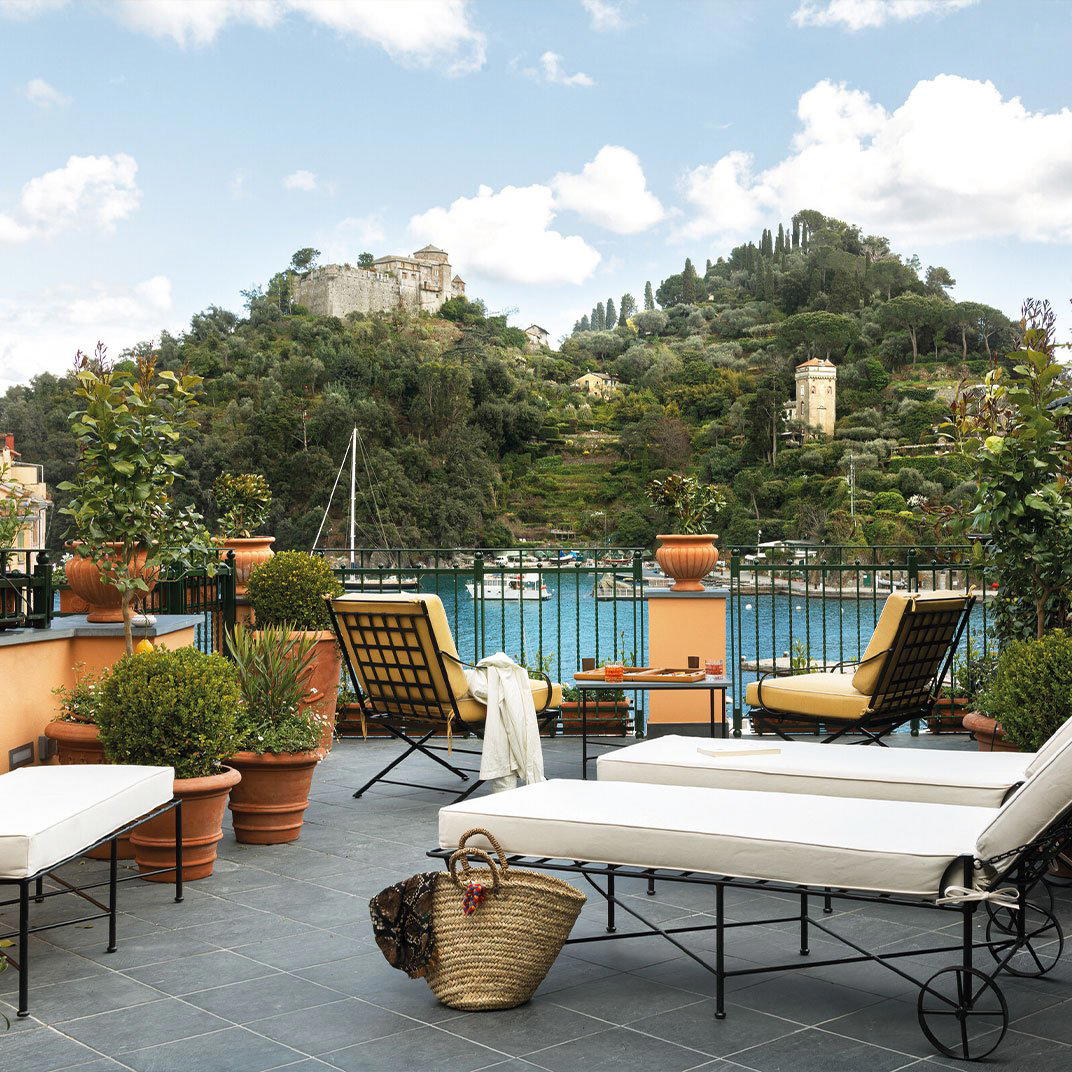
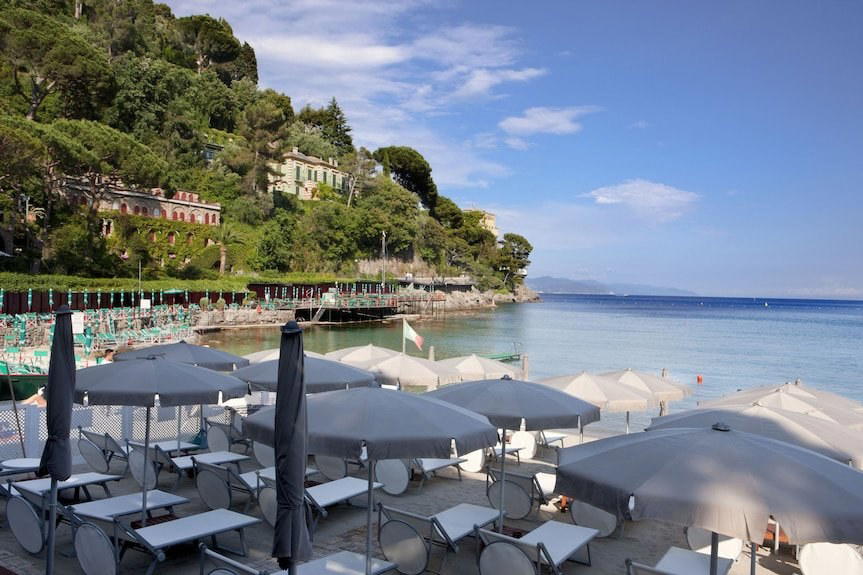
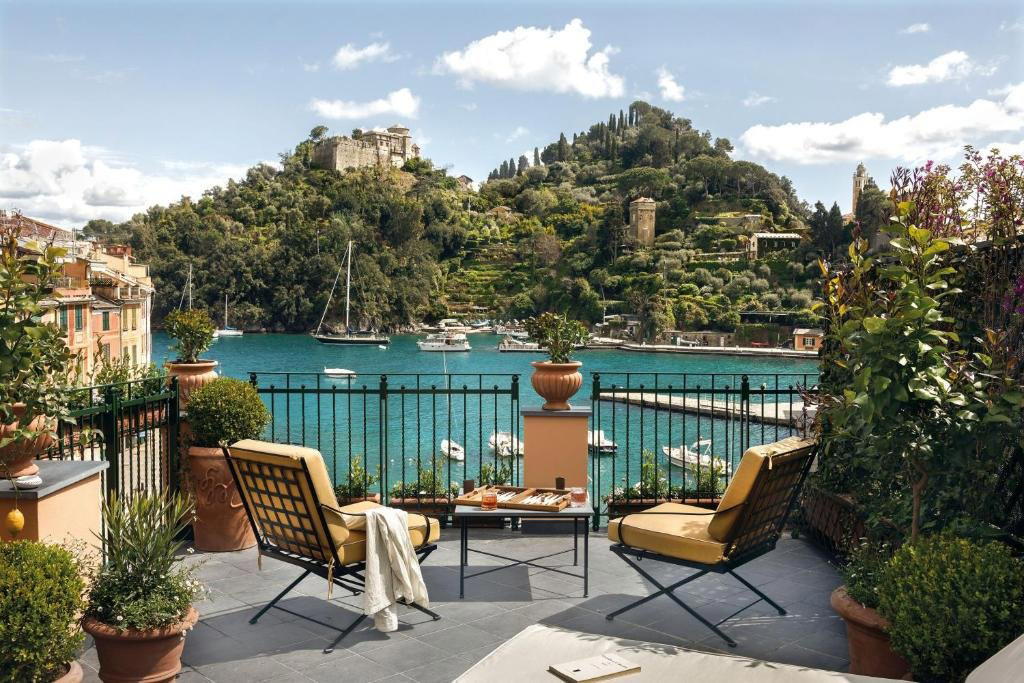
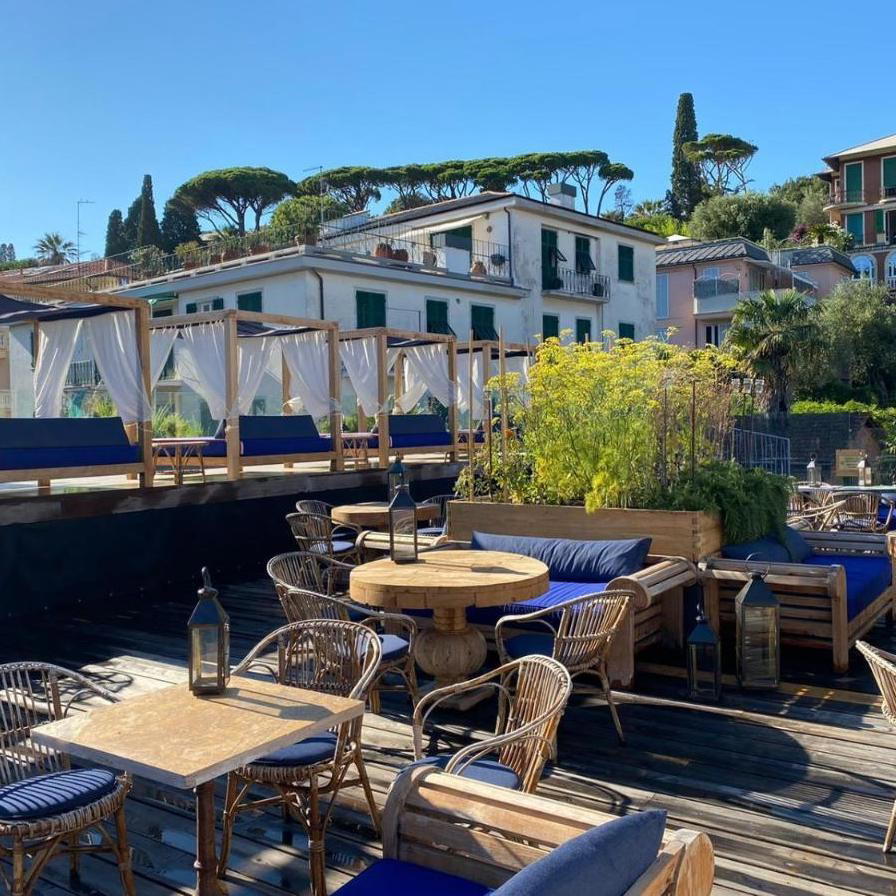
Seating is largely outdoors on the pebble beach or on small terraces with direct views of the abbey and the cove. Service operates at a pace that reflects the isolation; there is no urgency and no theatre. The meal here is inseparable from the afternoon, the light on the water, and the decision to come somewhere that required genuine effort to reach.
Side-by-Side Snapshot
Comparable venues nearby, for context on price, style, and recognition.
| Venue | Cuisine | Price | Awards | Notes |
|---|---|---|---|---|
| San FruttuosoThis venue — the venue you are viewing | Traditional Ligurian Seafood | $$ | , | |
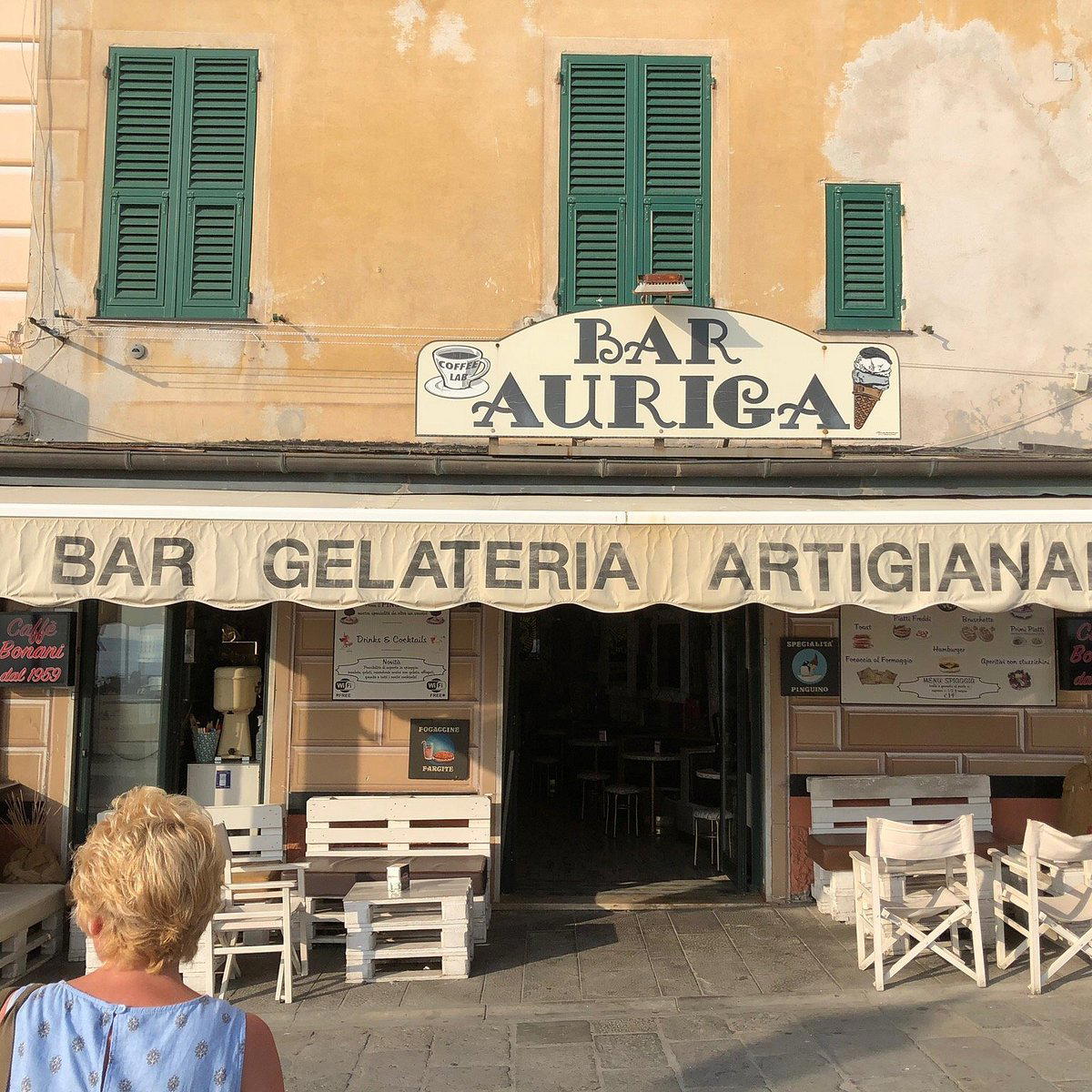
| Bar Auriga | lounge | , | , | Camogli |
| Trattoria Ca' D'Oro - Cucina Tipica Veneziana | Traditional Venetian Trattoria | $$ | , | Cannaregio |
| Alassio | Coastal Mediterranean & Italian Comfort Food | $$ | , | San Gallo |
| Taverna da Oreste | Traditional Italian Seafood | $$$ | , | Historic Center of Lazise |
| Il Napoleone all'Allea | Traditional Italian Pizza & Ristorante | $$ | , | center |
At a Glance
- Scenic
- Rustic
- Romantic
- Hidden Gem
- Casual Hangout
- Group Dining
- Waterfront
- Terrace
- Local Sourcing
- Sustainable Seafood
- Waterfront
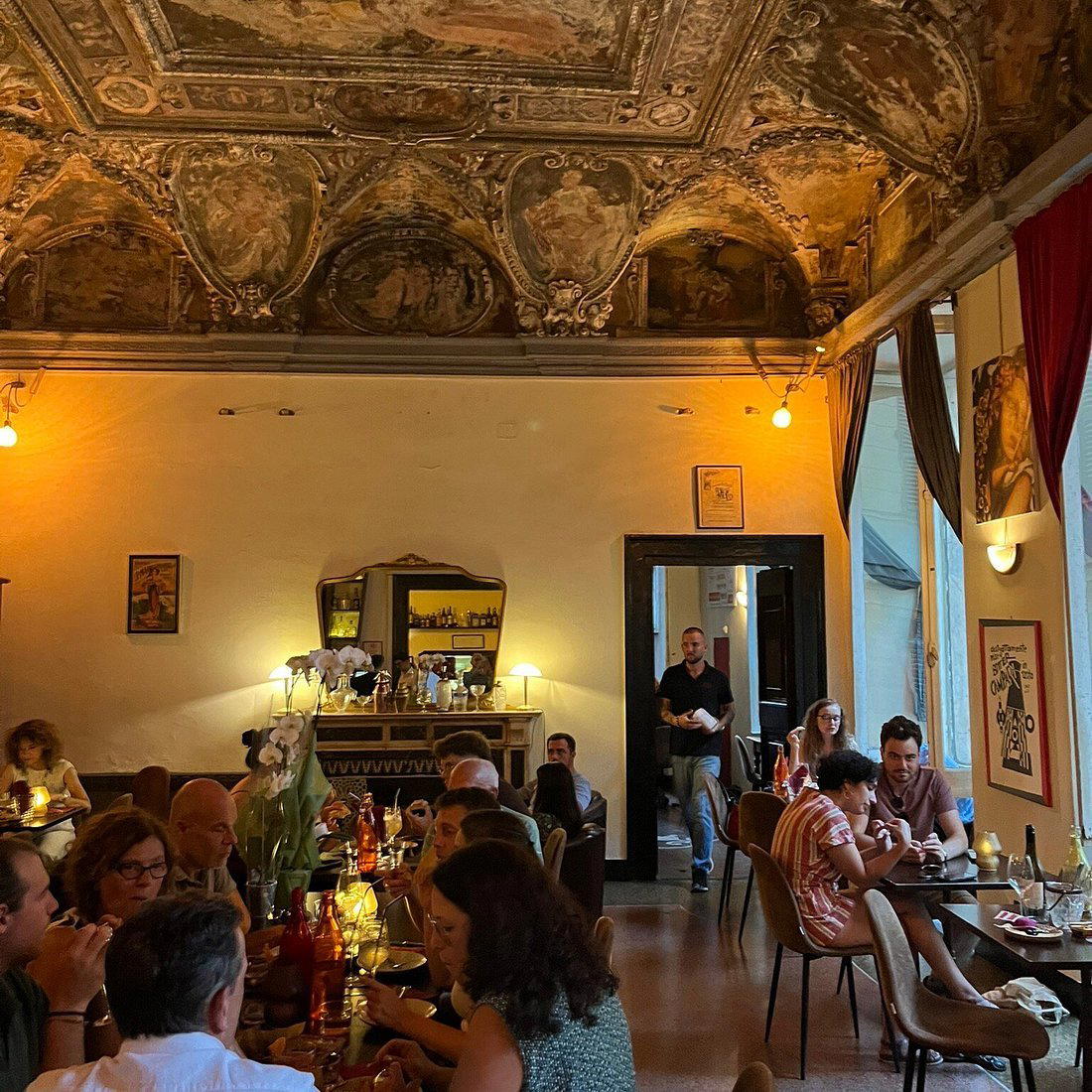
Rustic charm with genuine warmth; family-run sanctuary blending casual seaside dining with warm hospitality, featuring outdoor tables on the waterfront.