Aldo Moro
Aldo Moro sits on Via Marconi in Montagnana, a walled medieval town in the Euganean plain southwest of Padua. The restaurant draws on the agricultural traditions of the Veneto interior, where proximity to smallholders and the town's own market rhythms shape what ends up on the plate. For visitors to one of Italy's most intact medieval fortifications, it represents a grounded alternative to the region's more produced dining options.
Pearl is the En Primeur Club membership app — saves, bookings, and concierge access live there. Same editors, same standards.
- Address
- Via Guglielmo Marconi, 27, 35044 Montagnana PD, Italy
- Phone
- +393942981351
- Website
- ristorantealdomoro.com
- Directions
- Get directions
 Saves & bookings on Pearl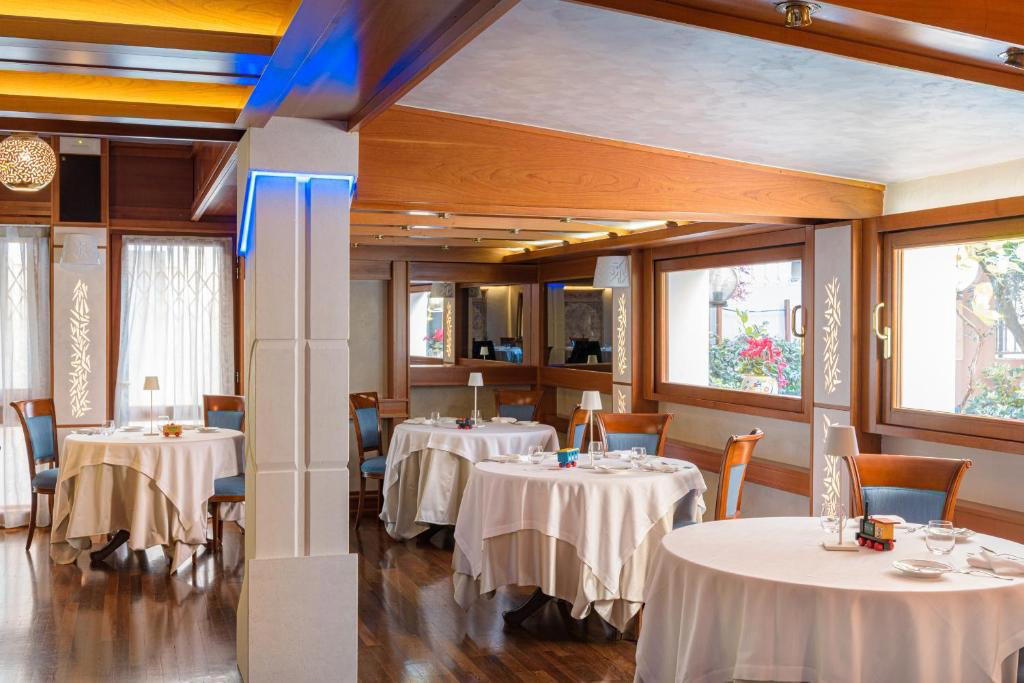
Montagnana at the Table: The Walled Town's Culinary Logic
Montagnana is one of the Veneto's least-trafficked medieval centres, its fourteenth-century walls so complete they read less like a ruin and more like a working civic boundary. The town sits in the low agricultural plain between Padua and Mantua, a stretch of Italy where prosciutto, legumes, and freshwater fish have defined local cooking for centuries rather than decades. Dining here follows a different rhythm from the region's more visited corridors: fewer destination kitchens, more cooking that answers directly to what the surrounding farms and producers can supply week to week.
Aldo Moro, on Via Guglielmo Marconi near the town's historic core, belongs to that tradition. Its address places it within the old walls, which in Montagnana means within walking distance of the weekly market, the local butchers who work with the town's prized prosciutto, and the kind of short supply chains that urban restaurants spend considerable effort trying to simulate. In this part of the Veneto interior, proximity to the source isn't a marketing position, it's simply how the town's commerce has always worked.
The Agricultural Argument: What the Euganean Plain Produces
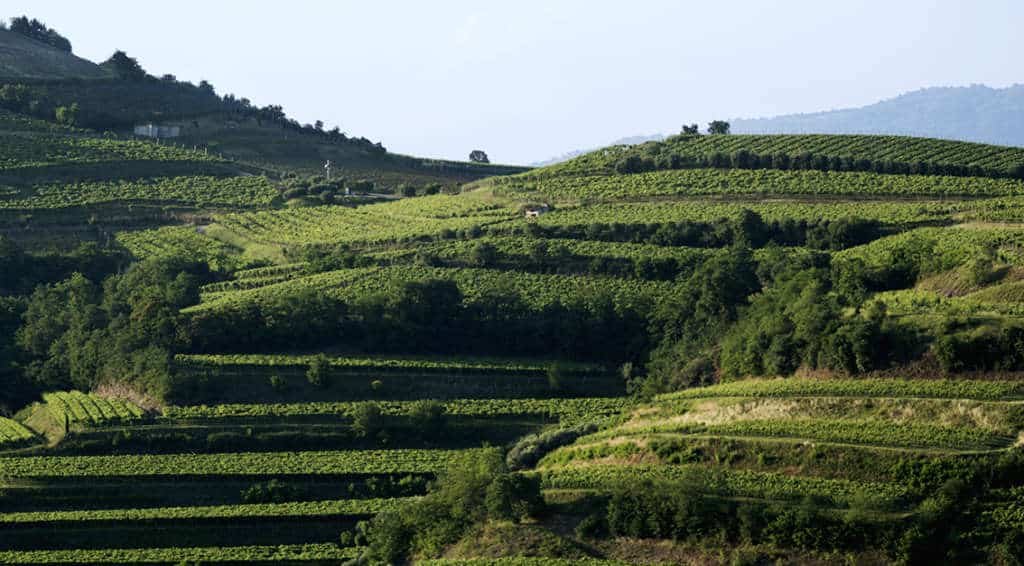
The case for ingredient-led cooking in this corner of the Veneto rests on specific geography. The Euganean Hills to the northeast shelter market gardens that supply artichokes, radicchio, and bitter greens with a minerality distinct from the coastal plain. The flatlands themselves support the pig farming that makes Montagnana's prosciutto one of the Veneto's quietly serious cured-meat traditions, operating in the long shadow of more famous neighbouring appellations but with loyal regional advocates. Freshwater fish from the rivers and irrigation channels that crisscross the plain, particularly eel and tench, appear in dishes that map directly to the waterways visible a few kilometres in any direction.
This is the supply context that shapes what a kitchen on Via Marconi has available. Italy's most documented restaurant kitchens, from Dal Pescatore in Runate to Osteria Francescana in Modena, have made the sourcing of regional ingredients a visible part of their editorial identity. In smaller towns, the same logic operates without the apparatus: the produce is local because the supply chain is local, not because anyone has decided to make a statement about it.
Veneto Interior Cooking and Its comparable set
Northern Italian dining at the higher end has polarised in recent years between progressively minded creative kitchens and those working deliberately within regional repertoire. Operations like Atelier Moessmer Norbert Niederkofler in Brunico or Le Calandre in Rubano sit firmly in the creative-contemporary category. Casa Perbellini 12 Apostoli in Verona, closer in geography to Montagnana, operates at a different register of formality and investment.
Montagnana's dining sits outside all of those frameworks. The town doesn't position itself as a gastronomic destination in the way that Alba (Piazza Duomo in Alba) or the Amalfi Coast (Quattro Passi in Marina del Cantone) have done. The restaurants here serve the town's own residents alongside visitors drawn by the walls and the Duomo, and the menus reflect that dual constituency. That dual pull tends to keep cooking grounded in the dishes people in the Euganean plain actually eat, which is a different discipline from building a tasting menu designed to travel well as a critical proposition.
Across Italy, compelling provincial dining often happens in towns where the kitchen's primary obligation is to the local rather than to the visitor, a pattern visible at Reale in Castel di Sangro and, in a different register, at Uliassi in Senigallia, both of which developed their identities partly in response to being places that visitors had to decide to seek out.
The Address and What It Implies
Via Guglielmo Marconi runs through Montagnana's walled interior, close enough to the central Piazza Vittorio Emanuele II that foot traffic is largely local rather than tourist-routed. Restaurants at this kind of address in a small Veneto town tend to carry the customs of the area: a cover charge that includes bread and sometimes grissini, a wine list weighted toward the Veneto and its neighbours, and a menu that changes at least seasonally and often more frequently, depending on what the week's market and local suppliers have delivered.
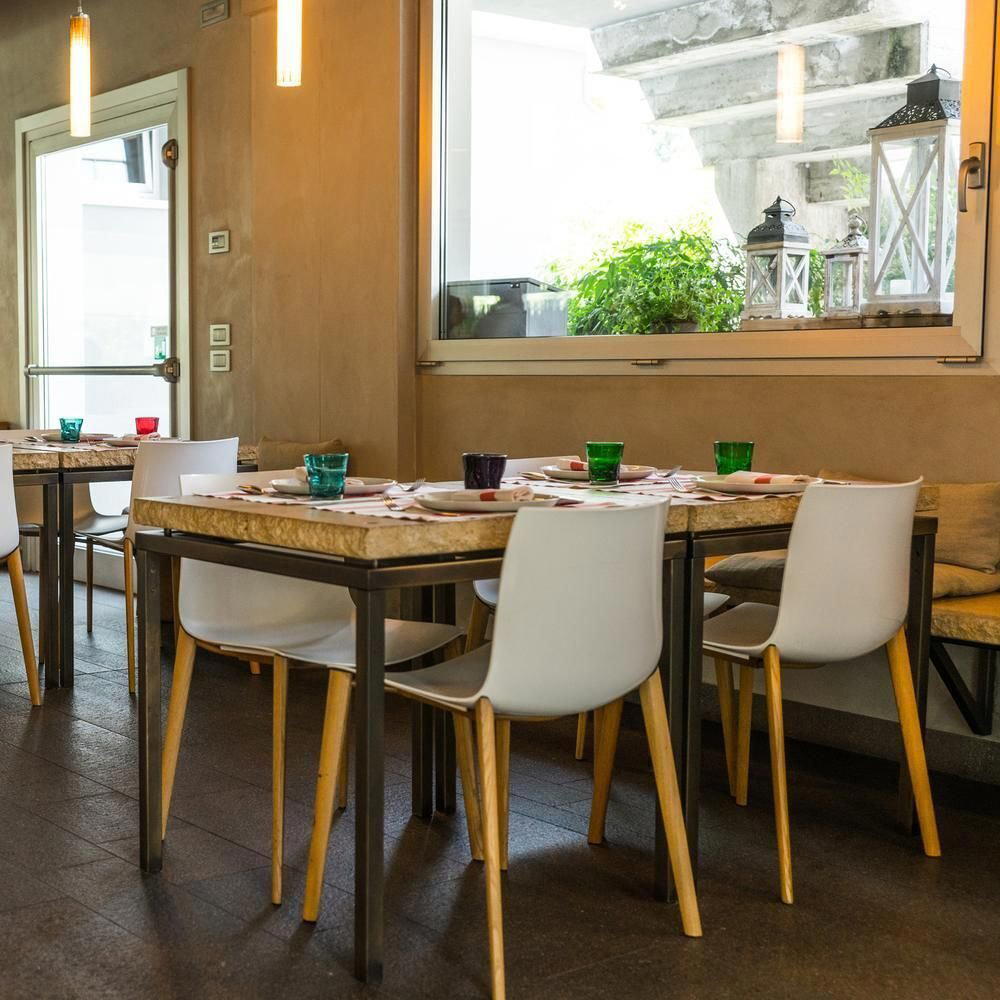
The physical environment of Montagnana's old town is stone, brick, and the particular stillness that comes from streets that haven't been designed around vehicle traffic. Approaching the restaurant means passing under or alongside a section of the medieval walls, a piece of urban furniture so present it functions less as backdrop and more as the town's basic organizing principle. The dining rooms of small Italian towns in settings like this tend toward modest formality: tablecloths, a service style that assumes you'll spend two hours rather than ninety minutes, and a pace calibrated to the rhythms of a midday or evening meal rather than a quick turn.
Nearby, San Benedetto offers an additional reference point within the same town.
Planning a Visit
Montagnana sits approximately 55 kilometres southwest of Padua, reachable by regional train to Montagnana station or by car from the A13 motorway. The town is compact enough that Via Marconi is a short walk from any point inside the walls. For visitors combining a meal with the walls and the Duomo di Santa Maria Assunta, the Mantegna altarpiece inside merits the detour independently, and a midday reservation makes practical sense, as the walk along the full circuit of walls takes close to an hour.
Those building an itinerary around northern Italy's most considered regional cooking will find Montagnana sits usefully between Verona and Ferrara, allowing it to anchor a day trip or overnight stop rather than requiring a dedicated journey. For context on the broader range of what serious Italian regional cooking looks like at higher investment levels, Enoteca Pinchiorri in Florence, Enrico Bartolini in Milan, and La Pergola in Rome represent the country's most decorated tier, while Da Vittorio in Brusaporto and Villa Crespi in Orta San Giulio offer regional northern comparisons. Internationally, Le Bernardin in New York City and Lazy Bear in San Francisco illustrate how ingredient provenance and sourcing transparency operate in different dining contexts.
Comparable Venues
Comparable venues nearby, for context on price, style, and recognition.
| Venue | Cuisine | Price | Notes |
|---|---|---|---|
| Aldo MoroThis venue — the venue you are viewing | Modern Venetian Italian | $$$ | Not listed |
| San Benedetto | Traditional Veneto Italian | $$$ | Montagnana |
| Da Biasio | Modern Italian Seafood with Veneto Traditions | $$$ | Monte Berico |
| Ombra del Leone | Classic Venetian Seafood | $$$ | San Marco |
| Algiubagio Restaurant | Traditional Venetian Italian | $$$ | Cannaregio |
| Principessa | Venetian Seafood | $$$ | Castello |
Continue exploring
More in Montagnana
Restaurants in Montagnana
Browse all →
Bars in Montagnana
Browse all →
Hotels in Montagnana
Browse all →
At a Glance
- Elegant
- Romantic
- Cozy
- Sophisticated
- Classic
- Date Night
- Business Dinner
- Special Occasion
- Family
- Private Dining
- Historic Building
- Extensive Wine List
- Local Sourcing
Current opening hours
- Monday
- Closed
- Tuesday
- 12:30–2 PM, 7:30–10 PM
- Wednesday
- 12:30–2 PM, 7:30–10 PM
- Thursday
- 12:30–2 PM, 7:30–10 PM
- Friday
- 12:30–2 PM, 7:30–10 PM
- Saturday
- 12:30–2 PM, 7:30–10 PM
- Sunday
- 12–2 PM
Hours can change for holidays and private events. Last verified .
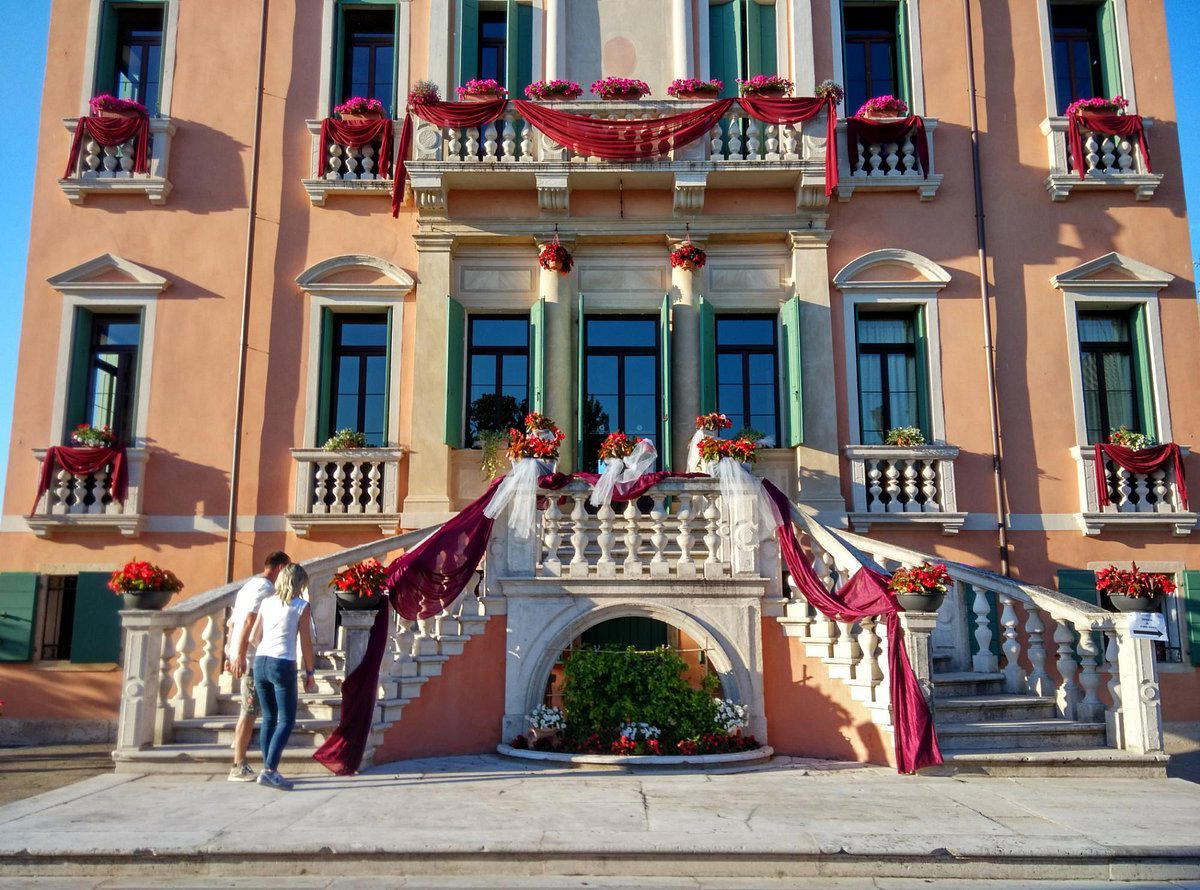
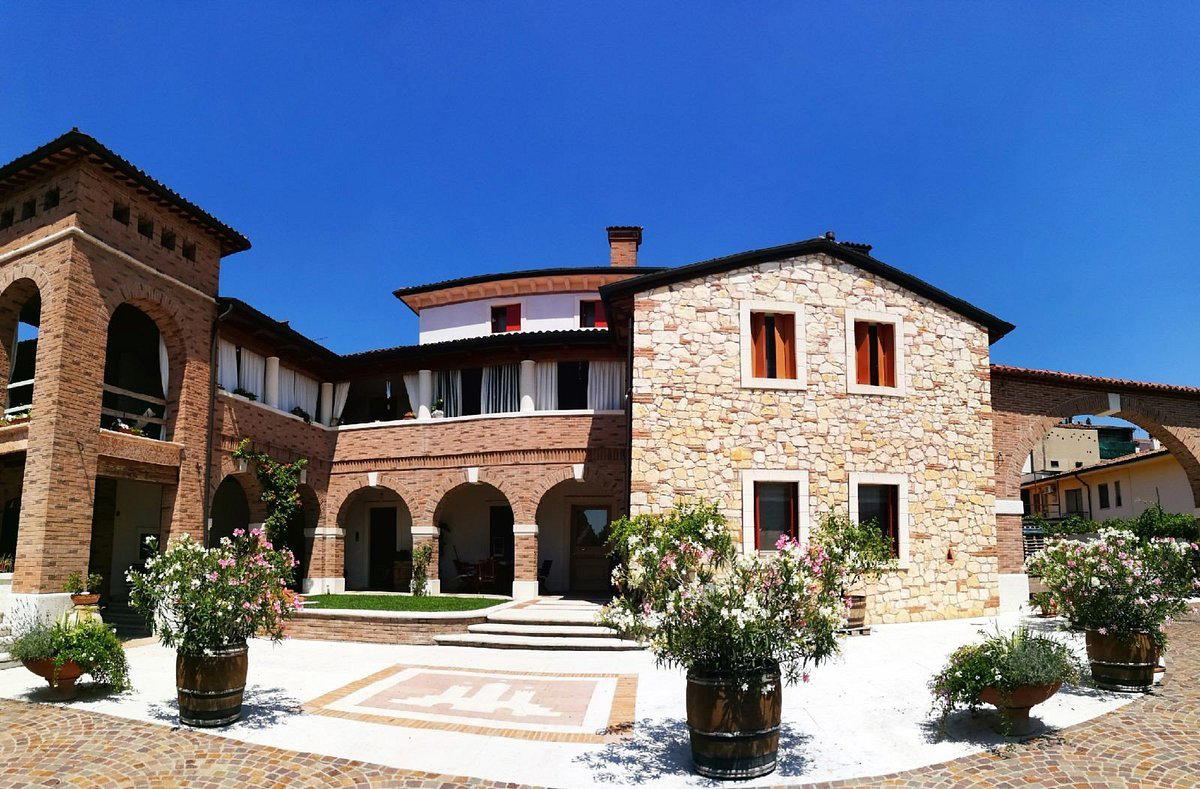
Elegantly furnished with beautifully designed rooms creating a chic, cozy, and formal atmosphere ideal for romantic candlelit dinners.