Google: 4.6 · 1,213 reviews
Samurai
Samurai occupies a quiet address on Calle del Seminario in the Colonial Zone of Santo Domingo, placing Japanese culinary tradition within one of the Caribbean's most historically layered neighbourhoods. The restaurant represents a strand of Santo Domingo's dining scene that has long maintained an appetite for precision-oriented Asian cuisine alongside its Dominican and European counterparts. Visitors seeking focused, format-driven dining in the capital will find it worth investigating.
 Discover on Pearl
Pearl is the En Primeur Club membership app — saves, bookings, and concierge access live there. Same editors, same standards.
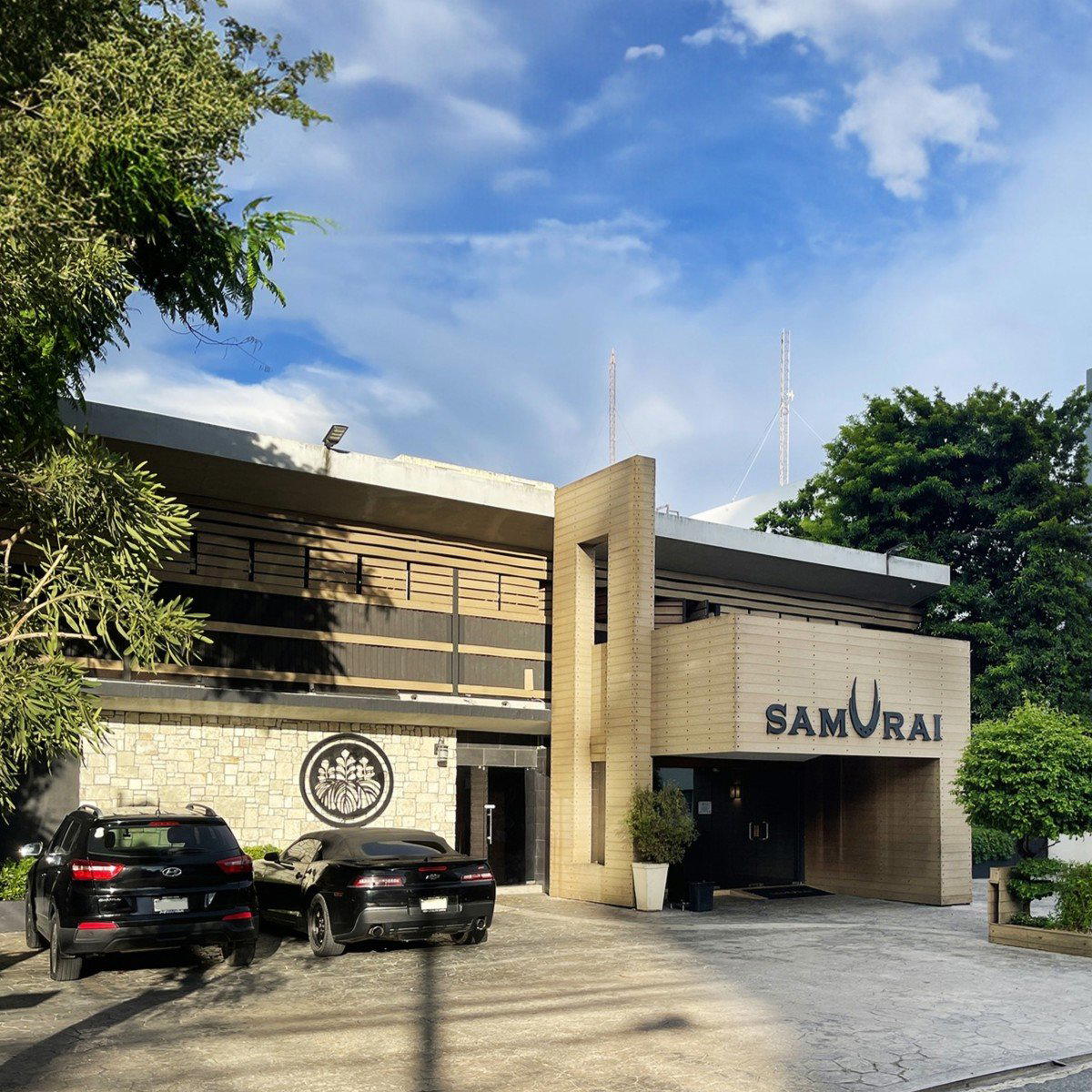
Japanese Precision in the Colonial Zone
Calle del Seminario is one of those streets where the colonial-era stonework does the atmospheric work before you've decided what to eat. The address at number 57 places Samurai inside the UNESCO-designated Colonial Zone of Santo Domingo, the oldest continuously inhabited European settlement in the Americas, and that context matters more than it might seem. Japanese restaurants in the Caribbean have historically appeared at resort peripheries or inside hotel dining programs, positioned as novelty rather than culinary statement. A standalone operation in the Colonial Zone, surrounded by the cobblestones and ochre facades that predate most of the world's great dining cities, represents something different: a considered decision to plant precision-oriented cuisine in a neighbourhood defined by historical weight rather than tourist convenience.
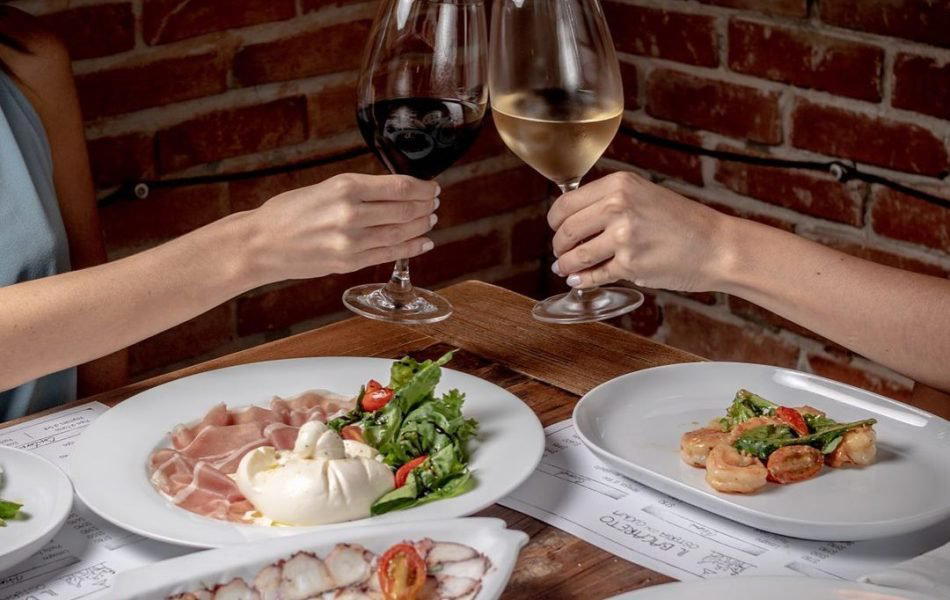
That positioning places Samurai in a small but meaningful cohort within Santo Domingo's broader dining scene. The capital has developed a restaurant culture that runs considerably deeper than most Caribbean cities of comparable size. Alongside Dominican-focused houses like Mesón de Bari and European-influenced rooms such as Il Bacareto, there is genuine appetite for cuisines that require technical discipline and sourcing specificity. Japanese cooking belongs in that category more than most.
What Japanese Cuisine Means in This Context
To understand why a restaurant like Samurai registers differently in Santo Domingo than it might in Miami or New York, it helps to consider what Japanese culinary tradition actually demands of a location. The cuisine is not easily transplanted. Its core formats — whether sushi counters, izakayas, or ramen houses — depend on protein sourcing, rice quality, fermentation timing, and a service culture built around precision and restraint. Operating any of those formats in the Dominican Republic requires working through supply chains that most Caribbean markets have not historically prioritised.
The cities that have managed it tend to share a common thread: a local dining community willing to pay for authenticity over approximation, and restaurateurs disciplined enough to build the supply infrastructure. Santo Domingo has developed both conditions over the past two decades, partly driven by a diaspora community with travel experience in Japan and Japanese-influenced cities, and partly by a broader shift in the capital's dining ambition. The result is a small but serious cluster of Japanese-influenced dining options that holds its own against comparable offerings in other Latin American capitals.
For reference points from the international Japanese dining conversation, counters like Atomix in New York City or the precision-focused rooms documented by 8½ Otto e Mezzo Bombana in Hong Kong illustrate the tier at which Japanese-influenced fine dining operates globally. Santo Domingo's version of this tradition operates at a different scale, but the cultural commitment to the form is recognisable.
The Colonial Zone as a Dining Address
Santo Domingo's Colonial Zone functions as its own micro-market within the city's restaurant scene. Visitors arriving from the Zona Rosa or Piantini neighbourhoods, where much of the capital's contemporary dining is concentrated, find a different tempo here. Foot traffic patterns are shaped by tourism and heritage tourism rather than the after-work professional crowd. That means a restaurant on Calle del Seminario draws a different mix of guests than a comparable address in Naco or Gazcue.
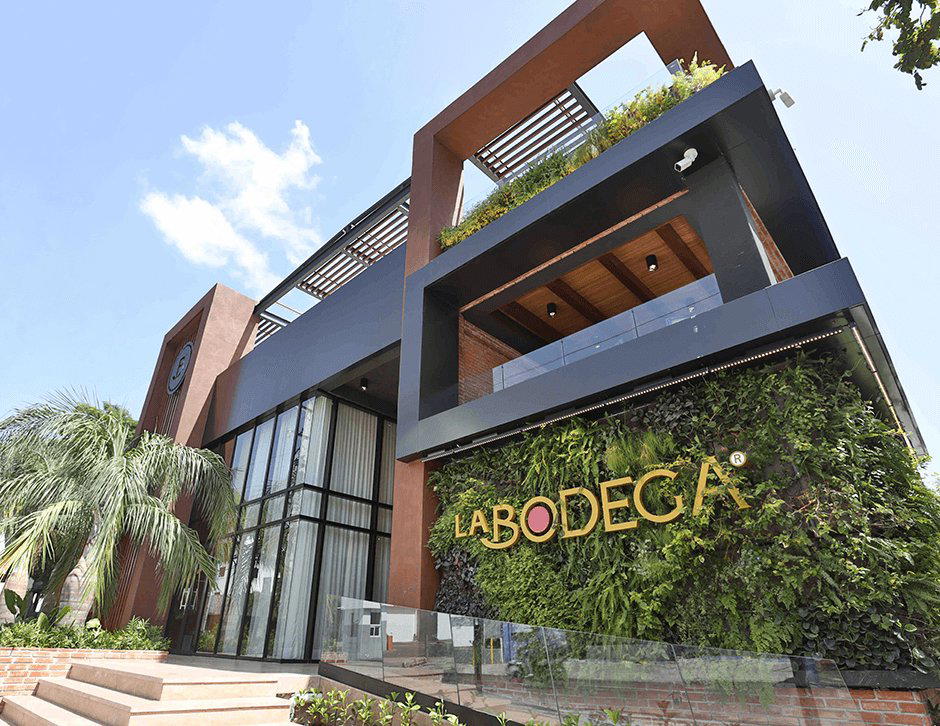
For Samurai, the Colonial Zone location brings both visibility among international visitors and a degree of separation from the high-competition corridors where Santo Domingo's newer restaurant openings tend to cluster. The nearby dining options span a wide historical and culinary range: Pat'e Palo European Brasserie operates close by as one of the zone's longer-established European rooms, and La Bodega contributes to the area's broader dining character. Within that mix, a Japanese restaurant occupies a distinct niche: it is not competing on Dominican culinary heritage, nor on European familiarity, but on a cuisine that requires its own set of commitments from both kitchen and guest.
Elsewhere in the Dominican Republic, the dining conversation shifts considerably by geography. Resort-adjacent options like Cielo Beach Club in Punta Cana or Blue Grill + Bar in Cap Cana serve markets defined by international tourism rather than local dining culture. The Colonial Zone sits closer to Santo Domingo's own civic identity, which is why the restaurants that work there tend to have a clearer sense of who they are serving.
Planning a Visit
Samurai is located at Calle del Seminario #57 in the Colonial Zone, postal code 10148. The Colonial Zone is walkable from most of its own key landmarks, and the address is accessible by taxi from the Zona Rosa and Gazcue neighbourhoods in under twenty minutes depending on traffic. Specific booking methods, current hours, and pricing are not confirmed in available data, and given the pace at which Santo Domingo's restaurant scene moves, direct confirmation with the venue before visiting is advisable. The Colonial Zone's dining rhythm generally peaks in the evening, with lighter lunchtime traffic on weekdays.
For a fuller picture of Santo Domingo's dining options across neighbourhoods and cuisine types, our full Santo Domingo restaurants guide covers the city's current scene in detail, including newer openings like Ajualä. If travel is extending beyond the capital, properties and restaurants along the north coast , including Aguají in Sosua and Casa Grande in Rio San Juan , offer useful reference points for how dining culture shifts outside Santo Domingo. For those using the Dominican Republic as part of a longer regional itinerary, Playa Blanca Restaurant in Higuey rounds out the eastern corridor.
Among the global reference points that help situate what serious dining ambition looks like across very different contexts, Le Bernardin in New York City, Lazy Bear in San Francisco, Alinea in Chicago, Emeril's in New Orleans, and Alain Ducasse at Louis XV in Monte Carlo each illustrate how a restaurant's relationship to its city and cultural context defines its character as much as the food itself. That principle applies in Santo Domingo as much as anywhere.
Booking and Cost Snapshot
These are the closest comparables we have in our database for quick context.
| Venue | Price | Awards | Notes |
|---|---|---|---|
| Samurai | This venue | ||
| Ajualä | |||
| La Bodega | |||
| Restaurante Filigrana Santo Domingo | |||
| Il Bacareto | |||
| Mesón de Bari |
Continue exploring
More in Santo Domingo
Restaurants in Santo Domingo
Browse all →
Bars in Santo Domingo
Browse all →
At a Glance
- Cozy
- Elegant
- Intimate
- Date Night
- Special Occasion
- Group Dining
- Terrace
- Open Kitchen
- Local Sourcing
- Garden
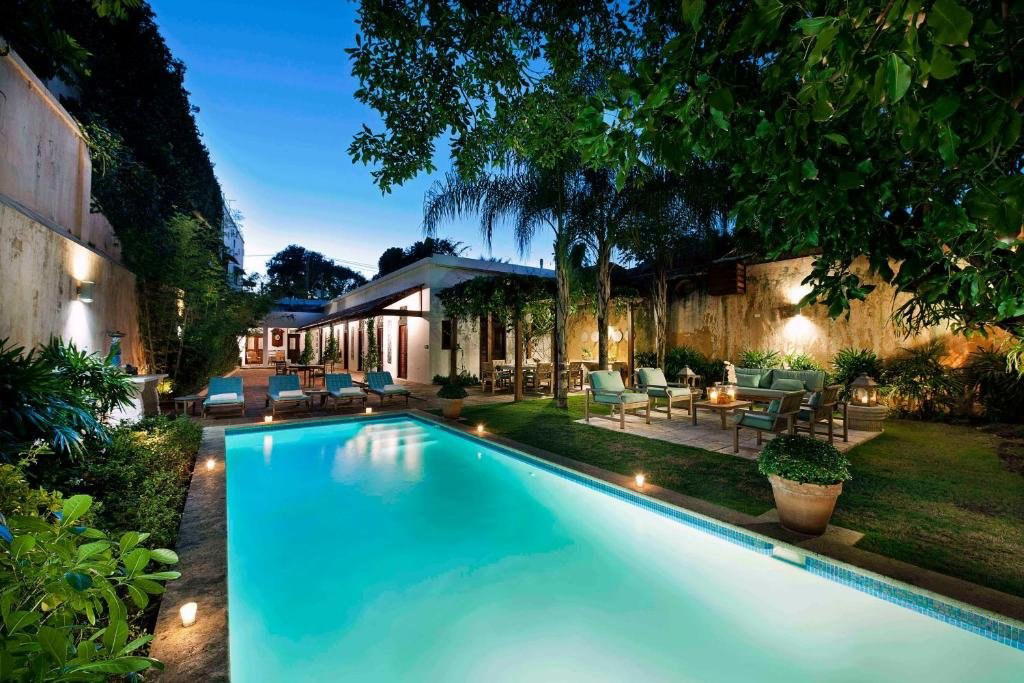
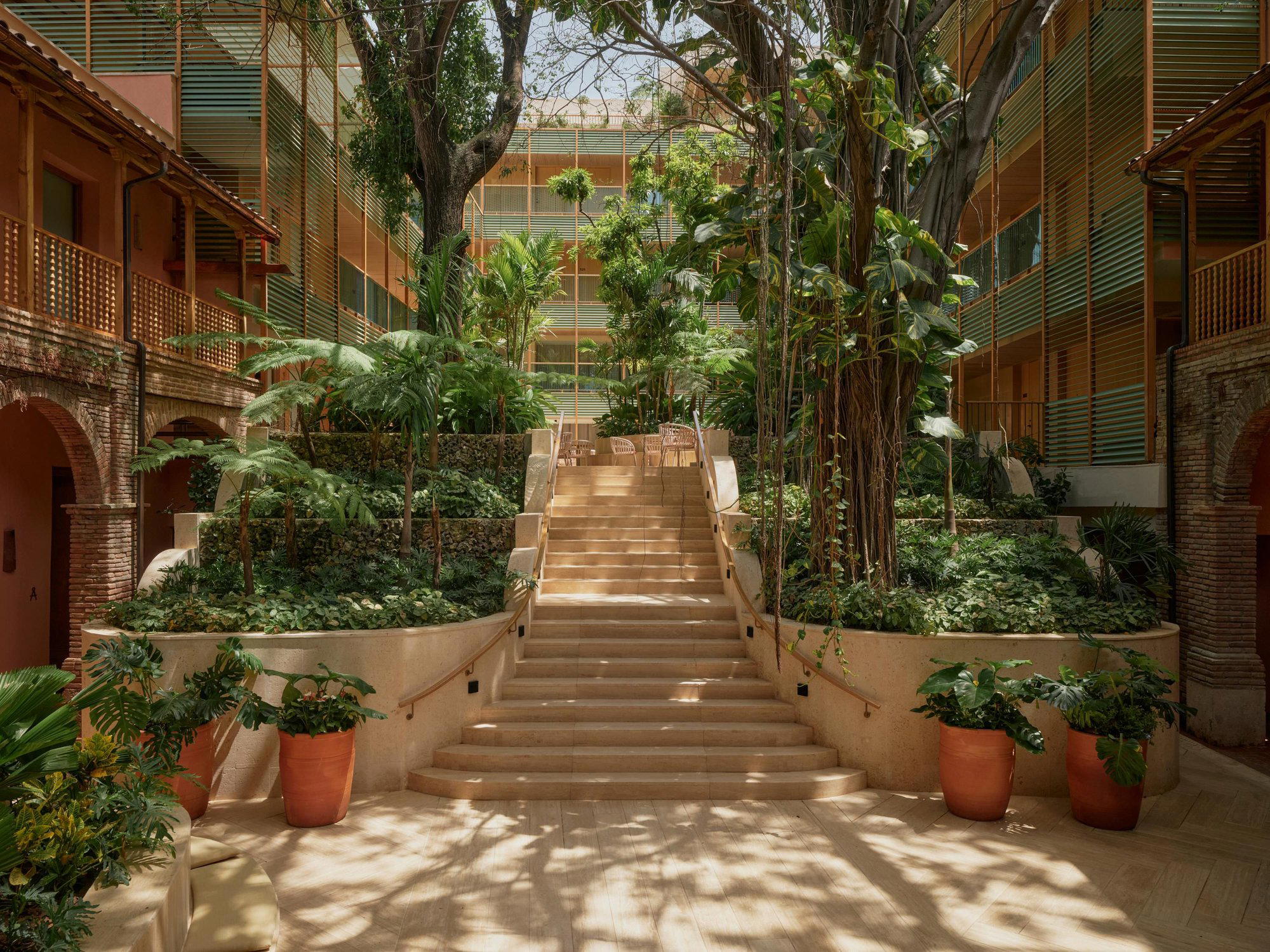
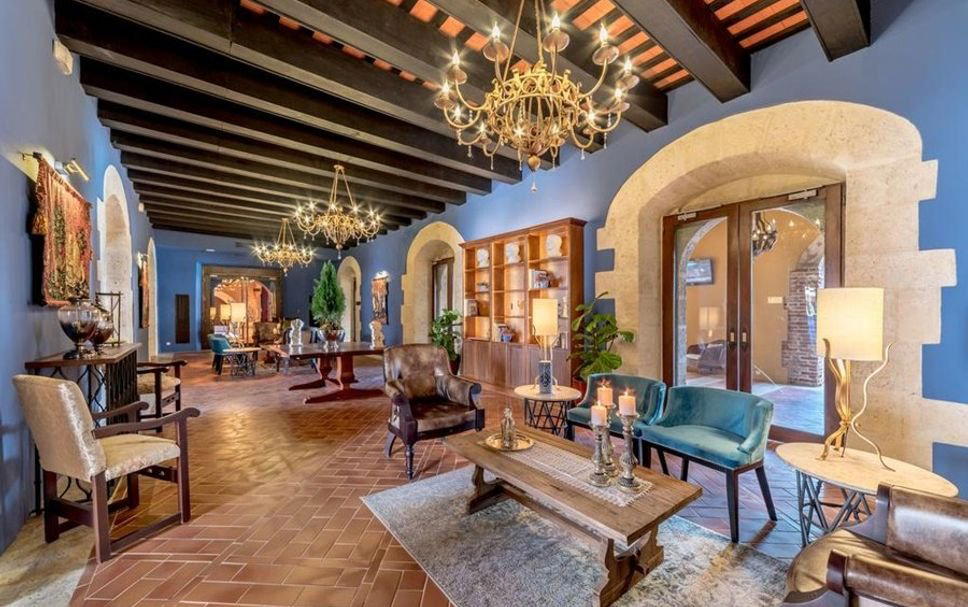
Cozy space with traditional Japanese floor cushion area, high tables, yakiniku grills, and relaxing patio garden with waterfall.