Mesón de Bari
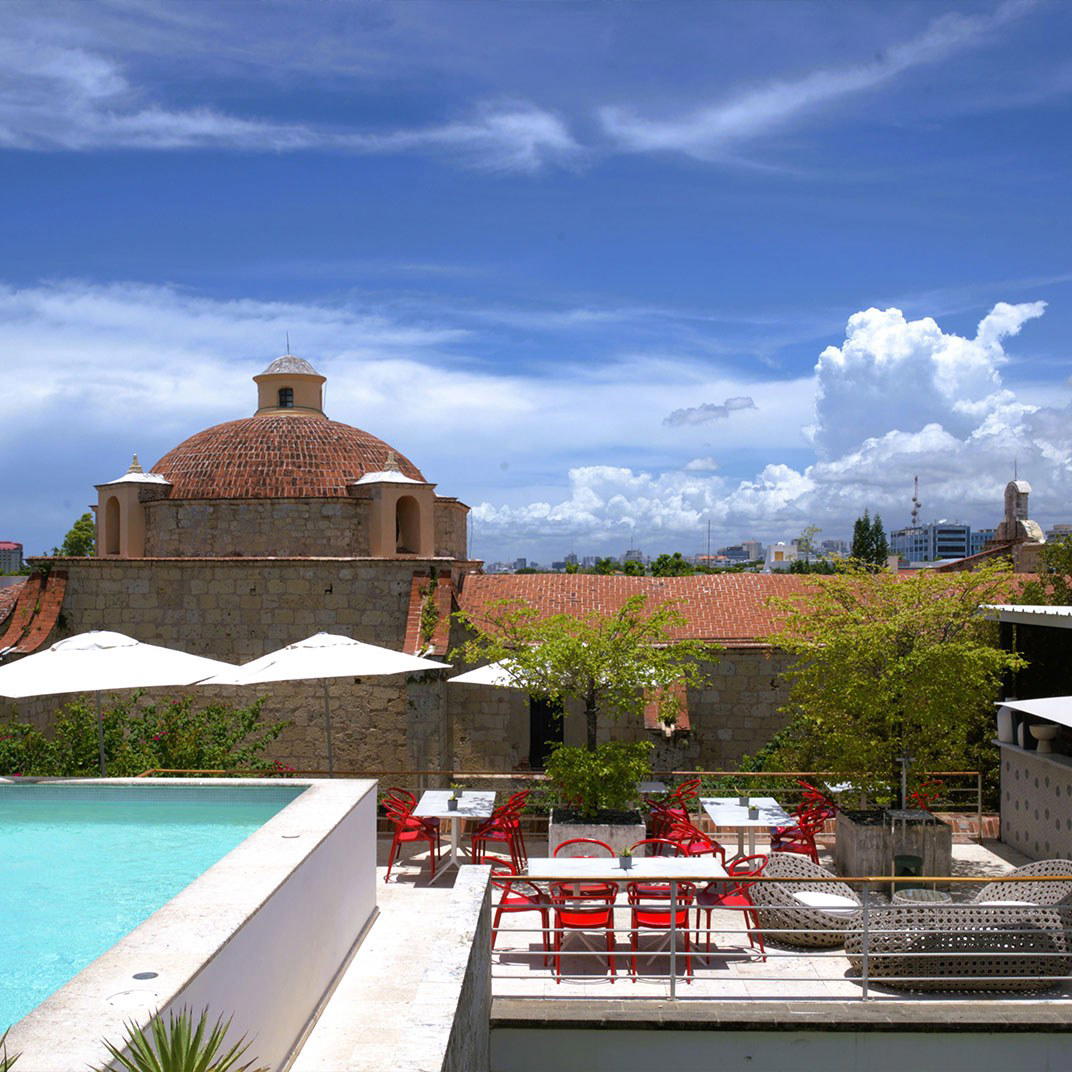
On Calle Hostos in Santo Domingo's Colonial Zone, Mesón de Bari is one of the neighbourhood's most established addresses for Dominican and Spanish-influenced cooking. The setting draws on the architecture and rhythms of the Zona Colonial, placing it firmly within the city's historic dining corridor alongside addresses like Pat'e Palo and Il Bacareto. For visitors orienting around the old city, it serves as a reliable anchor point in a walkable cluster of serious restaurants.
Pearl is the En Primeur Club membership app — saves, bookings, and concierge access live there. Same editors, same standards.
- Address
- C. Hostos 302, Santo Domingo 10210, Dominican Republic
- Phone
- +1 809 689 5546
- Website
- restaurantwebexpert.com
- Directions
- Get directions
 Saves & bookings on Pearl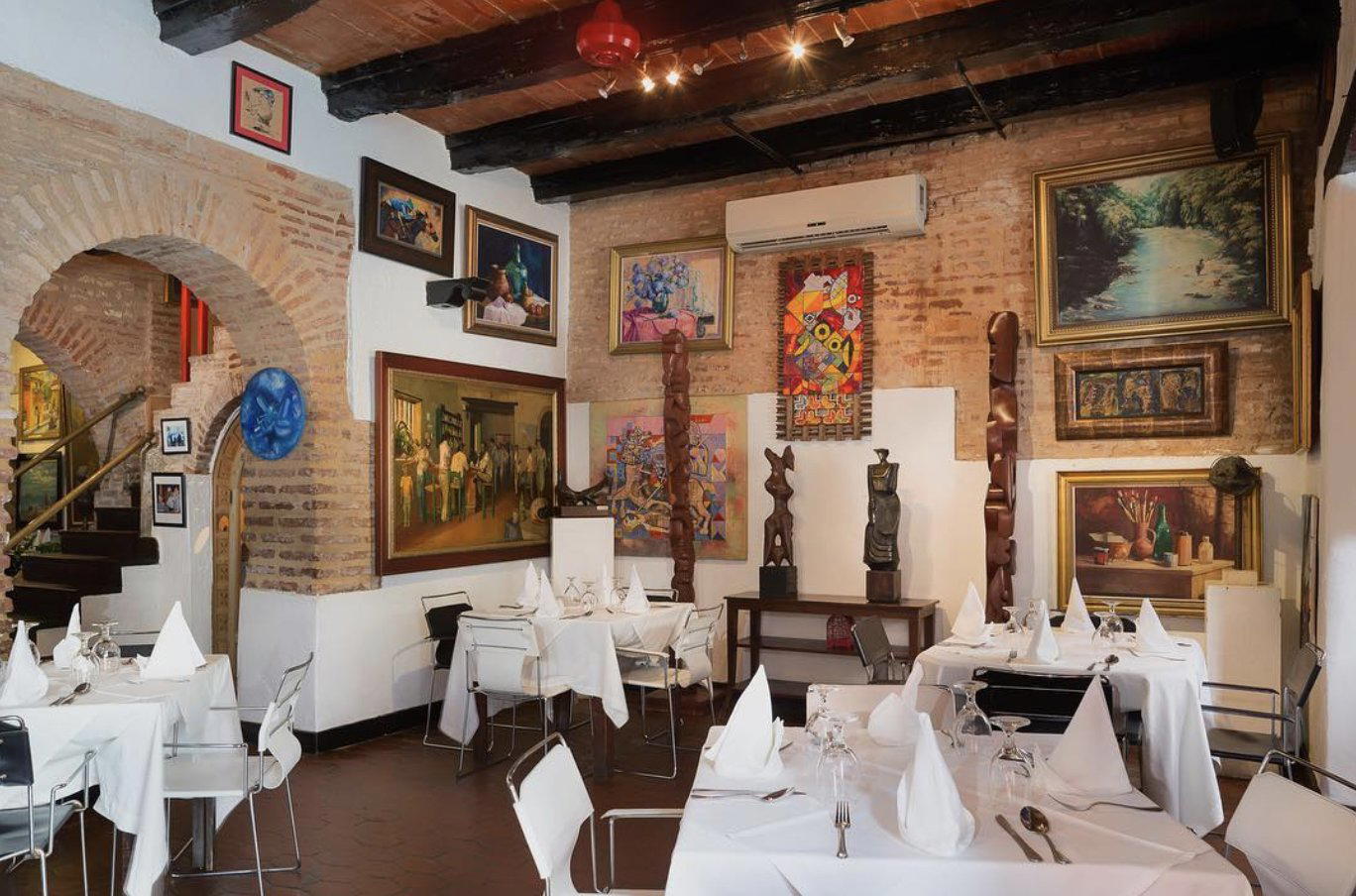
Where the Colonial Zone Eats
Calle Hostos runs through the heart of Santo Domingo's Zona Colonial, the UNESCO-listed grid of 16th-century streets that form the oldest continuously inhabited European settlement in the Americas. Restaurants along this corridor operate in a specific context: stone walls, narrow footpaths, and a neighbourhood where the past is not a design concept but a physical fact. The dining scene here has historically split between international-facing establishments targeting heritage tourism and smaller, more locally rooted addresses that serve the city's own residents and repeat visitors. Mesón de Bari, at number 302 on Calle Hostos, sits in the latter category, with a presence in the neighbourhood that predates the current wave of Colonial Zone restaurant investment.
To understand what this stretch of the city offers, it helps to place it against the broader Santo Domingo restaurant picture. The capital has developed a genuinely varied dining tier, from contemporary Dominican cooking at places like Ajualä to European brasserie formats at Pat'e Palo European Brasserie, Italian-leaning rooms at Il Bacareto, and wine-anchored dining at La Bodega. Mesón de Bari occupies a different register from all of these: it reads less as a concept and more as a place that has simply been feeding people in the Colonial Zone for a long time, with the credibility that continuity implies.
The Cultural Thread: Dominican and Spanish Cooking in the Same Room
The name itself signals the dual inheritance. A mesón is a traditional Spanish inn or tavern, the kind of roadside eating house that fed travellers across Castile for centuries. Bari adds a further layer, referencing the southern Italian port city whose own culinary traditions mixed with Spanish and Arab influences over generations. In the context of a Santo Domingo restaurant, the name condenses exactly the layered colonial history of the island: Spanish settlers who brought their food culture, African communities who transformed it, and the slow synthesis that became Dominican cooking.
That synthesis is one of the Caribbean's more underappreciated culinary stories. Dominican cuisine is not simply a tropical variant of Spanish food. The sofrito base, the use of plantain at every stage of ripeness, the distinction between moro (rice and beans cooked together) and the plainer arroz blanco served alongside stewed meats, the slow-braised goat preparations of the interior provinces: these represent a distinct culinary grammar, assembled over centuries from multiple source traditions. Restaurants in the Colonial Zone that take this grammar seriously occupy a different position from the hotel dining rooms and tourist-facing menus that dominate much of the Caribbean's dining infrastructure. The comparison is worth making explicitly: where a property like Eden Roc Cap Cana operates within the resort-dining framework of the country's east coast, Colonial Zone addresses like Mesón de Bari exist in an older, more quotidian relationship with Dominican food culture.
Across the country, the same rooted approach appears at different scales. La Yola in Punta Cana, Aguají in Sosua, and Casa Grande in Rio San Juan each reflect regional inflections of Dominican hospitality outside the capital. But Santo Domingo's Colonial Zone carries a particular weight: it is where the island's oldest food traditions were formally codified, and where the intersection of Spanish and Caribbean cooking is most legibly written into the built environment around the restaurants themselves.
How This Fits Into the Colonial Zone's Dining Tier
The Zona Colonial has seen considerable investment in recent years, with new openings and renovated properties pushing the neighbourhood's dining offer toward a more polished register. Restaurante Filigrana Santo Domingo represents one end of that newer wave. Mesón de Bari represents an earlier layer: an established address with the kind of neighbourhood familiarity that newer openings have not yet earned. That positioning has its own value for a certain type of visitor, specifically those who want to eat in a place that the city has already decided to trust rather than one it is currently deciding about.
The address on Calle Hostos also makes it walkable from the major Colonial Zone landmarks, including the Catedral Primada de América and the Parque Colón, which means it captures foot traffic from heritage visitors as well as the local lunch crowd. In a neighbourhood where restaurant tenure is itself a credential, longevity matters in ways that Michelin recognition or a celebrity chef's name would matter in other cities. The Dominican Republic does not currently feature in the Michelin Guide, which means the trust signals that operate here are different from those at, say, Le Bernardin in New York City, Atomix in New York City, or HAJIME in Osaka. Neighbourhood reputation and years of operation carry the weight that formal ratings carry elsewhere.
For visitors building a broader Santo Domingo dining itinerary, the full Santo Domingo restaurants guide maps the city's current offer across price tiers and neighbourhoods, placing addresses like Mesón de Bari within the wider pattern of where the capital's dining is developing and where it has been for decades.
Planning Your Visit
Mesón de Bari is located at Calle Hostos 302 in the Zona Colonial, within walking distance of the neighbourhood's main plazas and within the pedestrian-friendly core of the historic district. Given the venue's established presence and local following, arriving earlier in a meal service rather than at peak hours is the more reliable approach. Specific booking methods, current hours, and pricing were not available at the time of writing; visiting in person or checking recent local listings is the most dependable way to confirm current details before a visit. Dress code expectations in the Colonial Zone generally skew toward smart-casual, reflecting the neighbourhood's mix of tourists, business lunchers, and local residents.
Continue exploring
More in Santo Domingo
Restaurants in Santo Domingo
Browse all →

Bars in Santo Domingo
Browse all →
At a Glance
- Rustic
- Cozy
- Classic
- Casual Hangout
- Family
- Historic Building
- Live Music
Current opening hours
- Monday
- 12–10 PM
- Tuesday
- 12–10 PM
- Wednesday
- 12–10 PM
- Thursday
- 12–10 PM
- Friday
- 12–10 PM
- Saturday
- 12–10 PM
- Sunday
- 12–10 PM
Hours can change for holidays and private events. Last verified .
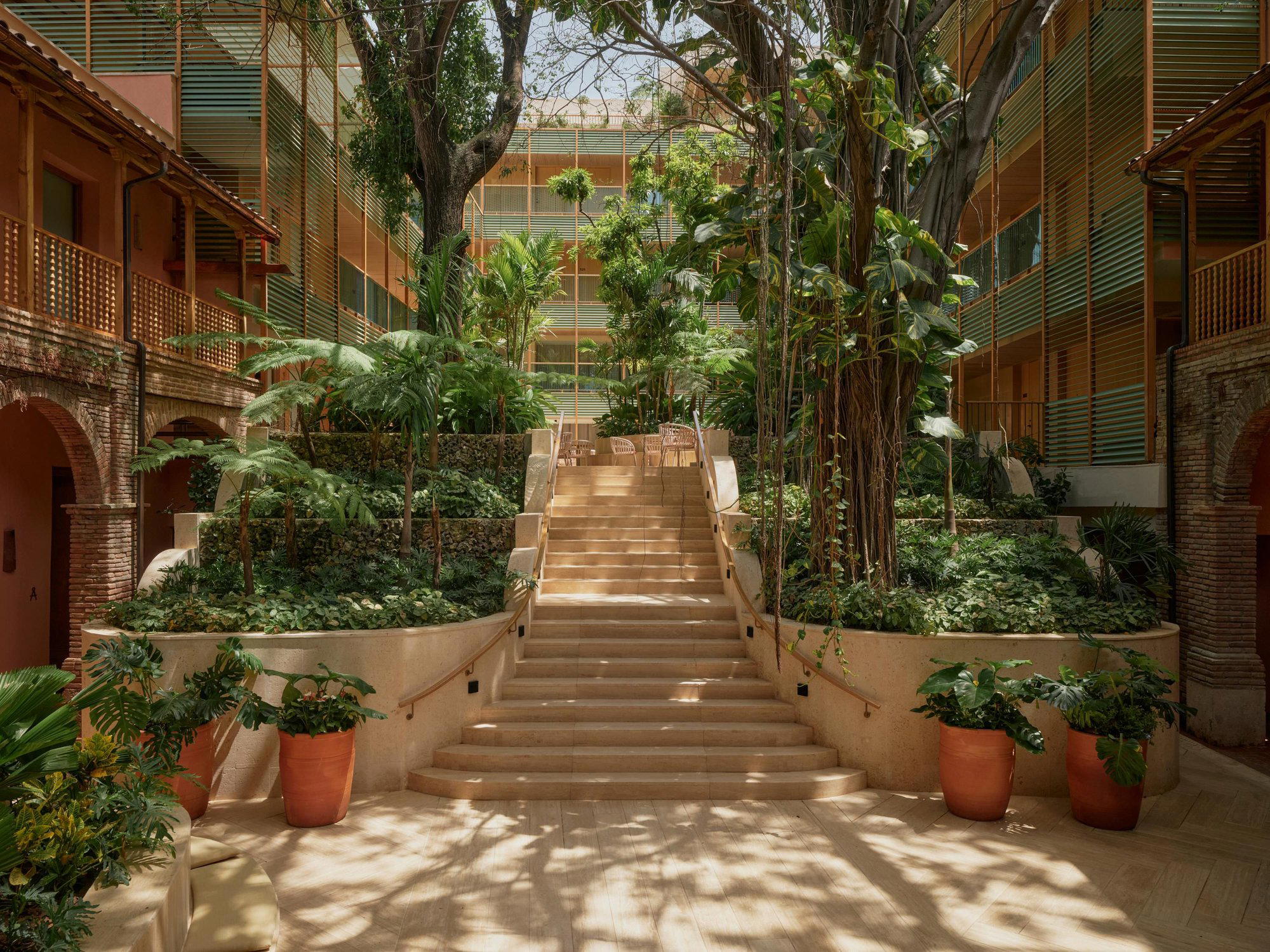
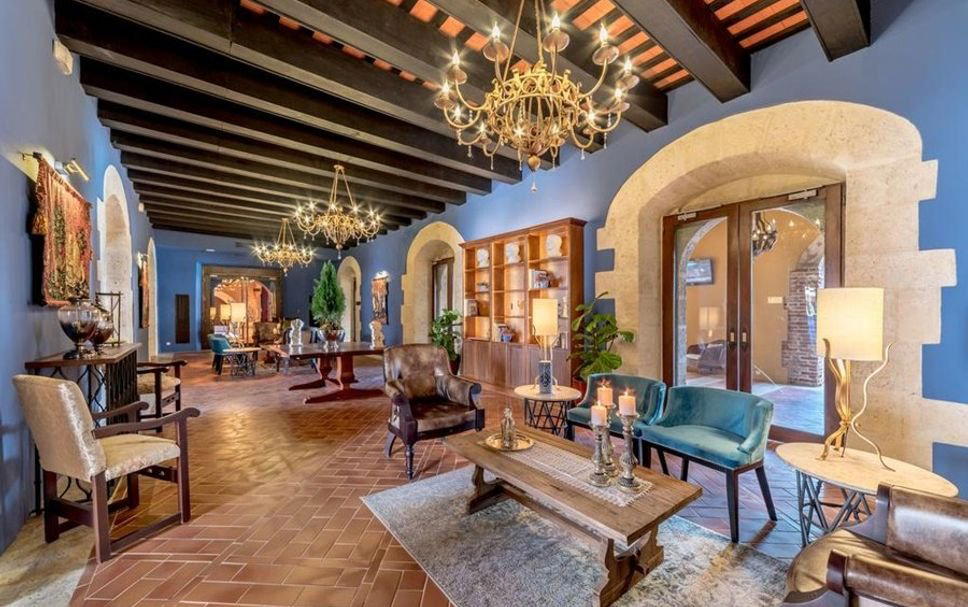
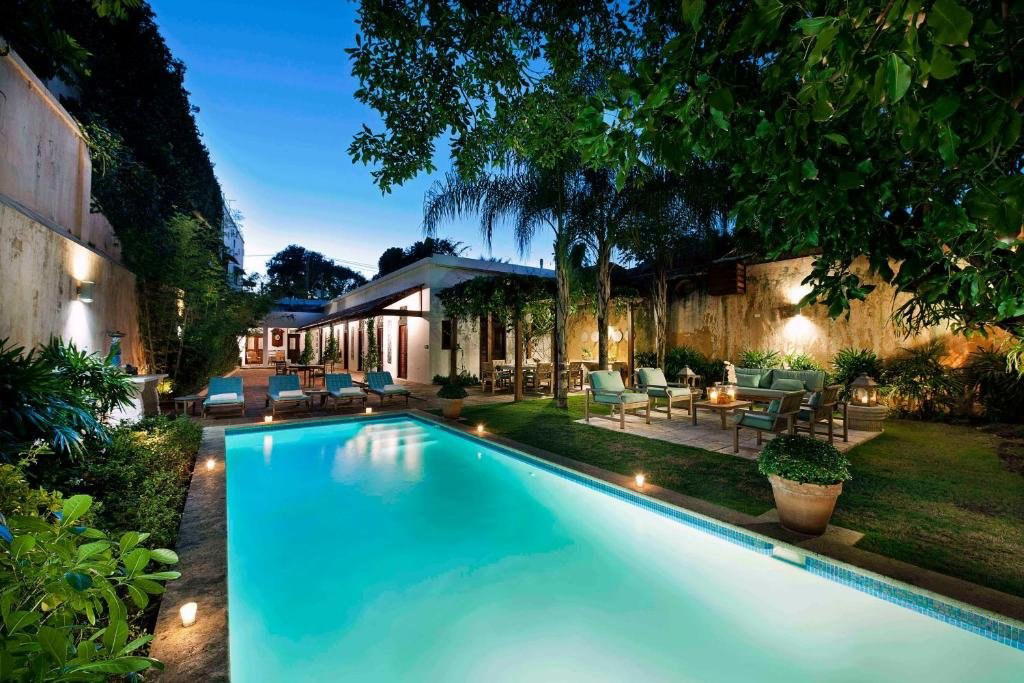
Colorful decor, warm lighting, and charming atmosphere with local art and occasional live music.
Know Before You Go
- Getting there
- C. Hostos 302, Santo Domingo 10210, Dominican Republic