Hodelpa Nicolás de Ovando

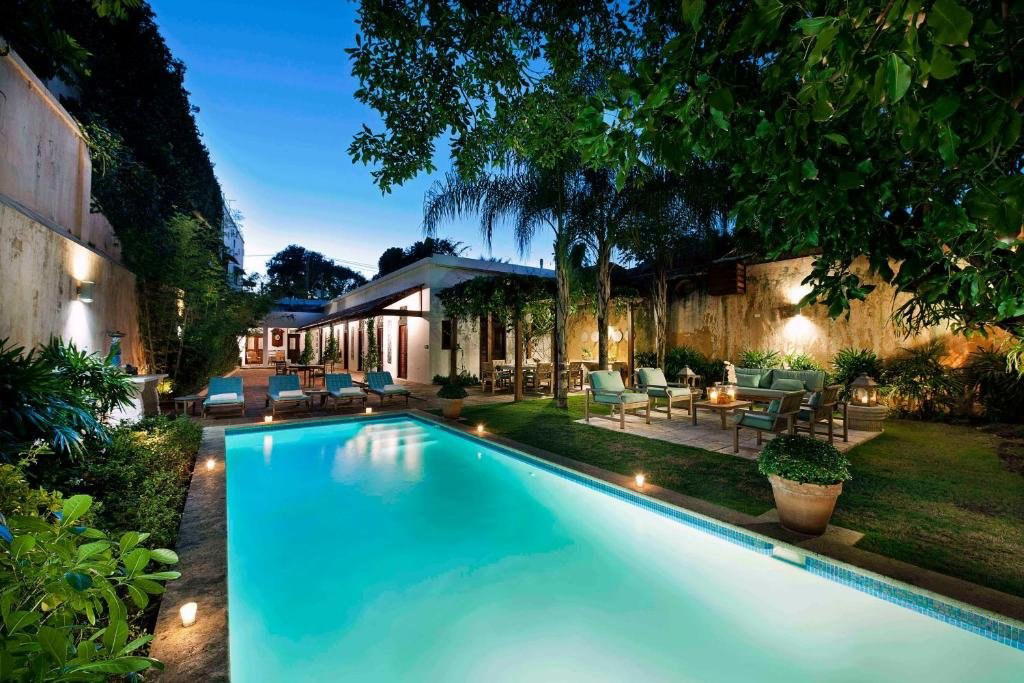
On Calle Las Damas, the oldest street in the Americas, Hodelpa Nicolás de Ovando occupies the 16th-century mansion that once housed the colonial governor of Hispaniola. The architecture is the argument here: thick coral-stone walls, arcaded courtyards, and a pool terrace that reads as a living document of Spanish colonial ambition. For travellers who want to sleep inside Santo Domingo's UNESCO-listed Zona Colonial rather than merely visit it, this address is the most historically grounded option on the street.
Pearl is the En Primeur Club membership app — saves, bookings, and concierge access live there. Same editors, same standards.
- Address
- C. Las Damas, Santo Domingo 10210, Dominican Republic
- Phone
- +1 809 685 9955
- Website
- hodelpa.com
- Directions
- Get directions
 Saves & bookings on Pearl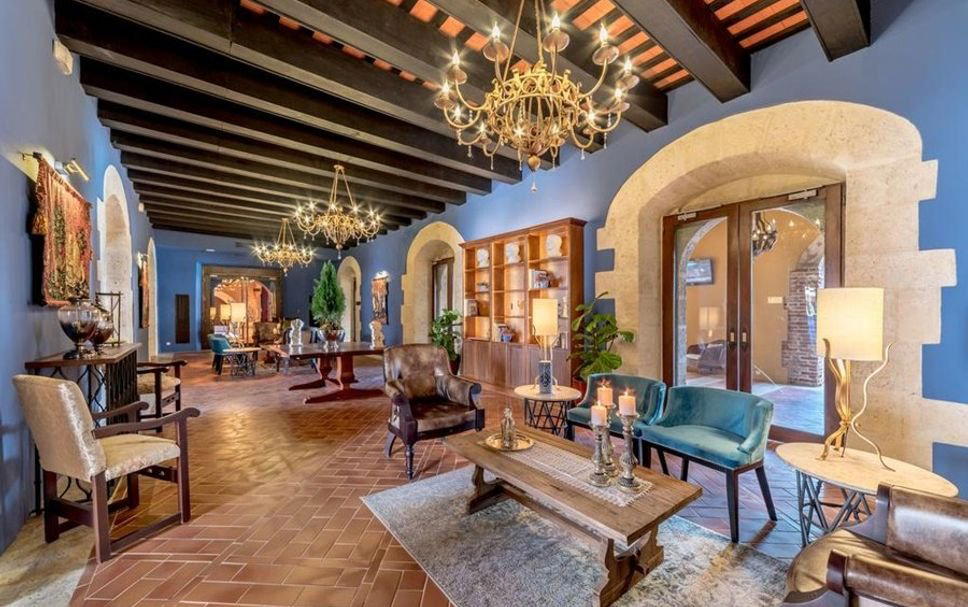
Where the Building Is the Experience
Calle Las Damas earns its reputation as the oldest paved street in the Western Hemisphere through sheer accumulation of weight: the Fortaleza Ozama at one end, the Panteón Nacional across the way, and a succession of 16th-century limestone facades that have outlasted every political regime the island has seen. Hodelpa Nicolás de Ovando sits on this street not as a hotel that happens to be in a historic neighbourhood, but as one of the neighbourhood's founding structures, the former residence of Nicolás de Ovando himself, the Spanish governor who oversaw the early colonial administration of Hispaniola. The distinction matters. Plenty of Caribbean hotels gesture at heritage through archival photographs and colonial-colour palettes; this one is made of it.
Hotels occupying genuinely historic fabric occupy a specific position in the premium accommodation market. They cannot compete on the newness, technical precision, or beach proximity that drives most Dominican resort bookings at properties like Eden Roc Cap Cana or Live Aqua Beach Resort Punta Cana. What they offer instead is a different kind of material: walls that predate European settlement of most of the Americas, spatial proportions shaped by 16th-century construction logic, and an address that no amount of new development can replicate. The Zona Colonial as a whole received UNESCO World Heritage designation in 1990, placing Hodelpa Nicolás de Ovando inside a protected buffer where that built fabric cannot be demolished or substantially altered.
The Architecture in Detail
Spanish colonial construction in the Caribbean followed a recognisable grammar: thick exterior walls to manage tropical heat, interior courtyards to generate cross-ventilation, arcaded galleries to provide shaded circulation, and hierarchical room arrangements reflecting the social functions of the building. The Ovando mansion exhibits all of these. The main courtyard, framed by stone arches, functions as both the hotel's social centre and its most architecturally legible space, the kind of proportioned outdoor room that contemporary hotel designers spend considerable effort attempting to simulate. The pool terrace extends the footprint toward the river-facing edge of the property, where the original structure's relationship to the Ozama River would have been a deliberate assertion of colonial authority over trade and movement.
For comparison, Casas Del XVI operates a similar model within the Zona Colonial, and the two properties together define the upper end of the genuinely historic hotel category in Santo Domingo. Both sit in a different register from the city's modern full-service hotels: JW Marriott Santo Domingo and Kimpton Las Mercedes offer the consistent technical delivery of international brands, but neither building carries the same embedded historical argument. The choice between these tiers is ultimately a question of what the guest is actually buying.
What the Stay Feels Like
The experience of staying inside a 16th-century colonial structure is not universally comfortable in the way that a purpose-built luxury hotel is comfortable. Rooms in buildings of this age tend toward thick walls and smaller window openings, spatial geometries that reflect pre-air-conditioning thinking, and occasional acoustic peculiarities that come from stone construction. These are not flaws in the Hodelpa product so much as properties of the material. Travellers who find ambient temperature, blackout curtains, and precise acoustic isolation to be primary concerns are better directed toward contemporary alternatives.
For the guest who treats the physical environment as the reason to be there, the same qualities read differently. Coral stone at this age has a specific thermal mass that keeps interior spaces genuinely cool through midday, without the aggressive mechanical chill of heavily air-conditioned resorts. The courtyard serves a social function that lobbies rarely achieve, a place where guests actually pause rather than pass through.
Planning logistics for a Zona Colonial stay require slightly different thinking than a beach or business-district booking. The neighbourhood is walkable to the major colonial monuments, the Catedral Primada de América, the Alcázar de Colón, and the museums along Calle Las Damas itself. For dining, the Zona Colonial has developed a reasonably complete restaurant scene, though the full range of Santo Domingo options requires a short taxi ride. For a broader picture of where the city's food and hospitality offer sits, see our full Santo Domingo restaurants guide.
The Dominican Republic Hotel Context
Most international hotel investment in the Dominican Republic has concentrated on the coast: Punta Cana for volume resort tourism, the Samaná peninsula for smaller design-led properties such as Sublime Samaná Hotel and Residences and Cayo Levantado Resort, and the north coast for a mix including Amanera in Playa Grande and Casa Colonial Beach and Spa in Puerto Plata. Interior and urban properties occupy a smaller slice of the premium market. Casa Bonita Tropical Lodge represents one model of non-coastal premium accommodation; Hodelpa Nicolás de Ovando represents another: the urban heritage property in the country's most historically significant neighbourhood.
For travellers building itineraries that extend beyond Santo Domingo, the Zona Colonial makes a logical first or last night on either end of a broader Dominican exploration. Properties like Casa de Campo Resort and Villas in La Romana, ANI Private Resorts in Cabrera, or Dominican Tree House Village in Samaná are a half-day's travel or less from the capital, making the Ovando a practical staging point. Natura Cabana in Sosúa, El Morro Eco Adventure Hotel in Monte Cristi, and Catalonia Royal La Romana in Bayahibe extend the range further for those committed to a full-country circuit. Casa Hemingway in Juan Dolio and The Westin Puntacana Resort round out the coastal options for those weaving a longer itinerary.
Internationally, the model of inserting premium hospitality into genuinely historic structures has its reference points: Aman Venice occupies a 16th-century palazzo with a similar logic, and Badrutt's Palace Hotel in St. Moritz trades on a comparable relationship between historic fabric and premium positioning. The Ovando operates in a much smaller and less internationally travelled market, but the underlying proposition is the same: the building's age and provenance are the primary offer, not amenity stacking.
Practical Matters
The hotel sits at the address Calle Las Damas, Santo Domingo 10210, inside the Zona Colonial, within walking distance of the neighbourhood's major monuments. Guests arriving by air from Las Américas International Airport should budget approximately forty minutes by taxi depending on traffic; the Zona Colonial's narrow colonial streets mean ride-share drop-off sometimes requires a short walk to the property entrance. The neighbourhood is generally accessible on foot for daytime exploration but benefits from taxis for evening travel beyond its immediate perimeter. Room availability should be confirmed directly through the hotel's own channels, as the property's specific booking arrangements are not reflected in third-party aggregators with full accuracy.
At-a-Glance Comparison
| Venue | Cuisine |
|---|---|
| Hodelpa Nicolás de OvandoThis venue — the venue you are viewing | This venue |
Recognition history
Dated appearances from independent guides and award organizations, with the underlying list record or original source where available.
Michelin Selected
Michelin
Continue exploring
More in Santo Domingo
Hotels in Santo Domingo
Browse all →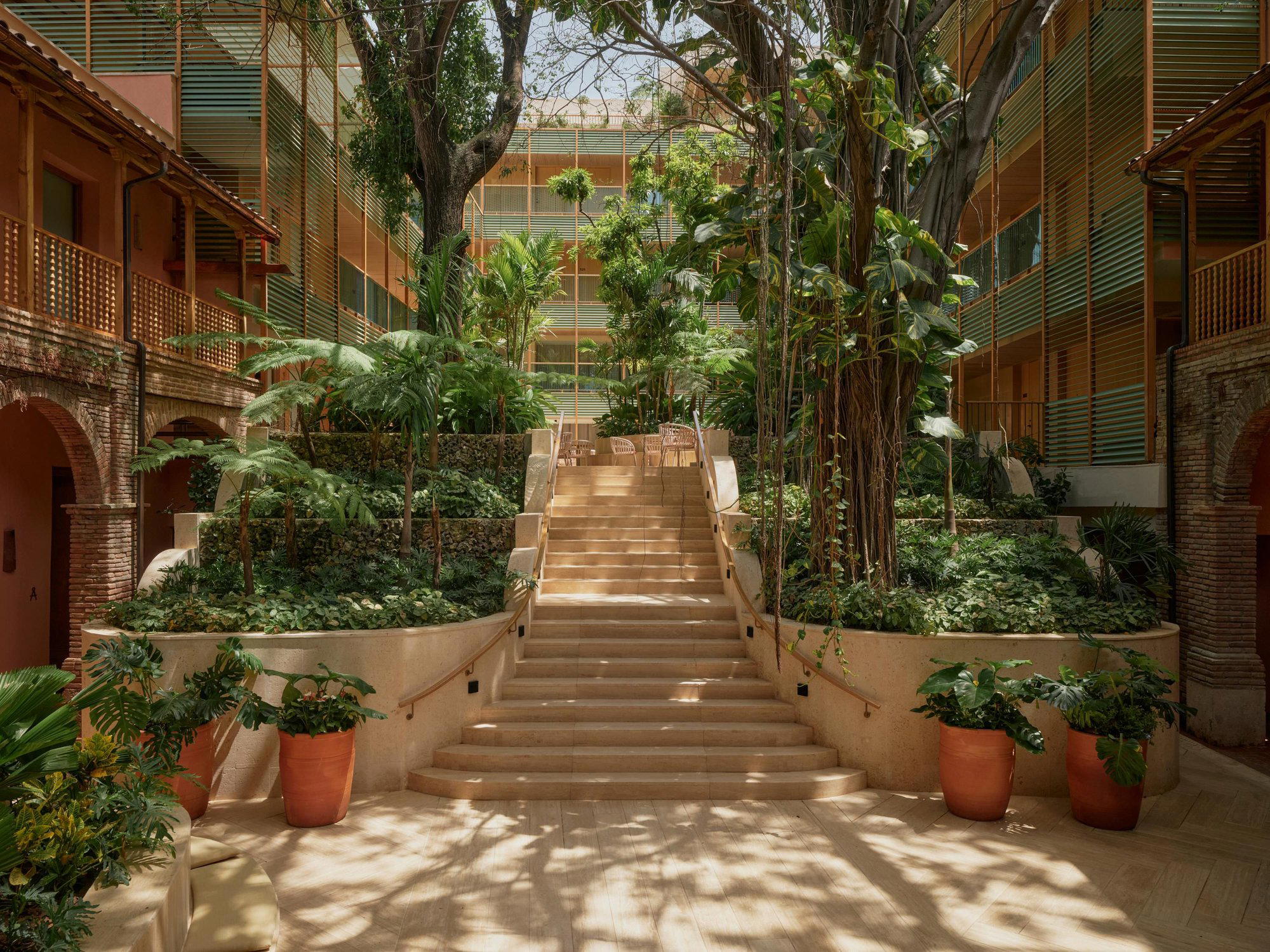
Bars in Santo Domingo
Browse all →

At a Glance
- Romantic
- Elegant
- Classic
- Historic
- Sophisticated
- Romantic Getaway
- Anniversary
- Honeymoon
- Historic Building
- Terrace
- Garden
- Wi Fi
- Pool
- Spa
- Fitness Center
- Room Service
- Concierge
- Massage
- Street Scene
- Garden
- Waterfront
- Wi Fi
- Pool
- Spa
- Fitness Center
- Room Service
- Concierge
- Massage
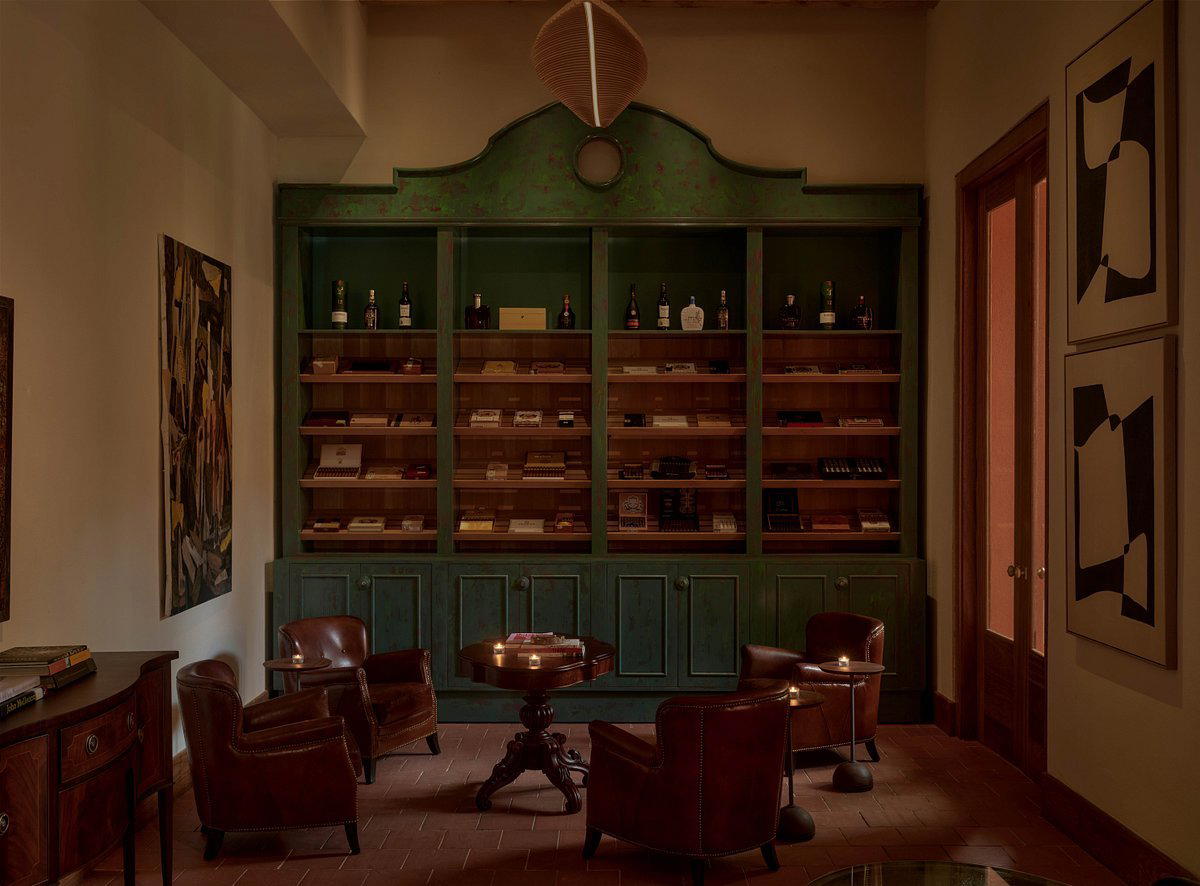
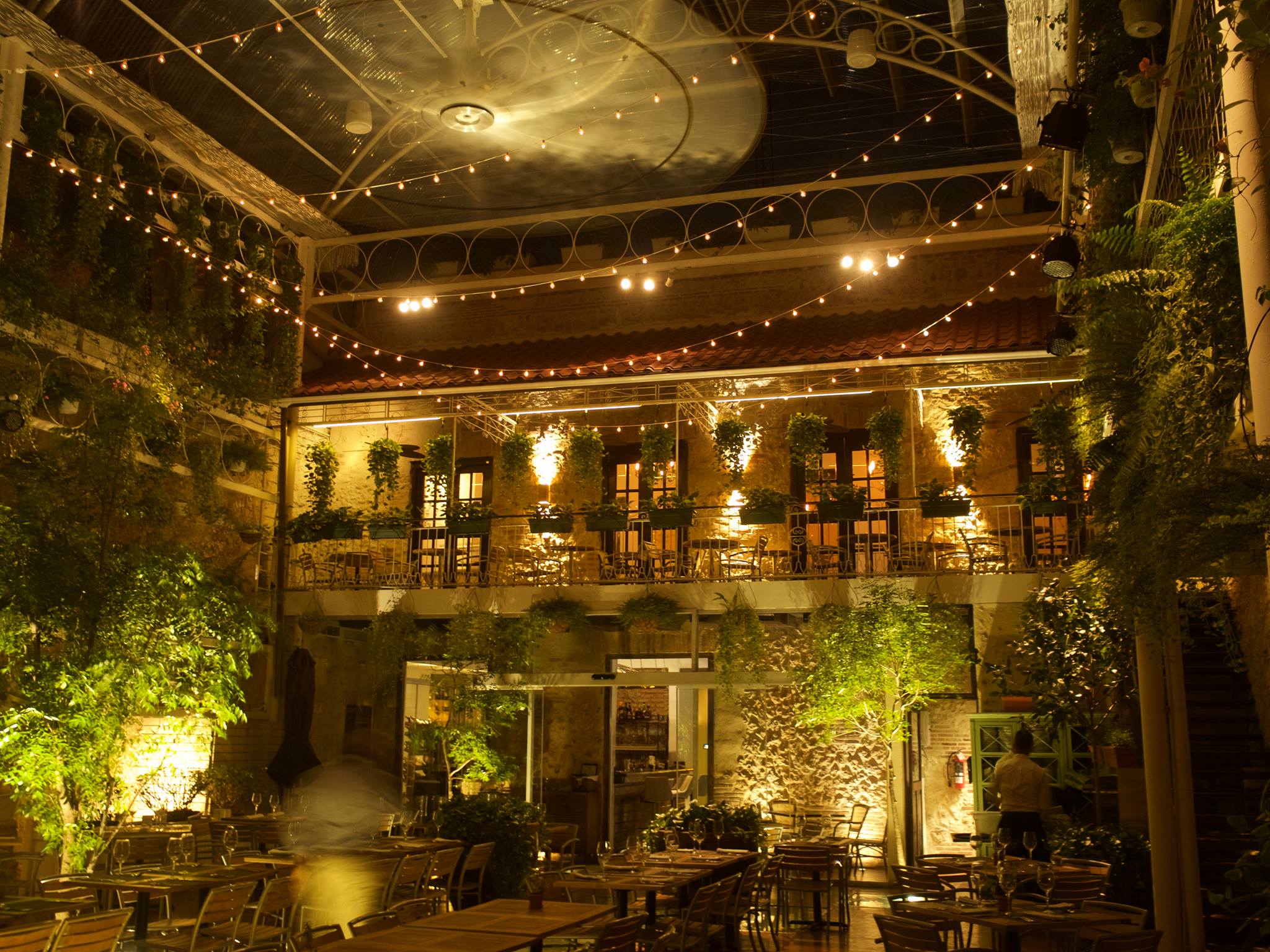
Romantic and relaxing colonial atmosphere with exposed brick, wooden beams, and historic accents under soft lighting.
Know Before You Go
- Getting there
- C. Las Damas, Santo Domingo 10210, Dominican Republic