La Bodega


La Bodega on Avenida Gustavo Mejía Ricart holds a 2-Star Accreditation from the World of Fine Wine awards, positioning it among the most seriously curated wine venues in the Dominican Republic. The list spans classic Old World producers alongside newer, progressive labels, making it the reference point for wine exploration in Santo Domingo's dining scene.
Pearl is the En Primeur Club membership app — saves, bookings, and concierge access live there. Same editors, same standards.
- Address
- Av. Gustavo Mejía Ricart #88, Santo Domingo, Dominican Republic
- Website
- labodegademgc.com
- Directions
- Get directions
 Saves & bookings on Pearl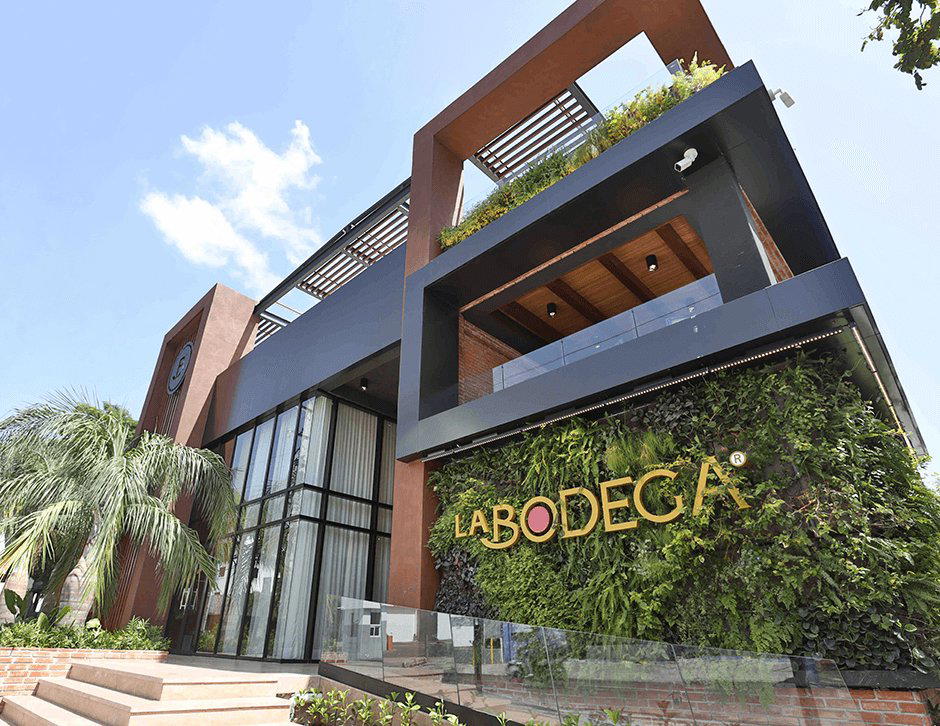
Where Santo Domingo Takes Wine Seriously
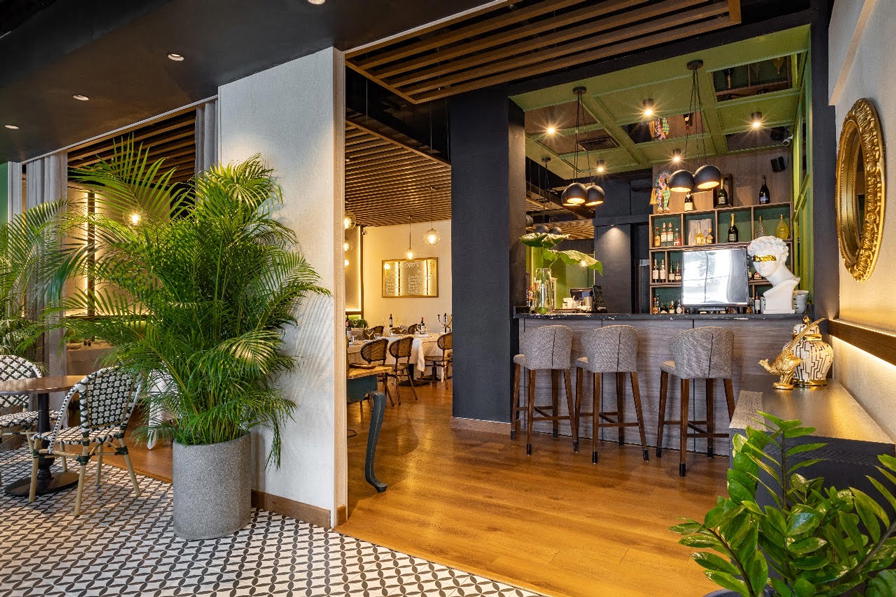
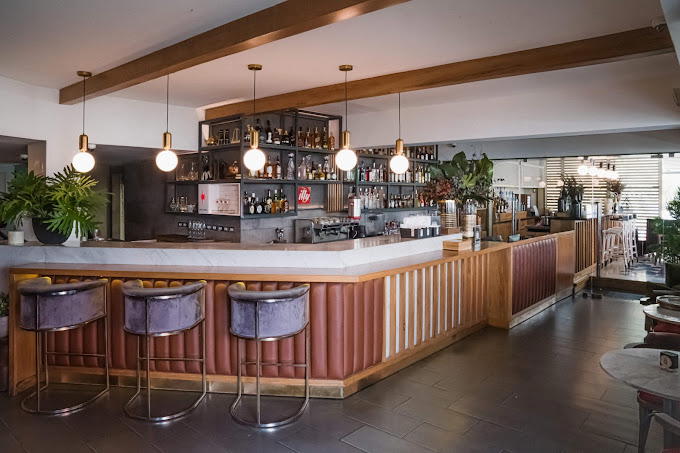
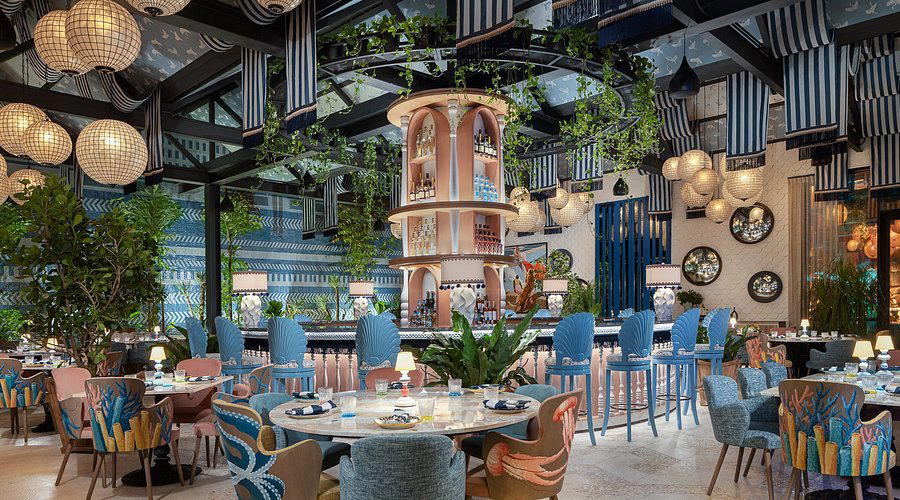
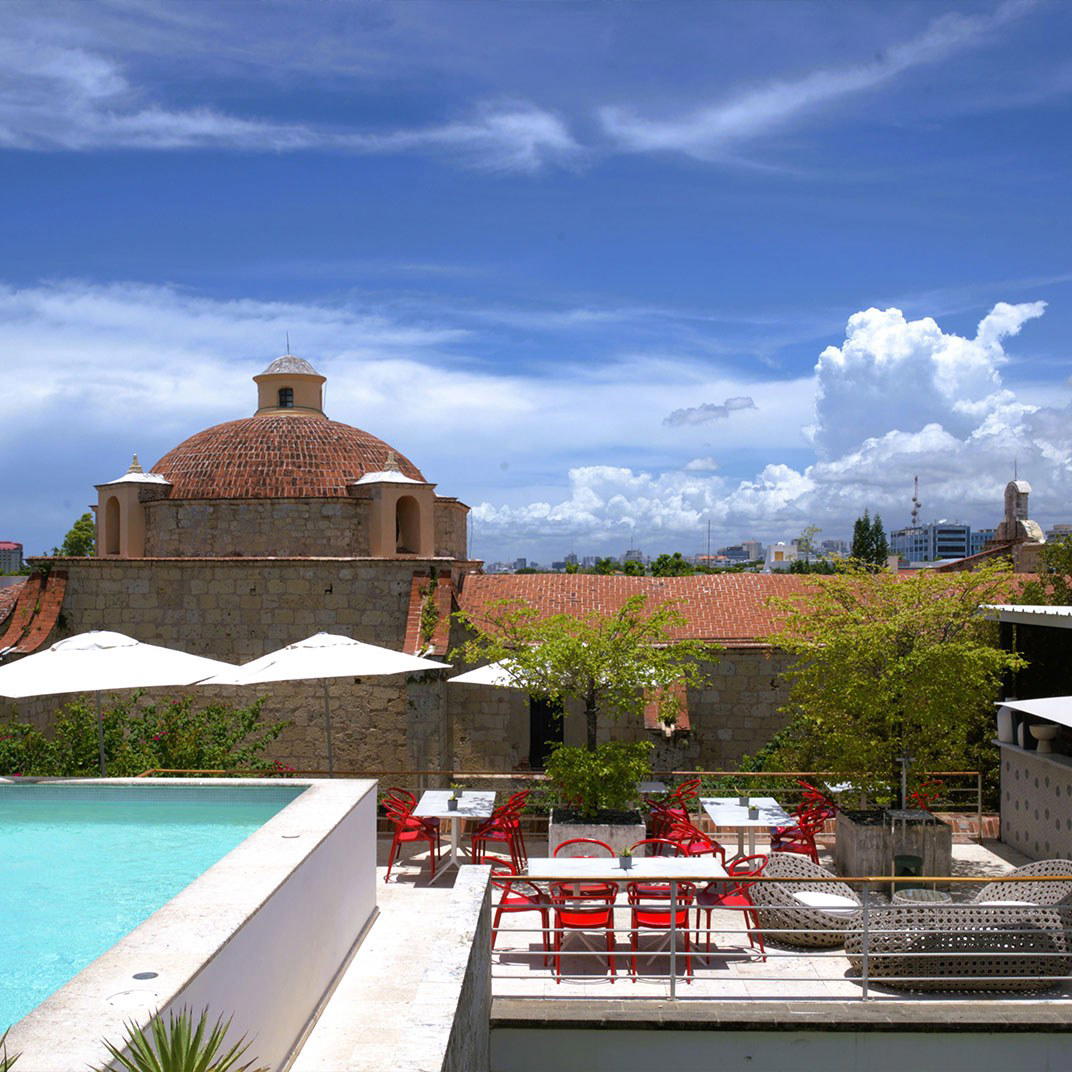
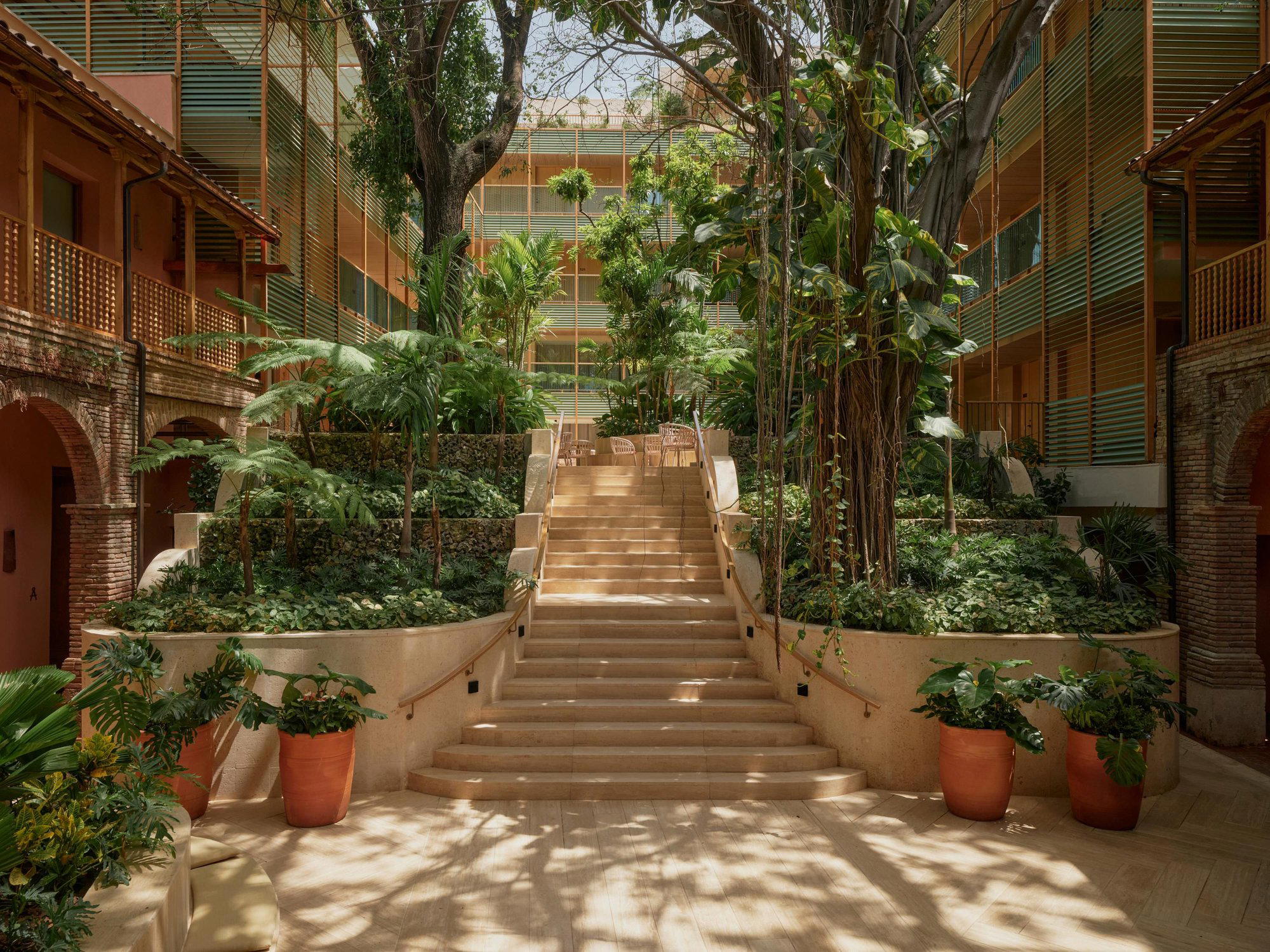
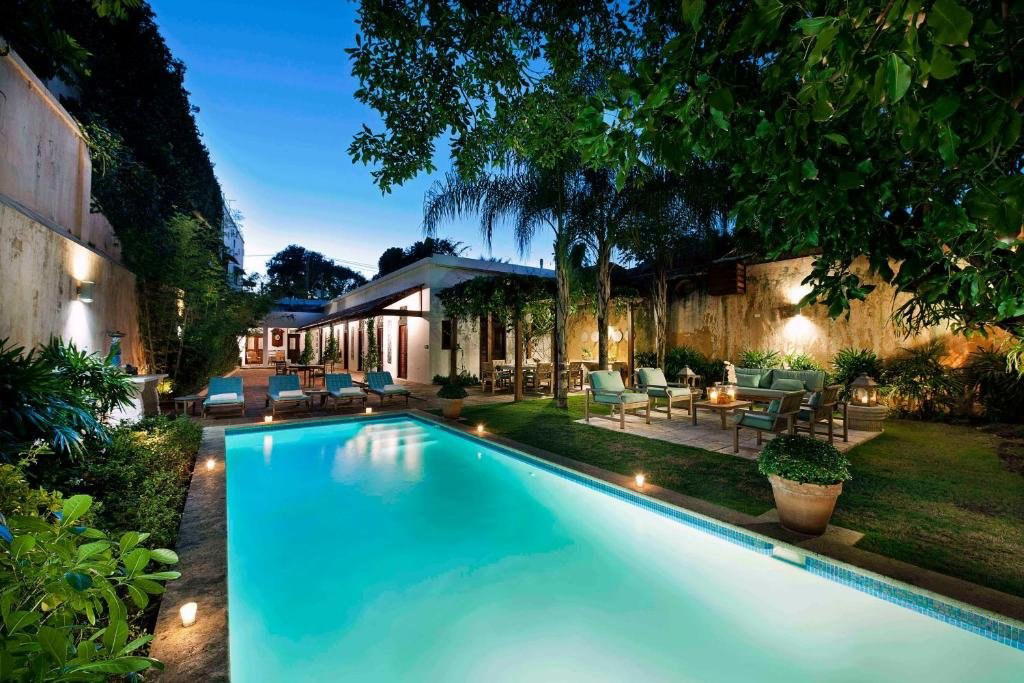
Avenida Gustavo Mejía Ricart runs through one of Santo Domingo's more composed commercial corridors, a stretch where the city's professional class congregates after hours and the dining options tend toward the polished rather than the populist. La Bodega, at number 88, occupies that register deliberately. The interior signals its intent immediately: the architecture of a wine venue, built around the cellar logic of organisation, labelling, and temperature, rather than the looser grammar of a general restaurant bar. You are not meant to stumble in. You are meant to arrive with a purpose, even if that purpose is simply curiosity about what a serious Dominican wine program actually looks like.
The Dominican Republic's food and beverage scene has developed considerably over the past decade, with Santo Domingo leading the shift toward internationally referenced dining and drinking. Most of that movement has concentrated on cuisine, with restaurants like Ajualä and Restaurante Filigrana Santo Domingo anchoring a credible fine dining tier. Wine, by contrast, has lagged. The logistics of importing into a Caribbean market, combined with a local drinking culture historically oriented toward rum and beer, meant that serious wine retail and by-the-glass programs were slow to develop. La Bodega represents the correction to that pattern.
The 2-Star Accreditation and What It Signals
In 2024, the World of Fine Wine awards granted La Bodega a 2-Star Accreditation, a credential issued through a structured assessment of list depth, producer range, and the coherence of a venue's wine offering. Within the Dominican market, this places La Bodega in a bracket with no obvious local competition. The accreditation is not a volume prize. The World of Fine Wine evaluation framework rewards curation, meaning the assessors found both the classic and the contemporary dimensions of the list credible enough to merit formal recognition.
That dual structure matters. Wine programs at this level in Caribbean markets often default to safe, recognisable labels because the import cost of experimentation is high and the commercial risk of unsold inventory is real. A list that holds both canonical producers and newer, less-established labels implies a degree of buying confidence that goes beyond simple prestige purchasing. For the drinker, it means the list will reward both the person who wants a benchmark Burgundy or Rioja and the person who is looking for something outside their usual frame of reference.
For broader context on how this kind of accreditation positions a venue globally, it is worth noting that the World of Fine Wine's 2-Star tier is the same framework used to assess programs at restaurants like Le Bernardin in New York City and venues of equivalent seriousness in other markets. That La Bodega holds this standing in Santo Domingo says something about the ambition of the program relative to its geography.
Wine as the Primary Ingredient
The editorial angle that applies most directly to La Bodega is sourcing, because wine is itself an agricultural product, and a wine list is essentially a curated map of origins. The Old World anchors of the list, which would typically include France, Spain, and Italy given the conventional logic of a program aiming at both classic and innovative coverage, each represent distinct terroir traditions with centuries of codified growing and winemaking practice behind them. The newer and more progressive labels on the list, wherever they originate, bring a different argument about what soil, climate, and minimal intervention can produce.
For a venue in the Caribbean, this sourcing dimension carries additional weight. Every bottle on the list has crossed significant distance to arrive at Gustavo Mejía Ricart. The selection process is therefore more deliberate than it would be in, say, a European city where a wine buyer can physically visit producers and receive deliveries within days. The logistics of the Dominican import market mean that each label on the list represents a considered decision about what is worth the cost and complexity of bringing in. That constraint is, counterintuitively, an editorial filter. Lists built under import pressure tend to be tighter and more defensible than lists assembled in markets where access is easy.
Elsewhere in the Dominican Republic, seafood-focused venues like Eden Roc Cap Cana in Cap Cana and Mediterraneo Restaurant in Punta Cana approach the sourcing question from a different direction, building menus around what comes directly from local waters. La Bodega works the inverse: its sourcing is almost entirely international, assembled through importing relationships rather than proximity to production. Both approaches require rigour; they simply apply it to different supply chains.
The Scene This Belongs To
Santo Domingo's premium dining and drinking circuit has a geographic logic. The Piantini and Naco neighborhoods, where Gustavo Mejía Ricart sits, function as the city's most concentrated zone for the kind of venue that requires advance planning. Restaurants in this corridor tend to draw a professional and expatriate clientele during the week, with a broader demographic on weekends. The operating assumption at venues in this zone is that guests are oriented toward quality and are prepared to engage with what is offered rather than requiring simplification.
La Bodega fits that context while occupying a distinct niche within it. Most of what surrounds it on the dining circuit is food-led. A dedicated wine venue of this accreditation level is a different type of destination, one that draws wine professionals, collectors, and curious drinkers rather than the table-first crowd. In cities with deeper wine cultures, such as Buenos Aires or Barcelona, this niche is well-populated. In Santo Domingo, it is largely singular.
For international visitors using Santo Domingo as a base while exploring the island, Aguají in Sosua represents a different register of the Dominican dining scene, further north and considerably more casual. La Bodega, by contrast, is a reason to be in the capital specifically. It also pairs well with the broader drinking and cultural infrastructure of the city, which you can explore through our full Santo Domingo bars guide and our full Santo Domingo experiences guide.
Planning Your Visit
La Bodega is located at Av. Gustavo Mejía Ricart #88 in Santo Domingo, in the Piantini district, which is well-served by the city's taxi and ride-share network. Given the 2-Star Accreditation and the limited supply of serious wine venues in the city, arriving without a booking during peak evening hours carries some risk, particularly on weekends when the corridor around Gustavo Mejía Ricart draws higher footfall. If you are building a broader Santo Domingo itinerary, our full Santo Domingo restaurants guide and full Santo Domingo hotels guide cover the wider picture. For those extending to wine discovery beyond the city, our Santo Domingo wineries guide maps what the region offers at the production level.
Side-by-Side Snapshot
| Venue | Cuisine | Price |
|---|---|---|
| La BodegaThis venue — the venue you are viewing | Not listed | This venue |
| Eden Roc Cap Cana | Caribbean Seafood | Caribbean Seafood |
| Mediterraneo Restaurant | Dominican Seafood | Dominican Seafood |
Recognition history
Dated appearances from independent guides and award organizations, with the underlying list record or original source where available.
Macarfi 7.6 Food Rating
Macarfi
World's Best Wine Lists Awards WBWL Category Winner
World's Best Wine Lists Awards
World's Best Wine Lists Awards WBWL 2-Star
World's Best Wine Lists Awards
Continue exploring
More in Santo Domingo
Restaurants in Santo Domingo
Browse all →
Bars in Santo Domingo
Browse all →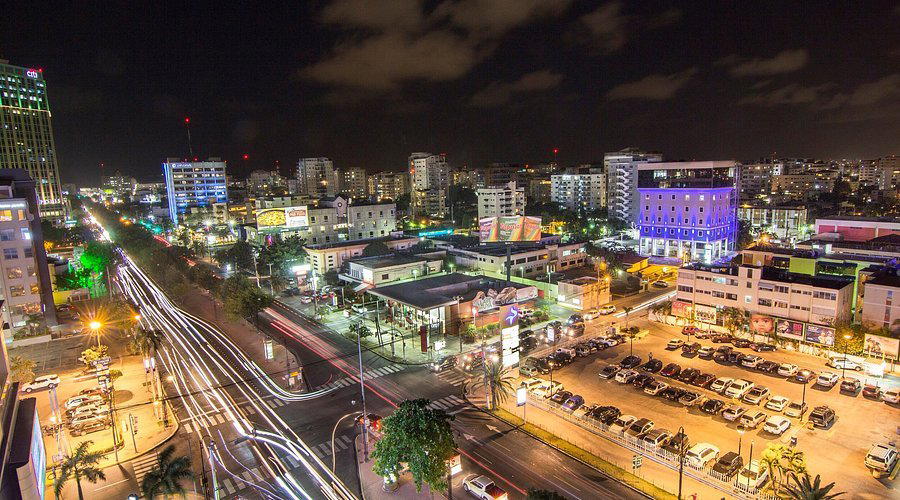
At a Glance
- Cozy
- Casual Hangout
- Family
- Open Kitchen
- Craft Cocktails
Current opening hours
- Monday
- 9 AM–10 PM
- Tuesday
- 9 AM–10 PM
- Wednesday
- 9 AM–10 PM
- Thursday
- 9 AM–10 PM
- Friday
- 9 AM–10 PM
- Saturday
- 9 AM–6 PM
- Sunday
- 10 AM–4 PM
Hours can change for holidays and private events. Last verified .
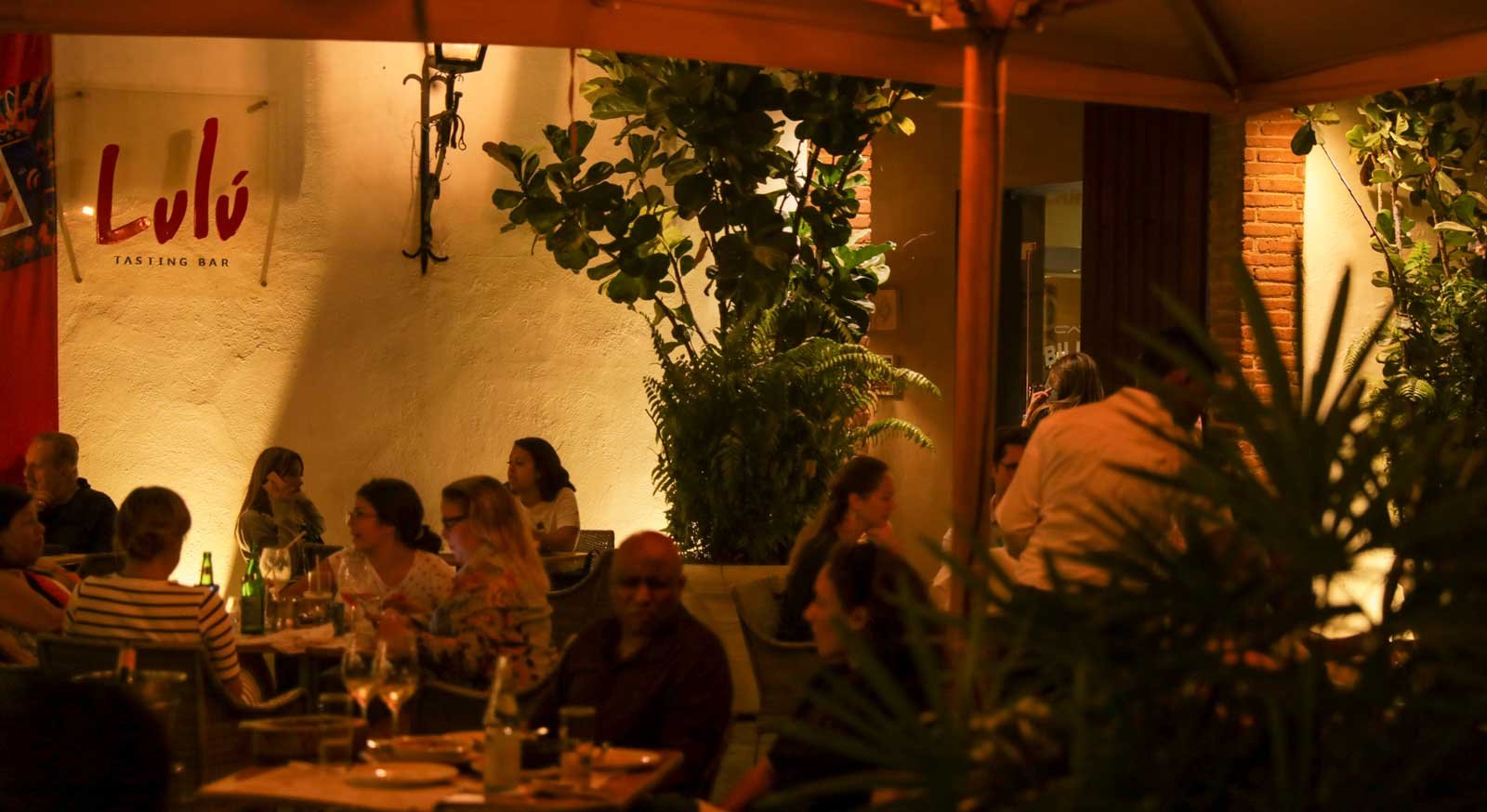
Welcoming and gentle atmosphere in a cute little restaurant, though the street can get noisy at times.
Know Before You Go
- Getting there
- Av. Gustavo Mejía Ricart #88, Santo Domingo, Dominican Republic