Playa Blanca Restaurant
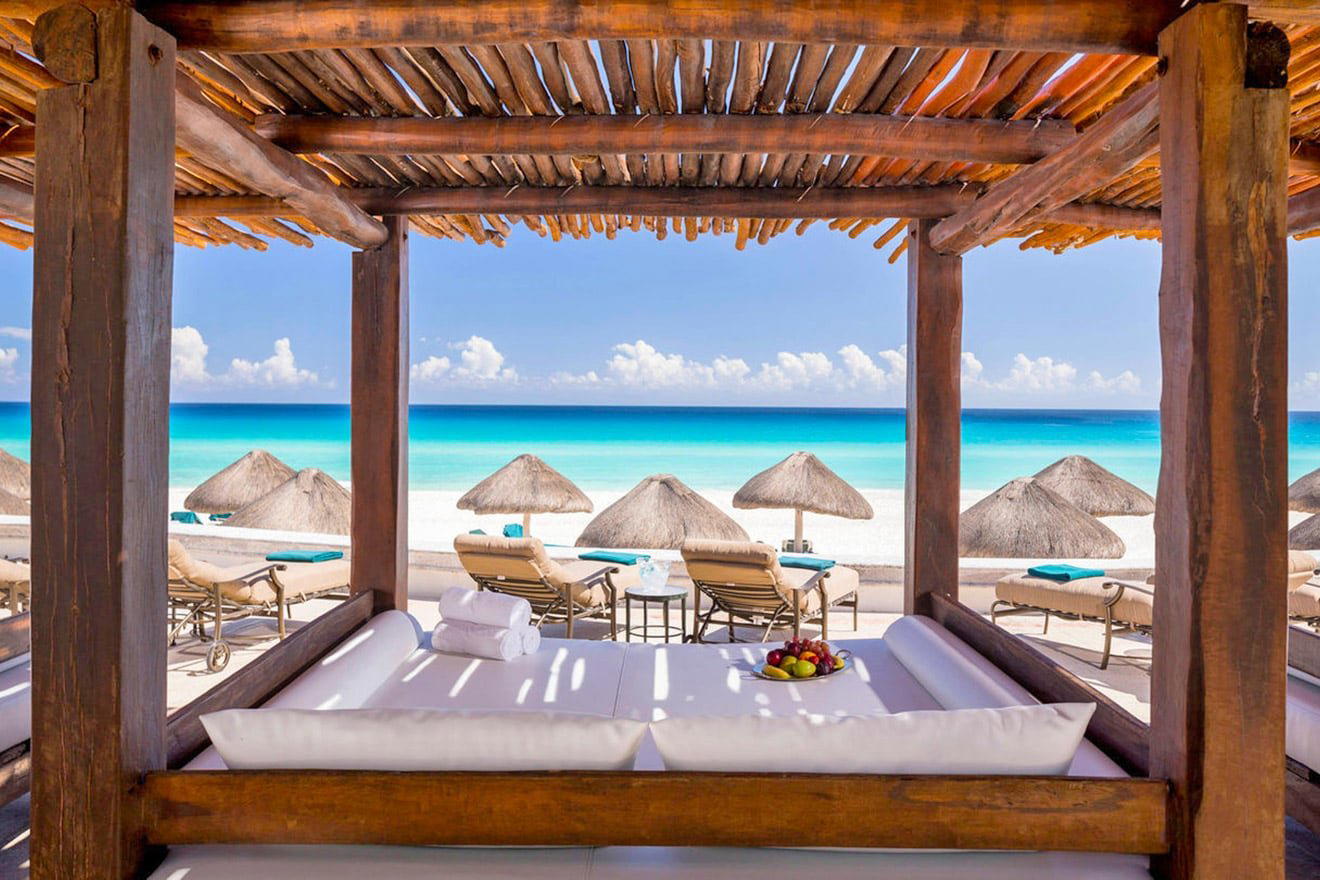
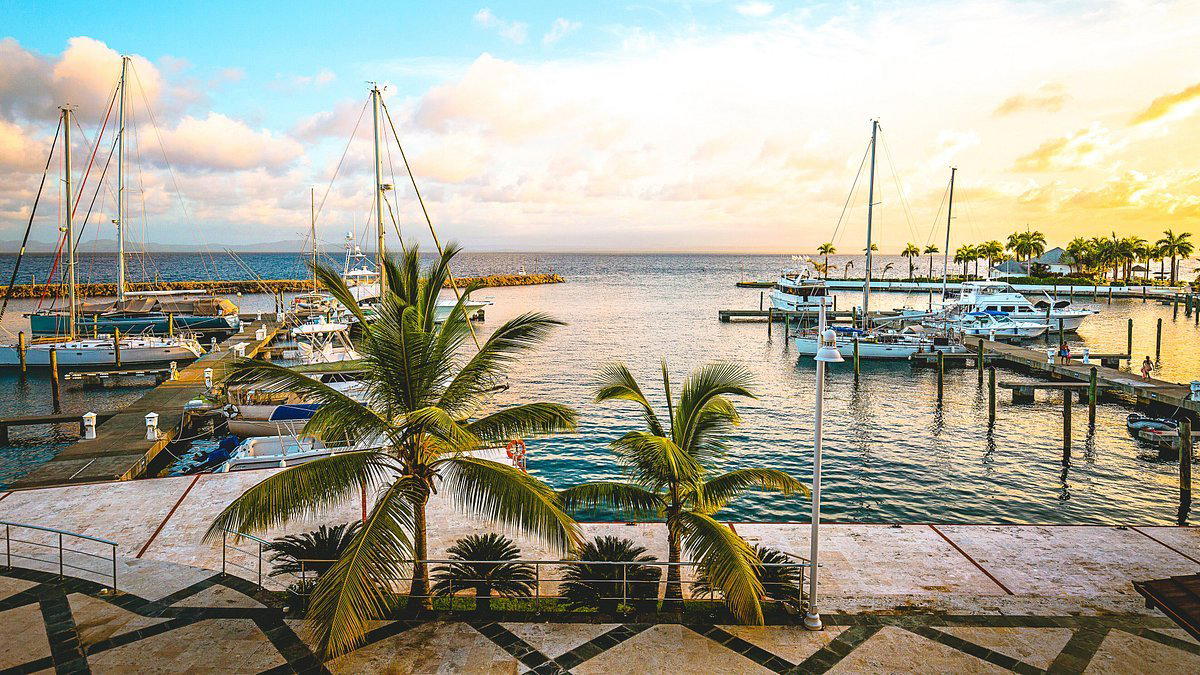
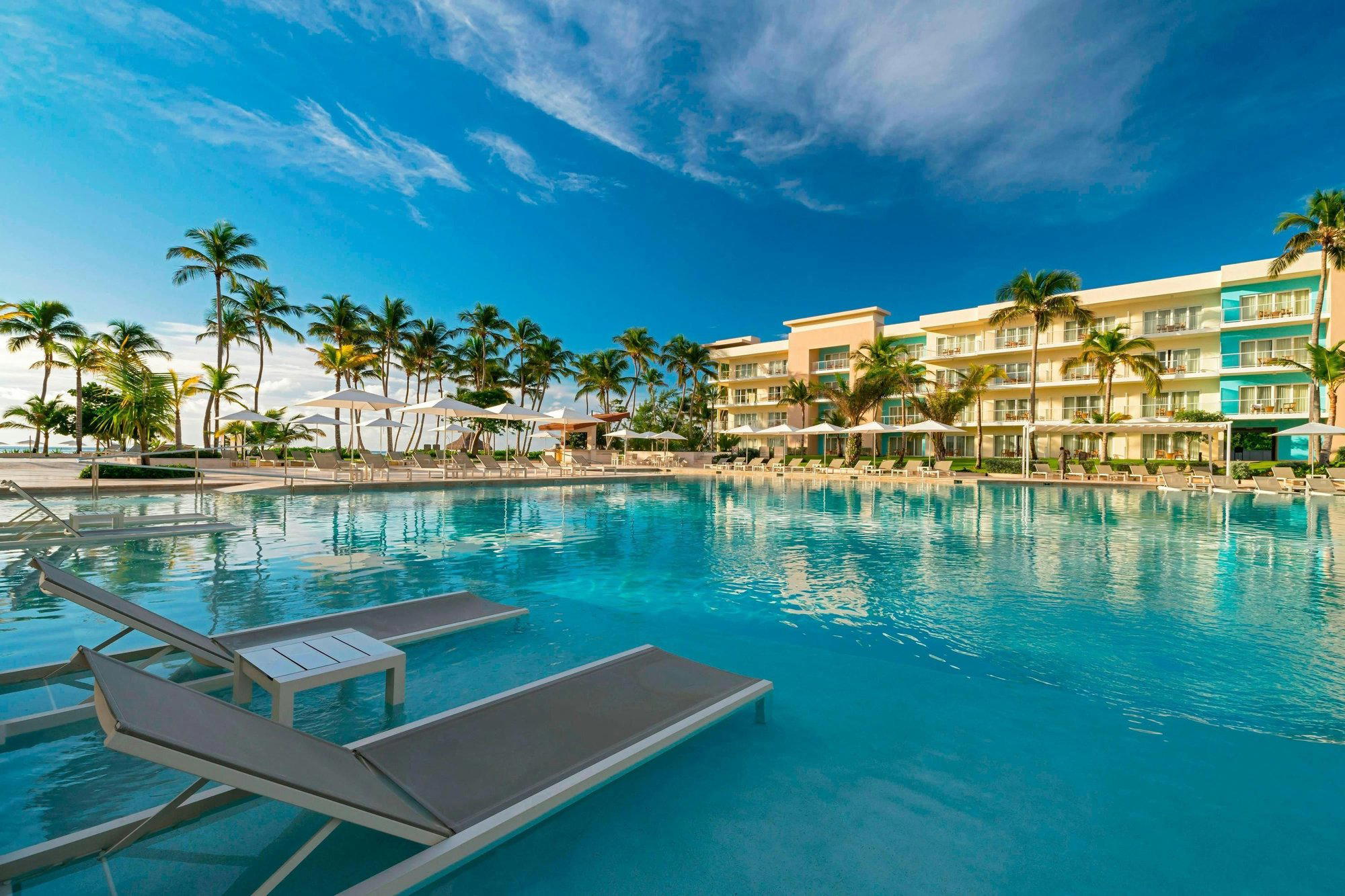
Set within a resort and golf club on the eastern tip of the Dominican Republic, Playa Blanca Restaurant occupies one of the Punta Cana coast's most direct connections between the Caribbean Sea and the plate. The surrounding La Altagracia province supplies some of the Dominican Republic's richest agricultural and marine resources, placing the kitchen in close proximity to the ingredients that define the region's table. For visitors to the Higuey corridor, it represents a particular kind of coastal dining that leans on geography as much as technique.
Pearl is the En Primeur Club membership app — saves, bookings, and concierge access live there. Same editors, same standards.
- Address
- Resort & Golf Club, Punta Cana 23000, Dominican Republic
- Phone
- +1 809 959 2222
- Website
- puntacana.com
- Directions
- Get directions
 Saves & bookings on Pearl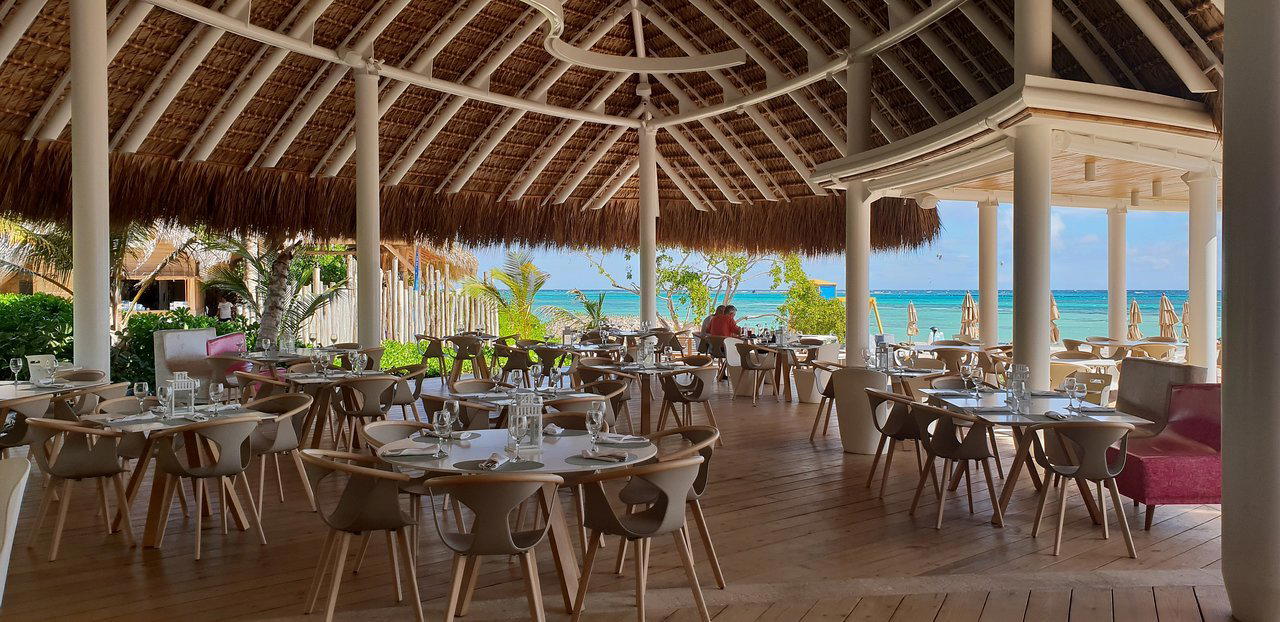
Where the Caribbean Coastline Becomes the Menu
The eastern tip of the Dominican Republic operates as its own distinct food geography. La Altagracia province, which contains both the resort corridor of Punta Cana and the city of Higuey, sits at the confluence of the Atlantic Ocean and the Caribbean Sea. That dual exposure shapes what local fishermen pull from the water: red snapper, mahi-mahi, conch, and spiny lobster are among the species historically associated with this stretch of coast. Restaurants that take those conditions seriously tend to produce food that feels grounded in place rather than assembled from a generic tropical menu. Playa Blanca Restaurant, positioned within a resort and golf club on this coastline, operates in that tradition of proximity-to-source dining.
The resort setting at Punta Cana places the restaurant inside a broader hospitality zone that has grown considerably over the past three decades, transforming this corner of La Altagracia into one of the Caribbean's most trafficked travel destinations. Within that context, restaurants that maintain a close relationship with local sourcing occupy a different position from those running standardised international hotel menus. For a comparative reference point across this region, see what La Yola in Punta Cana and Eden Roc Cap Cana in Cap Cana each do with Caribbean coastal produce, and you begin to map the range of approaches available in this narrow geographic strip.
The Sourcing Logic Behind Dominican Coastal Cooking
Dominican coastal cuisine in La Altagracia draws from two distinct supply chains: the sea immediately offshore, and the agricultural interior of the province, where plantain, yuca, yam, and tropical fruit grow in abundance. The leading kitchens in this region move between both, using the land's produce to frame and support the seafood rather than treating it as mere garnish. That approach is consistent with how Dominican cooking has historically worked, a cuisine of practical intelligence that uses what geography provides rather than importing prestige ingredients for the sake of optics.
The province's fishing communities, particularly along the northeastern coast toward Miches, have supplied Punta Cana's resort corridor for years. The logistical question for any restaurant in this zone is how directly it connects to those supply lines versus how much it relies on regional distributors who aggregate product from across the country or further afield. At the premium end of Dominican coastal dining, that distinction between direct-source and distributed-source product is increasingly part of the conversation, much as it has become central to how restaurants like Aguají in Sosua and Casa Grande in Rio San Juan position themselves in the Dominican Republic's northern coast dining scene.
Globally, the sourcing-first argument has been made most forcefully by coastal fine dining restaurants that treat proximity to the water as a non-negotiable credential. Uliassi in Senigallia, Quattro Passi in Marina del Cantone, and Waterside Inn in Bray each make the case that a restaurant's physical relationship to water and land is inseparable from what eventually reaches the table. The standard these international references set is a useful frame for understanding what the leading coastal restaurants in the Dominican Republic are working toward, and where the category still has room to grow.
The Physical Setting as Context for the Meal
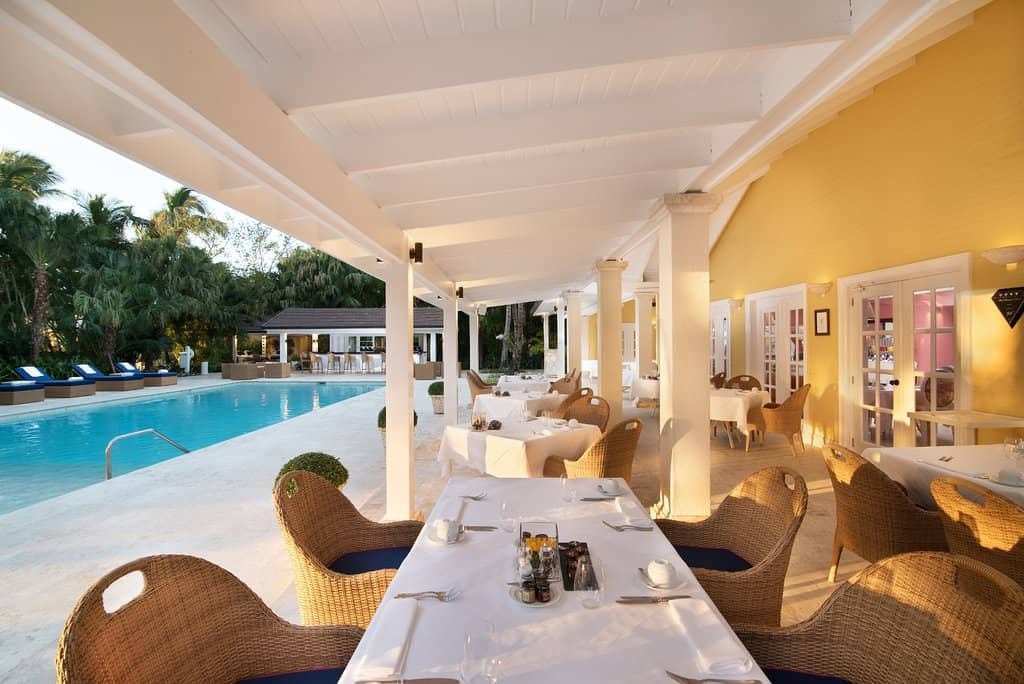
Resort dining in the Caribbean has long carried a reputation problem: beautiful settings that deliver generic execution. The better properties along the Punta Cana strip have spent the past decade working against that assumption, investing in kitchens that reflect the specificity of their location rather than satisfying a lowest-common-denominator international palate. A restaurant positioned at a golf resort on this coastline sits within a particular hospitality register, one that typically serves a mix of resort guests, golf club members, and visiting diners who have made a deliberate choice to travel to the property.
That guest mix shapes the menu logic of any serious restaurant in this position. It cannot be as niche as a destination-dining-only venue, but the better examples in this tier use the captive audience of resort guests as a foundation while building something more considered on top of it. For comparison, Pat'e Palo European Brasserie in Santo Domingo serves a similarly mixed clientele in the capital and has found a way to hold editorial interest while staying accessible. The challenge is maintaining culinary standards when the audience is guaranteed regardless of quality, which is precisely why the more credible resort restaurants in this region tend to be the ones that behave as if the audience is never guaranteed.
How Playa Blanca Fits the Coastal Dining Map
Within the Higuey and Punta Cana dining circuit, Playa Blanca Restaurant occupies the resort-integrated tier rather than the standalone destination category. That is a meaningful distinction. Standalone destination restaurants in the Dominican Republic, including those on the northern coast and in Santo Domingo, are under different competitive pressure: they must earn each cover on merit. Resort restaurants operate with a structural advantage in footfall, which means the interesting question is always what they choose to do with that advantage.
The coastal restaurants that tend to generate the most sustained interest in this part of the Caribbean are those that treat local ingredient identity as a signature rather than a default. When a kitchen in La Altagracia builds its menu around what the adjacent sea and provincial farms produce at their leading, the result has a coherence that imported or generic menus cannot replicate. Readers planning a broader itinerary through the Dominican Republic's dining scene will find useful context in our full Higuey restaurants guide, which maps the full range of options across the eastern corridor.
For those calibrating against international coastal fine dining, the comparison set is wide. Le Bernardin in New York City represents one pole of what ocean-focused cooking can achieve within an urban context. HAJIME in Osaka and Reale in Castel di Sangro demonstrate how regional identity and ingredient specificity can anchor a menu to a place in ways that transcend the hospitality context. Atelier Moessmer Norbert Niederkofler in Brunico, Dal Pescatore in Runate, and Piazza Duomo in Alba further reinforce how deeply a restaurant can connect to its agricultural and geographic surroundings. These references are not direct comparisons to Playa Blanca, but they establish the standard that coastal ingredient-driven dining is reaching for globally, and against which the Caribbean's leading kitchens are increasingly measured.
Planning Your Visit
Playa Blanca Restaurant is located within a resort and golf club in the Punta Cana area of La Altagracia province, roughly within reach of the main Punta Cana international airport corridor. As with most resort-integrated restaurants in this zone, access for non-resort guests typically requires advance confirmation with the property. The peak season for the Punta Cana area runs from December through April, when demand across the resort strip is at its highest and table availability at the better dining venues tightens accordingly. Visiting outside that window, particularly in the May-to-November shoulder period, tends to allow more flexibility. Travellers planning a multi-restaurant itinerary through the Dominican Republic's eastern coast will find it useful to cross-reference options at both La Yola in Punta Cana and Eden Roc Cap Cana when building out their schedule.
At a Glance
- Scenic
- Family
- Casual Hangout
- Beachfront
- Waterfront
- Local Sourcing
- Waterfront
Current opening hours
- Monday
- 12–7 PM
- Tuesday
- 12–7 PM
- Wednesday
- 12–7 PM
- Thursday
- 12–7 PM
- Friday
- 12–7 PM
- Saturday
- 12–7 PM
- Sunday
- 12–7 PM
Hours can change for holidays and private events. Last verified .
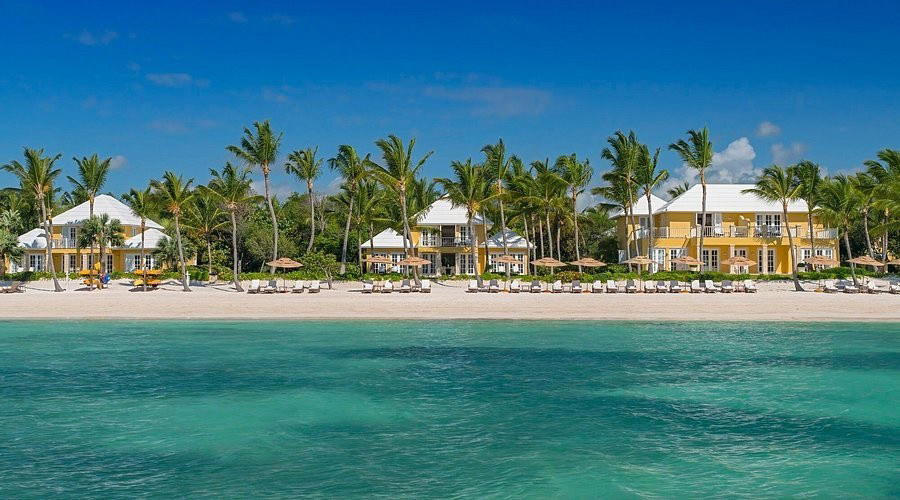
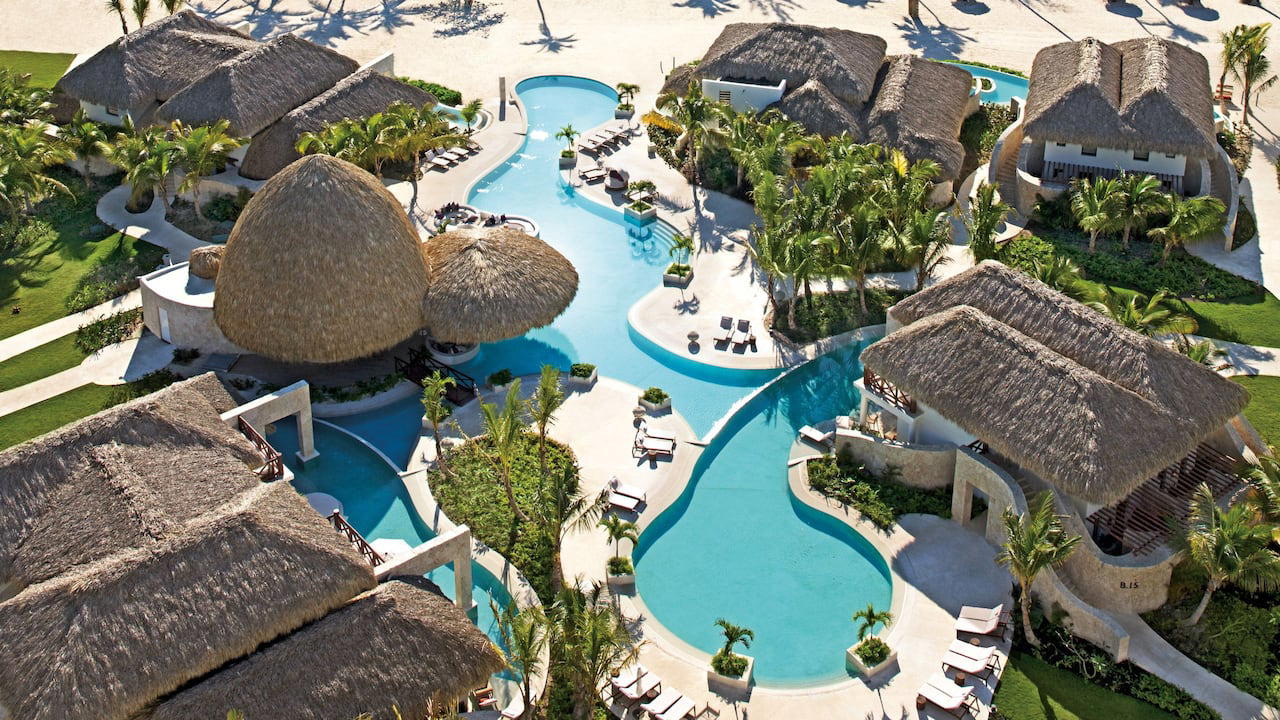
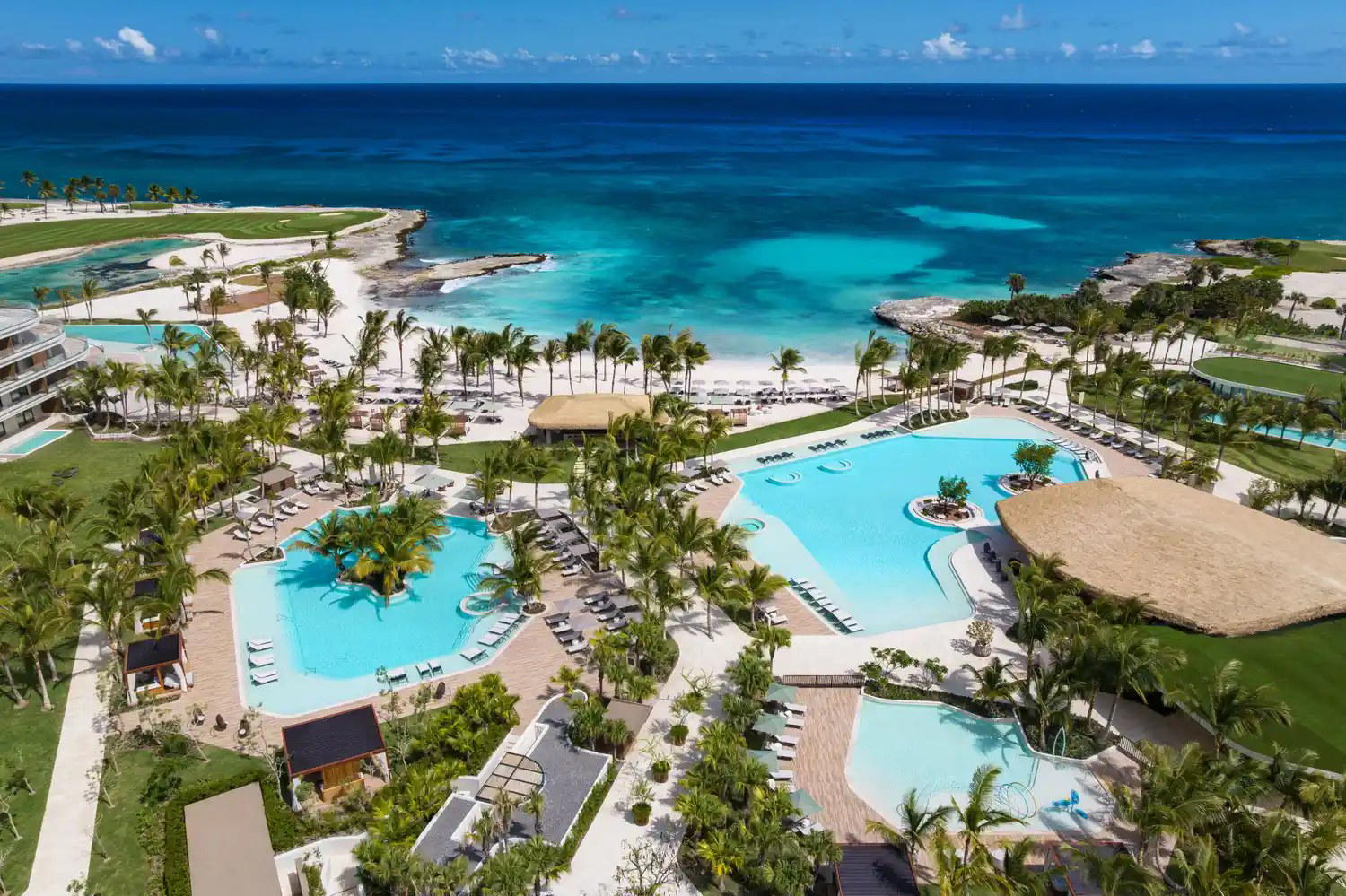
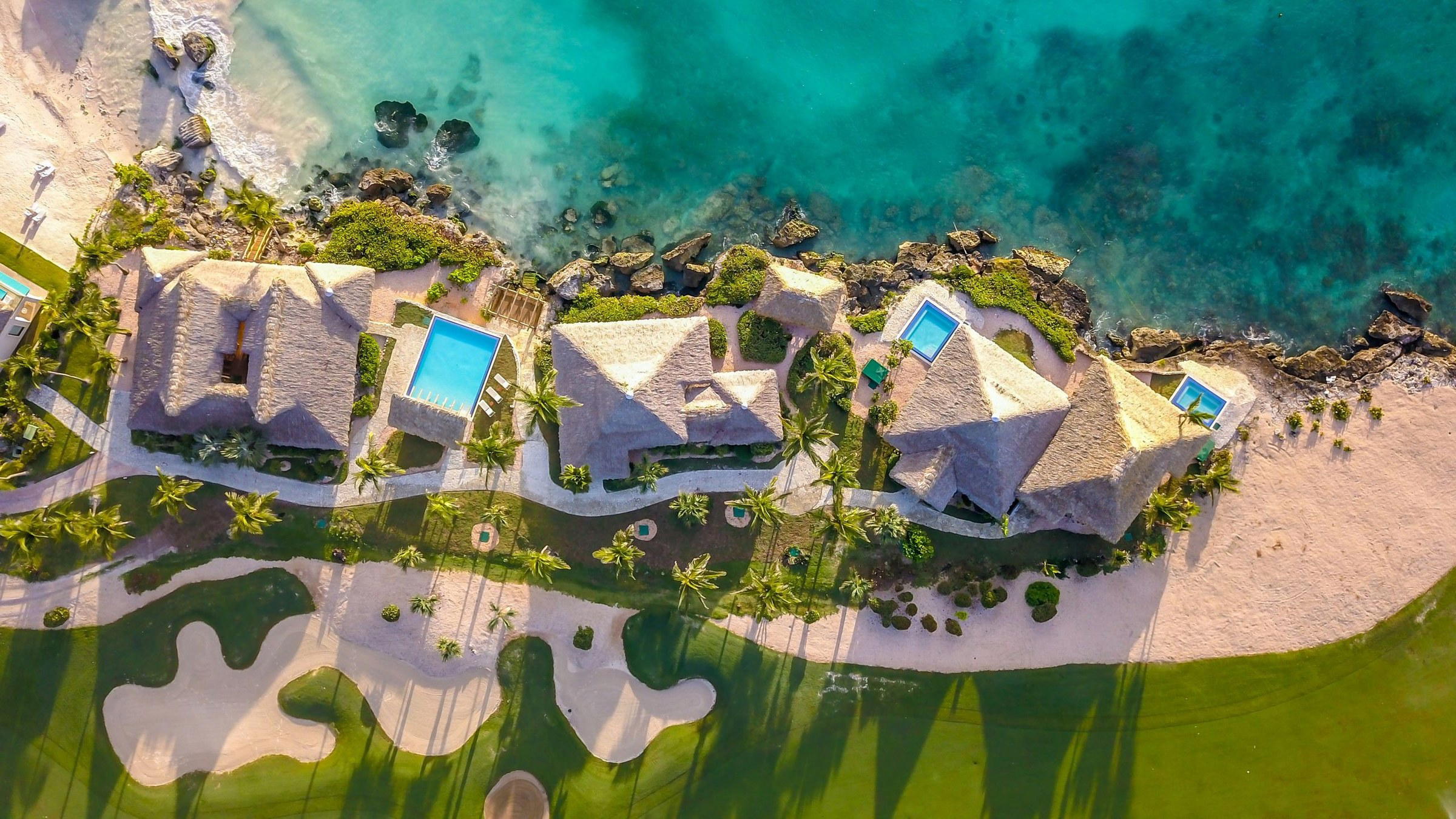
Pleasant beachfront setting with ocean views and welcoming service.
Know Before You Go
- Getting there
- Resort & Golf Club, Punta Cana 23000, Dominican Republic