Il Bacareto

Il Bacareto pairs an authentic Italian trattoria format with an open kitchen, leisurely pacing, and an extensive wine list for lunch or dinner in Santo Domingo.
Pearl is the En Primeur Club membership app — saves, bookings, and concierge access live there. Same editors, same standards.
- Address
- Plaza Juan Dauhajre, Av Simón Bolívar 219, Santo Domingo 10108, Dominican Republic
- Phone
- +18095444953
- Website
- bocao.com.do
- Directions
- Get directions
 Saves & bookings on Pearl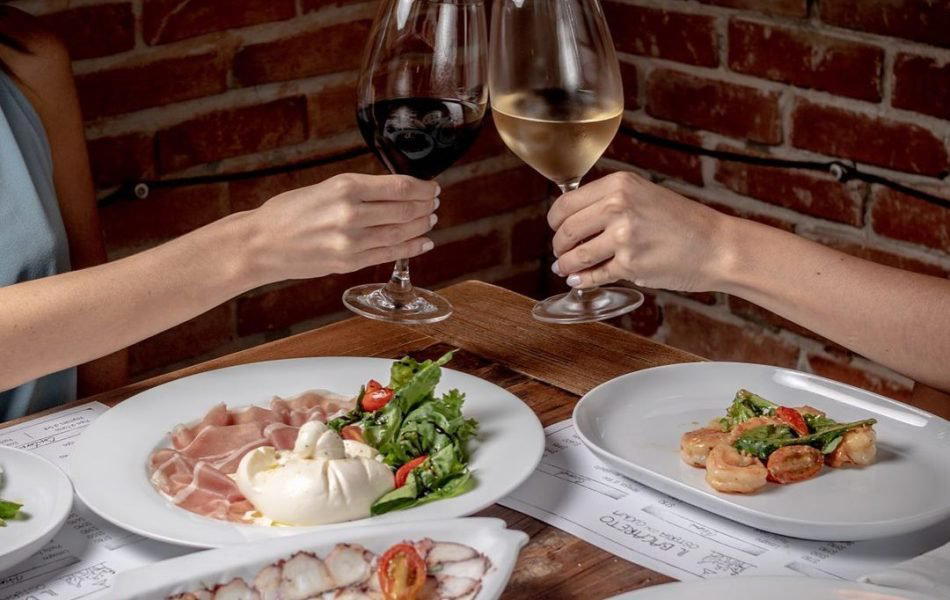
Where Simón Bolívar Avenue Meets the Cicchetti Counter
Plaza Juan Dauhajre sits on one of Santo Domingo's most historically charged corridors, where Avenida Simón Bolívar bisects the city between the colonial Zona and the residential grid of Gazcue. The building facades here carry the weight of mid-century Dominican modernism, and the street-level rhythm is pedestrian and unhurried compared to the commercial density further east. Il Bacareto arrives at this address with an identity borrowed from the Venetian bacaro tradition: a cicchetti counter and wine-forward format that has become one of the more distinctive reference points in Santo Domingo's evolving dining scene.
The bacaro as an institution carries specific discipline. In Venice, it is not a restaurant that happens to serve wine, nor a bar that happens to have food. It is a format built around the relationship between small preparations and accessible pours, where the sourcing of ingredients matters precisely because the food is uncomplicated enough to expose them. That discipline is what separates the format from tapas tourism or generic small-plates appropriation, and it is the standard against which a Santo Domingo interpretation gets measured.
Ingredient Logic in a Sourcing-Complex City
Santo Domingo's kitchen supply chain is more layered than its dining reputation suggests. The country sits at the intersection of Atlantic and Caribbean fishing grounds, with notable catches coming from the northern coast ports near Monte Cristi and the southern waters off Barahona. Domestic agriculture is concentrated in the Cibao valley, where cooler highland temperatures produce vegetables, root crops, and herbs that would otherwise arrive by air freight from Miami. A kitchen committed to sourcing from within the country has genuine material to work with, but navigating the inconsistency of local supply requires a different operational approach than importing standardized product.
For a cicchetti-format operation, this sourcing logic sits at the center of what makes or breaks the menu. The format's strength is that each preparation is small enough to respond quickly to what is available, rather than committing to a printed menu that may require substitution mid-service. Venues like Ajualä have built their identity around similar supply-chain engagement at a more formal register. Il Bacareto's format, if executed to type, operates at a faster, more responsive tempo that suits a market where daily availability fluctuates.
The Dominican wine import market is dominated by Spanish, Italian, and Chilean labels at the mid-tier, with a smaller premium import layer that has grown alongside the country's increasing appetite for wine-forward dining. A bacaro-format operation in this context becomes an interesting corrective: the format traditionally democratizes good wine by the glass rather than by the bottle, which fits a dining culture still building the habit of wine as a meal-length companion rather than a celebratory gesture.
The Santo Domingo Dining Context
The city's formal dining tier has consolidated around a handful of distinct identities. Mesón de Bari anchors the colonial district's heritage dining tradition. Pat'e Palo European Brasserie represents the European brasserie format that has long served Santo Domingo's business and diplomatic class. La Bodega and Restaurante Filigrana Santo Domingo occupy different positions in the contemporary Dominican register. Il Bacareto does not map neatly onto any of these, which is either its structural advantage or its communication challenge, depending on how well the format translates to a local audience.
Broader Dominican Republic dining scene extends well beyond the capital. Cielo Beach Club in Punta Cana and Blue Grill + Bar in Cap Cana represent the resort corridor's beachfront dining format, while Casa Grande in Rio San Juan, Aguají in Sosua, and Playa Blanca Restaurant in Higuey reflect the country's more dispersed regional dining character. Against that wider map, Santo Domingo's Plaza Juan Dauhajre address positions Il Bacareto firmly in the urban, resident-facing tier rather than the tourism circuit.
For readers comparing Santo Domingo to other Latin American or Caribbean capitals building out their casual-fine registers, the reference points are worth calibrating. The cicchetti format has found purchase in cities where a wine-literate middle class wants an alternative to either the formal tasting menu or the casual canteen. That demographic exists in Santo Domingo, concentrated in Piantini, Naco, and Gazcue, and the Simón Bolívar address places Il Bacareto within reach of it.
Planning a Visit
Il Bacareto is located at Plaza Juan Dauhajre, Avenida Simón Bolívar 219, in the 10108 district of Santo Domingo. The plaza is accessible by taxi from the Zona Colonial in under ten minutes during off-peak hours, and from the Piantini and Naco hotel cluster in roughly the same window. No website or phone number is currently listed in public directories, which suggests reservations are either handled in person or through the venue's social media presence. Given the bacaro format's traditional walk-in culture in its original Venetian context, the absence of an online booking system may be by design rather than oversight. Arriving earlier in the evening reduces the risk of a wait, as the format tends to attract a crowd that grazes across two or three hours rather than turns over in ninety minutes. Visitors planning a broader Santo Domingo dining itinerary can consult our full Santo Domingo restaurants guide for a wider set of recommendations across price tiers and formats.
For context beyond the Dominican Republic, the cicchetti-forward wine bar format appears at various levels of formality in the EP Club portfolio: from the technical ambition of Le Bernardin in New York City and Atomix in New York City to the destination-scale operations of Alain Ducasse- Louis XV in Monte Carlo and 8 1/2 Otto e Mezzo Bombana (Hong Kong), and the format-driven experiments of Alinea in Chicago, Lazy Bear in San Francisco, and Emeril's in New Orleans. Il Bacareto operates at a different scale and register than any of these, but the comparison illustrates how widely the wine-and-small-plates logic has traveled from its Venetian source.
Recognition history
Dated appearances from independent guides and award organizations, with the underlying list record or original source where available.
Macarfi 8.3 Food Rating
Macarfi
Continue exploring
More in Santo Domingo
Restaurants in Santo Domingo
Browse all →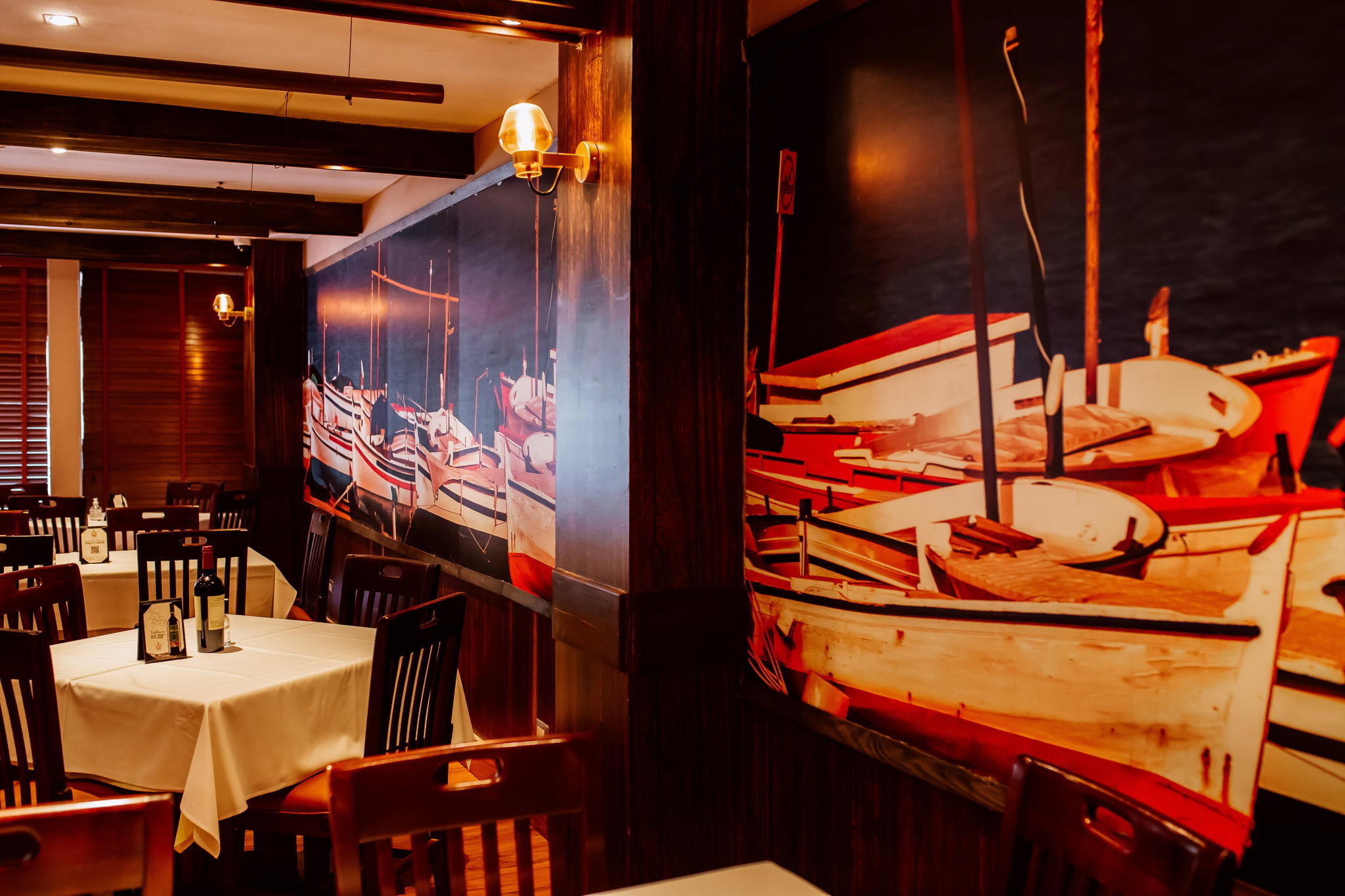
Bars in Santo Domingo
Browse all →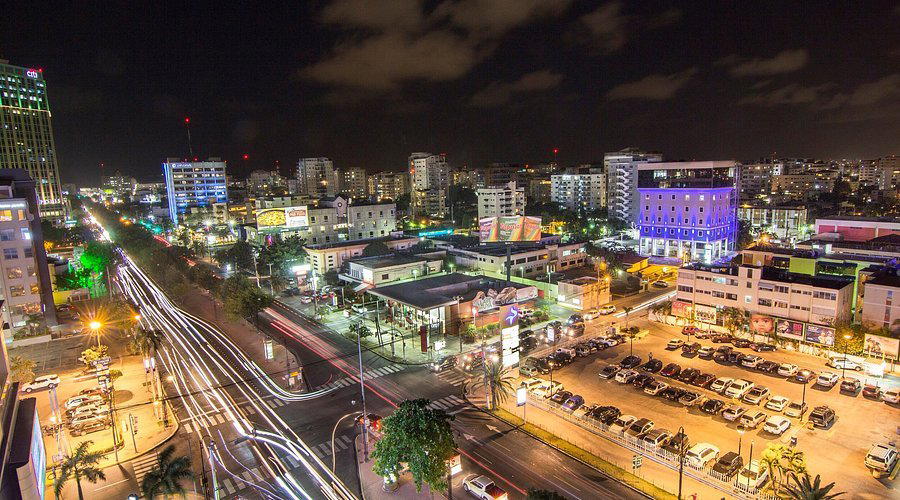
At a Glance
- Cozy
- Lively
- Elegant
- Intimate
- Date Night
- Special Occasion
- Open Kitchen
- Extensive Wine List
Current opening hours
- Monday
- Closed
- Tuesday
- 12–11:30 PM
- Wednesday
- 12–11:30 PM
- Thursday
- 12–11:30 PM
- Friday
- 12–11:30 PM
- Saturday
- 12–11:30 PM
- Sunday
- 12–5:30 PM
Hours can change for holidays and private events. Last verified .
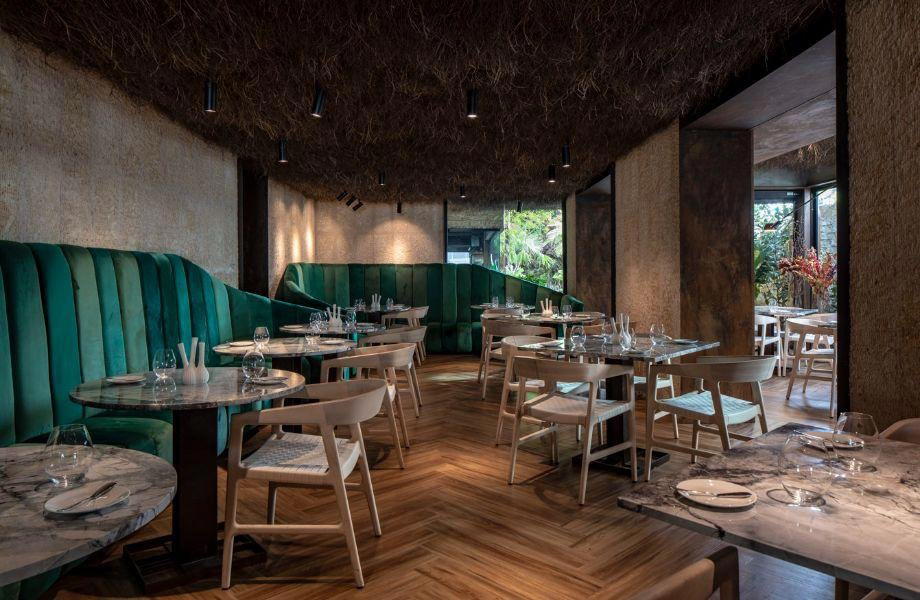
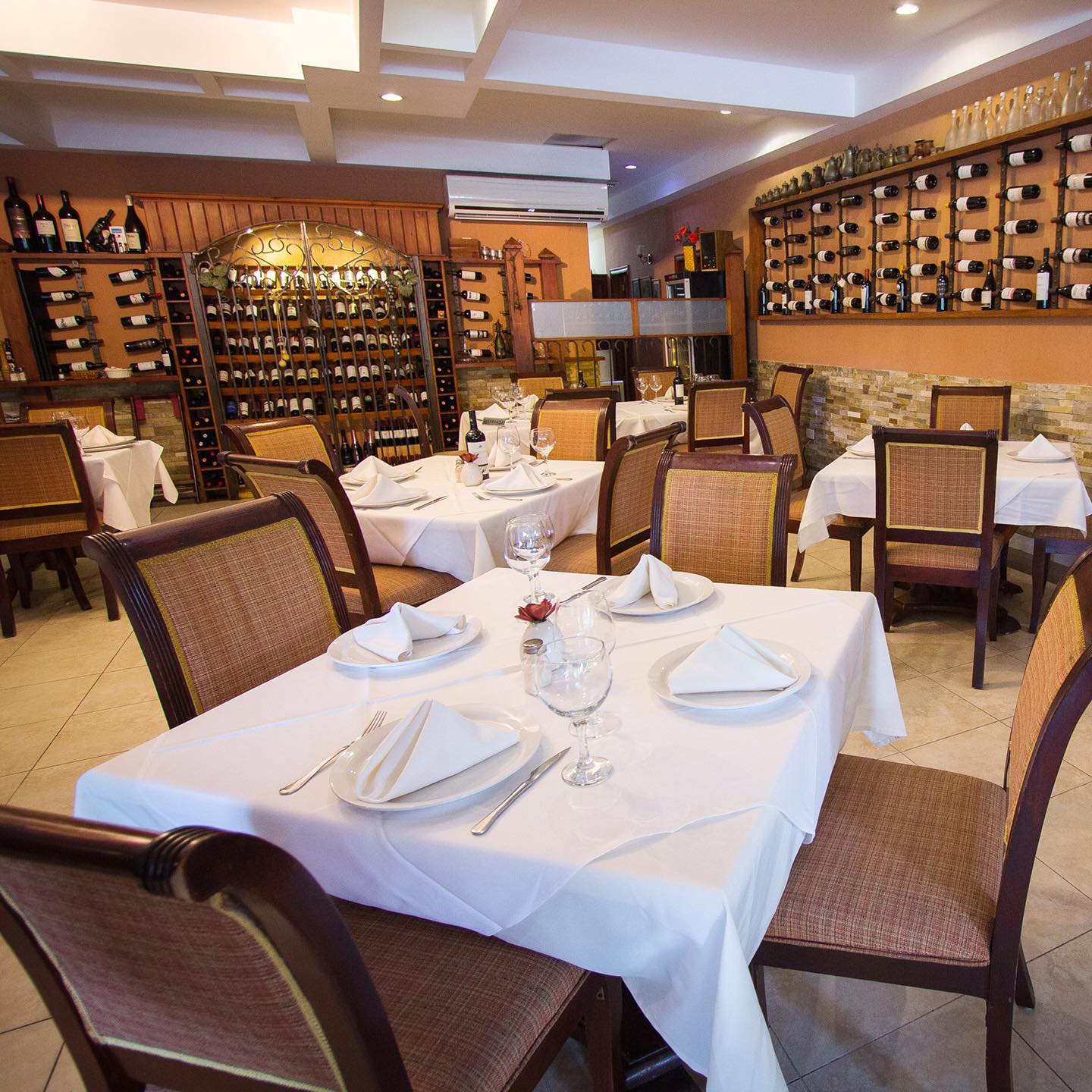
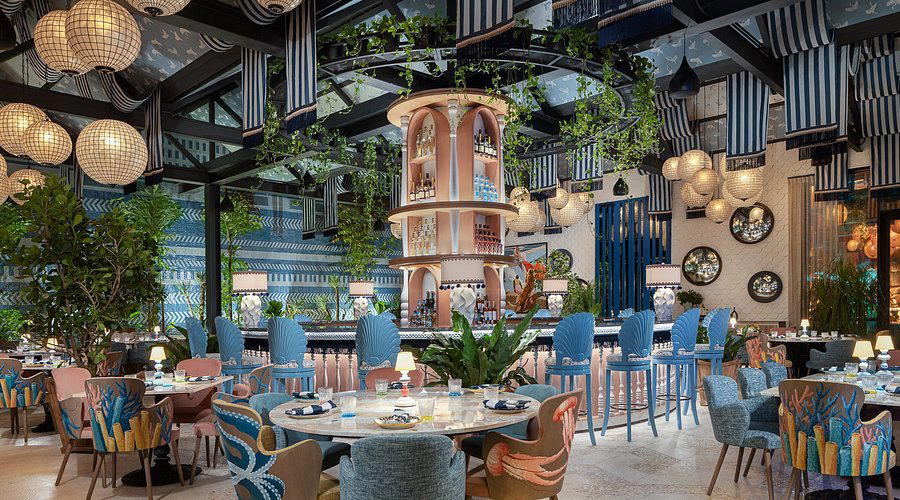
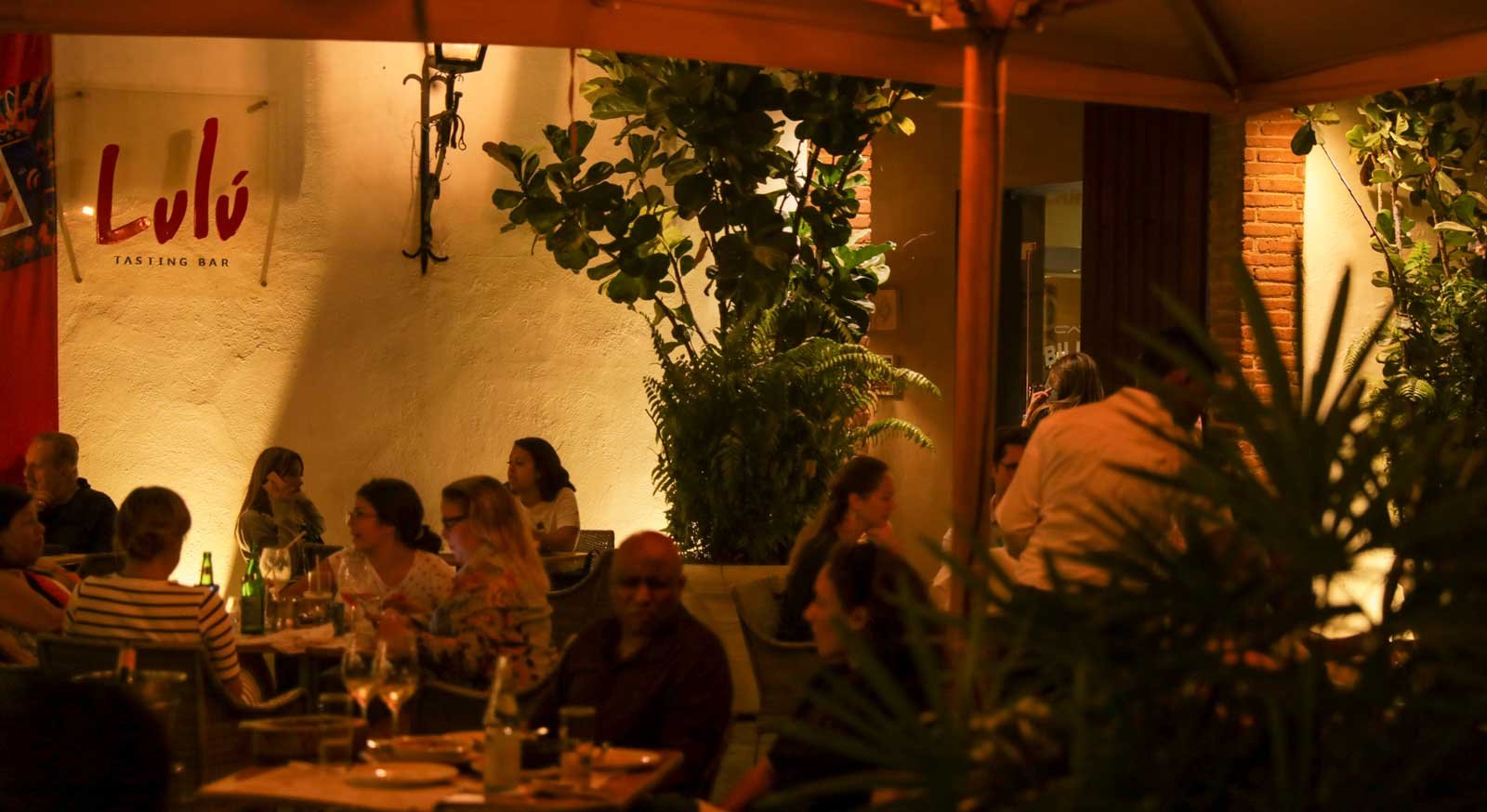
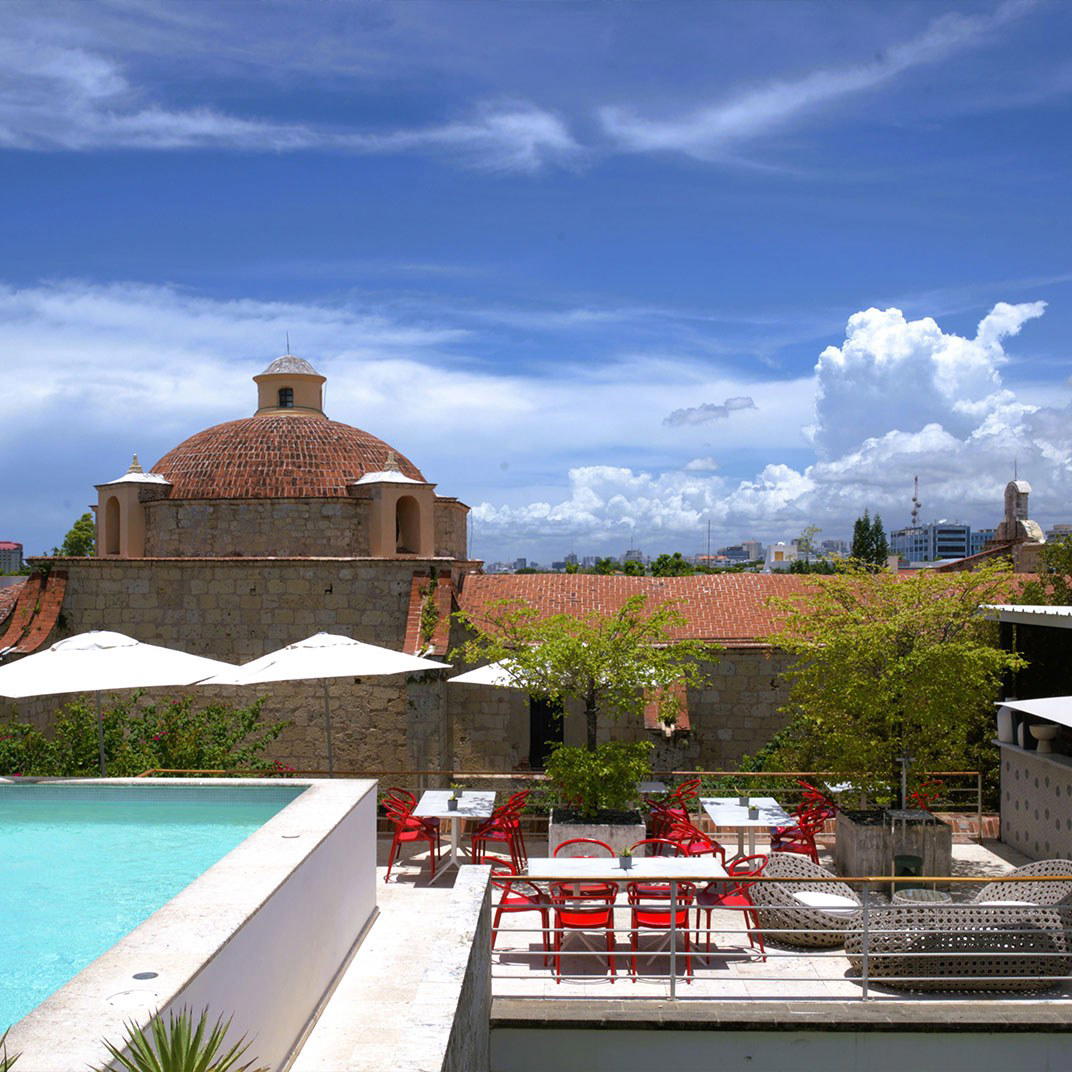
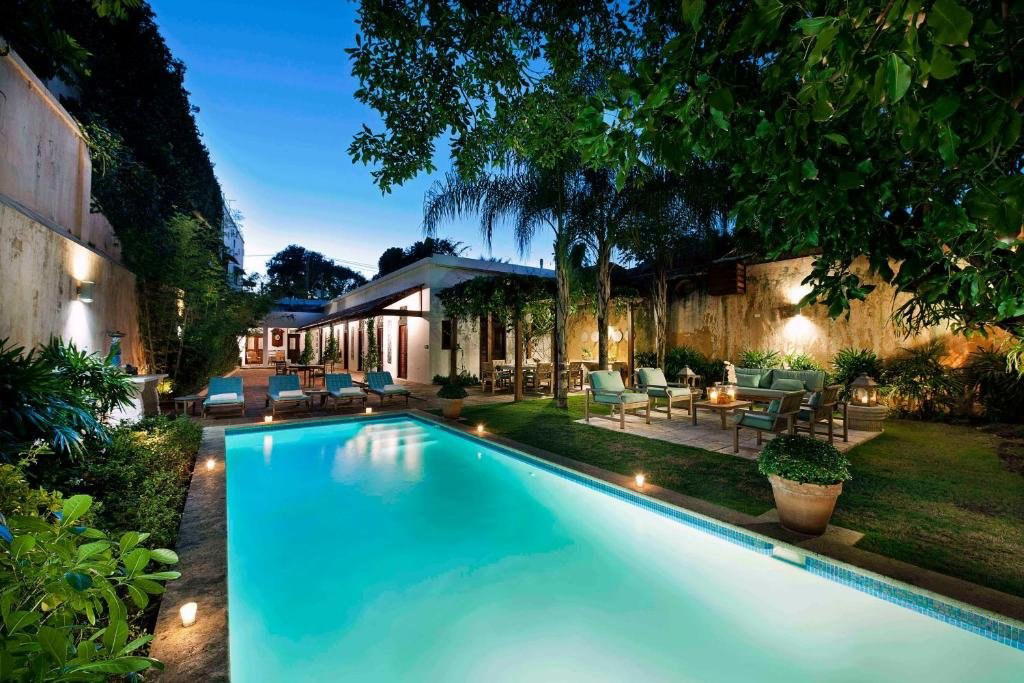
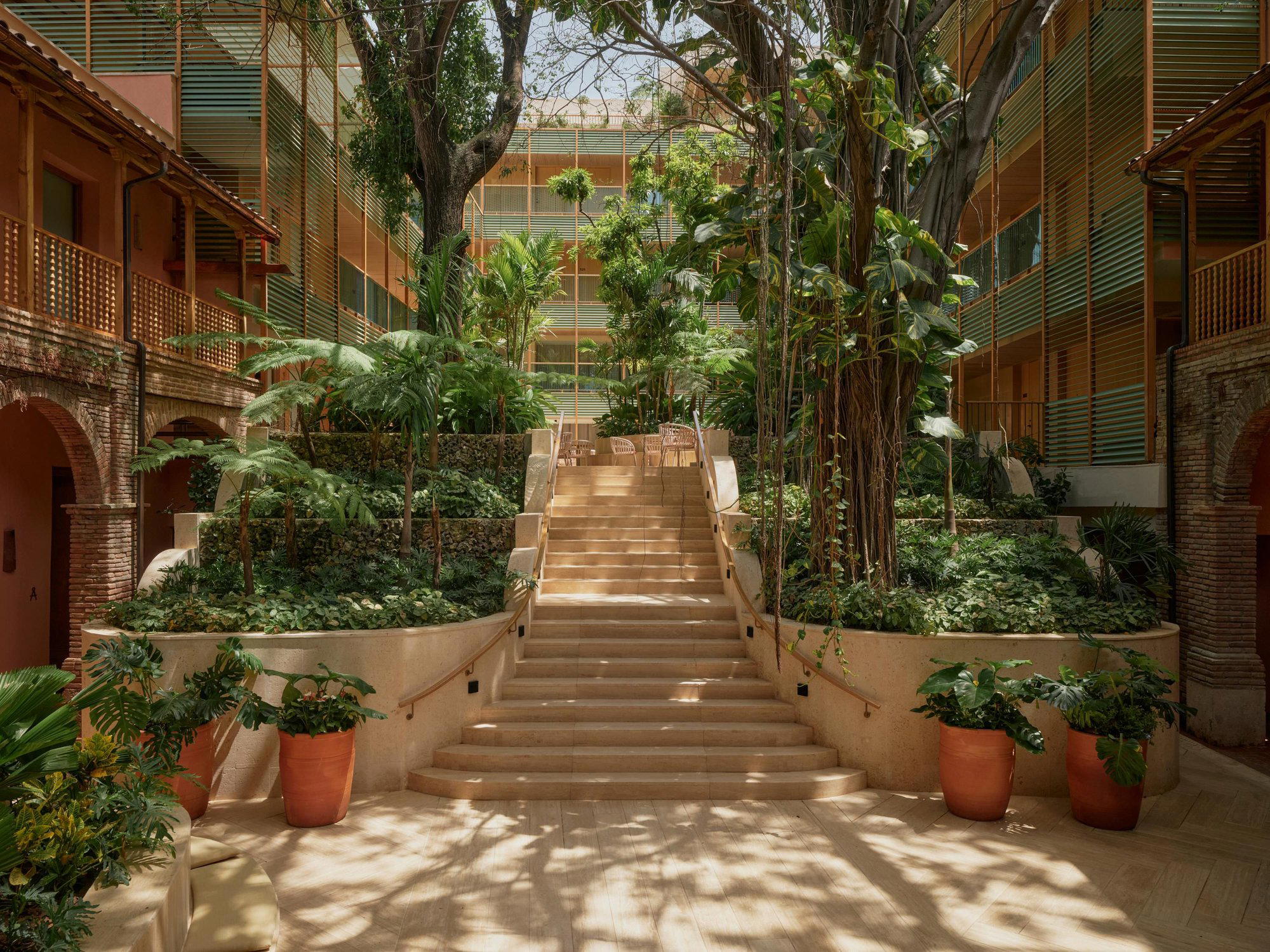
Warm and elegant with light wood accents, artisanal dishware evoking a northern Italian trattoria, lively yet cozy atmosphere.
Know Before You Go
- Getting there
- Plaza Juan Dauhajre, Av Simón Bolívar 219, Santo Domingo 10108, Dominican Republic