Pat'e Palo European Brasserie

On the cobblestones of Plaza España in the Colonial Zone, Pat'e Palo European Brasserie occupies one of Santo Domingo's most historically loaded addresses. The kitchen draws on European brasserie tradition while operating inside a dining scene that is quietly redefining what Caribbean fine dining looks like. For visitors working through the city's restaurant circuit, it represents a useful reference point between colonial heritage and contemporary cooking.
Pearl is the En Primeur Club membership app — saves, bookings, and concierge access live there. Same editors, same standards.
- Address
- Plaza Espana, Santo Domingo 10210, Dominican Republic
- Phone
- +1 829 471 1080
- Website
- booking.redbox.do
- Directions
- Get directions
 Saves & bookings on Pearl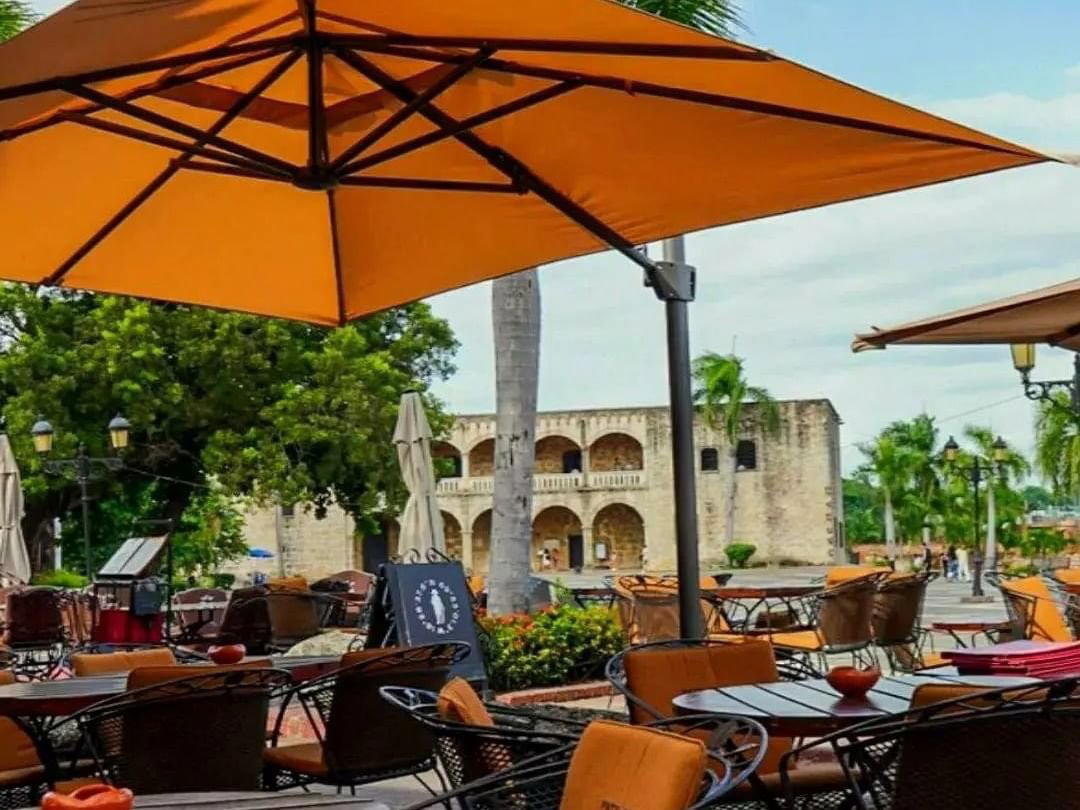
Plaza España and the Weight of Context
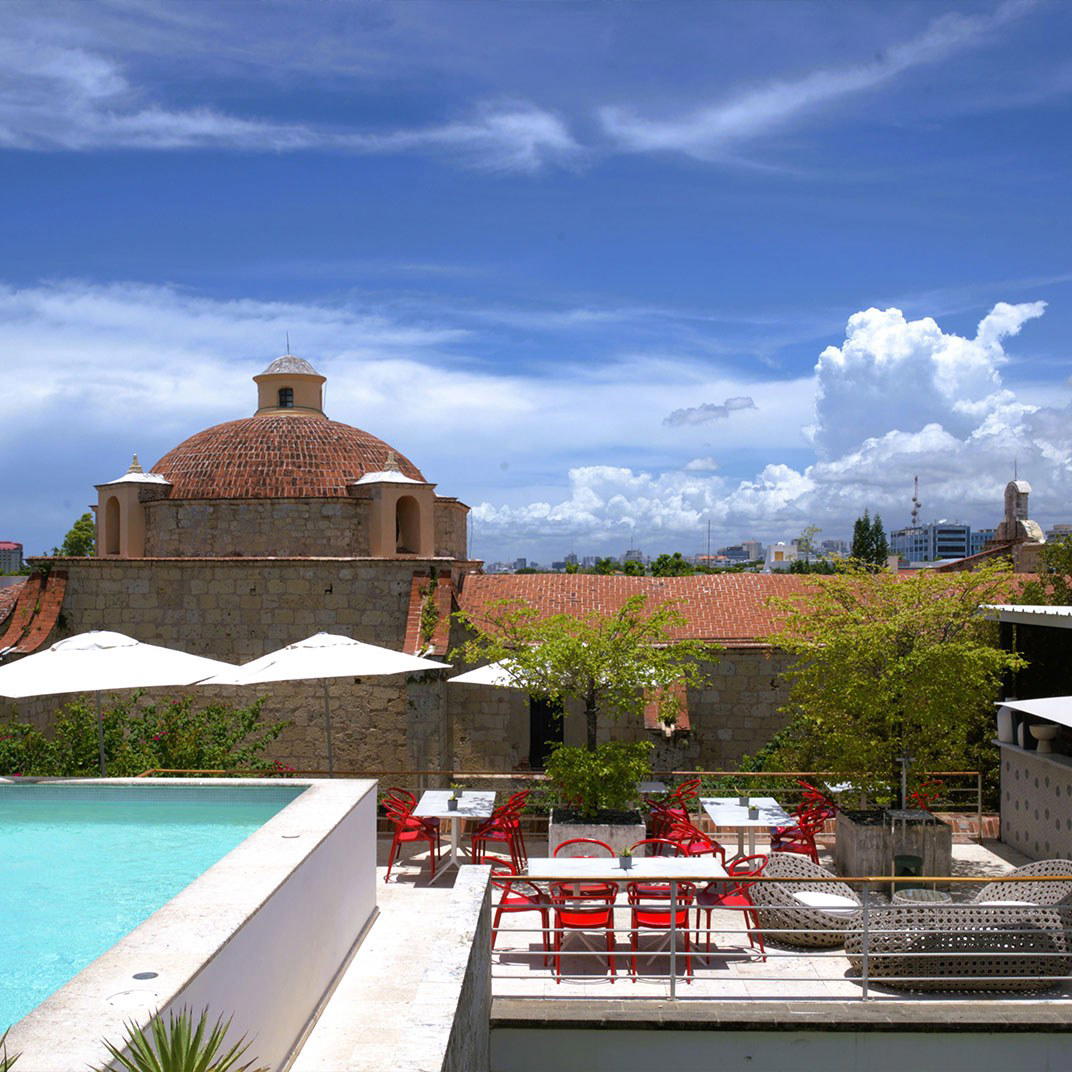
There are few addresses in the Caribbean that carry as much ambient history as Plaza España in Santo Domingo's Colonial Zone, a UNESCO World Heritage Site where the oldest European city in the Americas still holds its original street grid. Sitting directly on that plaza, Pat'e Palo European Brasserie operates within a physical context that most restaurants in the hemisphere simply cannot replicate. The stone facades, the evening light off the Ozama River nearby, the open-air terrace facing the square — these are not incidental details. They shape how food lands, how wine tastes, and how long a table lingers. This is the kind of setting where European brasserie cooking, transported to a Caribbean capital, finds an unexpected logic: the architecture already speaks a colonial European dialect, and the kitchen answers in the same register.
European Brasserie Tradition in a Caribbean Capital
The brasserie format — a European invention built around accessibility, breadth of menu, and the social function of the table, translates differently depending on where it lands. In Paris or Brussels, it is a utilitarian institution. In Santo Domingo, it becomes something more deliberate: a studied choice to place European cooking traditions inside a city whose culinary identity is still being argued out between local chefs, international visitors, and a growing domestic dining public.
Santo Domingo's restaurant scene in recent years has split along recognizable lines. On one side sit venues that lean into Dominican ingredients and technique, places like Ajualä and Mesón de Bari, which draw directly on Caribbean pantries and Dominican culinary memory. On the other sit operations that import European or international frameworks, then adapt them to local conditions. Pat'e Palo belongs to the latter category, and within that category, it occupies senior territory, one of the longer-running European-coded addresses in the Colonial Zone, with a tenure that predates the current wave of fine-dining ambition in the city.
Across the Dominican Republic, the question of ingredient sourcing defines how seriously a kitchen is operating. At beach-resort restaurants like La Yola in Punta Cana or Playa Blanca in Higuey, proximity to the sea shapes the menu almost by default. In the capital, sourcing is a more active decision: chefs must choose between imported European product, which carries cost and freshness trade-offs, and local Dominican produce, which requires relationships with suppliers who are still building consistent supply chains. A kitchen running European brasserie format in Santo Domingo is navigating that tension every service.
What the Brasserie Format Signals
The brasserie as a category communicates something specific to a knowing diner: expect a longer menu than a tasting-format restaurant, more flexibility in how a table orders, and a cooking style that prizes execution of classical technique over experimental statement. Each of these addresses is asking a version of the same question: what does European cooking mean when practiced in a Caribbean city with its own distinct food culture?
For comparison, consider how European-influenced formats operate in cities with stronger local dining infrastructure. Le Bernardin in New York City or Atelier Moessmer Norbert Niederkofler in Brunico exist inside well-documented culinary ecosystems where ingredient sourcing is a critical public conversation and a marketing tool. In Santo Domingo, that conversation is earlier-stage, which means restaurants operating European formats here are doing so with less external pressure to articulate their sourcing philosophy, but also with more freedom to make local-ingredient choices without the scrutiny those choices would attract in a more competitive market.
The Colonial Zone as a Dining Address
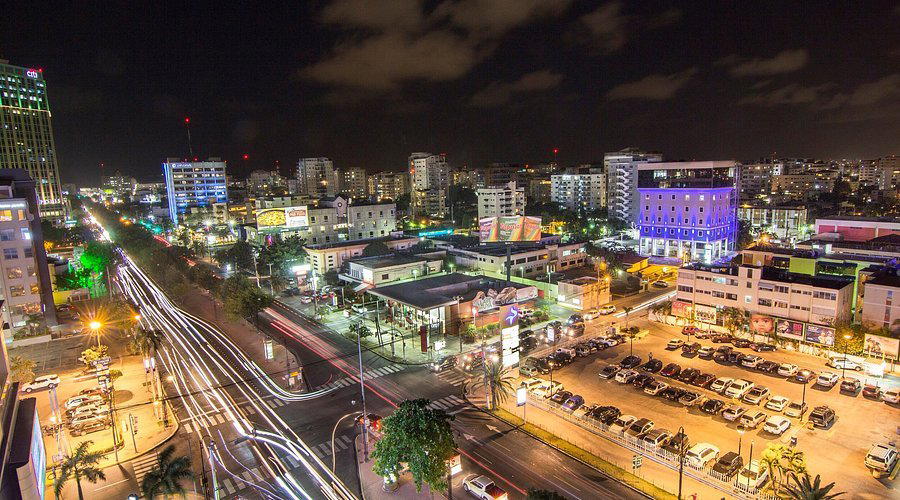
The Colonial Zone in Santo Domingo functions differently from other historic districts in Latin American capitals. Where Cartagena's walled city has been comprehensively tourist-coded, and Old Havana operates under economic constraints that limit dining ambition, Santo Domingo's Colonial Zone holds a mix of government institutions, working residential life, heritage tourism, and a genuine local dining culture. Plaza España itself draws a broad audience: international visitors staying nearby, Dominican families marking occasions, and a business-lunch crowd from the surrounding zone.
This mix matters for understanding how Pat'e Palo positions itself. It is not an enclave for a single type of guest. The terrace on the plaza serves as a social crossroads, which is precisely the function a brasserie is designed to perform, a space where the full range of a city's dining public can coexist at adjacent tables. Other Colonial Zone-adjacent options, including La Bodega, operate on the same social logic: European-coded formats in heritage-zone settings that attract local and international guests simultaneously.
Travelers who want a full picture of where Santo Domingo's dining scene sits today should consult our full Santo Domingo restaurants guide, which maps the city's restaurants across neighborhoods and cooking styles.
Planning a Visit
Pat'e Palo sits directly on Plaza España in the Colonial Zone, making it walkable from most Colonial Zone hotels and a short taxi or ride-share ride from Piantini, Naco, or other residential neighborhoods where visitors often stay. The plaza setting means outdoor seating is a realistic option most evenings, Santo Domingo's climate favors open-air dining through much of the year, though the city's brief wet season (roughly May through August) can make evening terrace plans unpredictable. Reservations are advisable for weekend evenings, when Plaza España draws its largest crowds and the terrace fills early. For current hours, booking policy, and menu details, contacting the venue directly is the most reliable approach, as operational details are subject to change.
For travelers building a broader Dominican Republic itinerary, the country's dining range extends well beyond the capital: Eden Roc Cap Cana in Cap Cana and Aguají in Sosua represent the northern and eastern coastal registers, while Casa Grande in Rio San Juan covers the quieter Atlantic coast. International reference points for European-influenced fine dining, from Dal Pescatore in Runate to HAJIME in Osaka, demonstrate how broadly the category stretches when ingredient sourcing and culinary tradition are taken seriously at the highest level.
Recognition history
Dated appearances from independent guides and award organizations, with the underlying list record or original source where available.
Macarfi 7.9 Food Rating
Macarfi
Continue exploring
More in Santo Domingo
Restaurants in Santo Domingo
Browse all →

Bars in Santo Domingo
Browse all →
At a Glance
- Elegant
- Historic
- Lively
- Romantic
- Date Night
- Special Occasion
- Historic Building
- Terrace
- Street Scene
Current opening hours
- Monday
- 11 AM–1 AM
- Tuesday
- 11 AM–1 AM
- Wednesday
- 11 AM–1 AM
- Thursday
- 11 AM–1 AM
- Friday
- 10 AM–2 AM
- Saturday
- 10 AM–2 AM
- Sunday
- 11 AM–1 AM
Hours can change for holidays and private events. Last verified .
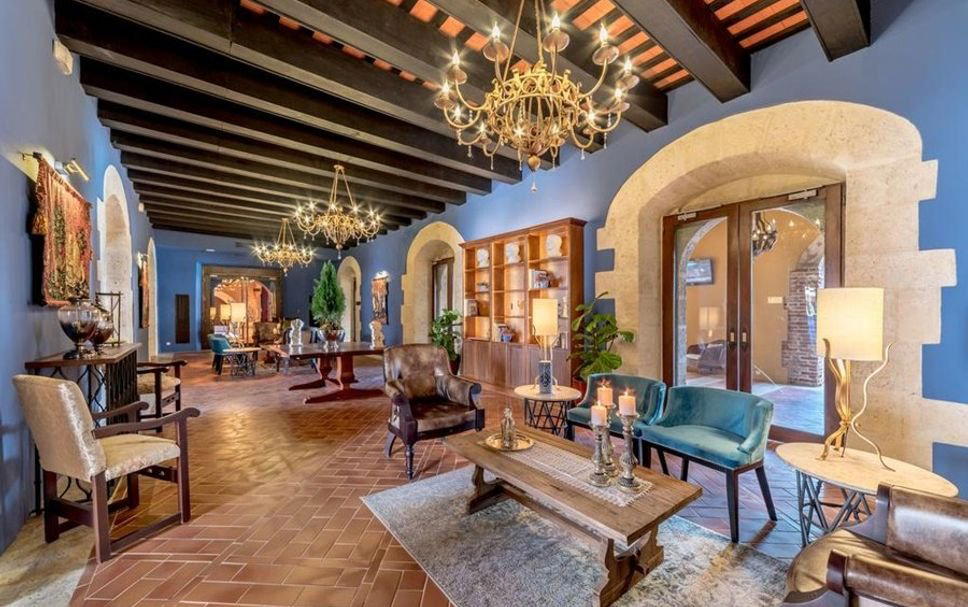
Casual ambiance in a historic colonial building with barrel-vaulted stone ceilings, antique decor, and lively outdoor terrace overlooking cultural performances.
Know Before You Go
- Getting there
- Plaza Espana, Santo Domingo 10210, Dominican Republic