

Samsen on Stone Nullah Lane is one of Hong Kong's most consistently recognised Thai restaurants, ranked on Opinionated About Dining's Casual Asia list in 2023, 2024, and 2025. Chef Adam Cliff brings Bangkok street-food sensibility to a Wan Chai address that draws a loyal crowd across lunch and dinner service. The combination of critical pedigree and neighbourhood accessibility makes it a reference point for Thai cooking in the city.
Pearl is the En Primeur Club membership app — saves, bookings, and concierge access live there. Same editors, same standards.
- Address
- 68 Stone Nullah Ln, Wan Chai, Hong Kong
- Phone
- +852 2234 0001
- Website
- samsen-hk.com
- Directions
- Get directions
 Saves & bookings on Pearl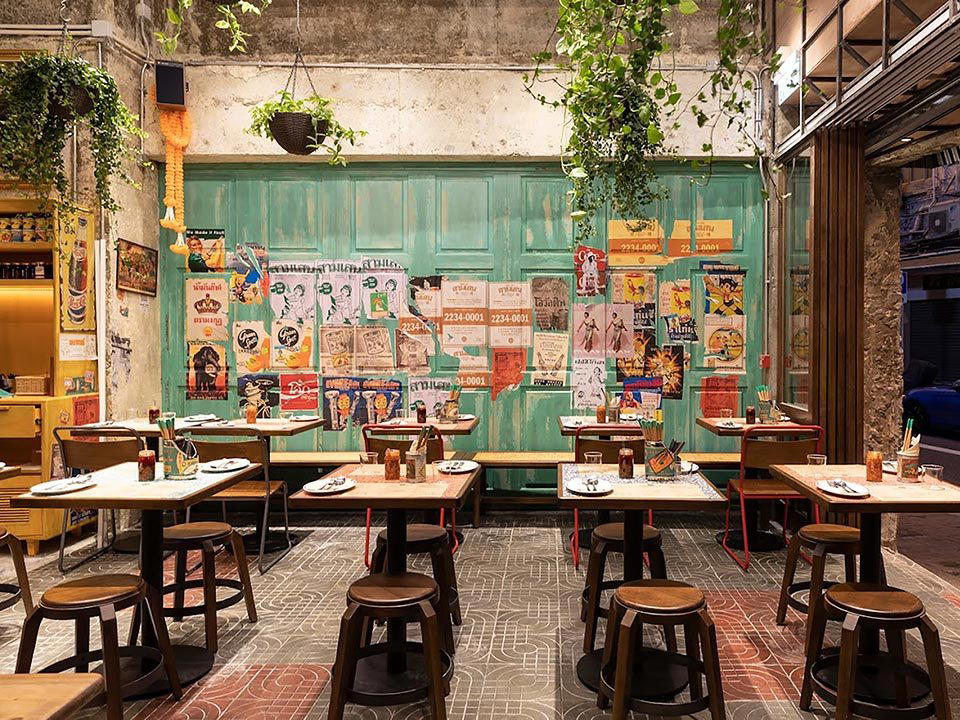
Stone Nullah Lane and the Case for Serious Casual Thai
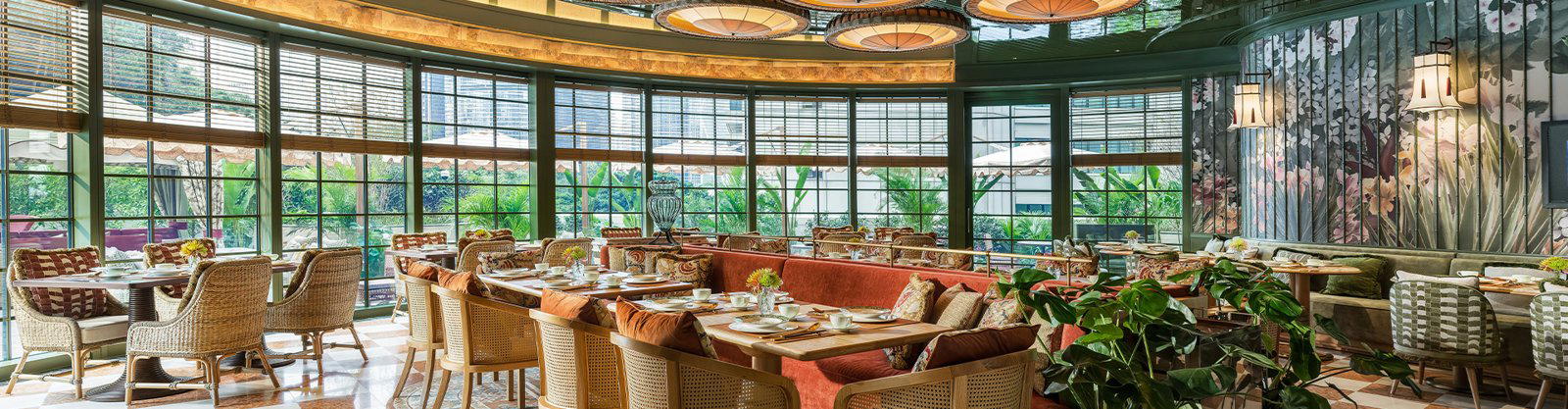
Wan Chai's Stone Nullah Lane sits at an interesting remove from the district's more tourist-facing corridors. The lane itself has a low-rise, slightly worn character that suits a certain kind of serious eating, the kind where the food carries the room rather than the room carrying the food. At number 68, Samsen is a casual, unfussy Thai restaurant where the noise level and the proximity of other diners signal that this is a place people return to, not a destination they photograph once and leave. The atmosphere reads less like a curated restaurant concept and more like a Bangkok neighbourhood canteen that happened to find an excellent address in Hong Kong.
That atmospheric read is not accidental. The Thai casual dining tradition that Samsen draws on is built around repetition, dishes refined by daily preparation, not seasonal reinvention. In Bangkok, the great noodle shops and curry houses are institutions precisely because they do not change. Samsen applies that same discipline to a Hong Kong context, which is a sharper editorial choice than it might appear: the city's dining culture has historically rewarded novelty and concept over continuity.
What Three Consecutive OAD Rankings Actually Mean
The clearest external measure of Samsen's standing is its run on the Opinionated About Dining Casual in Asia list: ranked 28th in 2023, rising to 21st in 2024, then settling at 39th in 2025. OAD's casual category carries specific weight because it is compiled from a relatively tight pool of serious eaters rather than broad public voting, which means the recognition reflects peer-level opinion within the industry and among well-travelled diners. A single appearance on that list is notable; three consecutive appearances, including a significant climb in 2024, indicates sustained quality rather than a one-season spike.
For context, the casual tier of the OAD Asia list sits apart from the fine-dining rankings that dominate Hong Kong's award coverage. The city's upper bracket, represented by multi-Michelin-starred Italian and French addresses such as 8 1/2 Otto e Mezzo Bombana, operates on a different critical axis. Samsen's OAD recognition places it in a smaller, harder-to-achieve category: the casual restaurant that earns critical respect without the scaffolding of a tasting menu format or a prestigious hotel address.
At that volume, a rating above 4.3 is resistant to outlier distortion; it reflects a consistent majority experience rather than an enthusiastic minority.
Chef Adam Cliff and the Bangkok Street-Food Reference
The broader Thai-restaurant-outside-Thailand category has a credibility problem. In most international cities, Thai food is positioned and priced as accessible ethnic dining, which creates a structural ceiling on how seriously it is taken by critics and guide compilers. The restaurants that break through that ceiling tend to do so by anchoring their cooking in specific regional traditions rather than pan-Thai menus designed for broad palatability.
Chef Adam Cliff's approach at Samsen fits that pattern. The restaurant's Bangkok street-food framing is a specific editorial position, not a vague gesture toward Thai authenticity. Street food in Bangkok is a technically demanding tradition: noodle broths built over long hours, wok technique that requires intense heat and precise timing, and dishes where the quality of a single ingredient can determine the success of the whole bowl. That specificity is what OAD's casual list tends to reward, and it is what separates Samsen from the wider Thai dining field in Hong Kong.
Samsen's positioning within that set is as a casual-format specialist in a city where Thai cooking has historically occupied the mid-market rather than the critical conversation.
Samsen in Hong Kong's Thai Dining Field
Hong Kong has a meaningful Thai restaurant scene, shaped in part by the city's historical connection to Southeast Asia and its population of Thai residents. Within that field, Samsen occupies a specific tier: casual in format and price presentation, but recognised at a level that places it above the generic Thai restaurant category. The contrast with the city's other Thai options matters here. Chachawan, for instance, works in a different register, Isan-focused, with its own critical profile, while Saya and Thai Pai Dong represent other points on the spectrum. Samsen's Wan Chai address is the location tracked in the OAD rankings.
Planning Your Visit
| Venue | Cuisine | Format | Price Tier | Key Recognition |
|---|---|---|---|---|
| Samsen (Wan Chai) | Thai (casual) | Lunch & dinner, walk-in/booking | Casual | OAD Casual Asia #21 (2024), #39 (2025) |
| Chachawan | Thai (Isan) | Dinner-focused | Casual-mid | Critical profile, Hong Kong press |
| 8½ Otto e Mezzo Bombana | Italian | Tasting menu / à la carte | $$$$ | Michelin three stars |
| Neighborhood | International / European Contemporary | À la carte, casual | $$ | Casual dining, Wan Chai area |
AKKEE in Pak Kret and a growing roster of regional specialists across Asia and Europe.
Reputation Context
Comparable venues nearby, for context on price, style, and recognition.
| Venue | Cuisine | Price | Awards | Notes |
|---|---|---|---|---|
| SamsenThis venue — the venue you are viewing | Authentic Thai Street Food & Noodles | $$ | Not listed | Not listed |
| Siaw | Authentic Thai Street Food | $$ | Michelin Plate | Yau Tsim Mong South |
| Chachawan | Authentic Isaan Thai | $$ | Not listed | Central |
| Ichu Terraza | Dining | Not listed | Not listed | Central |
| Australian Dairy | Hong Kong Cha Chaan Teng | $$ | Not listed | Yau Tsim Mong South |
| Yakinikumafia | Yakiniku | Not listed | Not listed | Central |
Recognition history
Dated appearances from independent guides and award organizations, with the underlying list record or original source where available.
Michelin Bib Gourmand
Michelin
Opinionated About Dining Casual in Asia Ranked #50
Opinionated About Dining
Michelin Bib Gourmand
Michelin
Opinionated About Dining Casual in Asia Ranked #39
Opinionated About Dining
Michelin Bib Gourmand
Michelin
Opinionated About Dining Casual in Asia Ranked #21
Opinionated About Dining
Opinionated About Dining Casual in Asia Ranked #28
Opinionated About Dining
Continue exploring
More in Hong Kong
More from Chef Adam Cliff
Browse all →
Restaurants in Hong Kong
Browse all →
Bars in Hong Kong
Browse all →
At a Glance
- Lively
- Energetic
- Casual
- Well Known
- Casual Hangout
- Group Dining
- Solo
- Open Kitchen
- Beer Program
- Local Sourcing
Current opening hours
- Monday
- 12–3 PM, 6–10 PM
- Tuesday
- 12–3 PM, 6–10 PM
- Wednesday
- 12–3 PM, 6–10 PM
- Thursday
- 12–3 PM, 6–10 PM
- Friday
- 12–3 PM, 6–11 PM
- Saturday
- 12–3 PM, 6–11 PM
- Sunday
- 12–3 PM, 6–10 PM
Hours can change for holidays and private events. Last verified .
Lively and buzzy with a casual street-food atmosphere; tight seating with communal table sharing, energetic staff, and lively crowds; hard chairs and loud music create an authentic Bangkok street-food vibe.