Sampa
Sampa sits on South Hewitt Street in Los Angeles's Arts District, occupying a neighbourhood that has become one of the city's more credible addresses for ingredient-forward cooking. The address alone positions it within a cluster of serious dining that rewards curiosity over convenience. Booking ahead is advisable for anyone planning a visit.
Pearl is the En Primeur Club membership app — saves, bookings, and concierge access live there. Same editors, same standards.
- Address
- 449 S Hewitt St, Los Angeles, CA 90013
- Phone
- (213) 935-8119
- Website
- wearesampa.com
- Directions
- Get directions
 Saves & bookings on Pearl
South Hewitt Street and the Arts District's Dining Shift
The Arts District in Los Angeles was, for most of its history, a place people passed through on the way to somewhere else. That has changed with enough consistency over the past decade to constitute a real shift rather than a trend. The neighbourhood at the eastern edge of downtown, anchored by converted warehouses and rail-adjacent streets, now holds a concentration of independent restaurants that prize sourcing specificity and kitchen discipline over accessibility or spectacle. South Hewitt Street, where Sampa sits at number 449, is part of that pattern. The street itself carries the texture of the wider neighbourhood: raw industrial architecture softened by the density of creative businesses that moved in as rents pushed artists and then restaurateurs toward this part of the city. Approaching the address, the context does the introductory work before you reach the door.
This neighbourhood positioning matters more than it might appear. The Arts District changed that logic. Within a short radius of South Hewitt, the concentration of food-serious operators means that a restaurant here is implicitly in conversation with others making comparable bets on produce quality, supplier relationships, and a clientele willing to engage with what they're eating rather than simply consume it.
Ingredient-Forward Cooking in a City That Rewards It
Los Angeles occupies a structural advantage that few American cities can match when it comes to ingredient sourcing. Proximity to California's Central Valley, the network of farmers markets operating year-round, and direct relationships between chefs and producers at a scale that would be logistically impossible in most other major cities give kitchens here a material edge. The question, for any restaurant in this market, is whether it uses that advantage or treats it as background noise.
Restaurants that take sourcing seriously in this city tend to operate with a visible philosophy: the ingredient itself is not support material for a technique, it is the argument. This approach appears in different registers across the dining tier. Single Thread Farm in Healdsburg carries it to its most controlled expression, where the farm-to-table relationship is vertically integrated. Blue Hill at Stone Barns in Tarrytown has made the sourcing premise itself the editorial center of the dining experience. In Los Angeles proper, Kato demonstrates how ingredient integrity can operate inside a high-concept tasting format without the produce becoming subordinate to the architecture of the menu.
Sampa operates in this environment, on a street and in a neighbourhood where ingredient conversation is already a shared vocabulary among the restaurants nearby. That context shapes what a kitchen can reasonably expect from its guests and, in turn, what it can reasonably expect from its suppliers.
Placing Sampa in the Los Angeles Dining Tier
Los Angeles's serious dining scene has stratified considerably. At the highest price point, counters and tasting menus compete on a national basis: Providence, with its sustained Michelin recognition and focus on contemporary seafood, operates in that upper bracket. Hayato, with kaiseki discipline and a similarly committed clientele, prices and books within the same tier. Somni occupies the molecular-progressive lane. Below that leading register, a second tier of independently operated restaurants has established itself on quality of product rather than ceremony of format. This is the more interesting competitive space in the city right now, and it is where Arts District restaurants, including Sampa, make their argument.
For comparison beyond Los Angeles, the sourcing-led approach at this tier has strong analogues across the country. Smyth in Chicago has built its identity on producer relationships and what that implies about menu seasonality. Lazy Bear in San Francisco operates on a similar premise with a communal-table format. Frasca Food and Wine in Boulder demonstrates that ingredient-serious cooking does not require a major metropolitan address to sustain a committed guest base. The common thread is that the kitchen's sourcing choices become legible on the plate, and guests who notice that tend to return.
Internationally, the conversation about ingredient provenance has been central to some of the most discussed restaurants of the past two decades. Osteria Francescana in Modena is perhaps the clearest example of a kitchen where regional ingredient identity and global technique coexist without the former becoming decorative. That framing has influenced how sourcing-led restaurants across the United States position and communicate their approach.
The Arts District as a Dining Address
For visitors approaching Los Angeles with a dining itinerary in mind, the Arts District functions as a logical base for a meal that does not require the westside's geography or the Valley's sprawl. The neighbourhood is accessible from downtown, and the concentration of serious independent operators means that a single evening can be anchored here without feeling like a compromise. The area's character is still edgy enough to feel earned rather than packaged, which is the condition most interesting restaurant neighbourhoods occupy before they become fully commodified.
Other anchor restaurants in the broader Los Angeles context worth considering alongside an Arts District visit include Osteria Mozza for Italian at a consistent level, and Addison in San Diego for those extending the trip south. For those building a wider California itinerary, The French Laundry in Napa remains the reference point for the state's highest-end tasting format. Our full Los Angeles restaurants guide maps the broader scene across price points and neighbourhoods.
South Hewitt Street places Sampa within walking distance of the neighbourhood's other points of interest. Arriving by car is direct in a city where driving remains the default, and street parking in this part of the Arts District is more accessible than in denser westside addresses.
Planning Your Visit
Given the current volume of attention on Arts District dining, booking ahead is the practical approach rather than arriving without a reservation. For restaurants at this address and in this neighbourhood tier, demand from both local regulars and visiting guests tends to compress availability, particularly on weekends. Confirming a reservation rather than relying on walk-in availability is the reasonable strategy for anyone making a specific trip. Sampa's address at 449 South Hewitt Street is the reliable anchor for directions and pre-visit planning.
For context on how this neighbourhood and price tier compares to peer experiences in other cities: Le Bernardin in New York City and Atomix in New York City represent the east-coast equivalents of serious, ingredient-attentive dining at a formal register. Emeril's in New Orleans and The Inn at Little Washington show how sourcing-serious cooking operates in different regional contexts. The comparison is useful for calibrating expectations before arrival.
How Sampa Los Angeles compares with similar nearby venues.
| Venue | Cuisine | Price |
|---|---|---|
| Bavel | Israeli, Middle Eastern | $$$$ |
| Girl & the Goat Los Angeles | Contemporary | $$$ |
| Bengara | Japanese (binchotan charcoal, genshiyaki) | Not listed |
| The Factory Kitchen | Italian | $$ |
Continue exploring
More in Los Angeles
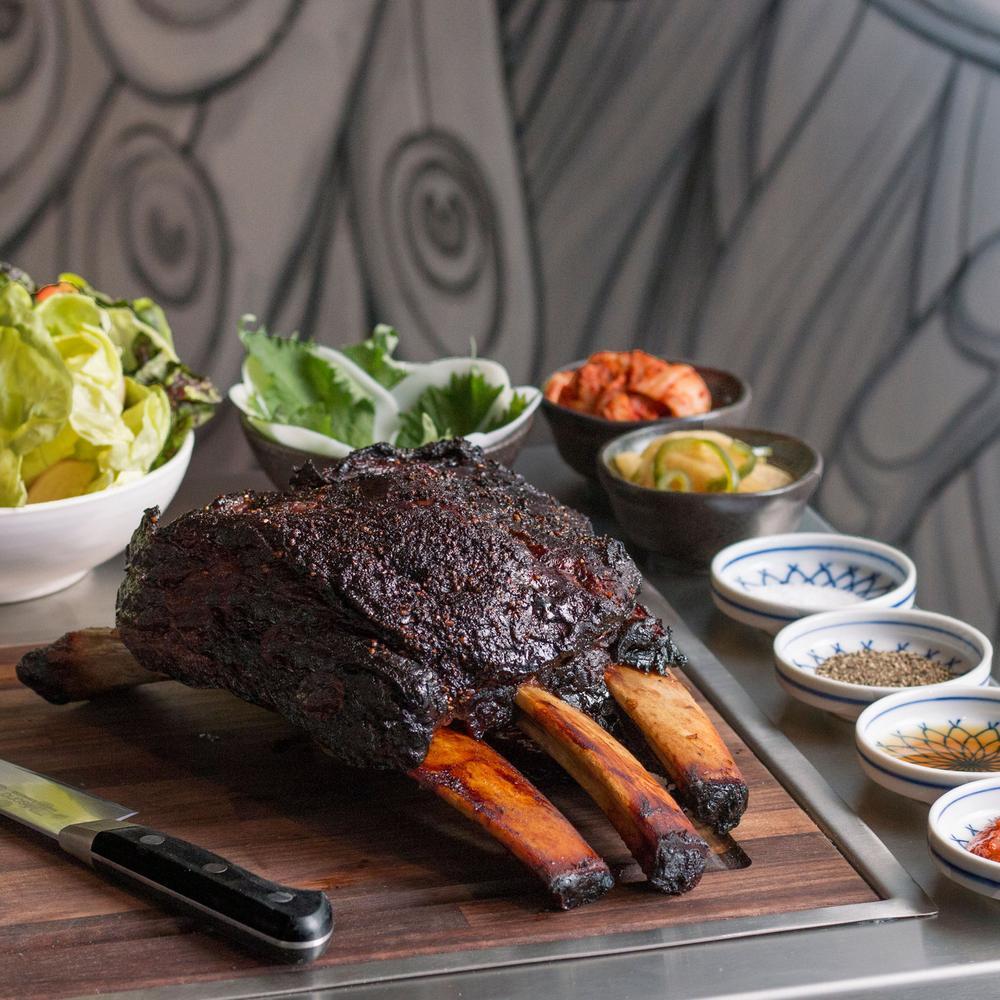
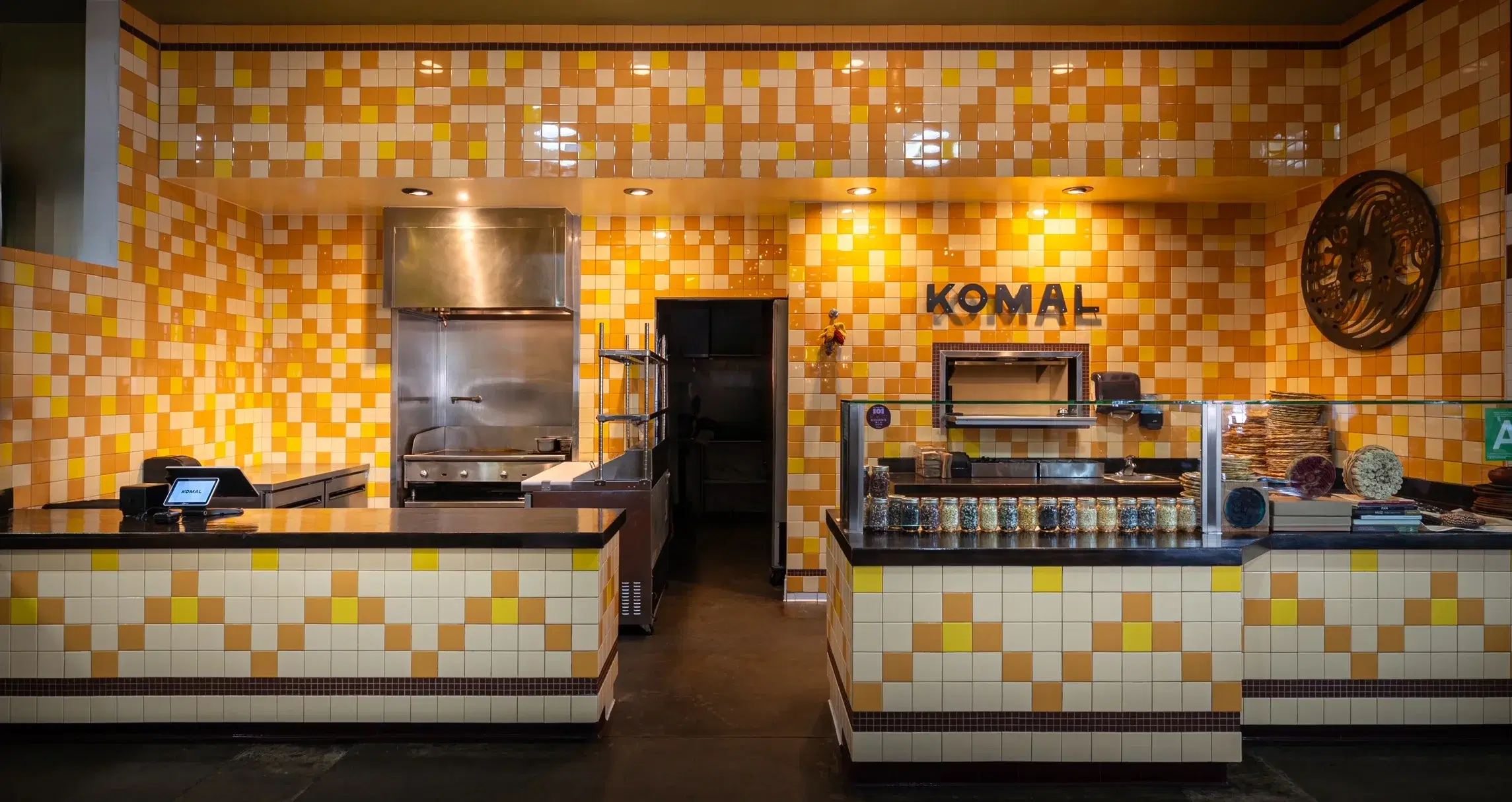
Restaurants in Los Angeles
Browse all →
Bars in Los Angeles
Browse all →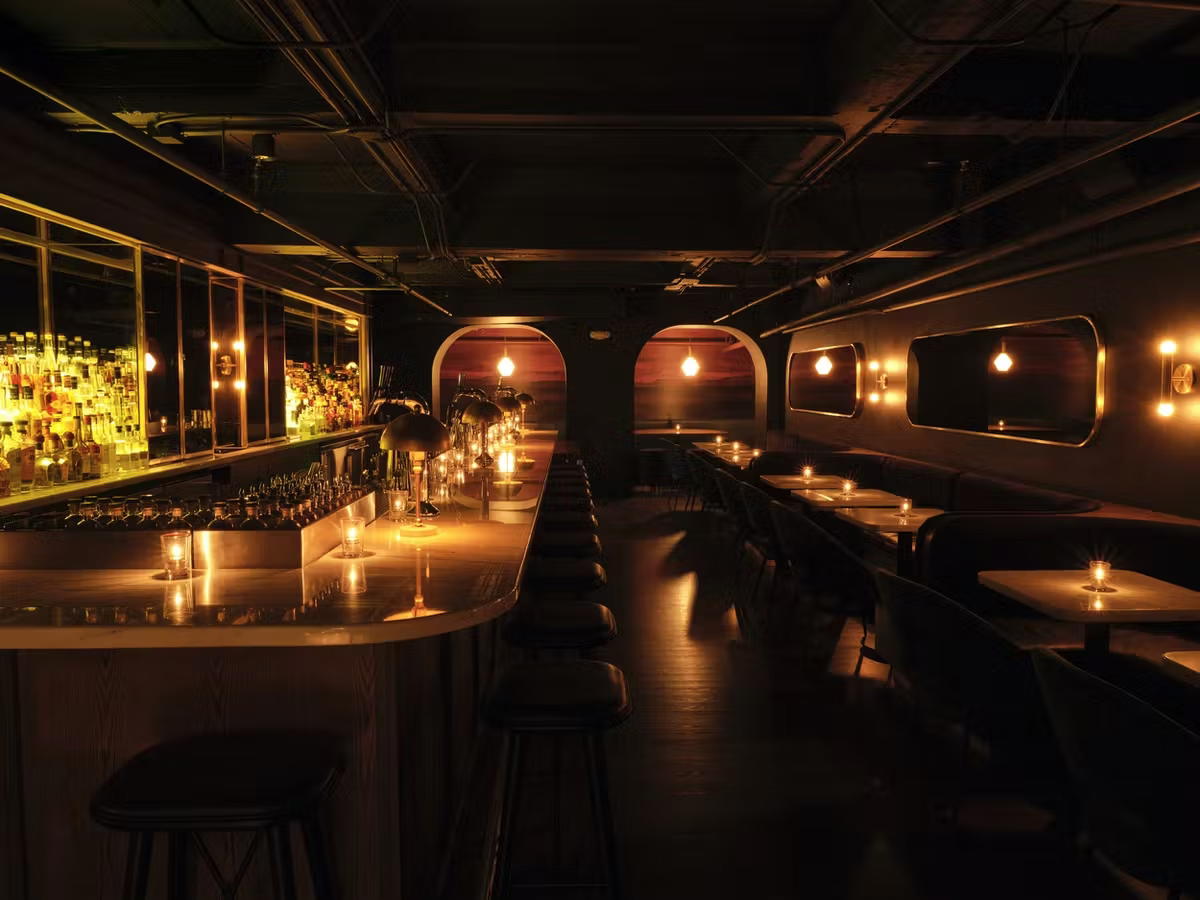
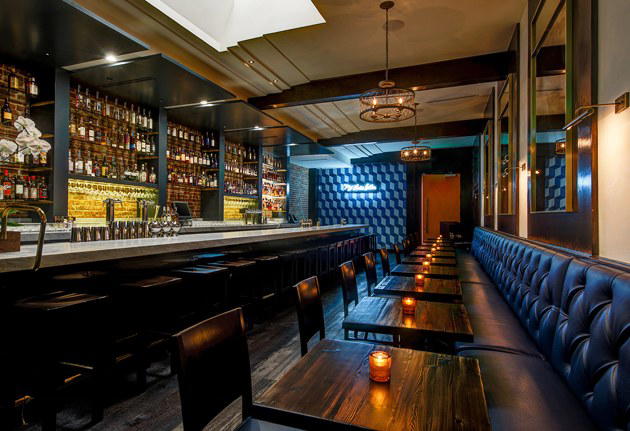
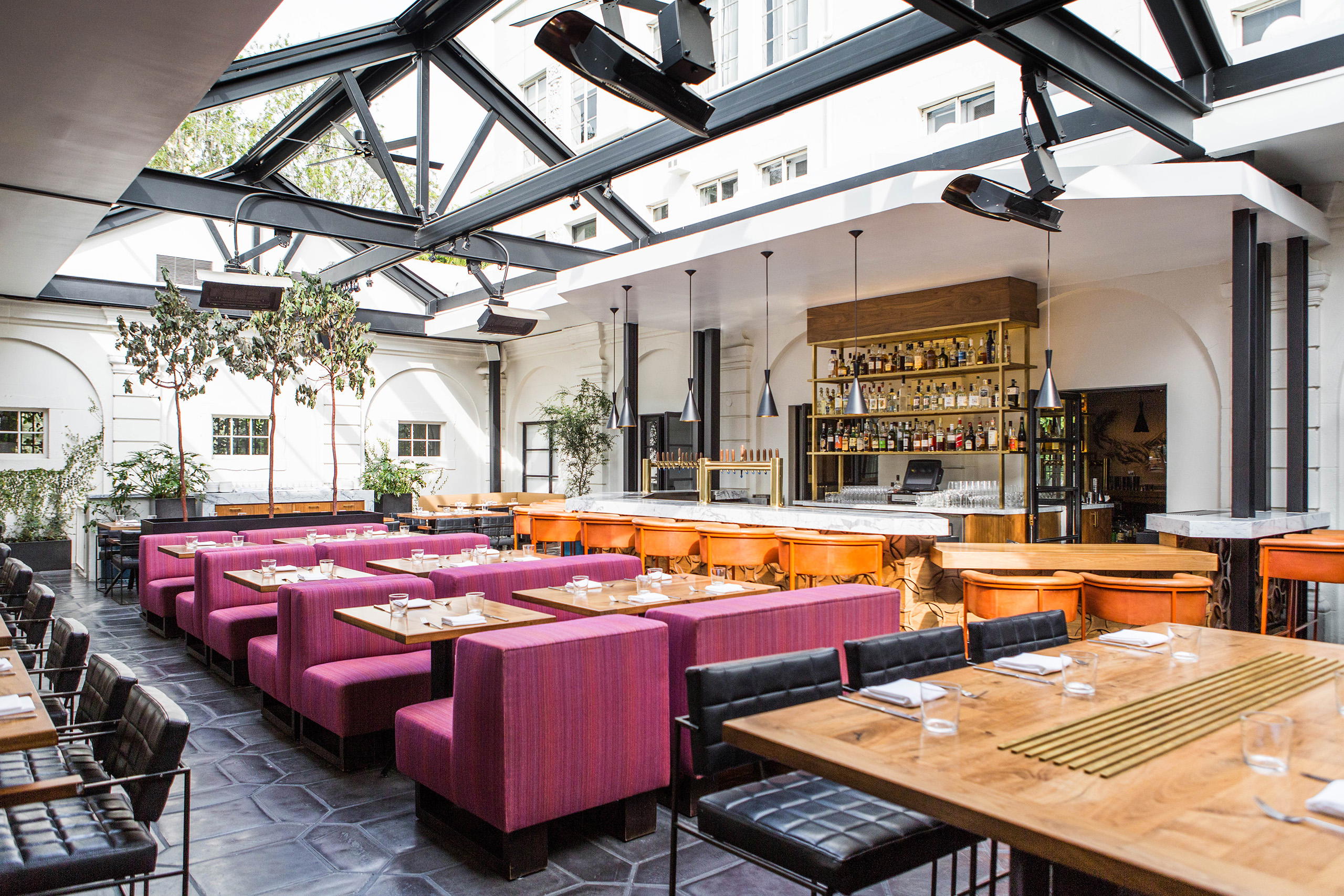

Hotels in Los Angeles
Browse all →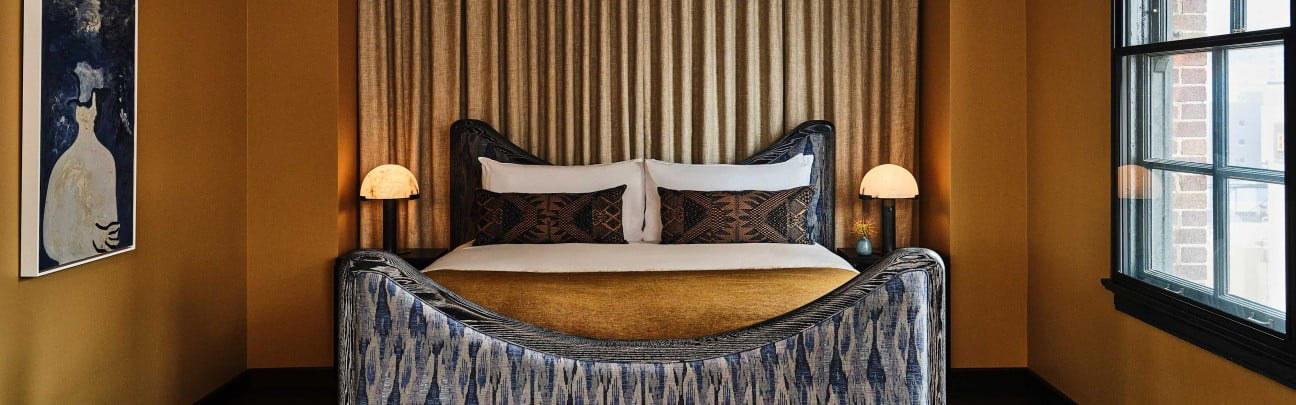
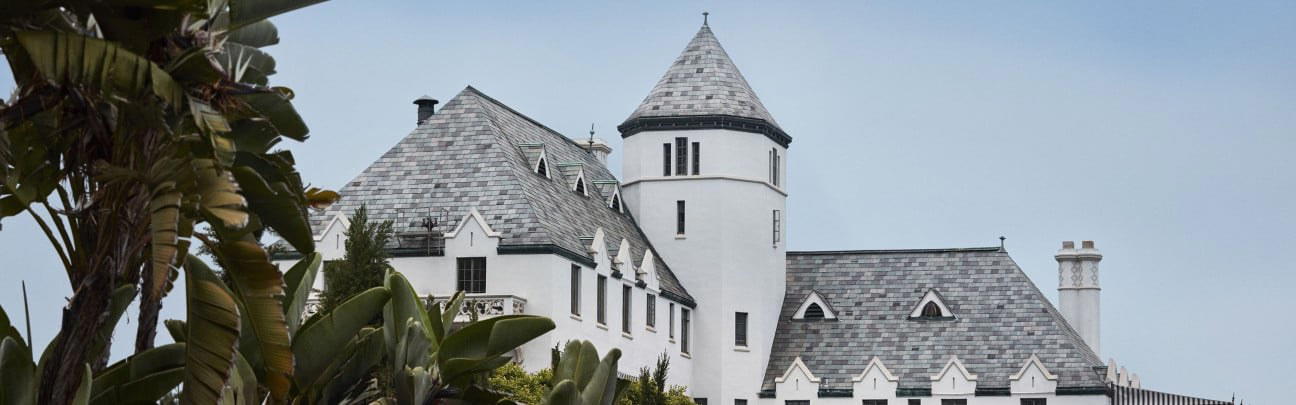
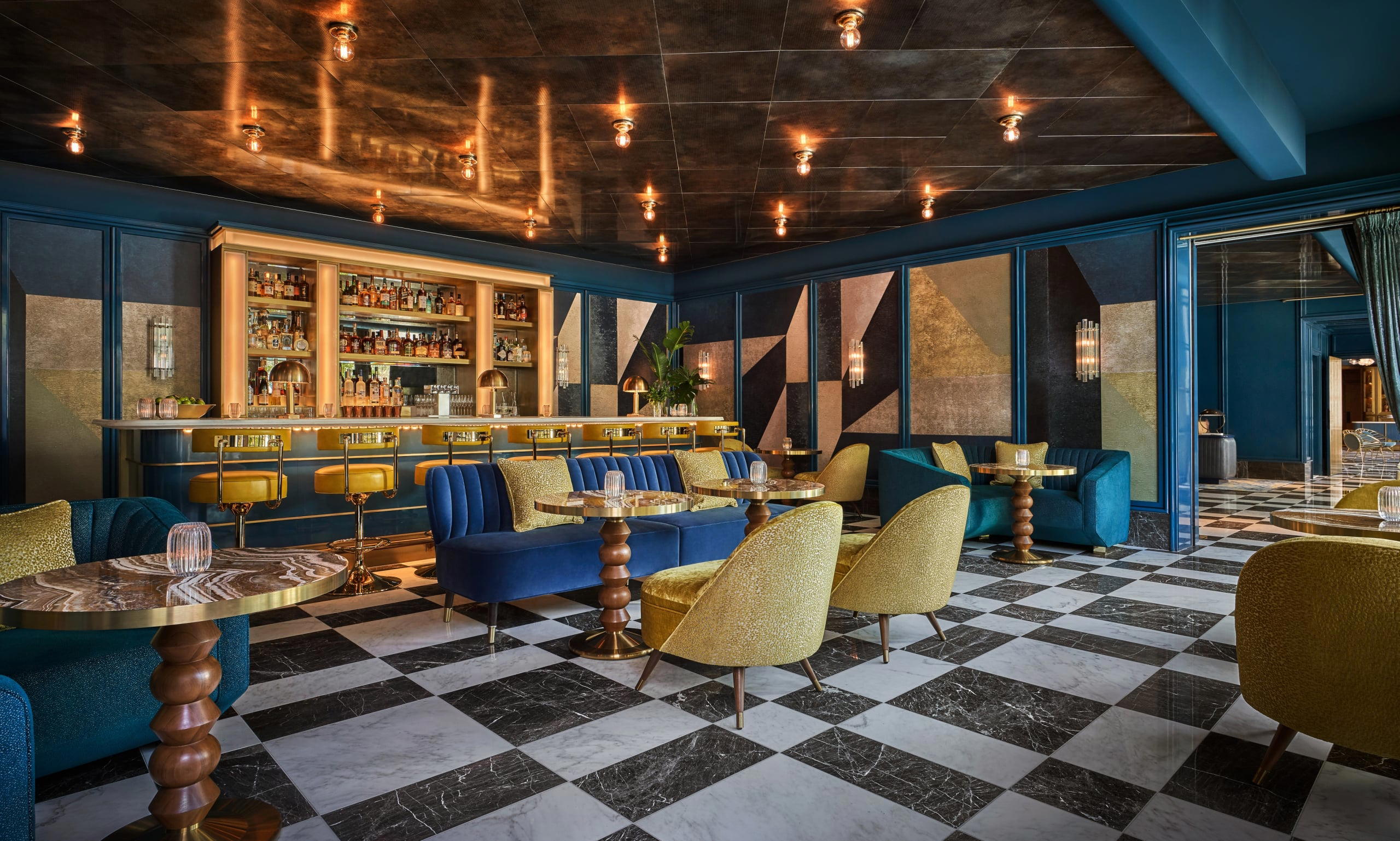
Wineries in Los Angeles
Browse all →
At a Glance
- Modern
- Trendy
- Sophisticated
- Industrial
- Date Night
- Special Occasion
- Brunch
- Open Kitchen
Current opening hours
- Monday
- Closed
- Tuesday
- 5–10 PM
- Wednesday
- 5–10 PM
- Thursday
- 5–10 PM
- Friday
- 5–11 PM
- Saturday
- 5–11 PM
- Sunday
- 10 AM–3 PM, 5–10 PM
Hours can change for holidays and private events. Last verified .
Modern industrial Arts District vibe with sophisticated fine dining atmosphere.
Know Before You Go
- Getting there
- 449 S Hewitt St, Los Angeles, CA 90013