Lapaba

Lapaba sits on South Western Avenue in Los Angeles's Koreatown-adjacent corridor, a stretch where the city's appetite for boundary-crossing cooking runs deep. The address places it inside a neighbourhood that has become one of LA's more closely watched dining zones, where ambitious formats now compete alongside long-established Korean institutions and a growing tier of independent operators.
Pearl is the En Primeur Club membership app — saves, bookings, and concierge access live there. Same editors, same standards.
- Address
- 558 S Western Ave, Los Angeles, CA 90020
- Website
- lapaba.com
- Directions
- Get directions
 Saves & bookings on Pearl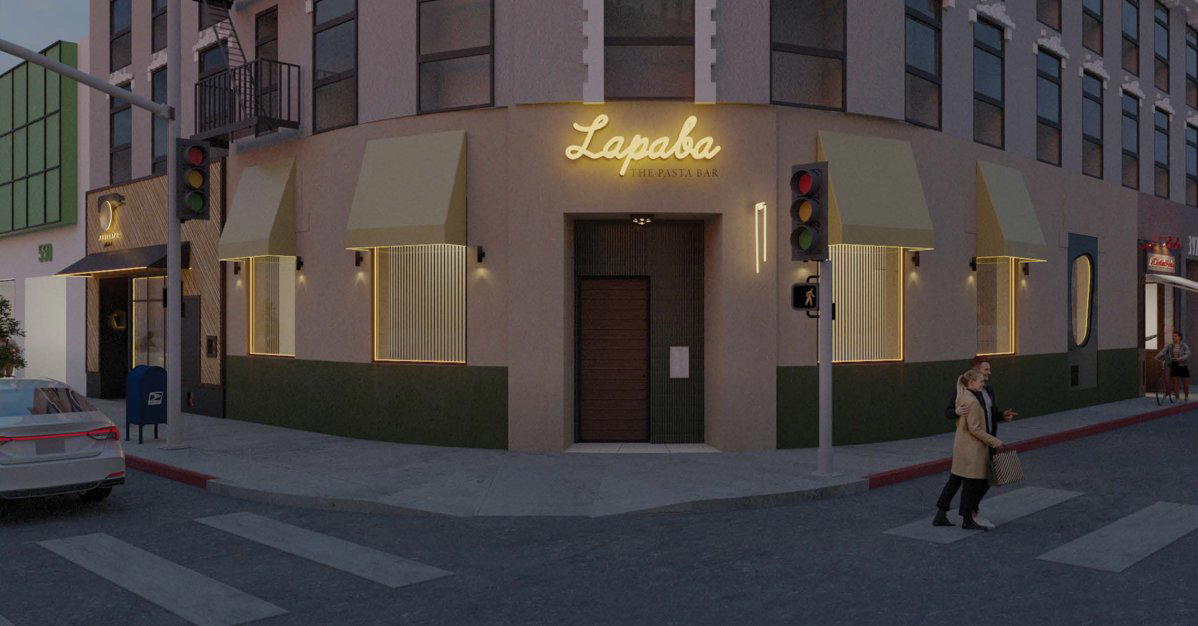
South Western Avenue and the Grammar of a Los Angeles Meal
South Western Avenue, at its southern reaches near the border of Koreatown and Hancock Park, does not announce itself the way Melrose or Beverly does. The storefronts are lower-key, the foot traffic purposeful rather than touristic, and the restaurants that have established themselves here tend to earn attention through repetition and word of mouth rather than opening-week press. It is precisely the kind of corridor where Los Angeles's more interesting dining decisions happen: away from the glare, close to a residential base that returns regularly and expects more each time. Lapaba, at 558 S Western Ave, occupies that position.
The broader neighbourhood context matters because it shapes what a restaurant here is expected to do. Koreatown's dining identity has historically been defined by its Korean institutions, many of which operate across long hours, high volume, and an entirely different hospitality grammar than the tasting-menu tier. What has shifted over the past several years is the arrival of smaller, more format-conscious operators in the surrounding blocks — restaurants that read as distinct from both the traditional Korean dining corridor and from the valet-and-cocktail circuit further west. Lapaba fits within that emerging pattern, where address is as much a statement as cuisine.
How a Meal Moves: The Progression as the Point
The editorial logic of a tasting-format meal, or any meal structured to move through clearly sequenced courses, is that the restaurant reveals its intelligence incrementally. Early courses set register and expectation. Middle courses test whether the kitchen can maintain tension or retreats to safer, crowd-pleasing moves. The close defines what the meal was actually trying to say. Los Angeles restaurants that operate at the ambitious end of that arc — Providence for contemporary seafood, Kato for its precise New Taiwanese expression, Hayato for kaiseki-influenced Japanese, all treat sequencing as a compositional tool, not merely a meal structure. The question any serious restaurant on this corridor must answer is where it locates its own narrative arc.
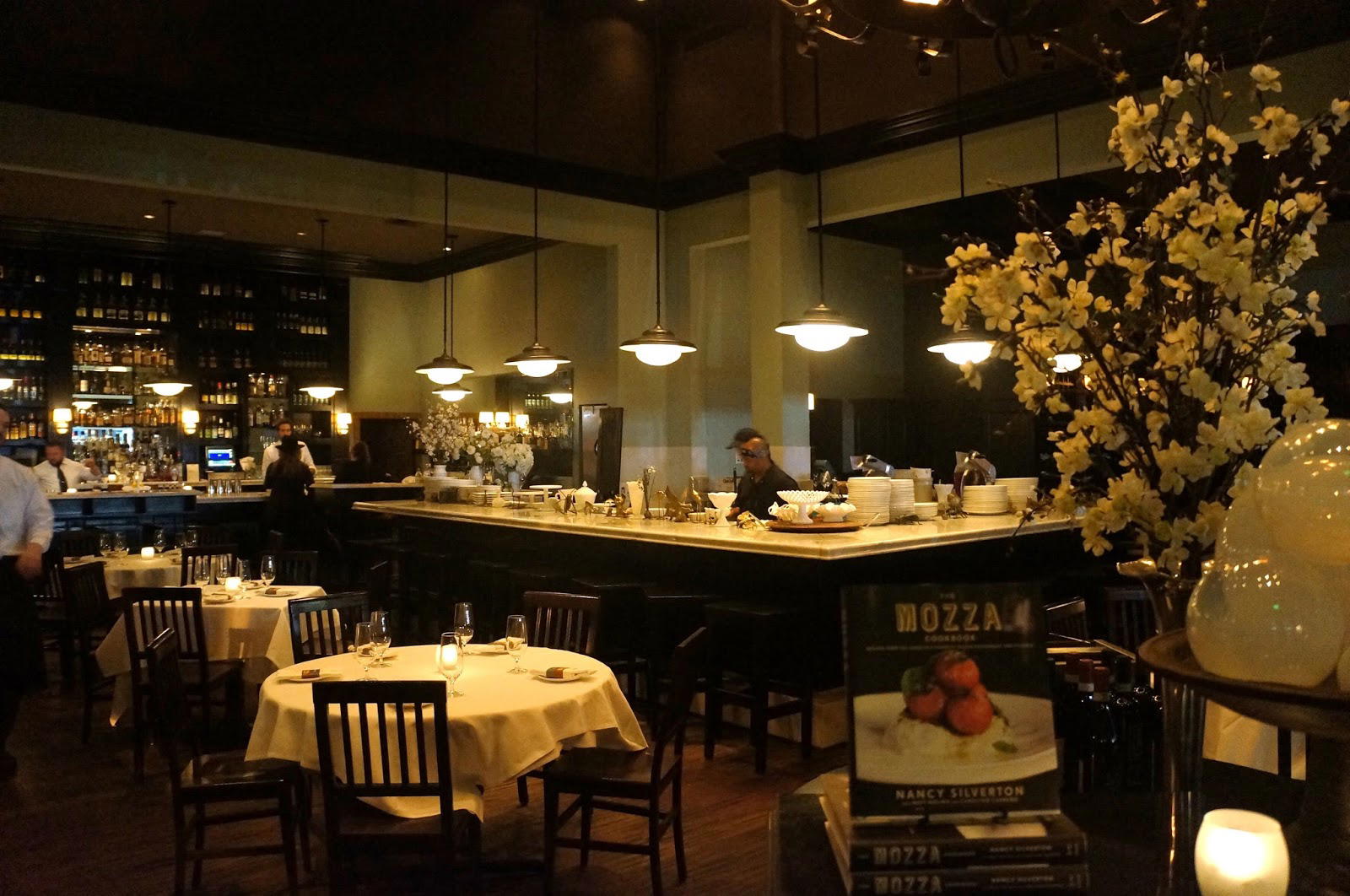
Early stages of a meal at establishments in this price and ambition tier across Los Angeles tend to prioritise texture contrast and temperature play: something raw or cured alongside something warm, something acidic to prime the palate. Somni, before its extended hiatus, made its opening sequence its most discussed act, a series of small, constructed bites that told you immediately what kind of attention you'd need to pay. Osteria Mozza works differently, using its mozzarella bar as a kind of prologue before the pasta courses do their heavier work. Each approach is a choice about when to spend the meal's dramatic energy.
In a restaurant operating in a culturally specific tradition, Korean, in Lapaba's neighbourhood context, the progression question becomes more pointed. Does the kitchen adopt a Western course structure, or does it draw from the logic of Korean service, where multiple dishes arrive simultaneously and the diner self-sequences? The answer to that single question tells you almost everything about a restaurant's intended audience and its confidence in its own culinary identity. Restaurants that try to satisfy both traditions simultaneously often satisfy neither fully.
Los Angeles's dining tier at the $$$$ end of the market has become more internationally self-aware over the past decade. The city's critics and its restaurant-going community now measure ambitious local openings against a wider reference frame, not just against each other, but against Lazy Bear in San Francisco, Alinea in Chicago, Le Bernardin in New York, The French Laundry in Napa, and at further range, against operations like Single Thread Farm in Healdsburg or 8 1/2 Otto e Mezzo Bombana in Hong Kong and Alain Ducasse at Louis XV in Monte Carlo. The effect of that comparison frame is that restaurants which might have been celebrated for ambition alone a decade ago now face much more specific expectations around sourcing, technique, and the internal coherence of their menus.
Comparison venues in the immediate LA tier are instructive. Kato operates at the $$$$ tier with a New Taiwanese approach that has drawn sustained critical attention precisely because it refuses to soften its references for a non-Taiwanese audience. Hayato maintains a similar discipline in its Japanese form. Emeril's in New Orleans, as a counterpoint from another American city with a complex culinary identity, demonstrates what happens when a restaurant tries to bridge popular accessibility and serious technique: the results require sustained calibration. The LA equivalent of that tension plays out differently, in a city where the population's direct connection to source cuisines, Korean, Japanese, Mexican, Chinese, raises the stakes for any restaurant claiming to work in or adjacent to those traditions.
Getting to Lapaba and What to Know Before You Go
558 S Western Ave sits in a part of Los Angeles that is most practically reached by car. Street parking on Western Avenue is available, with additional options on the surrounding residential side streets. The corridor runs between two Metro lines, the D Line (Purple) with its Wilshire/Western station to the north provides a viable public transit option for those arriving from downtown or the Westside. The neighbourhood is active across multiple dayparts, so arrival timing relative to the meal format matters. For any format that runs as a structured progression of courses, arriving early enough to settle before service begins is standard practice at this end of the market.
For a fuller picture of where Lapaba sits within Los Angeles's wider dining, drinking, and hospitality options, EP Club's full Los Angeles restaurants guide, Los Angeles hotels guide, Los Angeles bars guide, Los Angeles wineries guide, and Los Angeles experiences guide provide the broader context for planning a visit to the city.
How Lapaba Los Angeles compares with similar nearby venues.
| Venue | Cuisine | Price |
|---|---|---|
| Liu's Cafe | Chinese | $ |
| Kinn | Korean | Not listed |
| Here’s Looking at You | New American | Not listed |
| Jeong Yuk Jeom | Korean | $$$ |
Recognition history
Dated appearances from independent guides and award organizations, with the underlying list record or original source where available.
Michelin Bib Gourmand
Michelin
Continue exploring
More in Los Angeles
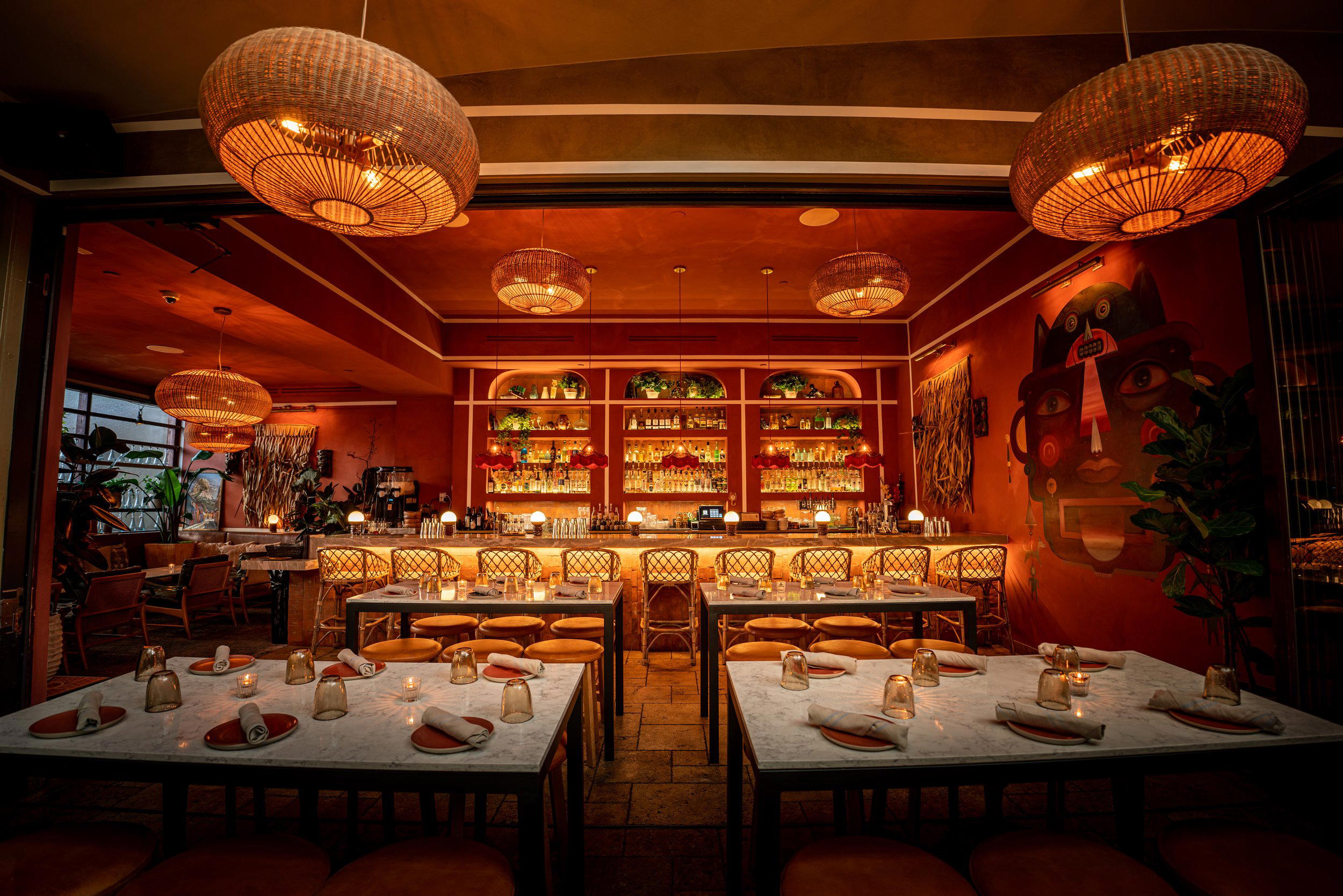
Restaurants in Los Angeles
Browse all →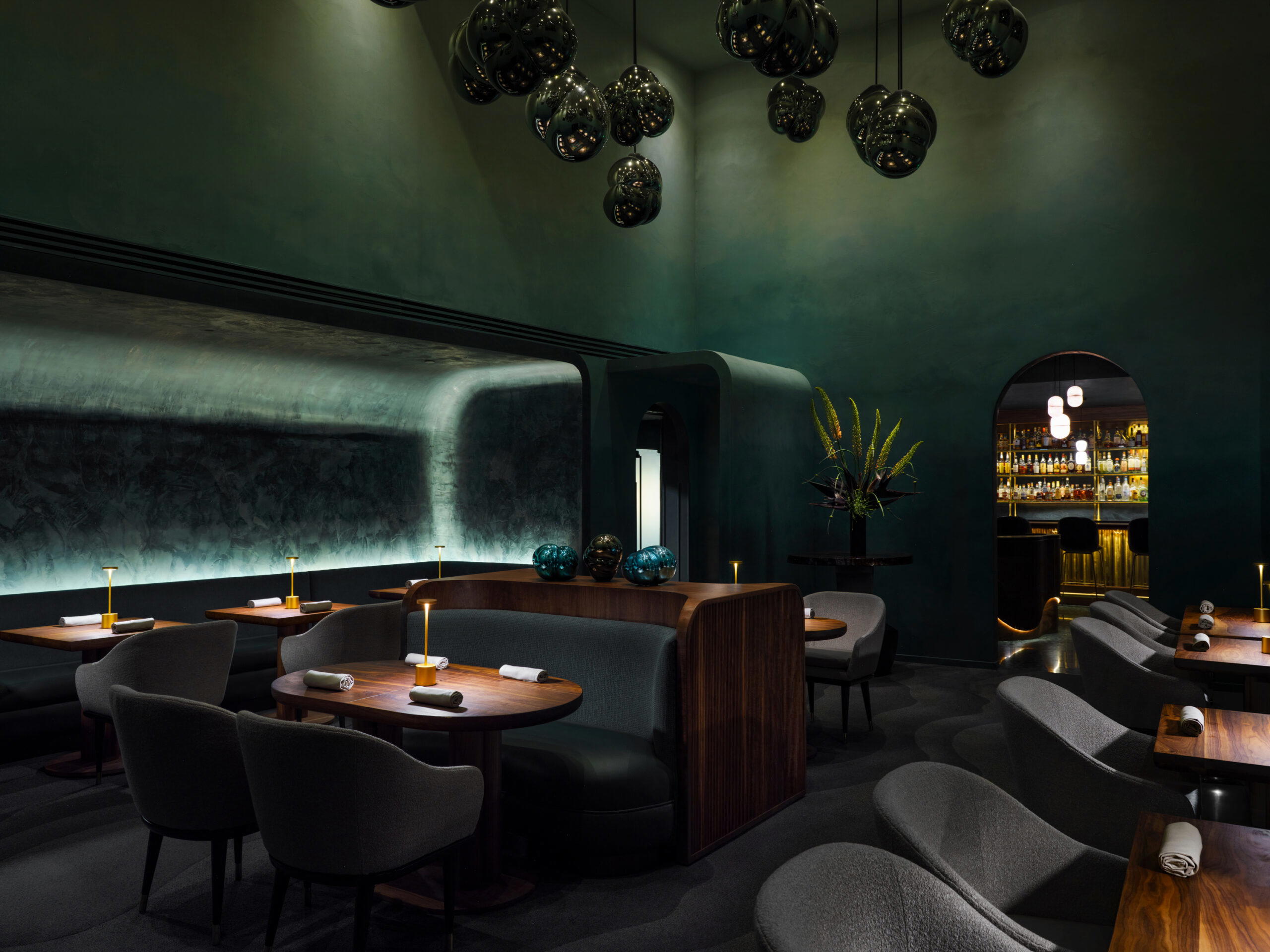
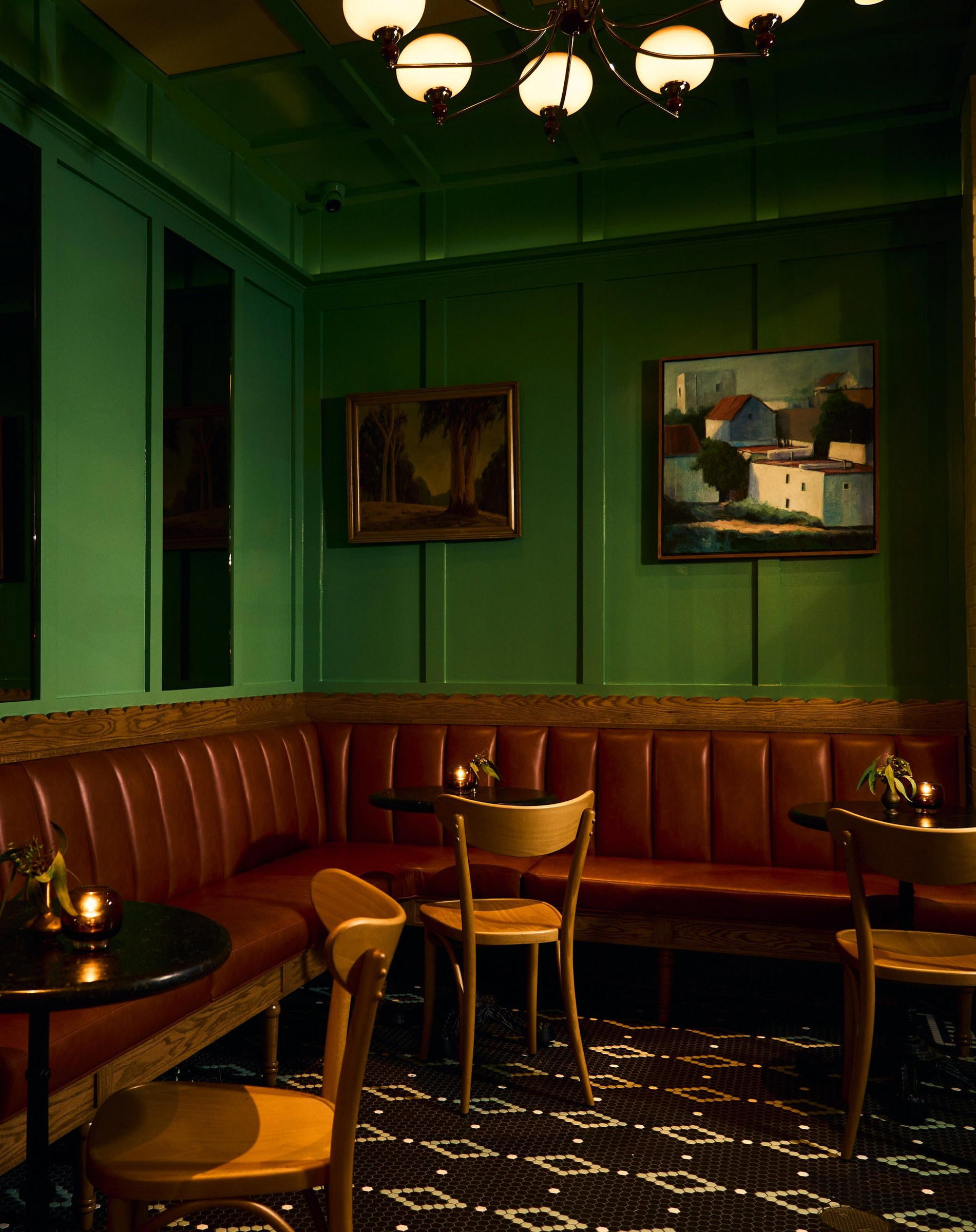
Bars in Los Angeles
Browse all →

Hotels in Los Angeles
Browse all →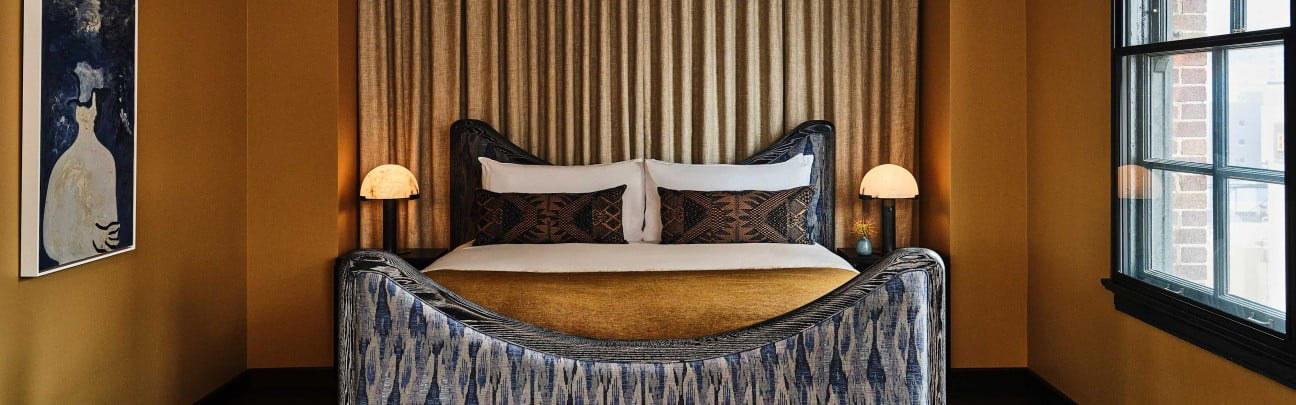
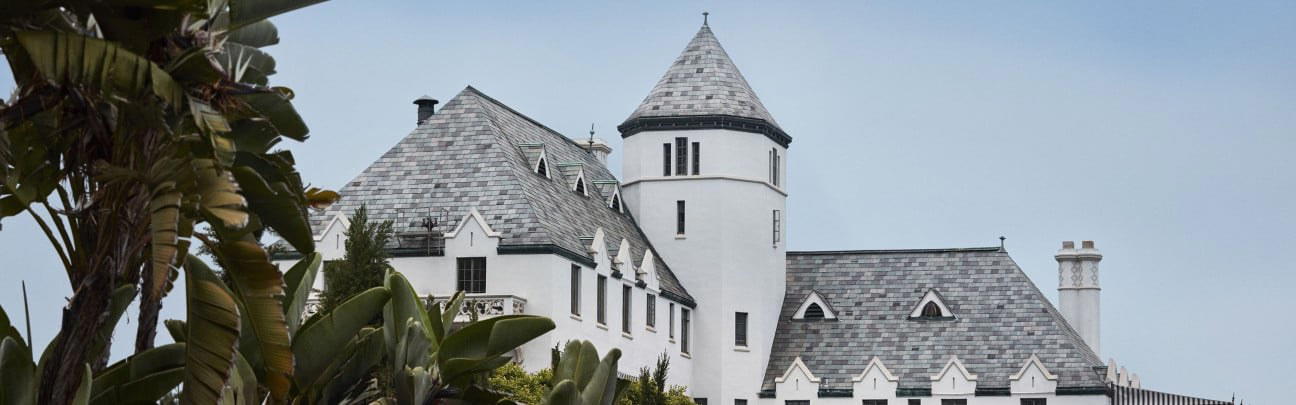
Wineries in Los Angeles
Browse all →
At a Glance
- Romantic
- Modern
- Elegant
- Trendy
- Date Night
- Special Occasion
- Casual Hangout
- Open Kitchen
- Design Destination
- Standalone
- Extensive Wine List
- Craft Cocktails
- Beer Program
- Sustainable Seafood
Current opening hours
- Monday
- Closed
- Tuesday
- Closed
- Wednesday
- 5–10 PM
- Thursday
- 5–10 PM
- Friday
- 5–10 PM
- Saturday
- 5–10 PM
- Sunday
- 5–9 PM
Hours can change for holidays and private events. Last verified .
Minimalist modern design with a central marble-topped counter in fluted oak, sculptural pendant lighting, smooth plaster walls, and an interior window framed in emerald green tile showcasing pasta-making. Warm and inviting with architectural textures and a 300-bottle wine display.
Know Before You Go
- Getting there
- 558 S Western Ave, Los Angeles, CA 90020