Sam Sushi Art & Music
Our verdict
Sam Sushi Art & Music at 181 Concord St brings an unusual combination to Framingham's dining mix, pairing Japanese-style sushi with a live-music and visual-art program that positions it outside the standard suburban sushi format. The address places it within reach of MetroWest's broader restaurant corridor, where it occupies a niche that neighbouring spots like Sichuan Gourmet and Provisions Hearth & Kitchen do not.

Pearl is the En Primeur Club membership app — saves, bookings, and concierge access live there. Same editors, same standards.
- Address
- 181 Concord St, Framingham, MA 01702
- Phone
- (508) 861-7020
- Hours
- Mon–Thu 11:30 AM–10 PMFri–Sat 11:30 AM–11 PMSun 11:30 AM–10 PM
- Website
- samsushiartmusic.com
- Directions
- Get directions
- Booking
- Book on OpenTable
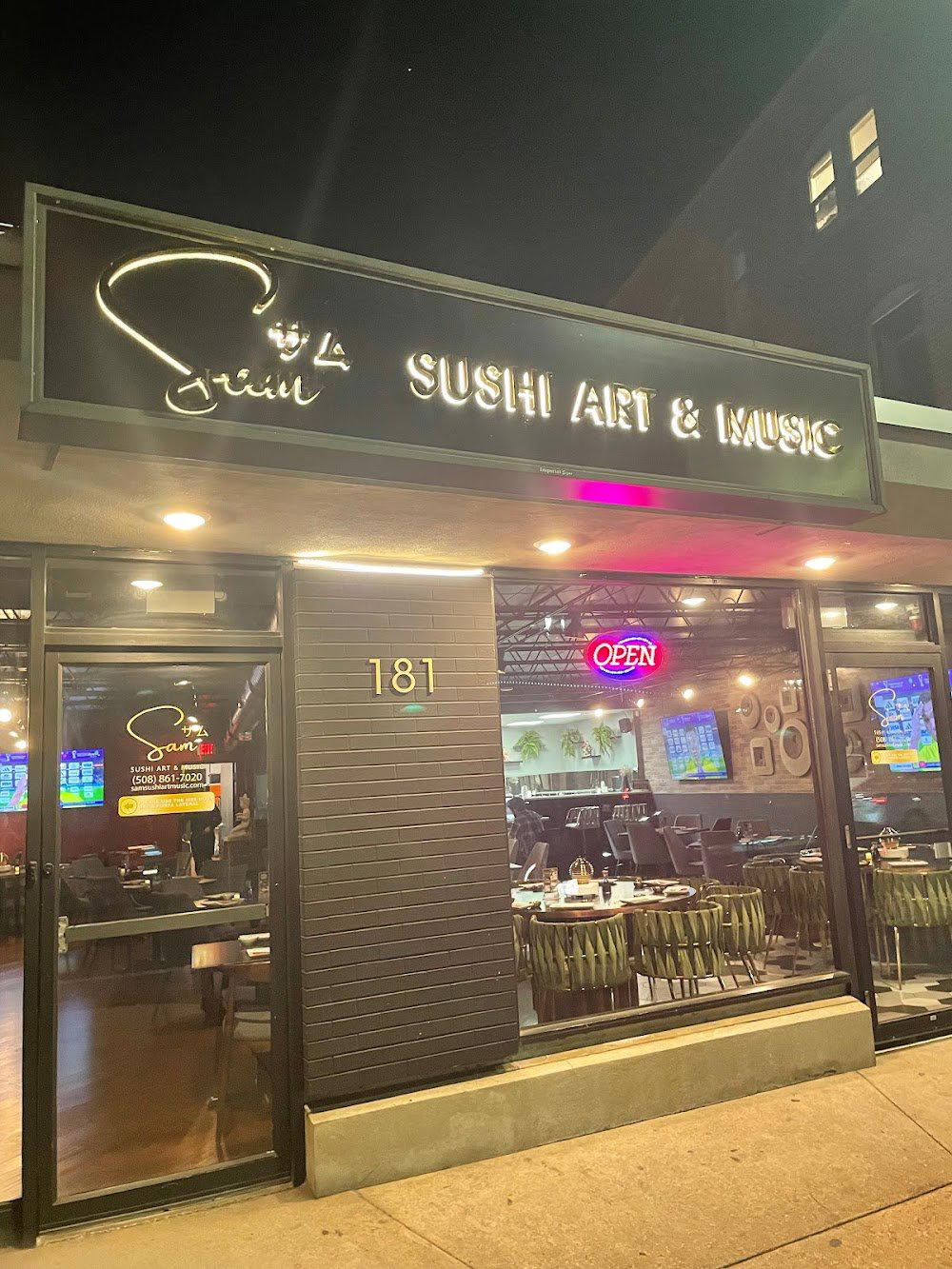
Where Concord Street Meets an Unusual Format
Framingham's restaurant corridor along Concord Street has quietly accumulated a range of formats over the past decade: Sichuan regional cooking at Sichuan Gourmet, neighbourhood café culture at Tara Cafe, and hearth-driven American cooking at Provisions Hearth & Kitchen. Into that mix comes Sam Sushi Art & Music, a concept that fuses a Japanese sushi program with visual art display and live-music programming — a format more common in mid-sized creative cities than in MetroWest suburbia. At 181 Concord St, the address alone signals something slightly against type for the area.
The art-and-music overlay is not incidental decoration. In American dining, the integration of live performance and gallery-style presentation into a restaurant space has typically belonged to urban cores: think of how downtown Boston, Providence, or Portland venues have used rotating art installations to build a secondary identity beyond the plate. When that format appears in a suburban context, the bet is on an audience that wants the experience without the commute. Whether Sam Sushi Art & Music executes that bet successfully depends on how the sushi program holds up as an anchor — the performance elements can draw a crowd once; the food quality determines whether they return.
The Sourcing Question in Suburban Sushi
Sushi, more than almost any other cuisine, is a study in ingredient provenance. The distance between ocean and plate is the central variable, it shapes texture, temperature tolerance, and the degree to which a kitchen can execute high-technique cuts without compromising the fish. This is why the most referenced sushi operations in the American market, from the precision-oriented counters that draw comparisons to Le Bernardin in New York City to the farm-to-table seafood discipline practiced at places like Single Thread Farm in Healdsburg, make sourcing transparency a central part of their value proposition.
Framingham sits roughly 20 miles west of Boston, which gives any serious fish-focused kitchen access to the same Northeast Atlantic supply chains that Boston's better seafood restaurants use. The Boston Fish Pier remains one of the more active wholesale seafood hubs on the East Coast, and regional suppliers operating out of New Bedford and Gloucester have expanded their distribution networks into suburban accounts over the past several years. A sushi operation at this address, if it is drawing on those regional channels, is working with the same base material that defines quality in the Boston market. The question for any sushi format in MetroWest is not whether good fish is obtainable, it is, but whether the kitchen has the supply relationships and the technical consistency to make that sourcing legible on the plate.
The art-and-music format adds a layer of complexity to this sourcing story. In venues where the room itself is doing significant ambient work, sound, visual stimulation, event energy, there is a structural temptation to let the food become secondary. The strongest counter-examples nationally are restaurants where the experiential architecture reinforces rather than distracts from the food program: Alinea in Chicago and Atomix in New York City both use environment as a deliberate frame for what arrives at the table. The discipline required is considerable, and it is harder to maintain at a neighborhood price point than at a destination one.
Framingham as a Dining Market
MetroWest Massachusetts occupies an interesting position in the regional dining conversation. It is neither a destination market (in the way that the North Shore or the Pioneer Valley have become for specific food niches) nor a purely functional suburban strip. The area draws a population with significant culinary exposure, proximity to Boston, a large and food-literate South Asian and East Asian diaspora community, and enough disposable income to support independent restaurants with genuine ambition. That demographic mix has produced a restaurant environment where formats that might struggle in a more homogeneous suburb find a receptive audience.
Sushi specifically has a strong baseline in the area. The MetroWest sushi market runs from fast-casual roll formats to sit-down omakase-adjacent operations, and the ceiling of that market has risen over the past five years as diners who discovered higher-end sushi in Boston or on travel have started demanding comparable quality closer to home. Sam Sushi's art-and-music format positions it as something other than a straight sushi restaurant, which could work in either direction: it broadens the reason-to-visit for people who are less interested in sushi as a primary draw, but it also requires the sushi program to defend itself against the expectation that the experience is the point rather than the food.
For context on what the higher tier of American ingredient-driven restaurant culture looks like, the reference set extends well beyond the Northeast: Blue Hill at Stone Barns in Tarrytown and Providence in Los Angeles have set the standard for sourcing transparency in formal American dining, while Addison in San Diego, Bacchanalia in Atlanta, Brutø in Denver, The Inn at Little Washington, Emeril's in New Orleans, Lazy Bear in San Francisco, and The French Laundry in Napa each represent a version of that commitment at different scales and price points. A neighborhood sushi-and-arts venue is not competing in that tier, but the underlying discipline, knowing where your fish comes from and being able to articulate why it matters, is transferable at any price level.
For a broader map of where Sam Sushi sits within the Framingham dining scene, the full Framingham restaurants guide covers the range of formats currently operating in the market.
Planning Your Visit
Sam Sushi Art & Music is located at 181 Concord St, Framingham, MA 01702, on a commercial stretch that is accessible by car from both Route 9 and the Mass Pike (I-90). Framingham is served by the MBTA Commuter Rail on the Framingham/Worcester Line, making it reachable from Boston's South Station without a car, though the walk or a ride-share from the station to Concord Street adds time to the journey. Given the art-and-music programming component, timing a visit around a specific event night rather than a standard dinner service is worth investigating directly with the venue. Booking availability, current hours, and event schedules are best confirmed through a direct inquiry, as specific operational details for this format can shift with programming cycles.
Frequently asked questions
Is Sam Sushi Art & Music a family-friendly restaurant?
The art-and-music format at 181 Concord St suggests a venue comfortable with mixed crowds, which often translates to family accessibility. That said, the live music component may shift the atmosphere depending on the night and the act. Calling ahead or checking current programming is the practical move before bringing young children.
Is Sam Sushi Art & Music better for a quiet night or a lively one?
The venue's name signals a dual identity: sushi service sits alongside an art and music program, which means the energy level depends directly on what's scheduled. Nights with live performances will run louder and more social; off-nights or early seatings on quieter evenings will feel more like a standard sushi dinner. Check the events calendar before booking if atmosphere is a deciding factor.
Does Sam Sushi Art & Music host regular live music events, and how does that affect the dining experience?
The venue's name places art and music as structural parts of the concept, not occasional add-ons, which distinguishes it from most sushi restaurants in the Framingham area. At 181 Concord St, this means the room is designed to hold both a sushi service and a performance or exhibition simultaneously. Diners coming primarily for the food should factor the event schedule into their visit, as the room's energy and acoustics will shift considerably on programming nights.
What dish is Sam Sushi Art & Music famous for?
For a venue that pairs sushi with an arts program on Concord Street, the format itself is arguably the draw as much as any single dish. Reviewing their current menu directly will give the clearest picture of the kitchen's focus.
How do I find Sam Sushi Art & Music?
Sam Sushi Art & Music is located at 181 Concord St, Framingham, MA 01702, Framingham.
How far ahead should I plan for Sam Sushi Art & Music?
Planning at least a week ahead for event nights is a reasonable baseline in the MetroWest dining market.
What makes Sam Sushi Art & Music worth seeking out?
In a suburban dining corridor like Framingham's Concord Street stretch, a sushi restaurant that also programs live music and art represents a format that rarely survives without a committed local following. The combination puts it in a different category from the region's standard Japanese dining options, making it a reference point for MetroWest diners who want more than a transactional meal.
Side-by-Side Snapshot
Comparable venues nearby, for context on price, style, and recognition.
| Venue | Cuisine | Price | Notes |
|---|---|---|---|
| Sam Sushi Art & MusicThis venue — the venue you are viewing | Sushi with Live Music | Not listed | Not listed |
| Provisions Hearth & Kitchen | New England Inspired American Breakfast | Not listed | Framingham |
| Tara Cafe | Starbucks Coffee & Pastries | $1–10 | Framingham |
| Sichuan Gourmet | Authentic Sichuan Chinese | $20–30 | Framingham |
| Fuji at WoC | Modern Japanese Sushi & Omakase | $30–50 | Quincy |
| Moko | Japanese Sushi and Korean | $30–50 | South Boston |
Continue exploring
More in Framingham
Restaurants in Framingham
Browse all →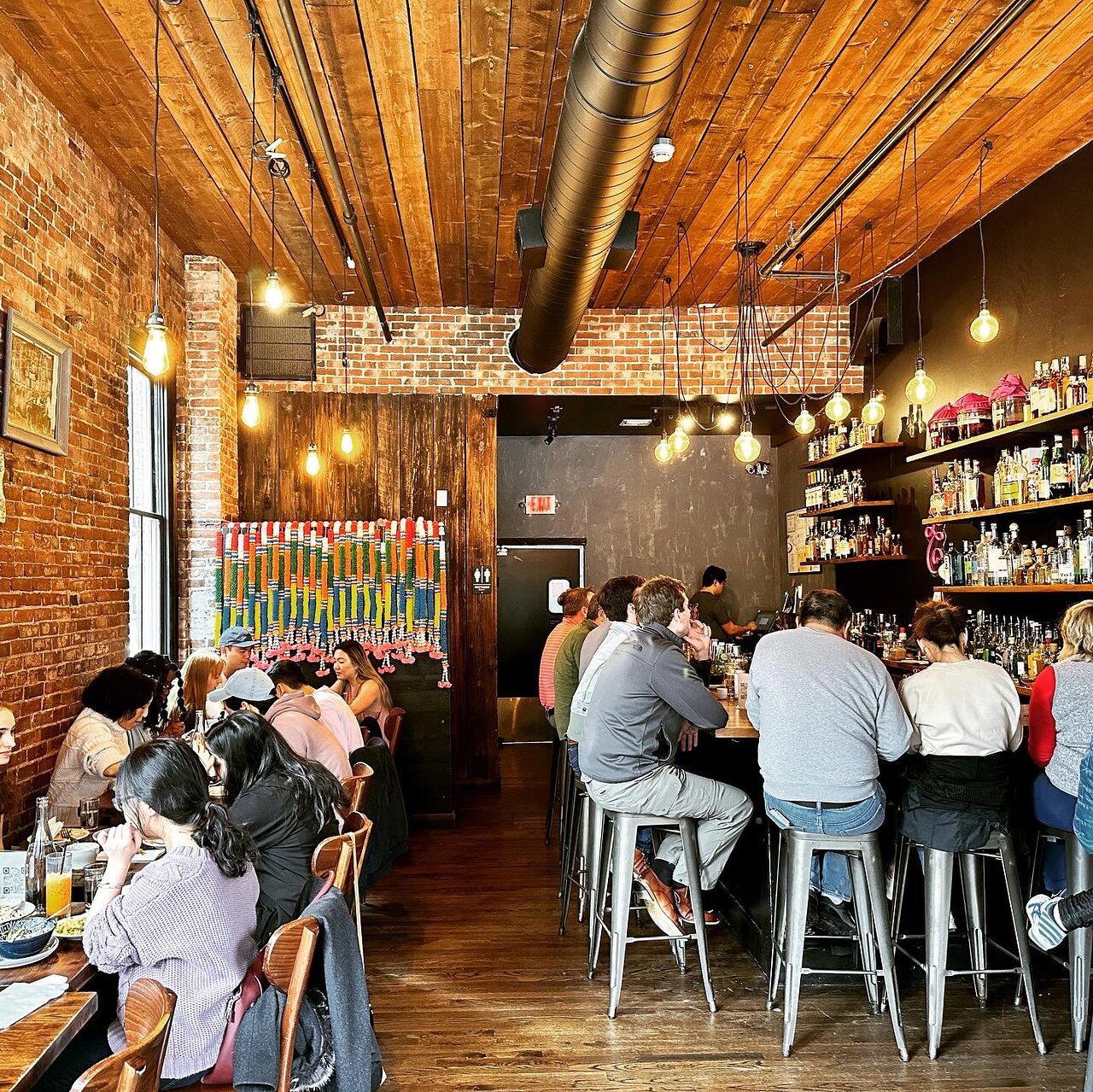
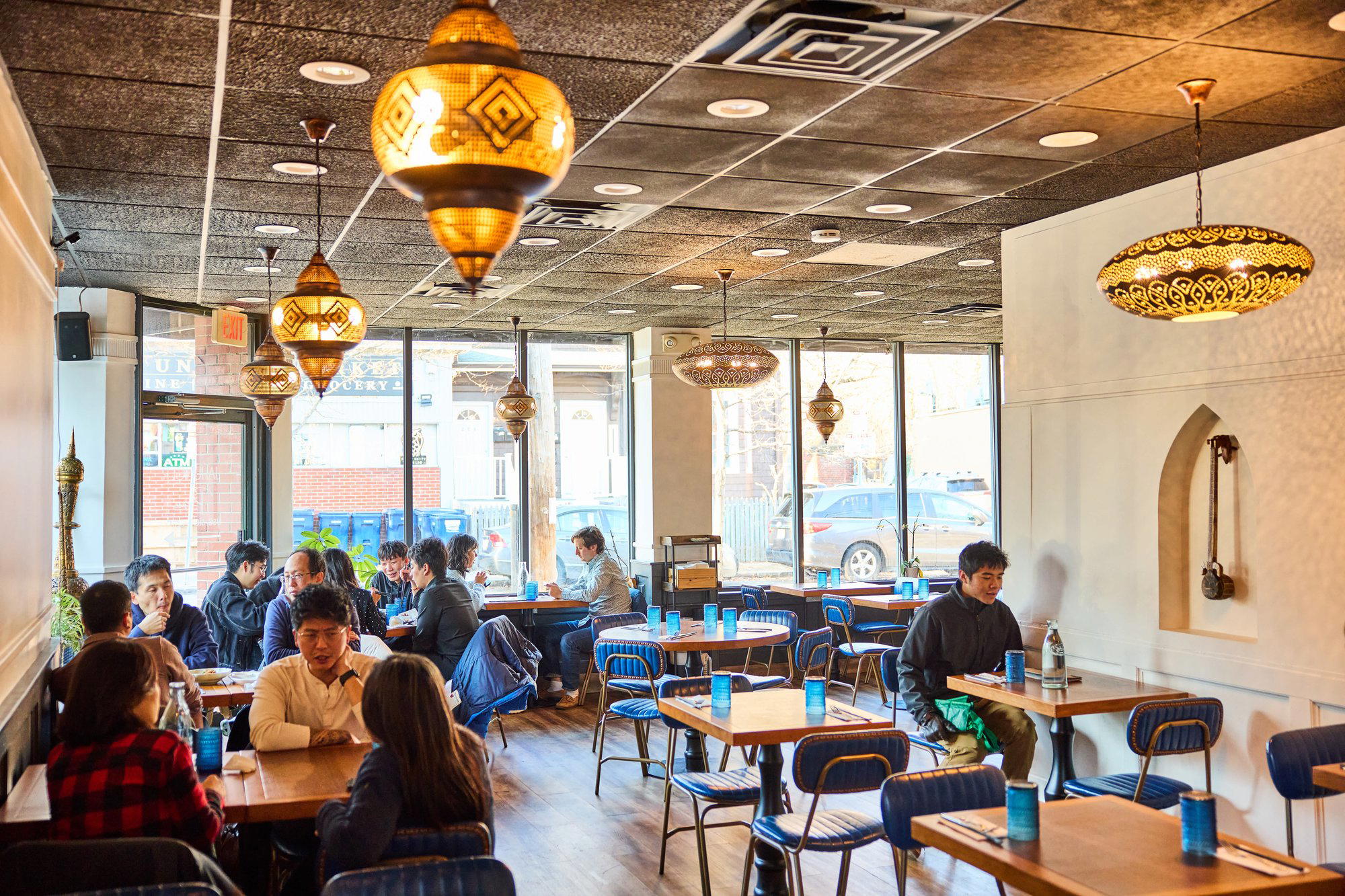
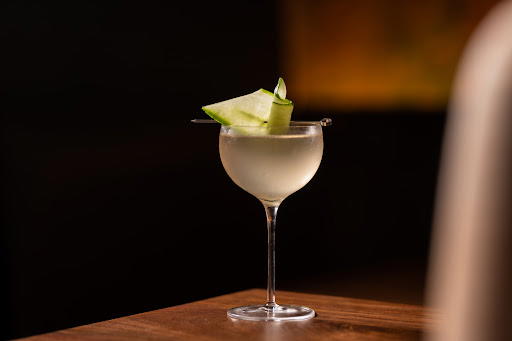
Bars in Framingham
Browse all →
Hotels in Framingham
Browse all →
Wineries in Framingham
Browse all →
Details
- Lively
- Trendy
- Casual Hangout
- Live Music
- Sake Program
- A La Carte
Current opening hours
- Monday
- 11:30 AM–10 PM
- Tuesday
- 11:30 AM–10 PM
- Wednesday
- 11:30 AM–10 PM
- Thursday
- 11:30 AM–10 PM
- Friday
- 11:30 AM–11 PM
- Saturday
- 11:30 AM–11 PM
- Sunday
- 11:30 AM–10 PM
Hours can change for holidays and private events. Last verified .
Lively atmosphere enhanced by live music, with moderate noise levels.