
Salvaje occupies a prominent address on Calle Velázquez in Madrid's Salamanca district, positioning itself within the neighbourhood's upper tier of restaurant dining. The room, the service team, and the kitchen operate as an integrated unit rather than separate departments — a format that has become a marker of serious modern dining in the Spanish capital. Visitors should expect to book ahead and dress accordingly for the Salamanca setting.
Pearl is the En Primeur Club membership app — saves, bookings, and concierge access live there. Same editors, same standards.
- Address
- Calle Velázquez, 62, Salamanca, 28001 Madrid, Spain
- Phone
- +34911088818
- Website
- opentable.com
- Directions
- Get directions
 Saves & bookings on Pearl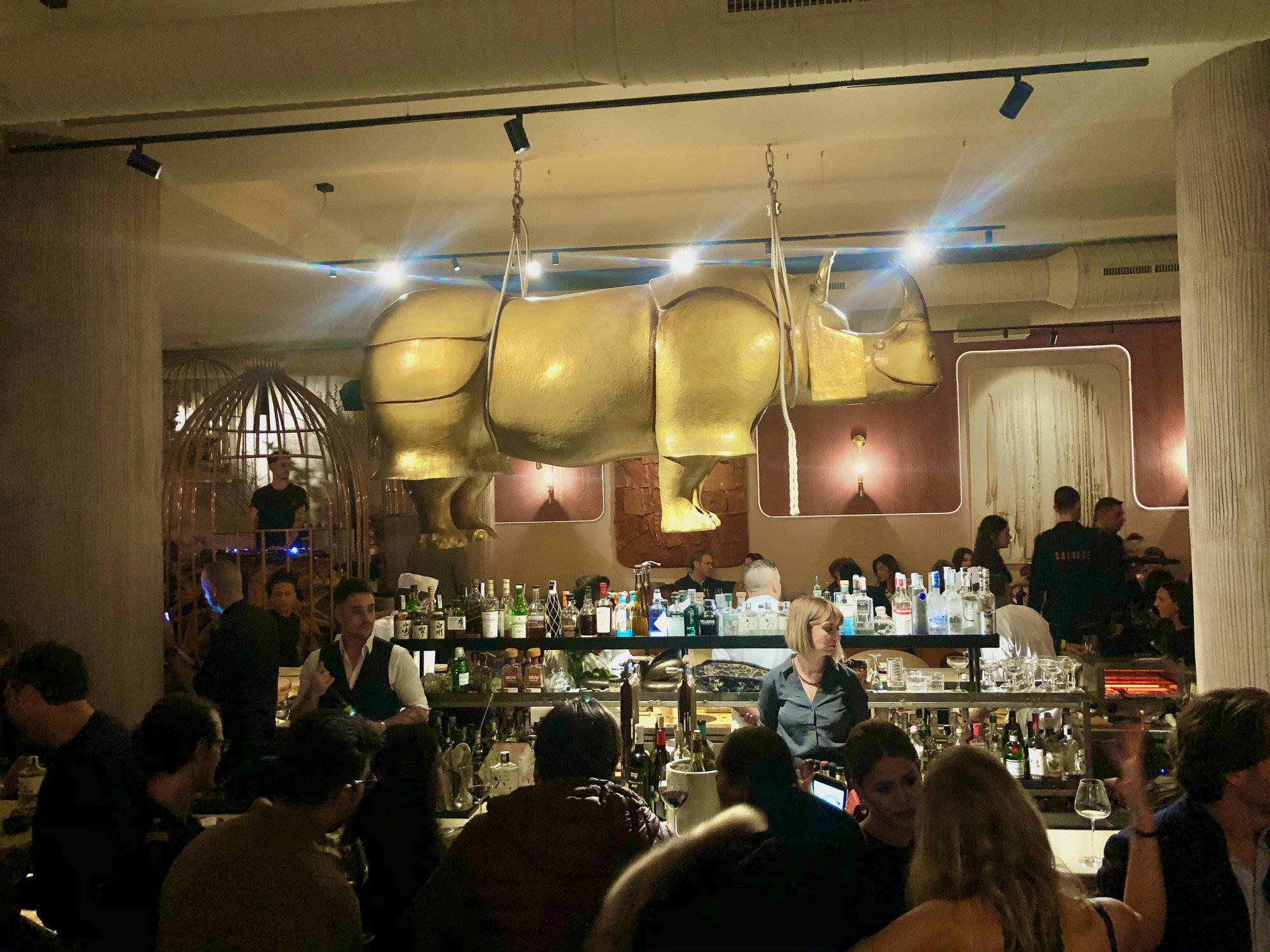
Salamanca's Dining Register and Where Salvaje Sits
Madrid's Salamanca district runs on a specific logic: the neighbourhood's residents and regulars expect a certain register, and the restaurants that hold their ground here calibrate everything — room design, wine depth, service cadence — to match it. Calle Velázquez in particular draws a crowd that has dined widely and arrives with high expectations. Salvaje operates at that address, which places it in a competitive set defined less by price bracket alone and more by the discipline required to hold the room's attention across a full evening.
The broader Madrid dining scene has split in recent years between the kind of destination restaurants that draw international reservations well in advance, DiverXO, for instance, requires planning months out and represents the outermost edge of creative ambition in the city, and a quieter tier of neighbourhood-anchored restaurants where the work is just as considered but the posture is different. Salvaje sits closer to the latter register, though its Salamanca postcode gives it a gravitational pull that purely local spots rarely achieve.
The Room as First Argument
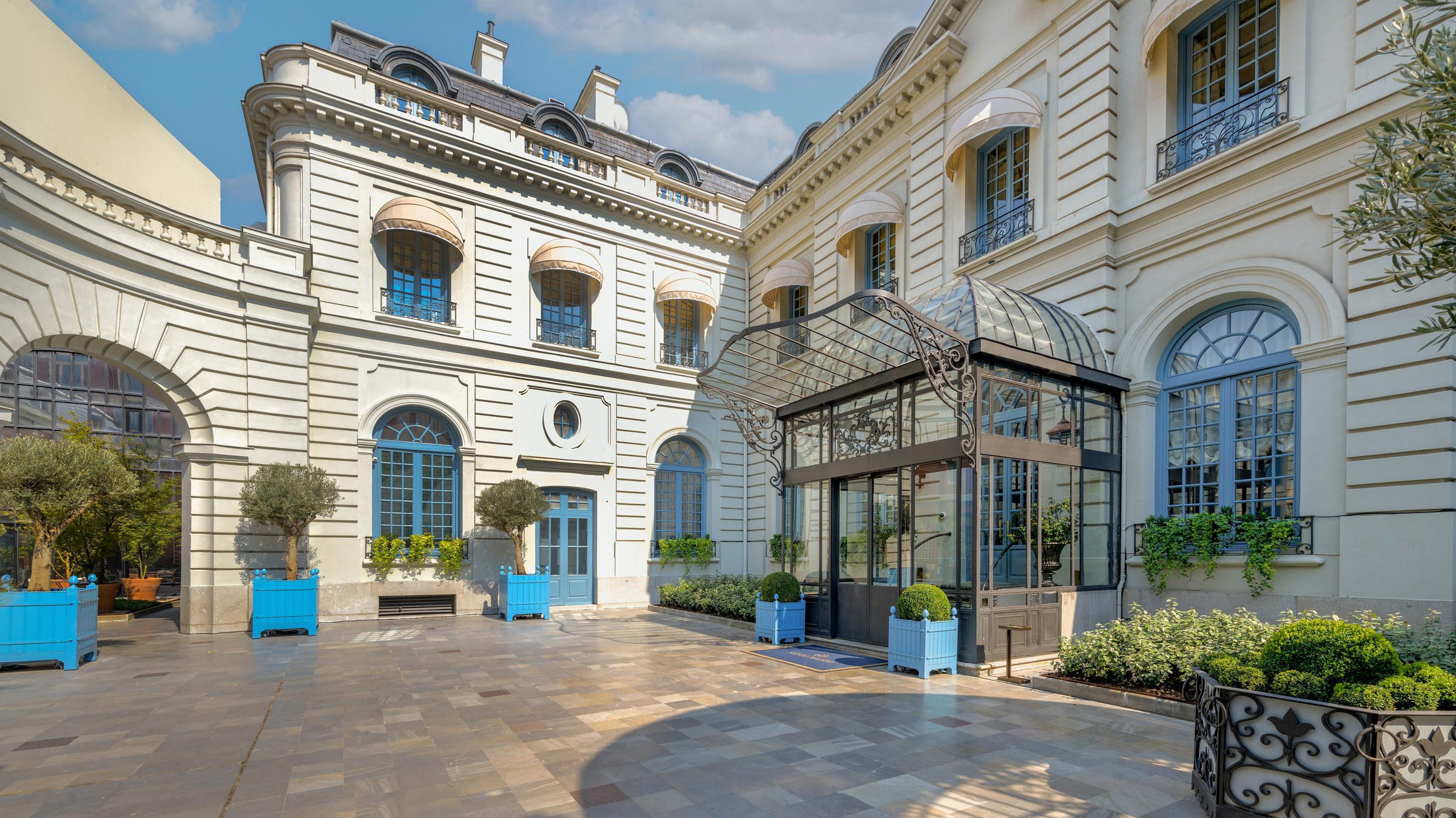
Approaching Salvaje along Calle Velázquez, the address signals intent before you step inside. Salamanca is a district where the streetscape itself is part of the proposition: wide avenues, dressed stone, the ambient confidence of old money that has learned to update its tastes. Restaurants here succeed or fail partly on whether the interior sustains what the exterior promises.
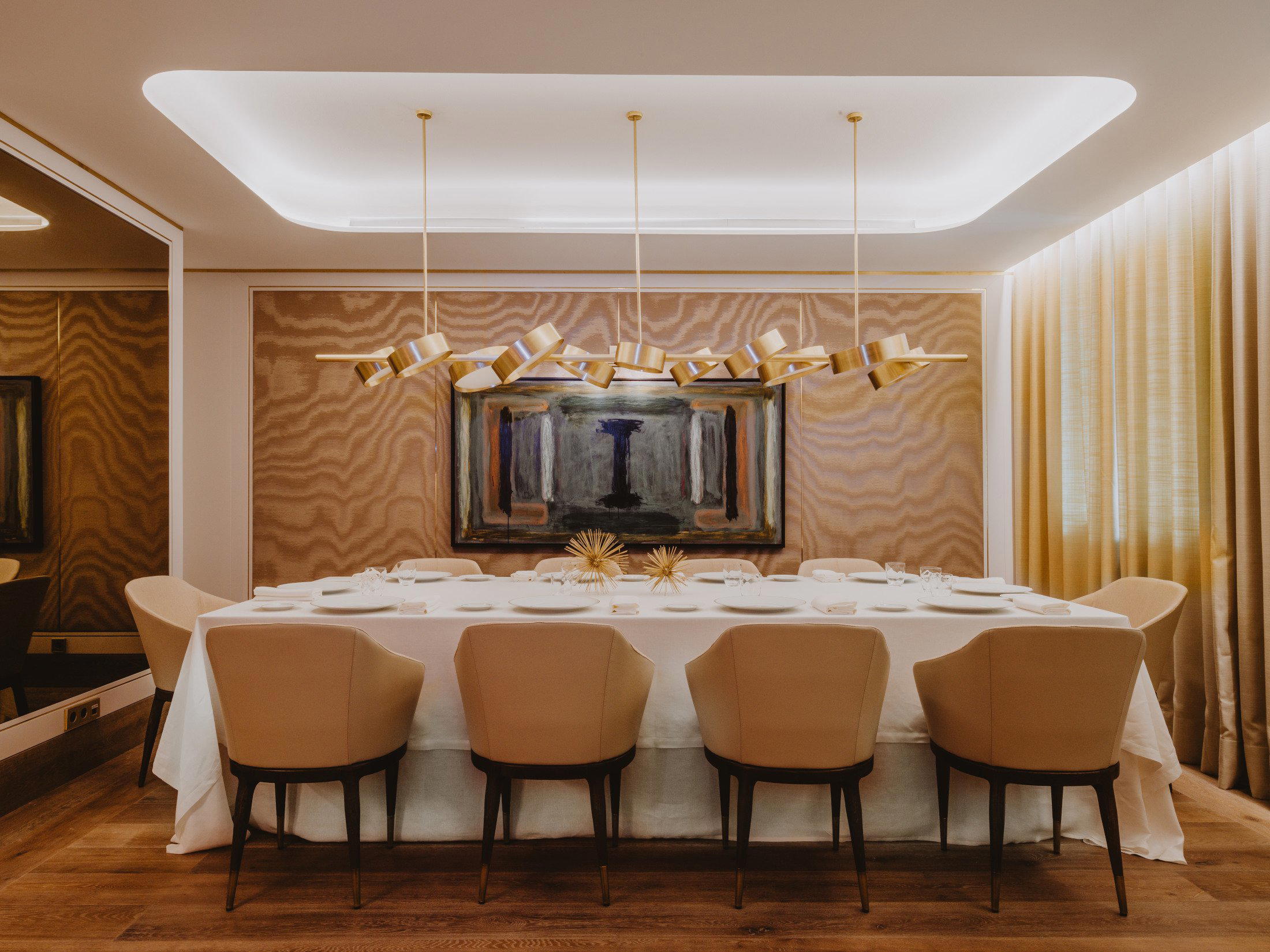
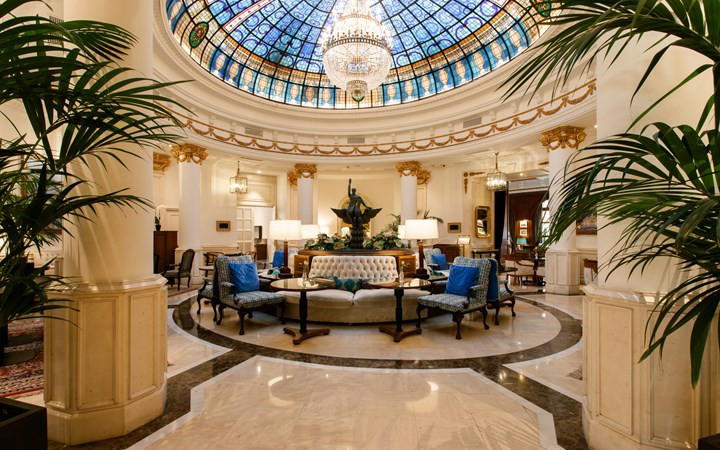
Inside, the room at Salvaje makes a case through restraint rather than spectacle. The design language favours considered materials and controlled lighting over the kind of theatrical staging that defines some of Madrid's more headline-seeking operations. For a dining room in this district, that restraint reads as confidence. It says the kitchen doesn't need the room to do its persuading.
How the Team Operates
The editorial angle most useful for understanding Salvaje is not the individual chef or a single signature dish, but the collaborative structure that runs through the operation. The leading restaurants in Madrid's upper tier, and Spain more broadly, from El Celler de Can Roca in Girona to Arzak in San Sebastián, have long operated on the principle that the kitchen alone does not make a great meal. The sommelier's ability to read a table, the front-of-house team's capacity to hold pace and atmosphere across a two-hour service, and the kitchen's timing all have to function as a single system.
At Salvaje, that integration is legible in the rhythm of an evening there. The service operates with the kind of attentiveness that doesn't announce itself, refills arrive before absence is noticed, pacing adjusts without a visible internal conversation, the wine narrative follows the food without either department overwhelming the other. In a city where the fine dining conversation has been dominated by individual chef personalities, from Paco Roncero's technical ambition to the creative programmes at DSTAgE and Deessa, a restaurant that foregrounds team coherence rather than a single signature is a different kind of statement.
The sommelier role in this format is particularly worth noting. Salamanca diners tend to know their wine, and the pressure on a wine programme in this postcode is real. The expectation is not just a list that covers Spanish regions competently, it is a team member who can match the kitchen's ambition and read which table wants to be guided and which already knows exactly what it wants. That is a soft skill set that no list of labels can substitute for, and it is part of what separates restaurants that hold their position in competitive districts from those that slide.
Salvaje in the Context of Spanish Fine Dining
Spain's restaurant culture has a wider geographic spread than its capital alone. The Michelin-heavy conversation includes Martín Berasategui in Lasarte-Oria, Azurmendi in Larrabetzu, Mugaritz in Errenteria, Quique Dacosta in Dénia, Aponiente in El Puerto de Santa María, Ricard Camarena in València, and Cocina Hermanos Torres in Barcelona. Madrid's place in that conversation has historically been complicated, the city is the financial and political capital, but the gastronomic prestige has often centred on the Basque Country and Catalonia.
That balance has shifted. Coque holds multiple Michelin stars in Madrid, DiverXO has sustained its three-star position, and a new generation of neighbourhood restaurants in Salamanca and Chamberí are building reputations that travel beyond the city. Salvaje's position on Calle Velázquez puts it inside that broader upward movement in Madrid's dining reputation, even if its specific critical standing is not yet anchored to named awards in the same way as the city's most decorated addresses.
For international visitors already planning meals at Atomix in New York or Le Bernardin calibrated to the leading bracket, Salvaje occupies a different register: a Salamanca room with a serious team rather than a destination tasting menu operation. That is not a diminishment, it is a different proposition, and for many evenings in Madrid, the right one.
Planning Your Visit
Salamanca is walkable from the Serrano and Velázquez metro stations (Line 4), and taxi access along Calle Velázquez is direct from most central Madrid hotels. The district's restaurant rhythm skews late by northern European standards, Madrid dining rarely begins before 9pm and often runs past midnight at weekends, so arriving with that expectation set avoids the half-empty-room experience that early sittings can produce.
Dress code in Salamanca restaurants at this tier is smart casual at minimum; the neighbourhood self-regulates, and arriving underdressed is noticed. Booking ahead is advisable, particularly Thursday through Saturday; Salamanca restaurants at this address hold tight room counts and do not overbook. For the broader context of what Madrid's restaurant scene currently offers across price points and styles, the EP Club Madrid restaurant guide maps the full range.
Quick reference: Salvaje, Calle Velázquez 62, Salamanca, 28001 Madrid. Book in advance for Thursday to Saturday. Dress smart casual or above.
How Salvaje Madrid compares with similar nearby venues.
| Venue | Cuisine | Price |
|---|---|---|
| Sushi Bar Tottori | Japanese | €€€ |
Recognition history
Dated appearances from independent guides and award organizations, with the underlying list record or original source where available.
Macarfi 7.1 Food Rating
Macarfi
Continue exploring
More in Madrid
Restaurants in Madrid
Browse all →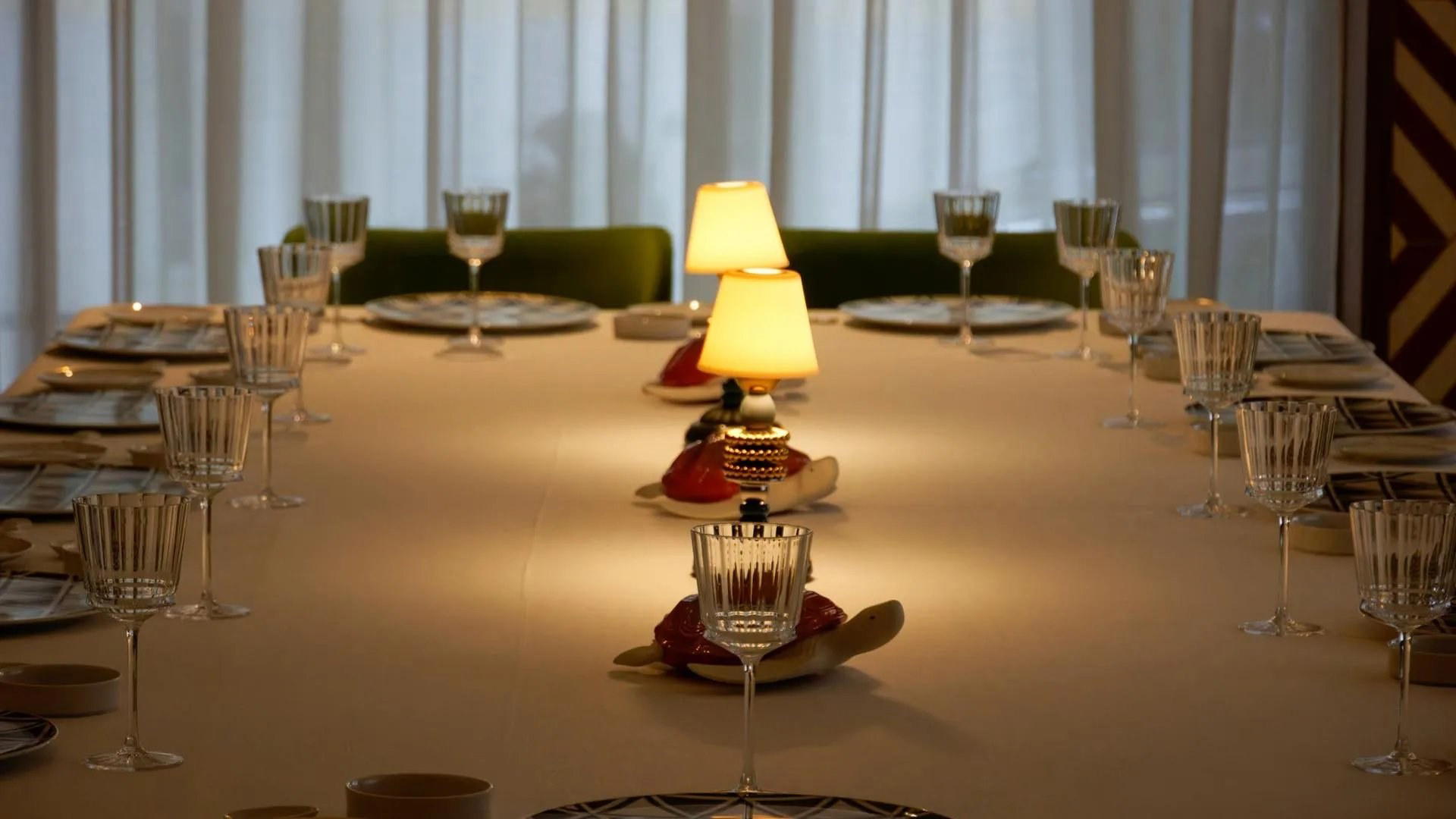
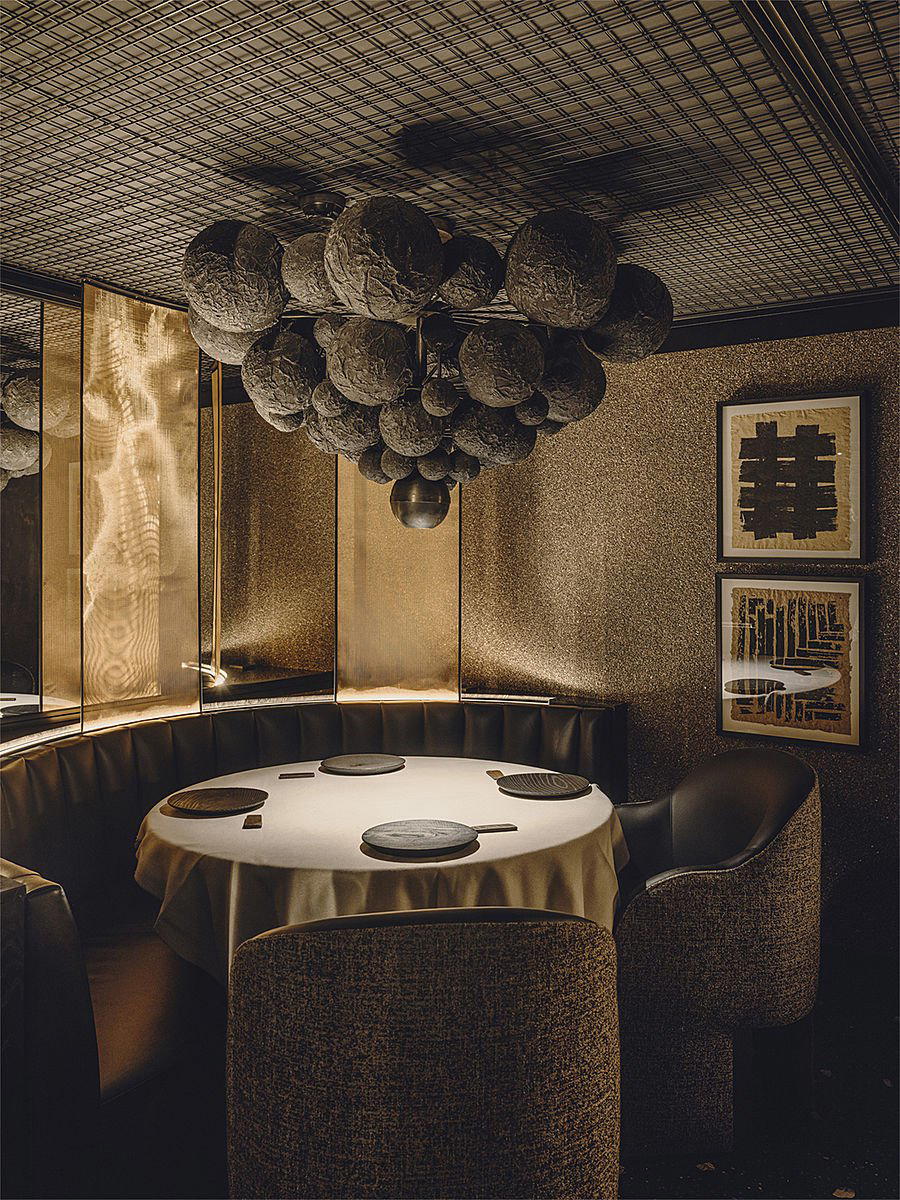
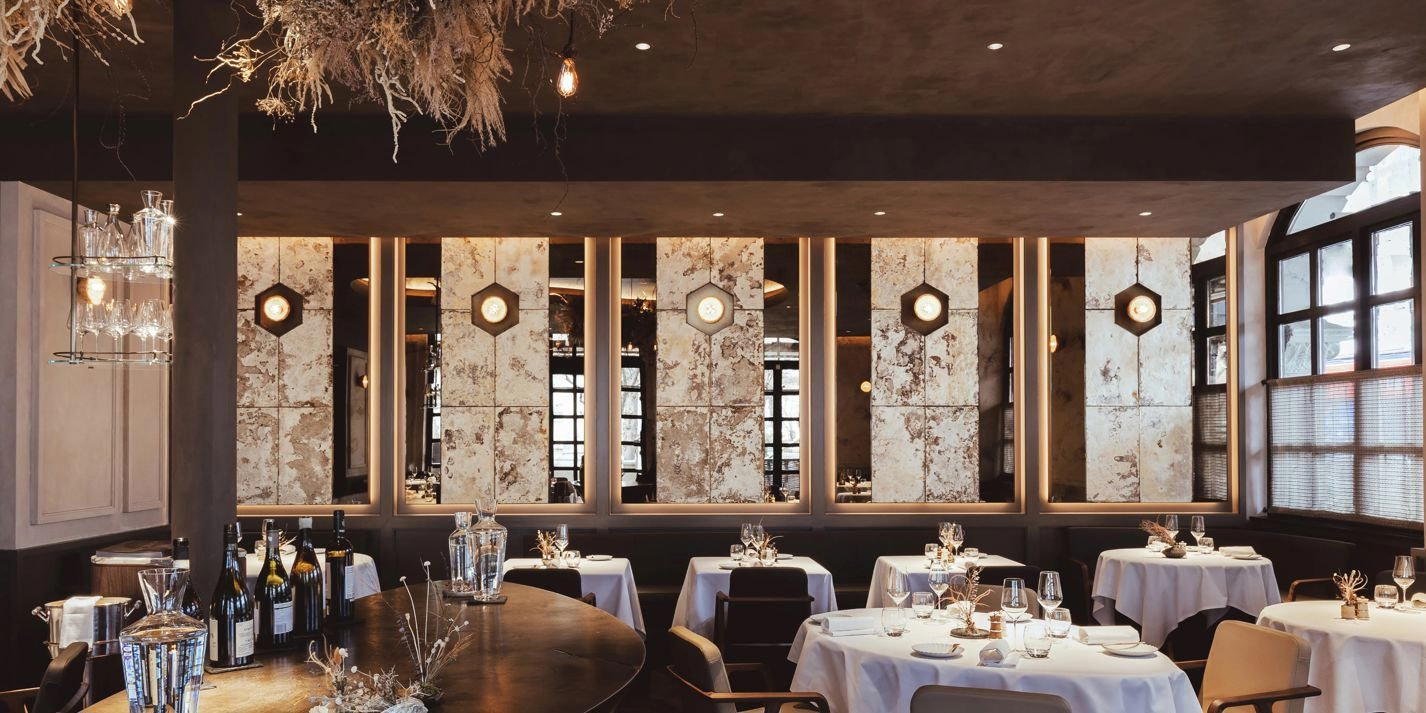
Bars in Madrid
Browse all →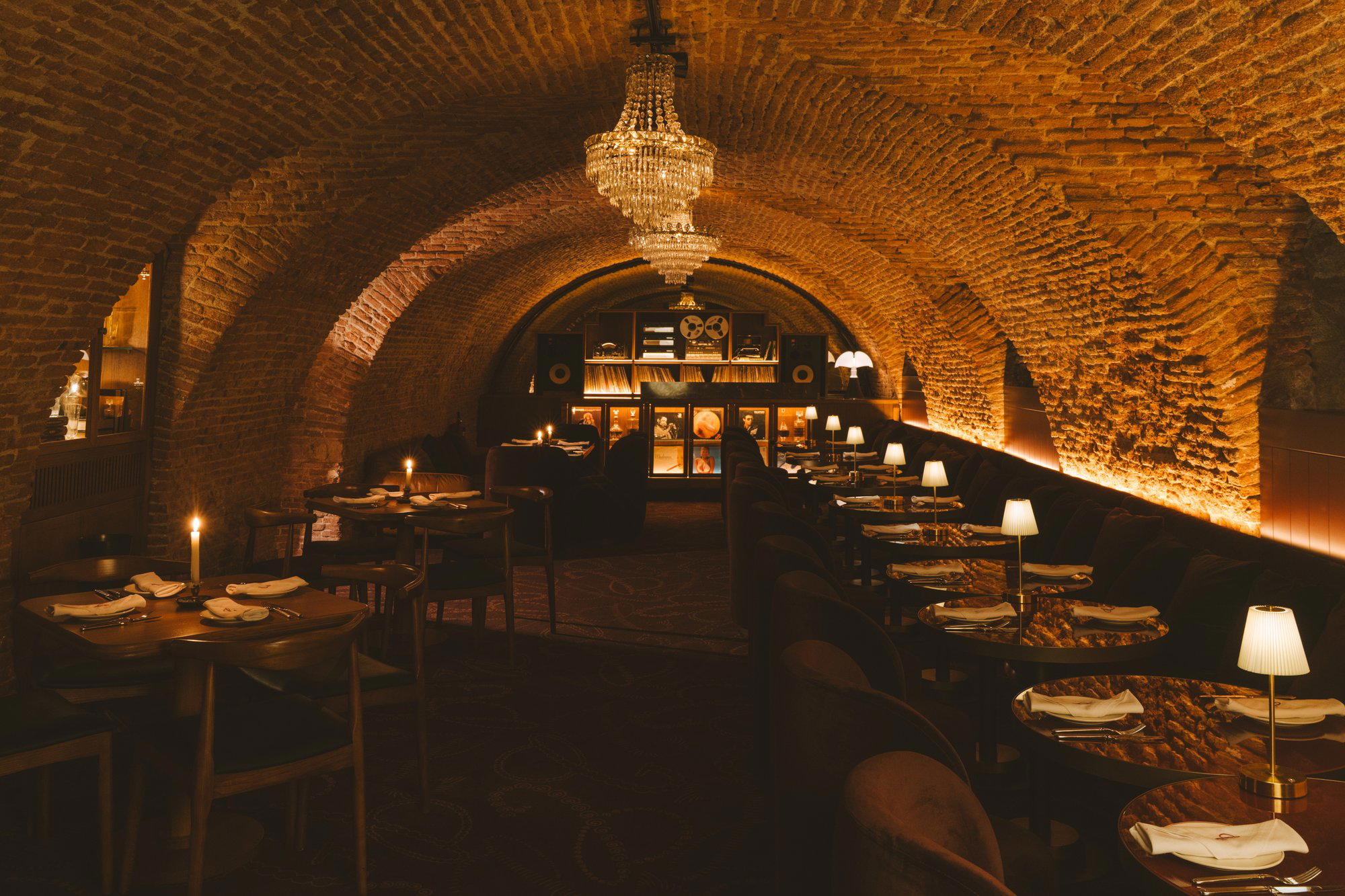
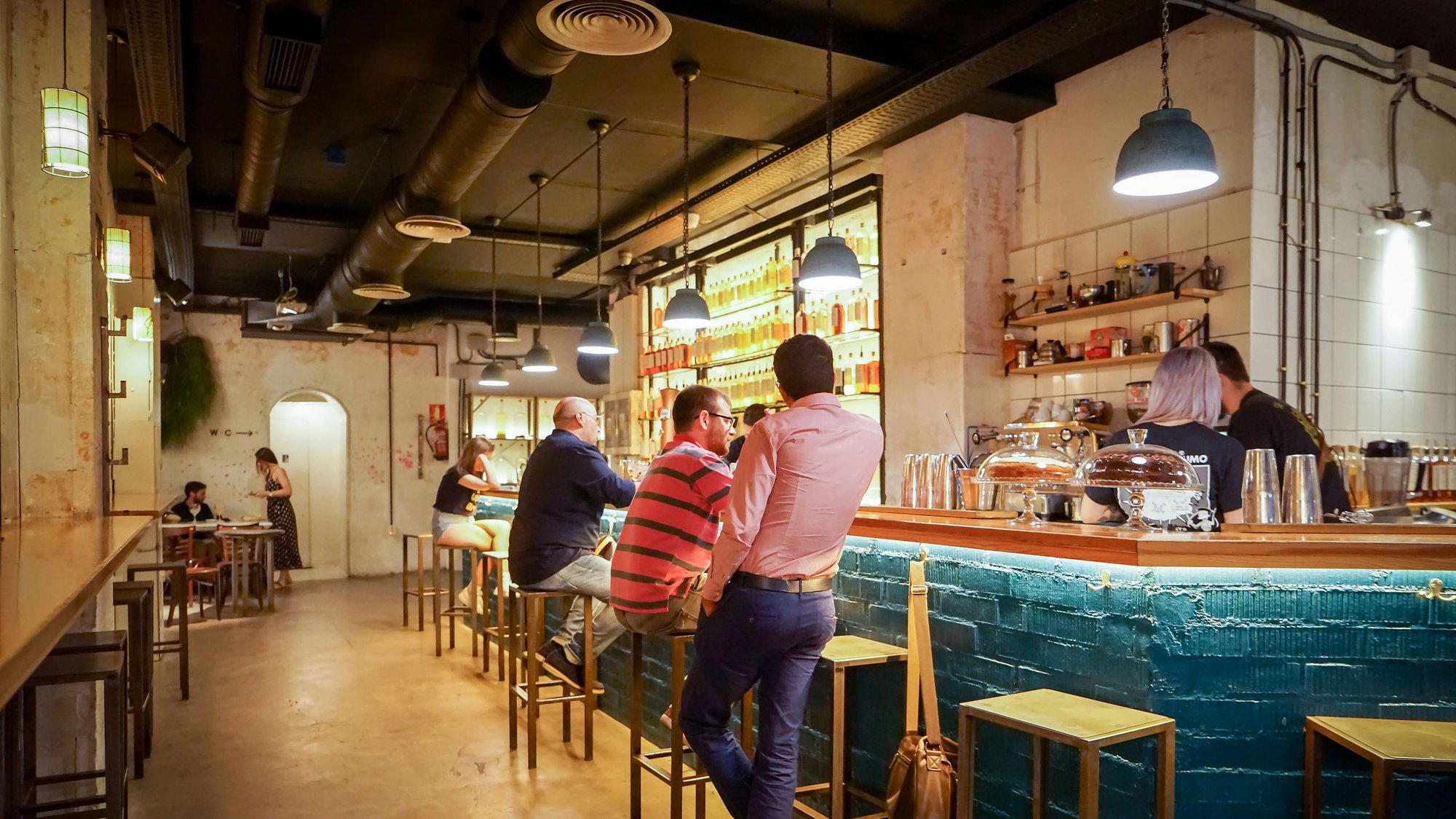
Hotels in Madrid
Browse all →

At a Glance
- Trendy
- Lively
- Elegant
- Energetic
- Sophisticated
- Date Night
- Special Occasion
- Group Dining
- Late Night
- Open Kitchen
- Live Music
- Hotel Restaurant
- Craft Cocktails
Current opening hours
- Monday
- 1:30–4 PM, 8 PM–12:30 AM
- Tuesday
- 1:30–4 PM, 8 PM–12:30 AM
- Wednesday
- 1:30–4 PM, 8 PM–12:30 AM
- Thursday
- 1:30–4 PM, 8 PM–12:30 AM
- Friday
- 1:30–4 PM, 8 PM–12:30 AM
- Saturday
- 1:30–4 PM, 8 PM–12:30 AM
- Sunday
- 1:30–4 PM, 8 PM–12:30 AM
Hours can change for holidays and private events. Last verified .
Imposing decoration with entertainment, DJ performances livening up lunches and dinners in the main room; quieter lounge areas and exclusive club spaces blending luxury and fun.
Know Before You Go
- Getting there
- Calle Velázquez, 62, Salamanca, 28001 Madrid, Spain