
Guía Repsol 1 Sol
Our verdict
99 Sushi Bar (Hermosilla) belongs to Madrid’s polished Japanese dining tier, where ingredient handling matters more than theatrical fusion. Its 1 Sol recognition from Guía Repsol 2026 gives the Salamanca address a clear credential within a city better known for Spanish product temples, steak rooms, and late-night dining rooms.

Pearl is the En Primeur Club membership app, where members save venues, book tables and use the concierge.
The menu
What to order
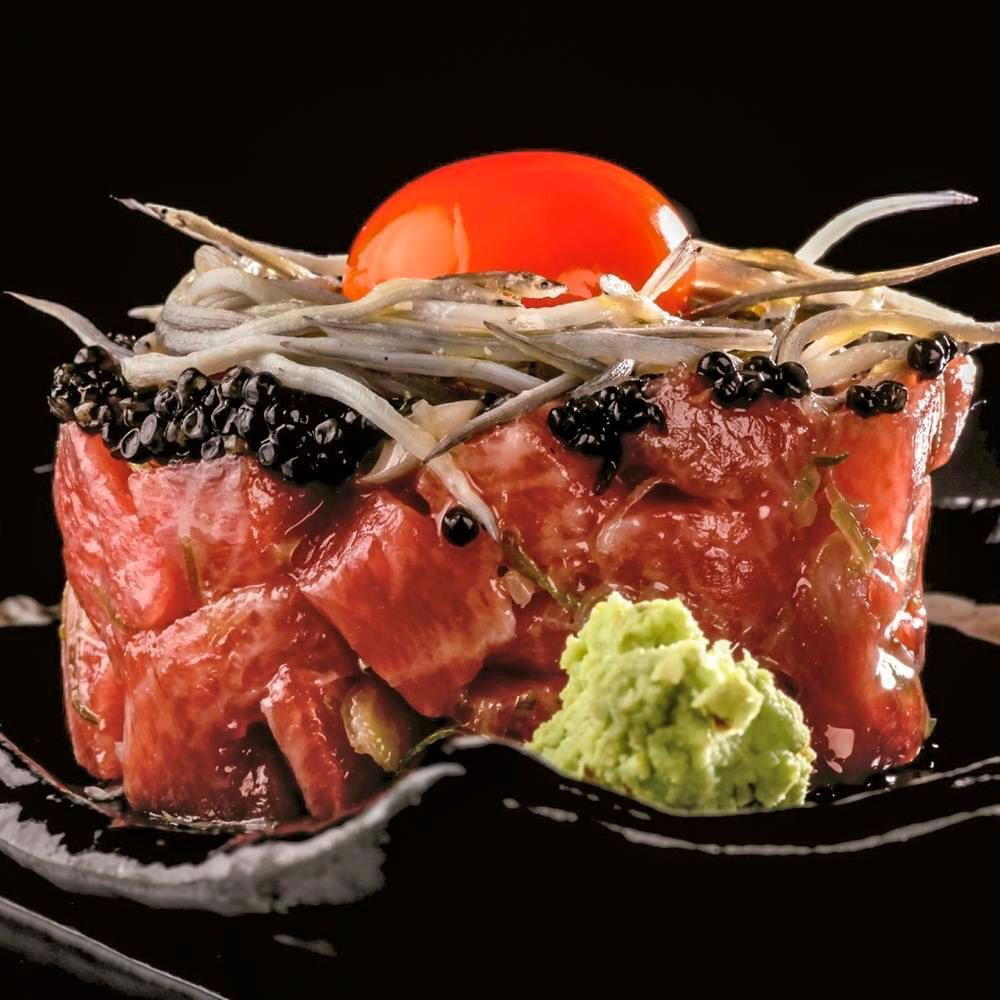
- Tiger prawn tempura with spicy creamy sauce
- Butterfish with truffle
- Toro flambé nigiri
- Alaskan black cod with red miso
Madrid changes the temperature of premium dining before a menu appears: measured rooms, quieter storefronts, more deliberate meals. Here, a product-led restaurant can read differently from louder social rooms or clubbier tables: the signal is product, cut, seasoning, and restraint. 99 Sushi Bar (Hermosilla) sits in that register, a polished Madrid address that rewards precision over novelty.
Madrid has long absorbed international formats through Spanish habits: late services, high-value sourcing, and serious market culture. Technique benefits from that overlap. The city understands product, temperature, and timing because Spanish dining already treats raw material as status. The question is not whether the format works here, but which restaurants keep product central rather than decorative.
Technique filtered through Madrid's product culture
The useful lens is sourcing. In Spain, product-led restaurants sit beside a formidable dining tradition, so clean technique is not enough. Quality is judged against other Madrid dining rooms and the wider Spanish expectation that ingredients should carry the meal. A serious Madrid room must show how knife work, seasoning, acid, and heat control reveal something distinct without turning the plate into ornament.
That is where 99 Sushi Bar (Hermosilla) gains relevance. Its 1 Sol in the Guía Repsol 2026 places it inside Spain’s own dining-recognition system, not only an imported luxury category. For a restaurant in Madrid, that matters: Repsol reads restaurants through Spanish expectations of product, consistency, and local dining value, not just international gloss. The award is a concrete signal in a crowded field where many premium menus sell atmosphere before discipline.
The Madrid comparison is instructive. Other contemporary rooms approach modern dining from different bases, while 99 Sushi Bar (Hermosilla) belongs to the same argument from another angle: not avant-garde spectacle or casual convenience, but a refined product-led format for diners who already know Madrid’s strengths.
It also separates itself from Madrid’s social-dining circuit. Restaurante Ten Con Ten and Chambao Madrid answer a different demand: visible rooms, familiar luxury cues, and a night-out cadence. Tepic and Varra show the breadth of the city’s premium spread. Within it, 99 Sushi Bar (Hermosilla) earns attention by tightening focus rather than competing on volume or décor.
Why Madrid suits this style of dining
Madrid is not only an experimental laboratory. It is a city of controlled spending, polished service, and diners who know the difference between a fashionable import and repeat-use value. That makes it logical for high-touch cooking. The room need not announce itself as a cultural event; the burden falls on sequence, sourcing, and keeping delicacy from becoming blandness.
Madrid’s premium scene has matured beyond simple categories. Stronger middle and upper tiers now sit between them: à la carte comfort for regulars, serious product handling, preparations for balance, and enough Spanish product intelligence to avoid feeling transplanted. 99 Sushi Bar (Hermosilla) fits that middle-to-upper urban mode. It is less about orthodoxy than technique in a city where premium ingredients already carry cultural weight.
The best order strategy is disciplined. A table built around product and a few balanced preparations will usually say more than a maximal tour. Madrid dining can encourage over-ordering, especially in groups, but precise formats punish clutter. Let the meal move through texture and temperature: cold, warm, crisp, clean, rich, lean. That rhythm makes sourcing visible.
For visitors mapping a wider itinerary, this belongs with premium Madrid dining rather than a quick stop. Use Our full Madrid restaurants guide for the broader table set, then cross-check plans against Our full Madrid hotels guide, Our full Madrid bars guide, Our full Madrid wineries guide, and Our full Madrid experiences guide. 99 Sushi Bar (Hermosilla) makes particular sense when the evening calls for restraint before or after a heavier Spanish lunch.
The Madrid context: where recognition and restraint matter
The 1 Sol recognition is the clearest public credential attached to the restaurant and should be read carefully. It does not make the address a trophy-dining caricature; it places it among Spanish restaurants meeting a national guide’s quality standard. In Madrid, where international formats multiply quickly, local recognition is more useful than vague prestige. It says the restaurant has entered the Spanish critical conversation, not merely the luxury-shopping one.
That clarifies who should care. Diners seeking maximal theatre may find more obvious energy elsewhere. Diners who judge a meal through sourcing, temperature, and small quiet decisions will understand this address’s gravity in Madrid. The point is not novelty, but whether a Madrid restaurant can make product feel edited, not accessorised.
Spain’s wider restaurant map shows how many directions premium dining takes, from coastal spectacle and destination dining to regional tradition and neighbourhood specificity. Even casual and specialised formats underline the same truth: Spain rewards restaurants that know their lane. Madrid’s premium tier is no different.
For travellers comparing international formats, the useful lesson is that narrow, honest restaurants can carry authority when clear about scope. 99 Sushi Bar (Hermosilla) works from the polished end of that idea: broader, more formal, and anchored in Madrid’s appetite for measured dining.
The verdict is simple. 99 Sushi Bar (Hermosilla) is a serious Madrid choice when technique, Spanish product expectations, and measured service are the point. It is not the place to treat dinner as a prelude to something louder. Read it as Madrid’s version of a refined table, shaped by a city that scrutinises ingredients.
Frequently asked questions
Is 99 Sushi Bar (Hermosilla) good for families?
It can work for families with older children who are comfortable with a more formal dinner setting. The 1 Sol from Guía Repsol points to a more exacting room than a casual neighbourhood spot.
Is 99 Sushi Bar (Hermosilla) better for a quiet night or a lively one?
It is the better choice for a quiet night. The restaurant’s appeal is measured dining, polished pacing, and the kind of restraint that suits a more focused evening in Madrid.
When can I go to 99 Sushi Bar (Hermosilla)?
Check directly with 99 Sushi Bar (Hermosilla) for current opening times before planning a visit, as schedules can change.
Where do I go for 99 Sushi Bar (Hermosilla)?
Madrid.
What makes 99 Sushi Bar (Hermosilla) worth seeking out?
The clearest reason is the 1 Sol from Guía Repsol, a public marker that places it within Spain’s national dining-recognition system. It is best understood as a polished Madrid restaurant for diners who value restraint, product, and consistency.
Can 99 Sushi Bar (Hermosilla) accommodate dietary restrictions?
Dietary needs are best raised early, especially in a product-led setting where ingredients and preparation details matter. Contact the restaurant ahead of time so the team can advise on what is realistic for your visit.
Quick Comparison
Comparable venues by cuisine and price in the same metro.
| Venue | Cuisine | Price | Awards | Notes |
|---|---|---|---|---|
| 99 Sushi Bar (Hermosilla)This venue (the venue you are viewing) | Japanese haute cuisine & sushi | $50–100 | Guía Repsol 1 Sol | Not listed |
| Varra | Modern Spanish Tapas | $30–50 | Michelin Bib Gourmand · Macarfi 7.7 Food Rating | Contemporary |
| ADUANA | Modern Mediterranean rooftop restaurant | $50–100 | Not listed | Not listed |
| Restaurante Ten Con Ten | Modern Spanish Cosmopolitan | $50–100 | Macarfi 7 Food Rating | Not listed |
| Tepic | Modern Mexican | $30–50 | Michelin Bib Gourmand · Macarfi 7 Food Rating | Mexican |
| Chambao Madrid | Fashion Steakhouse & Seafood Grill | $50–100 | Macarfi 6.8 Food Rating | Not listed |
Recognition history
Dated appearances from independent guides and award organizations, with the underlying list record or original source where available.
Guía Repsol 1 Sol
Guía Repsol
Continue exploring
More in Madrid
Restaurants in Madrid
All restaurants in Madrid →
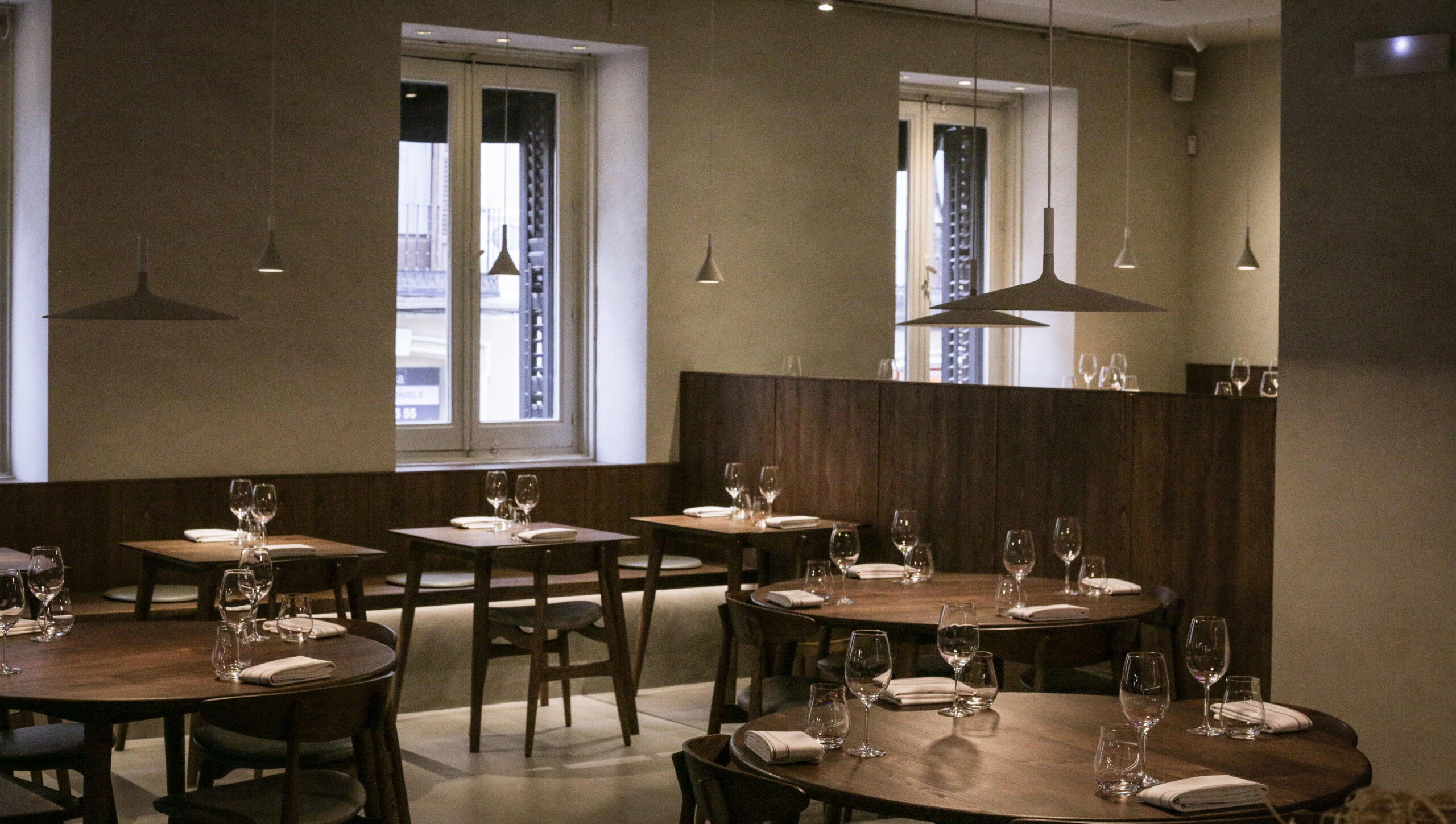
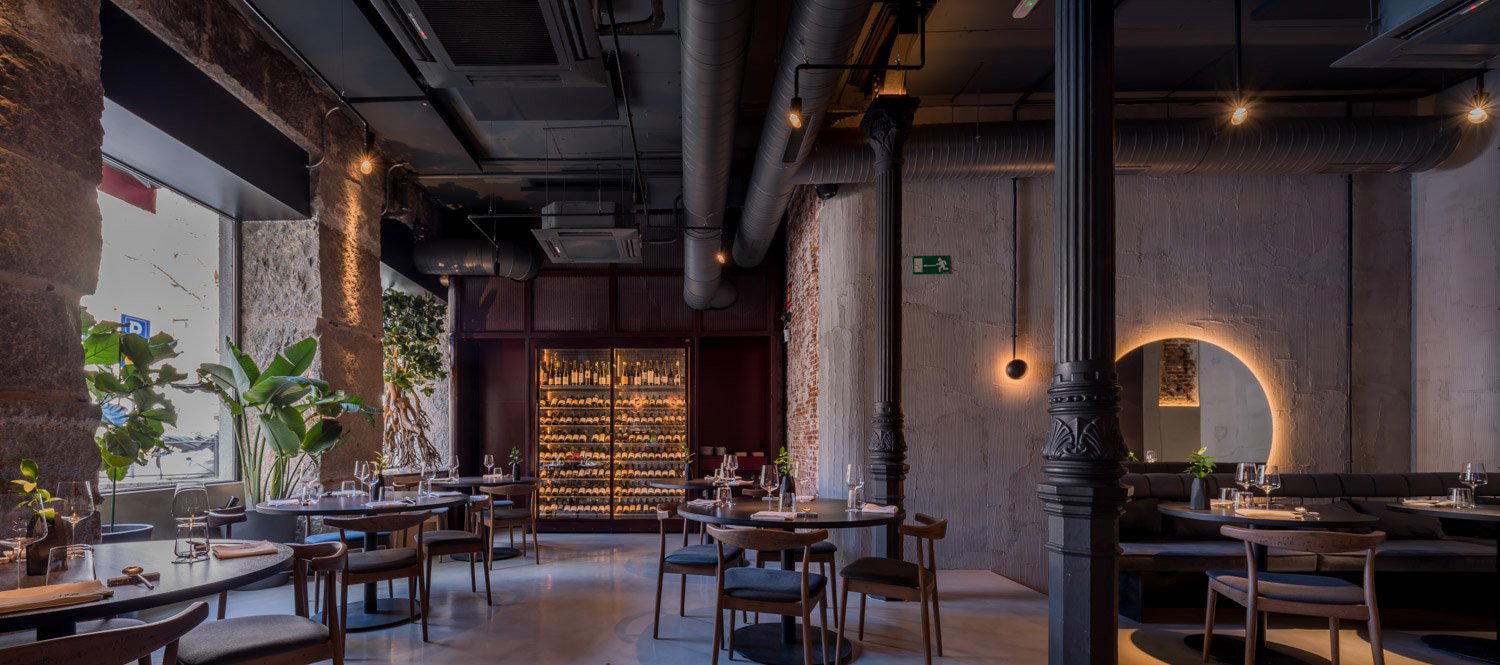
Bars in Madrid
All bars in Madrid →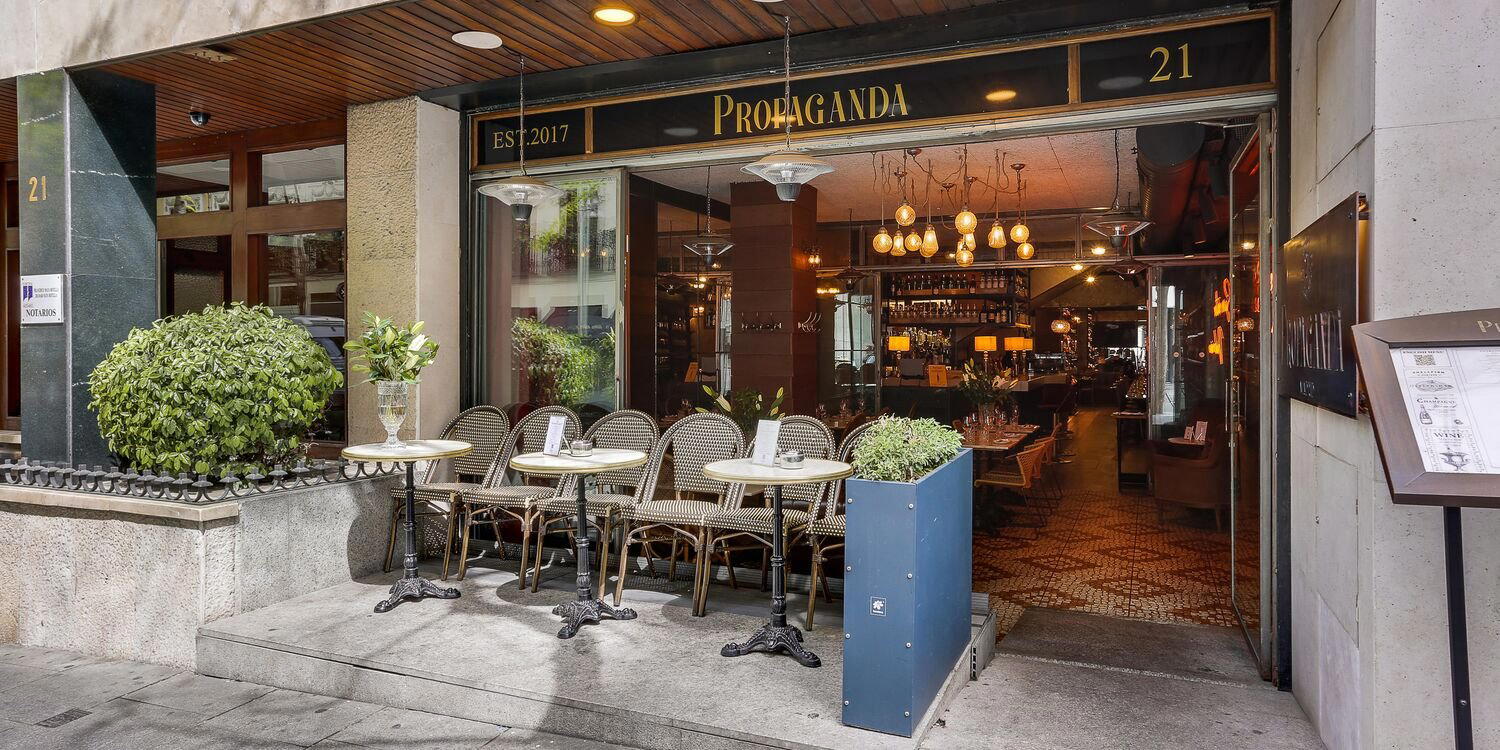
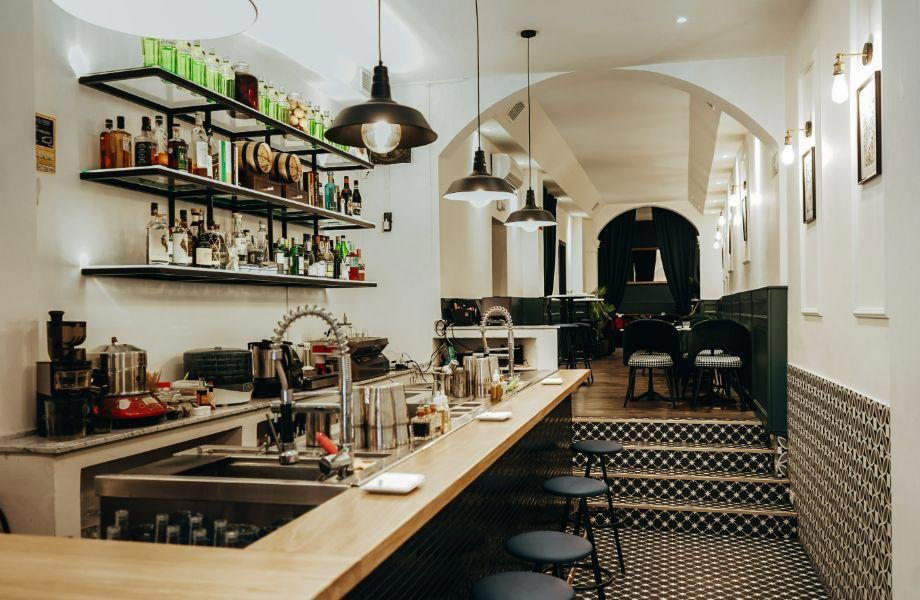



99 Sushi Bar (Hermosilla)
The wine
- Wine program
- Deep wine list
- Extensive wine list
- Sake program
Details
- Elegant
- Intimate
- Sophisticated
- Modern
- Business Dinner
- Date Night
- Group Dining
- Special Occasion
- After Work
- Chefs Counter
- Open Kitchen
- Wine Cellar
- Standalone
- Extensive Wine List
- Sake Program
- A La Carte
- Counter Dining
- Wine
- Sake
- Champagne
- Vegetarian Friendly
- Gluten Free Options
- Pescatarian Friendly
Current opening hours
- Monday
- 1:30–3:30 PM, 8:30–11:15 PM
- Tuesday
- 1:30–3:30 PM, 8:30–11:15 PM
- Wednesday
- 1:30–3:30 PM, 8:30–11 PM
- Thursday
- 1:30–3:30 PM, 8:30–11:15 PM
- Friday
- 1:30–3:30 PM, 8:30–11:15 PM
- Saturday
- 1:30–3:30 PM, 8:30–11:15 PM
- Sunday
- 1:30–3:30 PM
Hours can change for holidays and private events. Hours as of .
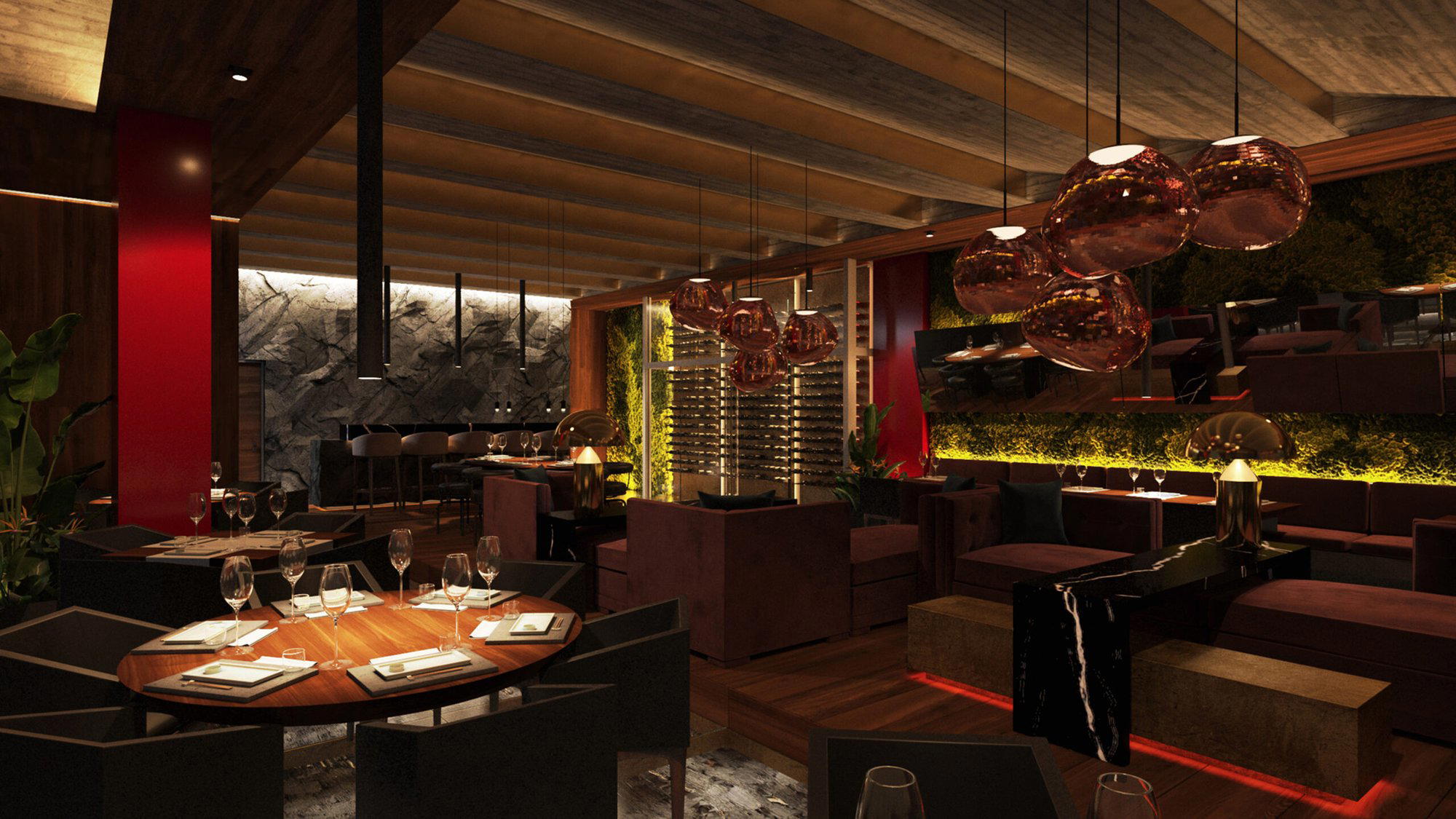
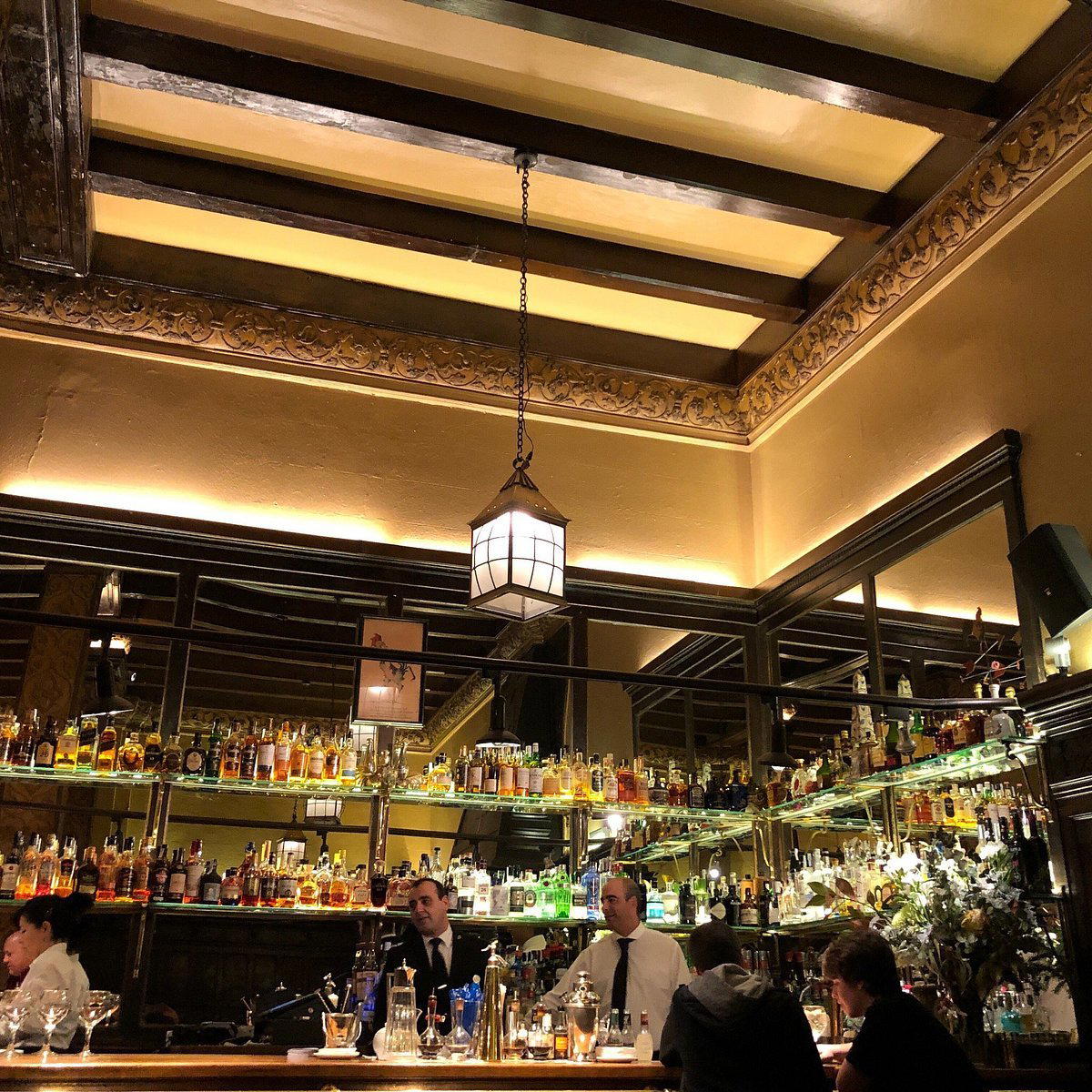
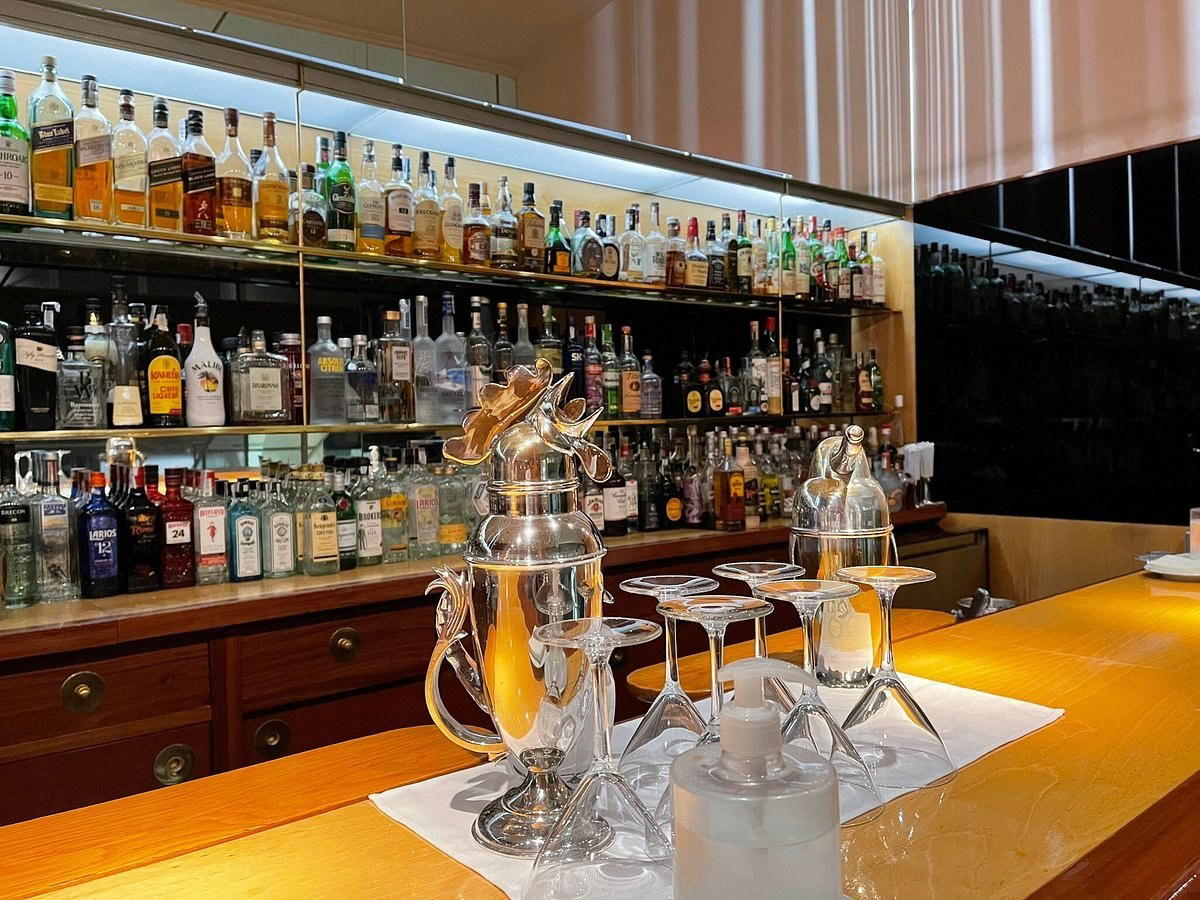
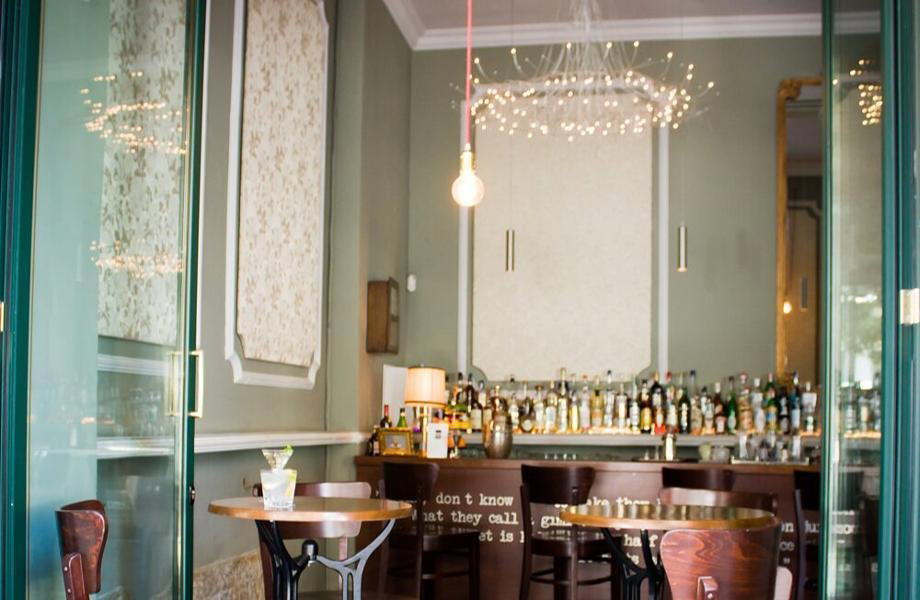
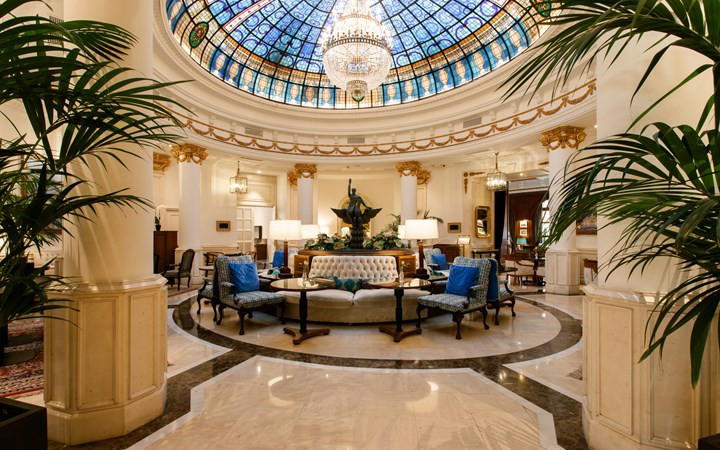
Sober and elegant Japanese-inspired decor with red tones, bonsai, and controlled lighting, combining a naturally lit dining room by day with a dimmer, intimate atmosphere at night and a visible sushi bar where chefs work in front of guests.