Saltbox Seafood Joint

James Beard Award Semi Finalist
Our verdict
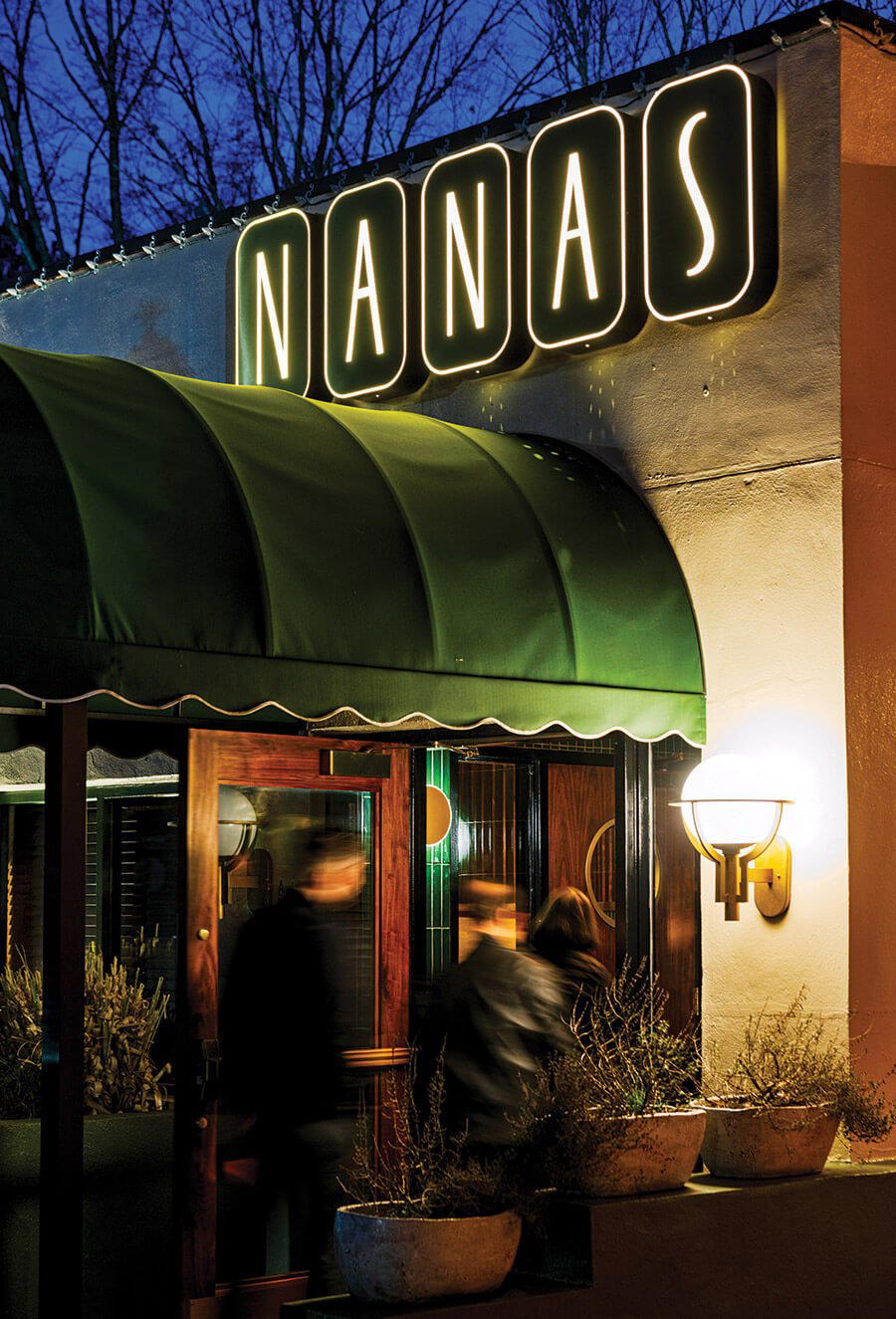
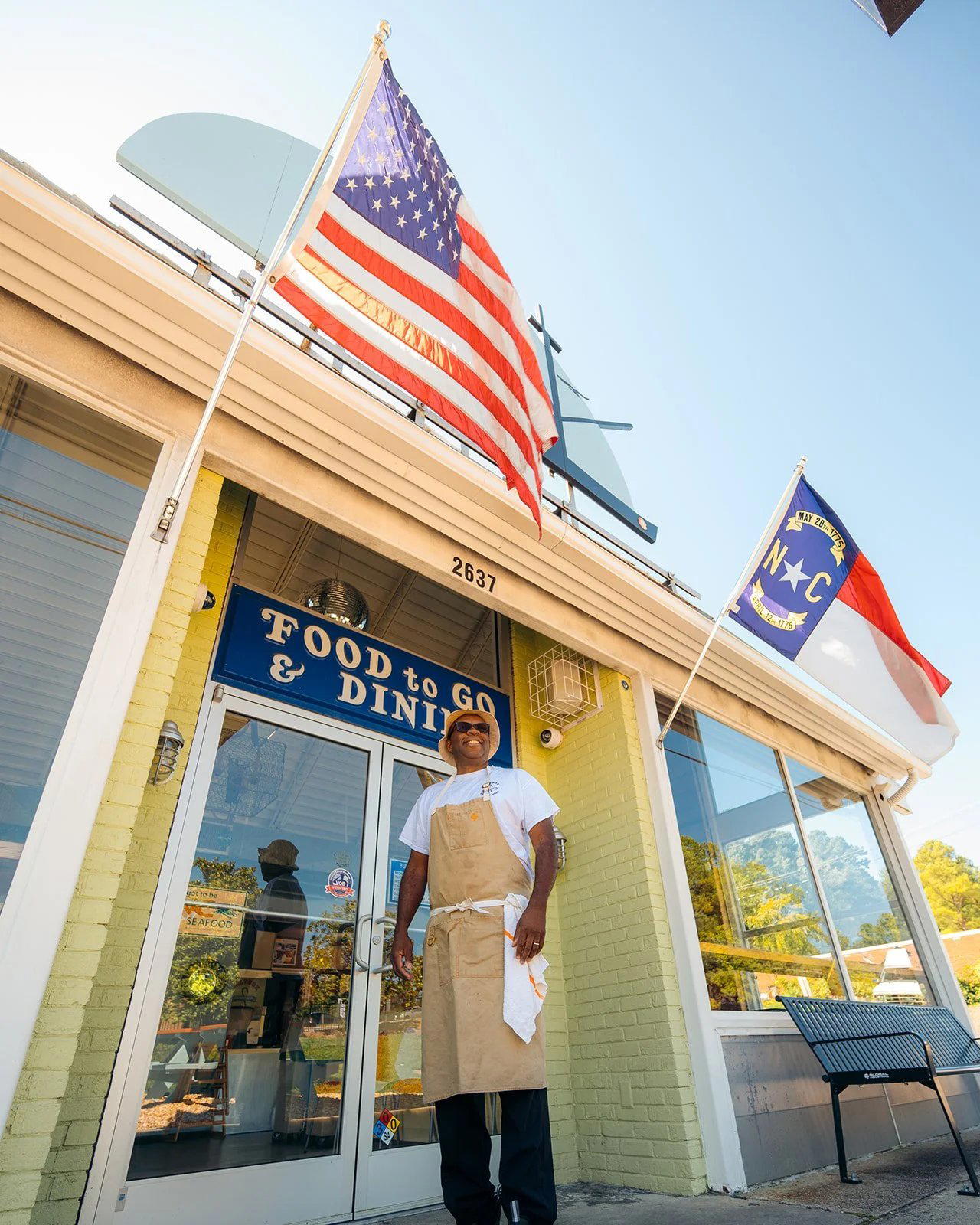
A counter-service seafood spot on Durham-Chapel Hill Boulevard, Saltbox Seafood Joint draws from the Carolinas' coastal supply chain to bring salt-air simplicity to a landlocked city. The format is focused and unfussy: fried and grilled seafood prepared with attention to sourcing rather than spectacle. In a Durham dining scene that trends toward modern cuisine and international formats, Saltbox holds its own lane.

Pearl is the En Primeur Club membership app, where members save venues, book tables and use the concierge.
The menu
What to order
- Fried fish tacos
- Soft shell crab
- Oysters
- Hush puppies
Where the Piedmont Meets the Coast
Durham sits roughly 150 miles from the North Carolina coast, which is close enough that a serious seafood operation can build a reliable supply chain into Carteret County docks and the fishing communities around Beaufort and Morehead City. That proximity shapes what Saltbox Seafood Joint does at 2637 Durham-Chapel Hill Blvd: it positions itself as the inland delivery point for a coastal tradition that most Triangle diners access only on vacation. The building is modest, the approach direct, and the sourcing argument is the whole point.
Counter-service seafood joints have a distinct cultural grammar in the American South. They are not sit-down restaurants with servers and wine lists. They are working-format operations where the fish and the fry technique carry the full editorial weight. Saltbox fits that tradition while operating in a city whose restaurant conversation more often runs toward formats like Coarse (Modern British) or the Italian-leaning rooms at Convivio and Cucciolo Famiglia Southpoint. That contrast is part of what gives Saltbox its position in Durham's broader dining picture.
The Sourcing Argument
North Carolina's seafood supply is genuinely distinct. The state's coastal waterways produce shrimp, flounder, spot, croaker, oysters, and blue crab in quantities that support a real regional industry, even as industrial fishing pressure and water quality issues have complicated that picture over the past two decades. Restaurants that commit to North Carolina-sourced seafood are making a supply-chain choice with traceability implications that go well beyond marketing. The fish tastes different when it hasn't spent days in transit, and it supports fishing communities whose economic base is increasingly fragile.
That sourcing argument is the editorial center of what Saltbox does. In a national context where high-end seafood destinations like Le Bernardin in New York City or Providence in Los Angeles make sourcing a formal part of their critical identity, Saltbox operates at a different register but with a structurally similar commitment. The difference is format and price point, not seriousness of intent. Closer to home, the question of where seafood comes from and how quickly it moves from water to plate is one that Emeril's in New Orleans has addressed through Gulf supply chains for years. The regional sourcing model is not new; Saltbox applies it at a counter-service scale in a Piedmont city.
Durham's Casual Dining Tier
Durham's restaurant scene in 2024 and into 2025 is more stratified than it was a decade ago. A tier of full-service, higher-price-point restaurants has developed alongside the city's research and university economy, with spots like Barsa and Bleu Olive occupying mid-to-upper price brackets. Saltbox operates below that tier deliberately. Counter service, a focused menu, and a location on a commercial boulevard rather than in the downtown core all signal a specific market position: accessible, frequent-visit seafood rather than occasion dining.
That positioning matters because it serves a different function in a food city. Farm-to-table tasting menus, the kind that anchor places like Blue Hill at Stone Barns in Tarrytown or Single Thread Farm in Healdsburg, are destination formats designed for quarterly or annual visits. A counter-service seafood joint serves a weekly or biweekly rotation of local regulars who want fresh, properly prepared fish without ceremony. Both formats can take sourcing seriously; they just serve different rhythms of dining life.
What to Order and When to Go
North Carolina's seafood calendar runs year-round, but specific species peak at specific times. Shrimp season runs roughly May through December, with the fall months producing the largest brown shrimp hauls from Pamlico Sound and the Neuse River estuary. Flounder is most abundant in summer and early fall. Blue crab season peaks in late summer. A visit to Saltbox calibrated to these seasonal windows will generally produce a menu that reflects what the state's coastal waters are actually doing at that moment, rather than what can be sourced from a national distributor at any time of year.
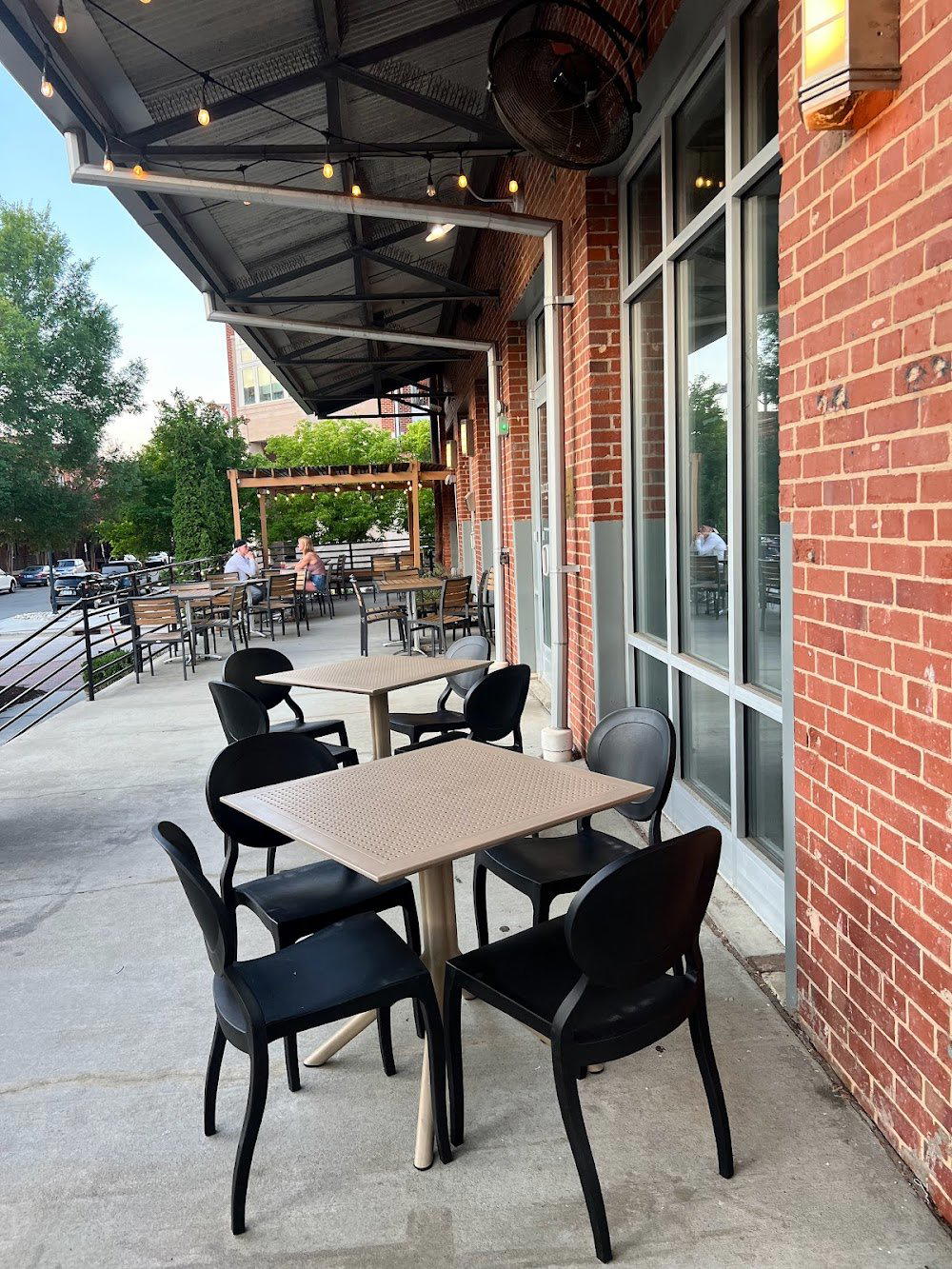
The counter-service format means ordering is handled at the window or counter, food arrives quickly, and seating is casual. Visitors who arrive expecting a sit-down experience with table service will be recalibrating at the door. The format is efficient by design: the kitchen's attention goes to the fish, not to service choreography. For a comparison of how dramatically formats can differ while both claiming seafood seriousness, consider the distance between Saltbox and something like The French Laundry in Napa or Alinea in Chicago. The gap in price and formality is total; the underlying sourcing commitment can be just as real at either end.
Planning Your Visit
Saltbox is located at 2637 Durham-Chapel Hill Blvd, which places it on a commercial corridor that runs southwest from downtown Durham toward Chapel Hill. The drive from downtown Durham is under ten minutes in normal traffic. Street parking is available in the surrounding lot. Walk-in access is the standard format for counter-service operations of this type, and advance reservations are not a feature of the format.
For a fuller picture of where Saltbox fits in the city's dining ecosystem, the EP Club Durham restaurants guide maps the scene across price tiers, formats, and neighborhoods. Readers interested in how other American restaurants have built sourcing-led identities at higher price points can also explore entries on Addison in San Diego, Atomix in New York City, The Inn at Little Washington in Washington, and Lazy Bear in San Francisco for a sense of the range that sourcing-serious dining covers across the country. The international comparison extends further still, to places like 8 1/2 Otto e Mezzo Bombana (Hong Kong), where provenance of ingredient is a formal part of the luxury argument.
Frequently asked questions
Where is Saltbox Seafood Joint located?
Saltbox Seafood Joint is located at 2637 Durham-Chapel Hill Blvd, Durham, NC 27707, Durham.
Does Saltbox Seafood Joint source its seafood locally from North Carolina waters?
The restaurant's positioning centers on North Carolina coastal supply, a state whose waterways produce shrimp, spot, croaker, flounder, blue crab, and oysters on a seasonal calendar. At roughly 150 miles from the coast, Durham is close enough to support a reliable fresh-catch supply chain, which separates Saltbox from generic seafood operations further inland. That regional specificity is the core argument for the menu's credibility within Durham's increasingly stratified dining scene.
What's the signature dish at Saltbox Seafood Joint?
Shrimp is the backbone of the operation for much of the year, with peak season running May through December. Ordering around what's in season is the most reliable approach.
Can I walk in to Saltbox Seafood Joint?
The location on Durham-Chapel Hill Blvd serves a commercial corridor with steady local traffic, so timing your visit outside peak lunch and dinner hours reduces wait time.
Nearby-ish Comparables
Comparable venues nearby, for context on price, style, and recognition.
| Venue | Cuisine | Price | Awards | Notes |
|---|---|---|---|---|
| Saltbox Seafood JointThis venue (the venue you are viewing) | North Carolina Coastal Seafood | $10–20 | James Beard Award Semi Finalist | Not listed |
| Emmy Squared - Durham | Detroit-Style Pizza | $20–30 | Not listed | Downtown |
| Convivio | Authentic Italian | $50–100 | Not listed | downtown |
| Terrace Kitchen | American Breakfast & Brunch | Not listed | Not listed | Duke |
| Nasher Cafe | Contemporary American with local seasonal ingredients | $20–30 | Not listed | Duke University |
| Luna Rotisserie and Empanadas | Peruvian Rotisserie & Empanadas with Southern Fusion | $20–30 | Not listed | downtown durham |
Recognition history
Dated appearances from independent guides and award organizations, with the underlying list record or original source where available.
James Beard Award Semi Finalist
James Beard Award