Google: 4.6 · 10,160 reviews
Angus Barn
Angus Barn has anchored Raleigh's steakhouse tradition since 1960, occupying a converted barn on Glenwood Avenue that sets the physical and culinary tone before a single plate arrives. The restaurant draws a consistent crowd for aged beef and a wine cellar that ranks among the most extensively stocked in the American South. For a city still building its national dining profile, this is the longstanding reference point.
 Discover on Pearl
Pearl is the En Primeur Club membership app — saves, bookings, and concierge access live there. Same editors, same standards.
A Barn That Became a Benchmark
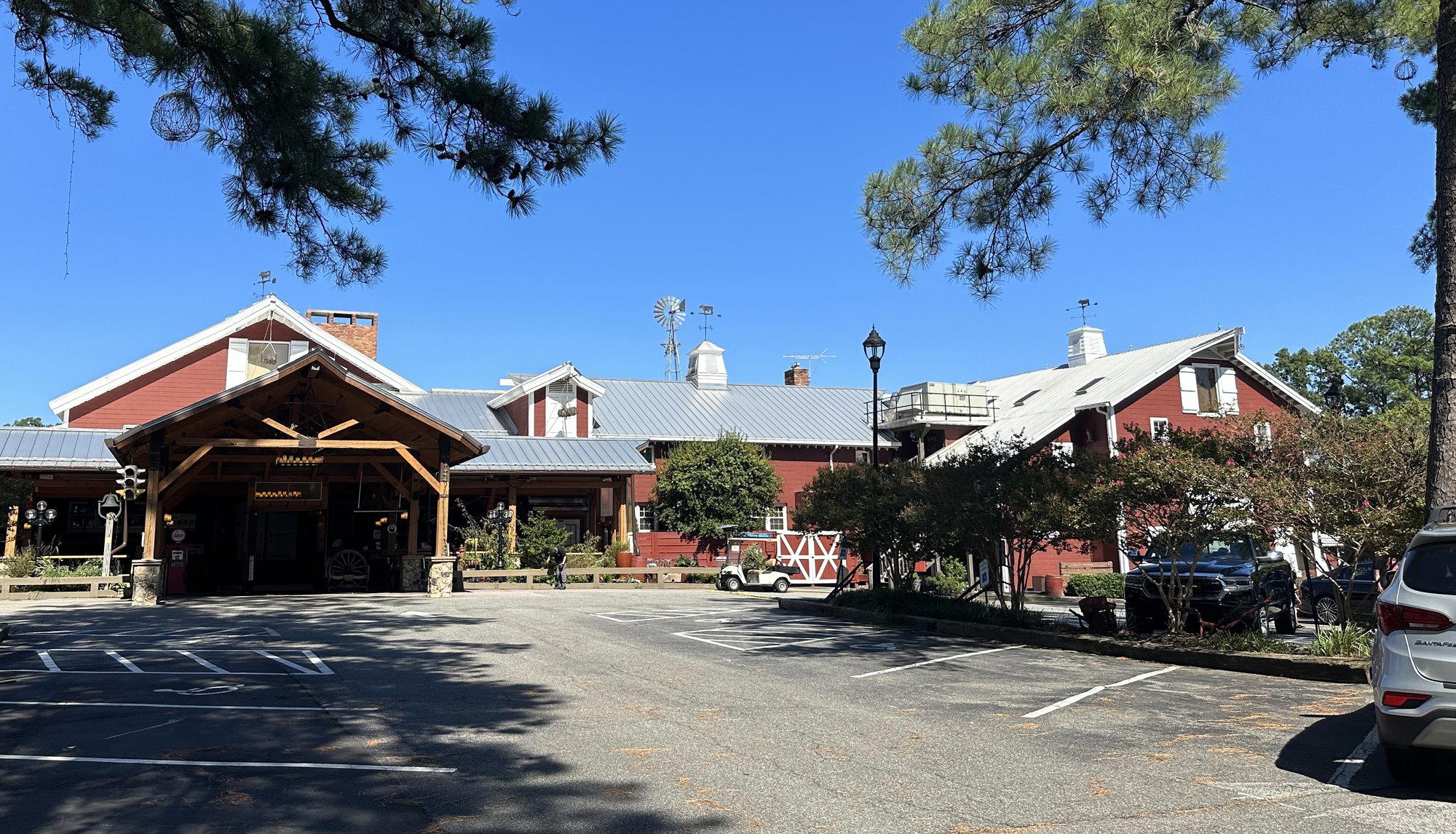
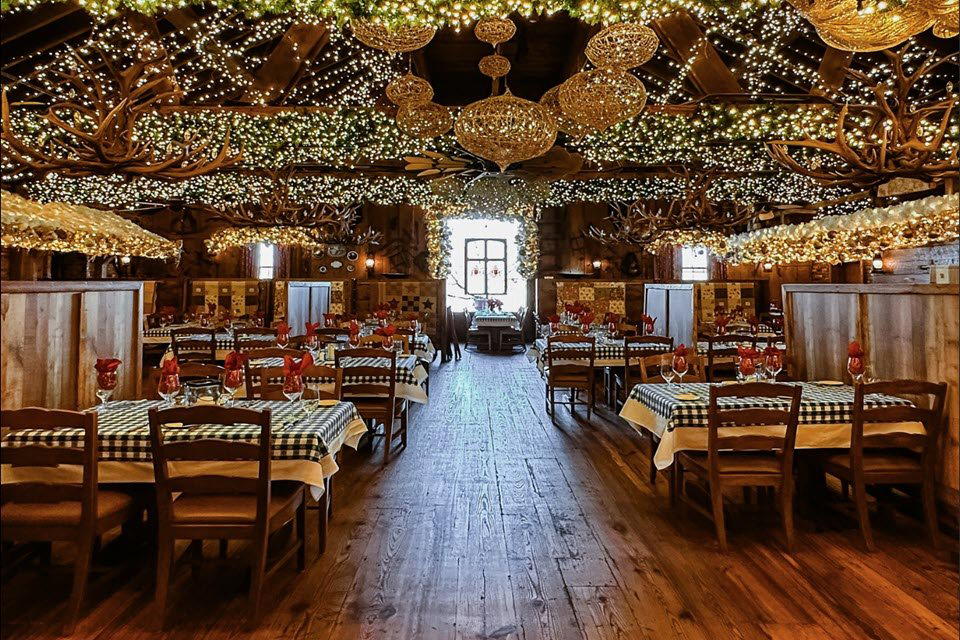
On Glenwood Avenue, several miles northwest of downtown Raleigh, a converted barn with rough-hewn timber and low amber light signals something different from the city's newer restaurant corridor. Angus Barn opened in 1960, which means it predates the Research Triangle's transformation into a tech and academic hub, predates the craft food movement, and predates the period when Raleigh began appearing in national food media with any regularity. The building itself carries that history: wide-plank floors, exposed beams, and the kind of accumulated warmth that newer venues approximate with design budgets but rarely achieve through construction alone.
The American steakhouse tradition has always been about more than the cut of beef on the plate. It is a format built on consistent sourcing, controlled aging, and the ritual of the dining room. Angus Barn sits squarely in that tradition, and has done so for long enough that it functions as a regional institution rather than a restaurant competing for the moment's attention. In North Carolina, where barbecue commands most of the national food conversation, a steakhouse running for more than six decades represents a different kind of staying power.
Where the Beef Comes From, and Why That Matters
The sourcing conversation in American steakhouses tends to orbit a few variables: breed, grade, aging method, and the relationship between the restaurant and its supplier. Angus Barn's name signals its historical orientation toward Angus cattle, which has been the dominant breed in premium American beef programs for decades, valued for its marbling consistency and feed conversion. The USDA Prime grade, which applies to the upper tier of American beef and represents a small fraction of total domestic production, has long been the reference point for steakhouses operating at this level.
Dry-aging, the process of hanging beef in controlled humidity and temperature for weeks to concentrate flavor and break down connective tissue, requires dedicated cold storage infrastructure and a willingness to absorb shrinkage loss in product weight. Restaurants that commit to dry-aged programs are signaling something about their cost structure and their sourcing philosophy. Within Raleigh's dining scene, where newer steakhouses have entered the market with various sourcing credentials, the longevity of a sourcing relationship matters as much as the label on the menu. Consistency over sixty-plus years implies supplier relationships that newer operations are still building.
The Wine Cellar as a Separate Commitment
American steakhouse wine programs have historically divided into two camps: lists built for bottle-count optics, and lists built around depth in specific regions that pair logically with red meat. The latter requires genuine procurement relationships, storage investment, and the kind of long-term cellar planning that accumulates older vintages rather than simply rotating current releases.
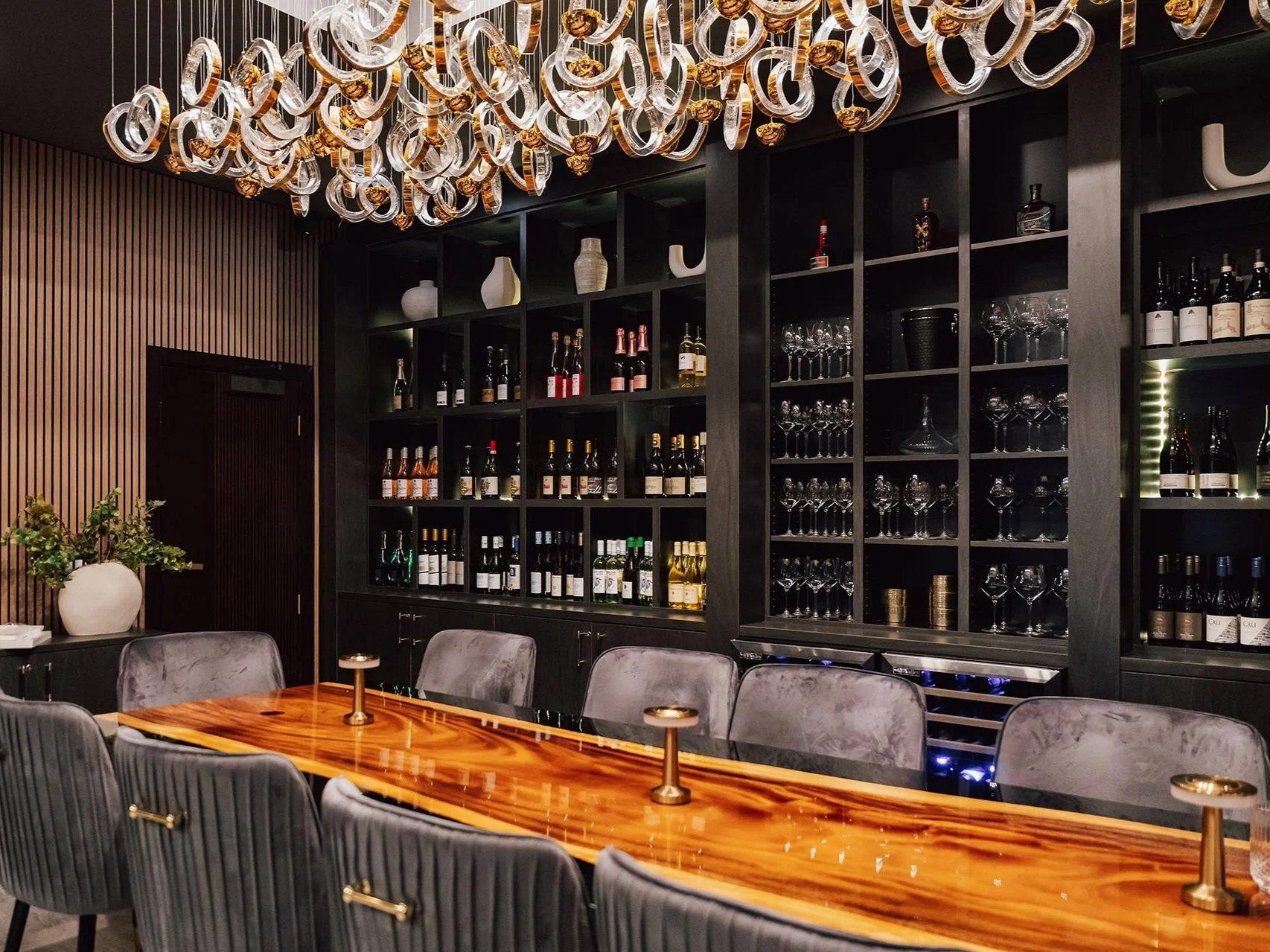
Angus Barn's wine program has been widely noted as one of the most extensively developed in the American South, with reported holdings that run to tens of thousands of bottles across multiple cellars. That kind of inventory does not accumulate quickly; it reflects decades of purchasing decisions and, crucially, the patience to hold bottles through their aging arc rather than liquidating them for short-term revenue. For wine-focused diners visiting Raleigh, this is the operative credential: the list offers depth in aged Bordeaux, California Cabernet, and Burgundy that the city's newer openings have not yet had time to build.
Raleigh's bar scene has expanded considerably, with venues like Ajisai, Aunty Betty's Gin and Absinthe Bar, and 10th and Terrace building their own programs with real ambition. But a wine cellar of this scale remains a different animal from a cocktail program, and Angus Barn occupies a position in the city's beverage landscape that no newer opening currently challenges. Compared to destination-level bar programs elsewhere, such as Kumiko in Chicago or Jewel of the South in New Orleans, the emphasis here is on depth of inventory rather than technical innovation, which suits the format.
Reading the Room
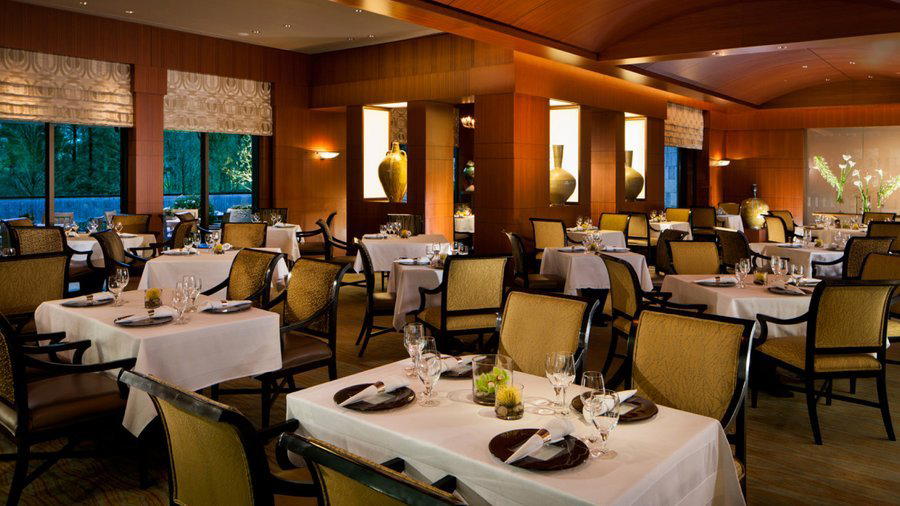
The dining room at Angus Barn accommodates a range of occasions that newer, smaller-format restaurants in Raleigh handle less easily. Business dinners, celebrations, and large-party bookings all function well in a space designed from the outset for volume without sacrificing the atmosphere that a barn interior provides. This is not a quiet twelve-seat counter requiring advance coordination months out; it is a full-service restaurant with decades of operational experience managing diverse guest volumes on any given evening.
That format contrasts with the direction many premium dining rooms have taken nationally. Venues like Bar Leather Apron in Honolulu, Superbueno in New York City, or ABV in San Francisco represent a shift toward tighter formats and more curated experiences. Angus Barn operates in the opposite register: scale, consistency, and institutional reliability. Neither approach is superior in the abstract; they serve different purposes and different guests. For a Raleigh dinner where the guest list is mixed or the occasion requires a room that won't feel precious, the barn format solves problems that a tasting-menu counter cannot.
The city's newer casual end, represented by spots like 13 Tacos and Taps, operates in a different tier entirely, which clarifies where Angus Barn sits in Raleigh's broader dining structure: it is the formal anchor on the higher end, not competing with casual concepts but also not trying to position itself alongside the experiential fine-dining formats emerging nationally.
Planning Your Visit
Angus Barn sits at 9401 Glenwood Avenue, accessible by car from both downtown Raleigh and the Research Triangle Park corridor. Reservations are advisable, particularly for weekend evenings and holiday periods, when the restaurant's event capacity means the dining room fills with celebrations and corporate gatherings alongside regular service. The physical scale of the property includes private dining rooms for groups, which makes it a recurring choice for the region's business community. Visitors arriving from outside Raleigh who want to extend their time in the city's bar scene will find options like 10th and Terrace and the broader program detailed in our full Raleigh restaurants guide.
For international comparison points on wine-led hospitality, The Parlour in Frankfurt on the Main and Julep in Houston offer reference cases for how serious beverage programs anchor a broader dining identity, each in a different register from Angus Barn but sharing the same underlying logic: commitment to a specific category creates a reason to visit that transcends any single evening's menu.
Comparable Spots, Quickly
A short peer set to help you calibrate price, style, and recognition.
| Venue | Cuisine | Price | Awards | Notes |
|---|---|---|---|---|
| Angus Barn | This venue | |||
| Ajisai | ||||
| Vinos Finos Tapas and Wine Bar | ||||
| Whiskey Kitchen | ||||
| William & Company | ||||
| Vita Vite Downtown |
At a Glance
- Classic
- Elegant
- Rustic
- Iconic
- Group Outing
- Celebration
- Special Occasion
- Historic Building
- Lounge Seating
- Booth Seating
- Classic Cocktails
- Whiskey
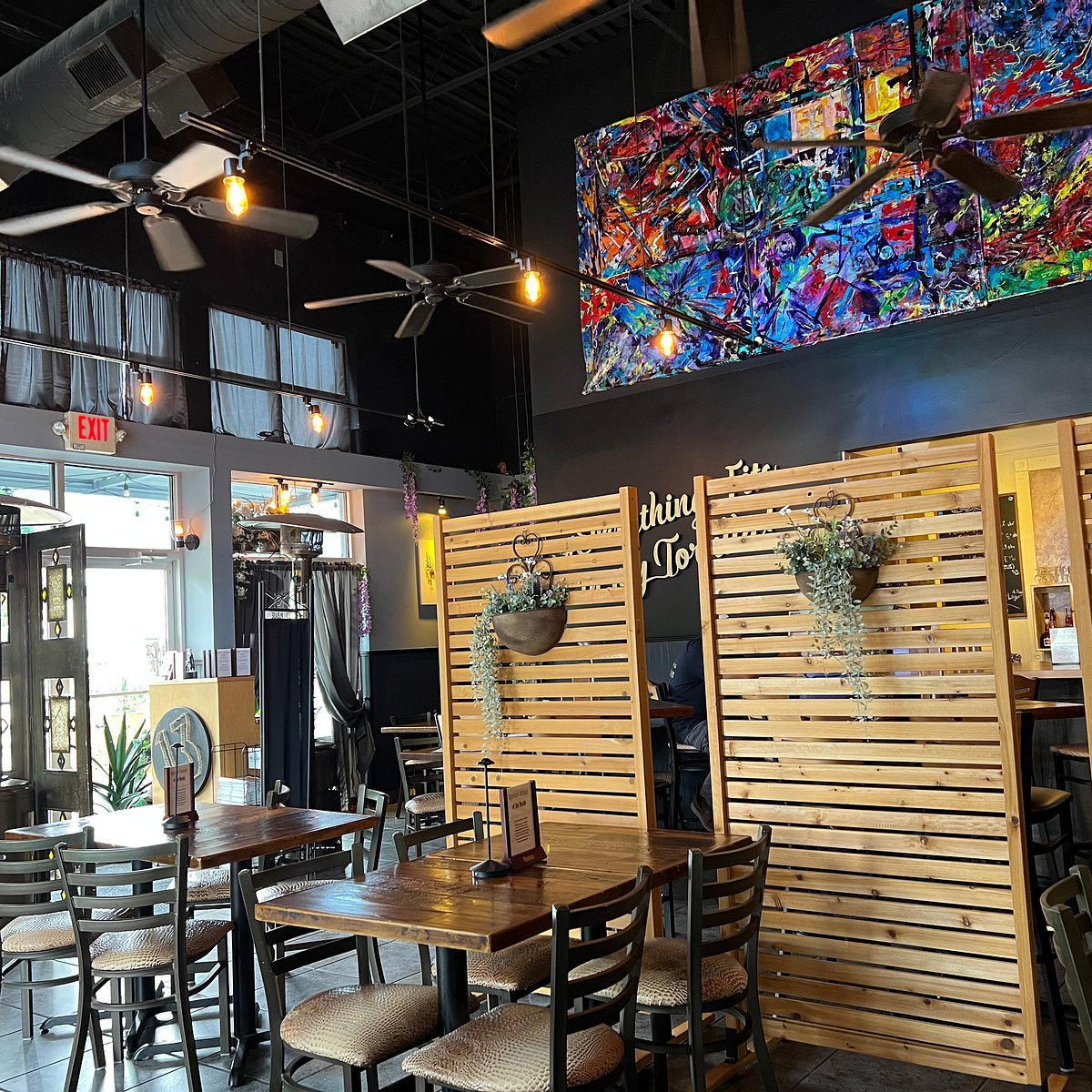
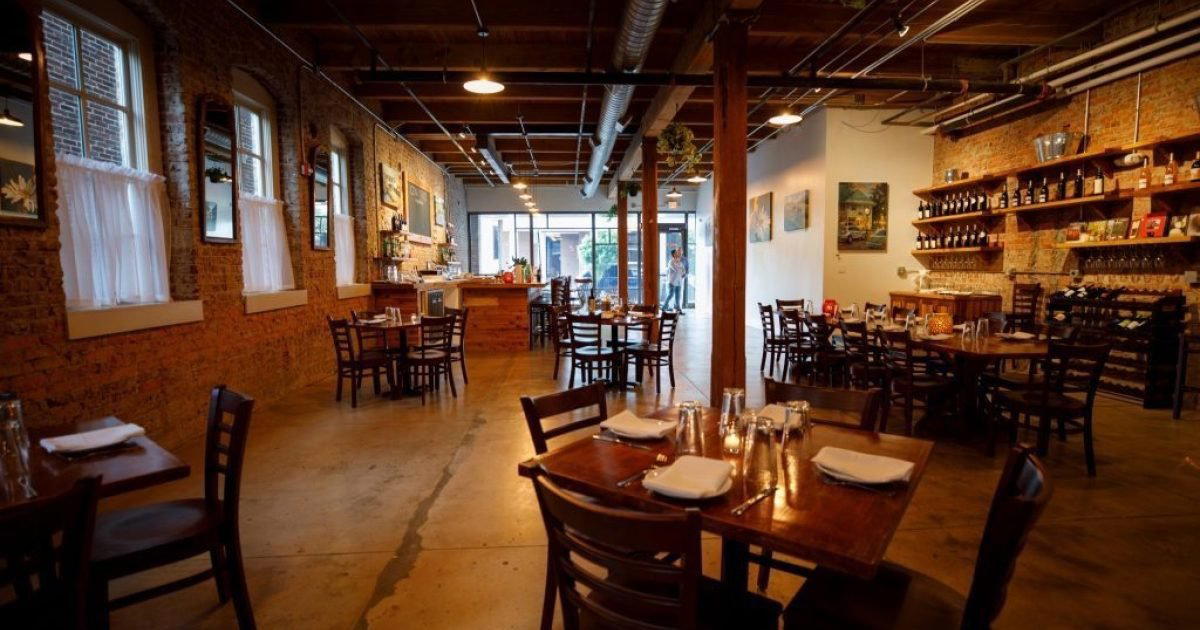
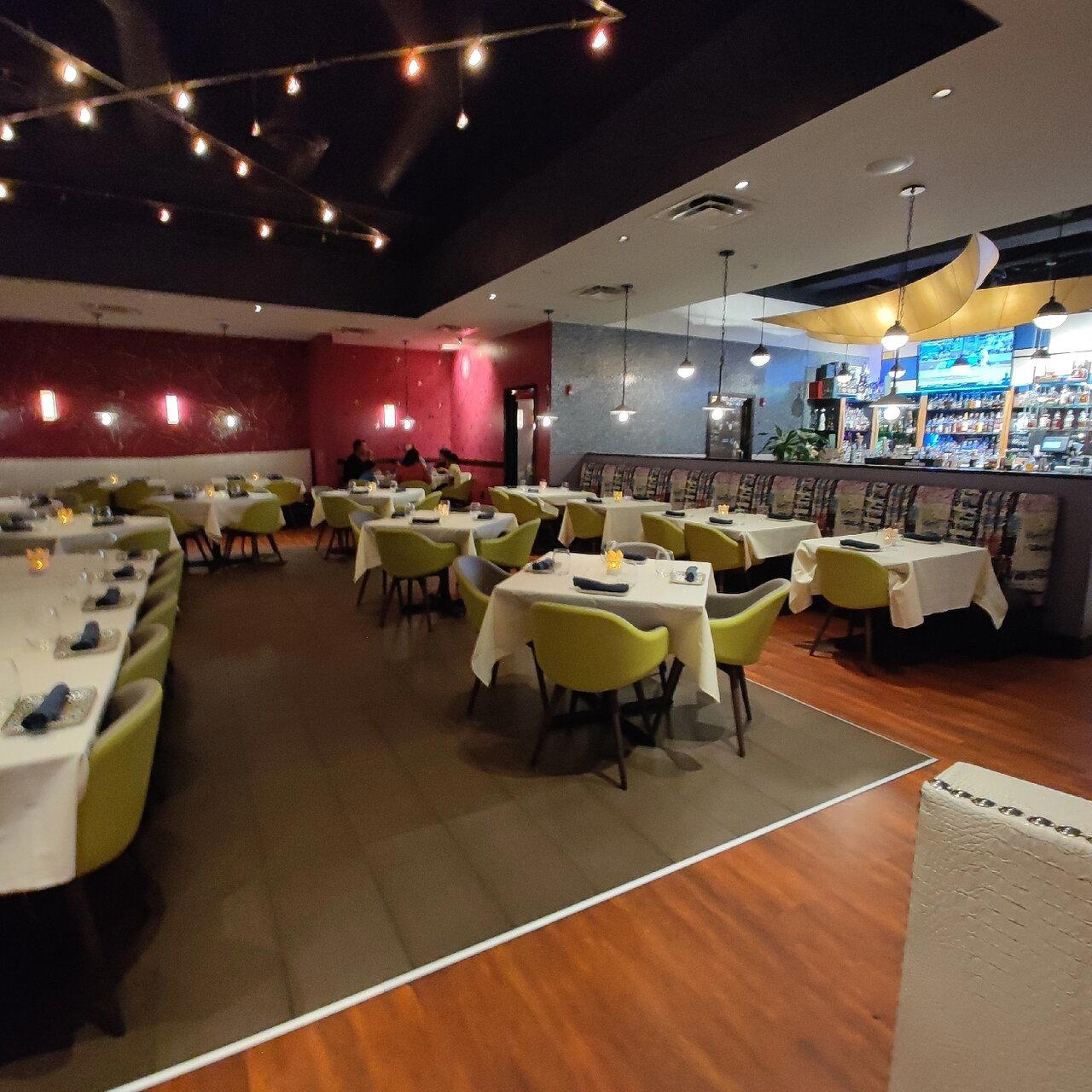
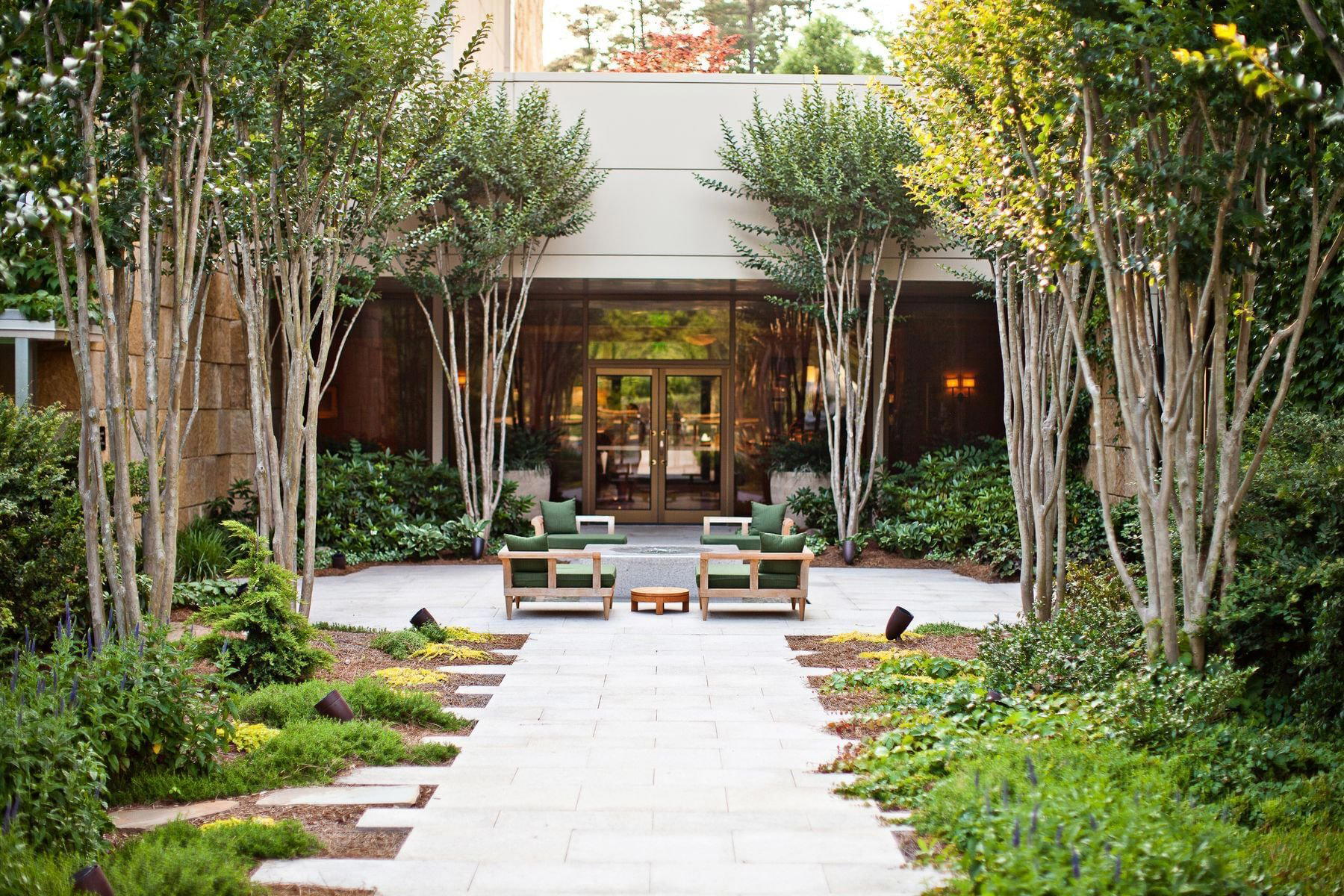
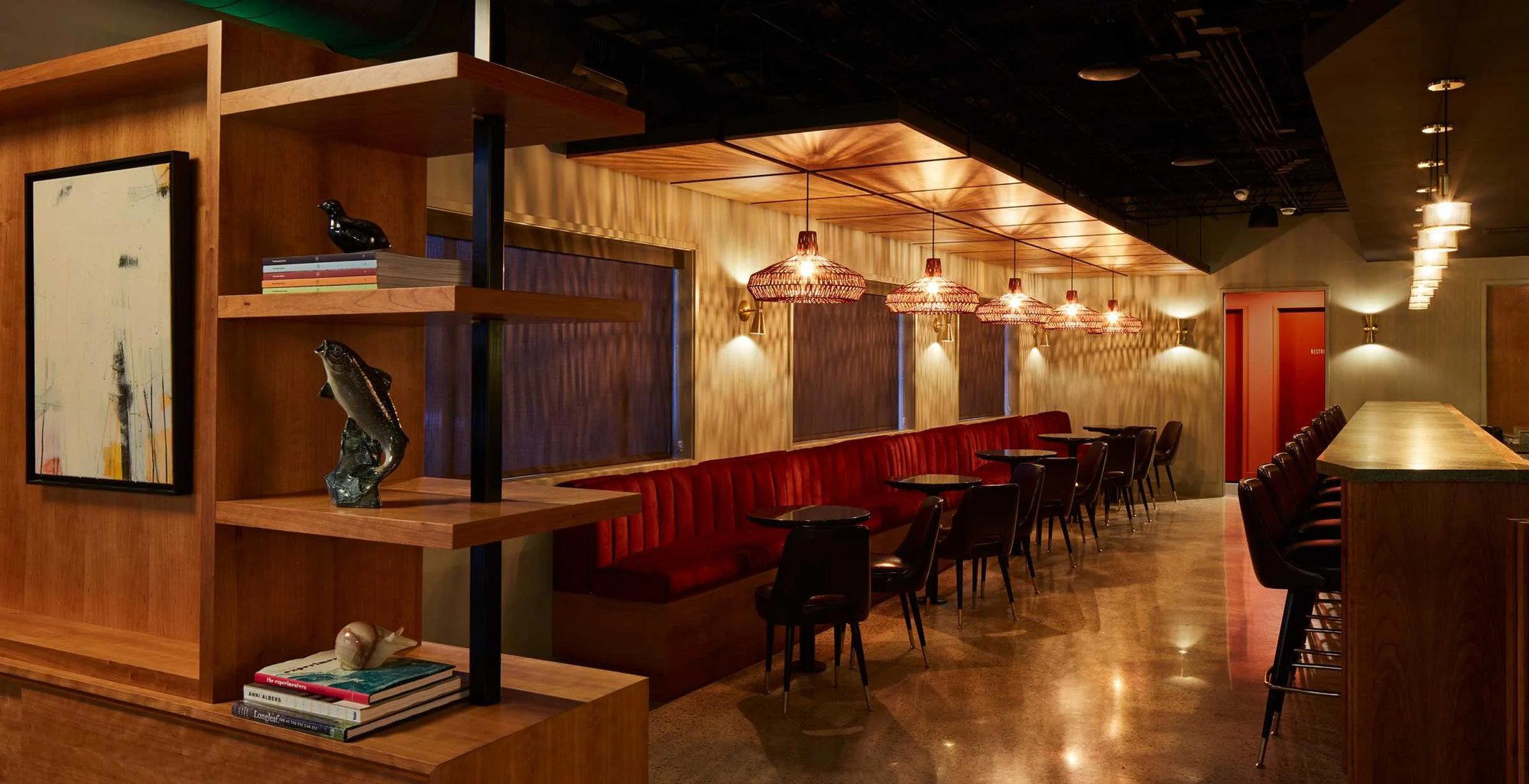
Rustic elegance with giant wood beams, stonework, leather couches, and a lively lounge atmosphere frequented by politicos and executives.