21c Museum Hotel Durham

Michelin Selected
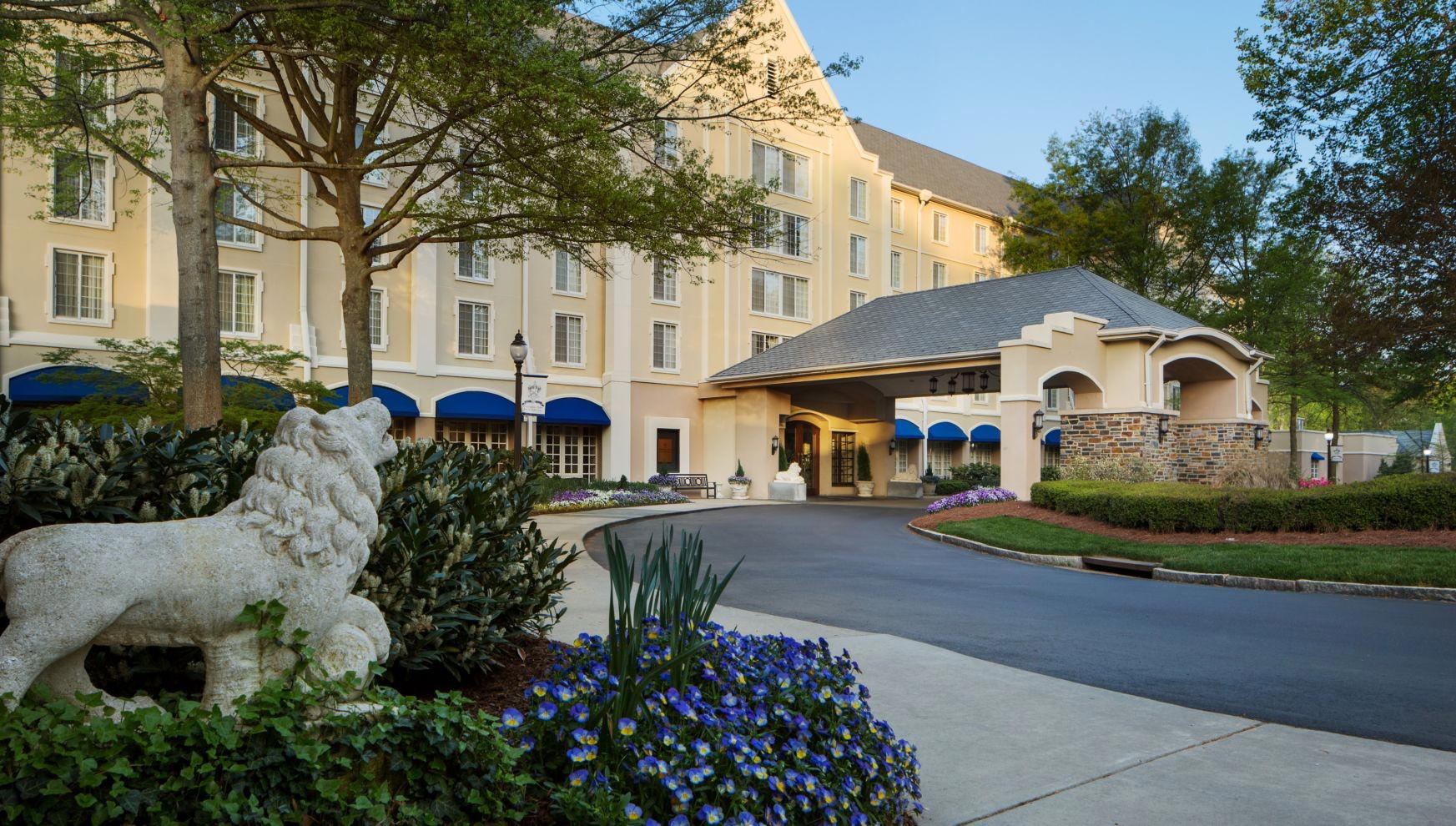
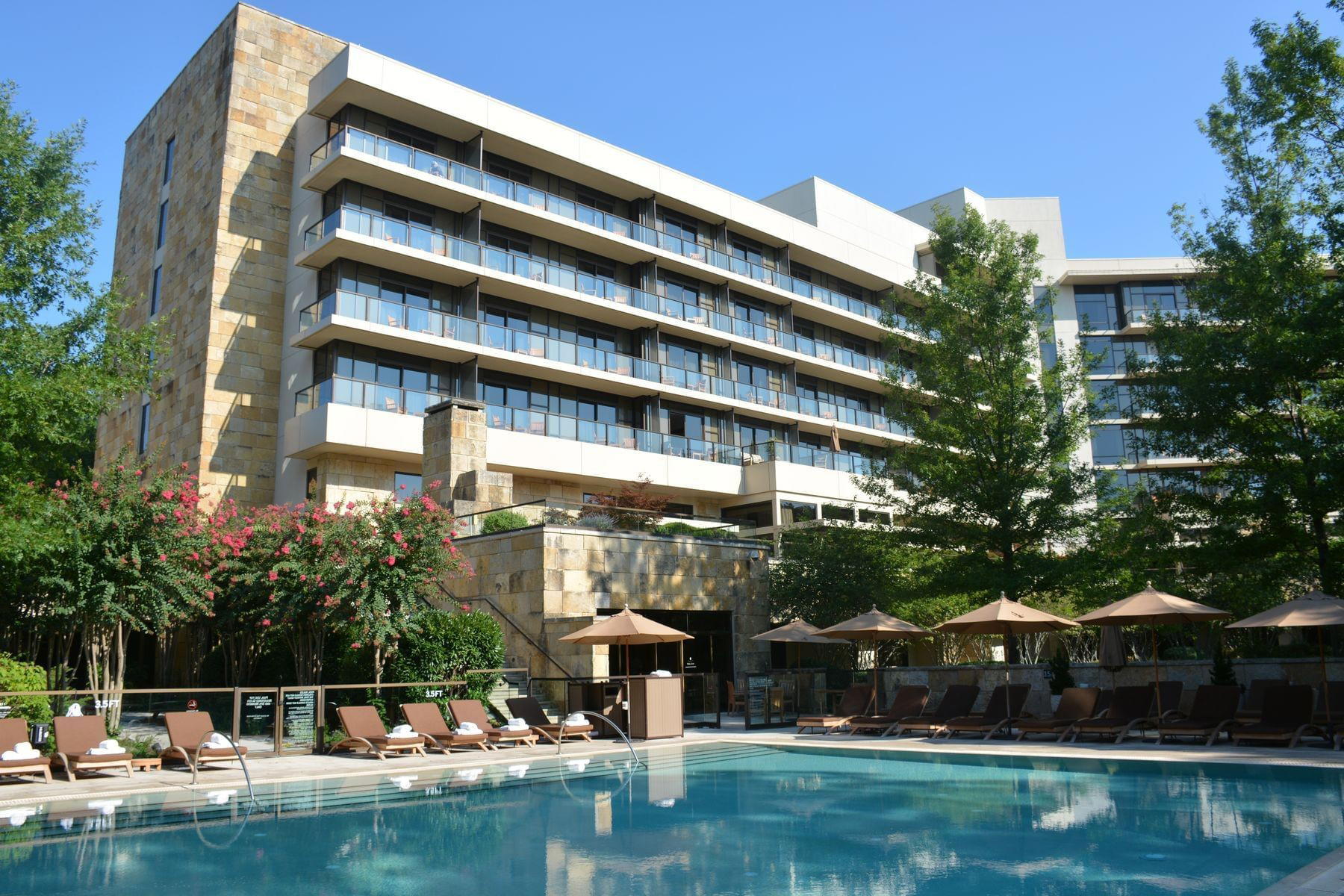
At 111 Corcoran Street in downtown Durham, 21c Museum Hotel occupies a restored early-twentieth-century building where rotating contemporary art installations share floor space with guest rooms and a full-service restaurant. The property sits in a tier of American hotel-museums that treats art as infrastructure rather than decoration, placing it in a distinct competitive set within North Carolina's rapidly shifting hospitality scene.

Pearl is the En Primeur Club membership app — saves, bookings, and concierge access live there. Same editors, same standards.
- Address
- 111 Corcoran St, Durham, NC 27701
- Phone
- (919) 956-6700
- Website
- 21cmuseumhotels.com
- Directions
- Get directions
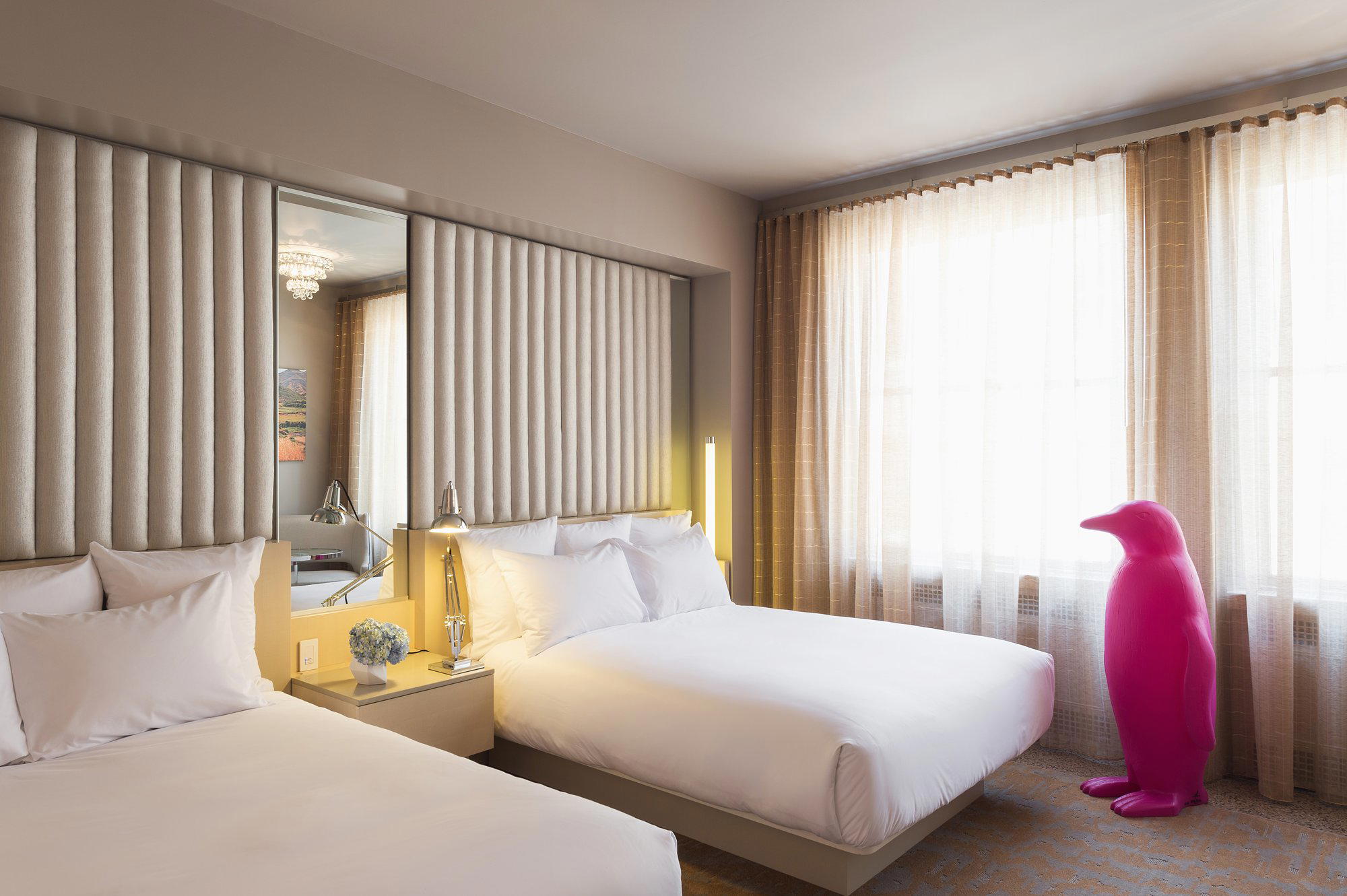
Art as Architecture: How 21c Rewired a Durham Block
The American boutique hotel has split, over the past two decades, into two recognizable camps: the design-forward independent that prioritizes aesthetic coherence, and the art-institution hybrid that treats the building itself as a curatorial argument. 21c Museum Hotel Durham falls decisively into the second category. At 111 Corcoran Street, a restored early-twentieth-century structure in the heart of downtown Durham, the property deploys contemporary art not as lobby ornamentation but as the organizational logic of the entire building. Corridors double as gallery walls. Stairwells hold sculpture. The boundary between guest-facing hospitality space and museum floor plan is, by design, difficult to locate.
Properties like Chicago Athletic Association in Chicago or The Fifth Avenue Hotel in New York City use architectural heritage and design curation to differentiate within crowded urban markets. 21c takes a more programmatic position: the art rotates, it spans multiple media, and it is free to the public during museum hours, which means the hotel's physical space operates simultaneously as civic cultural infrastructure and private hospitality product. That dual function shapes every design decision.
The Building as the Argument
Durham's downtown has undergone a well-documented transformation over the roughly fifteen years since the city's tobacco-warehouse economy gave way to a research-and-technology corridor anchored by Duke University and the Research Triangle. The hospitality sector followed that shift, and 21c's choice of a historic Corcoran Street address reads as a statement about urban positioning rather than convenience. Adaptive reuse of early-industrial or early-commercial buildings is common across American hotel development, from the warehouse districts of New Orleans to the meatpacking corridors of Manhattan, but the 21c model layers an additional institutional ambition on top of standard historic preservation: the building must function as a white-cube gallery at the same time as it functions as a hotel.
Structurally, this requires a different approach to public and private zoning than most boutique hotels attempt. Circulation paths that would normally channel guests efficiently toward rooms or restaurants are instead designed to slow movement, to force encounter with work on walls or floors. The penguin, a recurring motif across 21c's portfolio of properties, appears here in Durham as it does in Louisville, Nashville, and other cities where the brand has taken buildings: less mascot than marker, a signal that you have entered 21c's particular institutional register.
Where Durham's Hotel Scene Places This Property
Durham now supports a range of lodging options that would have been unrecognizable to the city a generation ago. The Durham Hotel occupies a different position in the local market, with a rooftop bar and a design sensibility that leans residential rather than institutional. 21c operates at a different register entirely: it is less interested in reflecting the city's current cool-neighborhood energy than in anchoring a specific block to a national cultural brand with an identifiable program. For visitors arriving from properties like Amangiri in Canyon Point or Hotel Bel-Air in Los Angeles, where the physical environment is constructed around landscape or legacy, 21c offers something categorically different: a built argument about what contemporary American art production looks like right now, housed in a structure with its own historical density.
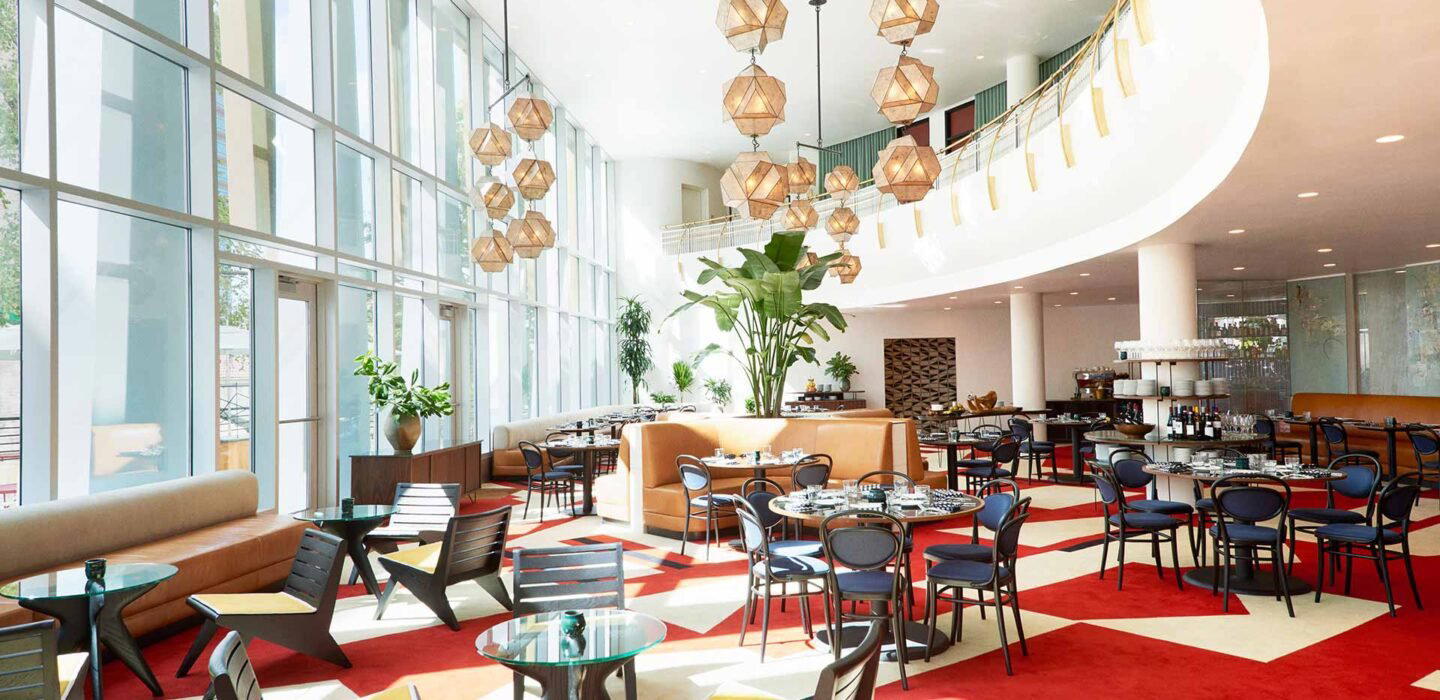
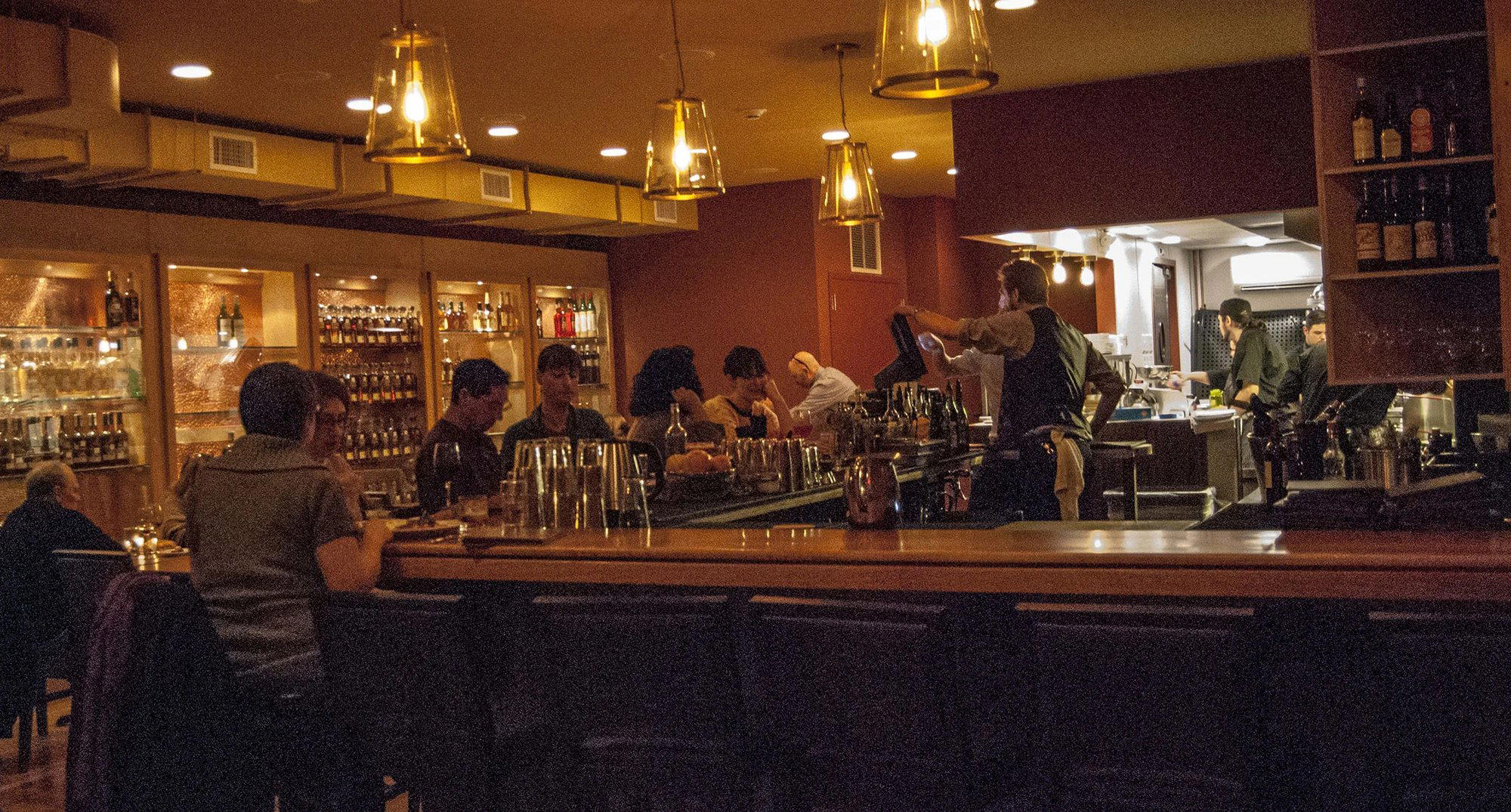
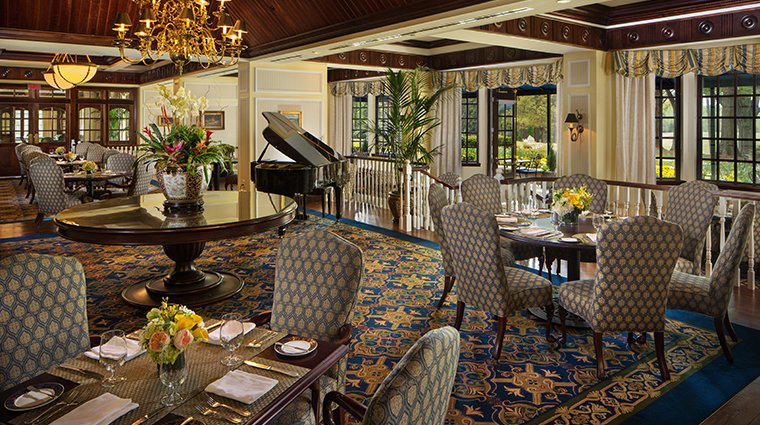
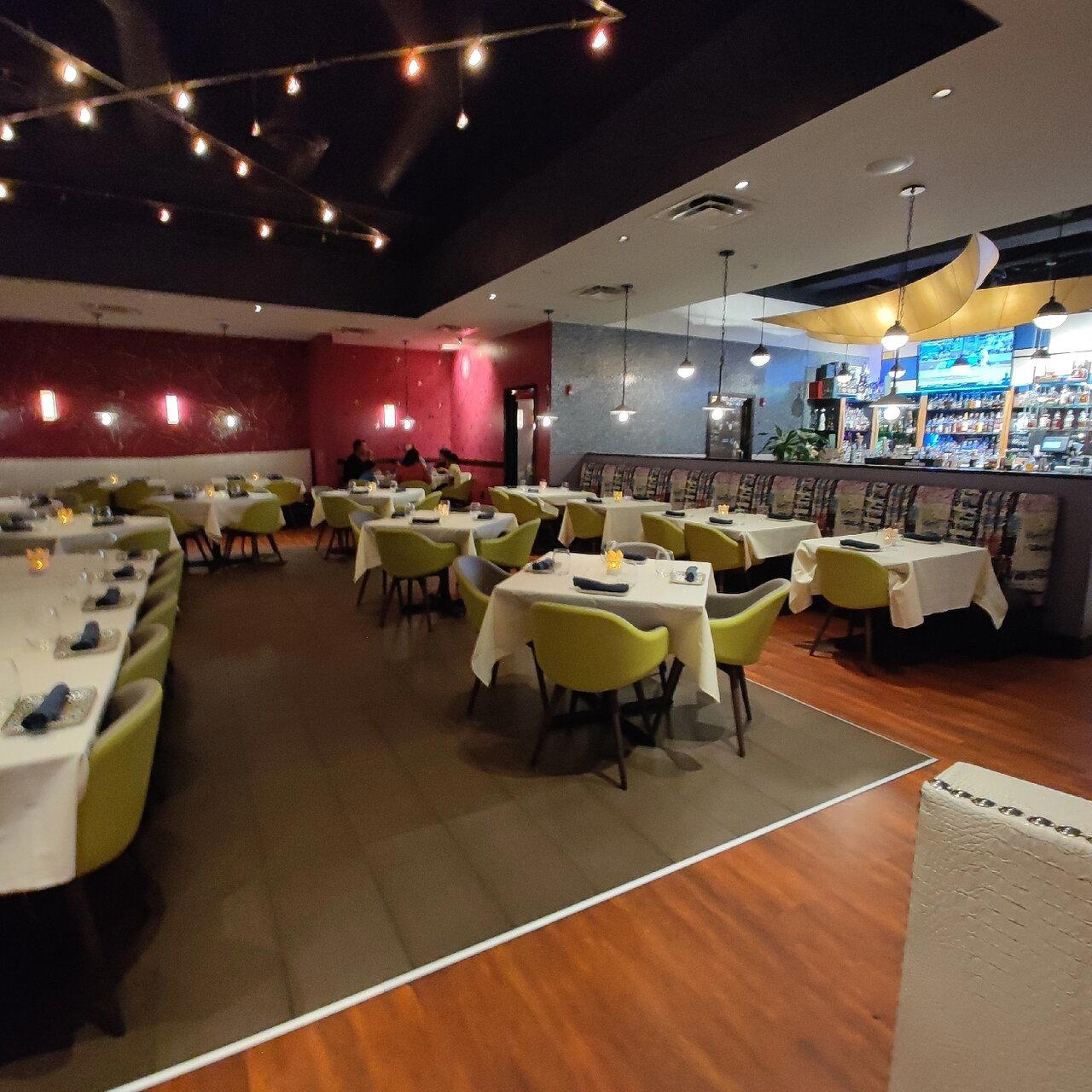
The restaurant attached to the property follows a pattern consistent across 21c's portfolio, where food-and-beverage programming is taken seriously as a design element rather than treated as ancillary revenue. Durham's dining scene has developed considerable depth, as our full Durham restaurants guide covers in detail, and a hotel restaurant in this market needs to hold its own against a competitive independent sector. The broader 21c model positions its dining spaces as extensions of the curatorial program, meaning the physical environment of the restaurant is as considered as its menu architecture.
The Broader 21c Model in Context
21c Museum Hotels as a collection occupies a niche that very few American hospitality groups have attempted to hold consistently. The concept, which originated in Louisville, Kentucky, extends a single operating thesis across multiple markets without diluting it into generic lifestyle-hotel territory. That discipline is harder to maintain than it appears. Properties like Troutbeck in Amenia or Blackberry Farm in Walland hold a defined identity through a combination of landscape, culinary program, and guest-community curation. 21c holds its identity through art programming and architectural intervention, which requires a curatorial infrastructure most hotel groups do not maintain.
For comparison, properties like Raffles Boston or Aman New York differentiate through brand lineage, service architecture, and physical scale. Auberge du Soleil in Napa or SingleThread Farm Inn in Healdsburg are inseparable from their agricultural and viticultural contexts. 21c Durham's differentiating logic is neither legacy nor landscape: it is curatorial commitment applied to built space, and that positions it as the anchor of a specific, nationally coherent collection rather than a standalone urban boutique.
Visitors who have stayed at comparable art-forward properties internationally, such as Aman Venice with its palazzo-scale historic context, will recognize the ambition even if the scale and idiom differ significantly. American art-hotel programming tends toward the didactic and the rotating rather than the fixed and the monumental, and 21c's model exemplifies that preference.
Planning a Stay
21c Museum Hotel Durham sits at 111 Corcoran Street, placing it within walking distance of Durham's central dining and cultural corridor. The museum galleries are accessible to the public without a hotel stay, which affects the rhythm of the lobby and public spaces at certain hours: this is not a property where the building quiets entirely to serve its overnight guests. For those arriving from out of state, Durham is served by Raleigh-Durham International Airport, approximately twenty minutes by car from downtown. Guests accustomed to the remote seclusion of properties like Post Ranch Inn in Big Sur or Little Palm Island Resort in Little Torch Key will find 21c Durham operates on an entirely different model: urban, publicly permeable, and oriented toward the city it occupies rather than insulated from it.
A Quick Peer Check
| Venue | Price | Awards |
|---|---|---|
| 21c Museum Hotel DurhamThis venue — the venue you are viewing | $100–200 | Michelin Selected |
| Aman New York | Not listed | 3 Michelin Keys · World's 50 Best #87 |
| Amangiri | $1,000–1,500 | 3 Michelin Keys · World's 50 Best #45 |
| Hotel Bel-Air | $750–1,000 | 3 Michelin Keys · World's 50 Best #57 |
| The Beverly Hills Hotel | Not listed | 3 Michelin Keys · World's 50 Best #65 |
| The Carlyle, A Rosewood Hotel | $1,500–2,500 | 2 Michelin Keys · World's 50 Best #64 |
Recognition history
Dated appearances from independent guides and award organizations, with the underlying list record or original source where available.
Michelin Selected
Michelin
Details
- Modern
- Elegant
- Sophisticated
- Trendy
- Romantic Getaway
- Business Trip
- Weekend Escape
- Historic Building
- Design Destination
- Wi Fi
- Concierge
- Room Service
- Business Center
- Valet Parking
- Street Scene
- Elevator
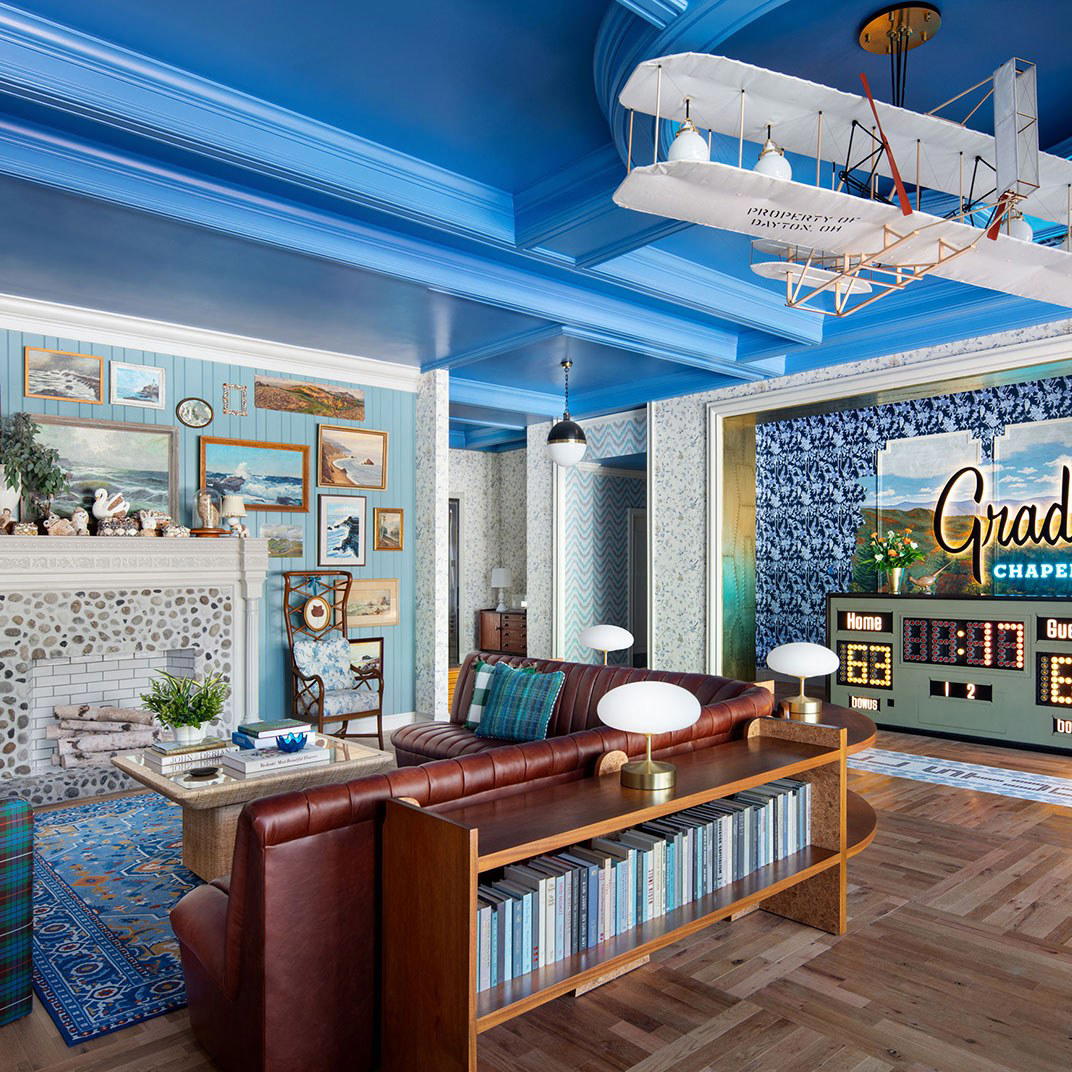
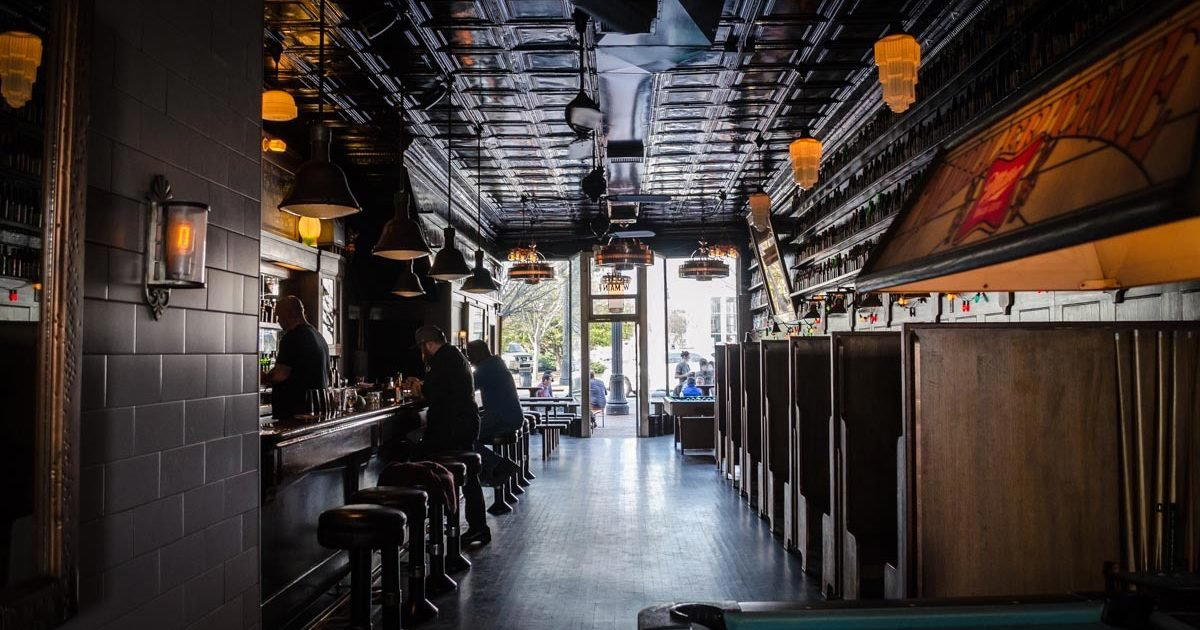
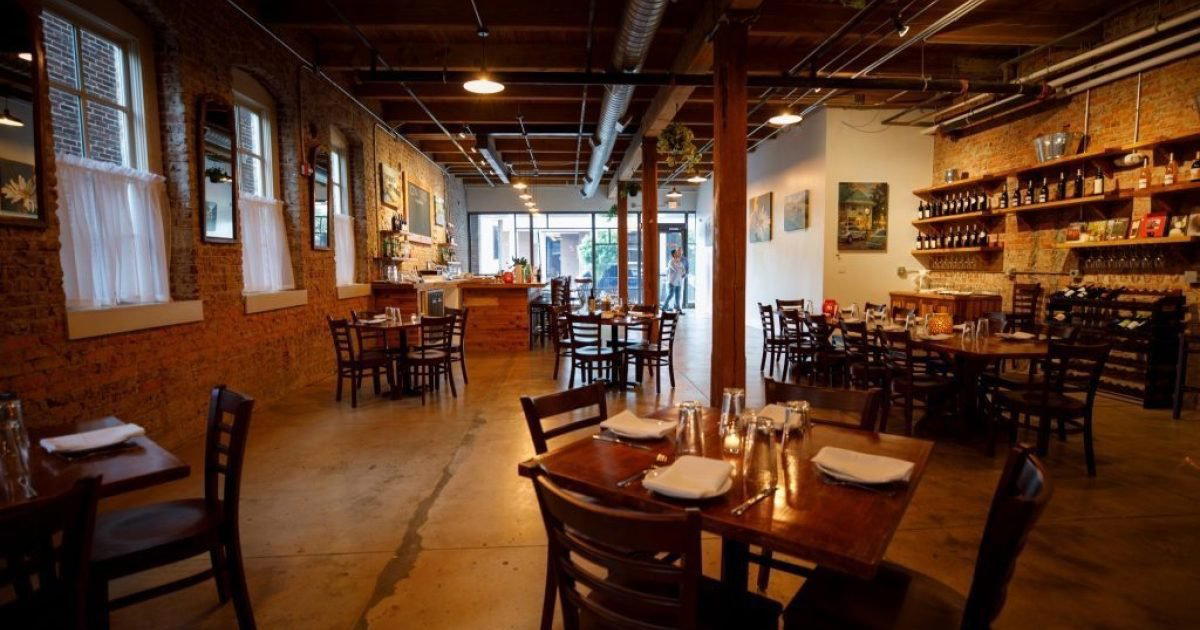
Glamorous blend of preserved historic Art Deco details like marble walls and terrazzo floors with sleek contemporary design and immersive contemporary art installations.