Graduate by Hilton Chapel Hill

Michelin Selected
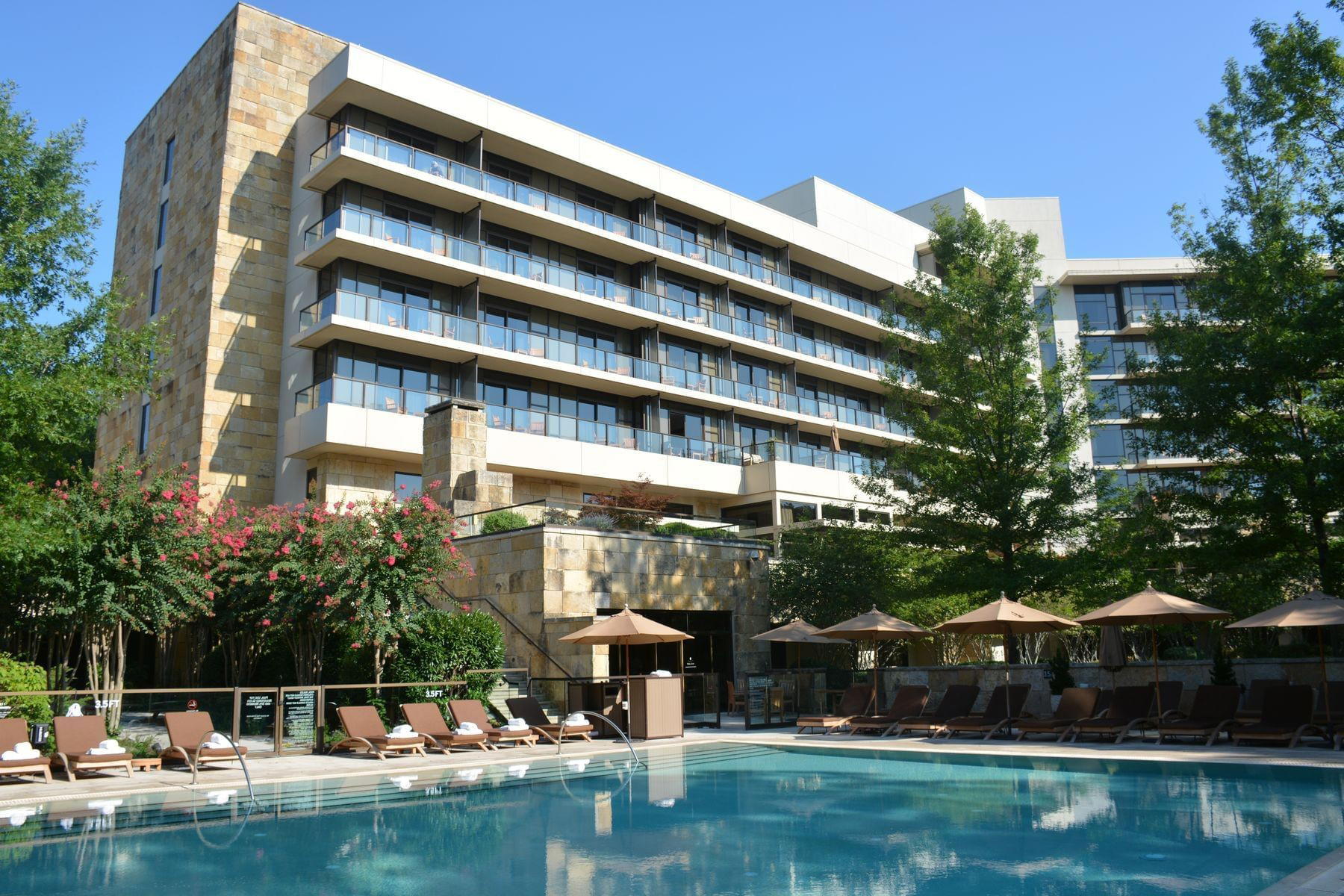
A Michelin Selected hotel on Chapel Hill's central Franklin Street, Graduate by Hilton Chapel Hill translates the university town's academic identity into a considered design-led stay. The property sits at the axis of campus culture and downtown dining, making it a practical and characterful base for anyone arriving in one of North Carolina's most food-serious small cities.

Pearl is the En Primeur Club membership app — saves, bookings, and concierge access live there. Same editors, same standards.
- Address
- 311 W Franklin St, Chapel Hill, NC 27516
- Phone
- (919) 442-9000
- Website
- hilton.com
- Directions
- Get directions
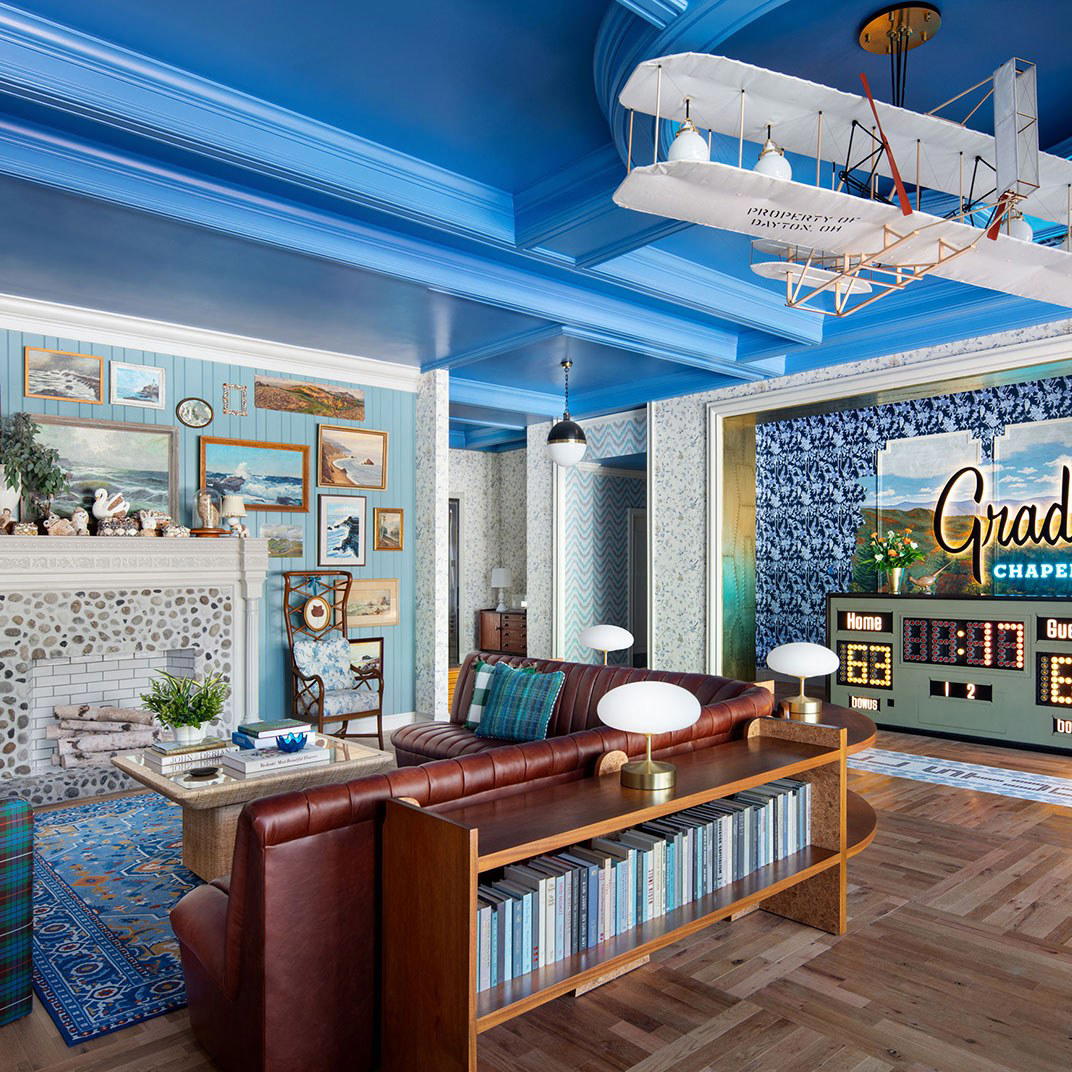
Franklin Street and the Architecture of Belonging
West Franklin Street has functioned as Chapel Hill's civic spine for well over a century, a corridor where the University of North Carolina's gravitational pull shapes every business, bar, and building. Hotels on this stretch don't just occupy space; they negotiate between two audiences: the university community and the visitors drawn by ACC athletics, research conferences, and a food scene that has quietly accumulated serious regional credibility. Graduate by Hilton Chapel Hill sits at 311 W Franklin St, directly inside that negotiation, and the way the property handles it is primarily a design question.
The Graduate Hotels brand, now part of the Hilton portfolio, has built its identity around a specific architectural and interior thesis: that a hotel in a university town should look like it belongs to that town's intellectual and cultural history, not to a generic hospitality template. The Chapel Hill property applies that thesis to one of the American South's most storied academic environments, translating UNC Tar Heel iconography, mid-century library aesthetics, and the particular visual vocabulary of a research university into a guest experience that reads as local rather than imported. The result is a property that earns its Michelin Selected designation for 2025 partly through consistency of concept rather than scale of luxury.
What Michelin Selection Signals in This Context
Michelin's hotel selection program operates differently from its restaurant star system. Selection at this level reflects a quality threshold in hospitality, comfort, and overall experience rather than a prestige hierarchy, and it draws from a wide price range. In a market like Chapel Hill, where the accommodation offering runs from budget motels serving game-day crowds to boutique inns serving faculty visitors, a Michelin Selected flag carries meaningful positioning signal. It places Graduate by Hilton Chapel Hill in the same editorial conversation as properties like Troutbeck in Amenia or Washington School House Hotel in Park City, both of which earn selection through design coherence and a strong sense of place rather than through amenity maximalism.
That framing matters for prospective guests calibrating expectations. This is not the category occupied by Amangiri in Canyon Point or Four Seasons at The Surf Club in Surfside. The Graduate brand addresses a mid-market segment and does so with a design-forward approach that the Michelin editors evidently found credible enough to include. For a college town property, that is a more competitive achievement than it first appears.
Design as Editorial Statement
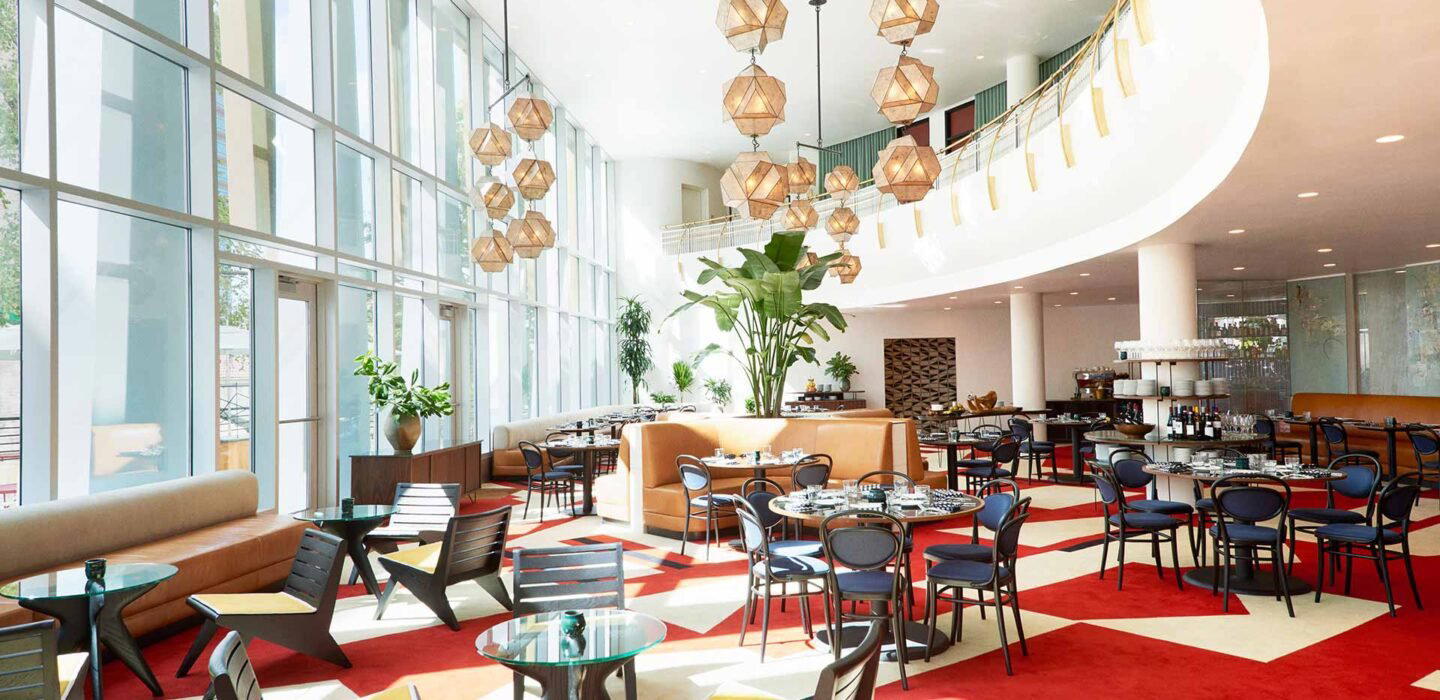
Graduate Hotels' properties are essentially arguments about how design can do cultural work. In Chapel Hill, the argument involves the specific textures of a flagship state university: the Pantone-precise Carolina Blue, the iconography of academic achievement, the layered nostalgia of alumni culture. Common areas in properties of this type typically function as curated environments that prompt recognition rather than just rest, with bookshelves styled around the host institution, photography drawn from the university archive, and furniture that quotes the mid-century institutional aesthetic without reproducing it literally.
This approach places Graduate by Hilton Chapel Hill in a different competitive set from the historic mansion conversions that define character-driven lodging elsewhere in the South, such as The Hornibrook Mansion Empress of Little Rock, or the nature-anchored retreats like Sage Lodge in Pray. Where those properties derive identity from physical history or landscape, Graduate properties derive it from institutional memory and brand translation. Whether that registers as authentic depends partly on how much you value deliberate design curation versus organic accumulation, a debate the hospitality industry has been having since boutique hotels displaced chain anonymity as the default aspirational format.
Chapel Hill as Context
Chapel Hill's hotel market has historically underperformed its culinary and cultural reputation. The city sits within the Research Triangle alongside Durham and Raleigh, and while Durham in particular has attracted significant hospitality investment over the past decade, Chapel Hill's accommodation offer has moved more slowly.
The Franklin Street location also functions as a practical anchor. The University of North Carolina campus is walkable from the front door, the cluster of restaurants that have built Chapel Hill's food reputation is concentrated nearby, and the town's independent retail strip runs along the same corridor. For visitors arriving for academic or cultural reasons rather than pure leisure, this is where you want to be based. For context on the broader dining offer worth pairing with a stay here, see our full Chapel Hill restaurants guide.
Positioning Within the Graduate Portfolio and Hilton Tier
Graduate Hotels operates across multiple university markets, and the Chapel Hill property competes within a network that includes stops at schools with arguably higher brand recognition. Being part of the Hilton system brings distribution infrastructure and loyalty currency without, in theory, homogenizing the design identity that makes the brand work. Whether the Hilton integration has diluted or sustained that identity is a question the market will answer over time, but Michelin's continued selection in 2025 suggests the editorial quality has held.
For travelers whose usual reference points are properties like Raffles Boston, The Fifth Avenue Hotel in New York City, or Chicago Athletic Association in Chicago, Graduate by Hilton Chapel Hill operates at a different price tier and with a different design logic. Those properties trade in historic grandeur or landmark architecture. Graduate trades in campus-specific cultural fluency, a narrower but coherent proposition that works precisely in markets like Chapel Hill where the university is the story.
Planning a Stay
The property is located at 311 W Franklin St, placing it within easy reach of both the UNC campus and Chapel Hill's concentrated dining district. Booking through the Hilton platform accesses standard loyalty benefits, while third-party hotel channels typically carry current rate comparisons. Demand spikes sharply around home football weekends and UNC graduation ceremonies, so those windows require advance planning; mid-week academic-term stays tend to offer more availability and, generally, calmer street-level atmosphere. For comparable design-led properties in other markets worth considering as peer references, Bowie House in Fort Worth and The Stavrand in Guerneville occupy adjacent territory in the design-conscious mid-luxury tier.
At-a-Glance Comparison
Comparable venues nearby, for context on price, style, and recognition.
| Venue | Cuisine | Price | Awards | Notes |
|---|---|---|---|---|
| Graduate by Hilton Chapel HillThis venue — the venue you are viewing | University-inspired boutique hotel | Not listed | Michelin Selected | Not listed |
| O. Henry Hotel | Arts and Crafts boutique hotel with classic North Carolina red brick, honeyed pine, and cast granite reflecting early 20th-century elegance combined with modern amenities. | Not listed | Not listed | business district |
| 21c Museum Hotel Durham | Historic Art Deco landmark reimagined as contemporary art museum-hotel hybrid | $100–200 | Michelin Selected | Downtown Durham |
| Guest House Raleigh | Historic Folk Victorian house restored as intimate boutique inn | Not listed | Michelin Selected | Downtown Raleigh |
| Kimpton Tryon Park Hotel | Sophisticated Southern style blending cosmopolitan vibe with lush greenery. | $100–200 | Michelin Selected | Uptown 3rd Ward |
| The Flat Iron Hotel | Restored historic office building with Appalachian Deco aesthetic | $300–500 | Michelin Guide New Hotels New Hotel · Michelin Selected | downtown Asheville |
Recognition history
Dated appearances from independent guides and award organizations, with the underlying list record or original source where available.
Michelin Selected
Michelin
Continue exploring
More in Chapel Hill
Hotels in Chapel Hill
Browse all →
Bars in Chapel Hill
Browse all →
Details
- Modern
- Trendy
- Cozy
- Weekend Escape
- Business Trip
- Historic Building
- Wi Fi
- Fitness Center
- Room Service
- Concierge
- Restaurant
- Street Scene
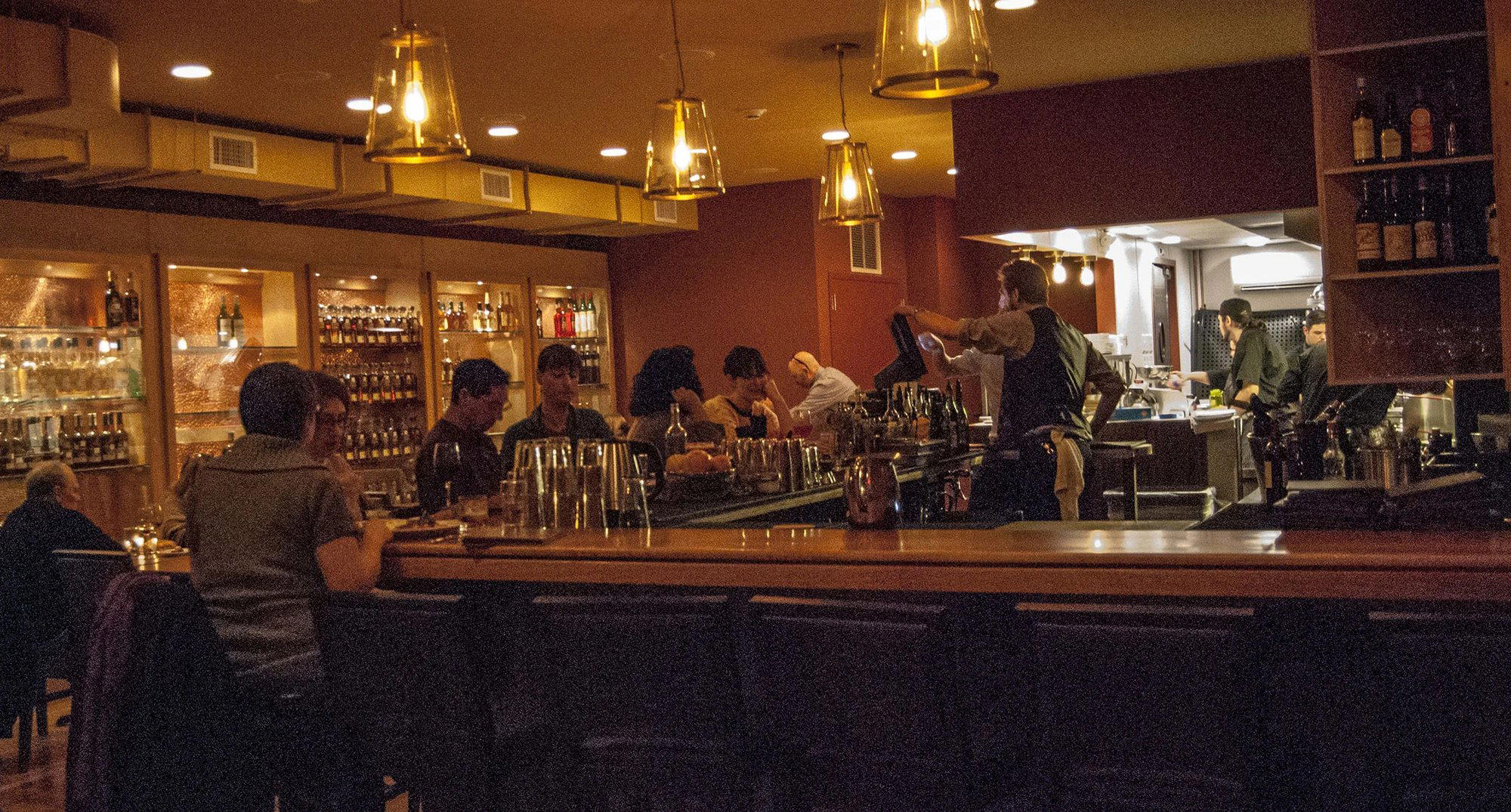
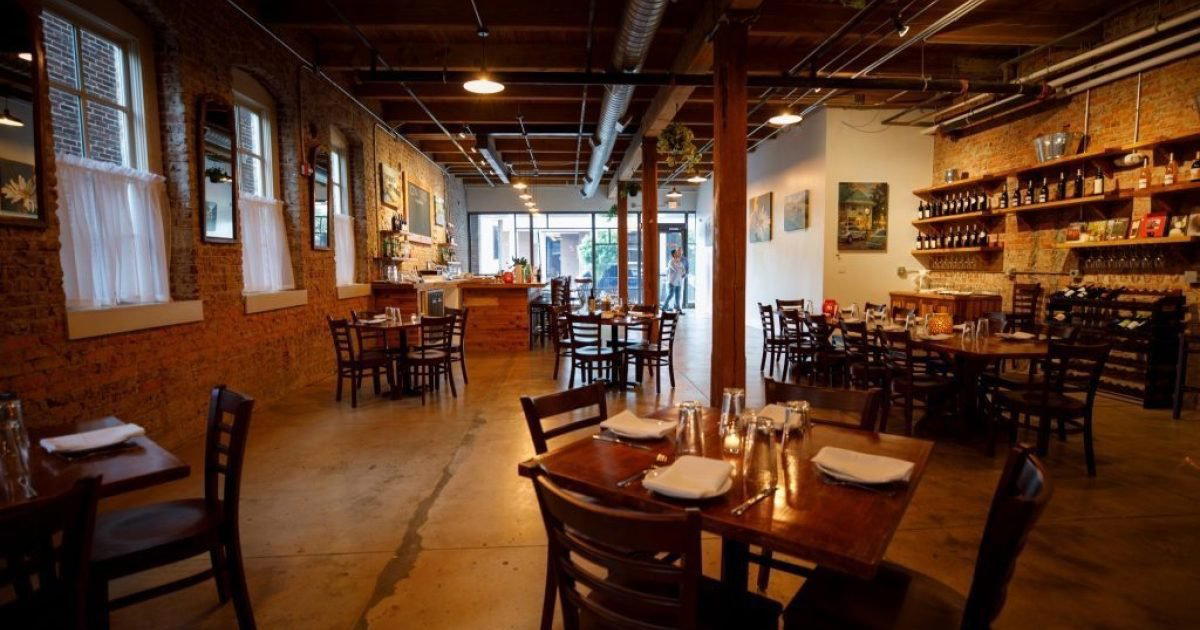
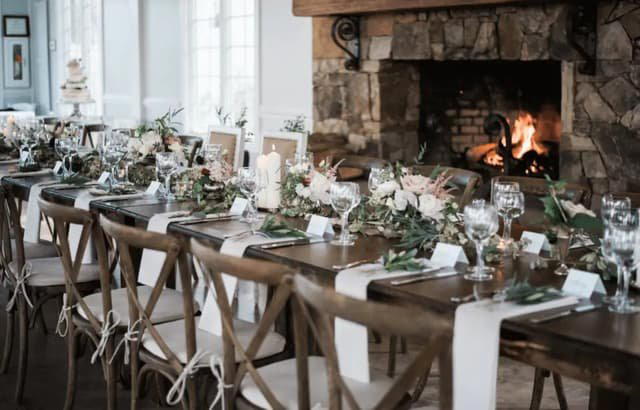
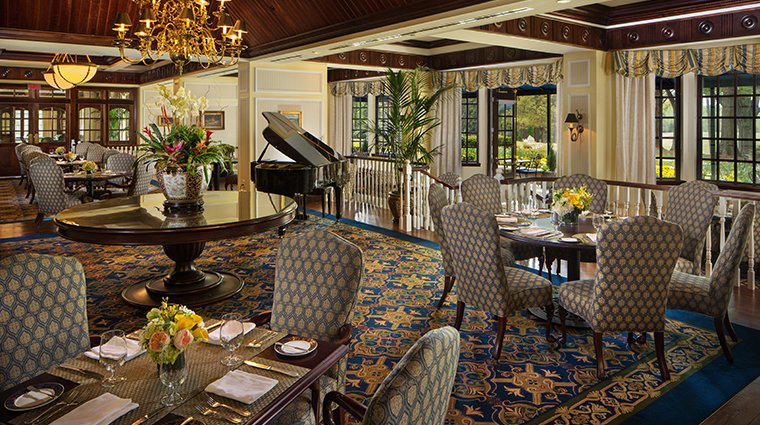
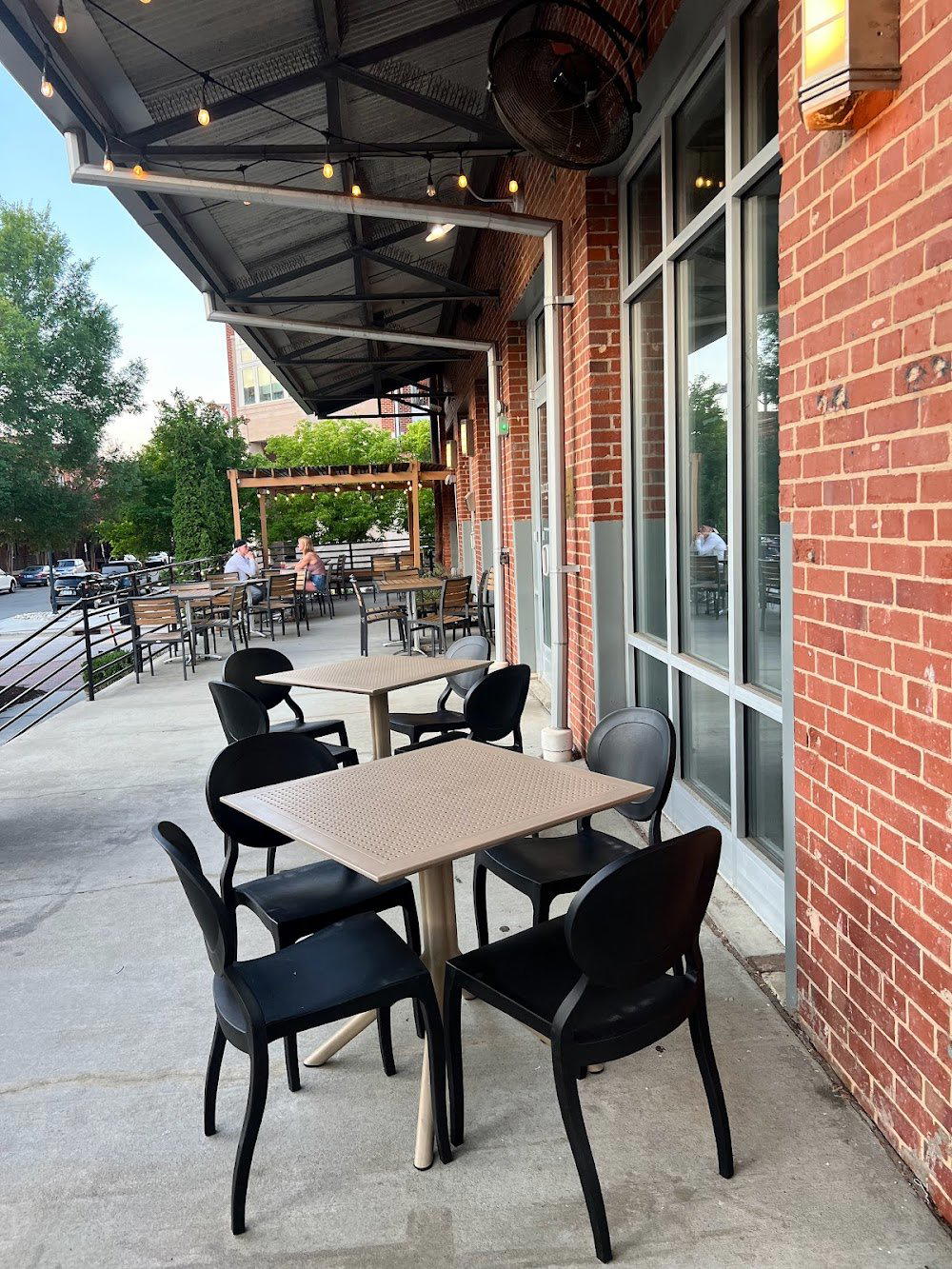
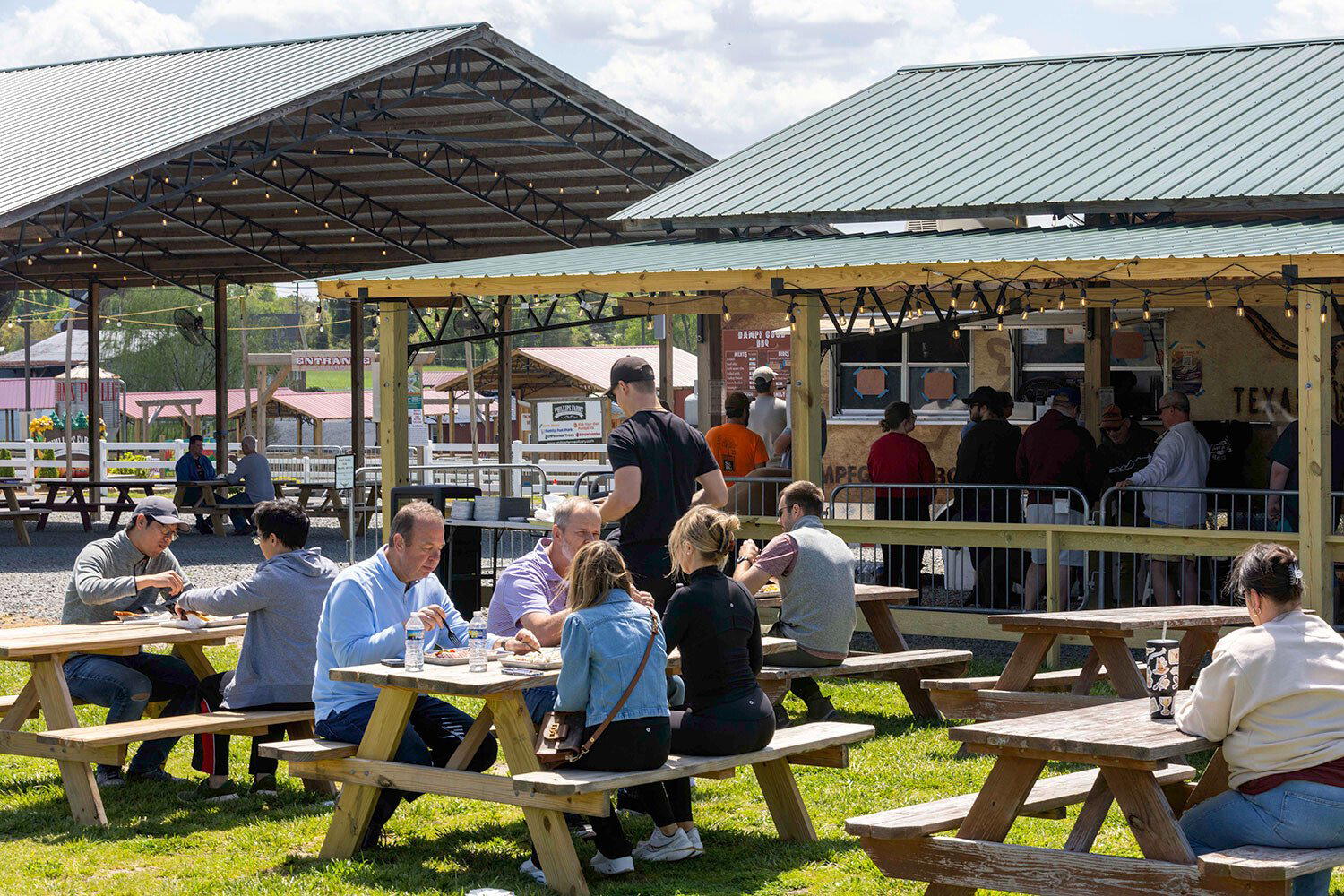
Creative and nostalgic college atmosphere with cozy lobby fireplace, lively indoor-outdoor Trophy Room bar, and modern boutique design.