The Durham Hotel

Michelin Selected
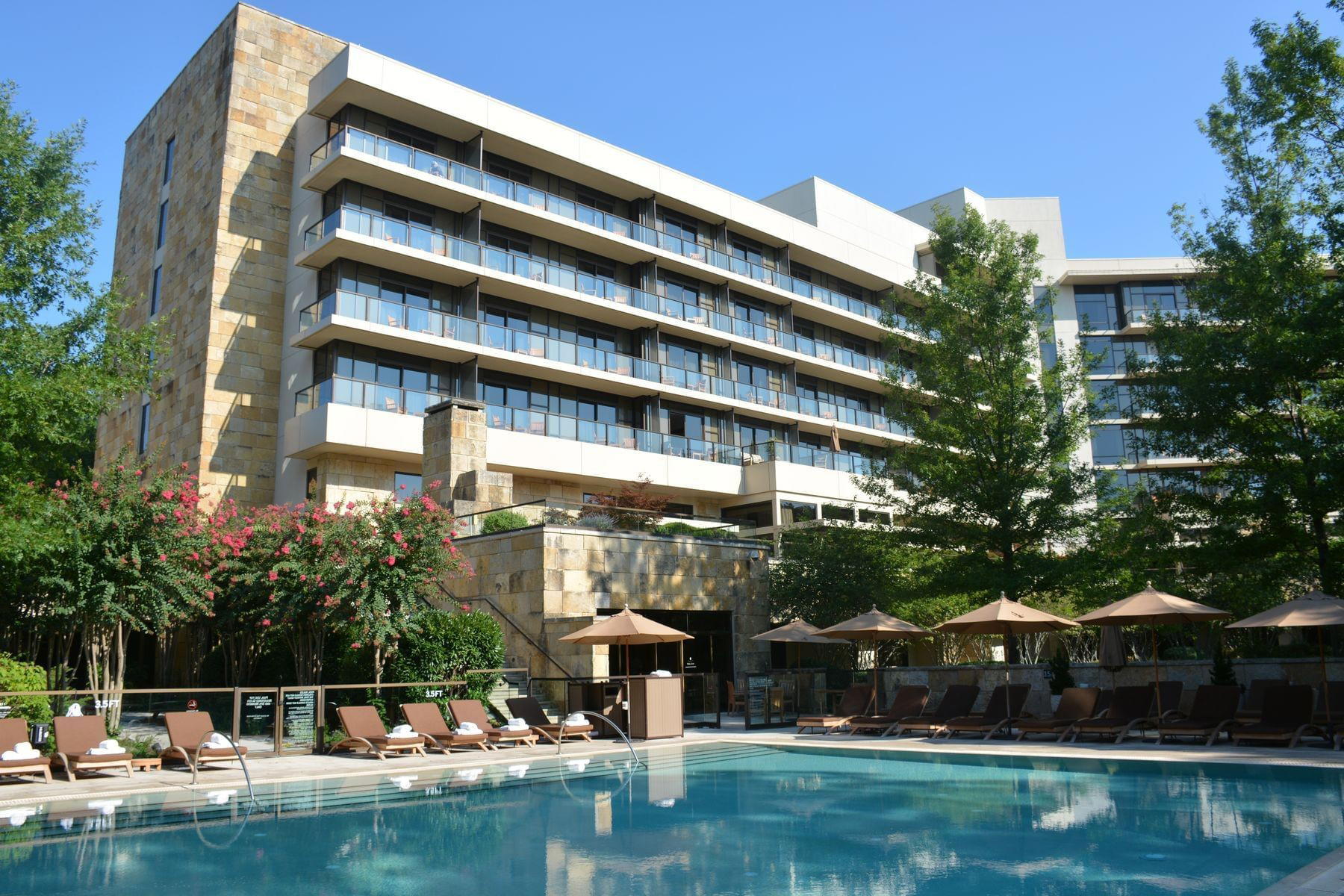
The Durham Hotel occupies a converted 1960s office tower at 315 E Chapel Hill Street, placing it at the centre of downtown Durham's resurgent hospitality scene. The property's food and beverage programme has drawn consistent attention as a driver of the hotel's identity, positioning it alongside a small cohort of design-conscious independents that treat their dining rooms as seriously as their guest rooms.

Pearl is the En Primeur Club membership app — saves, bookings, and concierge access live there. Same editors, same standards.
- Address
- 315 E Chapel Hill St, Durham, NC 27701
- Phone
- (919) 768-8830
- Website
- thedurham.com
- Directions
- Get directions
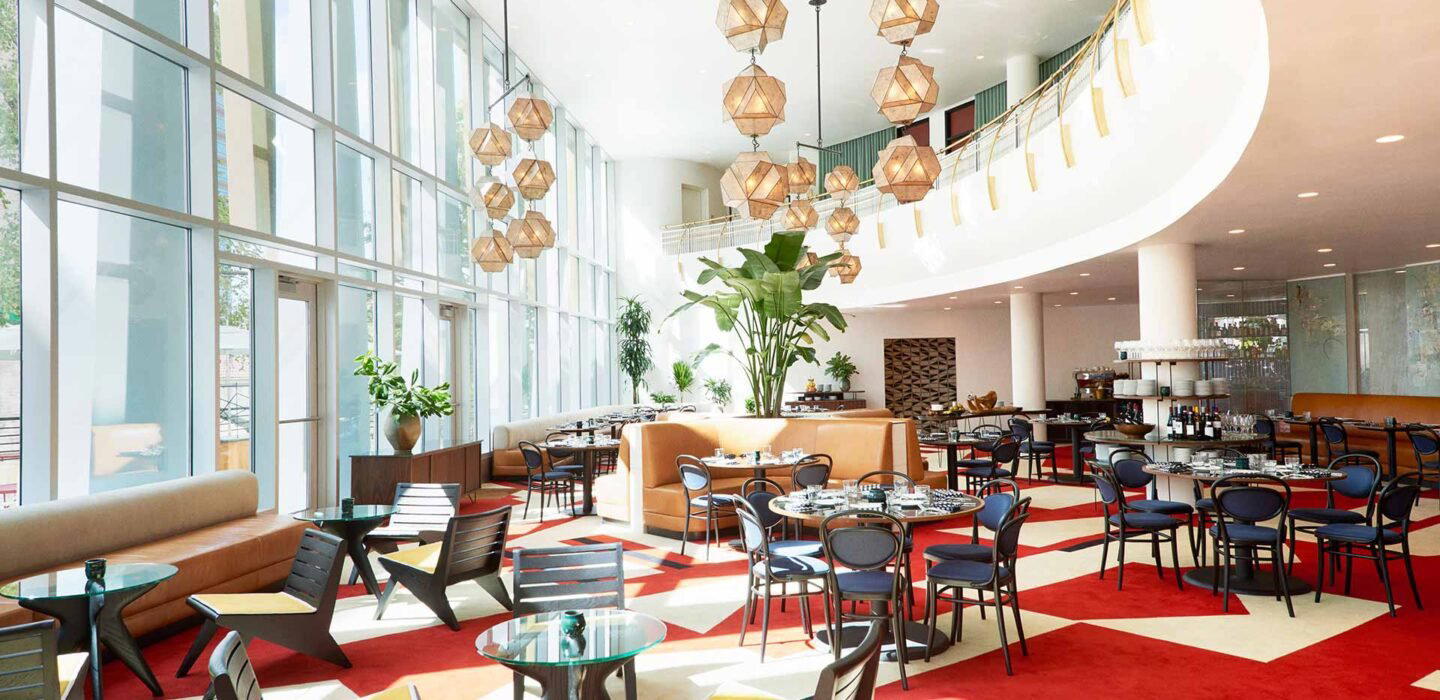
Downtown Durham and the Rise of the Independent Hotel
Durham's hospitality market has undergone a meaningful shift over the past decade. The city that once looked to Chapel Hill or Raleigh for its dining and cultural programming now generates its own gravitational pull, and a cluster of independently minded hotels has been central to that change. The Durham Hotel, at 315 E Chapel Hill Street, sits at the geographic and conceptual centre of this shift: a mid-century office tower repurposed into a hotel that reads, from street level, more like a carefully considered editorial project than a conventional lodging operation. In a market where conversion projects have become the dominant vehicle for premium independent hospitality, the building's bones matter as much as what is put inside them.
For context on how this cohort of design-led independents operates across American cities, properties like the Chicago Athletic Association in Chicago and the 21c Museum Hotel Durham occupy similar territory: adaptive reuse structures where the architectural narrative does significant work before any guest checks in.
The Food and Beverage Programme as Identity
In the American independent hotel sector, the dining programme increasingly determines whether a property reads as a destination or as accommodation. For a hotel with no chain affiliation and no international brand to lean on, the restaurant and bar floors carry outsized responsibility. The Durham's approach to this challenge has been to anchor its food and beverage offer within the city's existing culinary momentum rather than importing a concept from outside.
Durham's restaurant scene, now nationally recognised, developed in part through the Research Triangle's concentration of university-affiliated professionals and a food culture that tilted toward ingredient-driven, producer-connected cooking well before that framework became standard across mid-sized American cities. Hotels that opened into this environment faced a choice: compete with the established independent restaurants on their own terms, or position the in-house dining as a different kind of proposition. The Durham took the second route, making its rooftop bar one of the property's most discussed features and using the refined position, literally and programmatically, to offer something the street-level restaurant scene could not replicate.
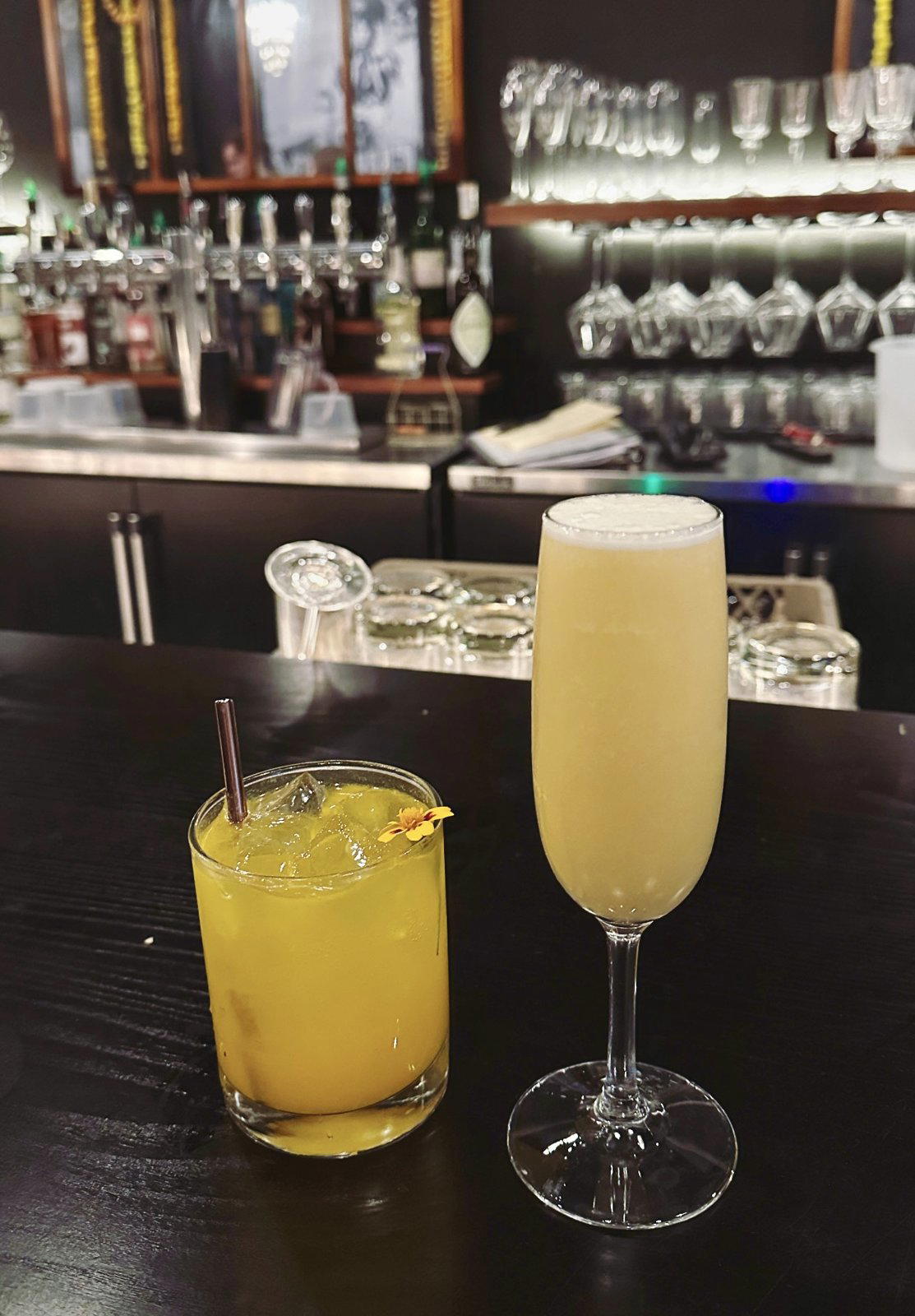
Rooftop bars in American hotels have followed a predictable arc: from novelty to saturation to differentiation by programming quality rather than mere altitude. Properties that sustain relevance in this format tend to do so through seasonal responsiveness and a drinks programme with enough specificity to reward repeat visits. The Durham's rooftop has operated as a social anchor for the downtown corridor, drawing a local clientele rather than relying solely on hotel guests, which is the clearest indicator that a hotel food and beverage programme is functioning as a genuine neighbourhood asset rather than a captive amenity.
This pattern appears across the most discussed independent hotel dining programmes in the United States. At Troutbeck in Amenia and Blackberry Farm in Walland, the food and beverage offer is so tightly integrated with the property's broader identity that separating the dining from the stay becomes conceptually difficult. The Durham operates on a more urban version of that same logic.
Placing The Durham in Its Competitive Set
Independent hotels without chain affiliation operate in a specific competitive tier. They price and position against one another rather than against branded full-service hotels, and their reputations travel through editorial coverage and word-of-mouth rather than loyalty programme membership. The Durham competes in this space alongside properties like the Raffles Boston at the upper end and smaller regionally significant independents at the other. Within the Southeast specifically, the conversation about where to stay in a city like Durham now routinely includes the property alongside 21c Museum Hotel Durham as the two most editorially discussed options in the downtown corridor.
The broader American independent hotel market has bifurcated: large-footprint lifestyle brands on one side, genuinely singular properties on the other. The Durham belongs to the latter category, where the absence of a hotel group affiliation is a positioning statement rather than a gap. Compare this to how Post Ranch Inn in Big Sur or Sage Lodge in Pray have built reputations in their respective regions: through specificity of place and a dining programme that reinforces rather than competes with the surrounding environment.
Durham as a Destination: What the Hotel Inherits
A hotel's dining programme does not exist in isolation from its city. Durham's food culture, concentrated around the Brightleaf district, the Durham Food Hall, and a dense strip of chef-driven independent restaurants along Foster and Geer streets, gives The Durham Hotel an unusually strong culinary backdrop. Guests arrive with expectations formed by that reputation, and the hotel's own programming must either meet or productively diverge from what is available within walking distance.
The advantage the hotel holds over street-level competitors is structural: a rooftop position, a captive breakfast audience, and the ability to program drinks and light fare in formats that freestanding restaurants cannot easily replicate. This is the same logic that makes hotel bars at properties like the The Fifth Avenue Hotel in New York City relevant to a local audience that has no shortage of options. The proposition is not better food, necessarily, but a different social architecture. See our full Durham restaurants guide for how the hotel's offer sits within the broader downtown dining picture.
Planning Your Stay
The Durham Hotel operates at 315 E Chapel Hill Street, placing it within walking distance of the main downtown dining and arts corridor. For travellers weighing the property against other design-led American independents, the relevant comparisons are with urban conversion hotels in mid-sized cities rather than resort properties. Those looking for a more secluded, nature-oriented format might consider Amangiri in Canyon Point or Canyon Ranch Tucson as alternatives, while travellers drawn to the independent urban hotel model will find the Durham's rooftop programme and downtown positioning the clearest reasons to book here over a branded alternative. Rates and room availability are best confirmed directly through the hotel's own channels, as pricing at independents in this category moves with demand and season.
Price and Recognition
| Venue | Price | Awards |
|---|---|---|
| The Durham HotelThis venue — the venue you are viewing | Not listed | Michelin Selected |
| Aman New York | Not listed | 3 Michelin Keys · World's 50 Best #87 |
| Amangiri | $1,000–1,500 | 3 Michelin Keys · World's 50 Best #45 |
| Hotel Bel-Air | $750–1,000 | 3 Michelin Keys · World's 50 Best #57 |
| The Beverly Hills Hotel | Not listed | 3 Michelin Keys · World's 50 Best #65 |
| The Carlyle, A Rosewood Hotel | $1,500–2,500 | 2 Michelin Keys · World's 50 Best #64 |
Recognition history
Dated appearances from independent guides and award organizations, with the underlying list record or original source where available.
Michelin Selected
Michelin
Details
- Modern
- Trendy
- Elegant
- Business Trip
- Weekend Escape
- Rooftop Pool
- Historic Building
- Panoramic View
- Wi Fi
- Fitness Center
- Room Service
- Concierge
- Skyline
- Wheelchair Accessible
- Elevator
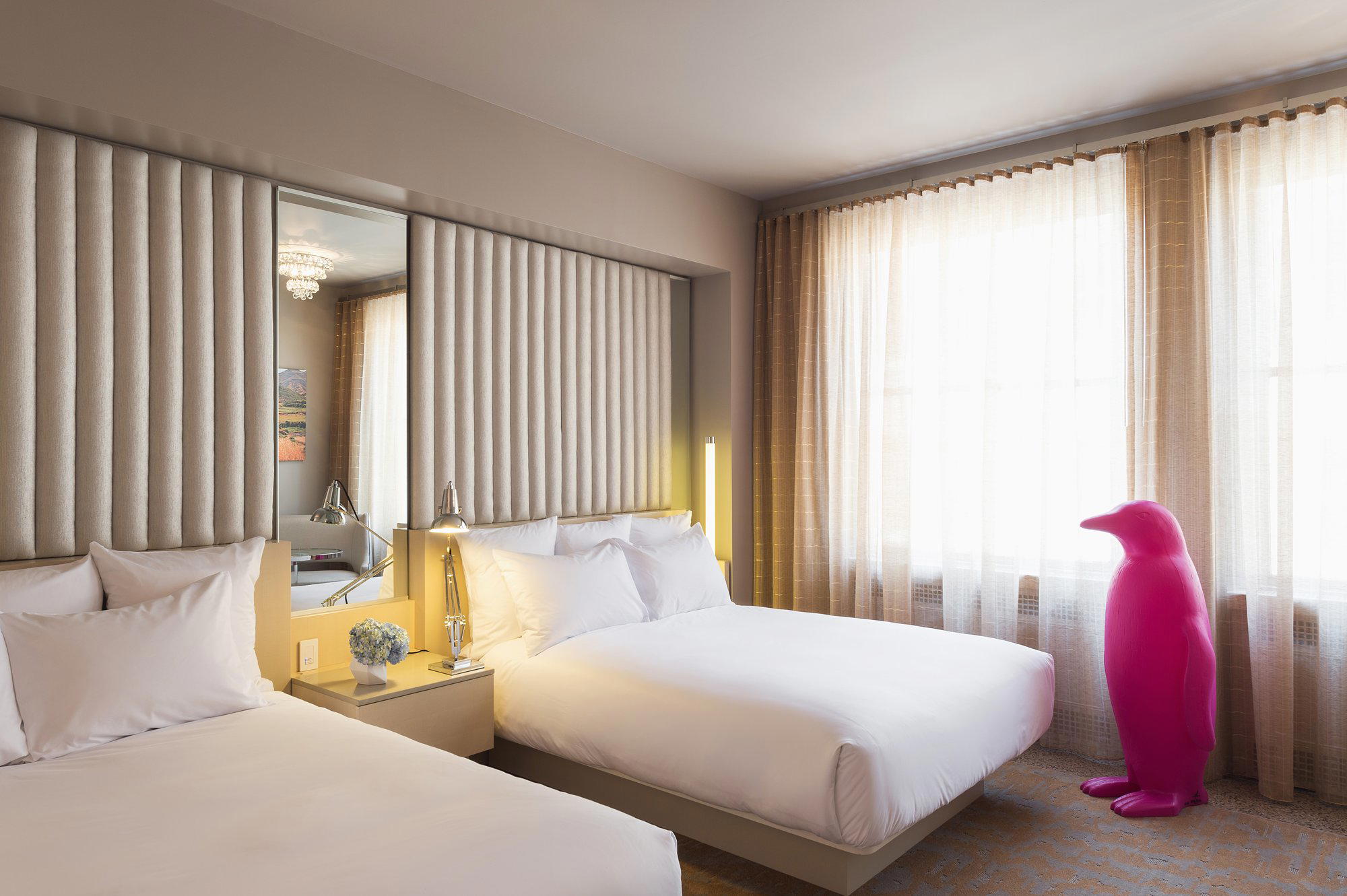
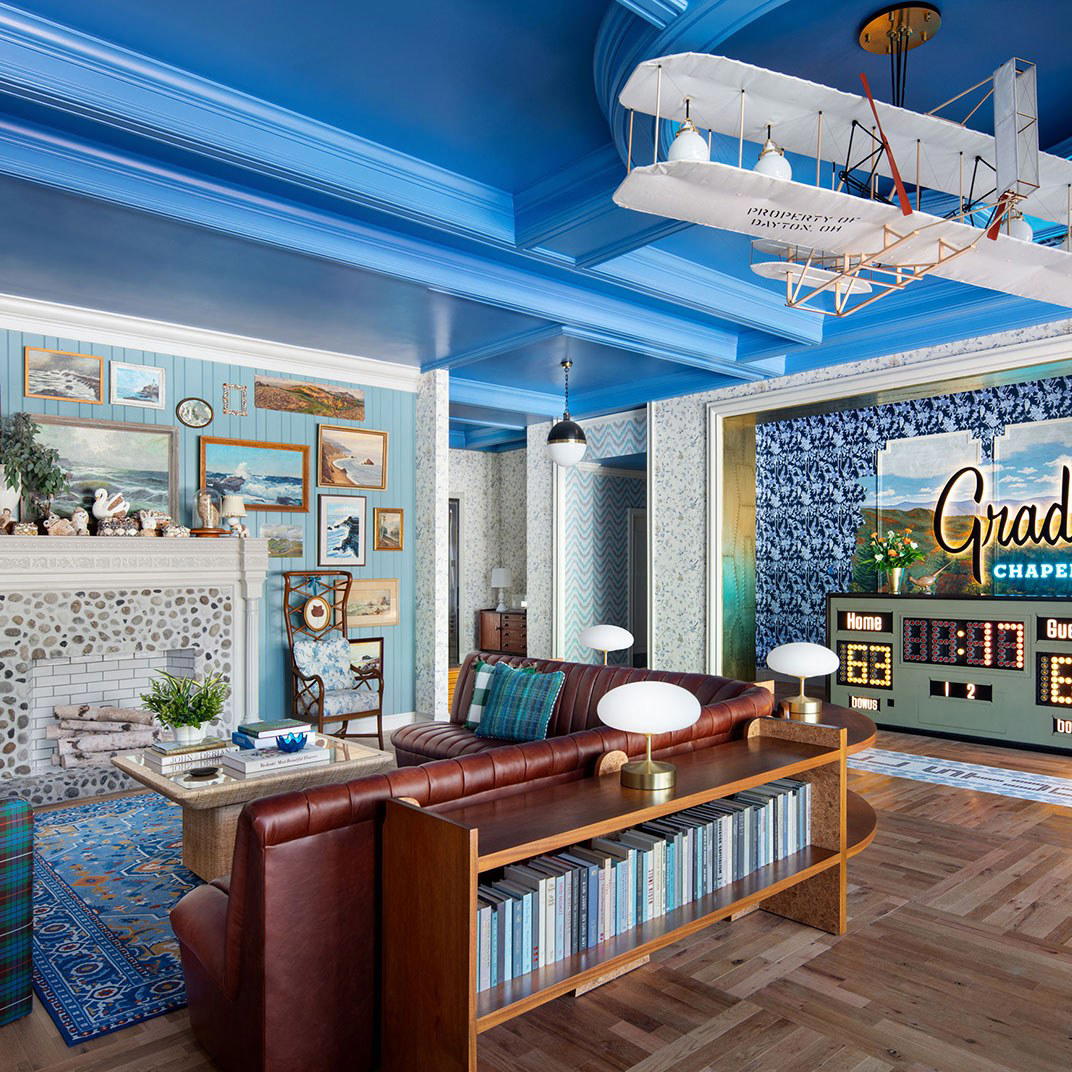
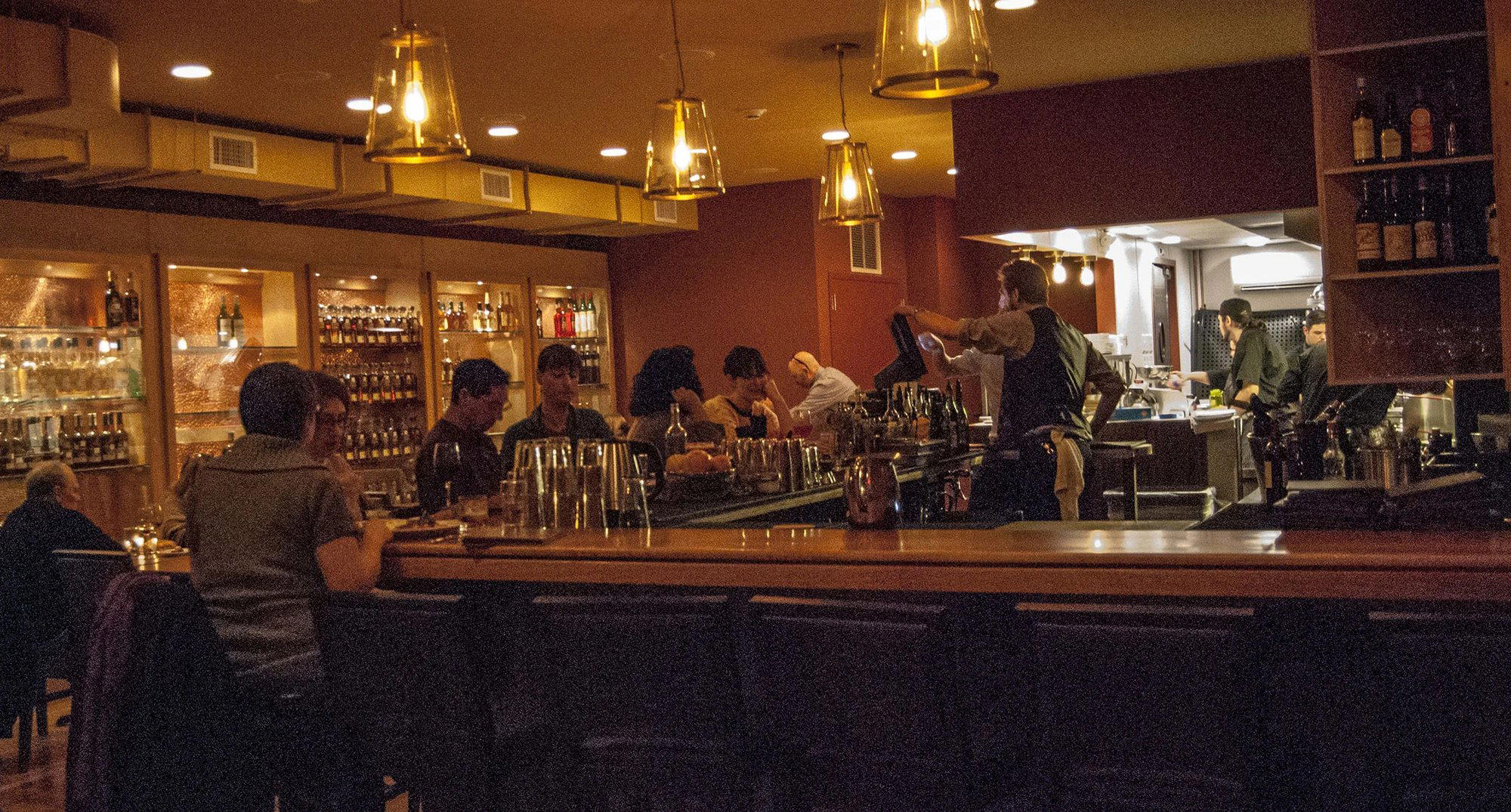
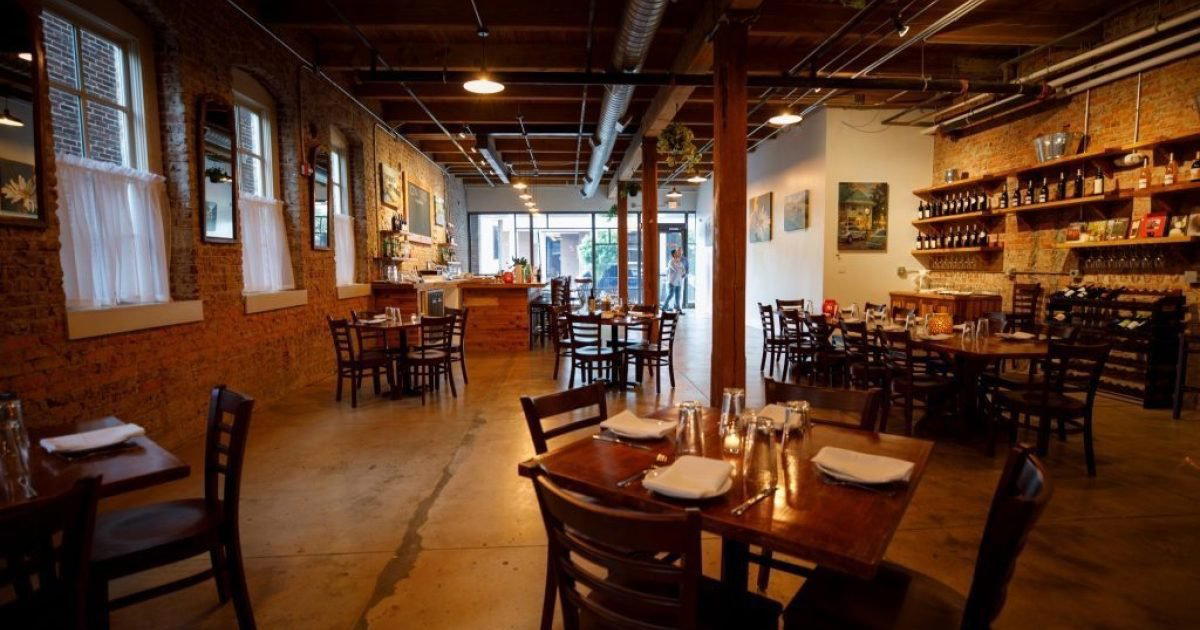
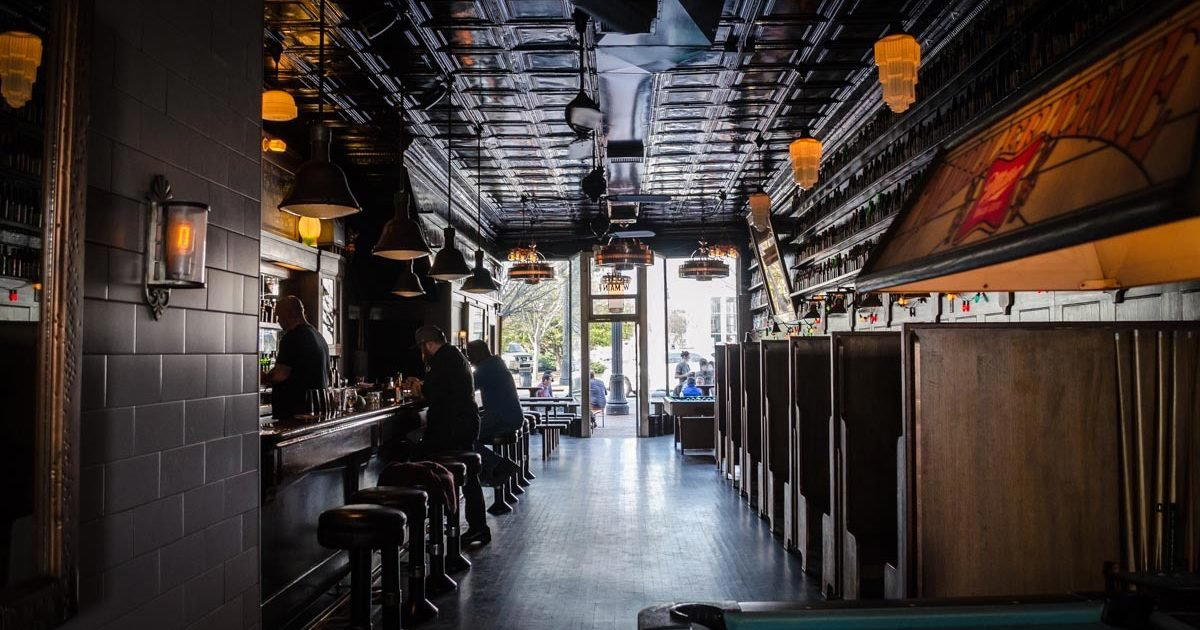
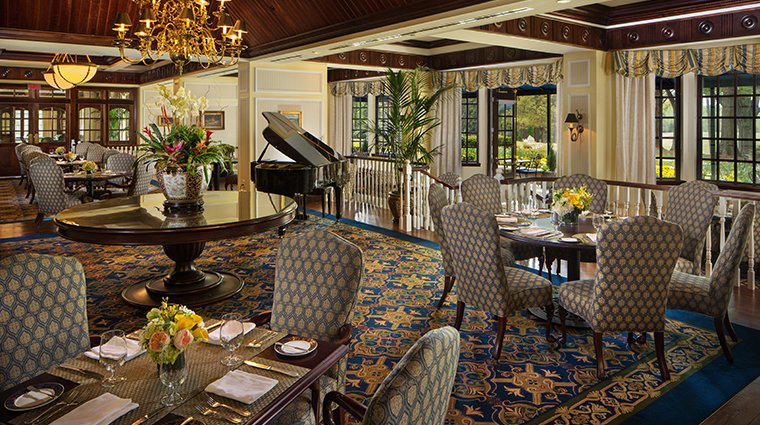
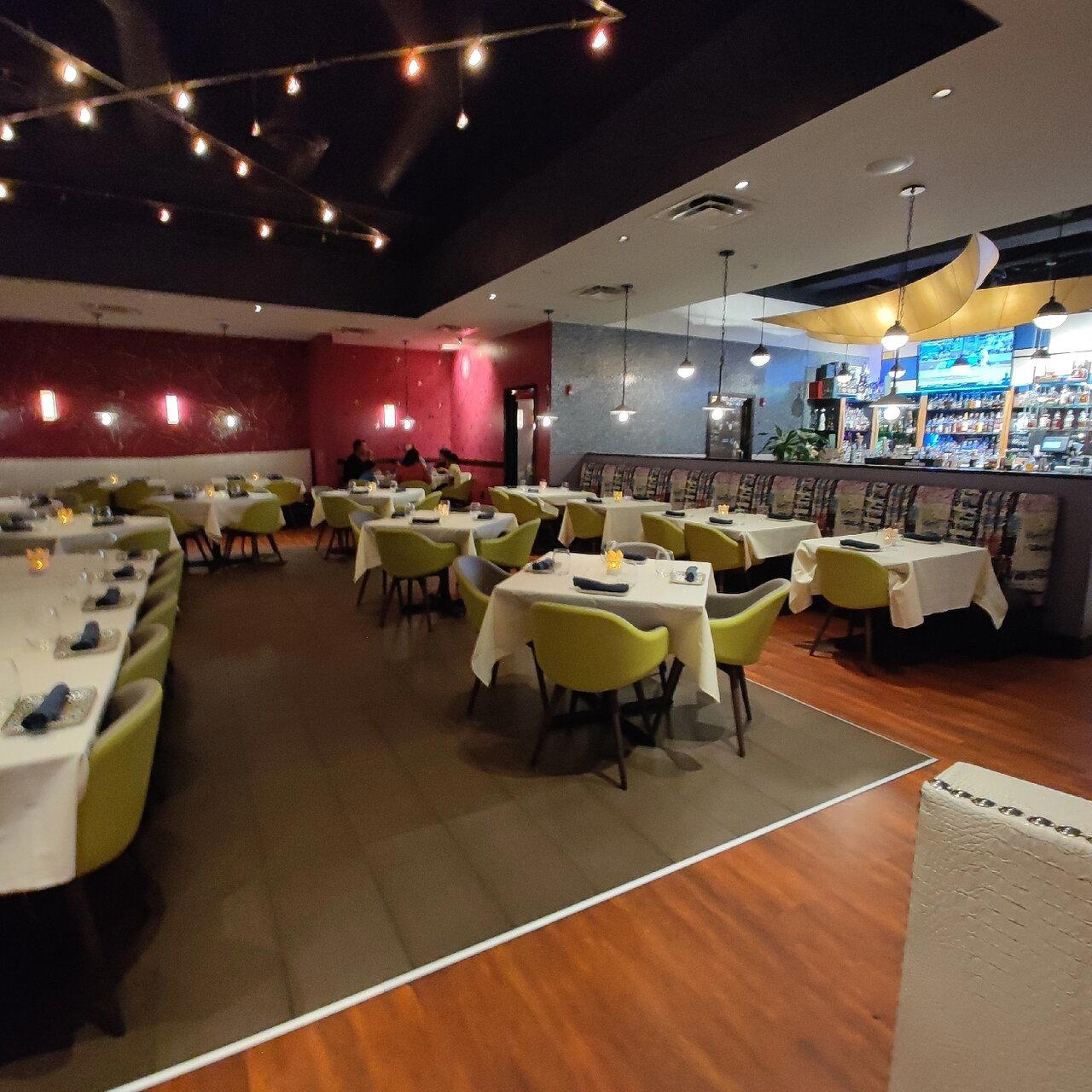
Stylish retro-modern atmosphere with geometric patterns, mid-century furniture, and lively social spaces including a lively rooftop lounge.